Match the Membrane to the Exposure
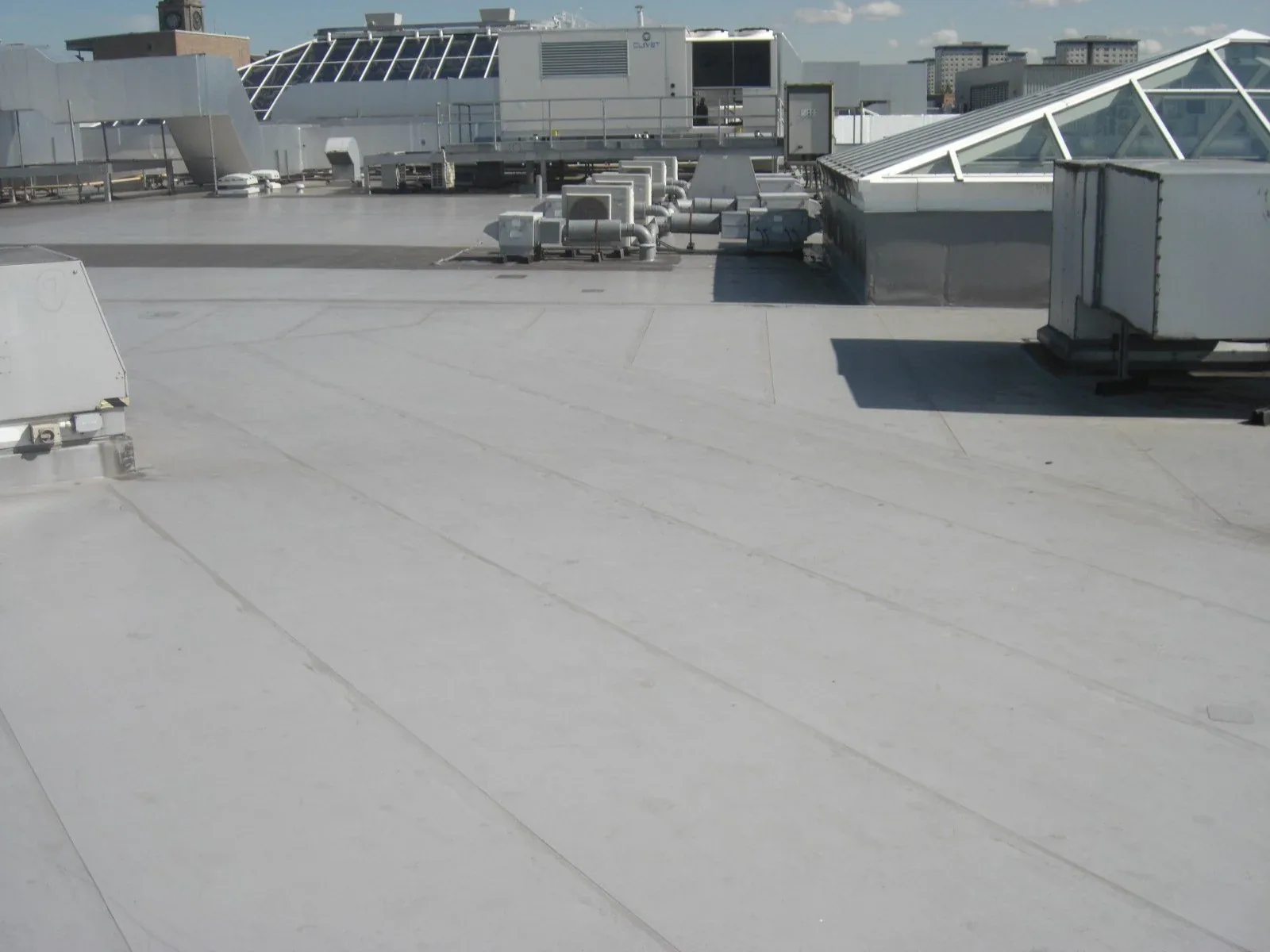
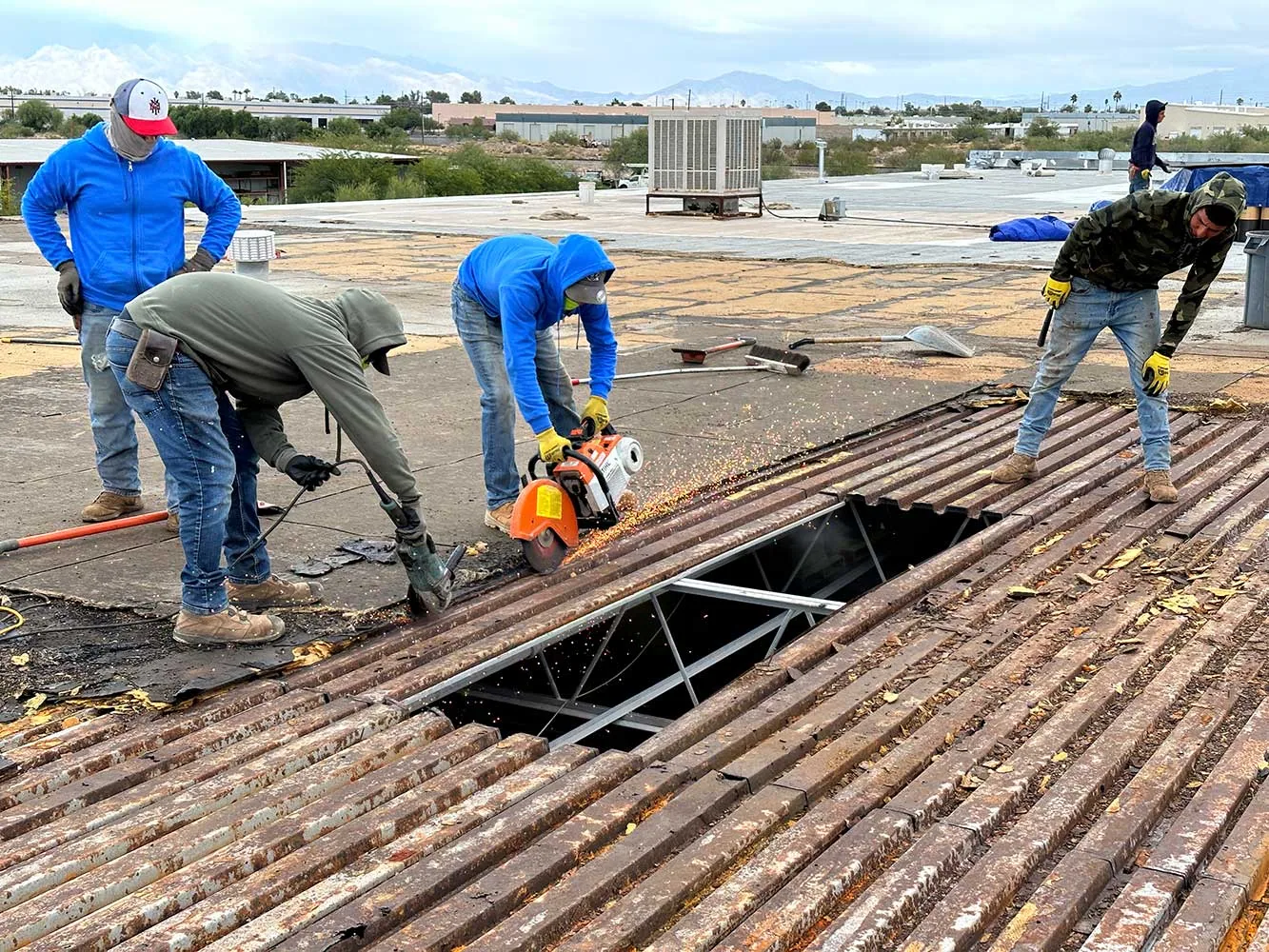
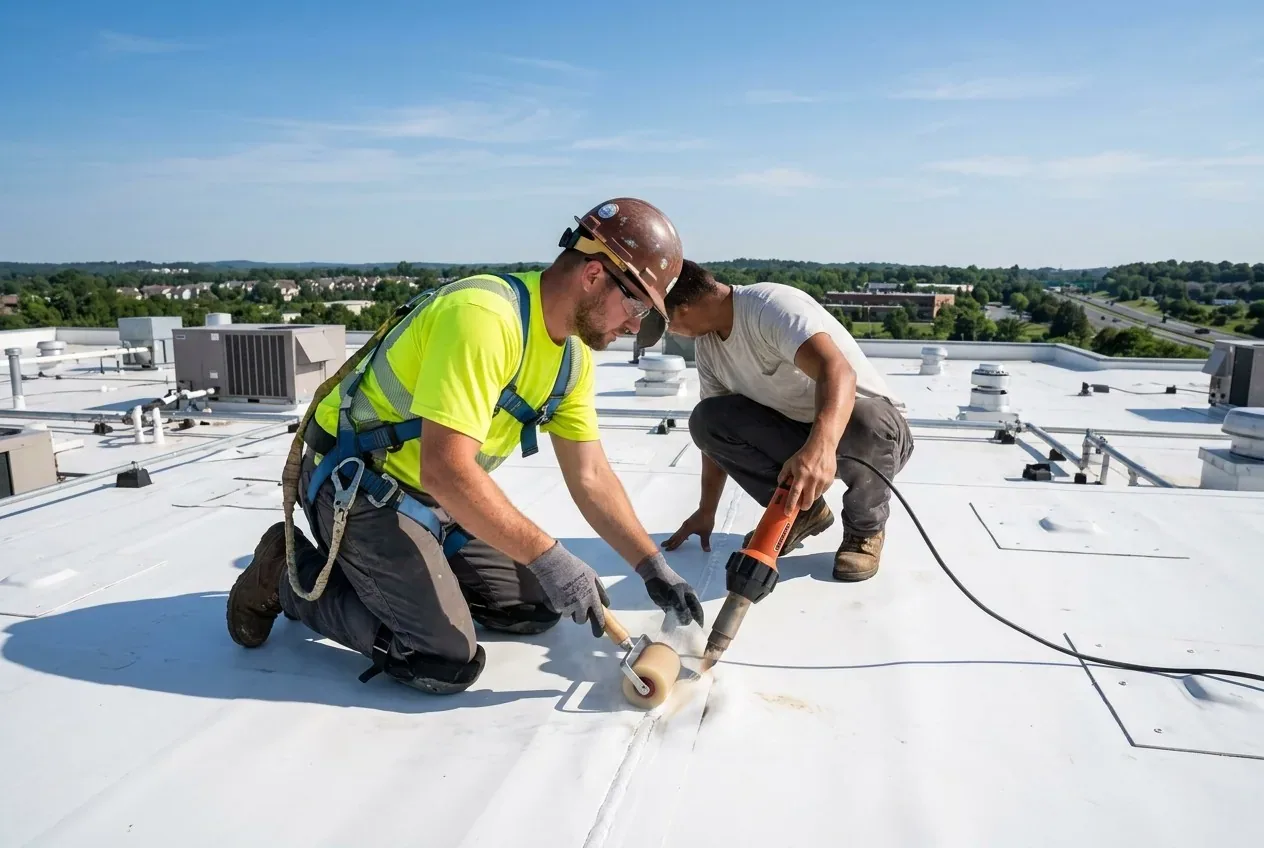
EverGuard TPO and PVC are GAF commercial single-ply product families. Both use heat-welded seams, but a shared seam method does not make the materials interchangeable. The roof’s exposure, existing assembly, drainage, penetrations, and project requirements shape the choice. Grease, process chemicals, rooftop discharge, or frequent service traffic deserve specific review before anyone selects a membrane. We inspect areas exposed to grease, process chemicals, rooftop discharge or service traffic and connect any repair recommendation to the condition found there.
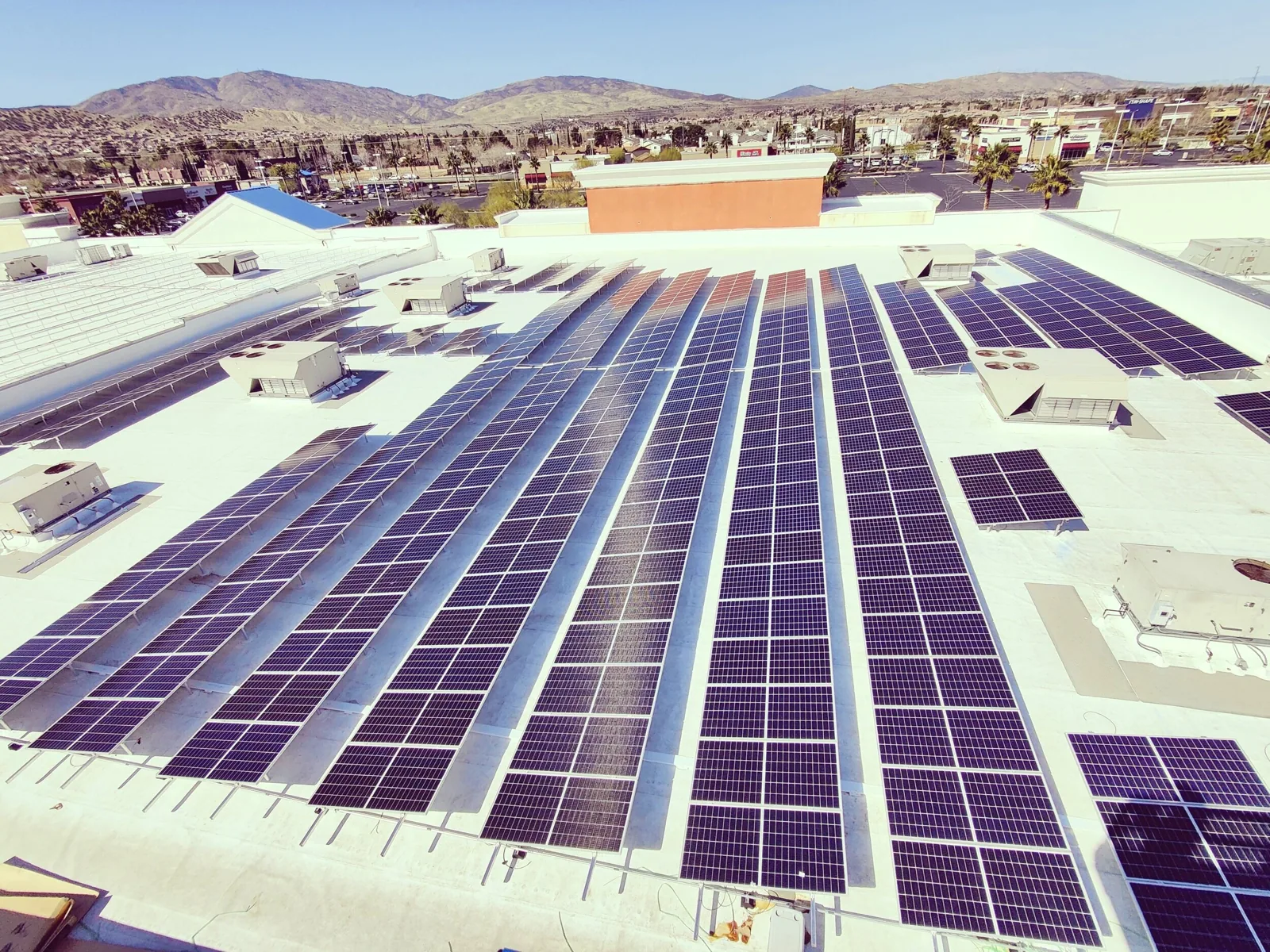
A white surface can reflect sunlight, but energy performance and system suitability depend on insulation, existing layers, attachment, edge conditions and interior use. A Carlisle TPO specifications and a another manufacturer’s PVC system each require compatible accessories and details. We compare the project specification with the actual roof and flag any mismatch before pricing a repair or replacement.
Read the Existing Roof Before Repair
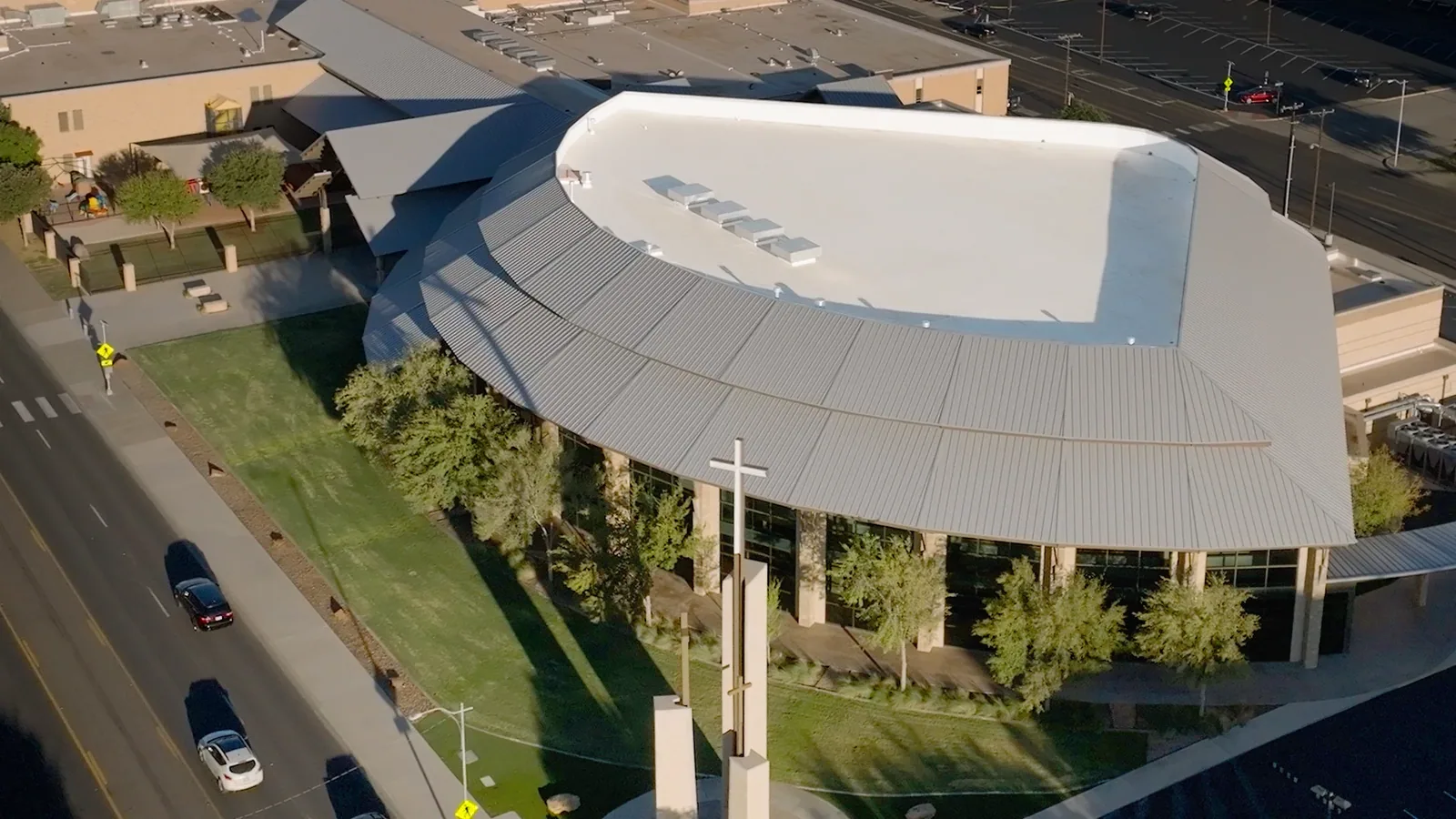
A patch can fail when it covers dirt, a wet substrate, a loose sheet, or a detail that keeps moving. We first map the leak report to a roof zone and check the membrane surface, welds, penetrations, drain bowl, edge terminations, and previous repairs. Photographs show the finding before work starts. If water may have moved below the membrane, a controlled opening or moisture survey can answer a different question than a surface walk.
On a GAF roof, confirming the exact membrane family and thickness helps us choose a compatible repair material and welding method. We examine the sheet markings when accessible, compare them with service records, and test representative welds where the project permits. A visible separation may be limited to one corner, or it may continue beyond the area that can be seen from the surface. The report separates confirmed damage from an area that needs further testing.
Our commercial roof inspection records the observed condition, likely water path, and any access limits. Where the question concerns concealed moisture, an infrared moisture survey may help target follow-up openings. A roof inspection checks surface and detail conditions; a moisture survey helps target concealed areas, with a controlled opening used when direct confirmation will change the scope.
Keep Welds and Flashings in the Scope
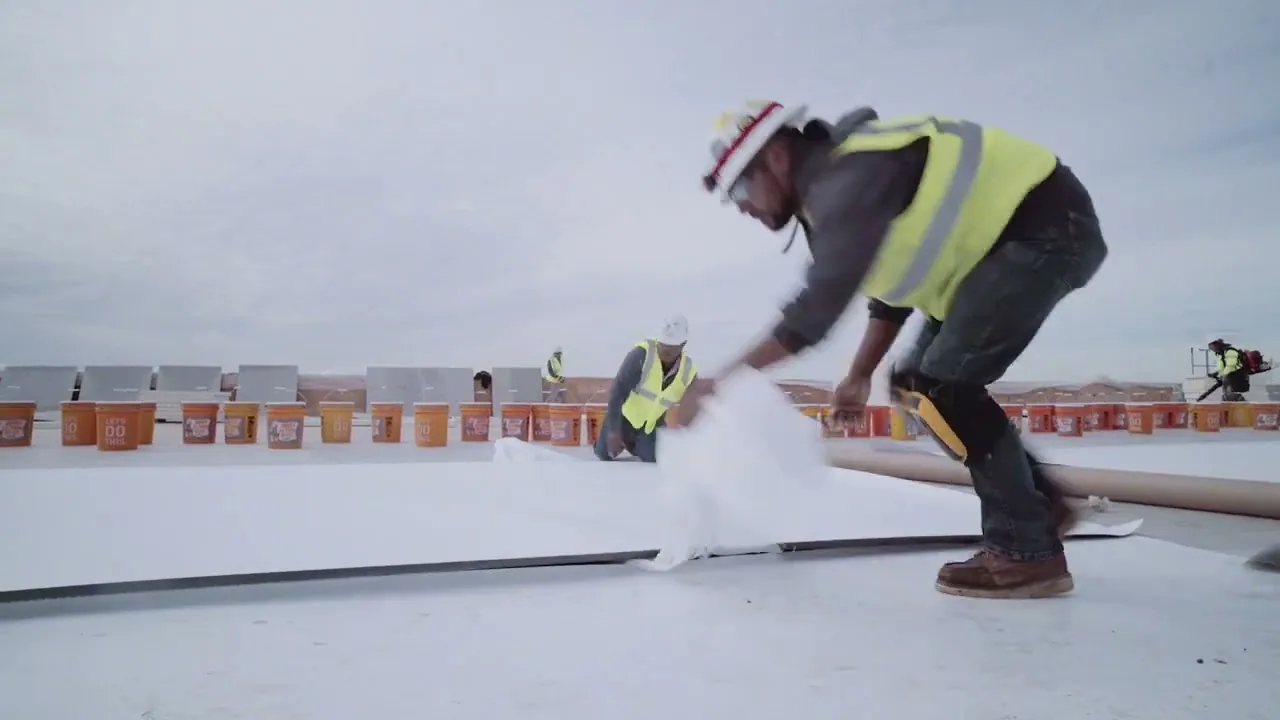
Field seams are only one part of a single-ply roof. Corners, pipe boots, curbs, drains, scuppers, and perimeter transitions can concentrate movement or interrupt water flow. A repair scope should name the detail being corrected and how the new work ties into sound material. We clean and prepare the surface, check the attachment around it, and confirm that the selected accessory belongs with the roof system.
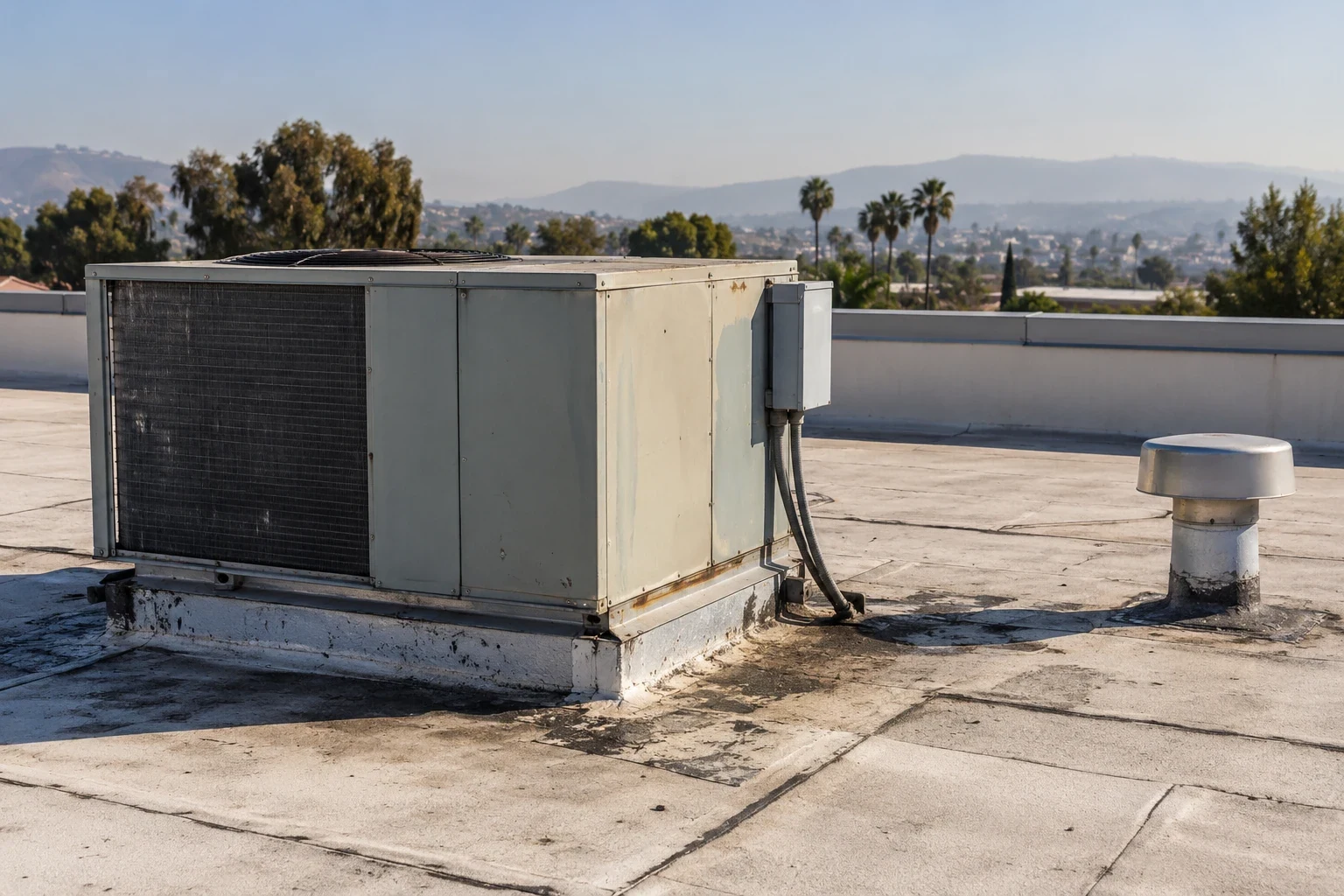
At rooftop equipment, repeated access can wear the membrane and loosen support details. We look at the path technicians use, the condition beneath walk pads, and whether the curb flashing ends cleanly above the roof surface. Near the Broadway Commercial Corridor, a building with retail or service activity may need its work area coordinated with deliveries and pedestrian access. The local use affects staging; it does not prove a particular roof defect.
Plan the Work Around Building Use
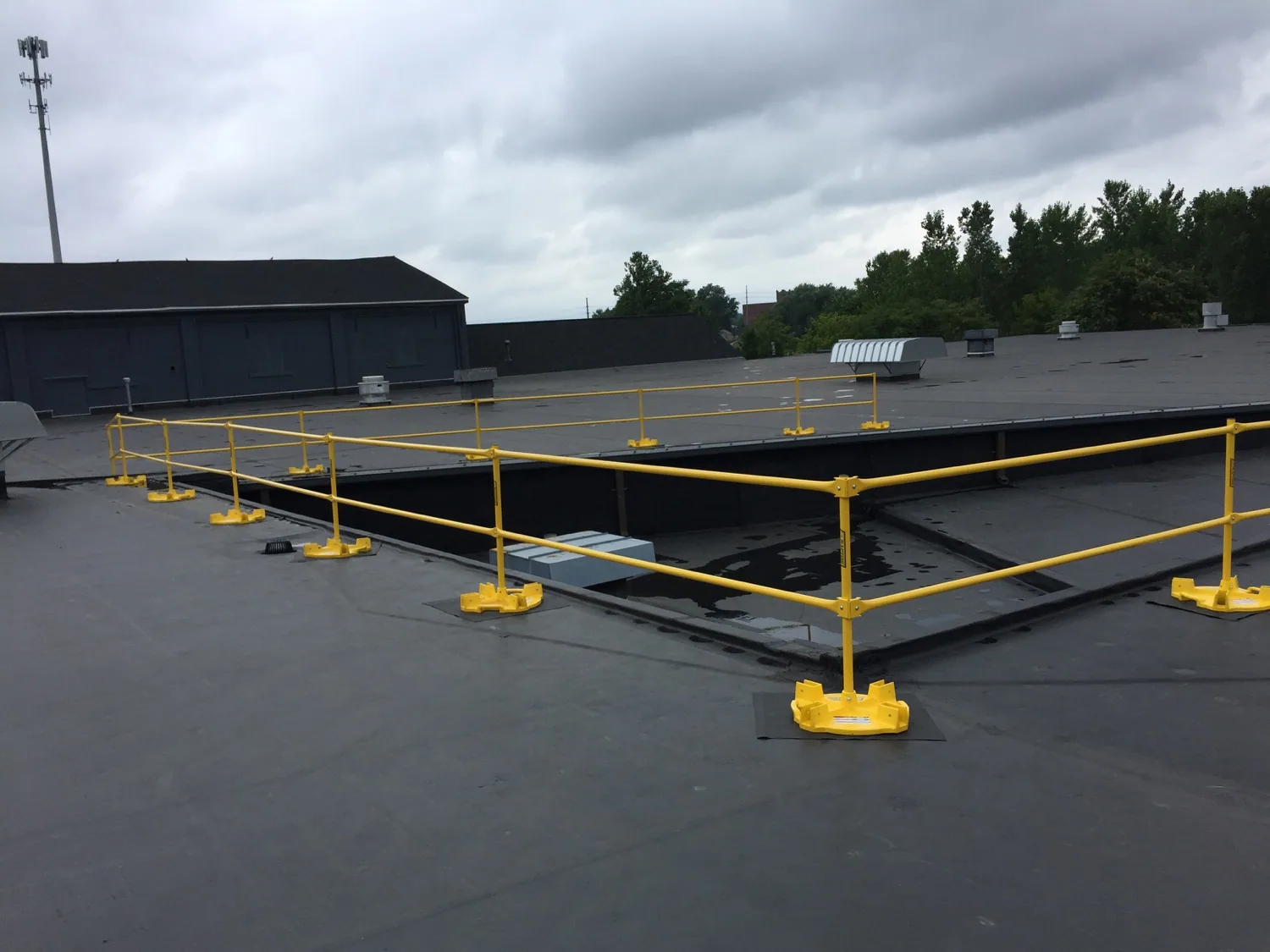
Occupied commercial work requires a defined open area, material route, and daily dry-in plan. We confirm which doors, receiving areas, equipment, and tenant spaces remain active before selecting a work sequence. The crew can divide a large roof into manageable zones, remove only the layers included in the scope, and protect exposed insulation before the shift ends. If weather or a concealed condition changes that sequence, the site contact needs a clear update before the boundary moves.
Emergency response is available at any hour, including weekends and holidays, when active water threatens operations. The first visit may provide temporary protection and document the affected area; permanent GAF-system repair follows after the membrane, substrate, and detail are confirmed. We keep those steps distinct so temporary sealant or a cover does not appear in the record as a finished repair.
For a full replacement, we review access, tear-off depth, deck condition, insulation, drainage, perimeter attachment, and tie-ins before setting a production plan. A phased reroof can protect active interior functions when the layout and weather window allow it. We identify which areas can remain in service and where noise, lifts, or temporary closures need coordination.
Account for Coastal and Inland Conditions
Chula Vista’s western business areas around Third Avenue, Broadway, and Main Street differ from employment districts extending through Otay Valley toward Eastlake and Otay Ranch. That geography can change travel, access, and the coordination needed to reach a roof. We use the building’s service records and field markings to establish the system before choosing a GAF repair or replacement detail.
The San Diego region receives most of its rain in winter, although seasonal totals vary. Before opening a roof, we check the actual forecast, drains, temporary protection, and the amount of assembly that can be made watertight each day. Farther inland, dry easterly winds can bring hotter periods during September and October. Adhesive and membrane work still follows product instructions and field conditions; a regional temperature trend is not a substitute for checking the roof surface.
Compare Repair, Recover, and Replacement
A localized weld or flashing defect may support a repair when surrounding material is secure and the substrate is suitable. If multiple seams are opening, insulation is wet, or the deck has deteriorated, a broader scope may be needed. A recover is considered only after checking existing layers, attachment, moisture, height, drainage, and compatibility. We show which finding supports each option and what remains unknown, rather than treating the brand name as a condition rating.
Cost and schedule reflect roof area, removal depth, system details, staging, insulation, edge work, equipment, and occupied areas below. If an opening reveals a condition outside the agreed scope, we document it and discuss the change before covering the area. A targeted repair and a replacement project should have separate boundaries, quantities, and assumptions.
Share the roof plan, GAF product information if available, leak locations, and the building contact for access. We can inspect released areas, identify the visible assembly, and return a written scope with photos and the next decision. For a roof near EastLake Business Center, include operating hours and receiving restrictions so the visit can be planned around the property’s service route.