Identify the Carlisle Assembly
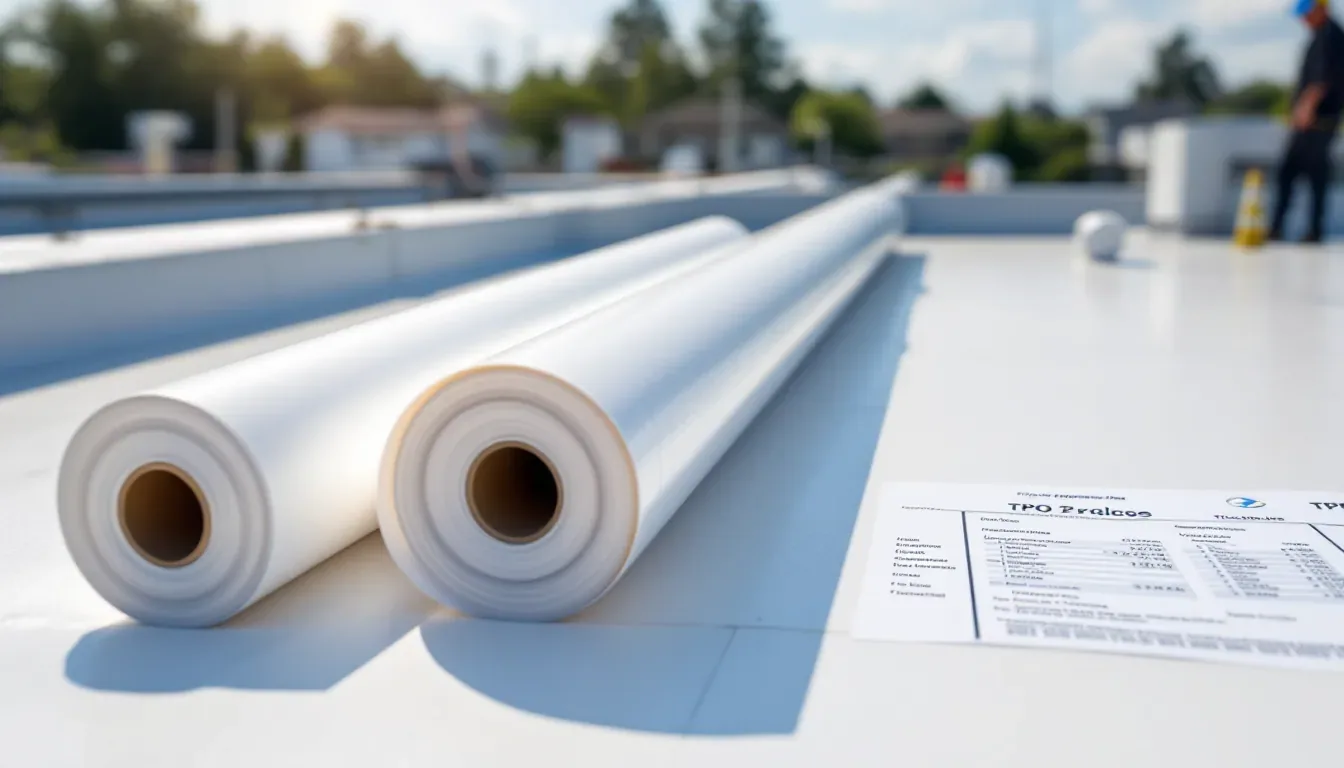
Carlisle product names can help narrow the material, but service records and roof markings need to agree before we select a repair method. Sure-Seal EPDM, Sure-Weld TPO, and Sure-Flex PVC have different seam behavior and material compatibility. FleeceBACK identifies a fleece-backed membrane option; the deck, insulation and attachment still depend on the installed assembly. We inspect visible layers and compare them with the installed system requirements.
EPDM seams typically rely on compatible primers and seam tape or adhesive, while TPO and PVC seams are heat welded. That difference matters at a patch: a method for one membrane cannot be assumed suitable for another. Repair choices for GAF commercial membranes and Johns Manville system options also depend on the installed product and adjacent material condition. The repair scope then names the actual detail being corrected.
Follow the Leak to Its Entry
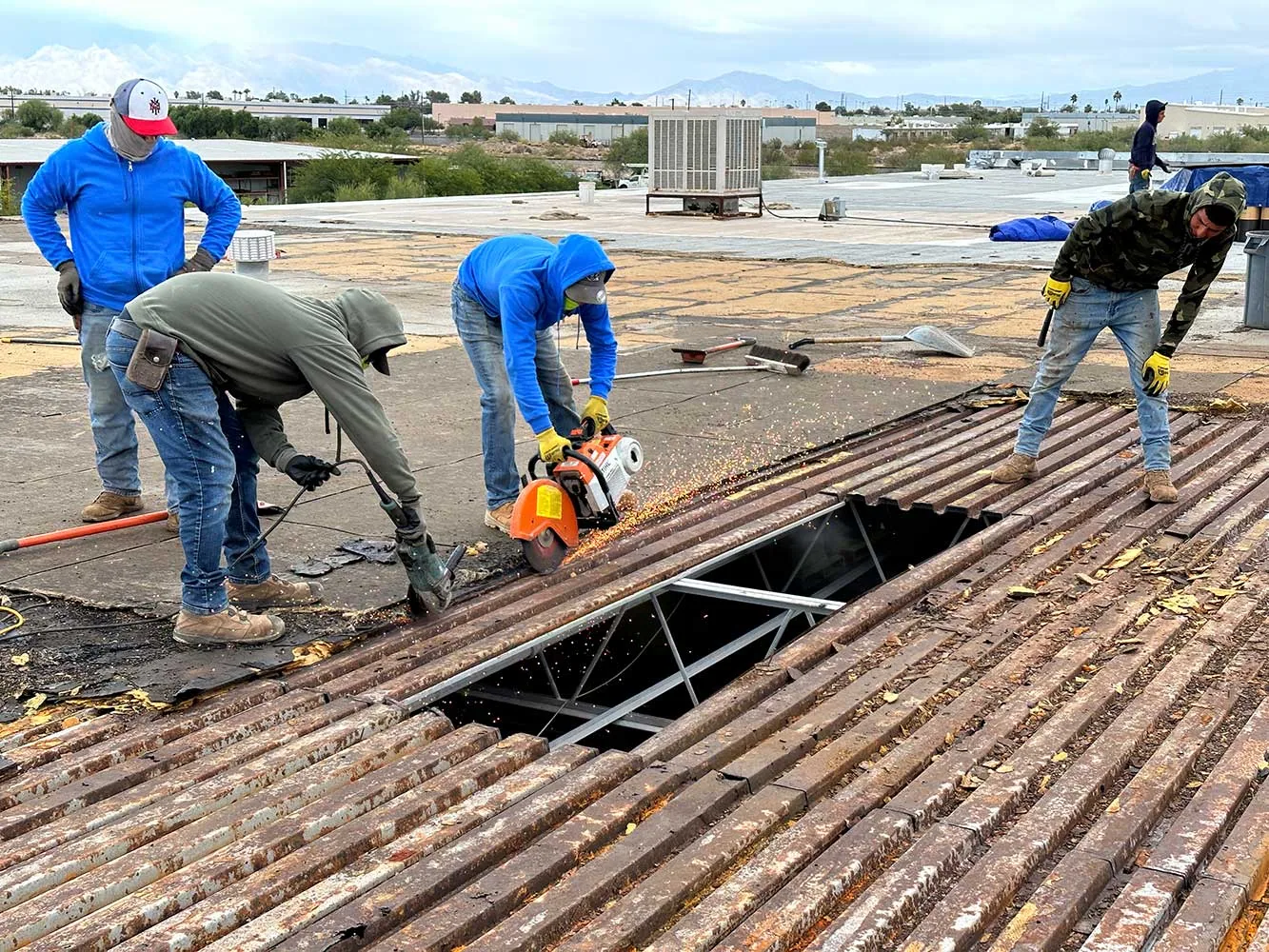
A ceiling stain can sit several bays away from a failed roof detail. We start with the interior report, mark the room or equipment affected, and follow likely water paths across the roof instead of cutting a patch directly over the stain. Drains, seams, curbs, penetrations, wall transitions, and old repairs all deserve a look. A controlled opening may be needed if the insulation or deck could be wet below a sheet that still looks sound.
For an EPDM roof, a lifted splice may signal poor adhesion, contamination, movement, or an incompatible earlier patch. On a Carlisle TPO or PVC roof, the test area should include the weld and the surrounding sheet. We photograph the test, record the inspection limits, and distinguish an isolated correction from a seam pattern that continues across a roof zone. The repair boundary is based on what the inspection confirms.
Protect the Transitions
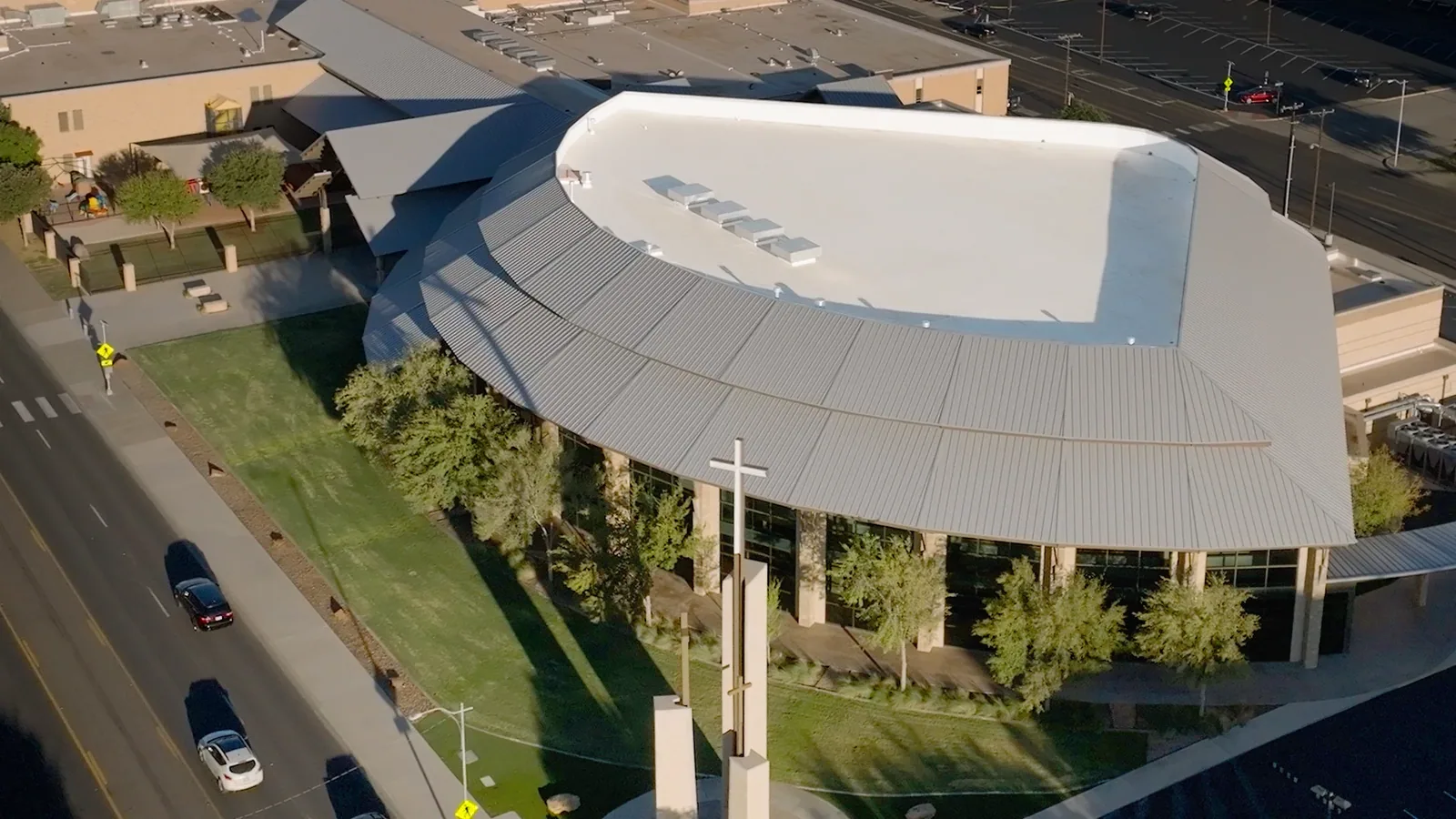
Leaks often start where a field membrane changes direction or meets another material. At a Carlisle roof, the curb flashing, drain clamping ring, expansion joint, edge termination, and wall detail need compatible components and sound support. We look for wrinkles, open corners, loose metal, blocked drainage, and movement around equipment bases. A new patch that stops short of the failed transition can leave the original water path open.
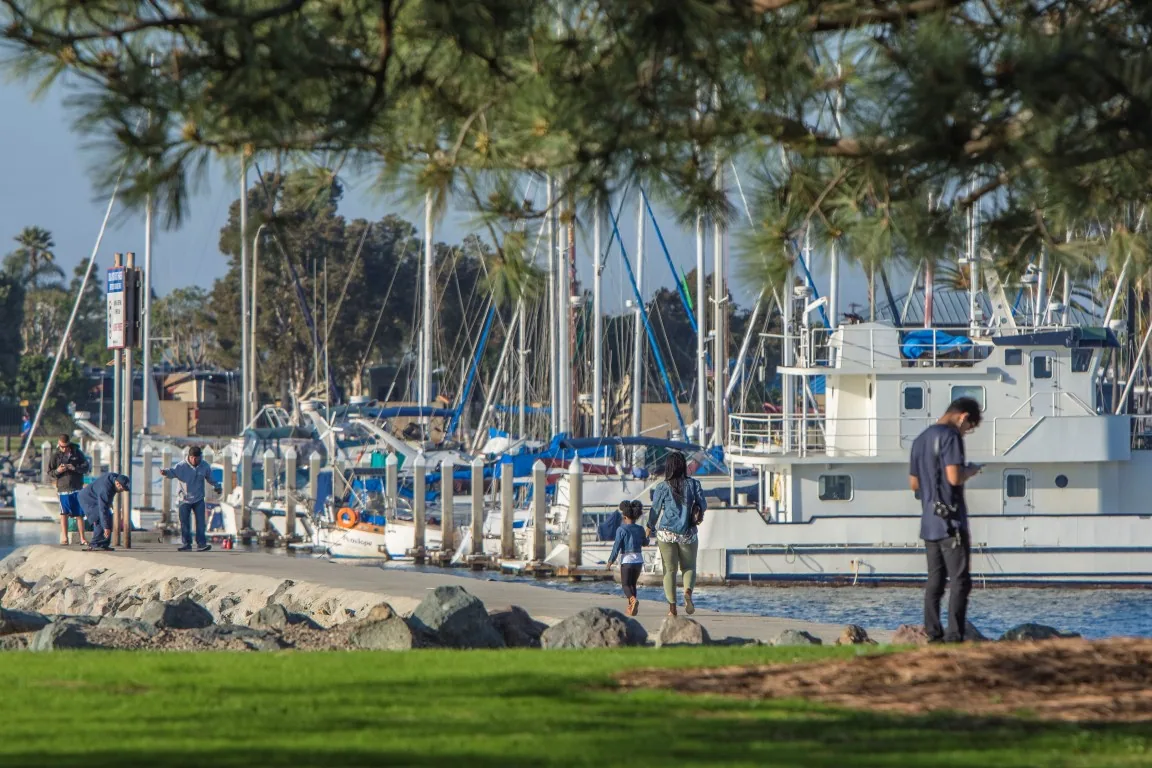
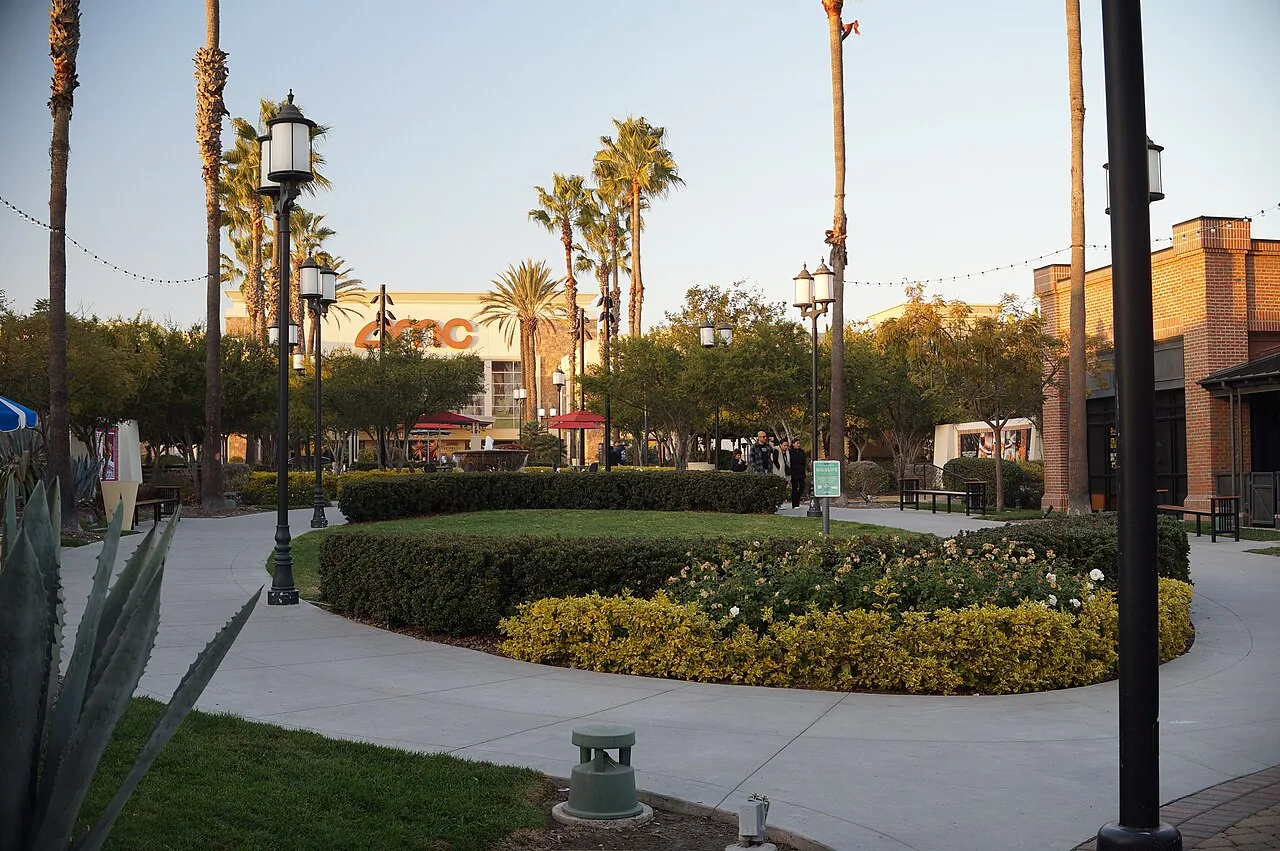
Chula Vista’s bayfront includes maritime and commercial activity, while inland employment areas include offices, industry and retail. Near the Chula Vista Bayfront, those uses can affect access and material staging; we inspect the roof assembly at the property before setting the repair.
Set a Work Area and Dry-In Limit
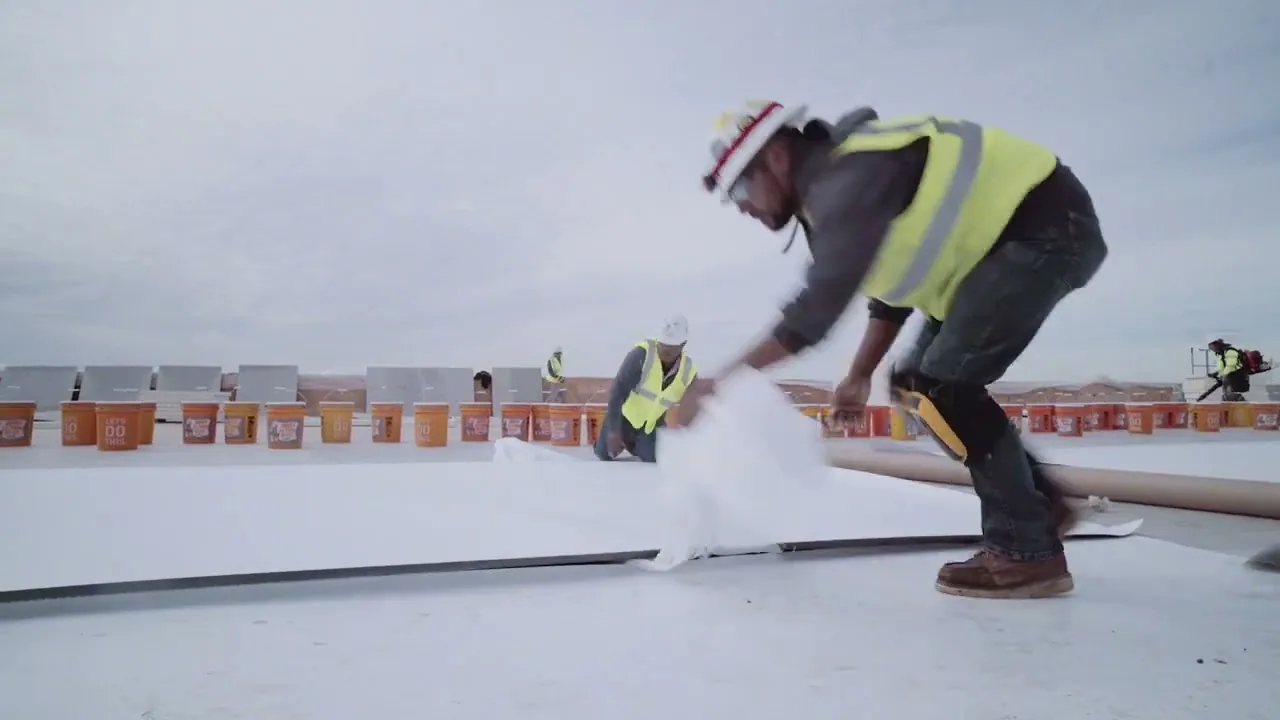
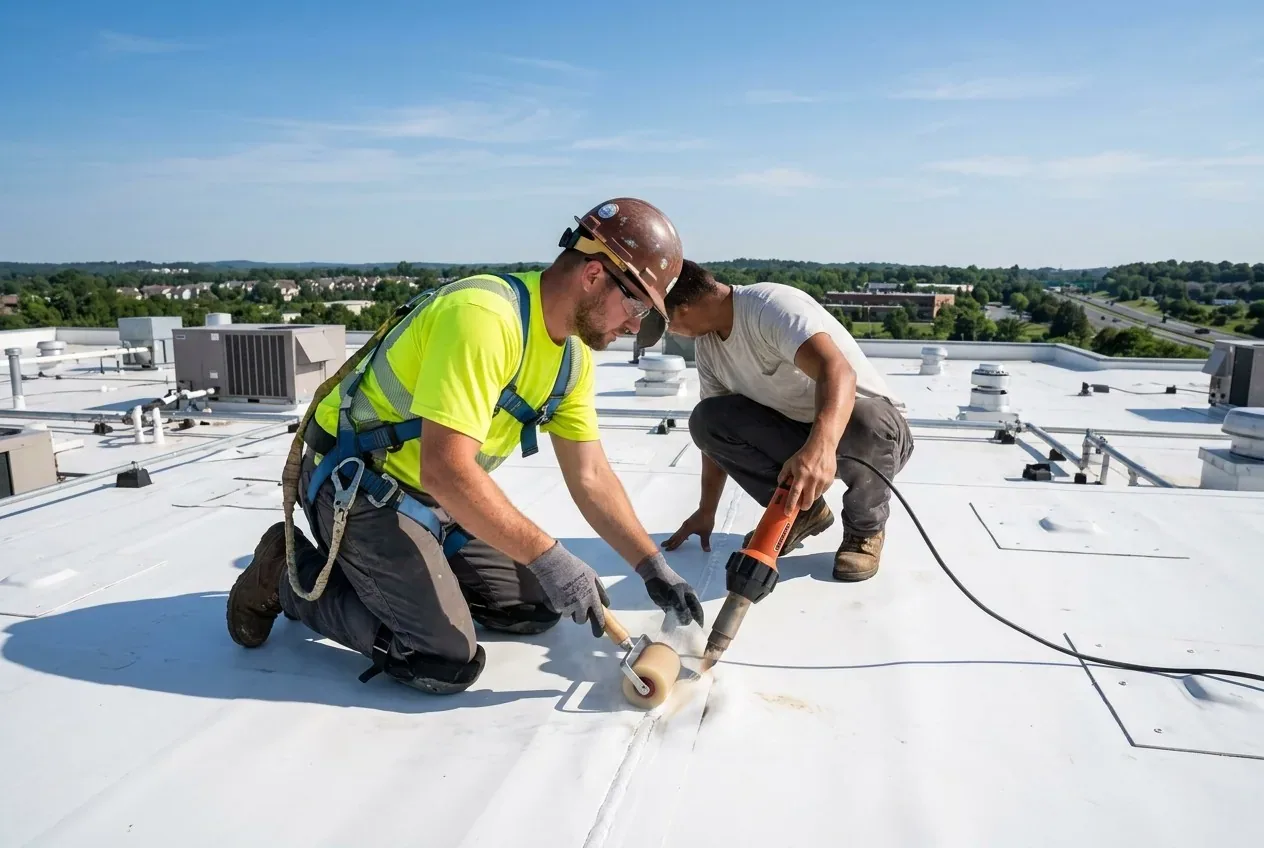
Material handling can be as important as the membrane detail on an occupied building. We confirm roof access, ladder or hatch rules, tenant hours, equipment shutdowns, delivery lanes, and interior protection before starting. The crew opens only the area that can be completed and made watertight under the day’s conditions. If removal reveals a second roof layer or damaged deck, we stop at a safe boundary, document what is visible, and agree on the added scope before proceeding.
After-hours emergency response is available on weekends and holidays when water is entering the building. That visit can limit active damage and record temporary protection before the permanent Carlisle-compatible repair. We return to the affected roof zone, confirm drying and substrate condition, and select the repair detail from the product information and field evidence.
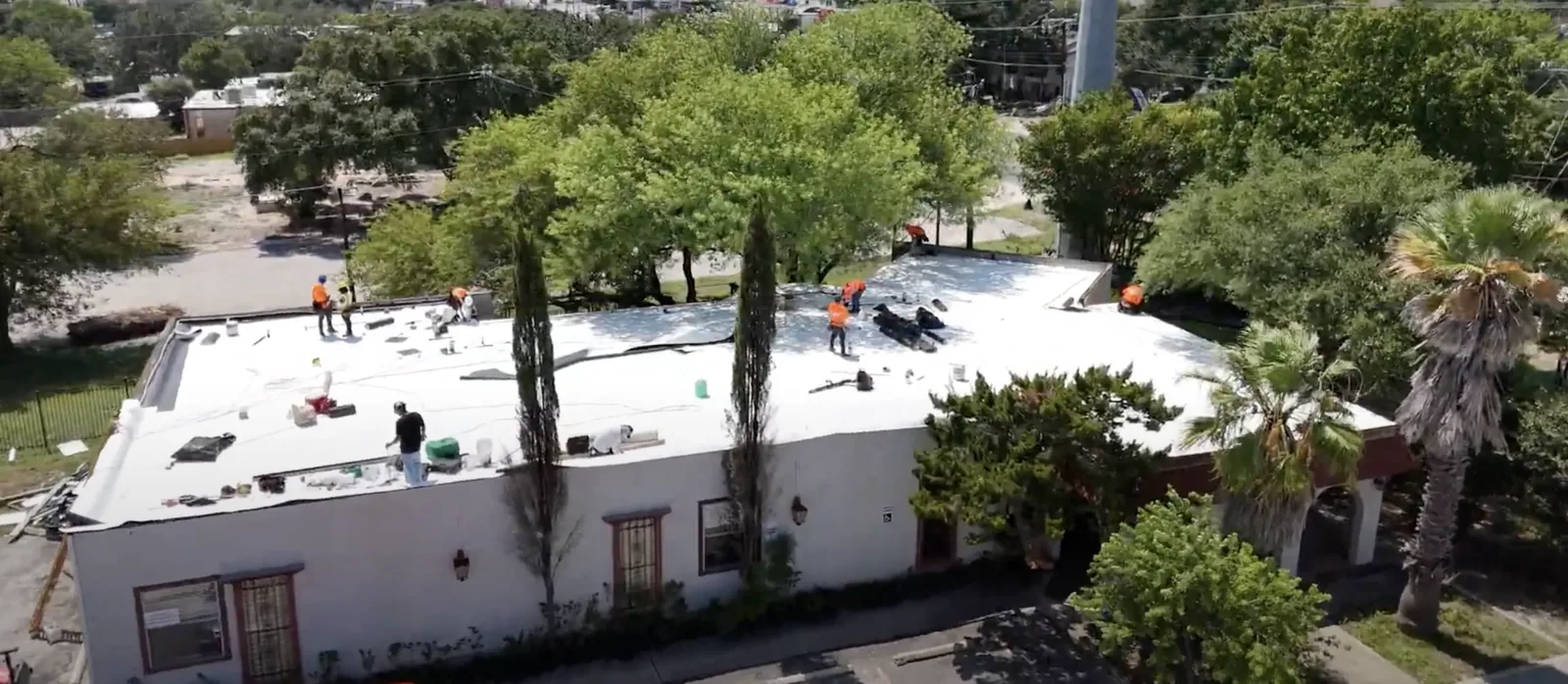
For replacement, the sequence accounts for tear-off depth, insulation attachment, drainage, perimeter edge details, rooftop units, and where each day’s dry-in ends. A phased reroof can reduce disruption when roof geometry and weather allow sections to remain separated. We list the noisy work, delivery needs, and access limits in the plan so facility staff can arrange an operating window before materials arrive.
Use the Season and Route in Planning
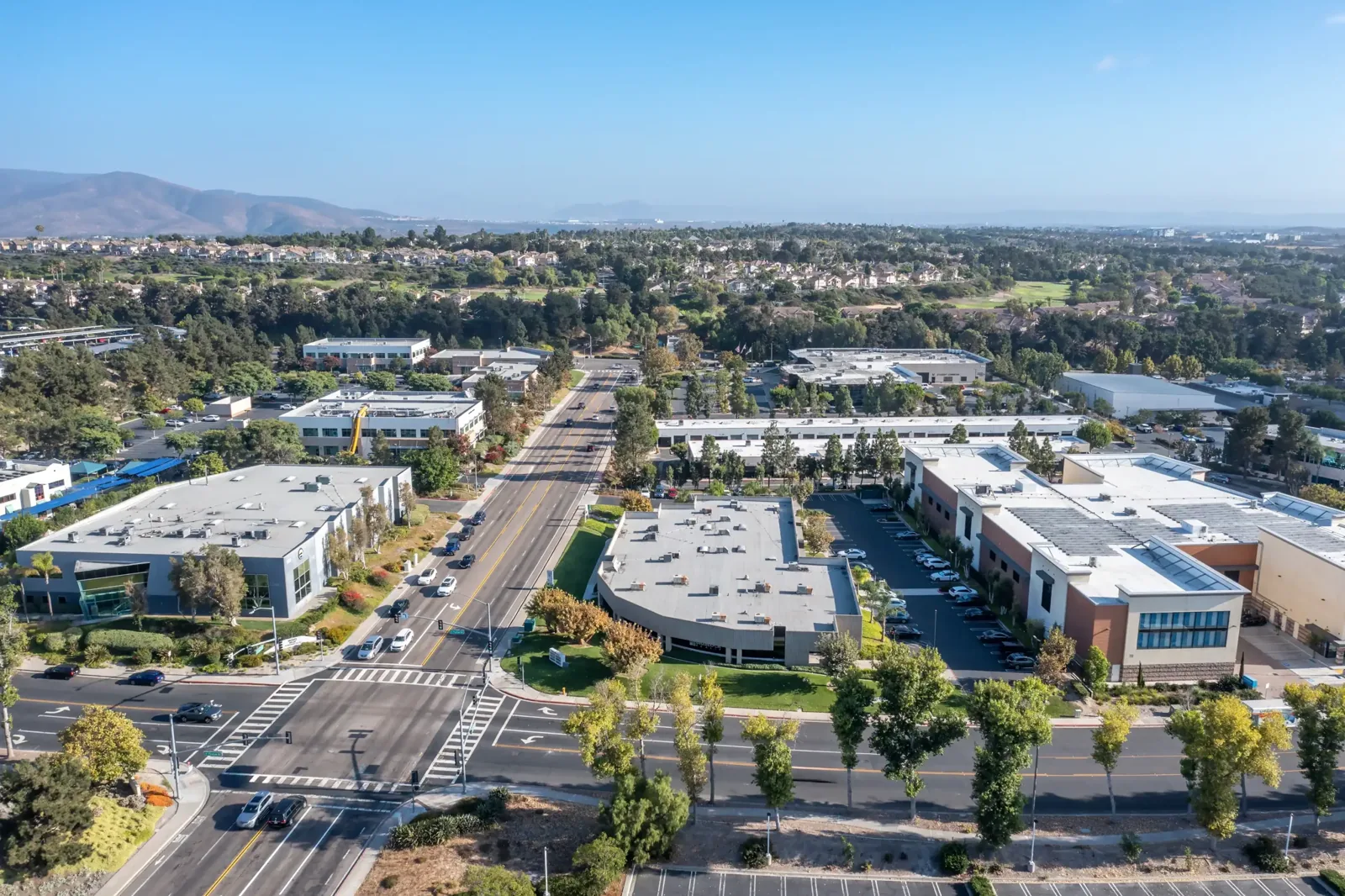
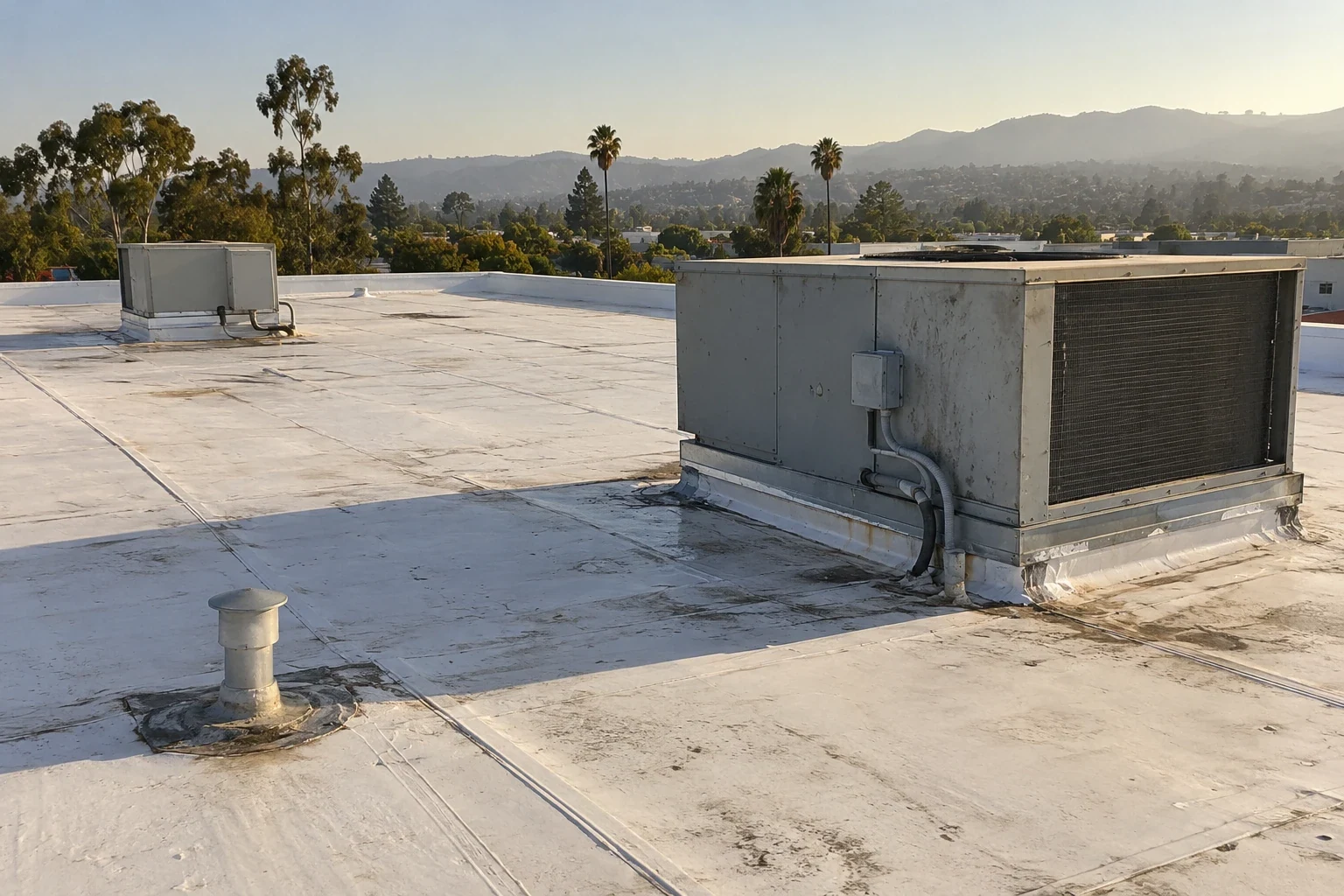
Most precipitation in the San Diego region falls during winter, with large differences from one season to another. Before opening an assembly, we check the current forecast, drains, temporary cover, and the amount of roof that can be closed out that shift. Eastlake Business Center is one of Chula Vista’s employment areas, and routes there may involve active office, industrial, and retail operations. We coordinate with the building contact rather than assuming access from the district name.
Summer planning is not only about rain. Dry easterly winds can bring hot periods to eastern San Diego and nearby suburbs, particularly in early fall. A hot surface can affect when some adhesives or repair materials are handled, so product directions and measured field conditions guide the work window. Near Third Avenue, by contrast, local loading and pedestrian activity may govern staging more than long-distance freight access. We treat each roof and property schedule as its own job condition.
Choose the Scope from the Evidence
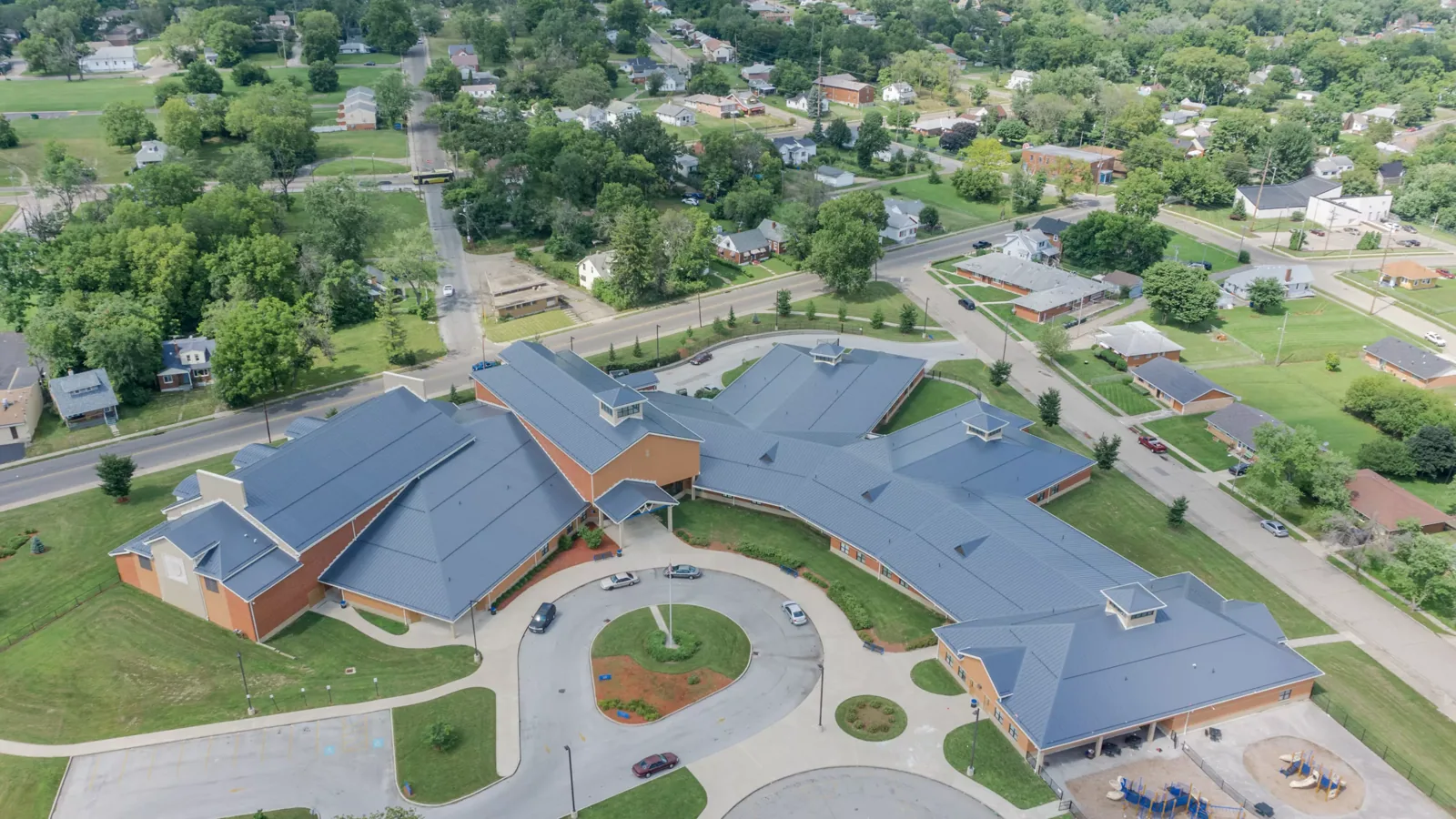
A single open splice in dry, well-bonded membrane may support a localized repair. Repeated openings, widespread moisture, loose attachment, or deteriorated deck can change the decision. A recover requires review of existing layers, moisture, attachment, roof height, drainage, and whether the proposed Carlisle system is compatible with the substrate. We explain the finding behind each option and what a test opening could change.
Estimate drivers include access, area, membrane type, tear-off depth, insulation, cover board, curb count, perimeter work, lift needs, and operating constraints. We identify allowances separately from quantities confirmed during the walk. For a repair scope, the report lists the roof zone, detail, tie-in, and remaining conditions. A replacement scope describes removal and new assembly layers, not just a square-foot figure.
Send the Carlisle product records, roof plan, leak history, and access contact. We will walk released areas, document the visible assembly, and give the facilities team a clear next step. If the building is near the Otay Ranch employment area, include delivery and equipment-hour limits so the work plan can fit the site.