Separate Single-Ply from Multi-Ply
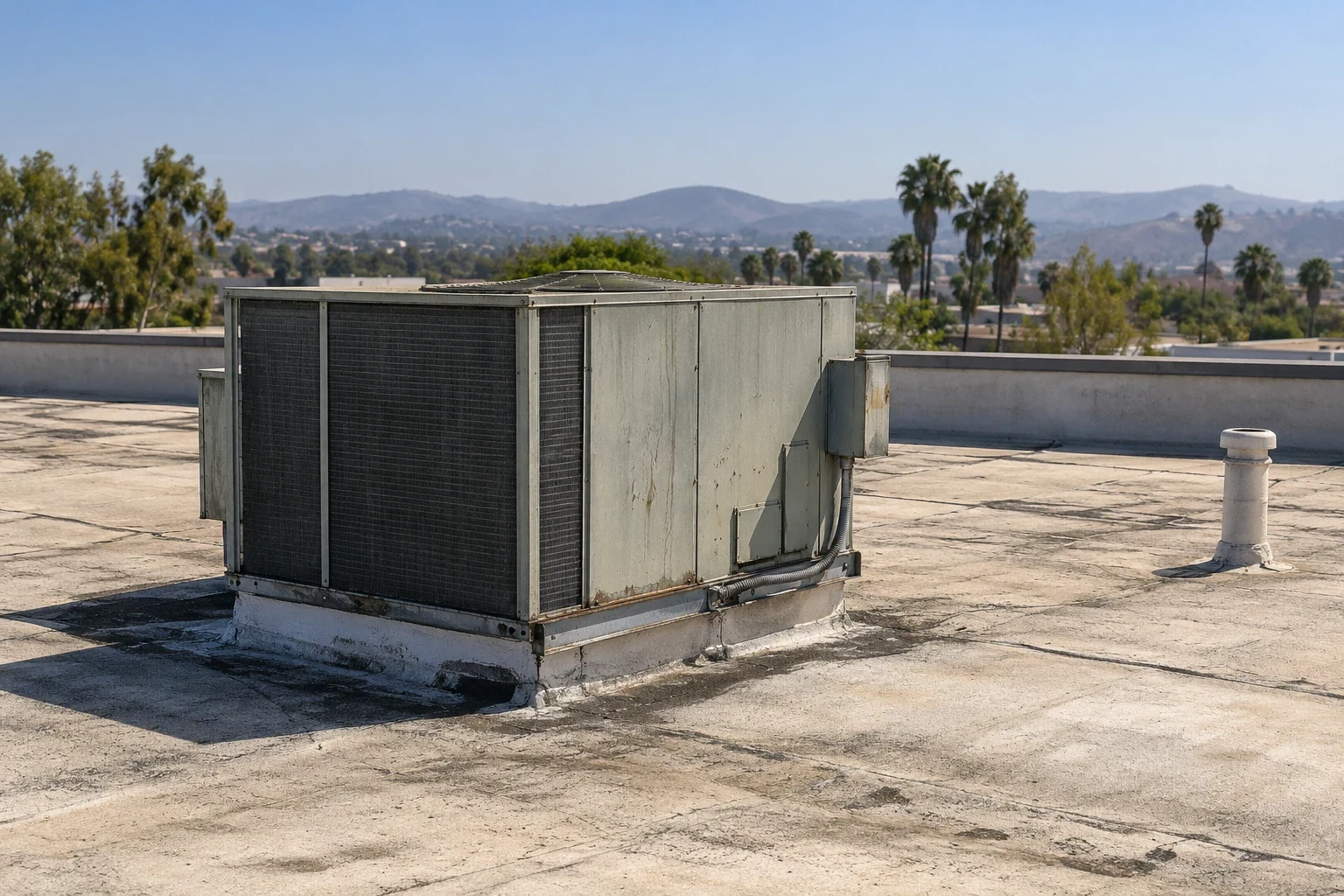
Johns Manville’s commercial portfolio spans TPO, PVC, EPDM, APP, SBS, built-up systems, insulation, cover boards, and specialty details. Each family has its own installation requirements and repair materials. TPO and PVC seams are heat welded; EPDM repairs use different products and preparation. Bituminous assemblies depend on their plies, surfacing, attachment, and asphalt or adhesive condition. We do not treat the manufacturer name as enough information to choose a compatible patch.
A Carlisle single-ply assembly may share a broad membrane type used on a Johns Manville roof, but product-level components and details still need to match the installed system. Likewise, a Soprema multi-ply option is not interchangeable merely because both assemblies use modified bitumen. We read available closeout documents against membrane markings, seam construction, insulation layers, and existing edge details.
Read Bubbles, Splits, and Soft Spots
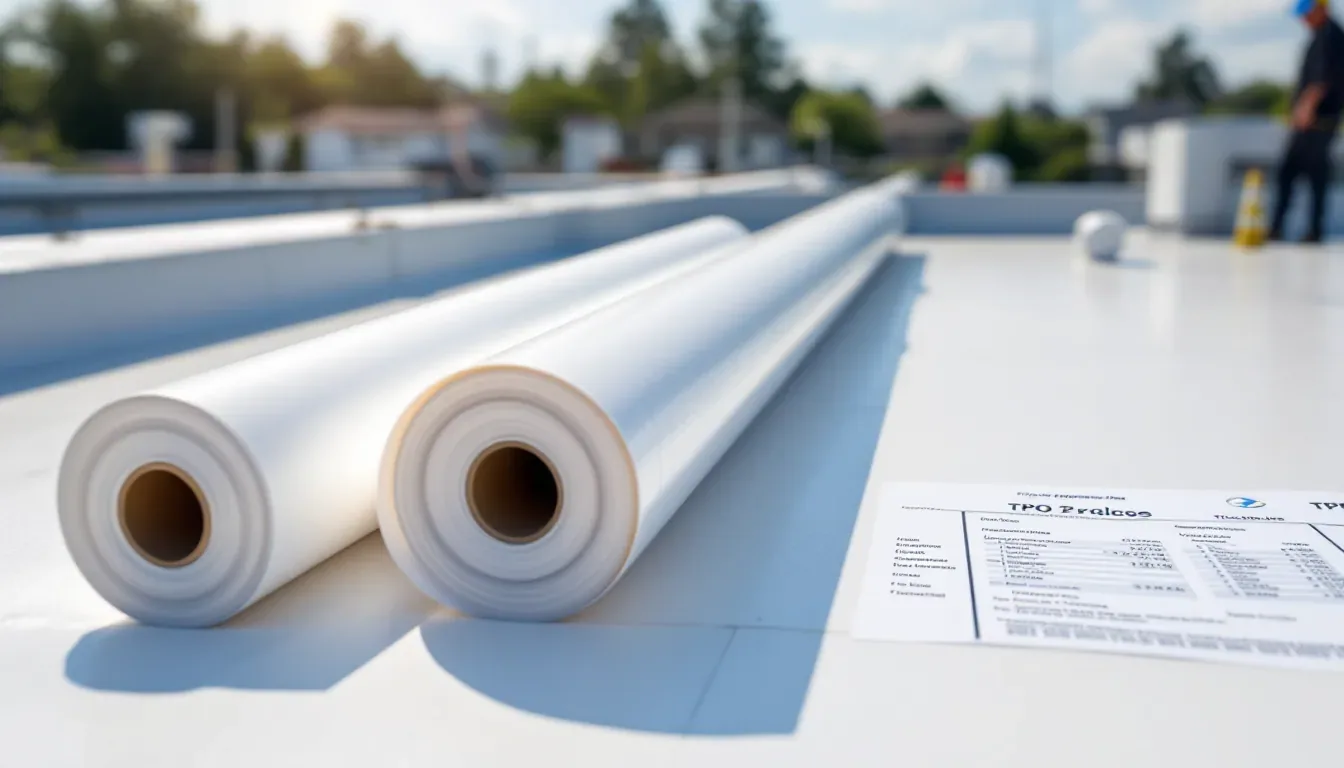
A raised blister may be a bond issue, trapped moisture, or a local change in the substrate. We map the area, check its edges, look for nearby cracks or open laps, and compare it with interior reports. On a BUR roof, the top surfacing can hide the condition of lower plies; on a membrane roof, a loose area may connect with an open seam or penetration. Surface appearance guides investigation; a test opening can show how far damage extends below the membrane.
For a modified-bitumen assembly, a split at a base flashing can admit water behind several adjoining layers. We inspect the wall transition, drain path, field plies, and tie-in rather than covering only the visible line. For a Johns Manville single-ply roof, we identify whether the sheet is TPO, PVC, or EPDM and test the repair surface as allowed by the project. Photos show the suspected path and the limit of what could be confirmed.
A roof condition visit can define the visible repair boundary. If moisture may extend below the surface, we can plan a moisture survey to guide selective openings. The record distinguishes a measured wet area from a surface signal that still requires verification, so the estimate does not present a guess as a confirmed quantity.
Check the Water-Control Details
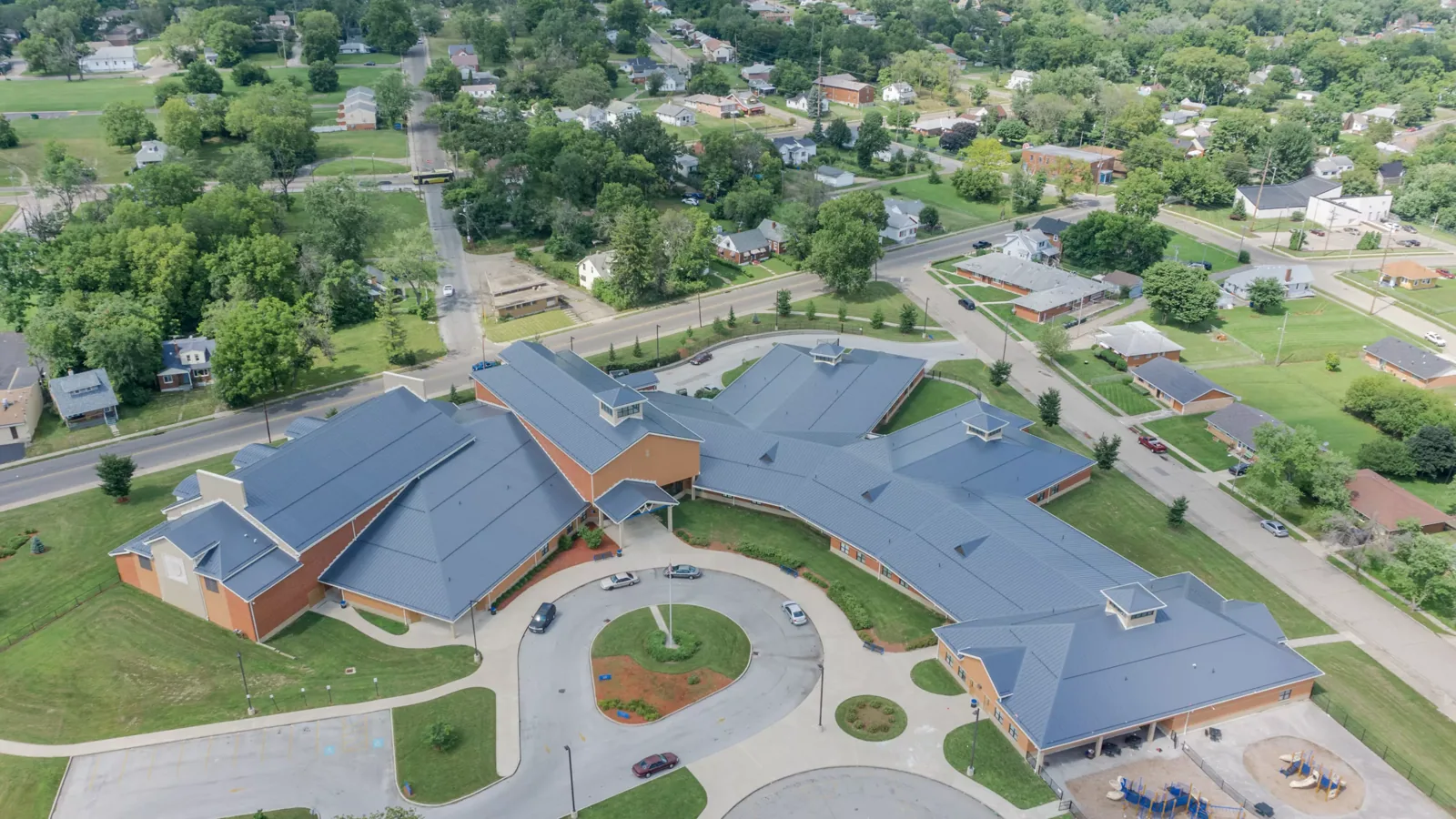
Standing water can expose a weak lap or keep a flashing wet, yet the ponded area may result from a settled deck, clogged outlet, or changed drainage path. We check the drain bowl, overflow, slope, scupper, and nearby seams before recommending a coating or added membrane. At edge conditions, we inspect the securement and termination, then record where a detail has lifted or separated from its backing.
Expansion-joint, coping, fascia, and retrofit-drain accessories each require dimensions, movement range, and a connection suited to the existing assembly. At a roof joint, the cover must bridge movement without pulling on adjacent field material. At a drain, the repair needs to preserve the clamping or bonding detail while allowing water to reach the outlet.
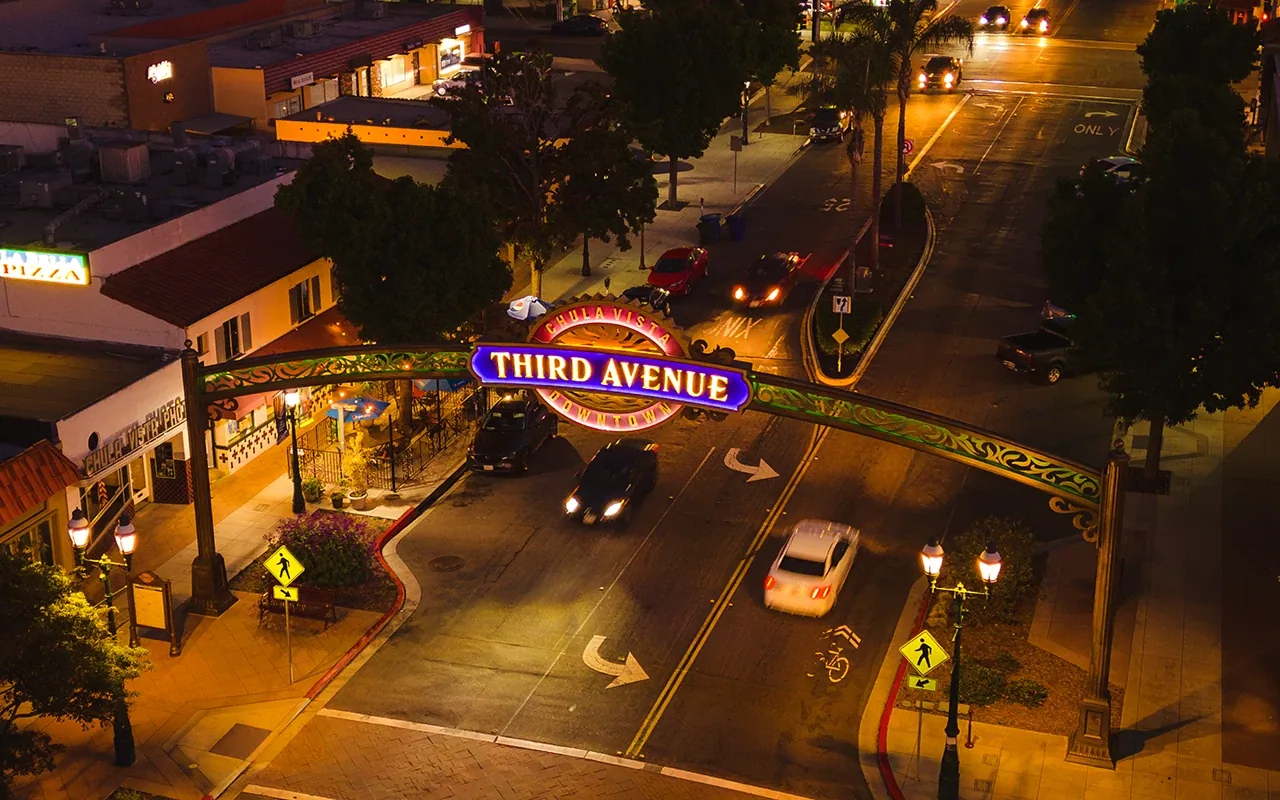
In the western business areas near Third Avenue, delivery windows and access from business streets can affect how materials reach the roof. On a project, we account for those practical limits while keeping the repair itself tied to the recorded defect. A blocked path gets cleared; a low area caused by deck movement needs a separate evaluation.
Keep Each Layer Accounted For
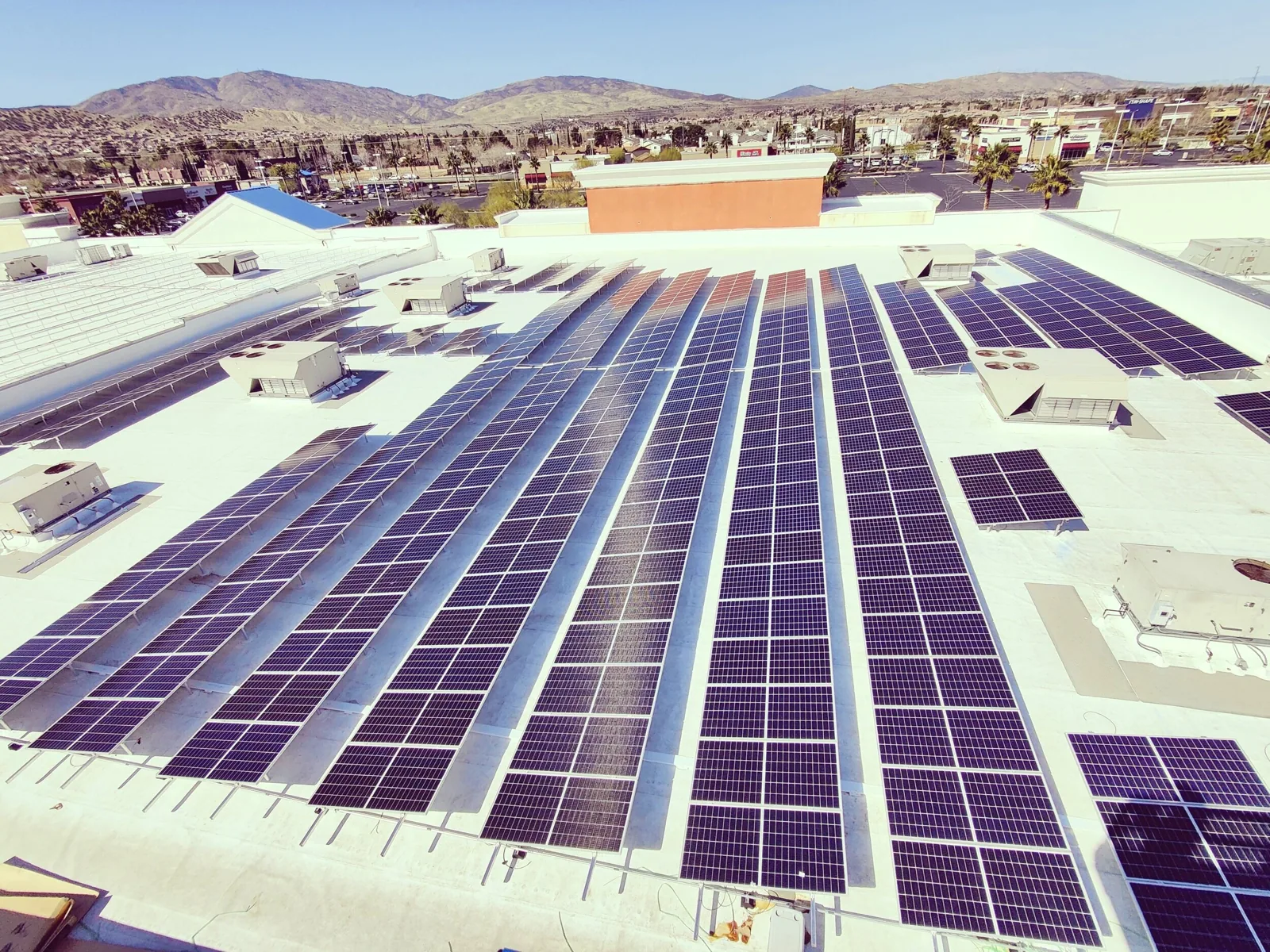
Removal depth changes the project. A replacement may involve membrane, one or more insulation layers, cover board, vapor control, and deck repairs. We state which layers are included and which are provisional until exposed. The dry-in boundary is marked each day, with materials protected from overnight weather. If a hidden condition changes quantities, we pause at a safe point and review the finding before extending the work area.
Emergency response remains available after normal business hours, on weekends, and on holidays for active leaks. Temporary protection can reduce further entry while the system dries and a permanent detail is selected. We identify that interim work separately from completed Johns Manville replacement or repair, and record what should be rechecked at the follow-up visit.
Occupied buildings may need a work sequence that avoids critical rooms, receiving operations, or rooftop equipment. We plan lifts and material staging, confirm any shutdown, and communicate which sections are open to service. A replacement scope names the assembly and tie-in points; a maintenance visit later checks the drains, flashing, and prior repair locations identified in that record.
Set Work Windows from the Forecast
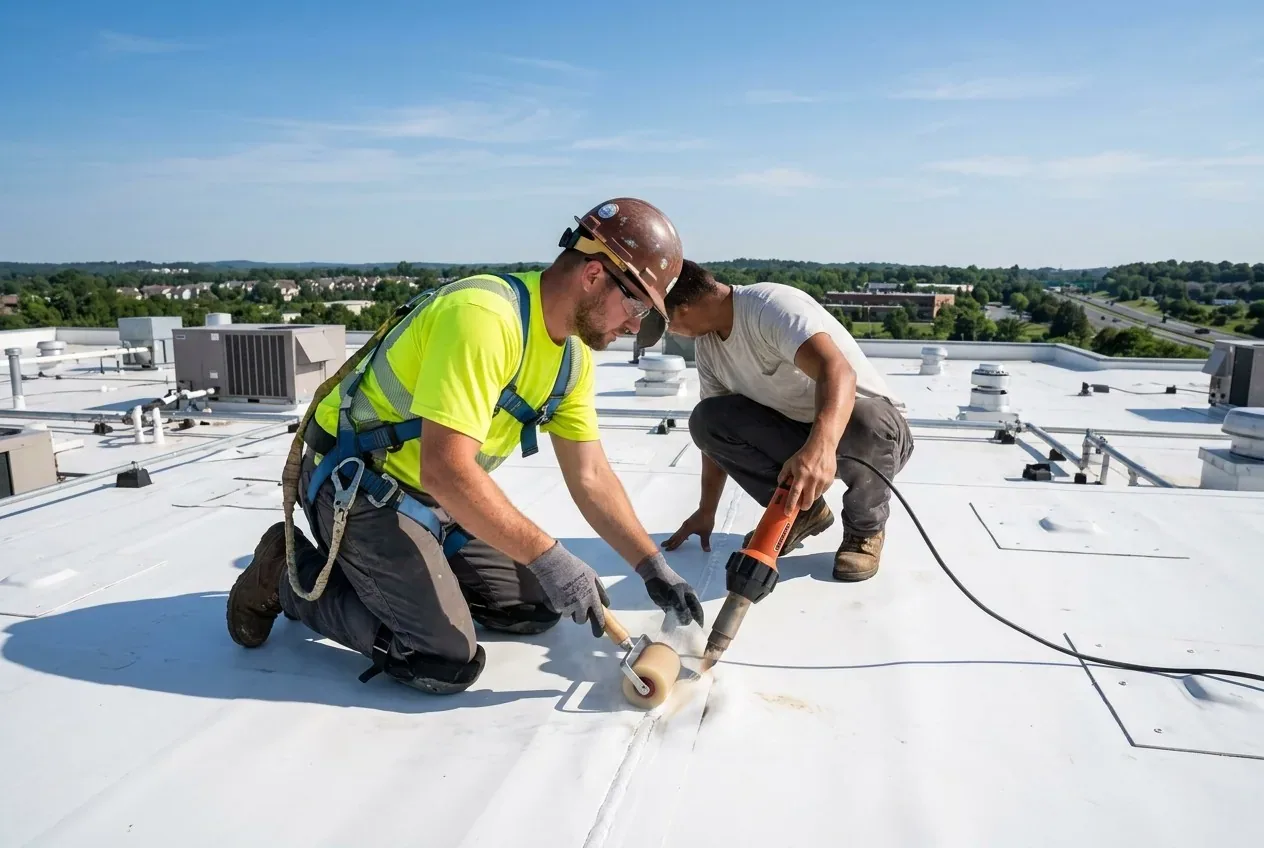
In the San Diego region, winter carries most of the annual rainfall, but the total changes from season to season. We use the current forecast to determine how much roof can be opened and closed in a shift. A material route near the Otay Mesa freight connections may differ from access near Third Avenue, but both still need a dry-in plan that protects the exposed assembly.
Dry easterly winds can bring heat farther inland during September and October. That seasonal pattern makes surface temperature and product instructions important when a work method relies on adhesives or coatings. We check the actual substrate and forecast rather than schedule by month alone. If conditions are unsuitable, the daily sequence changes before the roof is exposed.
Tie the Recommendation to the Assembly
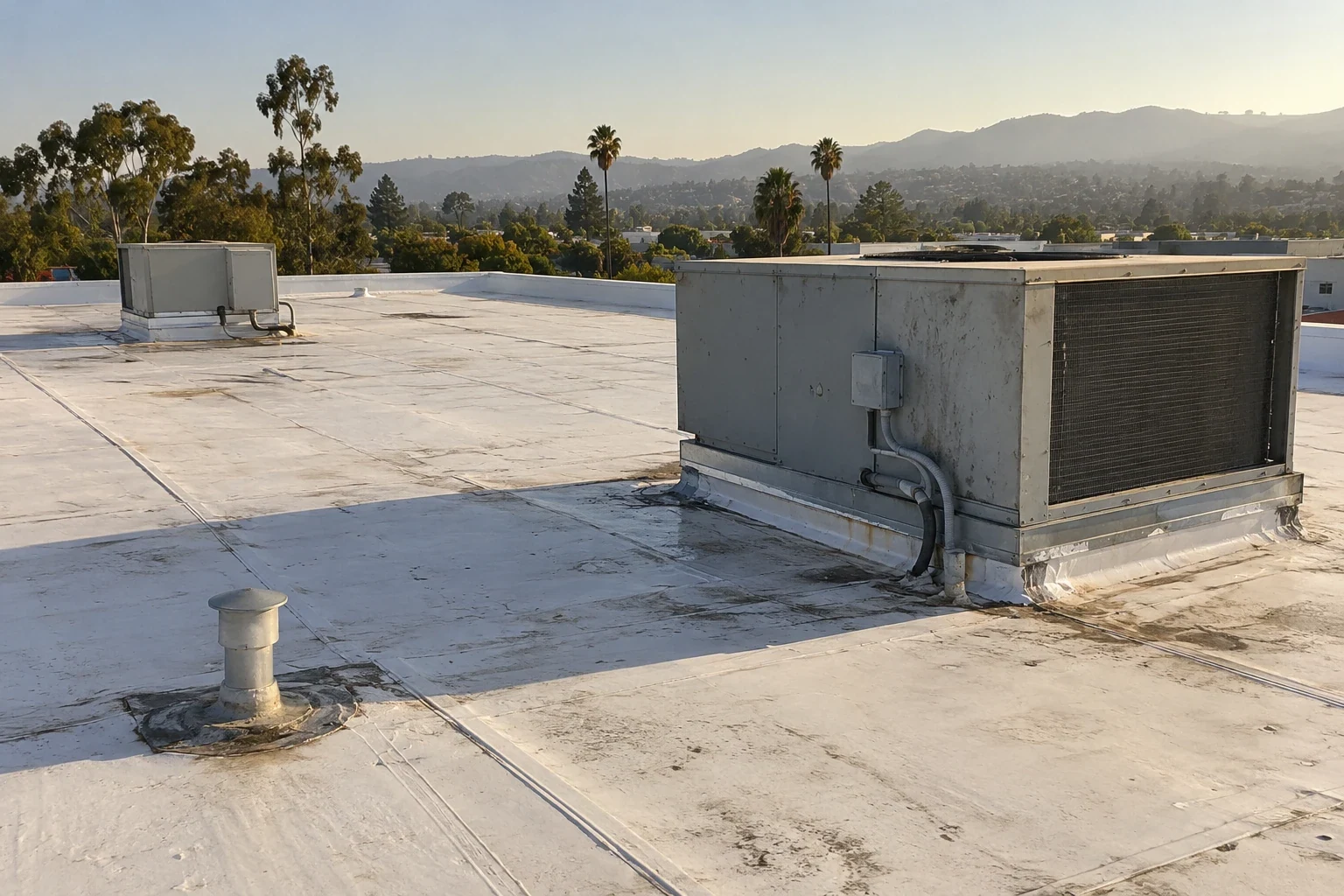
A small crack above dry, stable plies may be repaired in place. Widespread blistering, saturated insulation, repeated seam separation, or failing deck support can point to broader removal. A recover is considered only when existing layers, moisture, attachment, height, drainage, and the proposed system all support that option. We spell out what favors a local repair and what evidence would change the decision.
Cost and duration reflect membrane type, tear-off depth, insulation replacement, drain work, edge metal, equipment access, and the amount of interior protection required. If a test opening is needed, we list its location and purpose. For an acquisition, a roof survey answers a different set of questions than a repair inspection; we confirm the intended decision before setting the scope.
Send the Johns Manville documents, plan if available, leak locations, and site contact. We will inspect the released roof areas, label the system by zone, and return photos with the work boundary and next decision. That gives facilities a practical record for future repairs, maintenance, or a larger capital request.