Identify the System Before Selecting Materials
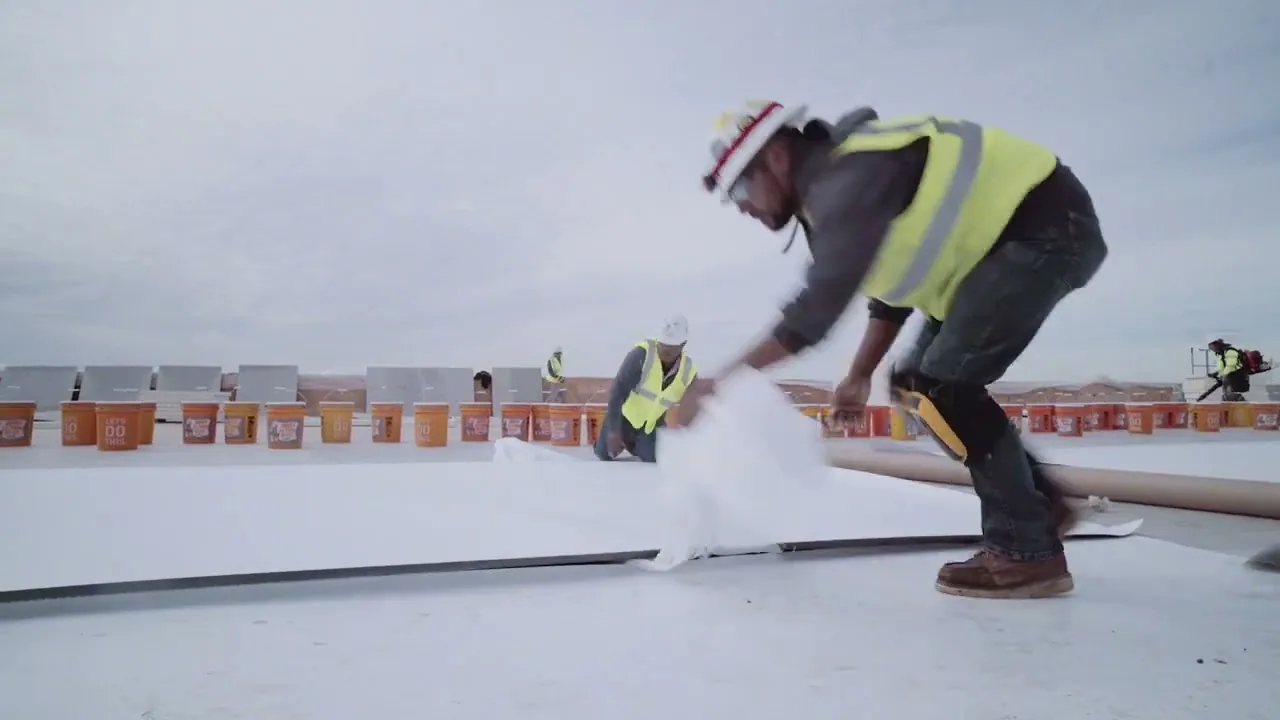
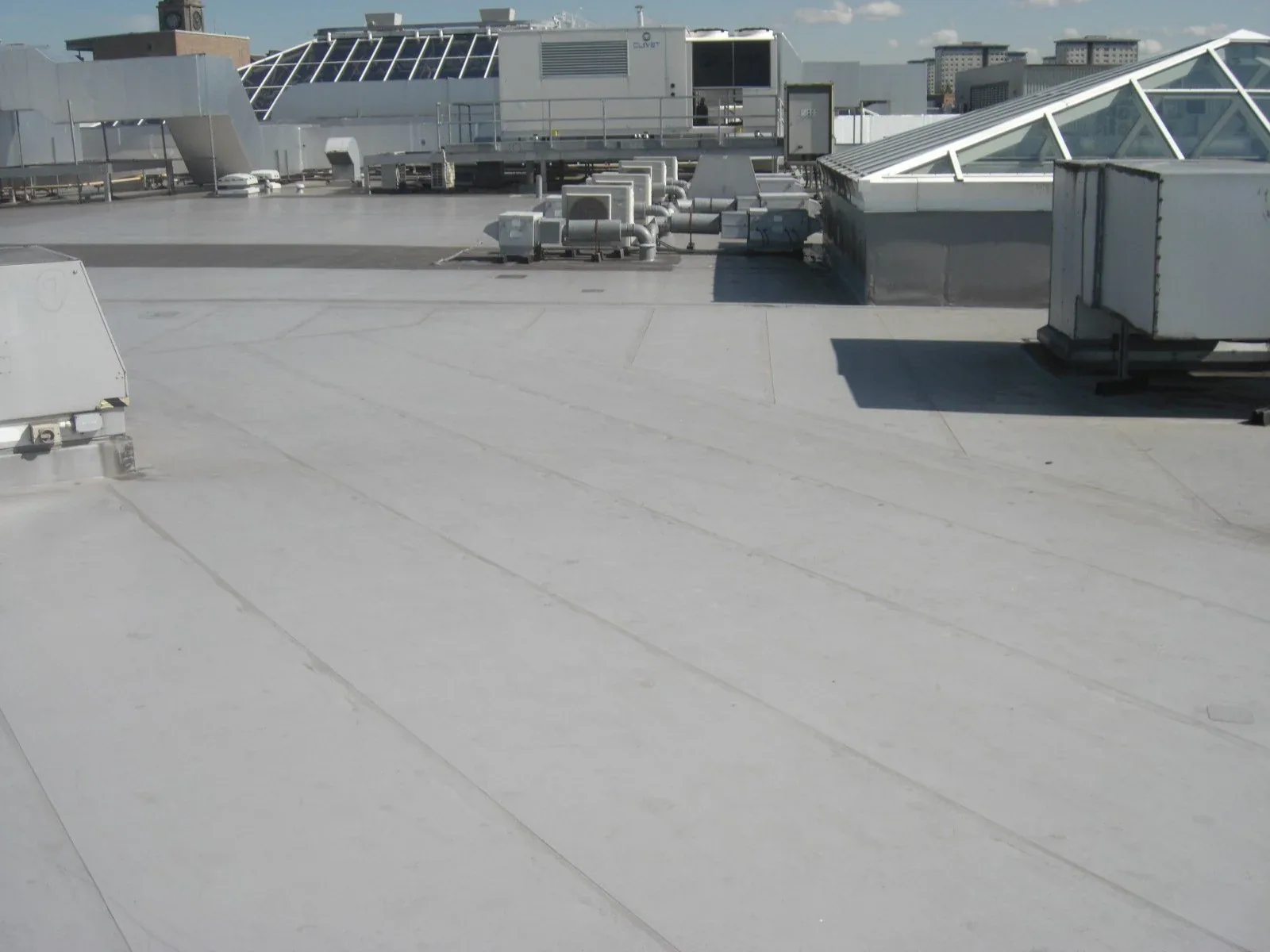
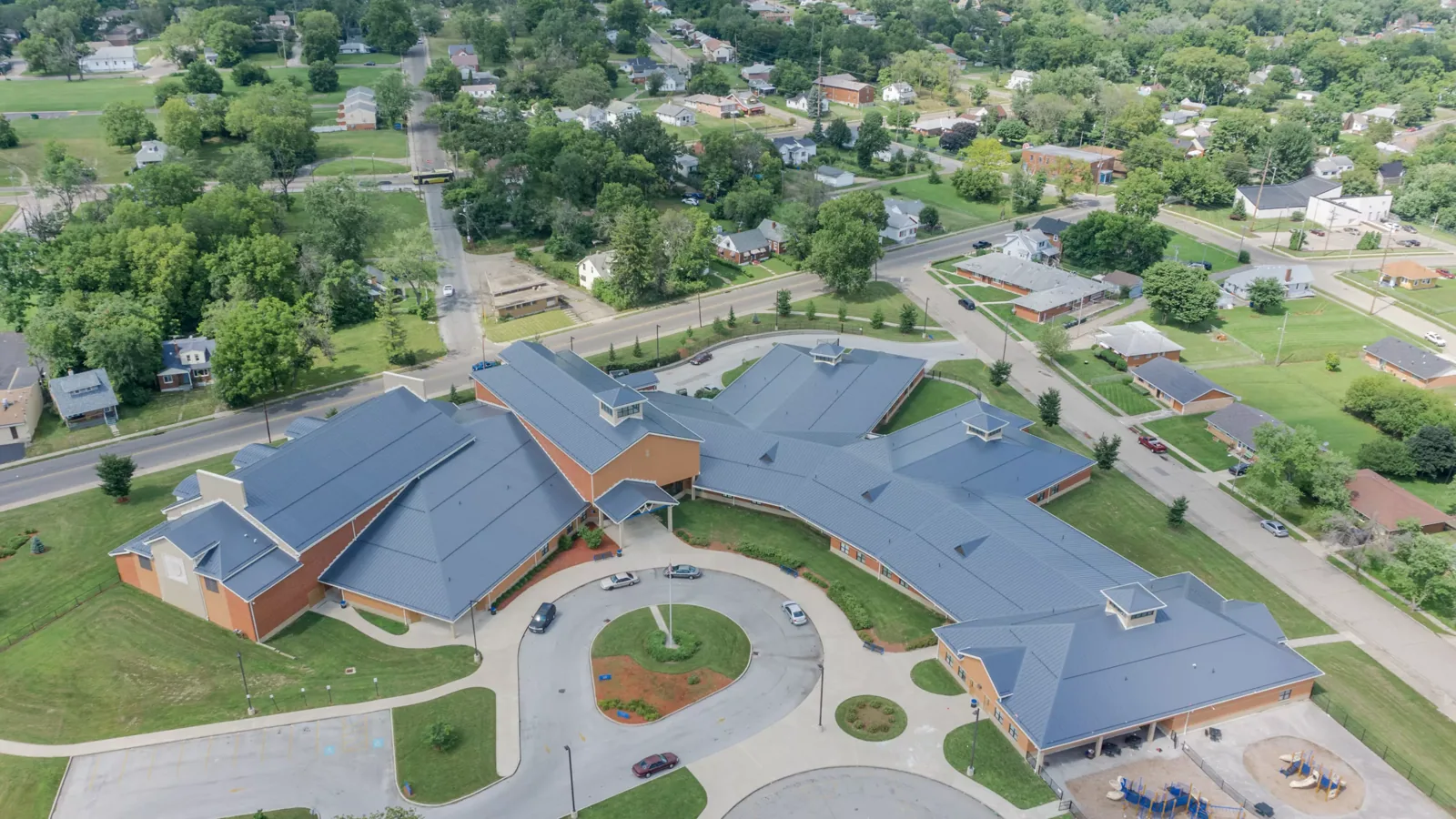
SBS-modified bitumen uses multiple roof layers, while a PVC membrane is a single-ply sheet with welded seams. Liquid-applied materials may serve as a separate roof system or as a detail within a larger assembly, depending on the approved product and use. Soprema’s commercial range includes all three types. We read the roof plan and prior submittals, then compare them with the surface, laps, and transitions actually present.
Product compatibility must be checked at the interface. A new sheet cannot simply cover an old cap if the substrate is wet, loose, or incompatible. Liquid flashing also needs the right preparation and a suitable transition. Another Johns Manville bituminous system or a Carlisle single-ply membrane may use a related roof system, but repair materials and installation details must match the selected assembly.
Follow Water Across the Assembly
A roof leak may appear in a room away from the entry point. We map the reported interior area, then inspect drains, low points, curbs, joints, and wall edges that could direct water. A small split can reach insulation or decking below a bituminous cap, so we distinguish surface damage from a condition that needs an opening. Photographs and marked roof zones help facilities staff follow the finding without relying on a vague location description.
At a drain, we check the bowl, clamping detail, adjacent laps, and overflow path. A plugged strainer can explain ponding but does not explain a separated flashing on its own. For a PVC system, we inspect the membrane connection and weld; for modified bitumen, we examine the ply laps and surfacing around the bowl. We identify which component has a problem and avoid applying a liquid patch over a detail that needs to be rebuilt.
A commercial roof inspection documents visible conditions and the limit of what can be established from the surface. If moisture could extend through the assembly, an infrared moisture survey may guide selective openings. We explain how the proposed test relates to the next repair choice rather than presenting readings as a full map of hidden damage.
Make Each Transition Watertight
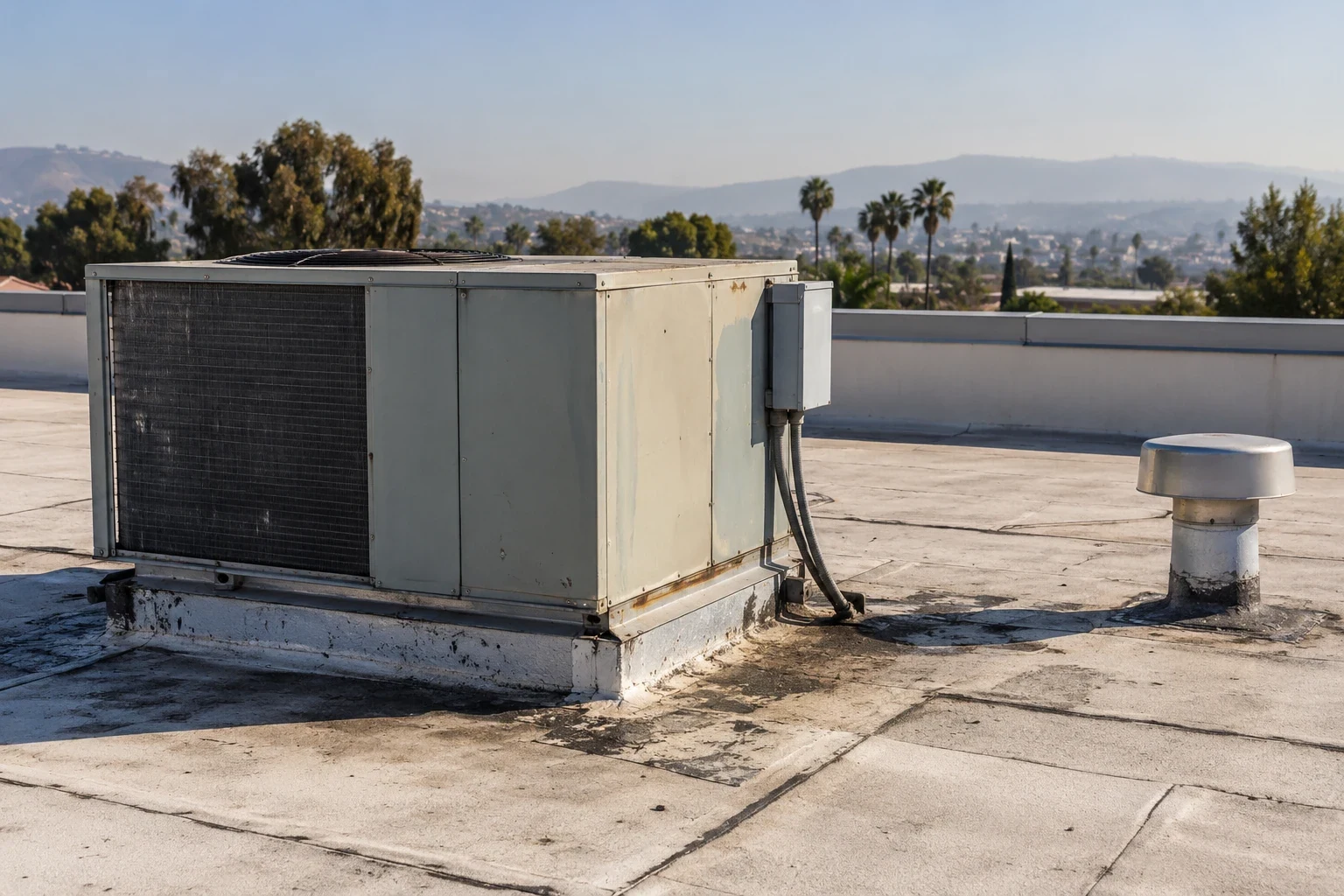
Parapets, equipment curbs, pipes, and expansion joints require transitions that keep water outside while accommodating movement. We inspect the flashing height, field connection, termination metal, and any previous sealant or liquid material. If a corner has split or a termination has loosened, the repair has to connect to stable roof and wall surfaces. A narrow patch that ends at the same failed edge does not correct the water path.
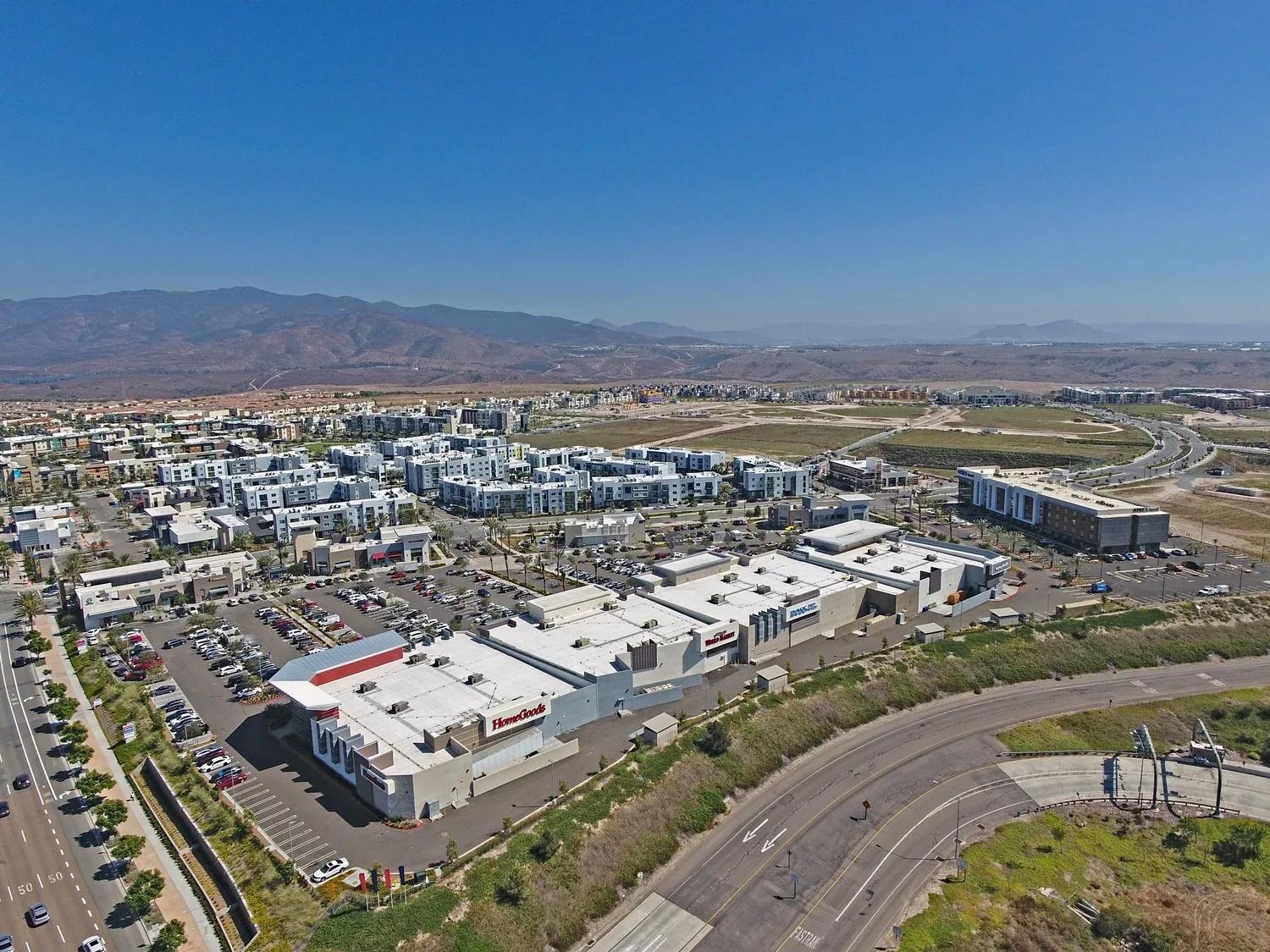
Chula Vista’s eastern communities include Millenia and planned activity near Otay Ranch. The local mix includes office, retail, and employment uses, which can affect how deliveries and roof access are arranged. San Ysidro and its border gateway sit farther south in the service radius, with a different approach to freight and parking. Those place references help plan a service route, but we verify the actual building layout and access before work.
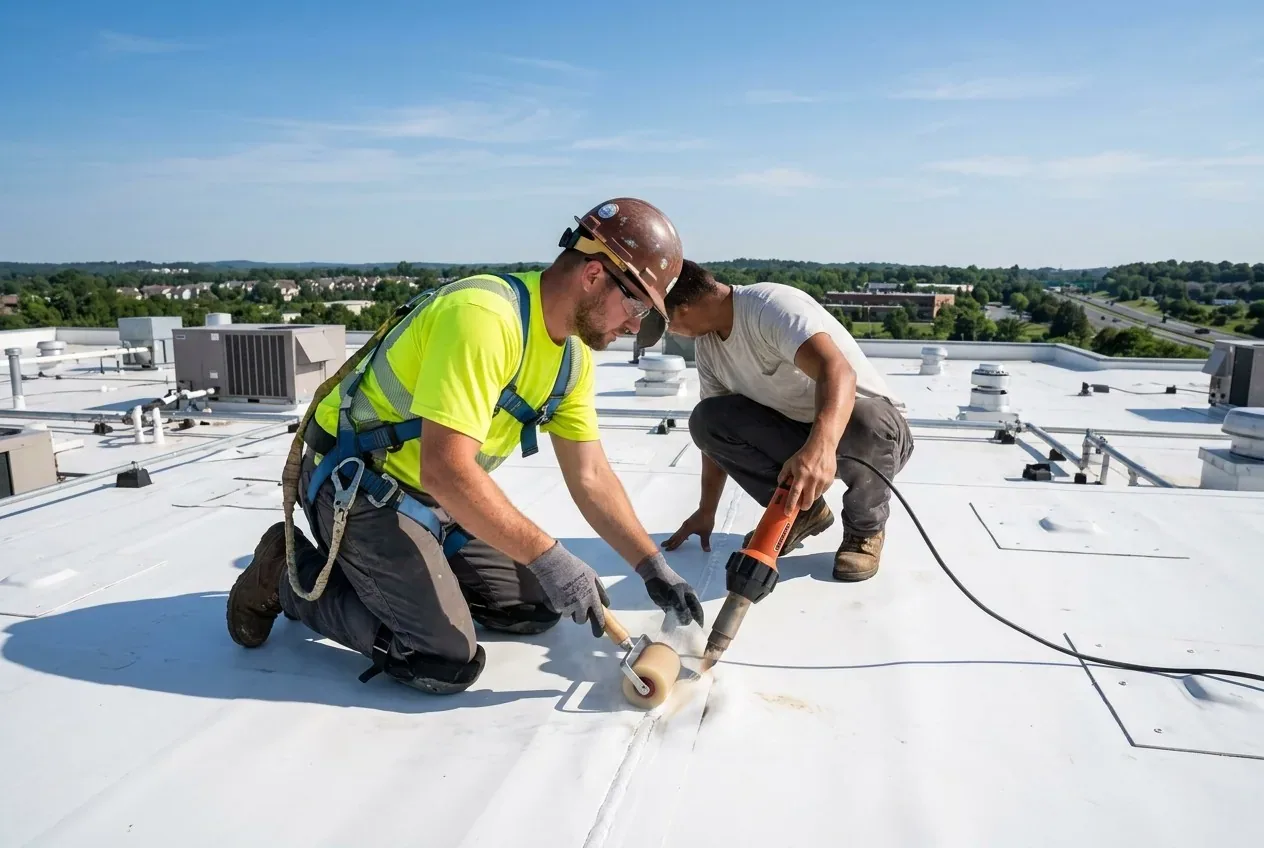
When a liquid-applied flashing is proposed, we identify the compatible product, substrate preparation, reinforcement, and cure window from the selected system requirements. For modified bitumen, a new ply or flashing may need to be heat welded, adhered, or mechanically secured for the installed assembly. We record the detail and materials used so the next inspection can distinguish that repair from older patchwork.
Protect the Roof Between Removal and Tie-In
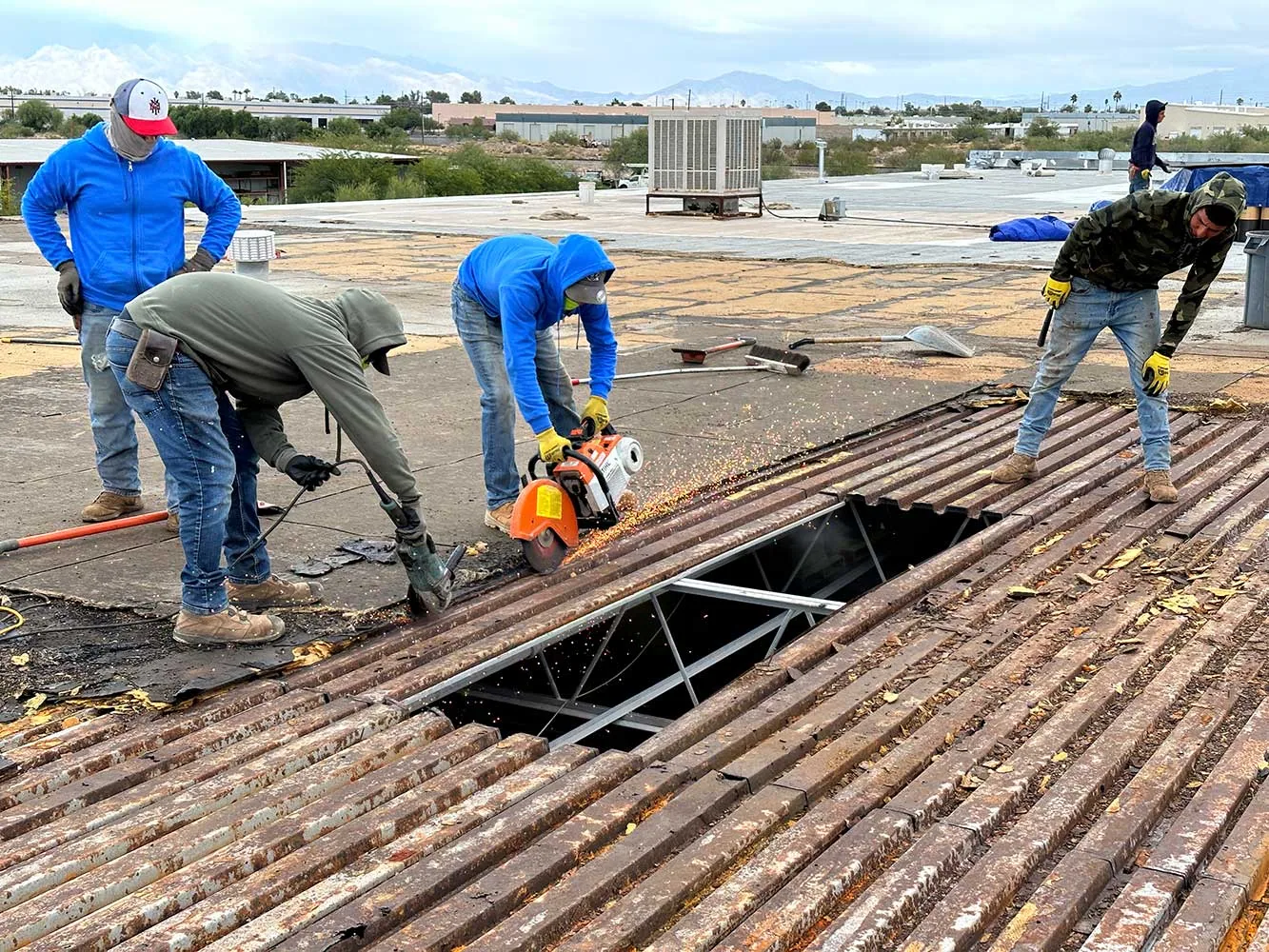
Removal depth determines how quickly an exposed section must be closed. We mark the daily work zone, confirm which layer is included, and make sure the next tie-in and dry-in are possible before starting. If the substrate or deck is damaged, we pause at a safe boundary, photograph the condition, and explain the added quantity before going farther. The sequence protects both the building and the scope from unplanned expansion.
Emergency response is available around the clock, including on weekends and holidays, for active water entry. The first measure may limit further damage while the assembly dries. Permanent repairs follow after we confirm which Soprema system is present and whether the affected material is suitable for a patch or needs replacement. The service record says what was temporarily protected and what remains open.
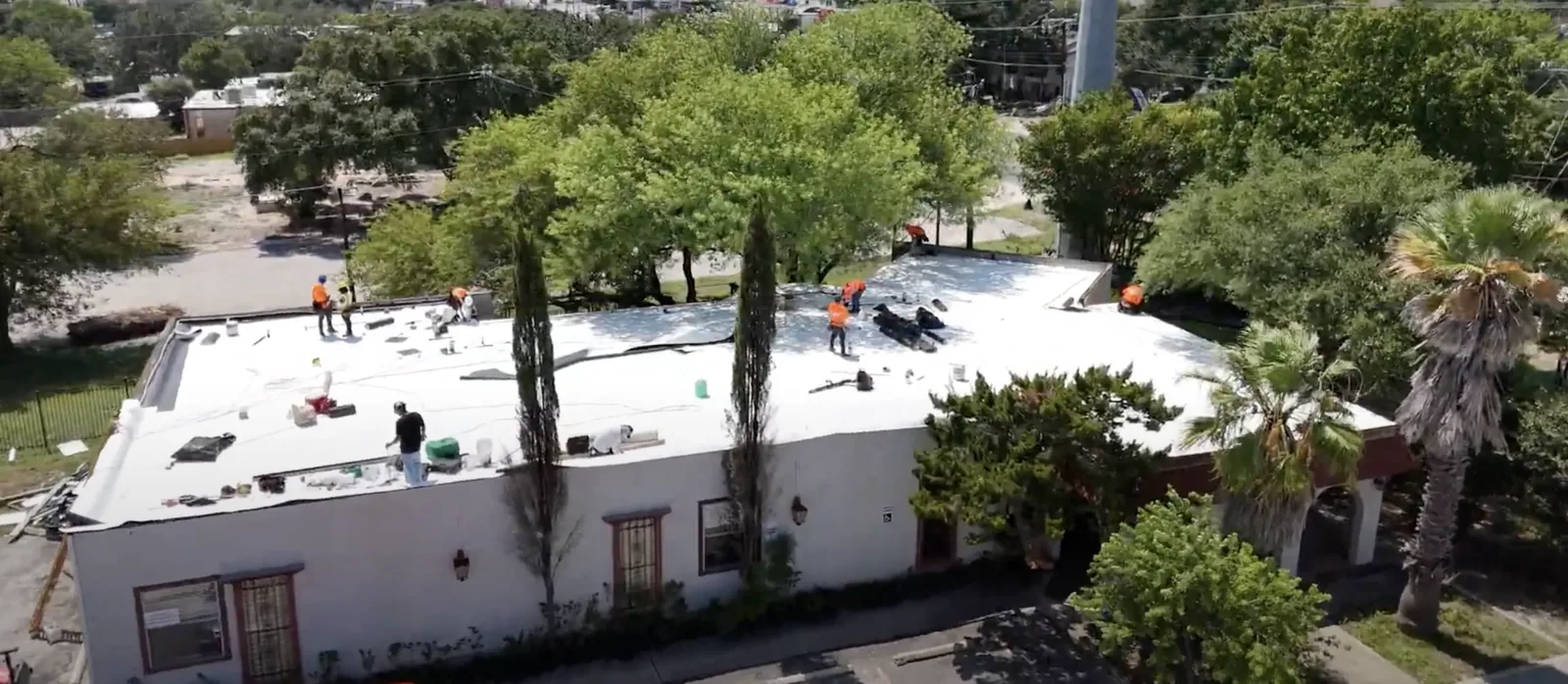
Occupied buildings may need lifts, staging, noise, and roof entry arranged around tenants and equipment service. We coordinate the service route and identify which interior areas require protection. A phased reroof can break a large replacement into sections when the roof geometry and weather allow it. The work sequence sets a closure point for each section before crews move to the next.
Plan Around the Regional Rain Pattern
In the San Diego region, rain is concentrated between November and March, while yearly totals remain uneven. Before removing a roof layer, we check the live forecast, available drainage, material cure needs, and dry-in capacity for that day. Eastern communities can also see hot dry easterly periods in September and October. The measured roof surface and system instructions govern the method; a seasonal pattern is only one planning input.
Millenia lies within a planned eastern growth area where property operations can vary from one block to another. A site near San Ysidro may have separate parking, delivery, or border-area traffic considerations. We confirm the work window with the building contact and set the route before materials arrive. Those practical details help keep the roof open only for the part of the shift that can be protected.
Set a Repair or Replacement Boundary
A localized lap failure over dry, supported material may be repaired in place. Broadly separated plies, wet insulation, weak attachment, or damaged decking can shift the recommendation toward removal. A recover also depends on layer count, moisture, adhesion, drainage, height, and compatibility. We show which observation supports the proposed option and where a test opening is necessary before final quantities can be set.
Cost and duration reflect system type, surfacing, roof area, removal depth, drain work, penetrations, edge details, lifts, and building operations. A repair scope identifies the failed layer and tie-in. A replacement plan lists the layers removed and installed, plus the daily dry-in limits. Allowances for concealed conditions remain separate from measured work.
Send available Soprema submittals, roof plans, prior repair notes, and the area affected inside. We will inspect the relevant roof zones and return photos with the work boundary and next decision. If the building has several roof sections, we label them separately so later maintenance can track which detail was repaired.