Identify the Membrane and Attachment
Versico commercial roofing includes VersiWeld TPO, VersiGard EPDM, VersiFlex PVC and fleece-backed membrane options. TPO and PVC seams can be heat welded; EPDM uses different seam materials and surface preparation. A mechanically fastened sheet, fully adhered field, or induction-welded system transfers loads through different components. We identify the assembly before choosing a patch detail.
A Carlisle membrane system may have similar product categories, and a GAF single-ply assembly may use the same general seam type. That does not make its adhesives, fasteners, or prefabricated corners interchangeable with Versico’s. We compare product specifications and closeout information with the membrane, attachment and transitions in the field. If the records conflict, we identify the unresolved material or attachment question in the report.
Versico’s TPO system information describes mechanically attached, adhered, and induction-welded configurations. Each requires its own review at the perimeter and around curbs. A surface repair must account for how the membrane is secured, or the original movement can reopen the seam. We examine roof zones and record attachment at corners, then compare a local defect with any pattern continuing across the building.
Test Welds and Watch the Water Path
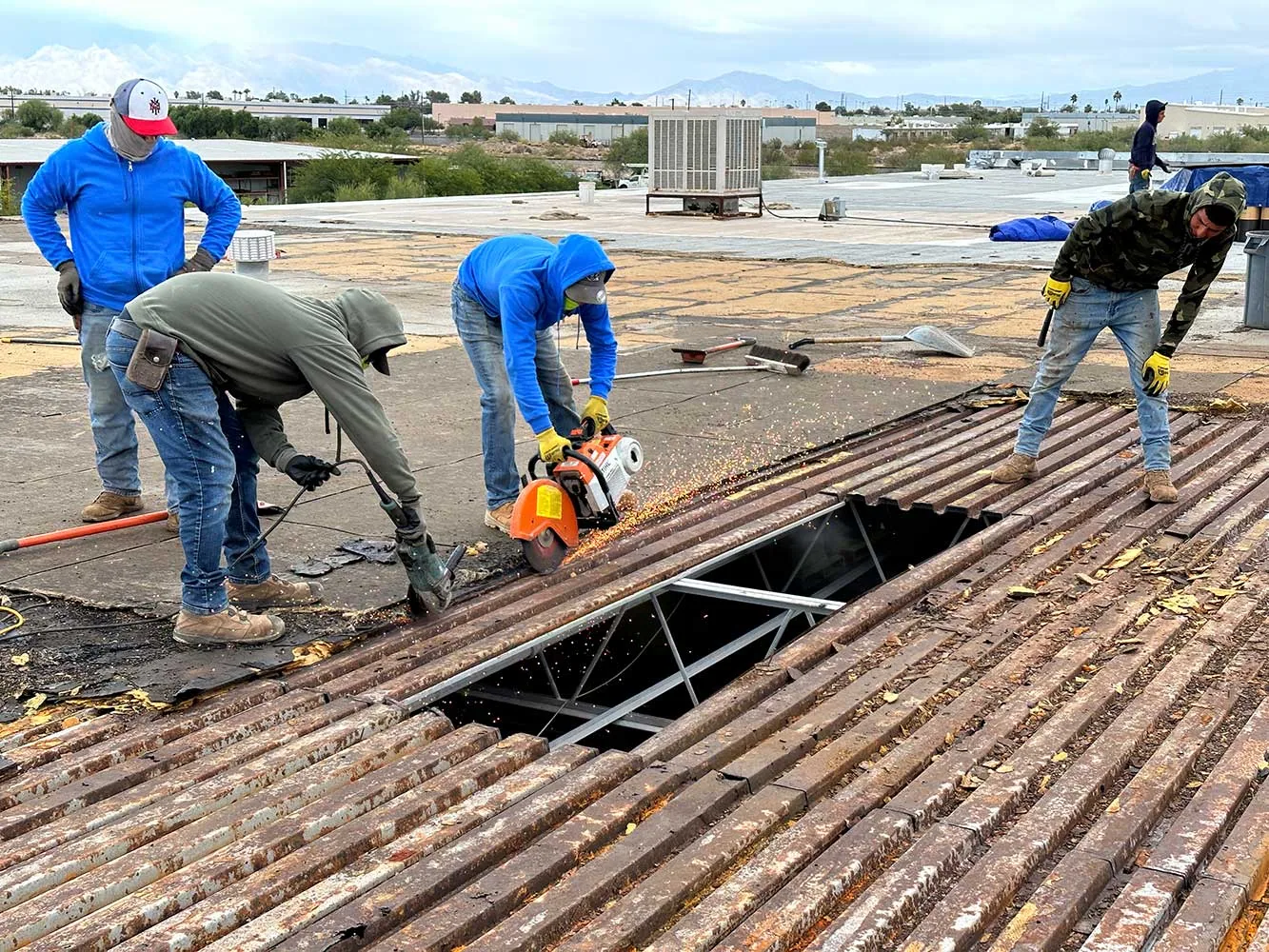
A weak weld may open only along one edge of a lap. We probe sample seams where the scope allows, look at patches and intersections, and check whether the membrane has lifted from the substrate. Water can travel under a sheet before showing on a ceiling, so we compare roof observations with interior reports and drainage paths. A test opening can establish what is happening below a surface that still looks serviceable.
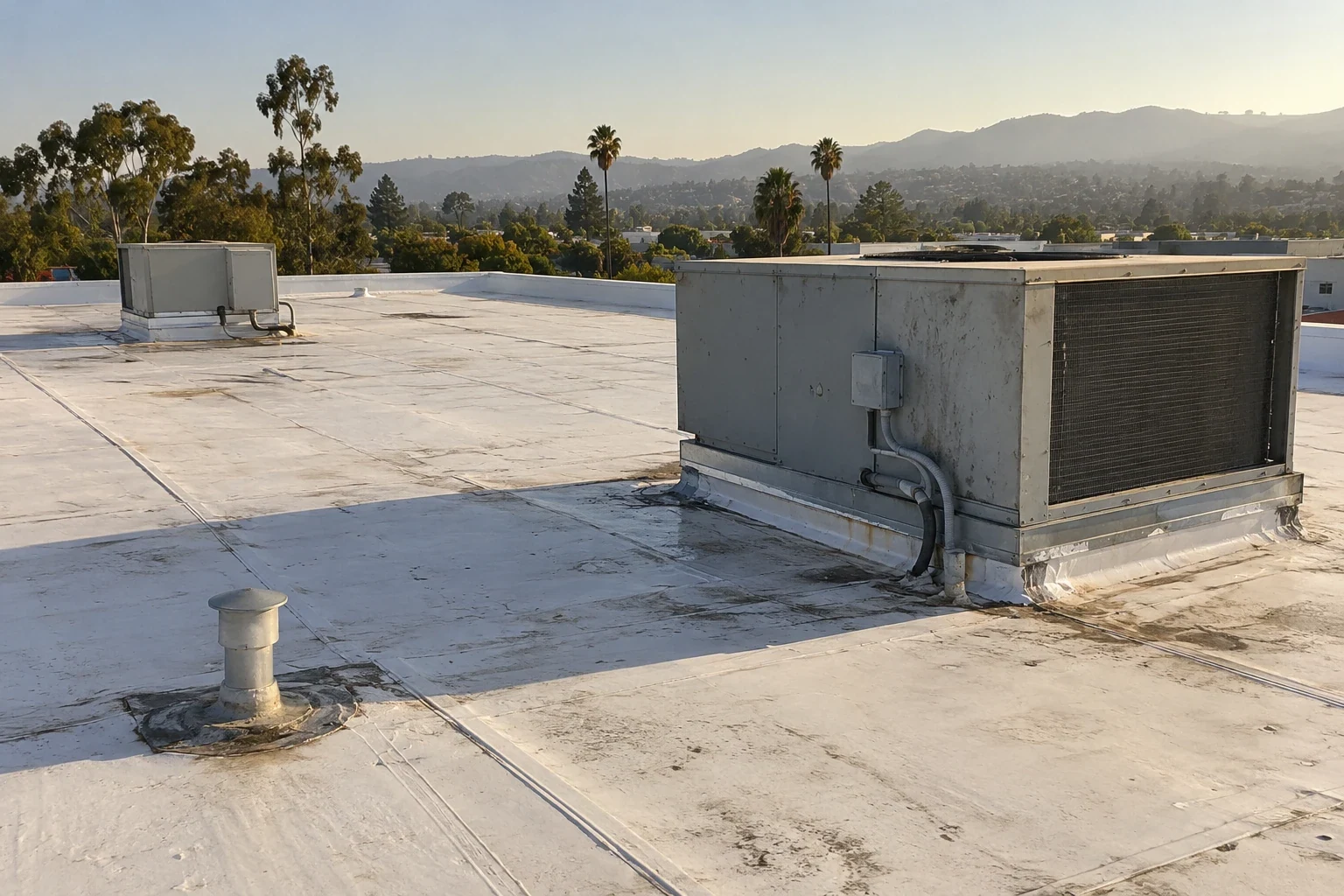
At a Versico TPO or PVC detail, heat and pressure need to be appropriate for the sheet and field conditions. The test area should include the weld edge, not only the middle of a patch. On EPDM, the inspection instead focuses on adhesive, seam tape, primer, and the condition of the splice. We photograph the tested points and explain whether the results support a single repair or more investigation.
A roof inspection records the visible condition, likely entry path, and access limits. If the concern is moisture in the insulation, a moisture survey can help target selective openings. Readings do not independently prove a leak or measure the full repair quantity. We identify what the method can show and which areas still need direct confirmation.
Secure Edges, Curbs, and Drains
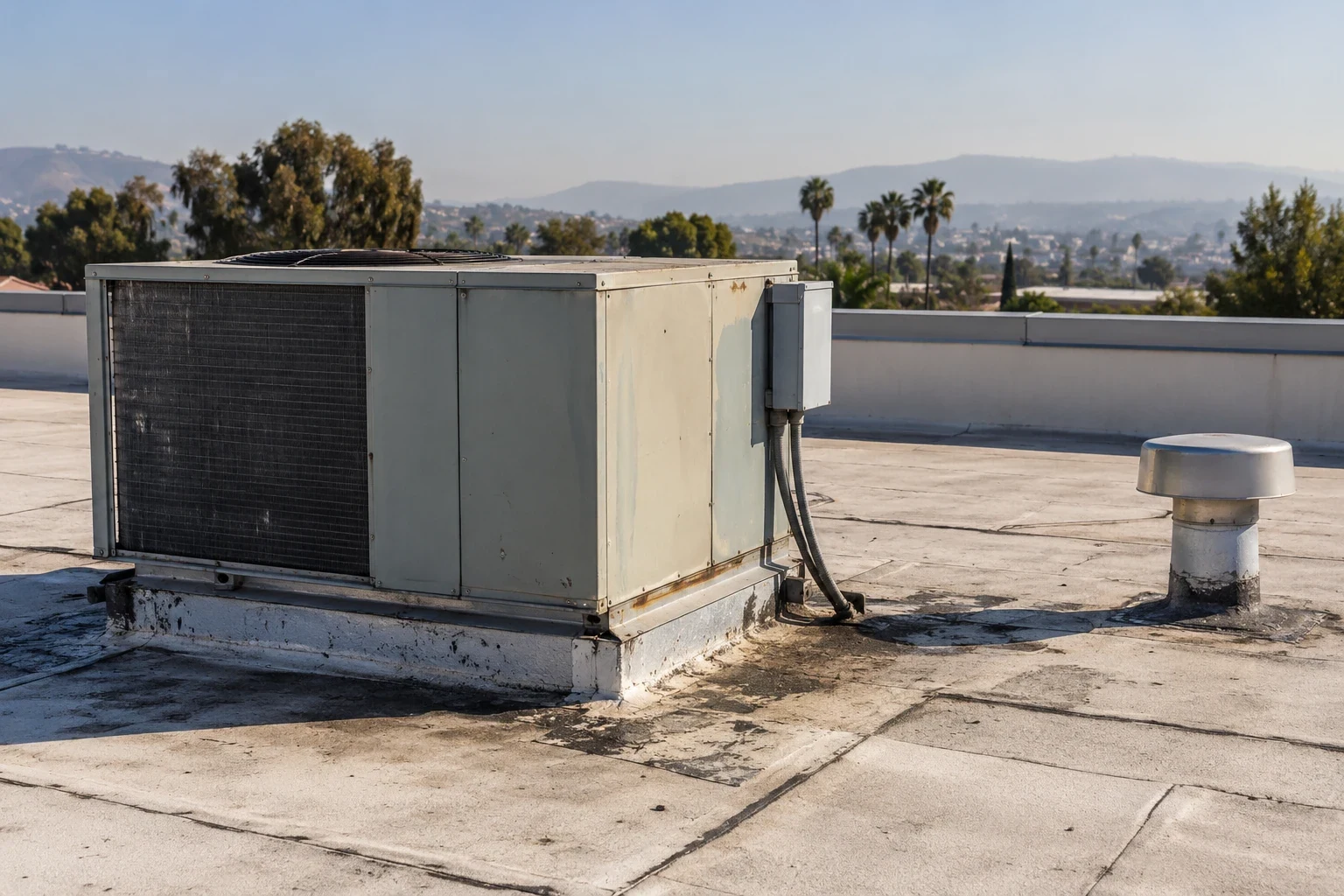
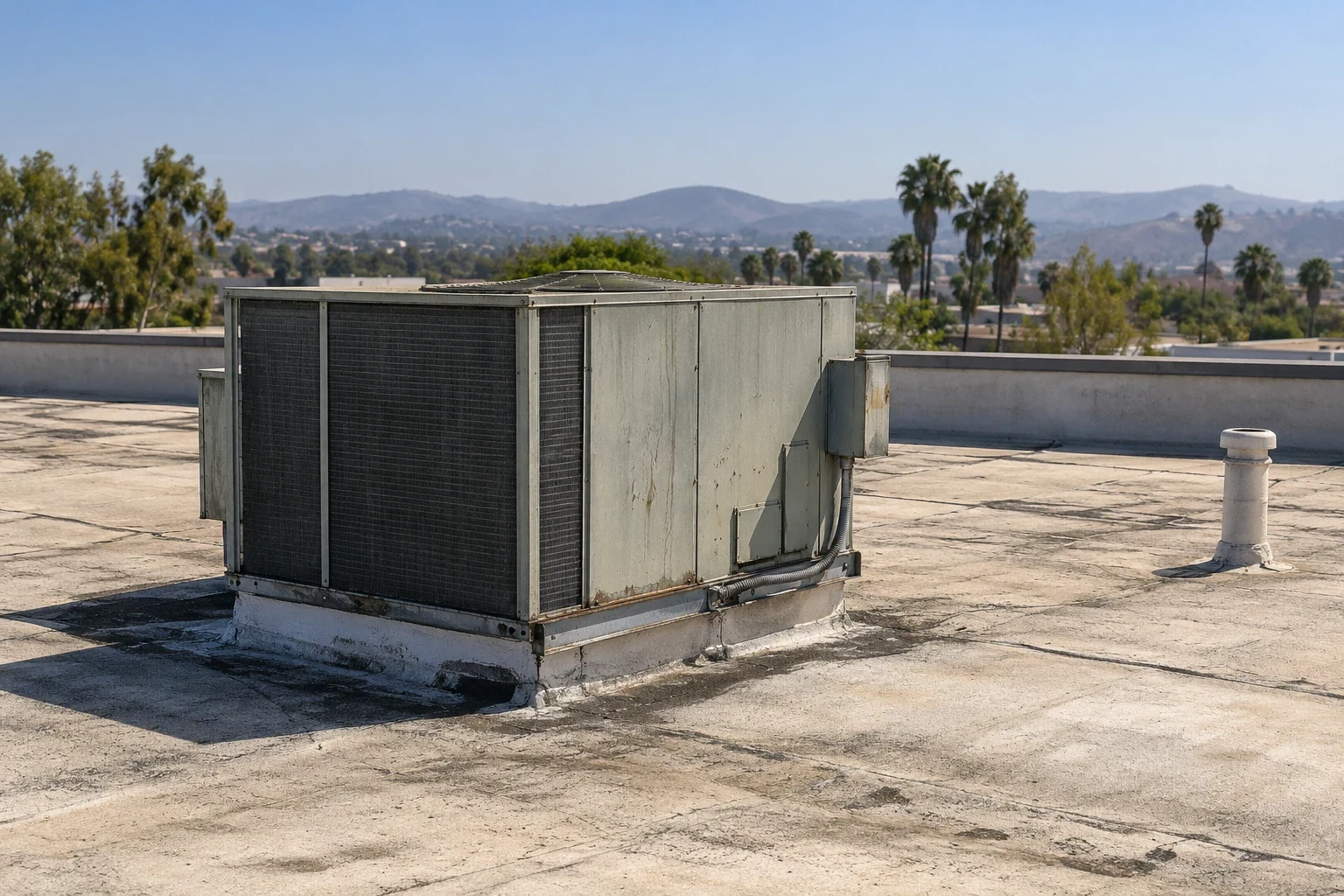
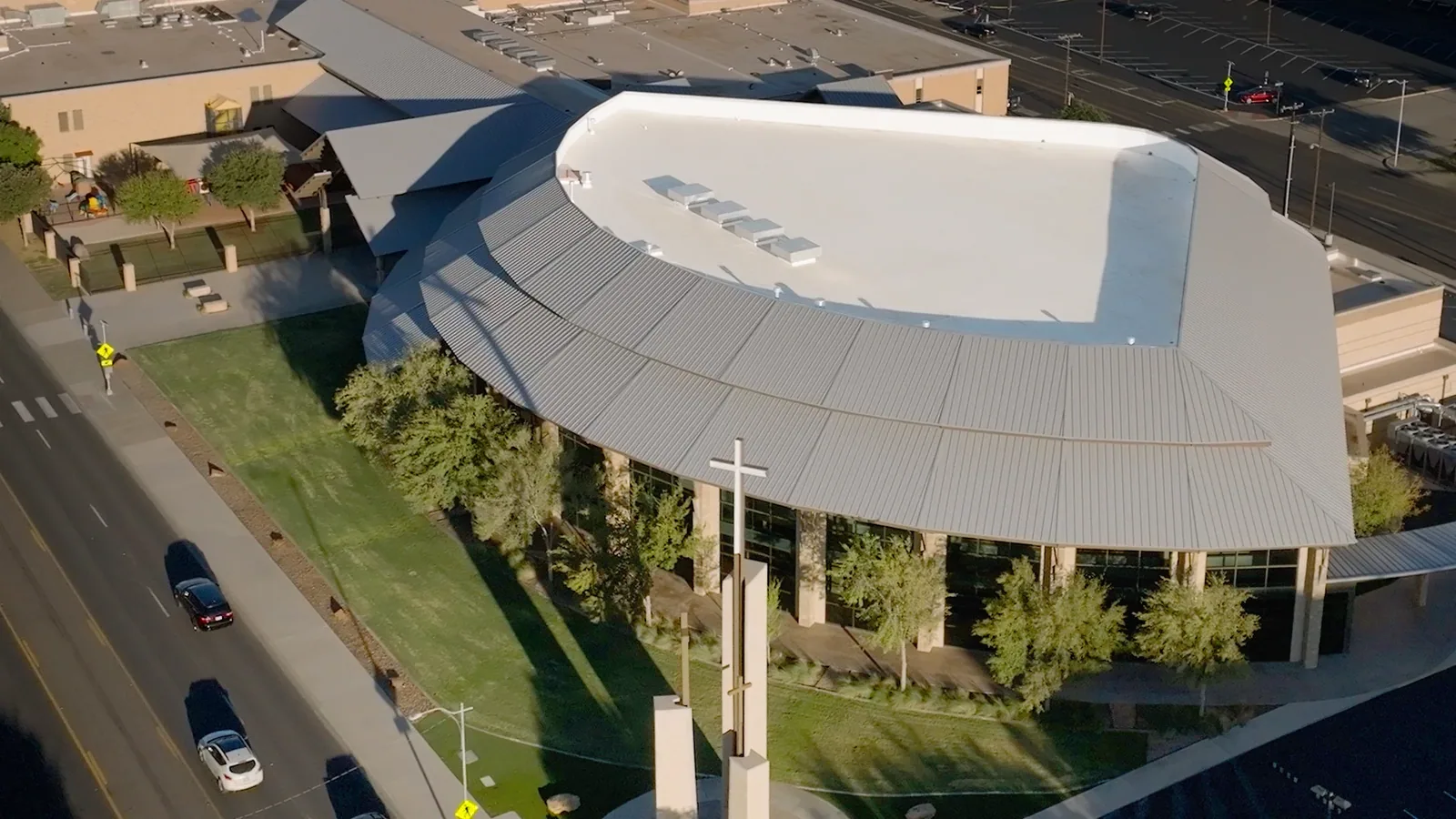
Wind can stress a roof edge, but a loose metal cleat, unsupported parapet, failed fastener, or membrane split each calls for a different correction. We inspect the perimeter attachment, corners, coping, and transitions to walls before tying new sheet into old. Around a curb, we check the membrane boot, weld, counterflashing, and equipment movement. At a drain, we confirm that the clamping detail remains secure and water can reach the outlet.
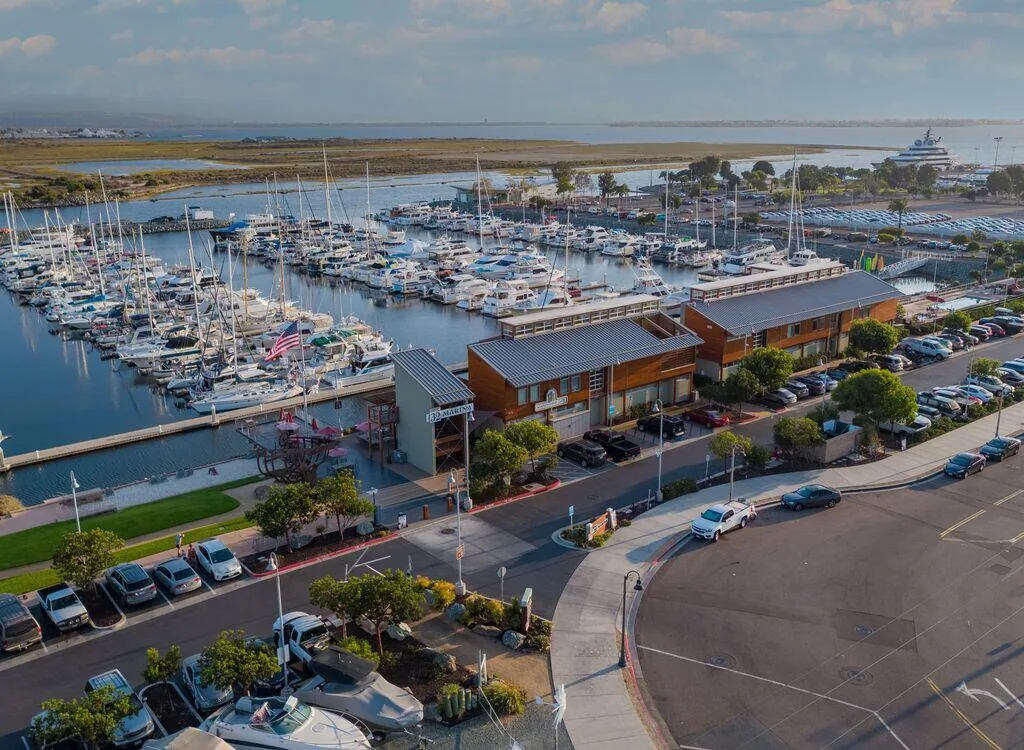
H Street connects western and eastern commercial activity in Chula Vista. The National City Marine Terminal supports vehicle and project cargo nearby, with freeway and rail connections. H Street connects commercial activity across Chula Vista, while the National City Marine Terminal handles vehicle and project cargo with rail and freeway access. We coordinate deliveries at the property and inspect the actual roof edge. We confirm the property’s own access windows and inspect the edge condition that needs repair.
If a previous patch has lifted at its edge, we remove only enough material to find a sound tie-in and identify any hidden wet layer. A broad coating over the patch can hide the same separation without restoring attachment. The work description shows the material removed, new termination, fasteners or flashing added, and any unresolved deck or wall condition.
Schedule Around the Facility’s Route
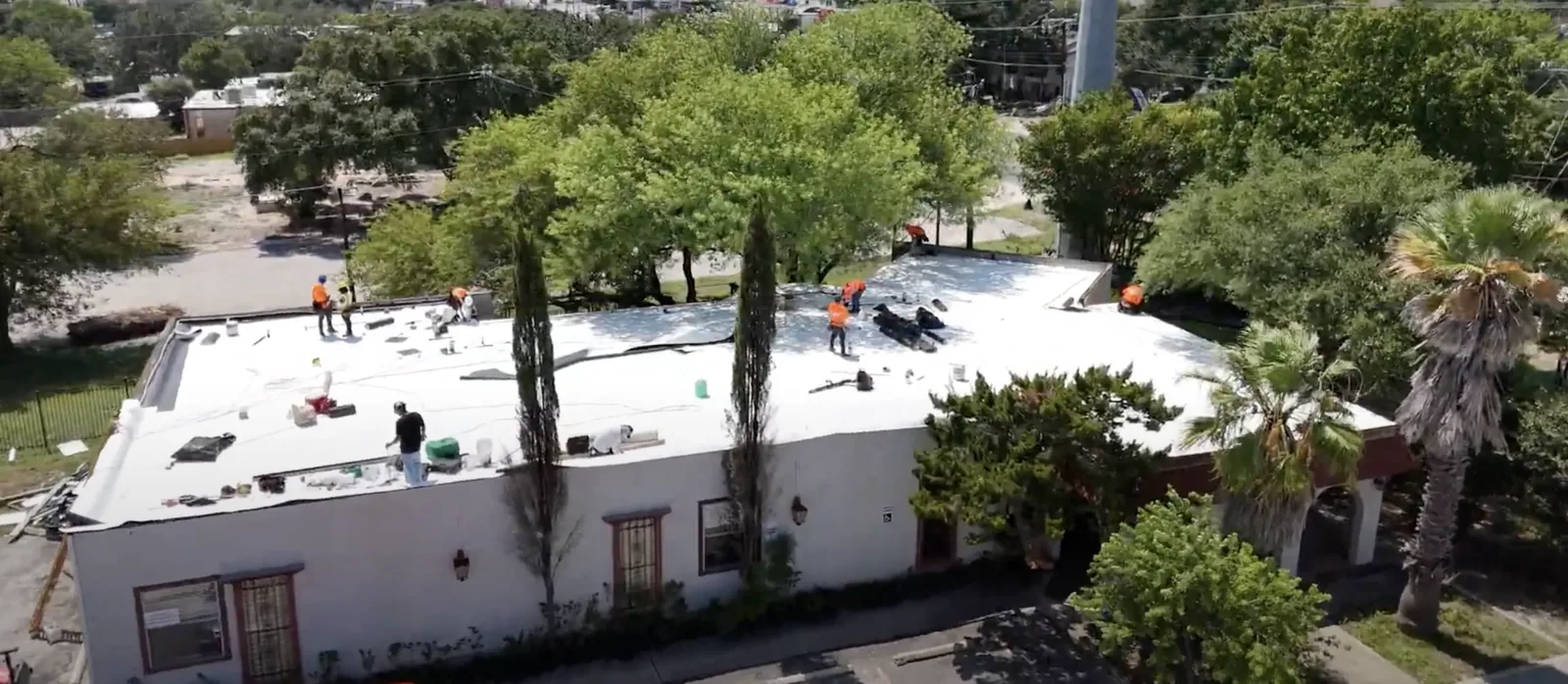
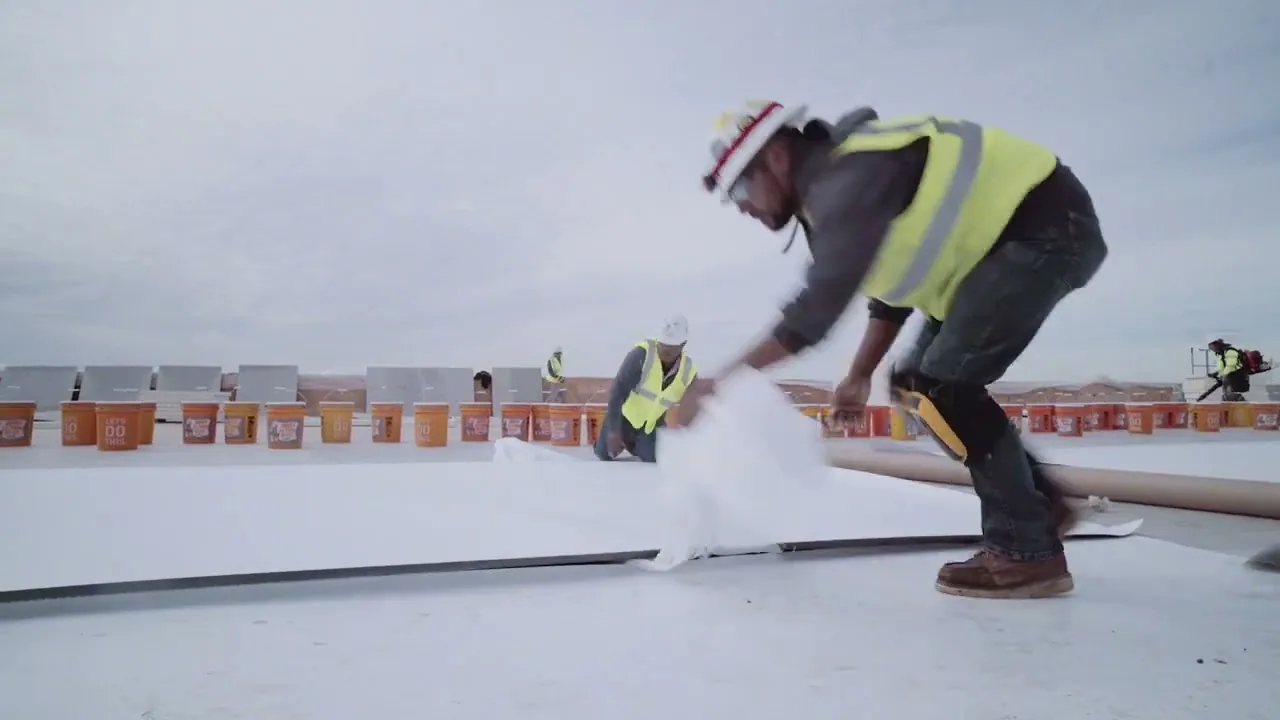
Roof materials often cross the same loading or service area used by the building. Before work, we coordinate hatch access, lift placement, mechanical shutdowns, tenant hours, and any receiving restrictions. We set a daily open limit and make the roof weather-tight at the documented boundary before leaving. If removal exposes unexpected insulation or deck damage, the crew protects the area and reviews the change before the scope grows.
Emergency roofing response is available at any hour, including weekends and holidays, during water entry. The first visit may stabilize the area and protect contents while the membrane is identified. A permanent Versico repair follows after the sheet, substrate, and attachment are checked. We keep the temporary measure and the completed repair as separate entries in the service record.
For a larger project, a phased reroof plan can sequence noisy work, deliveries, and roof zones while the facility stays in use. We list which doors or interior spaces could be affected and when crews need roof access. Facilities staff receive a defined daily boundary rather than a vague promise that work will avoid all disruption.
Match the Work Window to Field Conditions
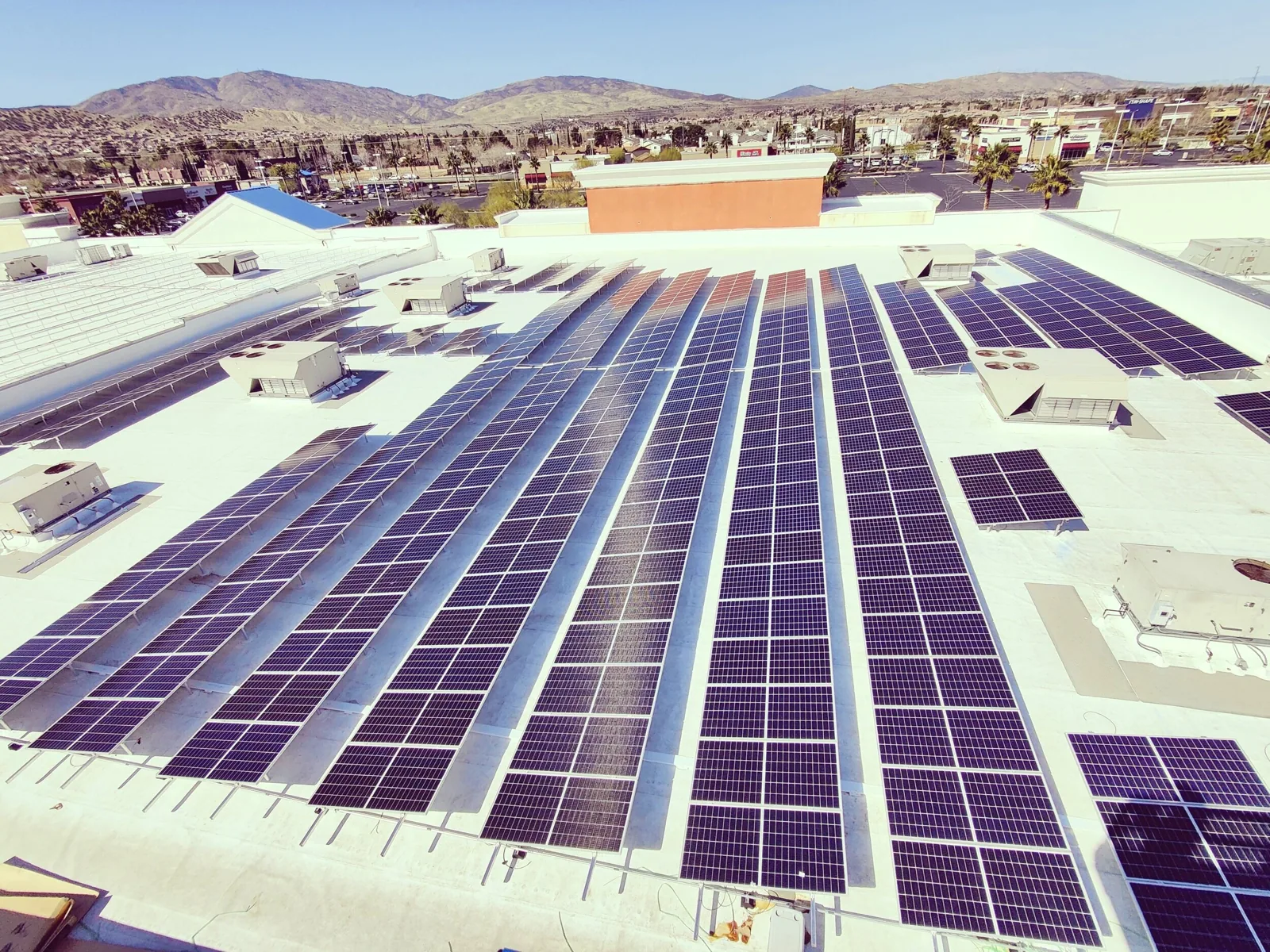
Most San Diego-region rain arrives in winter, though the amount changes widely between seasons. We review the live forecast and drainage before removing an existing membrane. In early fall, dry easterly winds can bring hotter conditions inland. The roof surface and product directions guide whether an adhesive or welding task can proceed that day; general weather patterns help with planning but do not replace field checks.
Properties along the H Street corridor and near Millenia can have different building operations and access windows. One manager may need a quiet period around offices, while another coordinates deliveries or rooftop service. We ask for the hours and restrictions that apply to the roof being inspected and place them in the work plan.
Choose the Repair Boundary
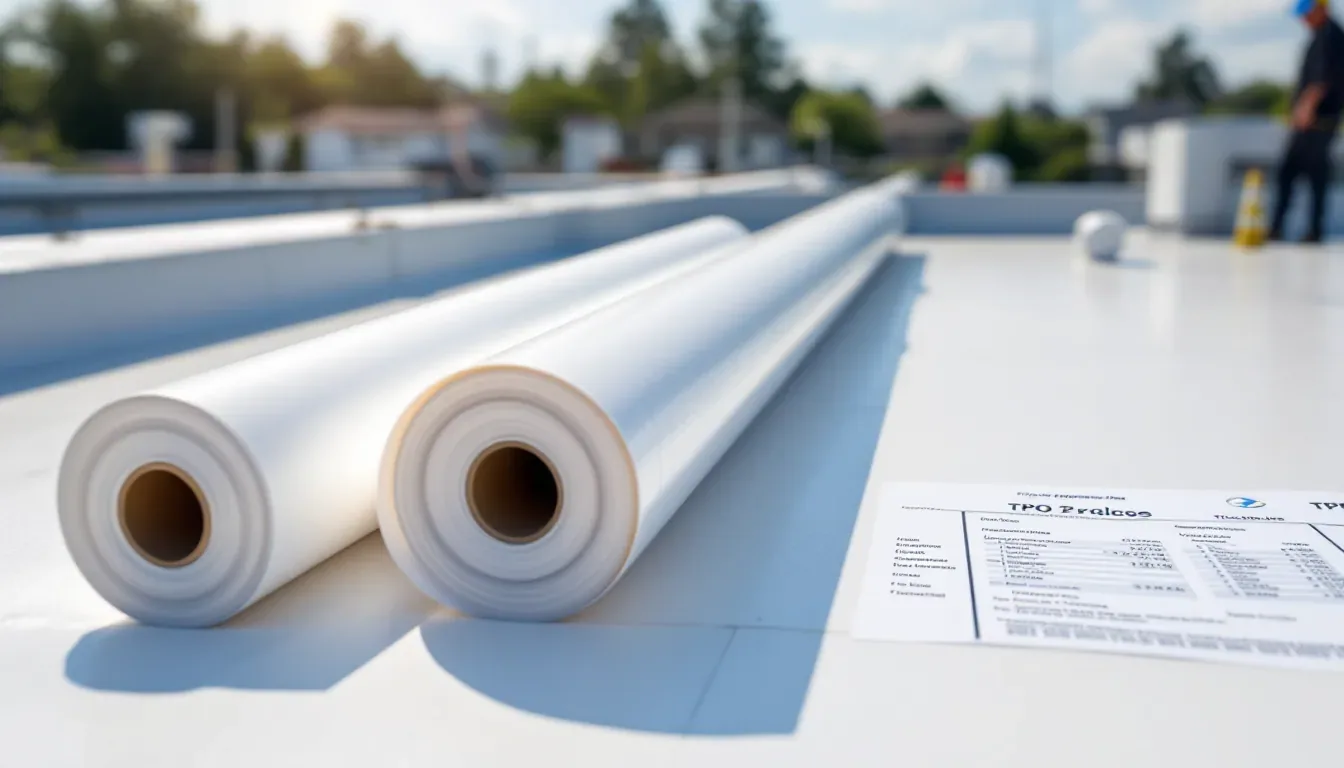
A torn corner over a sound deck may support a local correction. Repeated seam openings, loose attachment over multiple zones, wet insulation, or damaged roof structure can justify a wider scope. A recover must be reviewed for moisture, existing layers, roof height, drainage, and the intended assembly. We show the field evidence behind each option and state what an opening would need to confirm.
Cost varies with roof area, membrane type, number of transitions, edge work, removal depth, equipment access, insulation, and site protection. For a targeted repair, we identify the splice, flashing, or attachment detail. A full replacement describes tear-off, new layers, securement, and dry-in. We keep measured items distinct from allowances tied to concealed conditions.
Send product records, available roof plans, leak locations, access rules, and the facilities contact. We can inspect the relevant roof zones, confirm the visible Versico components, and provide photos with the recommended scope. A follow-up maintenance visit can revisit the repaired seams, drains, and previous leak areas rather than restarting the investigation from scratch.