Know Which Seams Were Made Off Site
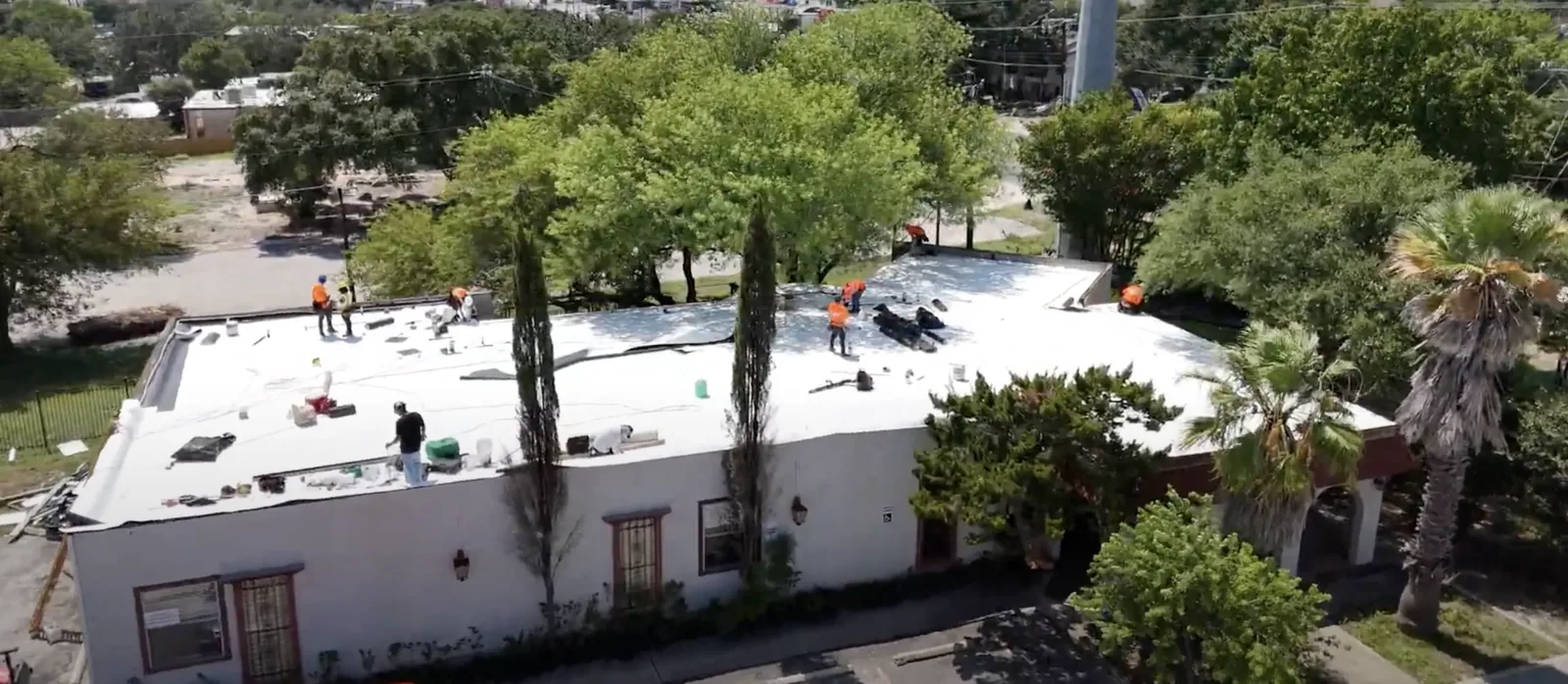
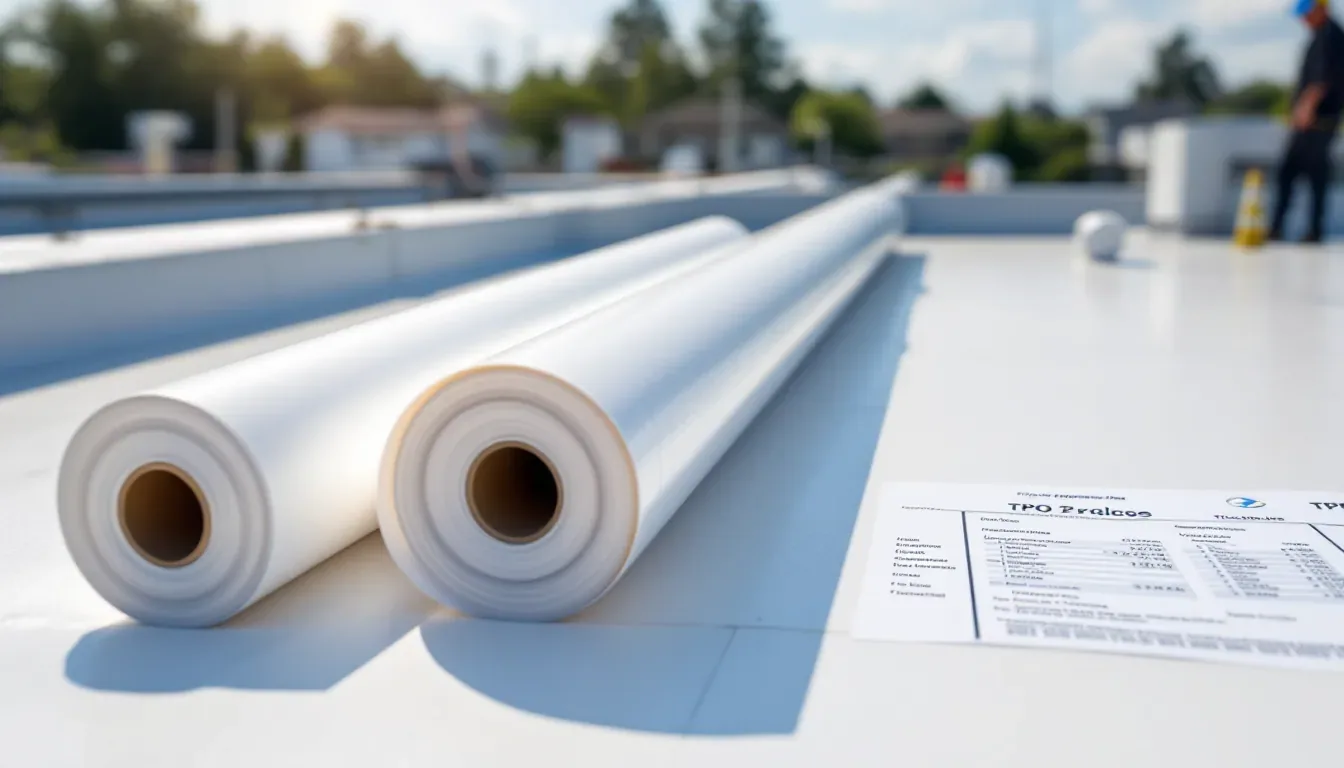
Duro-Last describes its flagship membrane system as custom fabricated, with factory-welded sheet sections and accessories designed for critical roof transitions. That can alter where the remaining field work occurs. It does not remove the need to inspect seams at the perimeter, penetrations, curbs, drains, or changes in roof elevation. We look at how each prefabricated piece meets the next and verify that the actual roof matches the fabrication plan.
Roll goods and custom-fabricated deck sheets are different approaches within the product family. Before a repair, we check which membrane is installed, its thickness and backing, the attachment, and the type of existing accessory. A Sika Sarnafil PVC assembly or Carlisle single-ply roof may have heat-welded joints too, but that does not make its system components a Duro-Last detail. We select materials to fit the identified membrane, not just the broad PVC category.
Inspect the Tie-Ins at Roof Details
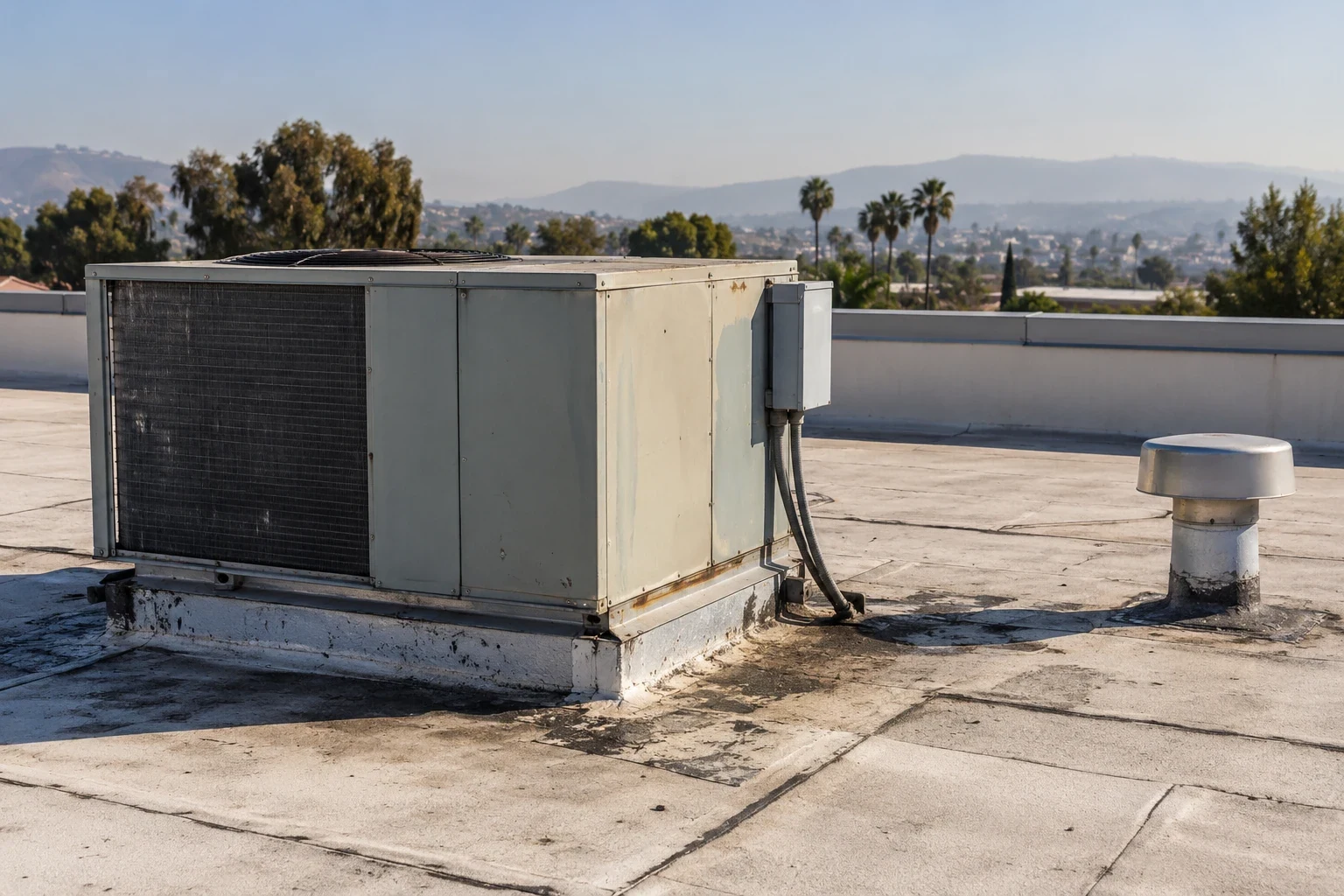
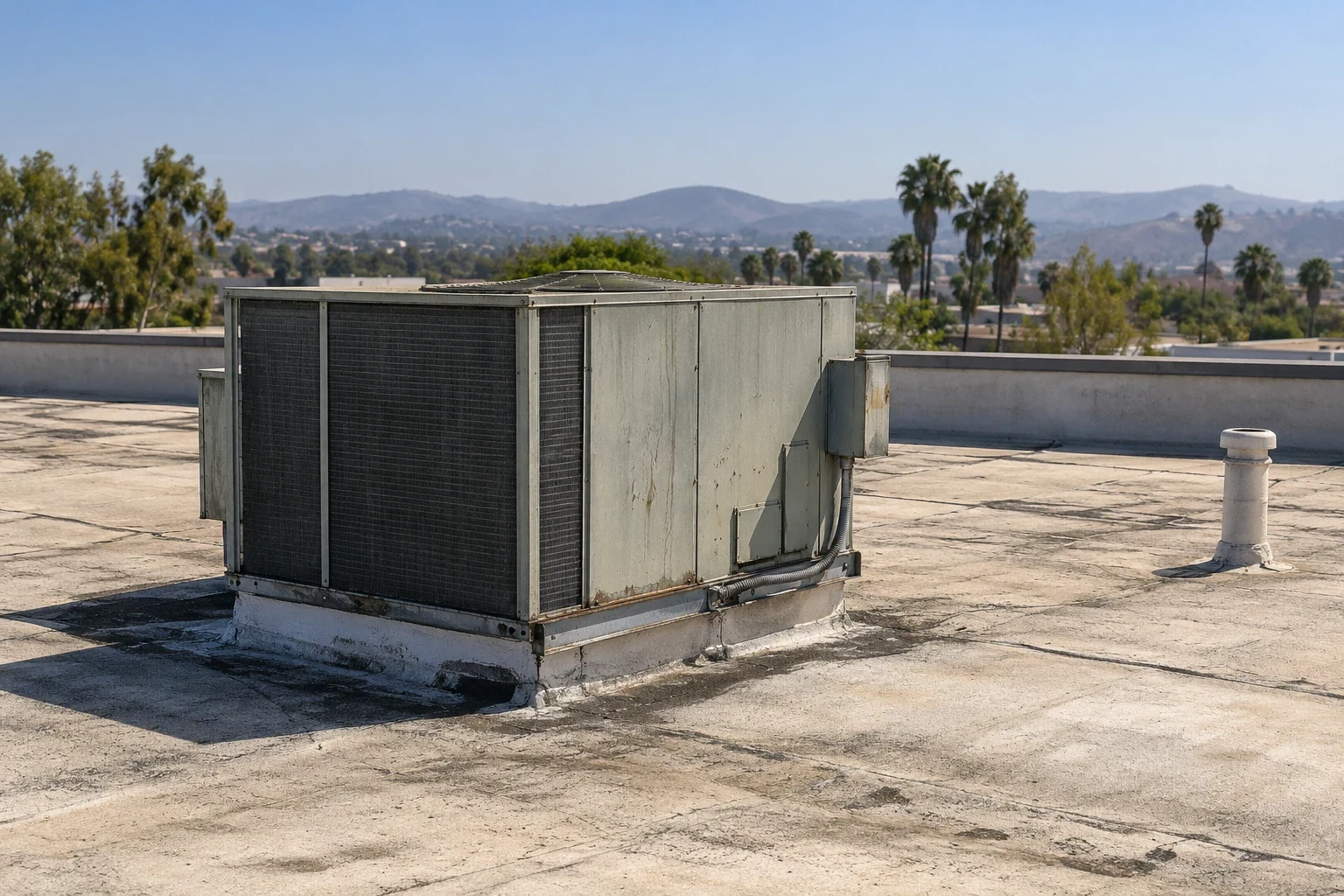
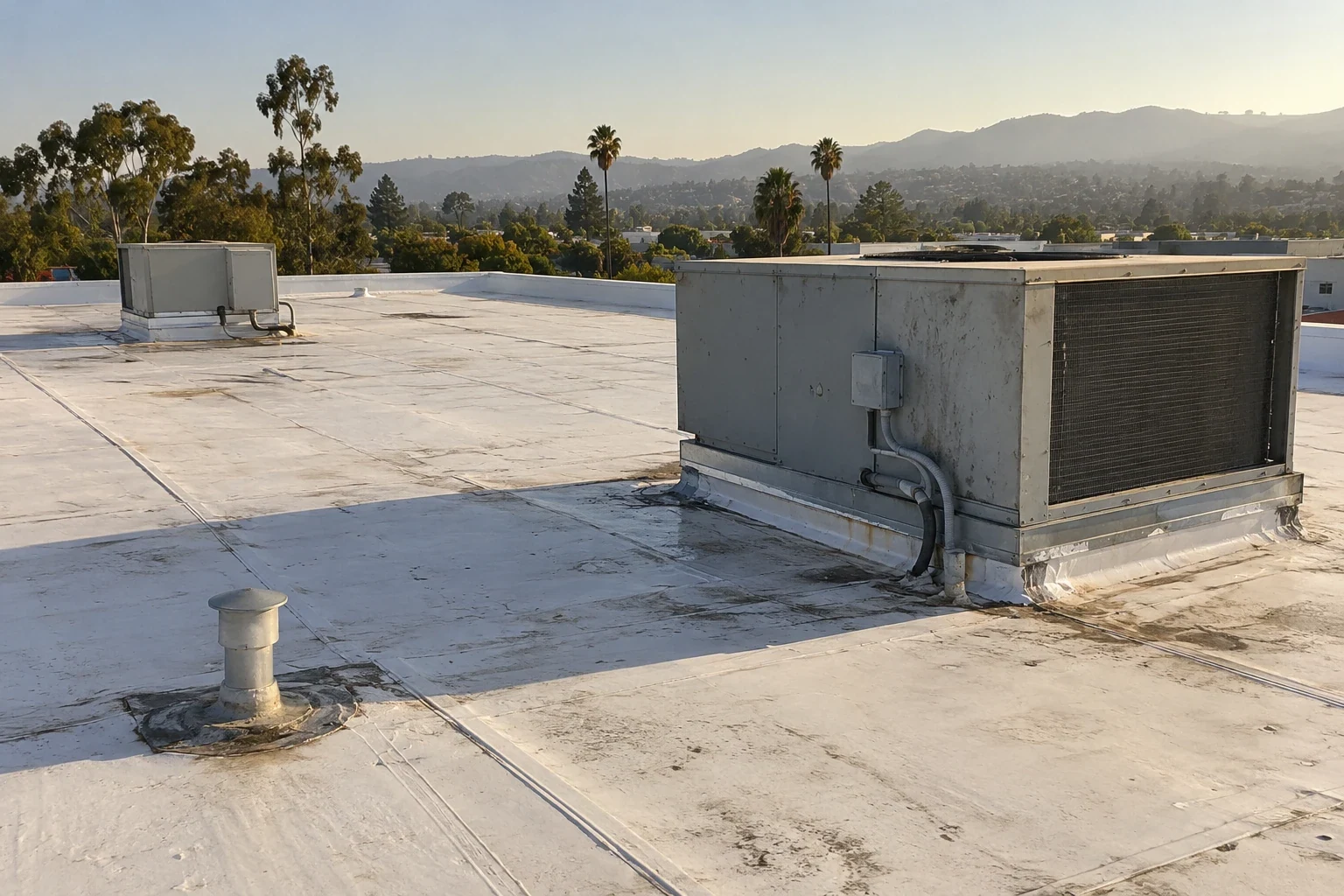
A factory-finished sheet still meets the building at many points. We inspect pipe boots, drains, equipment curbs, parapets, expansion joints, and edge metal for separation, movement, or unsupported material. Around a pipe, the membrane collar needs to fit the penetration and join the field sheet; at a curb, corners and vertical flashing deserve a separate look. A clean field surface does not clear a detail that is letting water in.
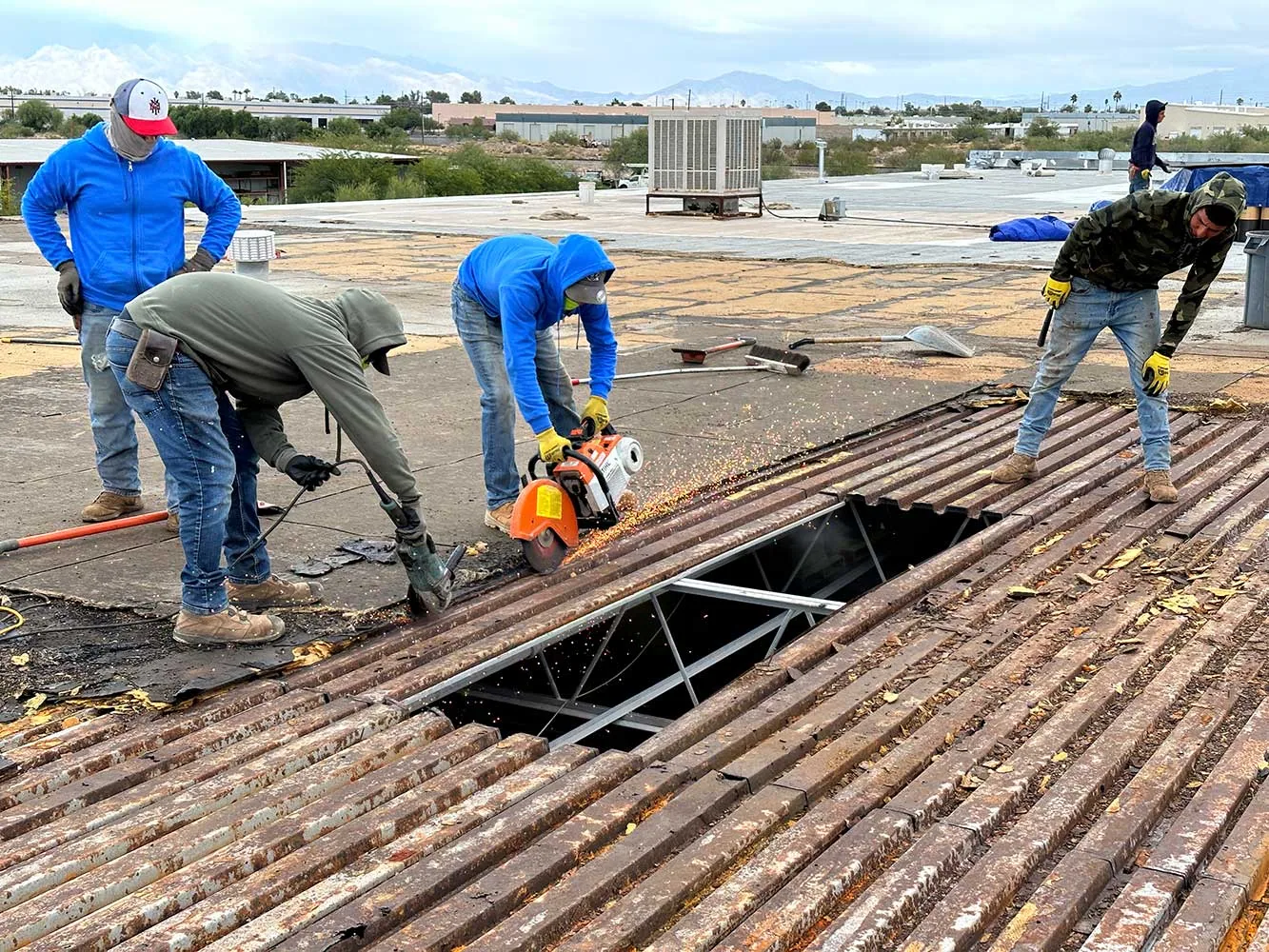
For a suspected leak, we map the reported interior area and inspect roof zones above and uphill from it. Water can move beneath a sheet or along a deck before surfacing indoors. We check drains and overflows as well as welded joints, then test representative areas where appropriate. If insulation may be affected, a controlled opening can show whether the membrane is the only damaged layer.
A roof inspection records the field condition, candidate entry points, and areas not reached. If moisture extent remains uncertain, an infrared survey may help decide where a test opening belongs. We explain what each step answers before it is included in the estimate, so the scope does not confuse a suspected wet area with a confirmed removal quantity.
Make the Repair at Sound Material
Repair begins with identifying the membrane and preparing the surrounding surface. Dirt, coating, old adhesive, or a previous patch can change the weld and should be removed only as far as needed to reach stable material. We inspect the backing, seam edge, attachment, and substrate, then set the repair line beyond the failed portion. Photographs show the opening before it is covered.
Chula Vista’s Bayfront combines maritime and commercial areas, while employment uses also extend inland through Otay Valley and toward the eastern planning area. Those routes can affect material delivery and roof access. They do not show what system is on a particular property or whether a membrane has failed. We verify roof markings and records at the site, then coordinate the service route with the building contact.
Use Fabrication Records in the Work Plan
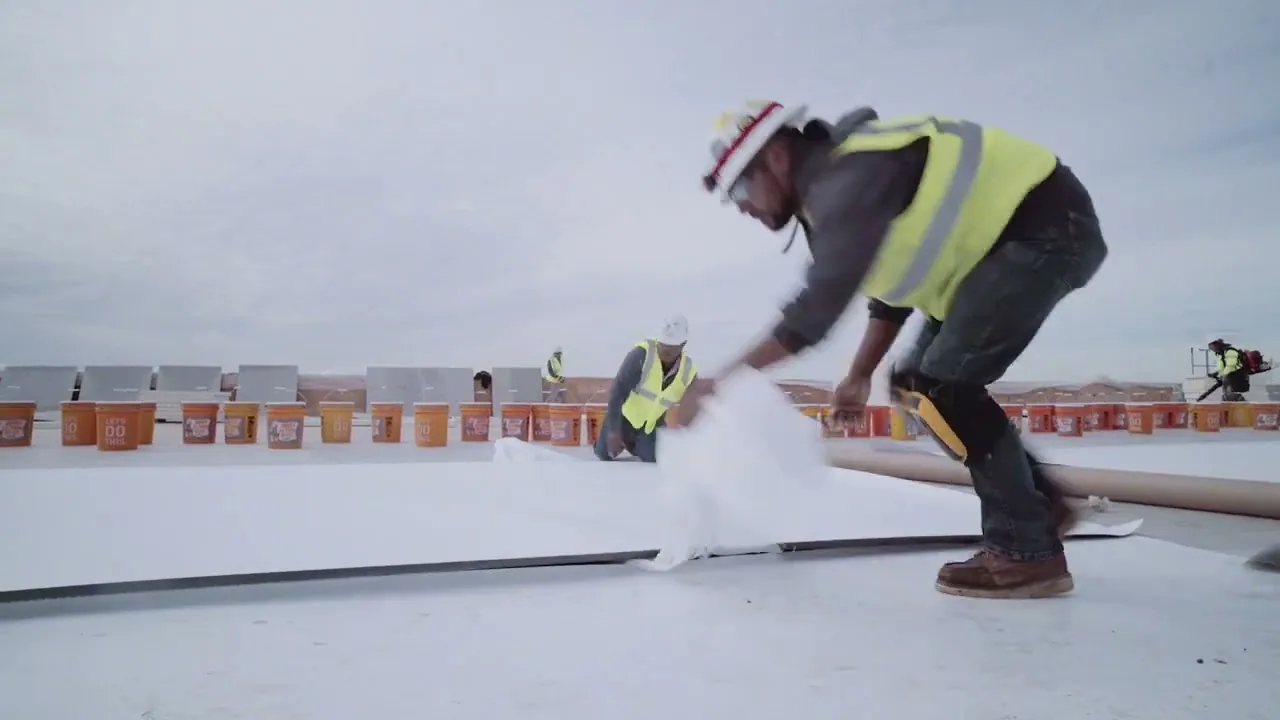
A roof plan, fabrication drawing, product submittal, and repair history can help sequence replacement. We compare those records with the roof dimensions, equipment, curbs, and edges before ordering details or defining a dry-in boundary. If field measurements differ, the plan changes before material is cut or roof layers are removed. We identify which information is confirmed by the site walk and which item still needs design input.
For active water entry, our crew can respond nights, weekends, and holidays. The first visit may cover the affected zone and reduce additional exposure. Permanent work follows once the membrane, substrate, and detail can be inspected. We keep emergency protection, repair, and later replacement as distinct entries so the current condition does not get lost in an old service note.
For an occupied reroof, deliveries, lifting, noise, interior protection, and equipment access need to fit the operation. A phased roof plan can set section handoffs when the layout supports separate work zones. We mark which area opens each day, how the transition will be secured, and where the crew will stop if a hidden condition changes the work. The facilities contact gets a specific plan for access and dry-in.
Set the Shift from Weather and Access
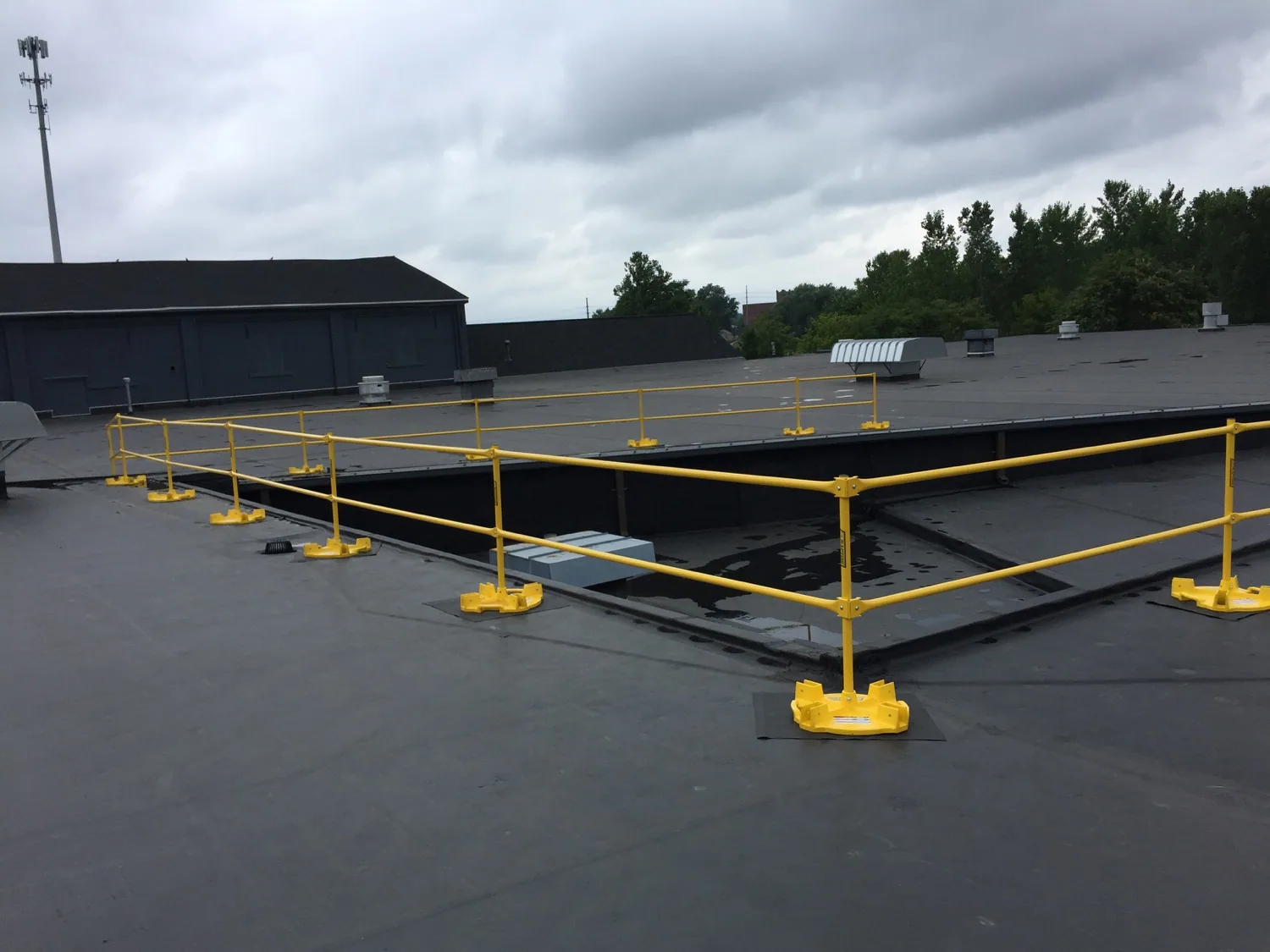
Most San Diego-area rain falls in winter, but one season can differ sharply from the next. We check the current forecast, drains, and the material’s application conditions before lifting a membrane. Hotter dry easterly winds can reach eastern communities in early fall. Surface temperature and product directions govern the task; the regional pattern alone does not decide whether the roof can be opened.
The Otay Valley and Otay Mesa connect Chula Vista commercial property with freight routes and the border region. Farther east, the Eastern Otay Ranch Employment Area has planned office, commercial, and limited industrial uses. We confirm the actual site’s gate, delivery times, equipment paths, and roof entry instead of treating a planning label as an access plan.
Compare a Detail Repair with Replacement
A damaged accessory or open tie-in may be repaired if nearby membrane and substrate remain suitable. If multiple details have failed, insulation is wet, or field attachment is loose, the owner may need a wider evaluation. A recover also requires checking the existing layers, moisture, drainage, height, and proposed assembly. We describe the finding that supports each path and flag what remains concealed.
Cost depends on custom-fabrication needs, roof dimensions, penetrations, edge length, tear-off depth, insulation, equipment, and staging. A bounded repair identifies the weld or flashing to correct. A full reroof scope lists the removal layers, new components, fabrication coordination, and daily dry-in limit. Allowances for hidden conditions stay separate from the measured work.
Share Duro-Last fabrication and product records, any roof plan, the leak location, and an access contact. We will inspect the affected sections, compare the installed details with the records, and return photos and a clear next step. A maintenance visit can then track the repaired transitions and inspect exposed seams on a planned schedule.