Put the Governing Records in One Place
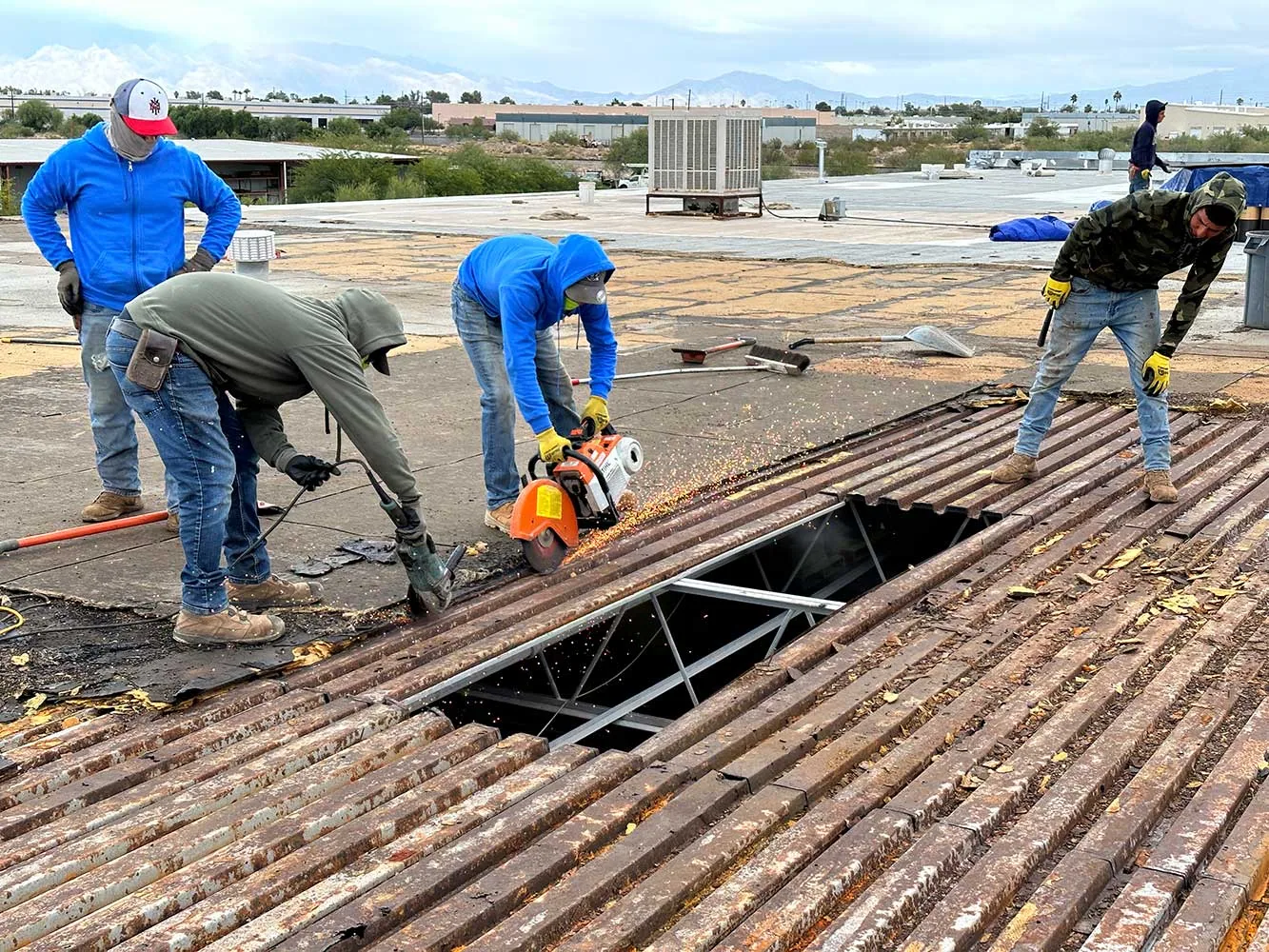
The facility file should identify the building, roof system, installation or repair scope, date of completion, warranty issuer, and contact or notice process stated in the document. We review the records provided, list missing or inconsistent items, and identify which information still needs confirmation. The roof plan, product submittals, final photographs, testing results, and maintenance history can help explain what was installed and where later work occurred.
Chula Vista has commercial and industrial property across Third Avenue, Otay Valley, Eastlake, and Otay Ranch. A portfolio may include different assemblies and different warranty documents even within one ownership group. We keep the records tied to each building and roof section. An inspection report can add current labeled photographs; a roof asset register can connect those findings with prior work orders.
A manufacturer’s name on a product is not enough to establish that a specific warranty covers a location or repair. The executed document identifies its issuing party, covered system, requirements, exclusions, and notice procedure. A sales sheet cannot replace the executed warranty, which identifies the issuing party, covered system, requirements, exclusions and notice process. When a question depends on the document, we identify the relevant record and the person who can interpret or administer it.
Keep Maintenance Tied to the Written Terms
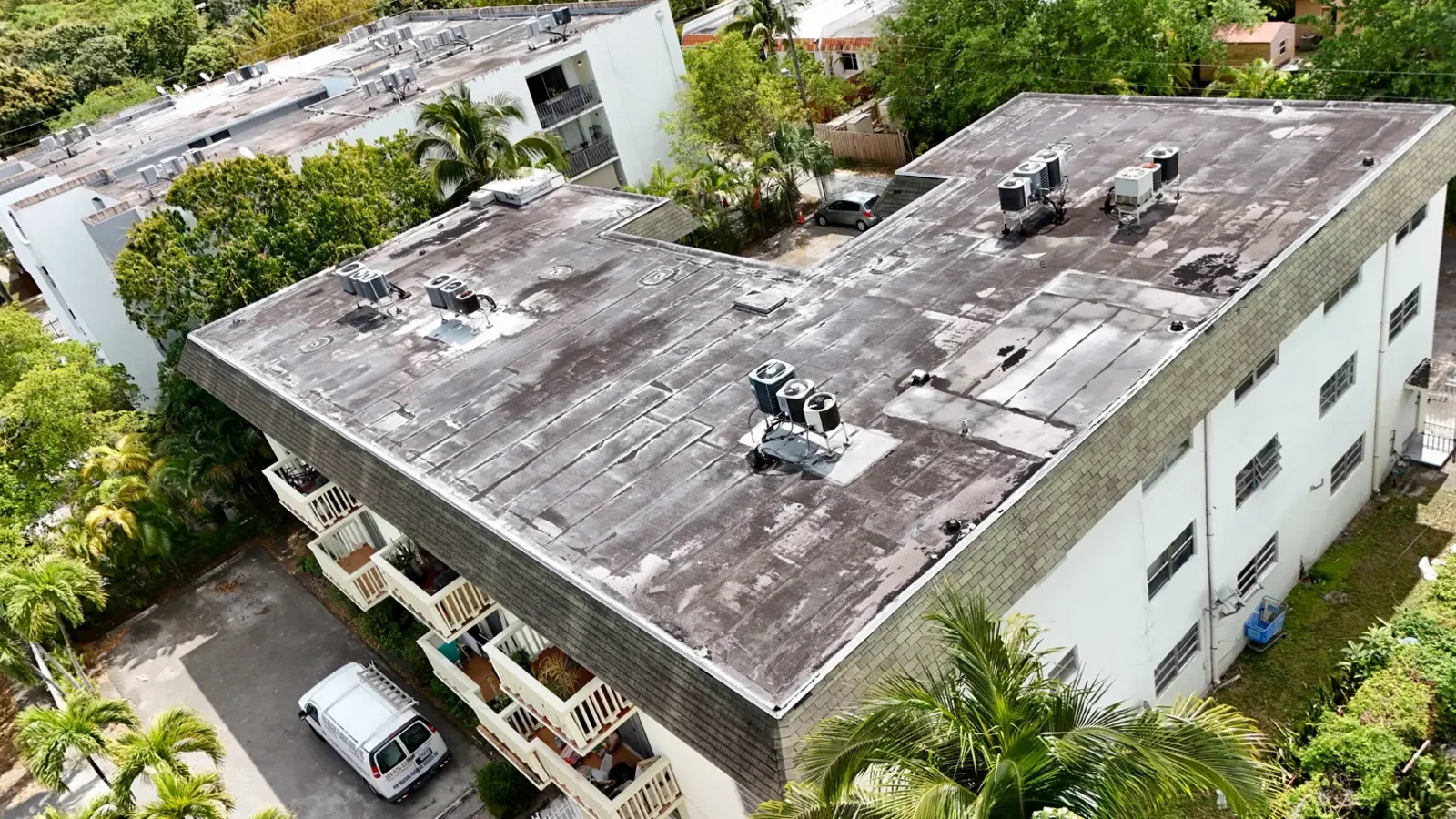
Some roof warranties require defined inspections, drainage upkeep, or records of completed repairs. Those requirements vary by document, so the facilities team should use the actual terms rather than a generic checklist. We inspect accessible roof zones, photograph seams and flashing, record blocked outlets or visible damage, and list maintenance completed. If an item cannot be reached or is outside the agreed scope, it is listed as an open task.
Preventive maintenance can establish a recurring observation trail for drains, scuppers, curbs, edges, and prior repairs. The log names the date, roof zone, work performed, and any condition that needs a separate repair proposal. Cleaning an outlet does not correct a low deck, and resealing a curb does not prove water stopped entering. The follow-up record should say what changed and what still needs inspection.
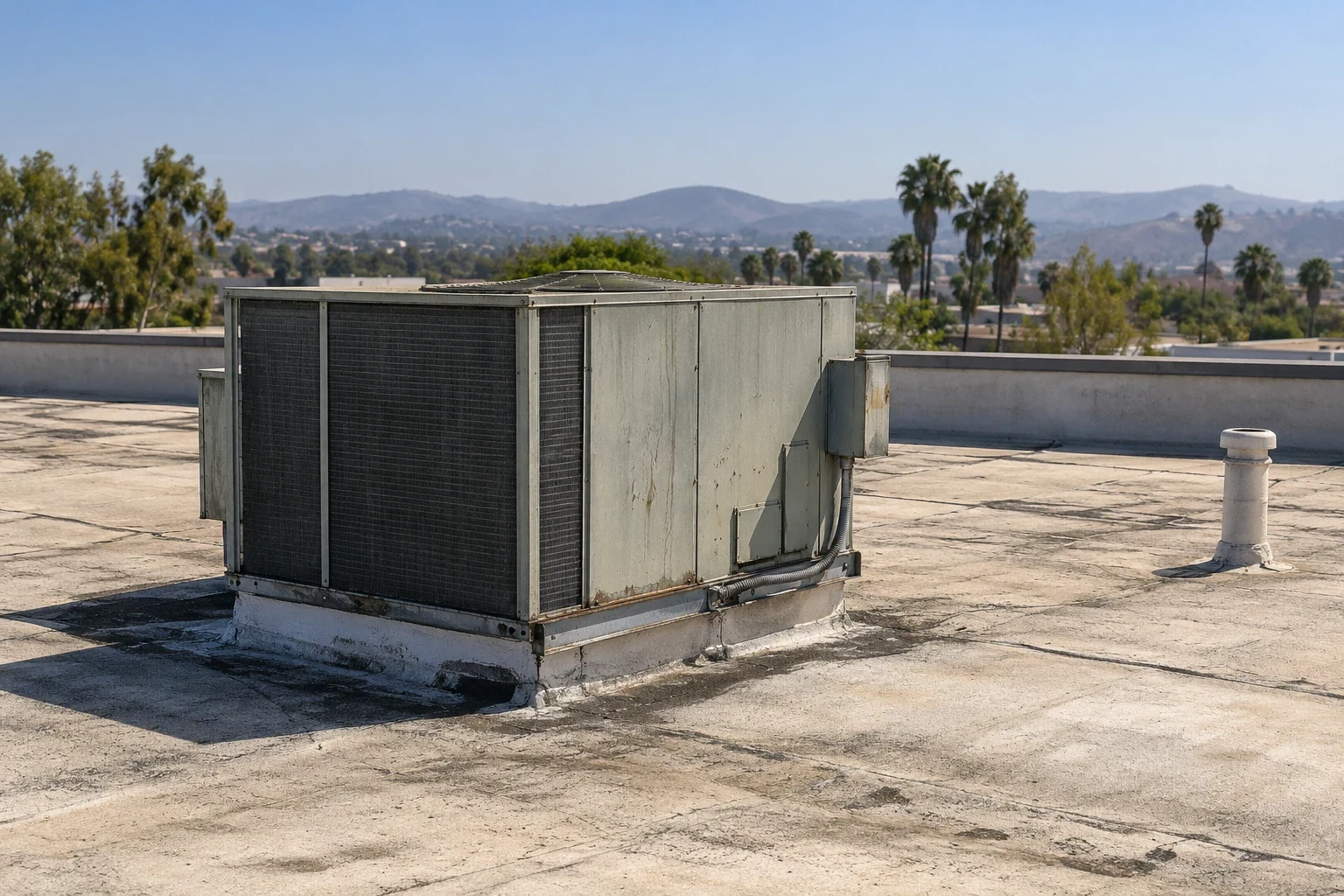
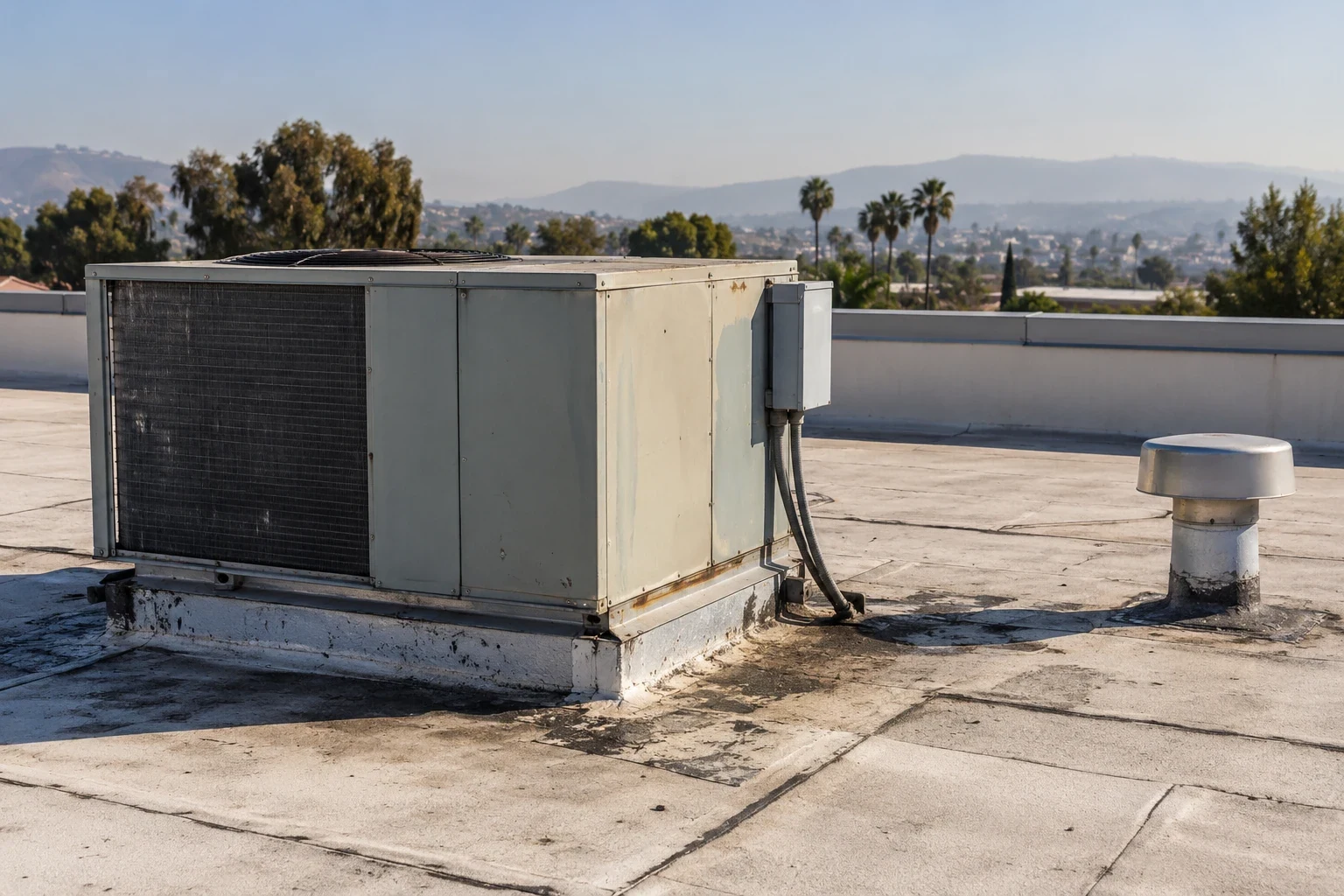
For a building near the Chula Vista Bayfront, exposed metal may need attention if the site inspection finds corrosion or loosened hardware. We inspect exposed metal, fasteners and membrane transitions for actual corrosion, movement or water entry before including them in the scope. We document observed material condition and compare proposed work with the system details provided. A manufacturer’s system documents may provide product-specific maintenance instructions, but the issued warranty and approved details govern any requirement.
Respond to Water Without Losing the Evidence
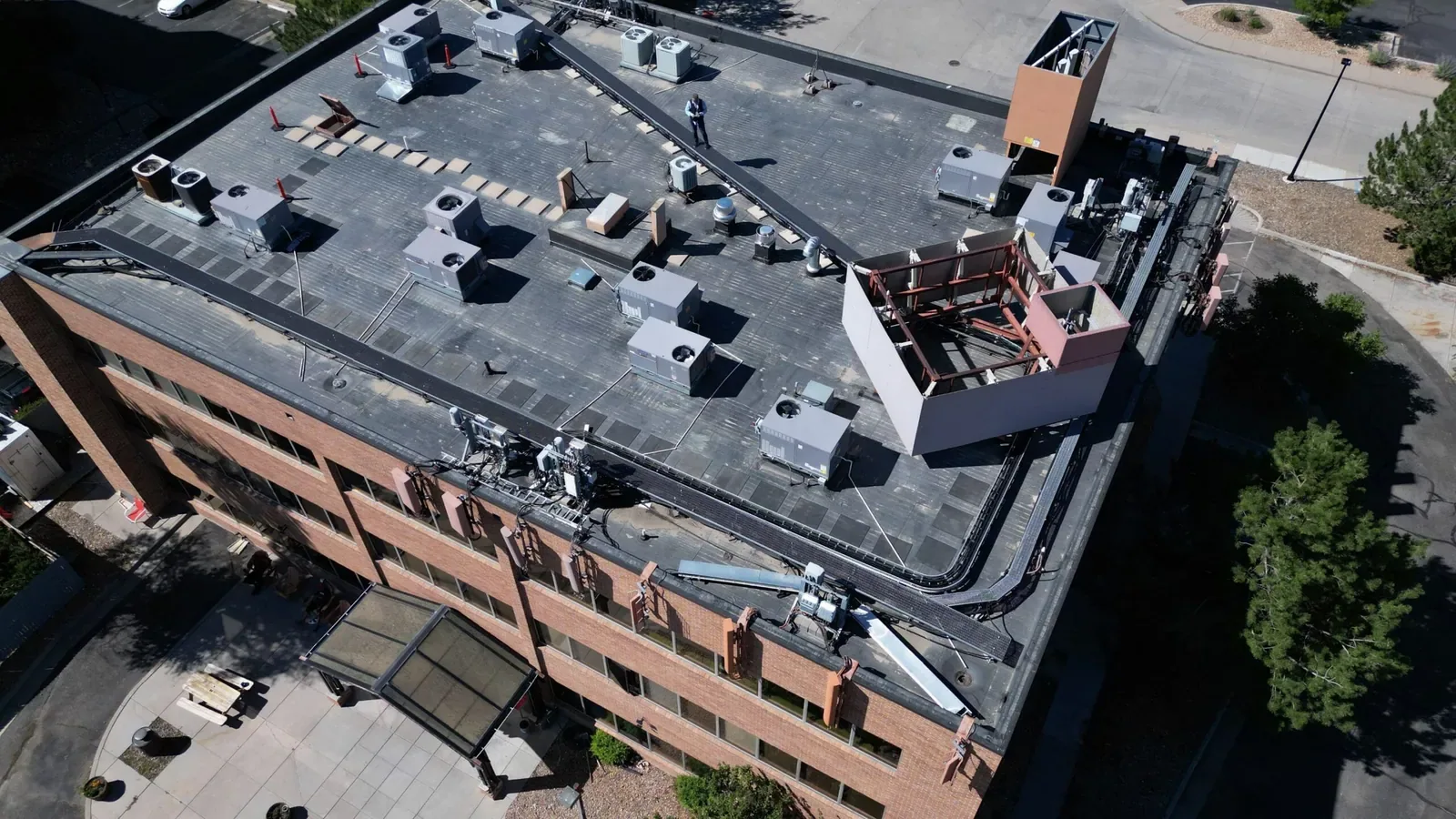
When water reaches the interior, protection should not wait for a file search. Emergency response is available around the clock, including nights, weekends, and holidays. We coordinate entry with the property contact, protect the area below, and secure the accessible roof opening. Where practical, we photograph the condition before temporary covering; when immediate safety or property protection comes first, we document what the crew covered and what could not be seen.
After stabilization, we map the interior mark to the roof zone and inspect seams, penetrations, drains, curbs, and prior patches. A ceiling stain may sit away from the entry point because water can move along the deck or framing. The report separates observed damage from a suspected path and identifies whether a test cut is needed. A roof inspection gives facilities a condition record to compare with the warranty documents before permanent work is selected.
Notice requirements may specify a contact, time period, or supporting photographs. We can organize the roofing evidence and help the owner identify the records needed to make a notice. The owner or warranty issuer handles the formal notice and coverage determination. We organize the roof findings and supporting records for the owner’s notice; the warranty issuer makes the coverage determination.
Check Proposed Repairs Against the Assembly
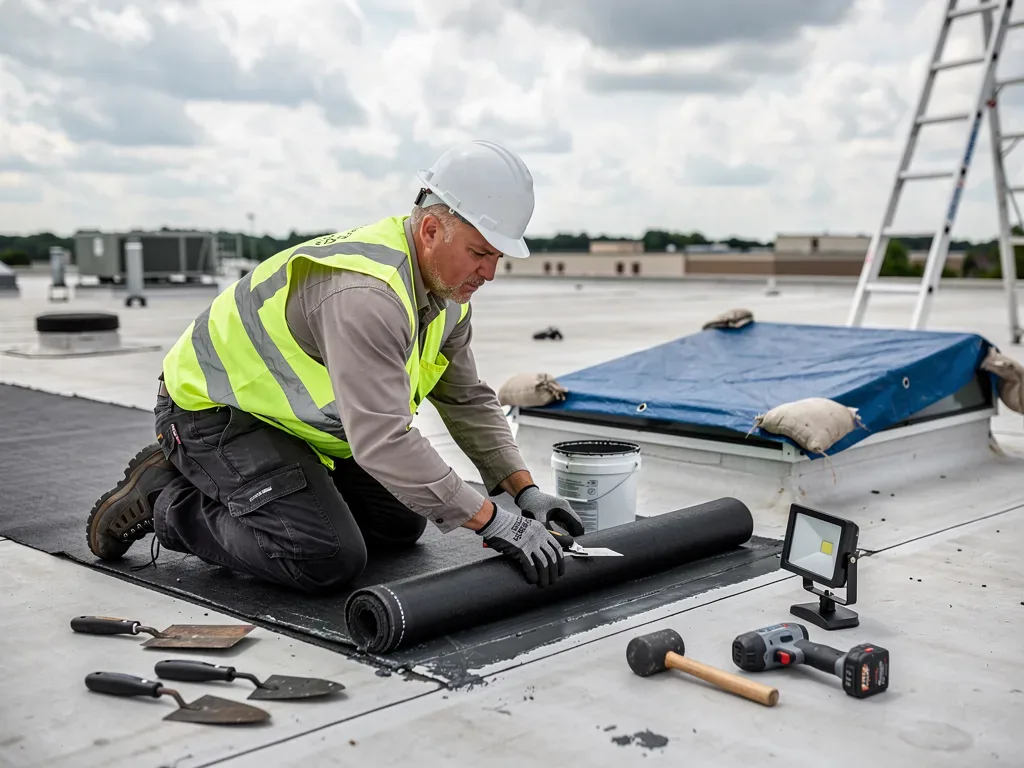
Before changing a roof, identify the affected material and how the new work will tie into it. TPO, PVC, EPDM, built-up, coating, and metal systems require compatible preparation and flashing details. A repair that obscures a leak without restoring the water-control layer can create another problem. We review the available details, inspect the field condition, and flag a conflict before the repair closes the assembly.
If an existing detail differs from a project document, we record the roof zone, photograph both the condition and nearby features, protect the area, and request written direction from the appropriate contact. The executed warranty and the repair approval determine whether later work affects coverage; we compare those terms with the available repair record. The specific terms and issuer determine that question. The maintenance record should retain who approved work and which detail the crew completed.
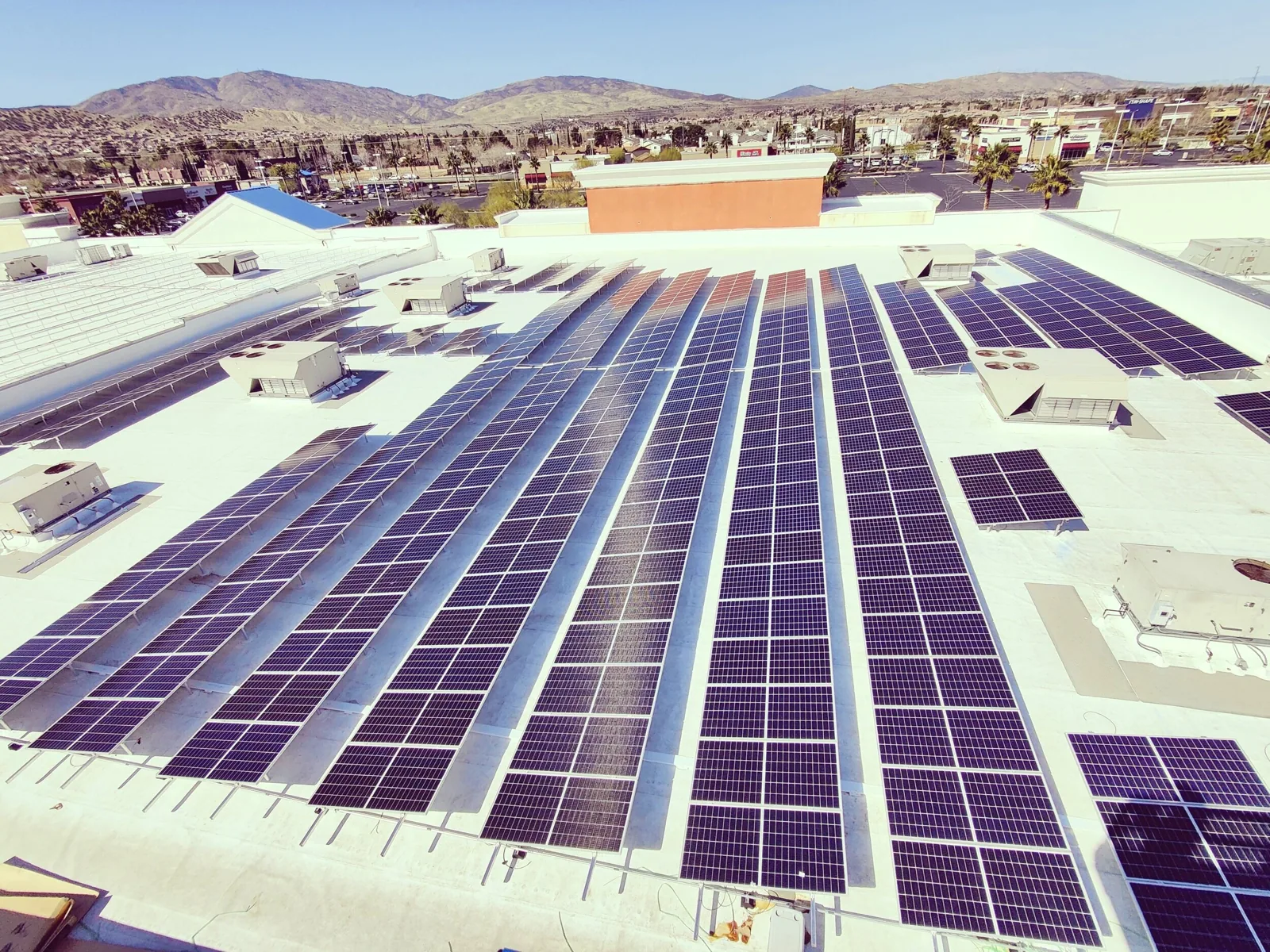
A localized defect may support a compatible repair. Broad moisture, repeated separation, or damaged deck may require a larger project review. When work affects the entire assembly, replacement planning should account for removal, drainage, edges, equipment transitions, inspections, and closeout records. No selection substitutes for the written warranty terms and the conditions found on the roof.
Make Renewal and Ownership Handoffs Clear
When ownership or management changes, organized records help the next facilities lead find the roof history. A usable record includes the current warranty file, inspection dates, repair approvals, maintenance photos, contact path, and unresolved items. Before a sale, refinance, or management change, facilities staff can identify which documents should move with the property. A current condition report helps distinguish the file’s historical record from what an inspector saw during a recent walk.
Chula Vista’s inland employment districts near Eastlake and Otay Ranch connect to a different work route than the western bayfront areas. At the Chula Vista Bayfront, we confirm the property’s own staging and access rules before setting the visit. If an inspection spans multiple buildings, access, gate, and receiving rules should be confirmed for each property. We keep current access restrictions with the property records so future maintenance can use the right entry and route.
Send the warranty and closeout documents, roof plan, inspection history, open leak reports, and property contact. We can organize the records, inspect released areas, and return a list of observed conditions and required follow-up. A condition report records field facts, while the warranty issuer remains the authority on the agreement’s terms.