Tell Surface Weathering From a Repairable Defect
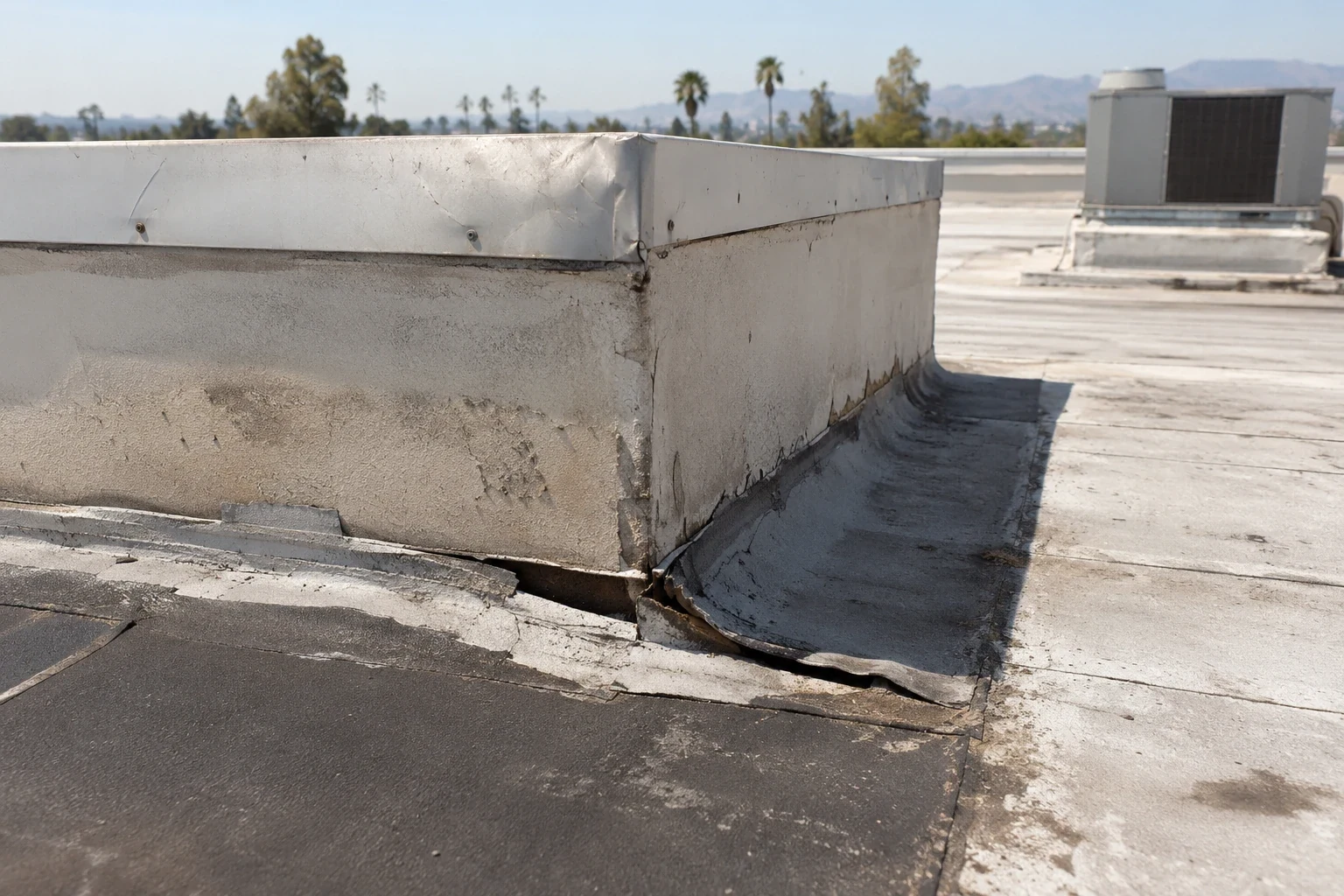
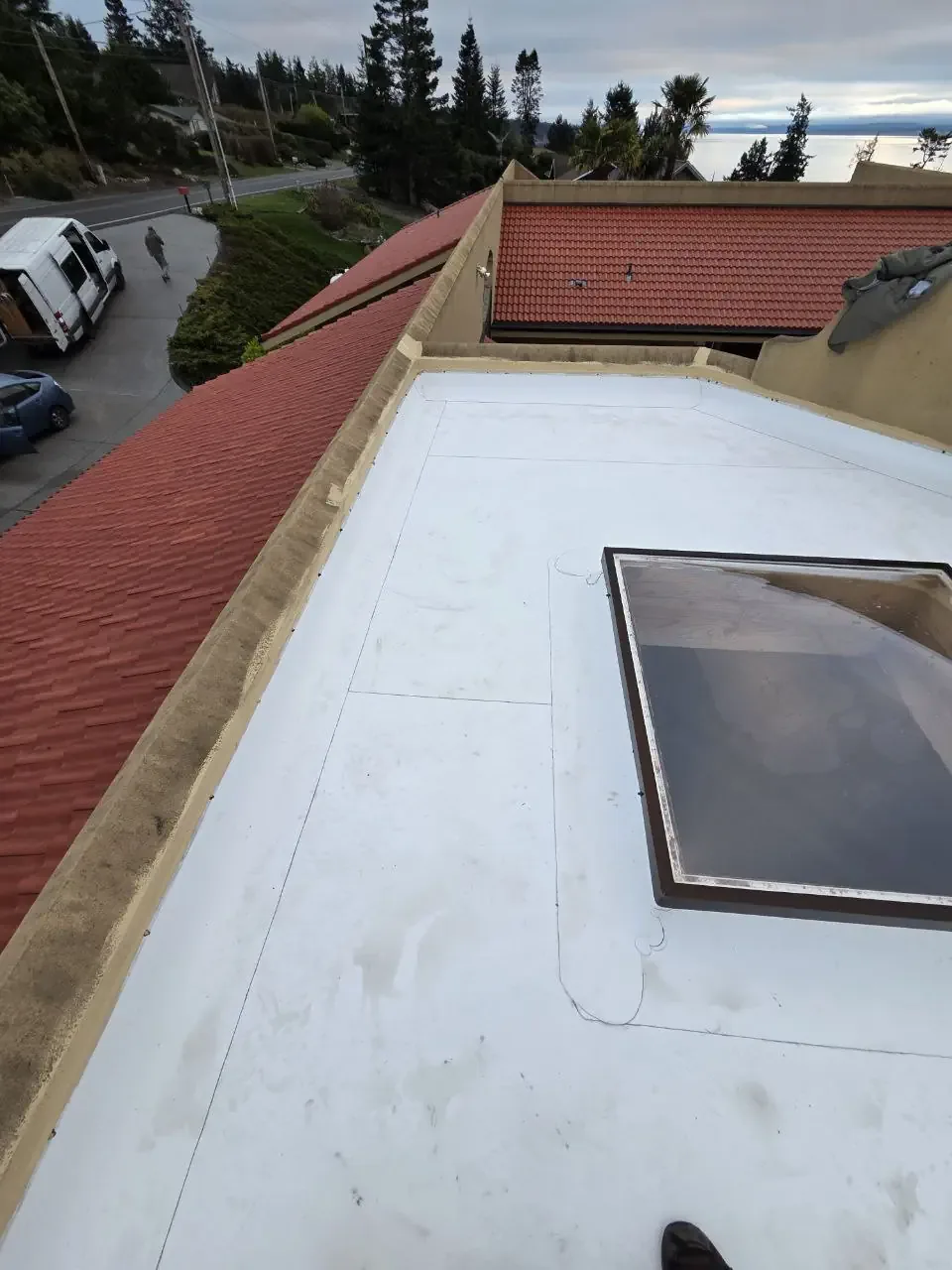
We examine the membrane for crazing, cracks, exposed reinforcement, shrinkage, open laps and brittle areas. Sealant around curbs, vents and pipe penetrations can dry or lose adhesion before the field membrane fails. Metal components may also move as temperatures change. A visual review checks whether deterioration is limited to one detail or repeated across sun-exposed roof zones.
Existing repairs can reveal how the roof has aged. We look for patches that have lifted, edges that have split and coatings that have worn through. If the same failure appears on multiple sides of an equipment curb or along a long seam, the repair boundary may need to extend past the most obvious crack. A seam repair can restore a localized opening where surrounding membrane remains sound; flashing repair may be needed at a curb, wall or penetration.
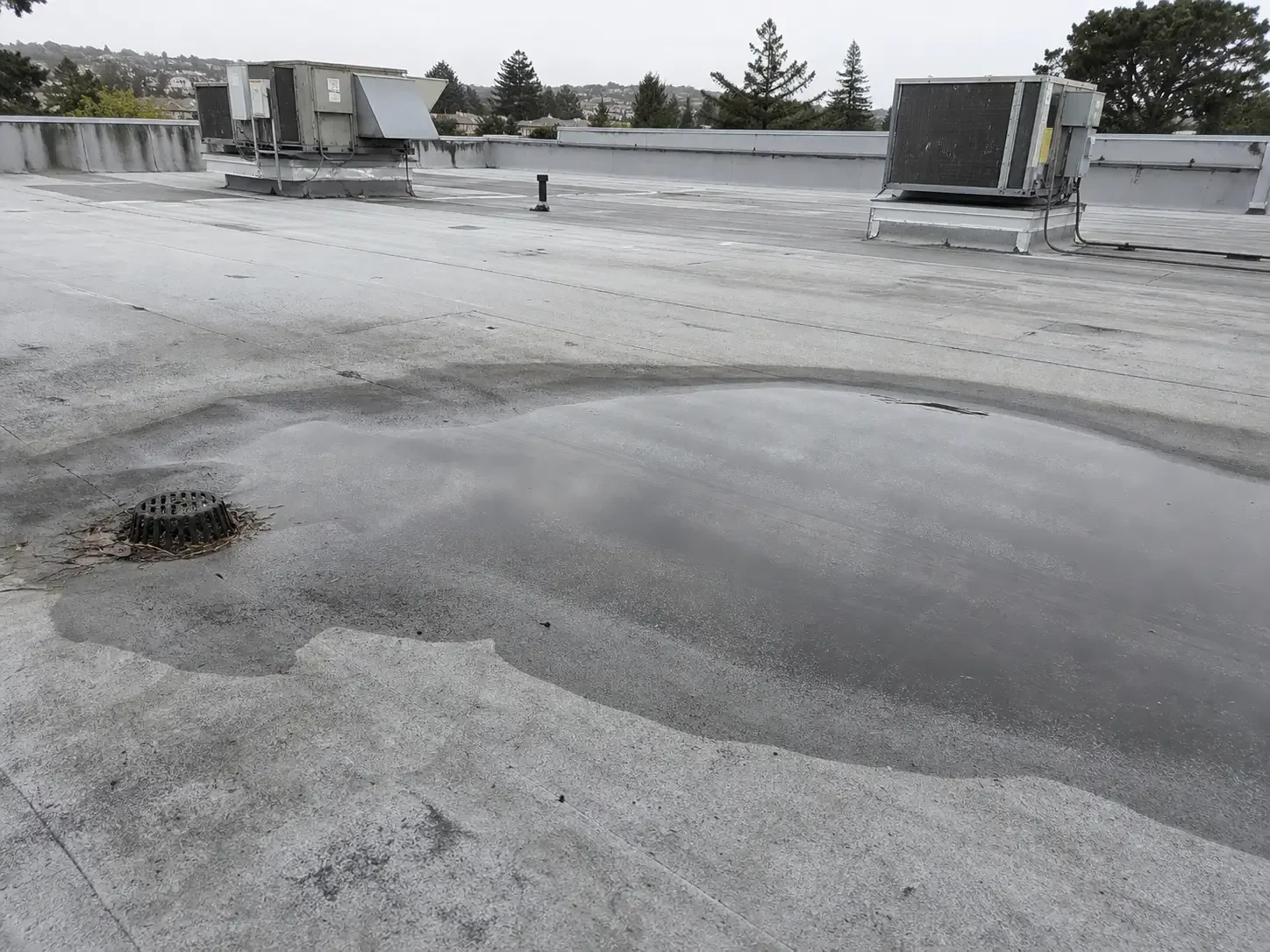
We also check drainage. Heat does not cause every roof defect, and ponding water can accelerate deterioration when drains, scuppers or slope are inadequate. A low area with a ring of dirt or recurring wetness calls for a separate assessment. Ponding-water repair addresses the water condition so a surface patch is not asked to solve an unrelated drainage problem.
Look Beneath the Weathered Surface
A surface review cannot reveal every concealed condition in the insulation or deck. We check for blisters, soft spots, displaced cover board, loose fasteners and stains at the underside where accessible. An interior leak can be delayed or offset from the point where water entered. We compare ceiling reports with roof slope, seams, curbs and drain locations.
When moisture is suspected, a suitable non-destructive survey can help map the affected area. Roof type, surface layers and weather conditions influence which methods are useful. If readings point to wet insulation, a controlled opening may confirm the layers and establish how far material needs replacement. We explain the purpose of that step before work begins. A smaller repair remains possible when the roof is dry and attached beyond the deteriorated area.
Winter accounts for most San Diego-area rain, though each season can vary. Heat-related surface wear may go unnoticed during dry months and become a leak once water reaches an open seam or brittle transition. We identify which locations should be monitored before the next wet period and whether a short-term repair is appropriate while a broader plan is developed. An infrared or moisture survey can support follow-up where the assembly permits it.
Match Restoration to the Roof System
The roof assembly determines whether to repair, restore or replace a section. A single-ply membrane may take a compatible welded or adhered repair; modified bitumen may require a matching cap sheet; a metal roof may need movement-compatible fasteners, closures or panel work. We remove brittle or loose material until the repair can tie into a stable surface. Coating a cracked detail without preparing it can hide the defect while leaving the water path open.
If heat has affected a larger continuous area, we compare the cost and performance of repeated patches with a broader restoration or replacement. Insulation condition, attachment, existing roof layers and building use all matter. The recommendation identifies the affected zone and the reason a local patch is or is not suitable. A roof coating restoration may be considered only when the substrate and existing system meet the product requirements.
Where the repair includes insulation or cover board, the new section must align with the existing system and preserve drainage. At curbs and walls, terminations should secure the membrane and shed water. Our commercial roof repair scope separates confirmed work from optional follow-up so a property manager can plan without confusing repairs with a full reroof.
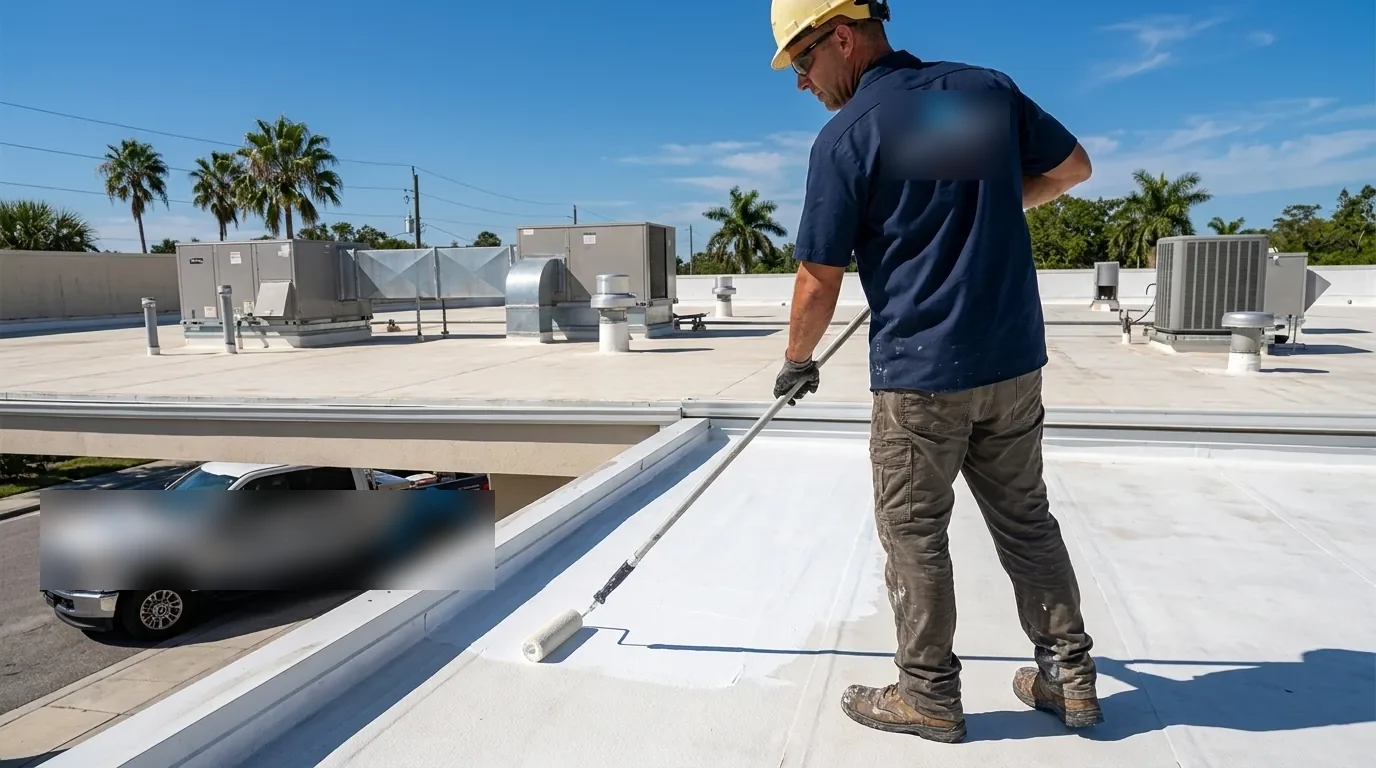
Reduce Stress From Heat and Roof Traffic
Exposure cannot be removed from an occupied roof, but routine checks can catch aging details before they open. We review seams, exposed fasteners, perimeter metal, walk pads and penetrations that receive frequent service visits. If a repair crew or equipment vendor crosses the same membrane path, a compatible walkway can help limit abrasion. Protection should not block drains or create a new trip hazard.
Chula Vista's employment areas span western business corridors such as Third Avenue and Broadway and extend toward Otay Valley and Otay Mesa. A large commercial roof near a freight route may see more service activity than a small office property. We coordinate inspection access with building operations, identify equipment that requires regular service and leave a clear path for future technicians. The repair record can identify where protection or a recurring inspection may help.
During hot conditions, membrane temperature and product application limits guide repair timing. Dry easterly winds may raise temperatures into the 90s or above in eastern communities. We check that the repair surface is suitable and follow material requirements for adhesion, welding and cure. If conditions do not support permanent work, we explain whether safe temporary protection is available and when the permanent repair can be scheduled.
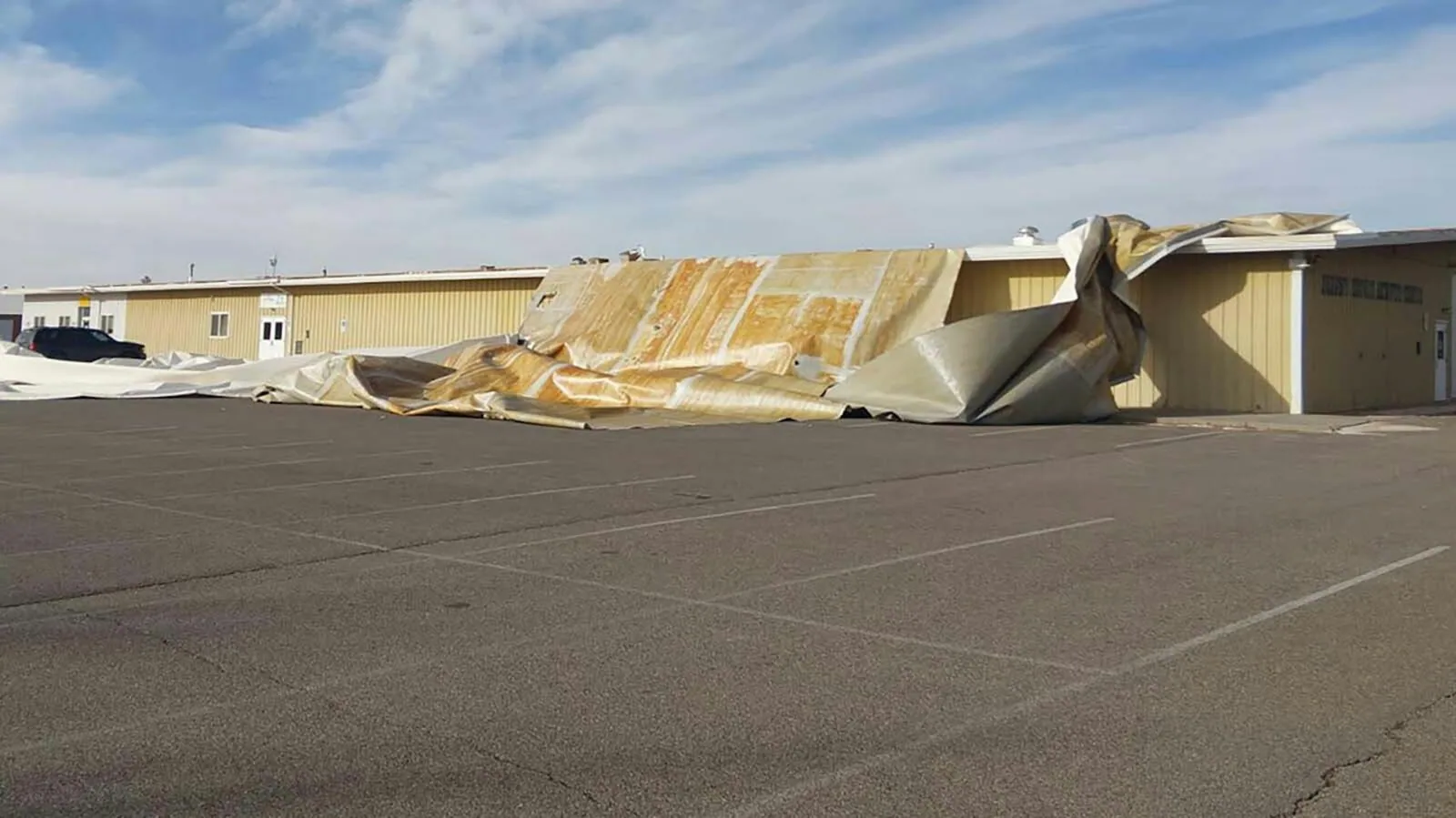
Track the Repair and Plan the Next Inspection
After the repair or restoration, we inspect transitions, patch edges, seams and nearby penetrations. We confirm that drainage remains open and remove loose material from the work zone. A controlled water check may help when the roof system and site conditions allow it; it is not appropriate on every assembly.
Our closeout record records the roof zone, observed wear, system type when known, work completed and any remaining concern. Photos provide a reference for the next visit. If an area remains brittle or moisture testing is pending, we identify it for continued review. This helps a facilities team distinguish a completed localized repair from future restoration planning.
For multi-building portfolios, a consistent inspection schedule can compare aging details and recurring leaks across sites. Preventive roof maintenance can track exposed seams, drainage and repaired transitions before they require emergency attention.