Confirm Access Before the Roof Review
We coordinate with the owner, property manager and restoration lead before entering a fire-affected roof. If an opening exposes the interior, temporary weather protection can be planned after the roof and attachment points are safe to reach.
Before walking the roof, we identify safe routes, unstable edges, debris and pooled suppression water. Fire can weaken a deck or support even when the membrane looks intact. The review records visible conditions for restoration crews and leaves structural, electrical or environmental evaluations to those specialists.
Operations influence how the work is sequenced. The Chula Vista Bayfront plan spans 535 acres and includes parks, open space, hotel, visitor and commercial uses. We confirm gates, escorts, parking, equipment routes and restricted zones with the site contact before scheduling a roof visit. For a roof visit in the Chula Vista Bayfront, we confirm access and staging with the building contact before scheduling.
Separate Heat, Smoke and Water Effects
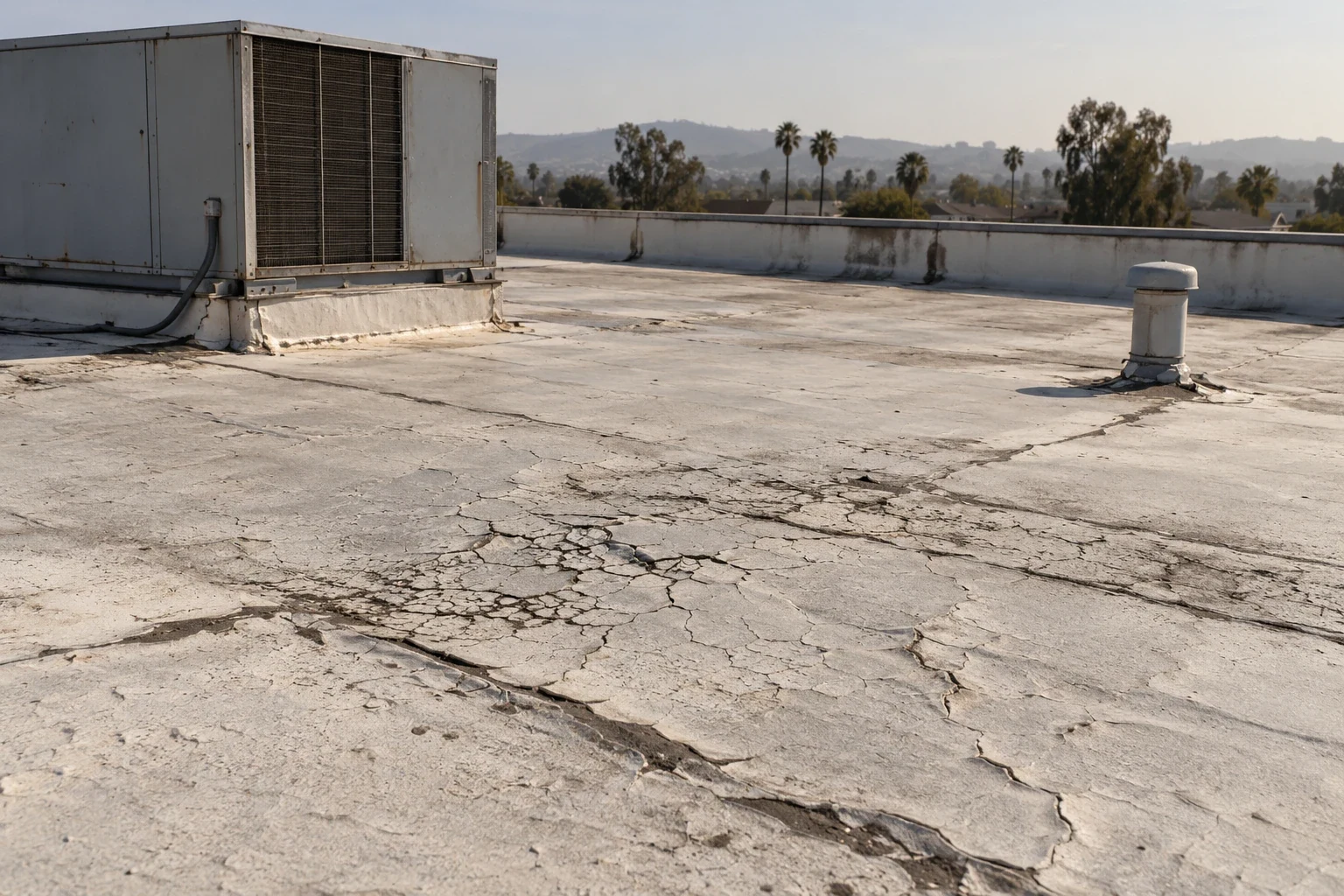
We map the visible fire path and inspect the roof surface around it. Heat can distort membrane, loosen adhered layers or damage sealants at walls and curbs. Flame contact may expose insulation or deck; smoke residue can settle farther from the burn area. Suppression water may enter through the same opening or reach lower roof sections through drains and internal slopes. Each condition has a different repair implication, so we document the location and extent separately.
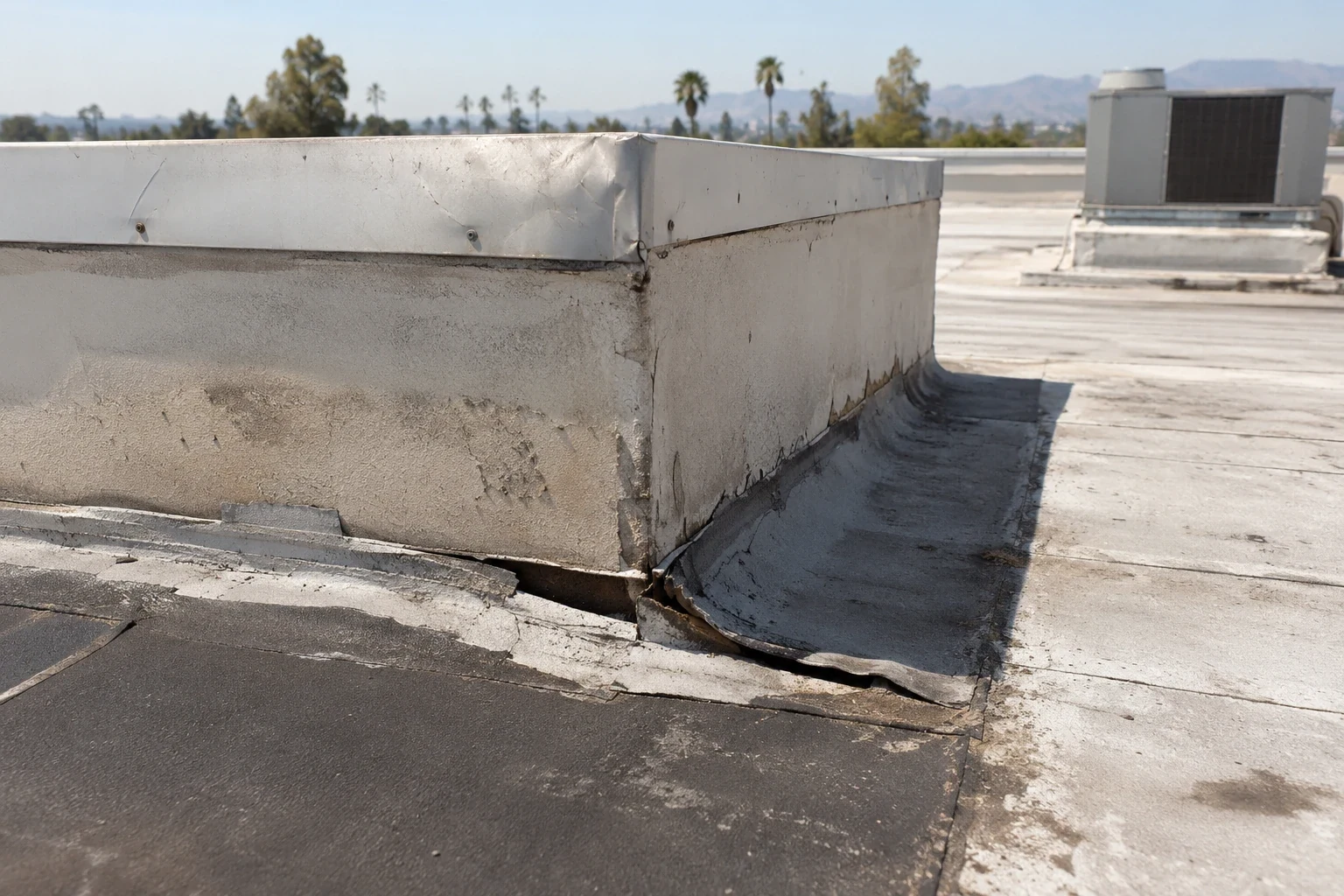
Roof materials can continue to change after the incident. We look for blistering, shrinkage, loose laps, exposed reinforcement, scorched metal and damaged fasteners. We inspect curbs and penetrations for disturbed flashing or supports. For a confirmed transition failure, flashing repair can address the roof-to-wall or curb detail; if the membrane has split, seam repair may be part of the scope.
A marked roof diagram helps the restoration team compare roof findings with interior cleanup. We record whether the roof is wet, whether insulation appears displaced and which conditions require follow-up testing. A moisture survey may help locate concealed water if the assembly and surface conditions suit that method. Sampling for smoke or hazardous residues is handled by qualified specialists when needed.
Protect Openings Without Masking Damage
Temporary covering can reduce exposure while the permanent scope is being developed. The attachment must connect to sound material and avoid trapping water. We identify the protected area and conditions requiring reinspection. A tarp or temporary patch is an interim measure; it does not establish that underlying insulation, deck or roof details are restored.
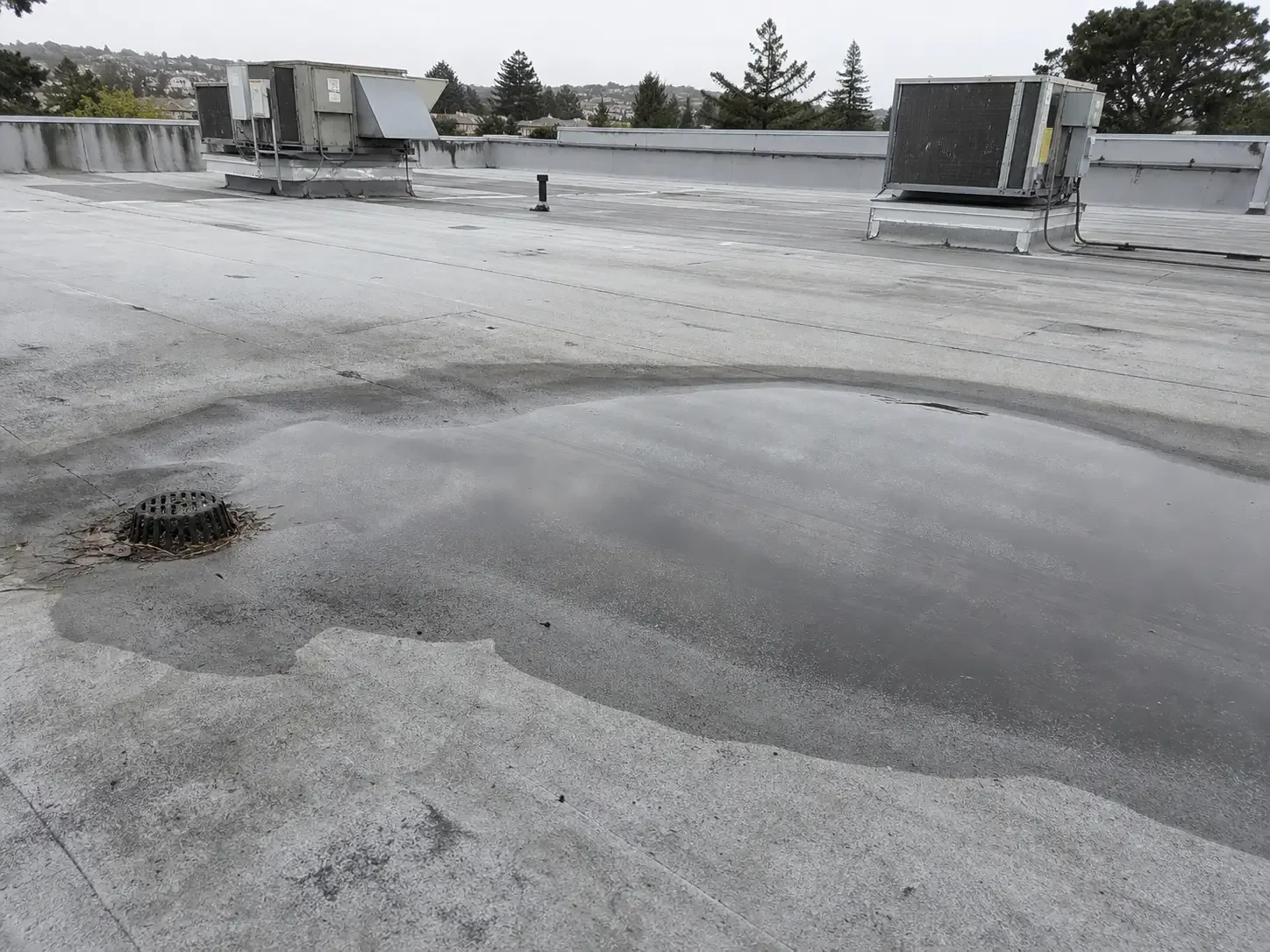
If rain is forecast, we prioritize openings and locations where water can reach occupied spaces or equipment. Most San Diego-area precipitation falls during winter, though seasonal totals can vary. That pattern informs planning, but a single storm forecast determines the immediate work window. We keep drains clear so protection does not block runoff. If drainage issues are separate from fire impact, drain and scupper service can be scoped as a distinct task.
When materials remain hot, wet or contaminated, we wait for conditions that allow safe and compatible repair. Our written notes distinguish emergency stabilization from permanent roof work, so the owner can coordinate the next steps with the insurer and building professionals.
Build a Repair Scope Around the Roof Assembly
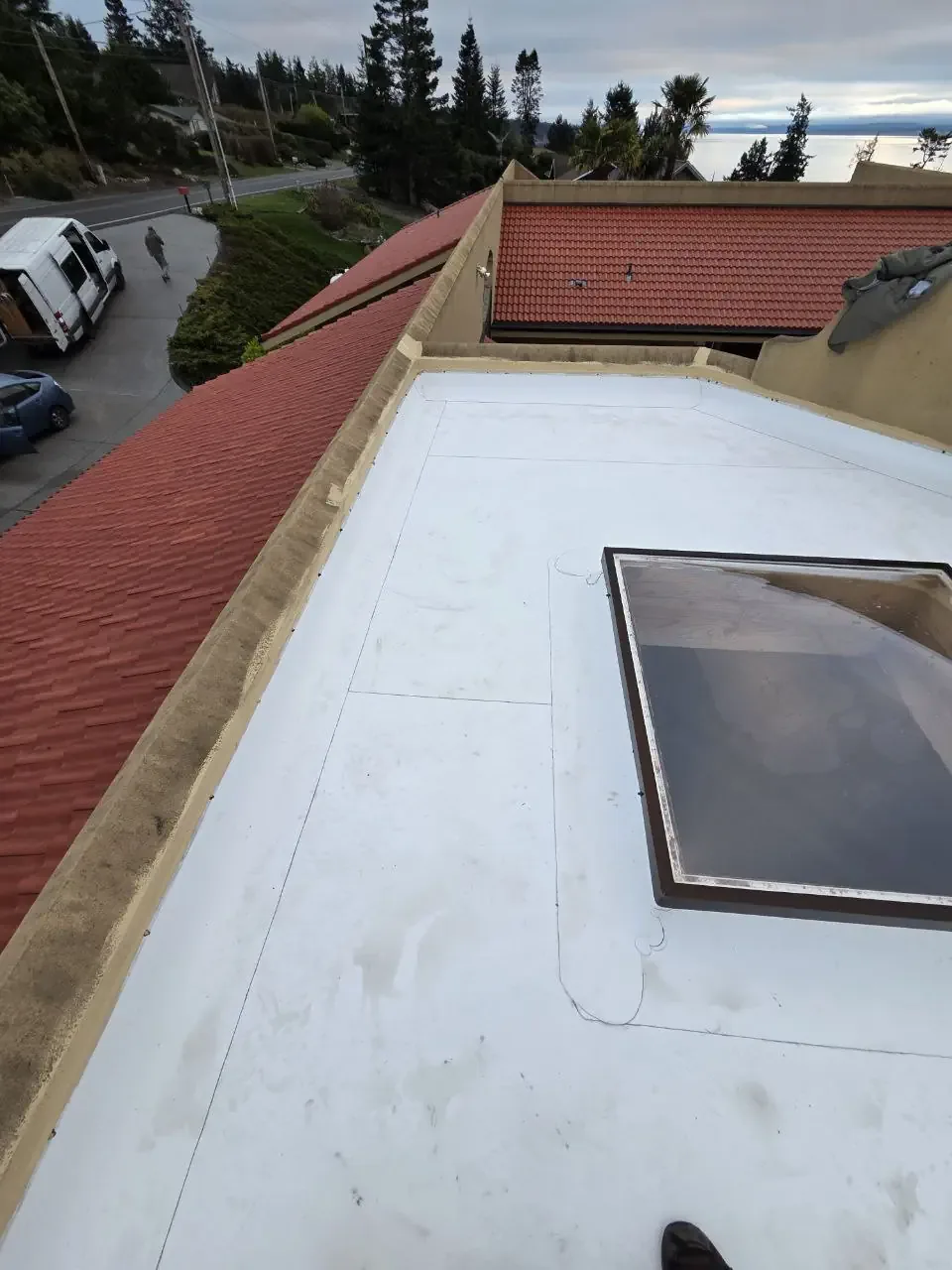
Permanent repair begins with the existing system. We identify the membrane or roof covering, insulation, cover board, deck and attachment where visible. Heat-damaged material is removed to a stable boundary. The replacement must be compatible with the assembly and tie into sound surrounding surfaces. If the deck or supports may be compromised, we coordinate with the appropriate building professional before loading or closing the area.
A localized repair may work when damage is confined and the surrounding system remains dry and secure. More extensive fire or water exposure can require replacement across a broader roof zone. We document the repair boundary and items needing testing. A commercial roof repair plan can identify immediate work, material sequencing and any area held pending further review.
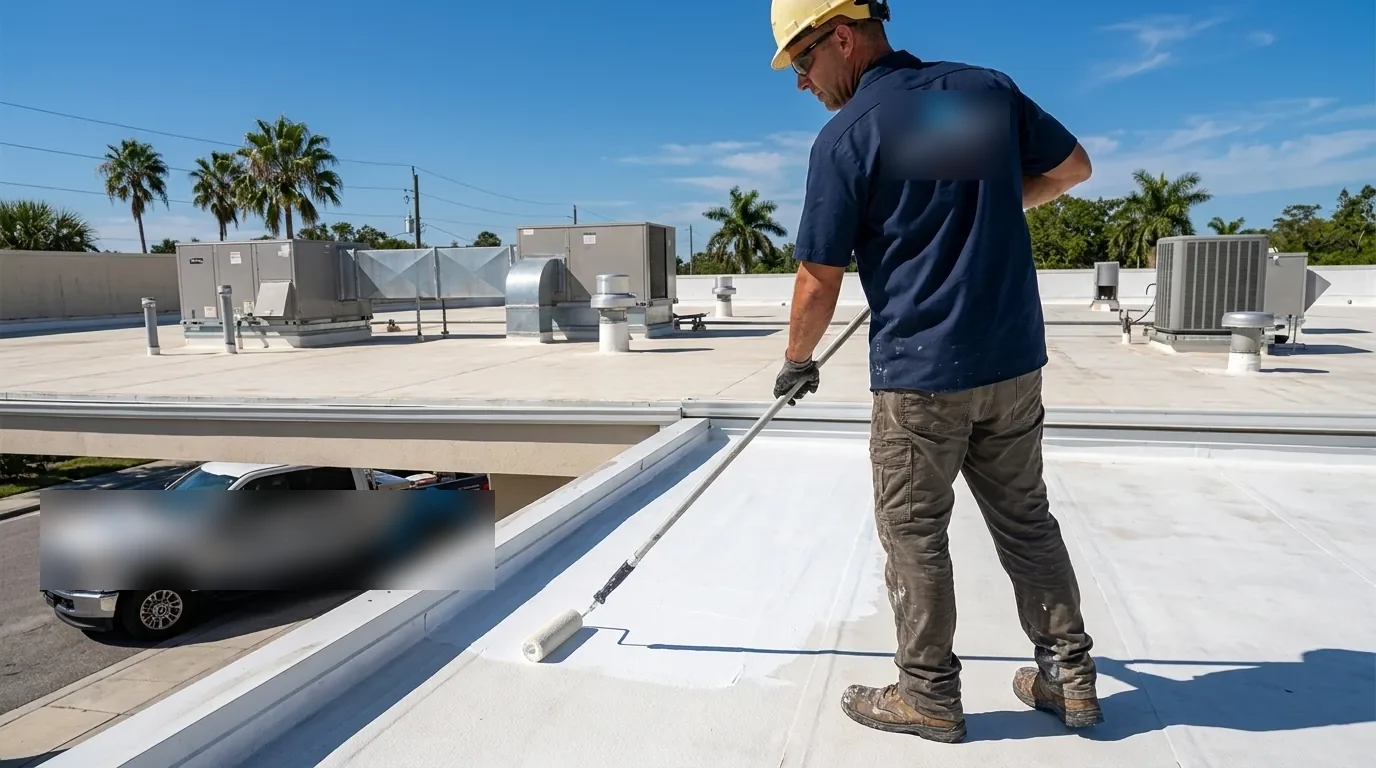
Reconstruction may include curbs, edge metal, walk pads or equipment supports. We confirm penetrations and terminations shed water and remain serviceable. If smoke or soot cleanup affects the membrane, the cleaning method should be confirmed for the system before it begins. A harsh solvent or unapproved pressure can create new damage.
Sequence Roofing With the Restoration Team
Fire recovery involves multiple trades and approvals. We coordinate access and roof closure with the property contact and restoration lead. Electrical equipment, rooftop units and temporary utilities may need attention before roof work. We confirm that roofing materials can be installed after the related work is complete, rather than sealing details that another crew must reopen.
Businesses along Broadway, Main Street or the H Street corridor may need adjusted delivery and staging. We confirm the work window, lifting route and debris plan. We coordinate noisy or disruptive activity with the site contact and keep roof materials secured when the crew is not present.
Different property settings still need an approved route, clear work zone and contact for changes. When emergency protection is in place, we provide its status and the trigger for follow-up. The restoration team can then coordinate roof closure with interior drying and rebuilding.
Document What Is Repaired and What Remains
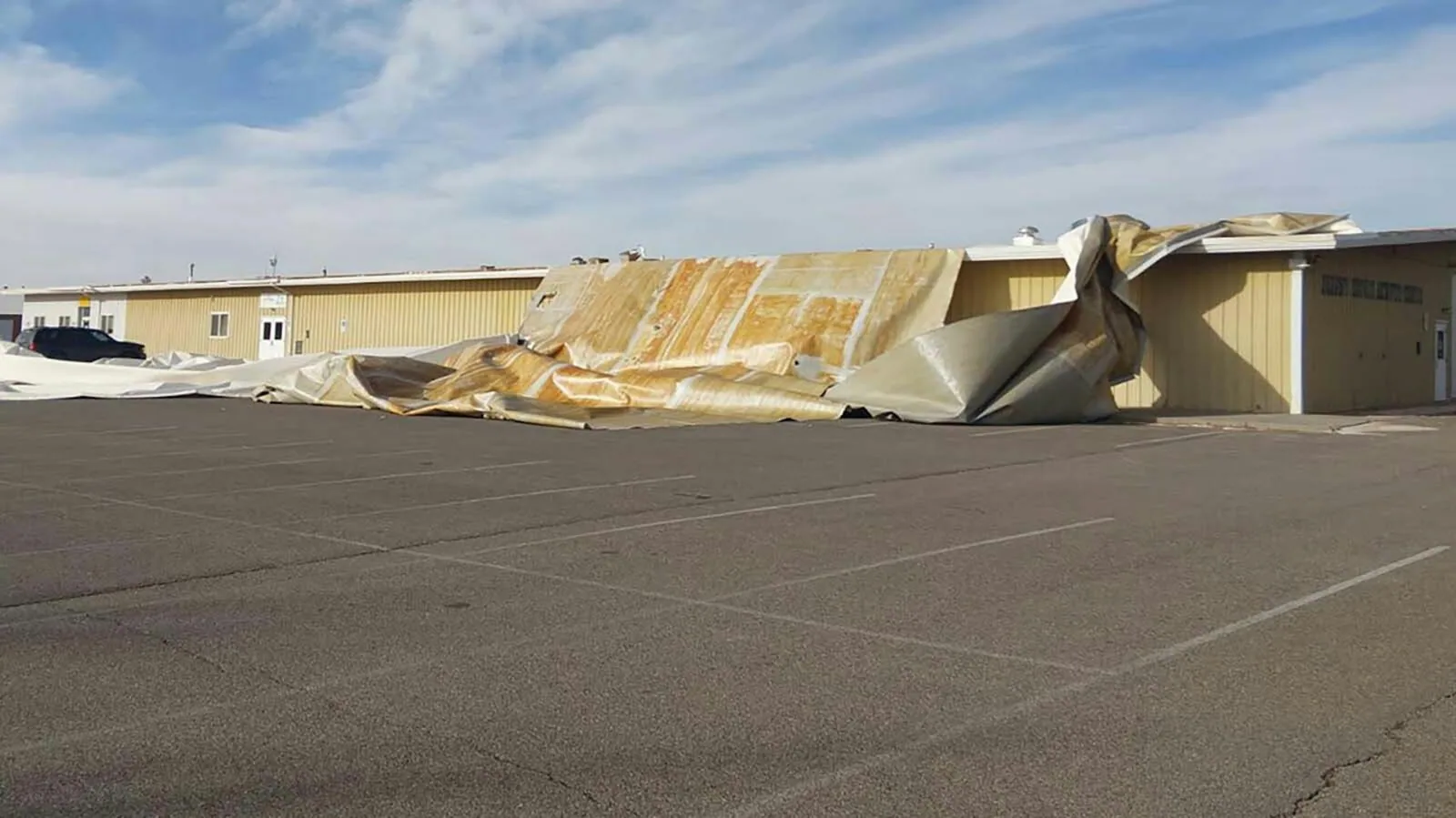
At completion, we inspect repaired areas, membrane transitions, edge details and drainage paths. We check that patches are secured, edges are sealed and removed material has not left debris in drains. Where appropriate, a controlled water check can confirm flow across the repaired area. Test methods depend on roof materials and site conditions.
The closeout record shows affected zones, work performed, materials used and remaining recommendations. Photos capture the repair and any area left for later work. If moisture or deck review remains open, we state what still needs inspection and who should coordinate it. This helps the owner distinguish a roof repair from fire restoration, structural review or interior remediation.
A follow-up inspection after the building returns to service can check that the roof remains secure after equipment and restoration crews have completed their work. Preventive service through commercial roof maintenance can then track drains, seams and repaired details on a routine schedule.