Limit Exposure Before the Next Rain
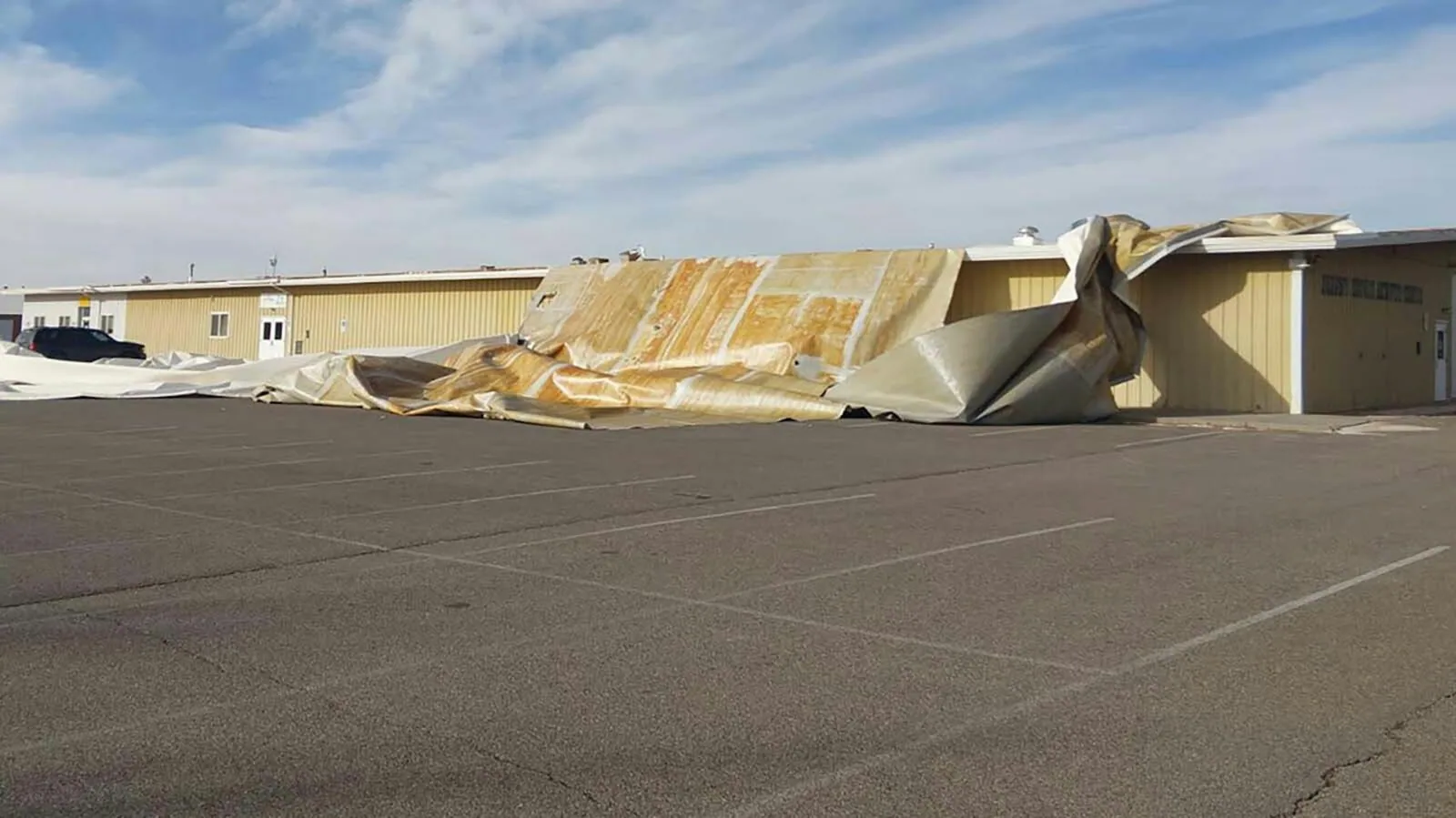
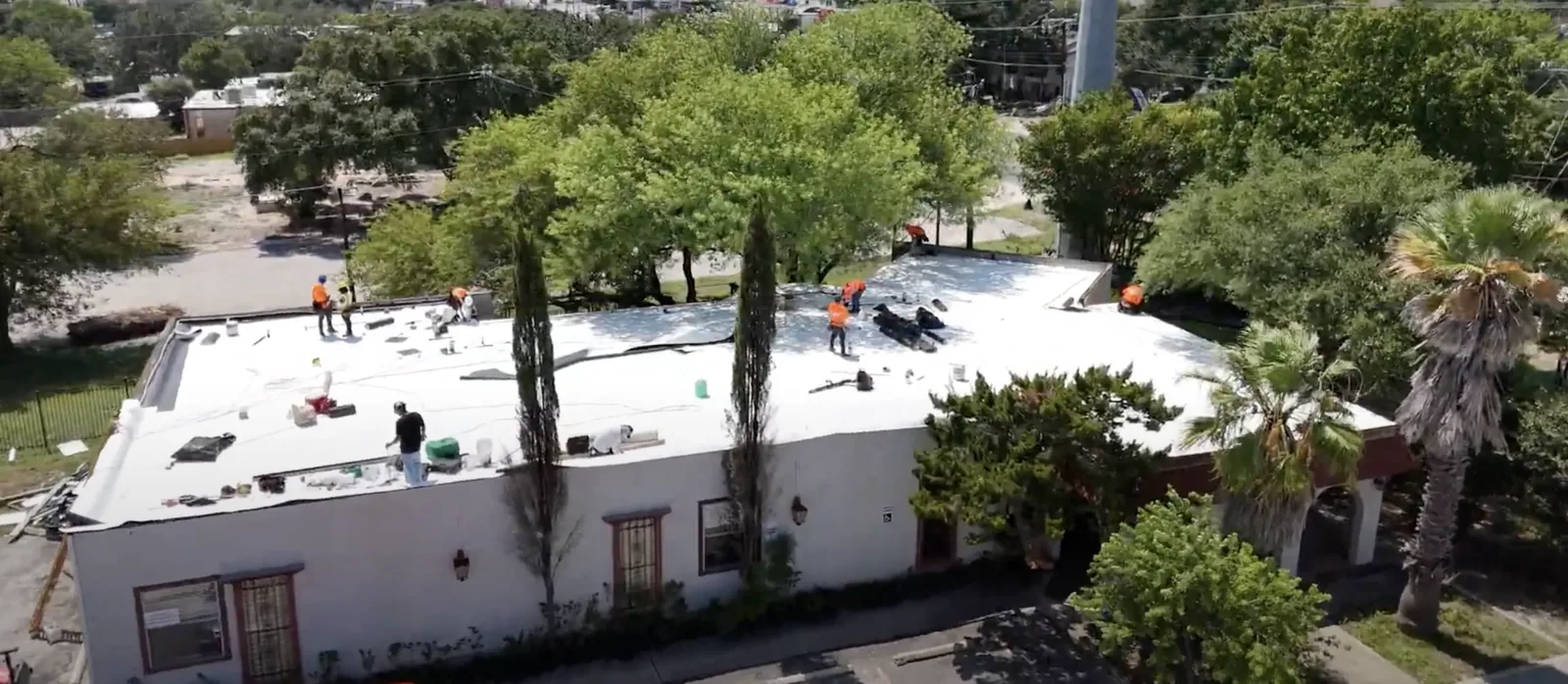
Active water entry needs a safe response before a complete repair plan can be built. We coordinate with the facility contact to protect rooms, equipment and inventory, then inspect the roof when access is safe. Loose membrane, lifted edge metal, punctures, open seams and damaged flashing each need a different temporary control. A tarp or dry-in may limit exposure, but it must be secured without creating a new hazard or blocking a drain. If wind or wet surfaces make access unsafe, we say so and set interior protections until the crew can return.
Emergency response is available around the clock, including weekends and holidays. The first visit records where water is entering, which areas remain exposed and what temporary material was installed. Temporary protection is not called a permanent fix. The facilities director receives a clear status and knows what work is still needed after weather conditions allow a lasting tie-in.
Most San Diego-area precipitation falls from November through March, and totals vary from season to season. Storms can expose a weak detail or make an existing failure more visible. We compare the reported room, event timing and inspection findings to distinguish new damage from older wear.
Separate New Damage From Existing Wear
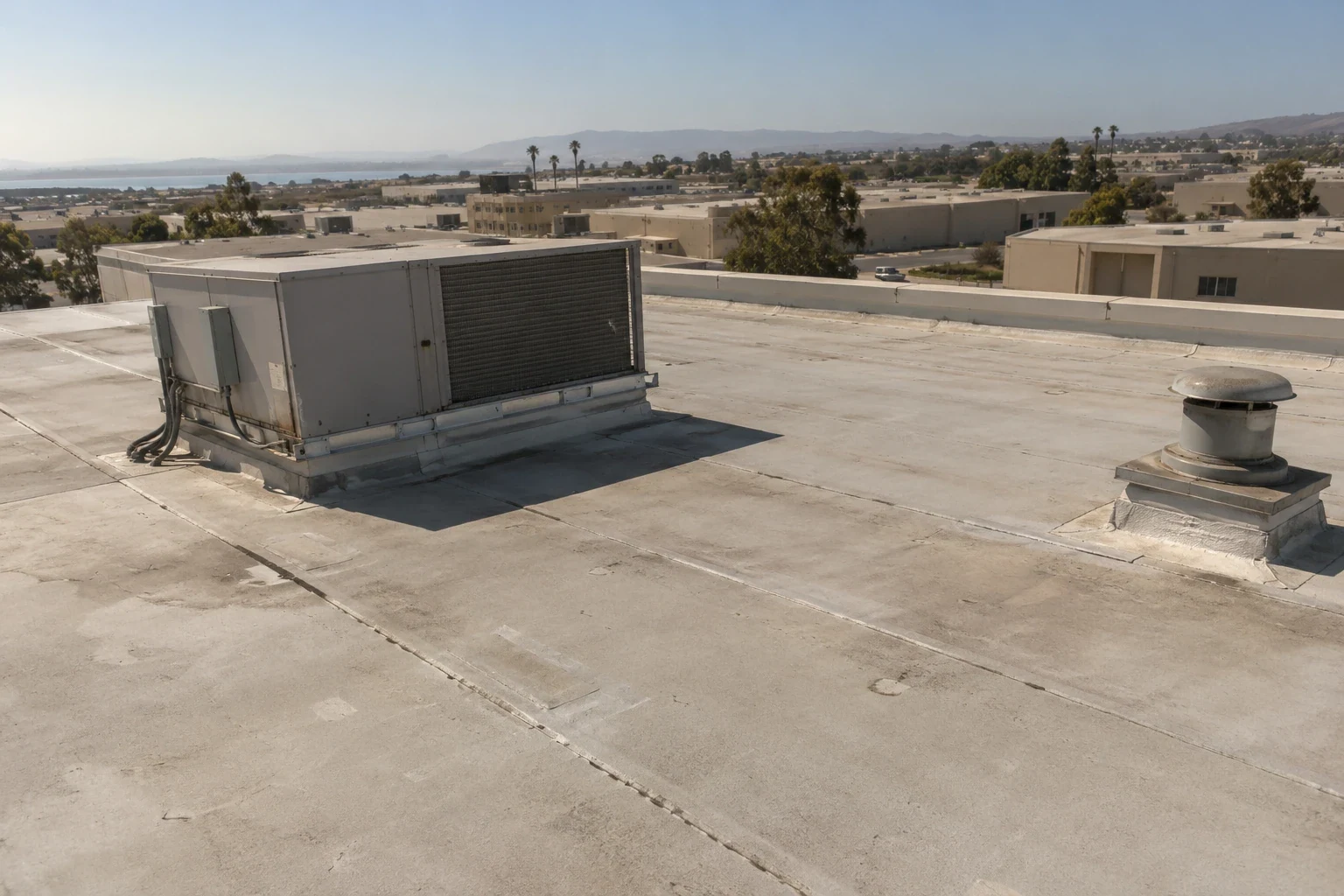
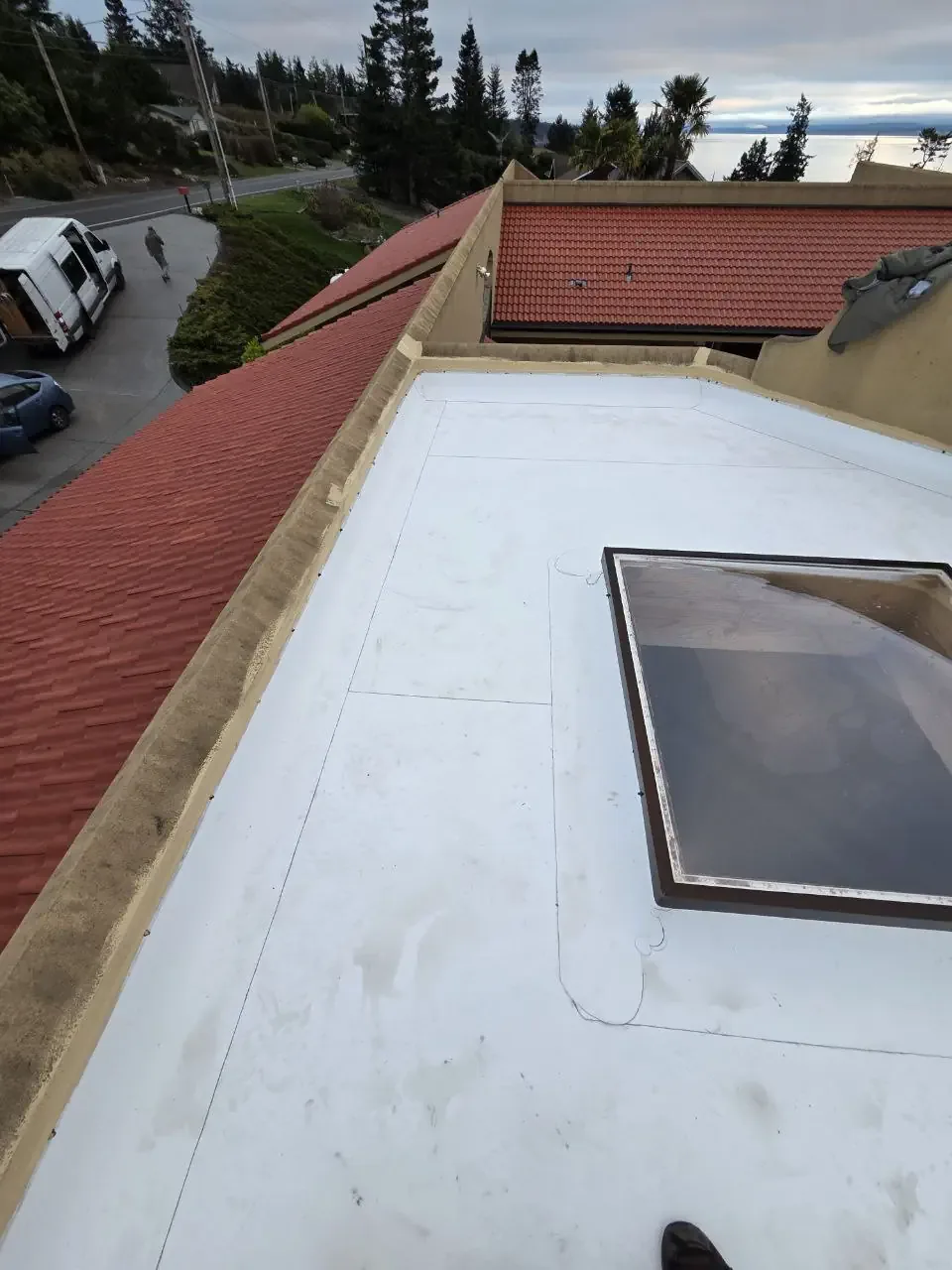
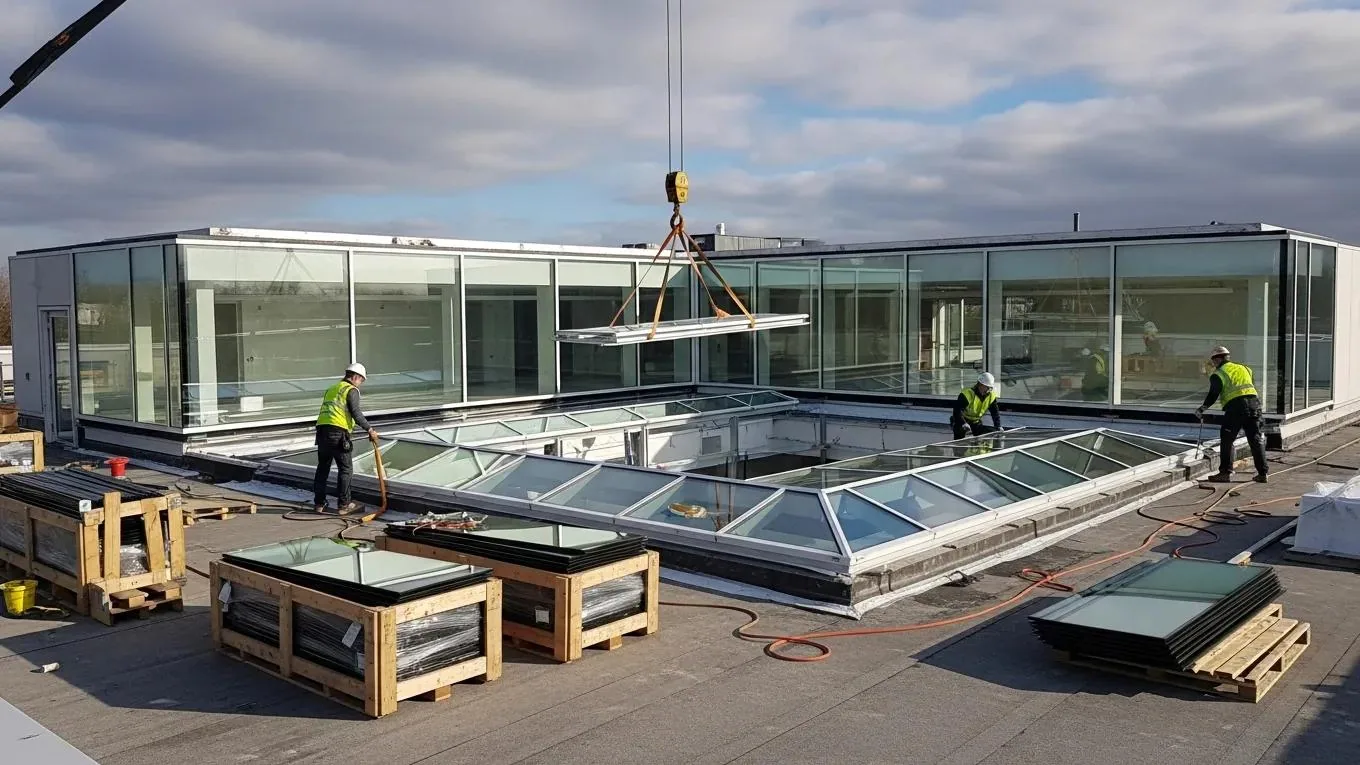
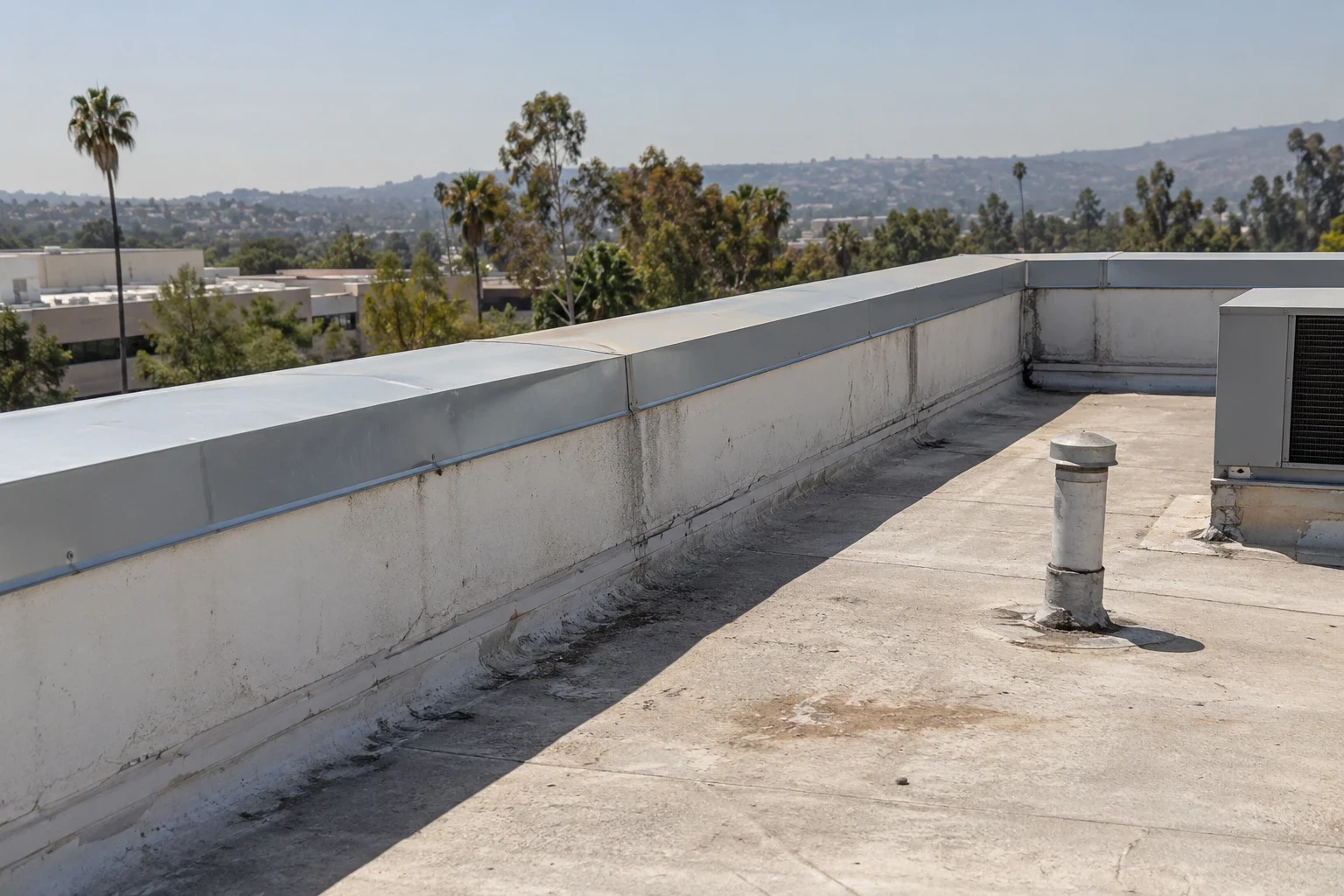
Storm inspection starts with the roof’s vulnerable transitions. We check perimeter metal, coping, seams, curb flashing, pipe boots, skylights and fasteners for movement or fresh separation. We also look for impact marks, debris, punctures and drainage changes. A loose patch may have been present before the event; a new crease or displaced metal may show a more recent change. We photograph the condition and location so the owner can compare it with prior records where available.
Interior findings help establish the likely water path. Ceiling stains, wet insulation and damaged contents can appear far from the roof entry. Water may follow a deck flute, cross a slope or collect above a low area. We trace the route backward and check whether the suspected entry aligns with the reported timing. If a hidden layer must be opened to determine repair scope, we explain what that test would establish before proceeding.
Chula Vista’s coastal climate is mild, while dry easterly winds can bring hotter periods inland. Those conditions shape what we inspect; the storm scope follows observable changes in the roof, affected material and repair needs. A commercial roof inspection can also establish a broader condition record when the storm exposes unrelated issues.
Repair the Opened Detail
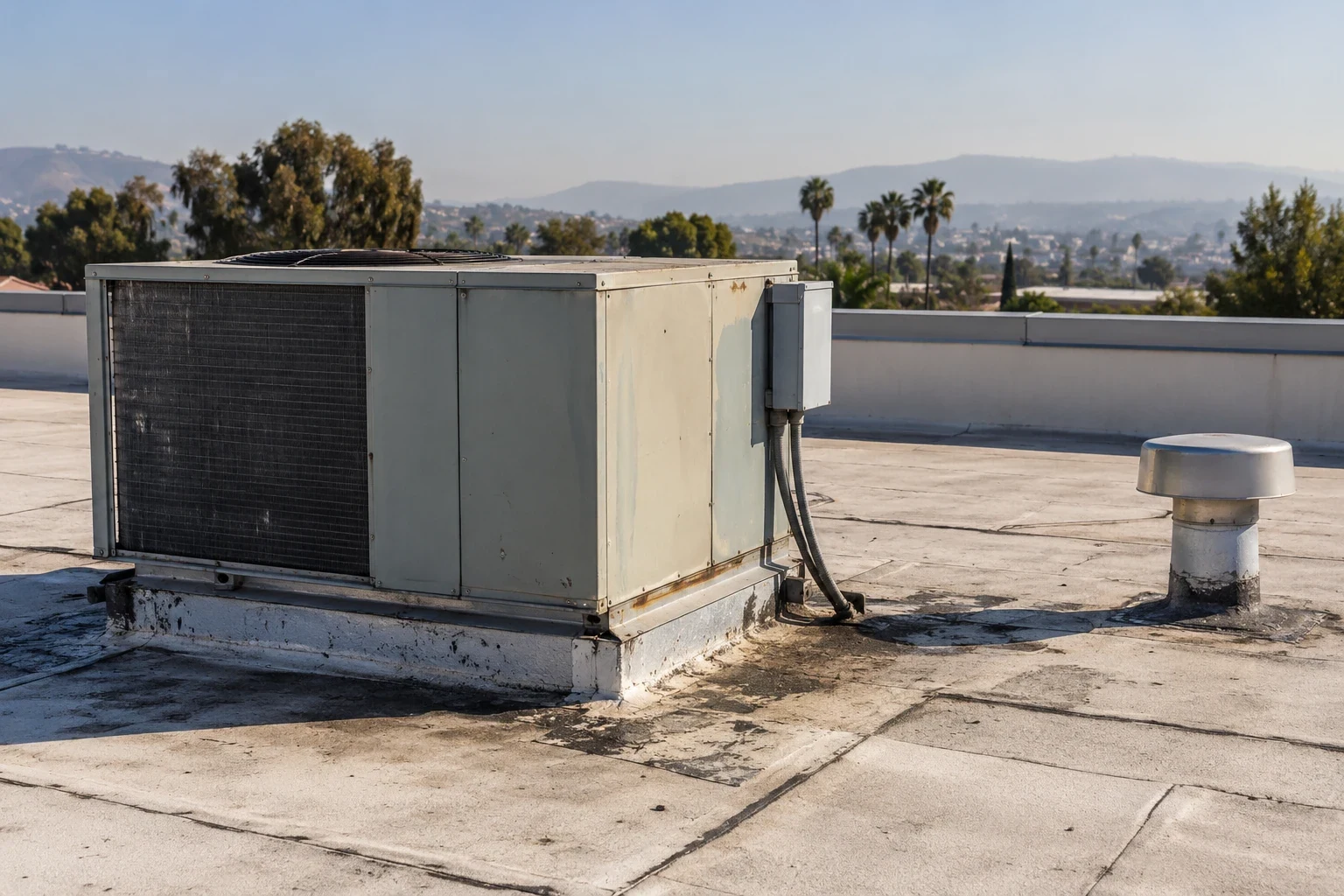
Once the damaged area is defined, we remove loose or compromised material and rebuild the seam, flashing, penetration or edge connection using materials compatible with the existing assembly. A patch needs sound membrane around its perimeter. If wet insulation or a damaged deck extends beyond the visible opening, we document that limit and discuss removal before covering the area. Coating over an unstable substrate can conceal the failure without restoring support.
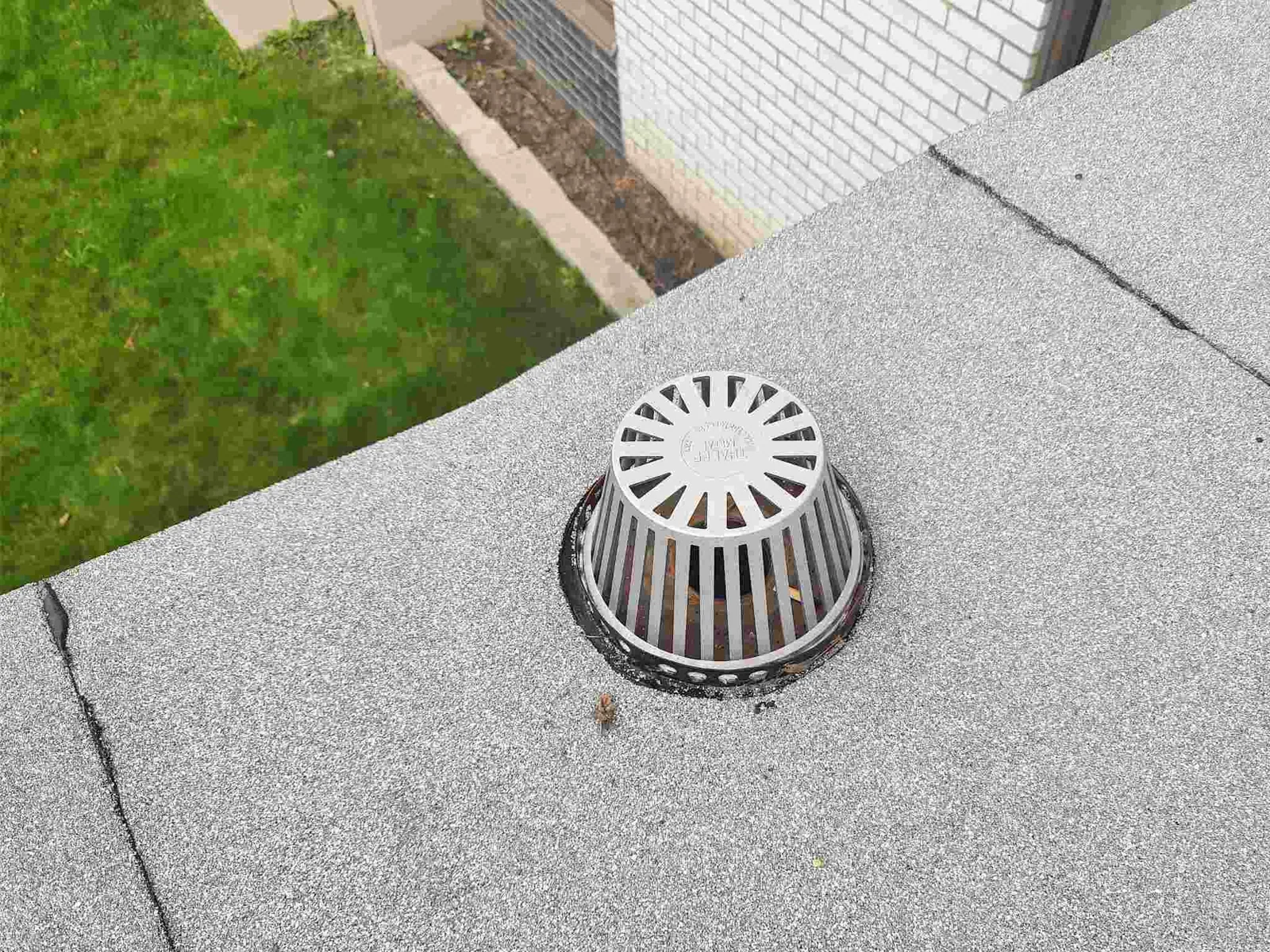
Drainage is part of storm repair. Wind-driven debris may block an outlet, while water held at a low area can press on a seam or flashing. We clear the drain when it is safe, then inspect the bowl, scupper and overflow path. A confirmed outlet issue may call for drain and scupper work, while a failed lap or edge may need seam repair or wind-damage repair.
Storm damage can affect one zone or several roof areas. We repair the confirmed defects in the agreed scope and list remaining concerns separately. If inspection finds widespread wet insulation or repeated attachment failure, the owner may need to compare a section replacement with a broader reroof. We explain the evidence behind that recommendation and do not treat all wear as storm damage.

Coordinate Work Around the Property
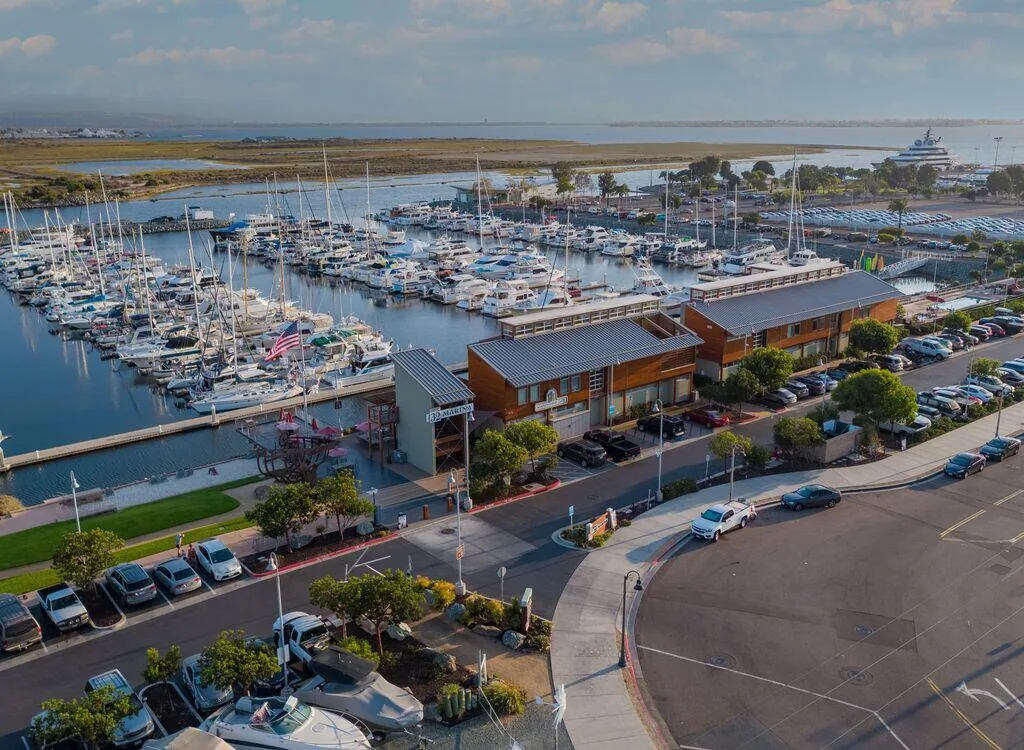
Storm response often overlaps with deliveries, tenants and urgent interior work. We coordinate staging, access gates and work hours with the facility contact. In the National City Marina District, maritime activity and commercial uses can affect truck access; around Otay Mesa, freight movement and receiving hours may shape material delivery. We confirm the building’s route and keep fire lanes and emergency access clear. The facility contact confirms the service route, loading point and emergency access before materials arrive.
For an occupied building, we can sequence roof work by zone and coordinate interior protection before removing wet material. That may mean isolating one room, moving inventory or limiting access below a repair area. The occupied-building plan connects roof access with the people responsible for the space below. A Marina District property or an industrial facility near Otay Mesa may have different loading and access windows.
Weather determines the repair sequence. We check forecast conditions before opening a roof area and limit daily work to what can be protected. If rain interrupts repair, the crew secures the exposed surface and records what remains. Once permanent materials are installed, we check tie-ins and drainage and remove temporary protection that is no longer needed.
Keep the Damage Record Clear
A useful storm record identifies the building, roof zone, reported event, visible damage and work completed. Photos show the before condition and final repair. We separate confirmed storm-related defects from pre-existing conditions and items requiring further testing. When an owner is working with an adjuster, that distinction helps the team discuss the roof evidence without turning a maintenance issue into an unsupported event claim.
Repair cost and timing depend on material, access, number of openings, wet insulation, deck damage and the amount of temporary protection required. Weather can affect scheduling and cure periods. We describe the work by location, state what remains inaccessible and identify what would change the scope. For documentation support, insurance claim assistance can organize photos and repair records, while a roof condition report can preserve unrelated findings for future maintenance.
Share the affected building, roof zone, interior report and access contact to arrange an assessment. We will stabilize active openings, document observed conditions and identify the next repair decision for the facility team.