Build the File From Roof Conditions
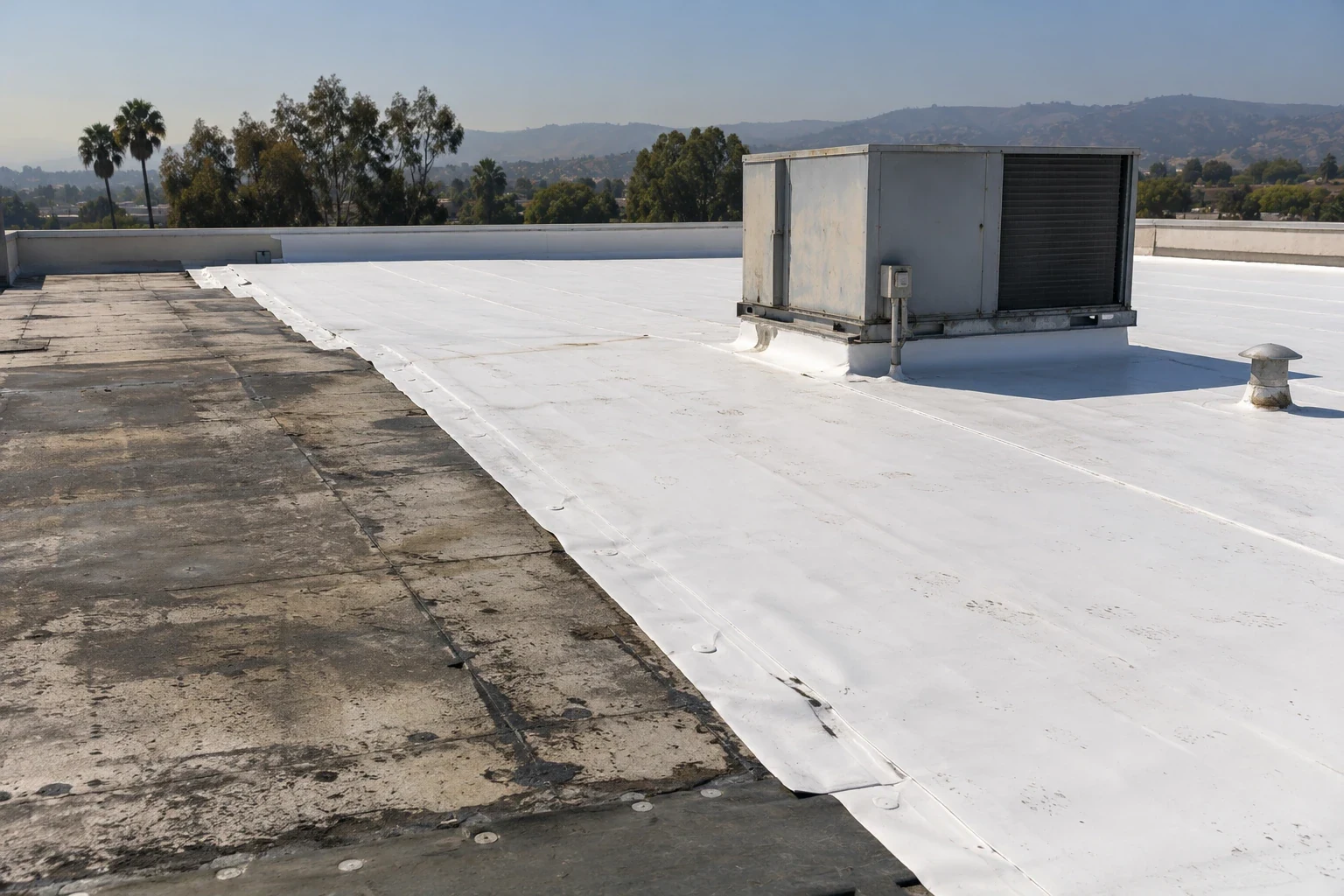
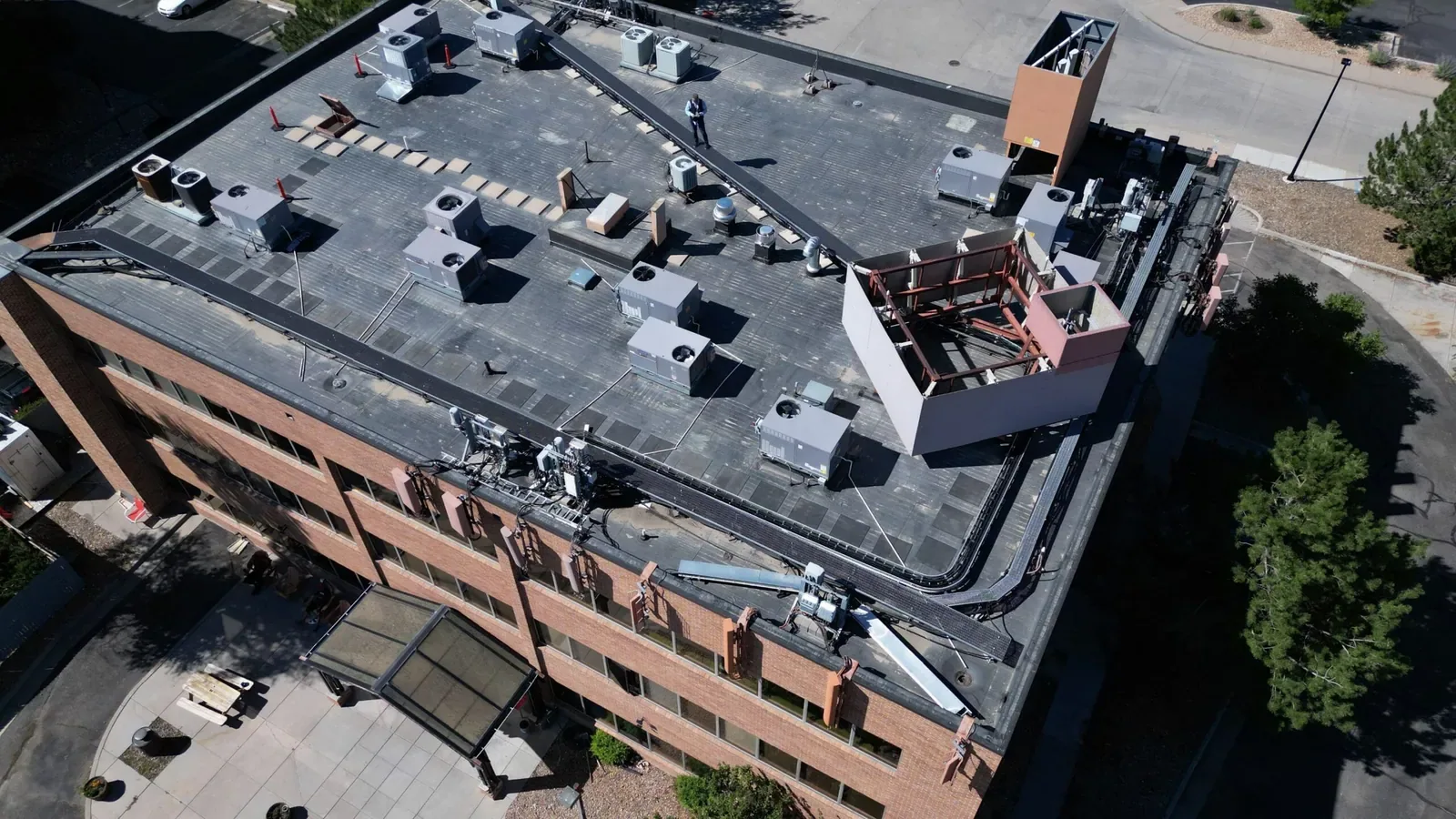
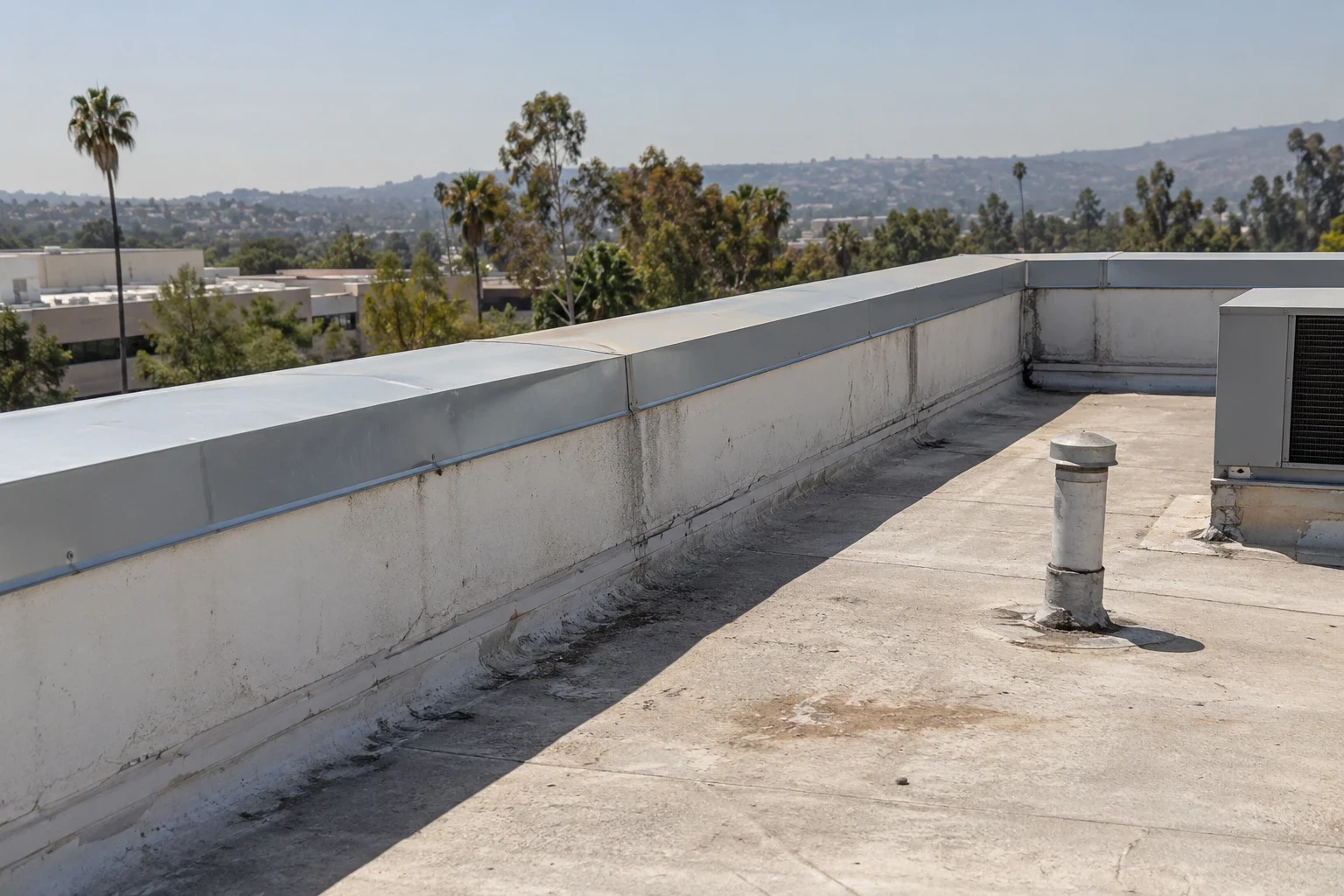
We begin with the building report, date of discovery, affected rooms and any immediate protection already in place. On the roof, we inspect seams, flashing, edge metal, drains, penetrations and other details connected to the reported entry. Photos show each condition in context and close detail, with a roof-zone reference that ties back to the building plan. We record what is visible and whether a test opening or further inspection is needed to establish concealed conditions.
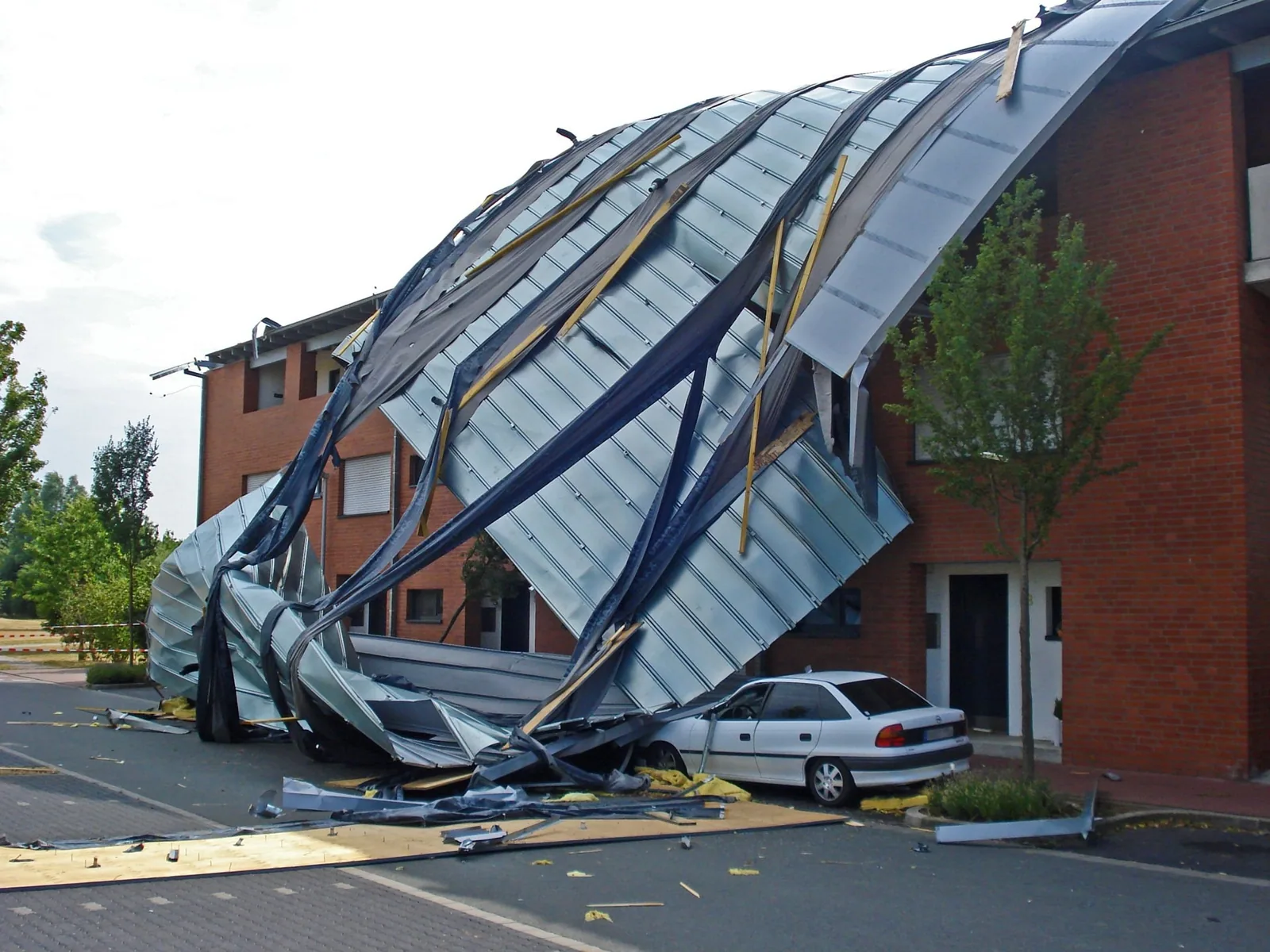
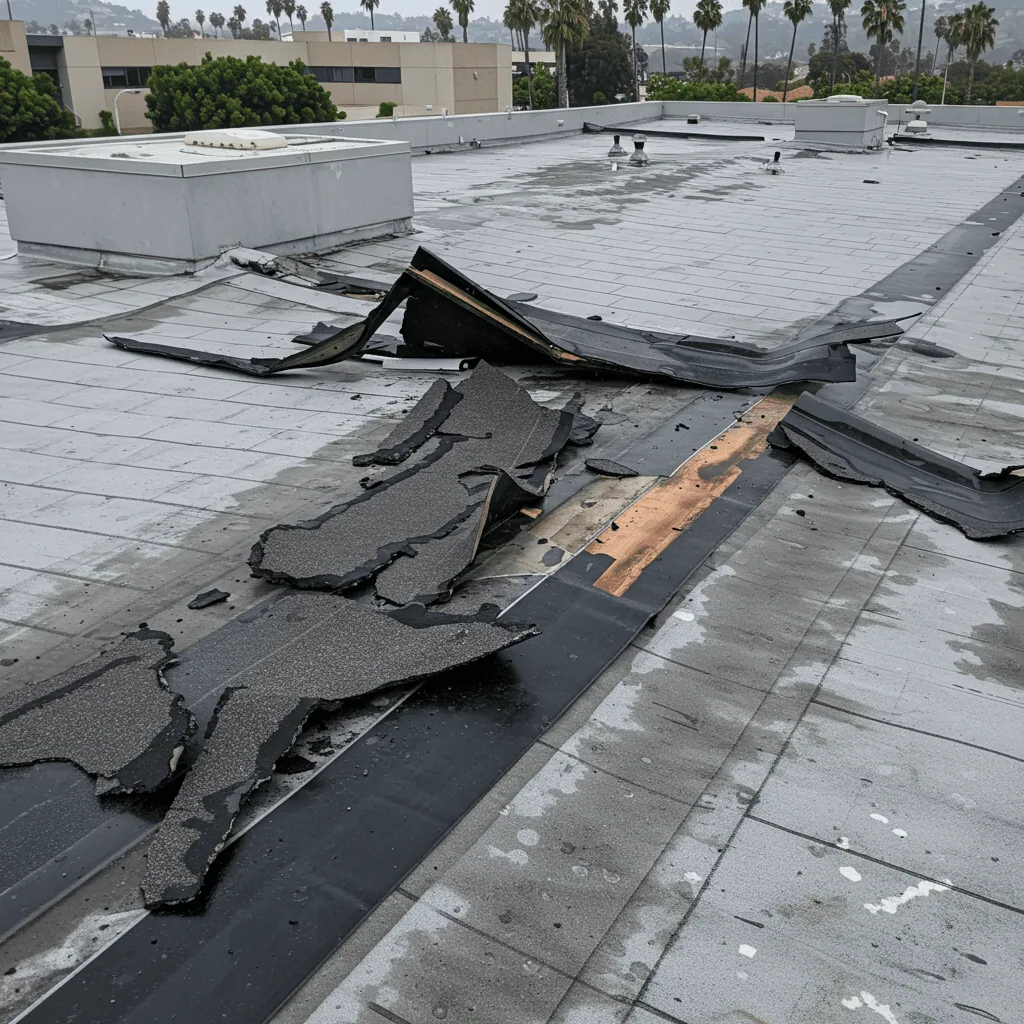
Storm-related damage and older wear can occur in the same area. We describe observable changes such as lifted edge metal, a puncture, a separated seam or displaced flashing, and keep unrelated deterioration separate. Where an earlier repair or maintenance record exists, it can help compare the roof before and after the reported event. The file should not imply that all conditions began together or that a particular event caused a defect without evidence from the roof.
Chula Vista rainfall is concentrated during the cooler months, but the timing of a leak can vary with wind, roof layout and drainage. We track when the water appeared and compare the report with the likely path across the roof. If moisture has traveled through insulation, the interior stain may not align with the entry. A leak investigation can connect a room report to a roof detail before the repair scope is written.

Separate Emergency Work From Permanent Repair
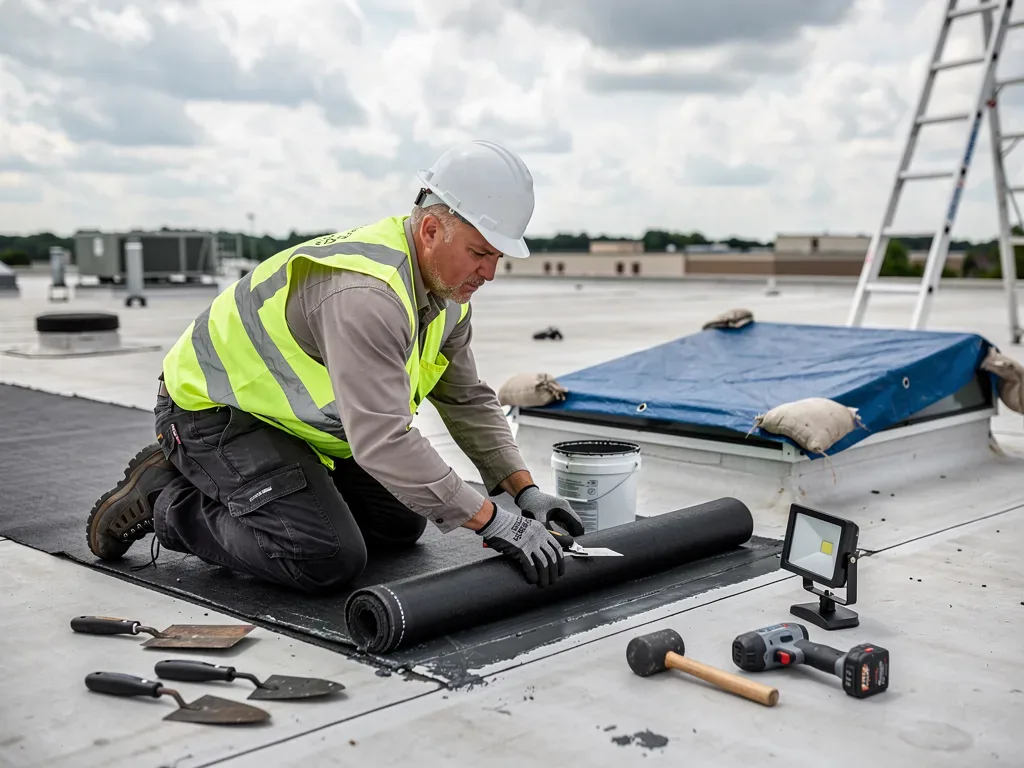
When water is actively entering, immediate stabilization comes first. Emergency response is available around the clock, including weekends and holidays. When conditions allow safe attachment, we use temporary dry-in or tarping. The record shows its location, remaining exposure and need for a return visit. Temporary protection limits further exposure; the permanent scope still has to restore the failed seam, flashing, penetration or edge.
After conditions allow a closer look, we inspect the material beneath or around the temporary protection. A permanent repair may require removing a failed patch, drying a surface, rebuilding curb flashing or replacing wet insulation. If a test cut exposes additional damage, we document its location and explain how it changes the repair boundary. The facility team can then compare the confirmed work with any added scope before authorizing it.
A claim file is easier to review when each photo and repair description names a location. We can group images by building, roof zone and detail, then label work as temporary stabilization, permanent repair or a recommendation for further testing. A storm-damage assessment provides this roof-level record, and emergency response can address active entry while the claim file is being organized.
Describe the Repair Without Blending Conditions
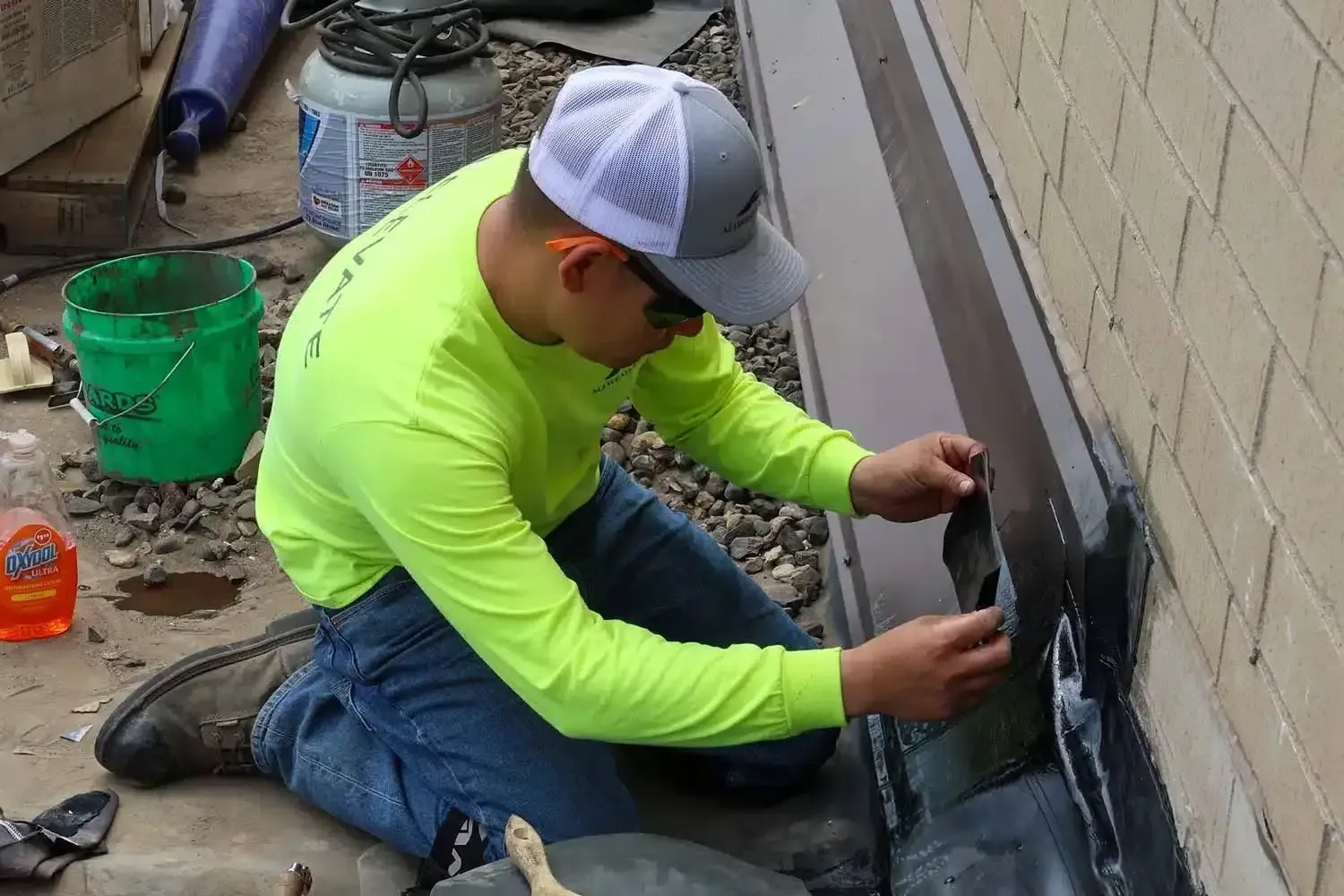
The repair scope should identify labor and materials by detail. A seam repair lists its location and compatible repair method. A curb repair records which sides and transitions are included. Drainage work identifies the bowl, scupper or slope condition rather than describing the entire roof as damaged. This structure helps the owner compare the contractor’s work description with the observed condition while keeping maintenance items separate from event-related repairs.
We also identify work that remains uninspected or depends on a concealed condition. If wet insulation is found only after removal, photos and measurements show its location and the added repair. If the roof is not opened, the report does not characterize hidden layers as confirmed. That lets the facilities director and claim representative discuss the roof evidence and the proposed scope with the same locations in view.
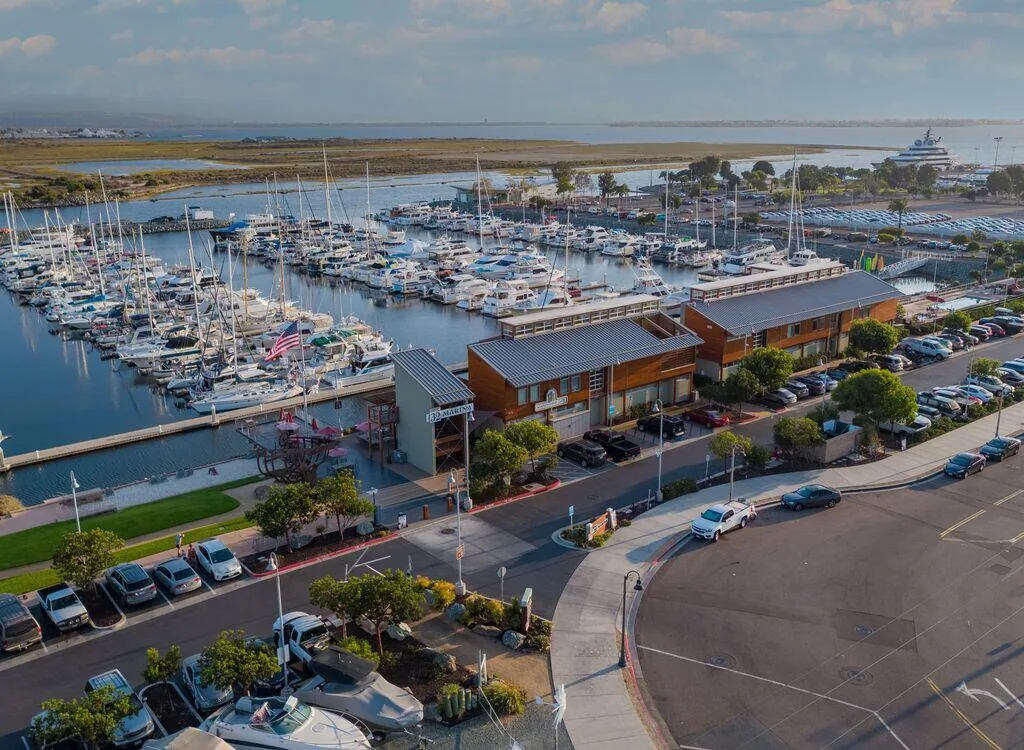
Chula Vista Bayfront includes planned commercial, marine-support, hotel and retail uses. An active property may need a claim inspection scheduled around deliveries, tenant operations or access controls. The National City Marina District combines maritime operations, commercial recreation and public access, where site activity can also affect inspection routes. We coordinate with the actual building contact and keep property logistics out of the damage diagnosis. A Marina District roof visit still uses the same building-specific photo and zone record.
Make the Roof Walk Useful to the Claim Team
When an adjuster or owner representative joins the inspection, we can walk the same roof zone and point out the observed detail, repair boundary and any nearby condition that may be unrelated. Questions about roof assembly, access, temporary protection or work sequence can be answered from the inspection record. The insurer determines policy coverage and claim payment; our role is to document and repair roofing conditions within the agreed scope.
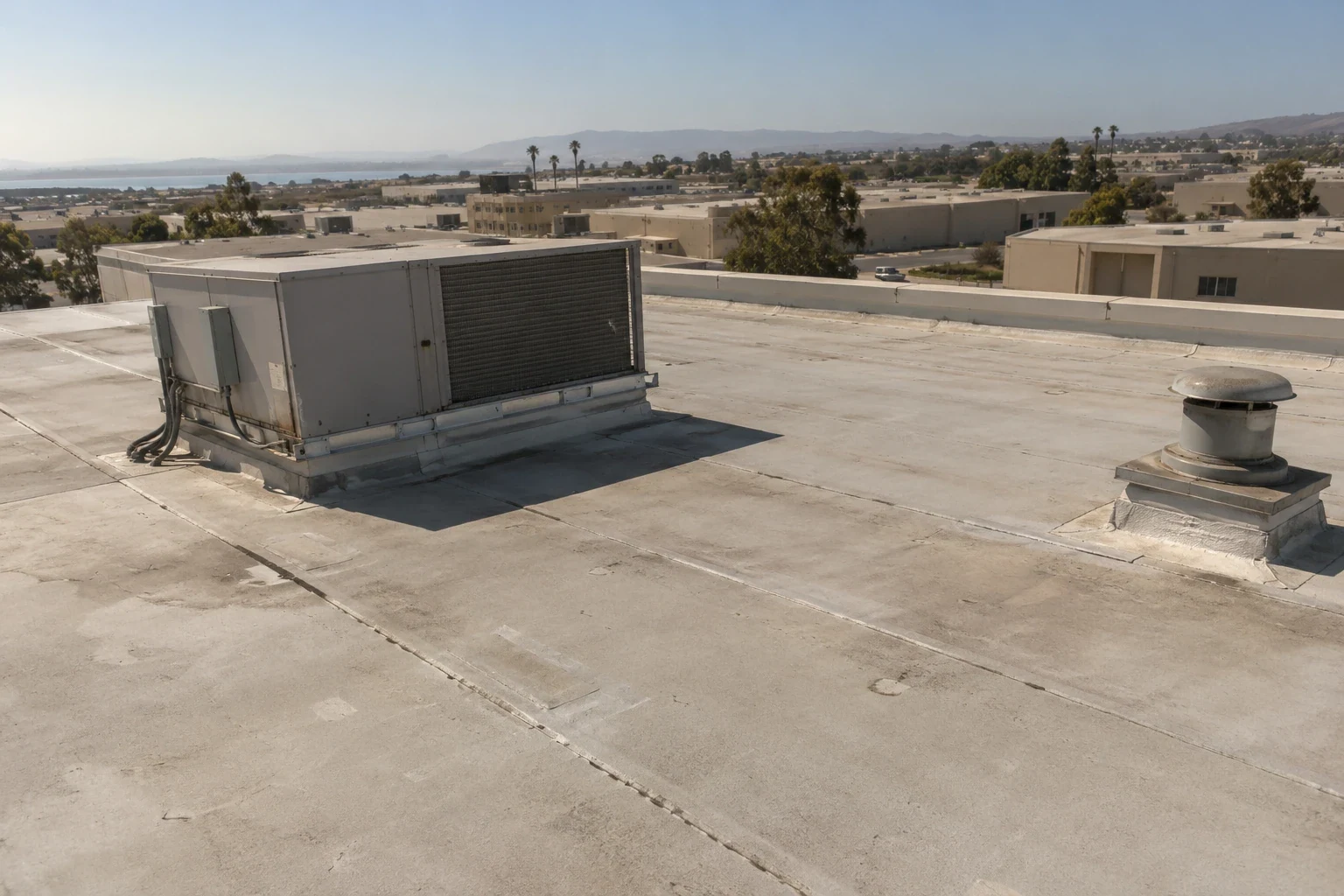
Photos should show enough context to locate the issue and enough detail to understand what needs repair. A wide view can establish the zone, while close images show a seam edge, fastener, curb corner or drain. We avoid presenting an image as a measurement of concealed damage. If a test opening would clarify the assembly, we discuss its purpose, location and restoration before making it.
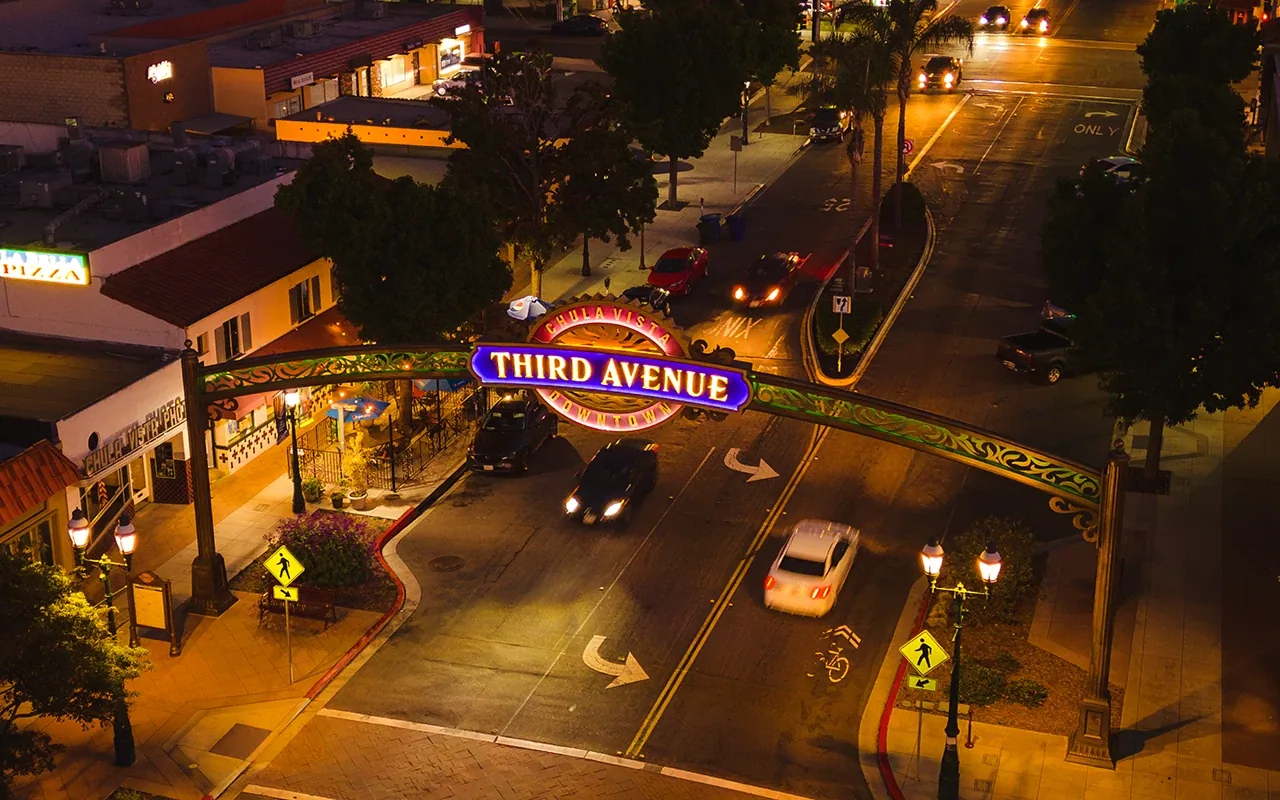
For industrial properties near Otay Mesa, SR 905 and regional freight routes influence delivery timing and access equipment. Along downtown Chula Vista’s Third Avenue, shops and services may require a different work window. We confirm these conditions with the site contact so claim-related visits do not block receiving, customer access or emergency routes. Otay Mesa inspection planning can account for freight access, while a Third Avenue visit may need coordination around a shared service lane.
Leave a Record for the Next Roof Decision
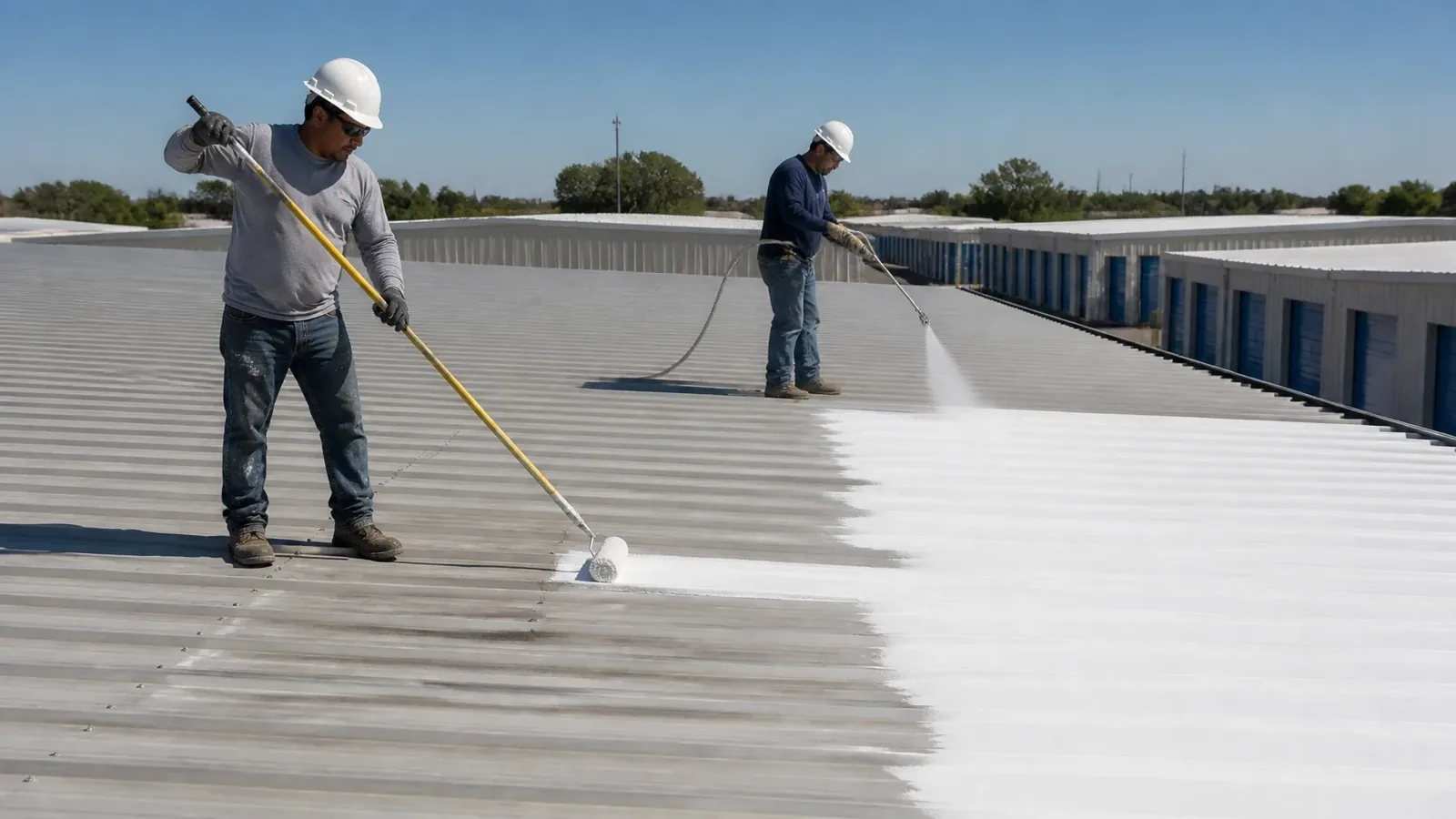
Once approved work is complete, we provide photos and a description of the repair by roof zone. The record distinguishes the initial condition, temporary measures, permanent work and any items that remain. If other wear was visible nearby, it stays listed as a separate maintenance or repair recommendation. That separation helps future inspections compare like with like instead of attributing an old condition to the most recent claim.
A condition report can carry observed items into a broader roof record, while capital planning can prioritize work outside the claim scope. For larger portfolios, multi-site roof records can keep buildings and repair histories distinct.
To arrange documentation, share the affected building, room, roof zone, event timing and access contact. We will inspect the roof, identify what can be observed and prepare a repair record that gives the claim team a clear basis for the roofing scope.