Confirm Door and Equipment Clearance
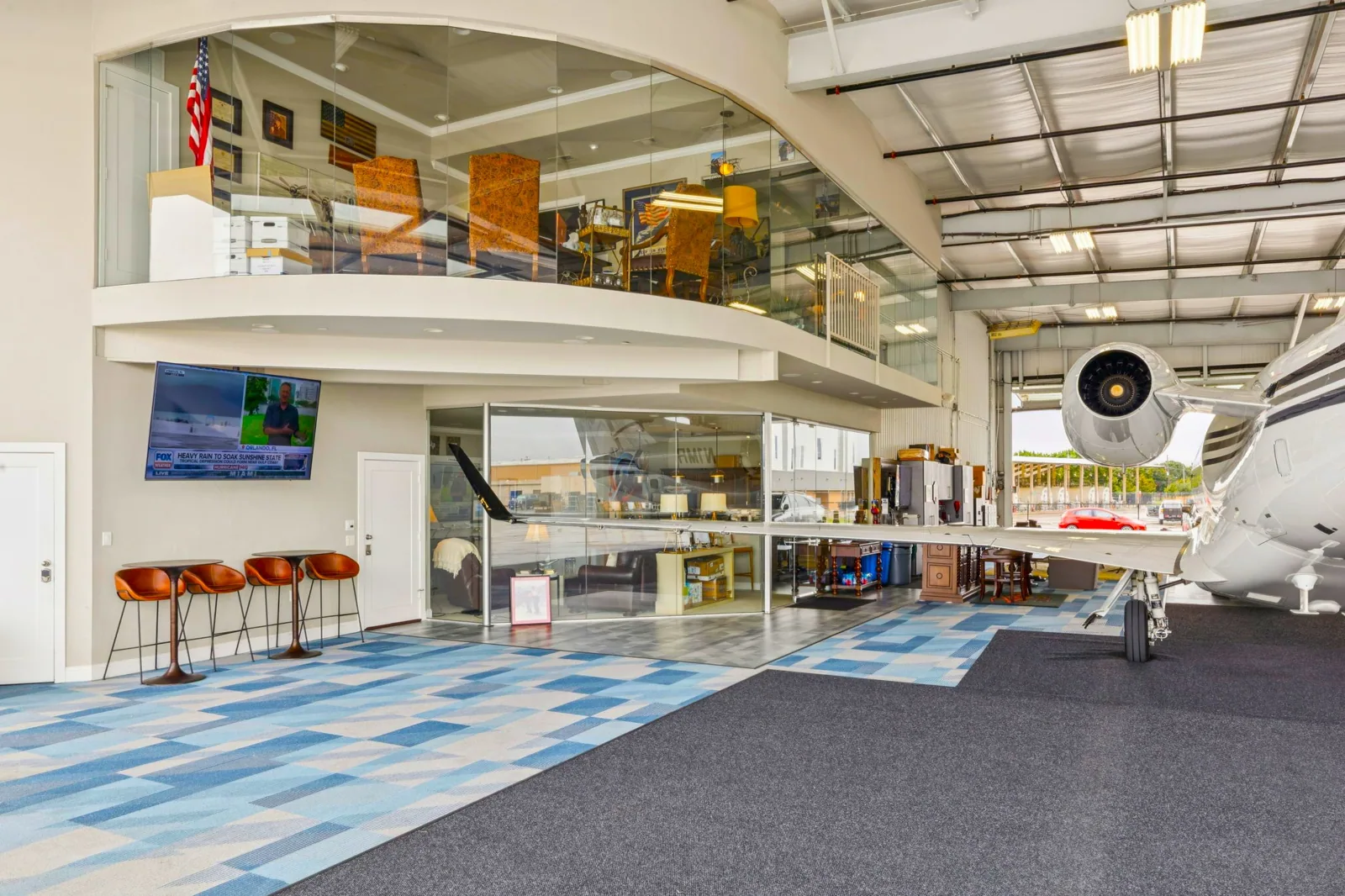
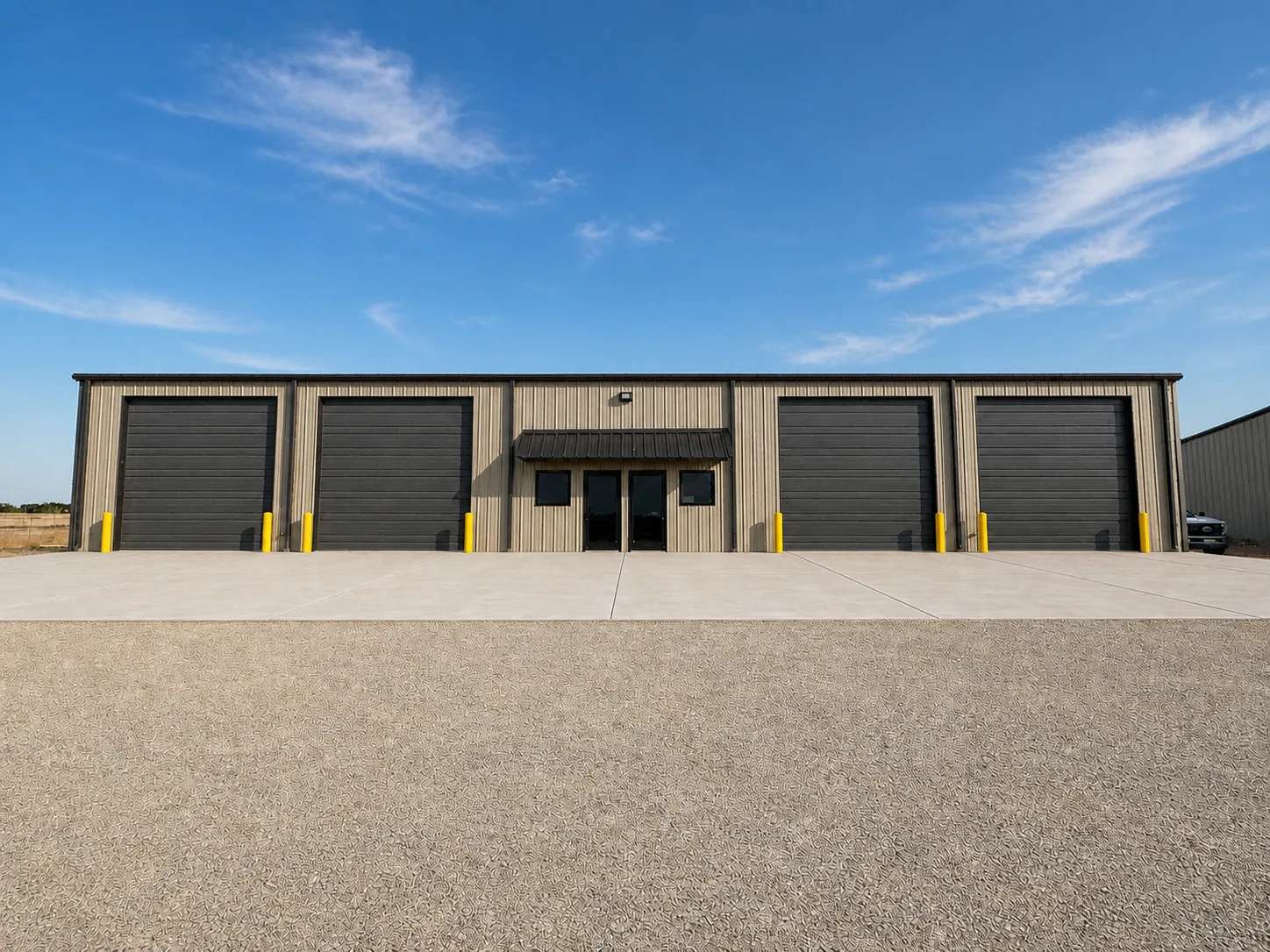
A hangar repair has to respect the door path, aircraft or vehicle movement, and maintenance access. Before mobilization, we confirm badging, escort rules, vehicle routes, tool checks, delivery timing, lift placement, and the specific roof zone released for work. If the schedule changes, we secure the current opening and wait for direction.
Marine Corps Air Station Miramar supports aviation operations and includes aircraft maintenance, storage, supply, and administrative facilities. Camp Pendleton has an air station and a documented MV-22 hangar used for aircraft storage and maintenance. Naval Outlying Landing Field Imperial Beach also includes airfield facilities and hangars.
An inspection of the released area records panel laps, seams, curb flashing, roof edges, drains, and prior repairs. We note door clearance, overhead hazards, and any equipment that cannot be moved. A commercial aircraft hangar can share similar roof details, while a naval facility may add its own access controls and release process.
Trace Water Above the Work Bay
A wet area beneath a maintenance bay may not line up with the roof penetration that admitted water. Moisture can travel along a deck flute, beam, insulation joint, or conduit before it reaches a workbench or equipment pad. We compare the report with seams, curbs, skylights, exhausts, and drains, then mark the probable entry separately from the interior effect.
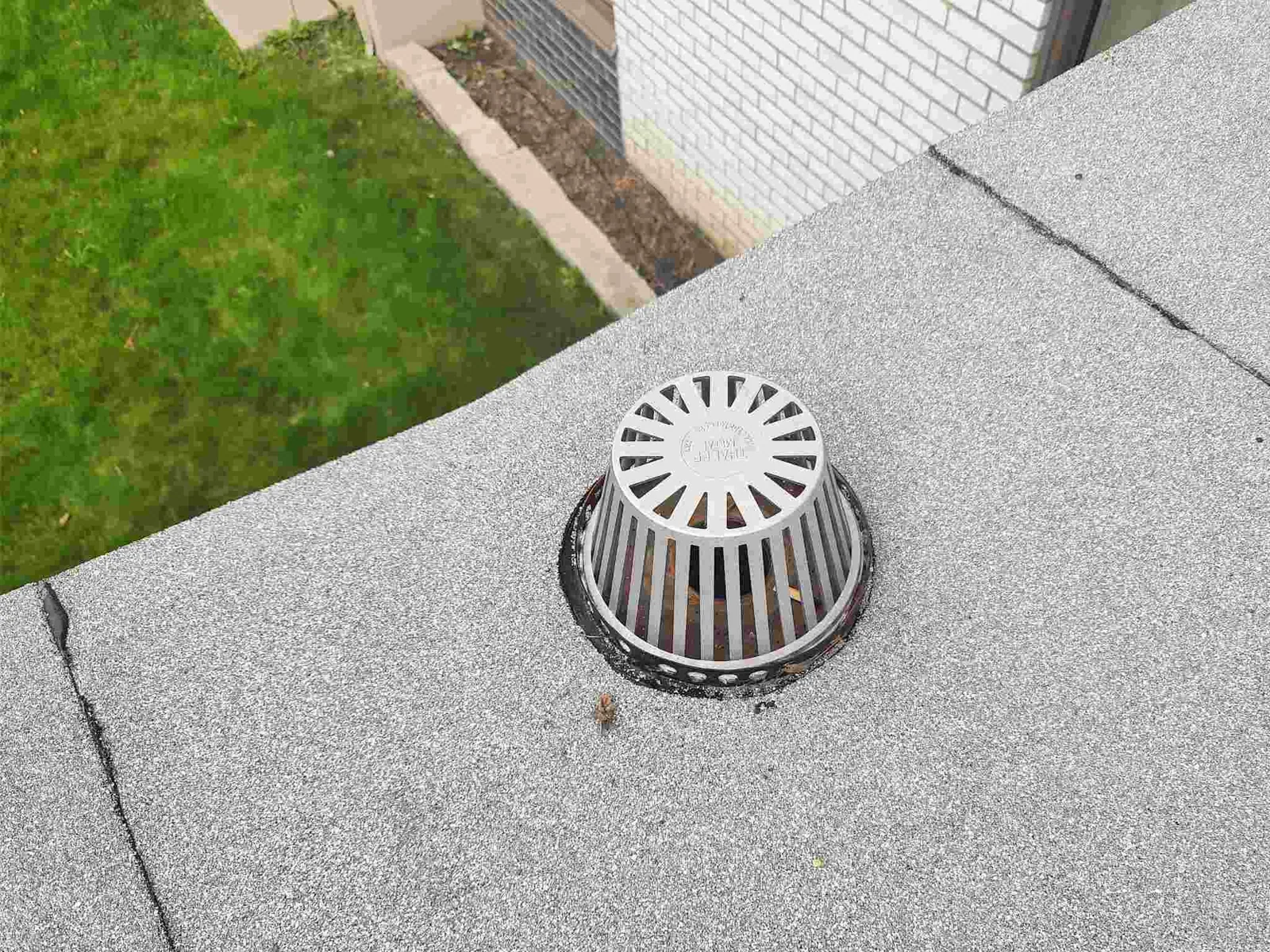
Drainage on a long-span roof should be checked as a connected route. We inspect the bowl, overflow, slope, and panel or membrane termination, looking for debris, settlement, or a seam that interrupts flow. Drain and scupper service can correct a blocked or failed outlet, while a low area may require a different scope.
Where water is active, the building contact helps protect equipment and isolate the floor area below. When water threatens an active bay, our after-hours response can stabilize the opening overnight, on weekends, or on holidays. We then coordinate permanent work around the confirmed assembly and the site’s next authorized window.
Inspect Long Runs and Door Edges
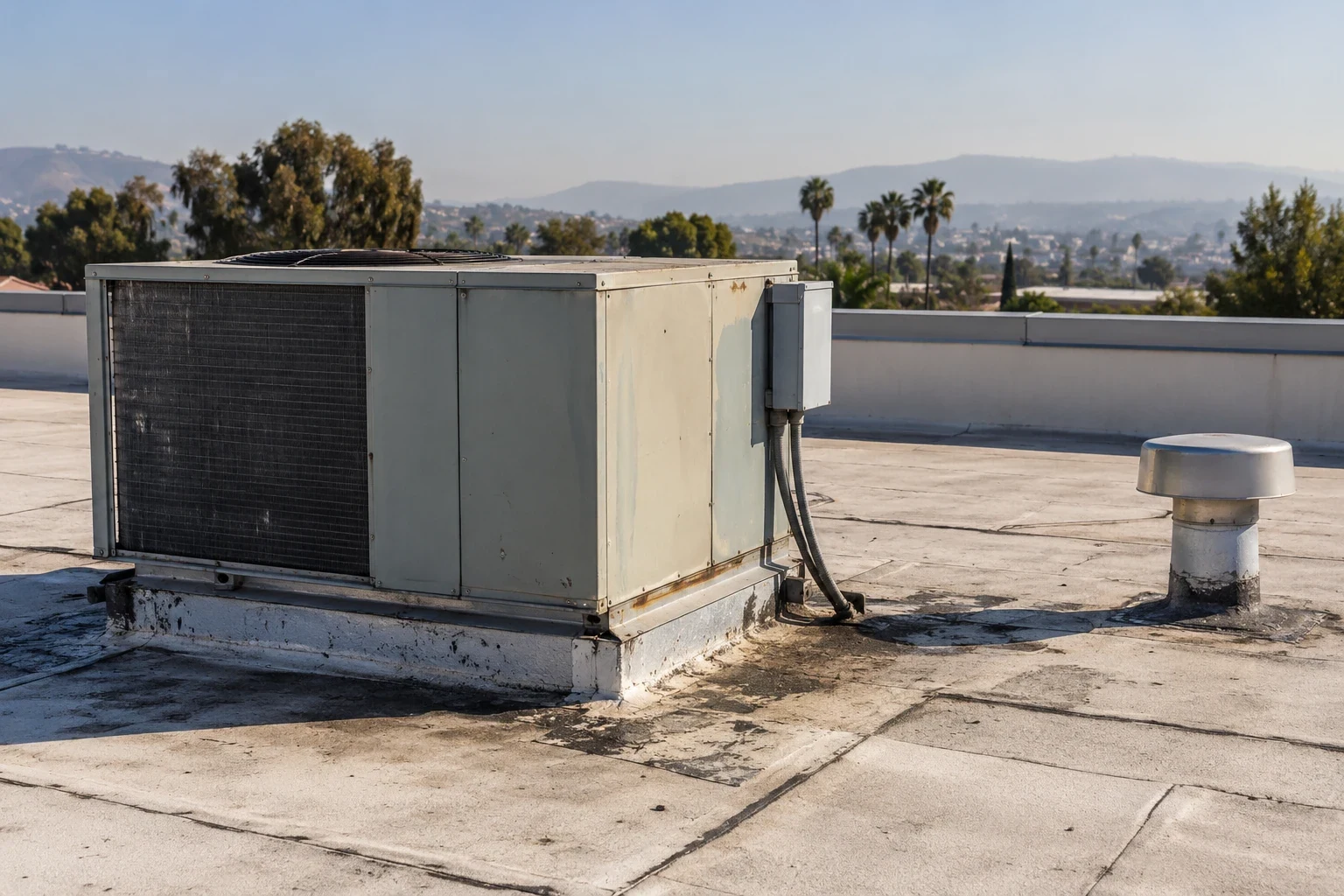
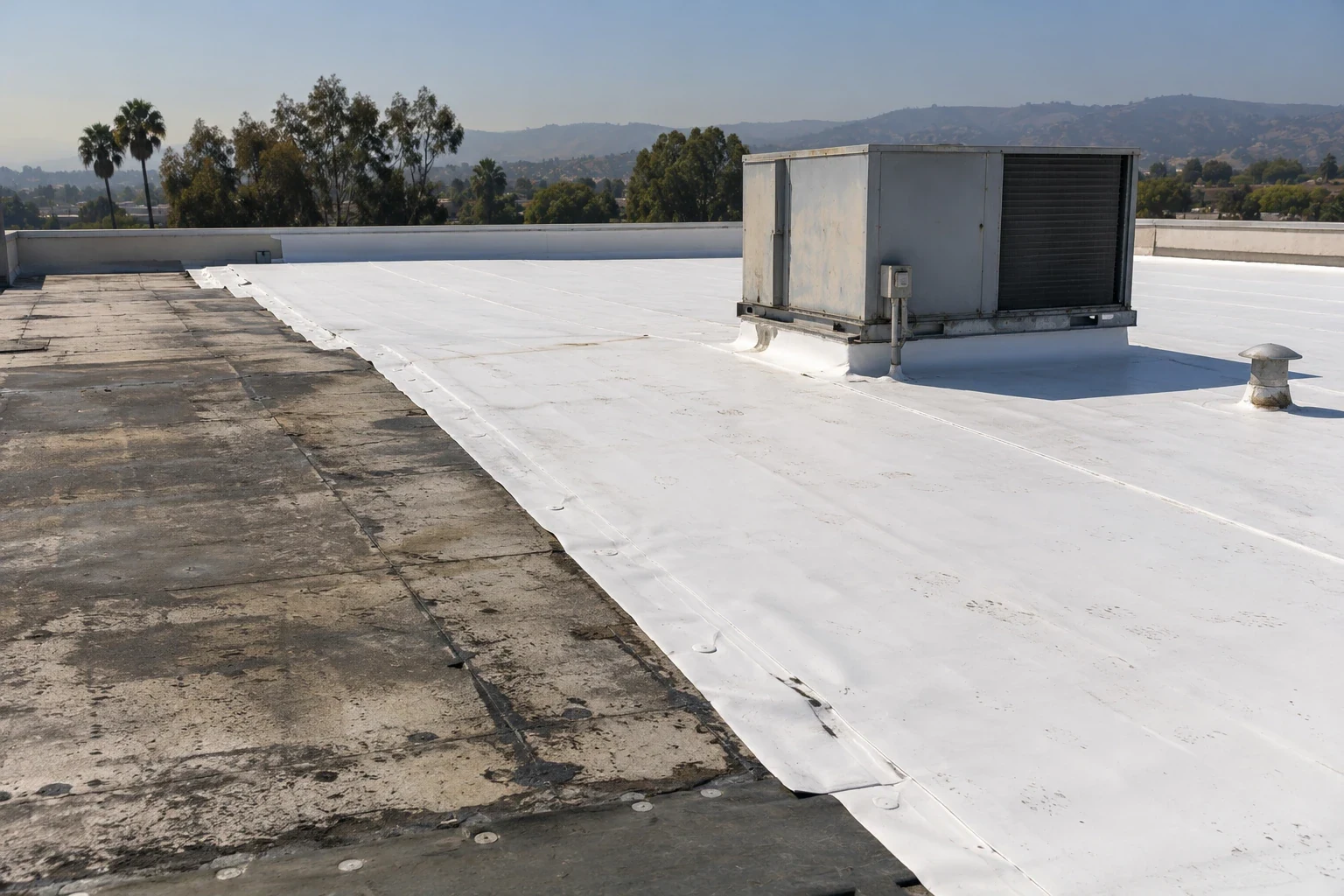
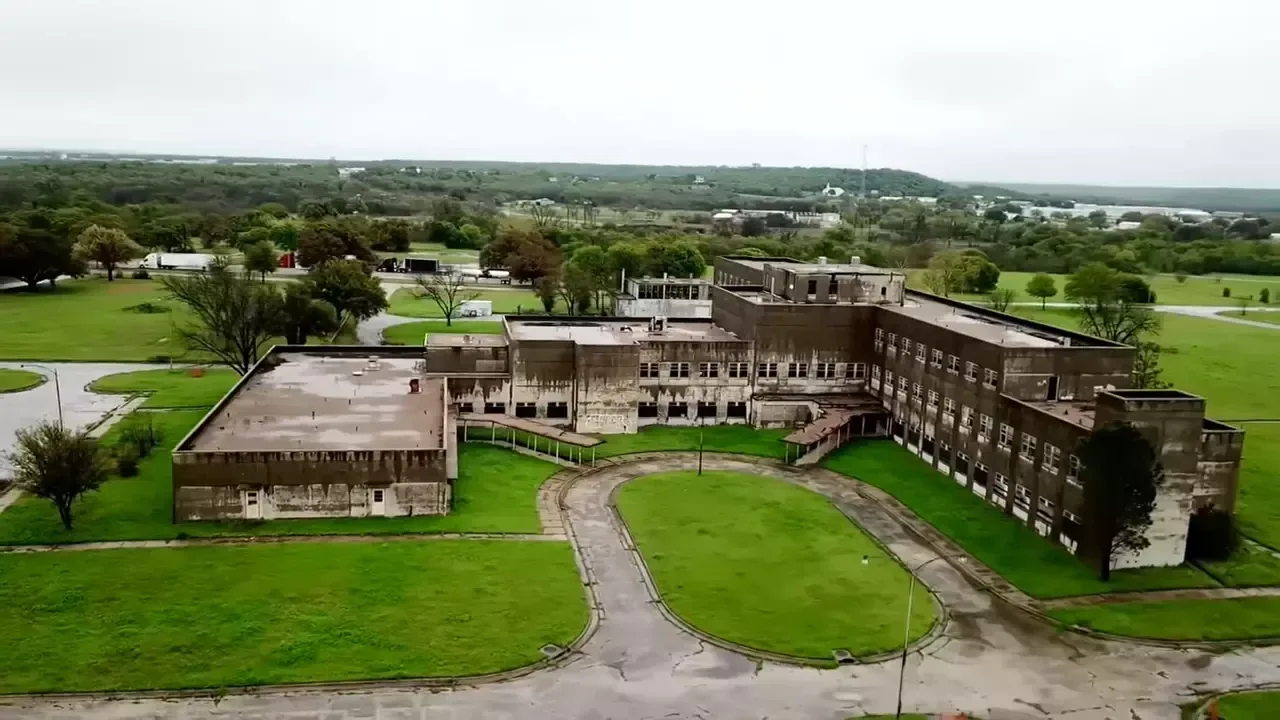
Metal hangar roofs have long panel runs, fasteners, laps, ridges, and transitions around large doors. Movement can open a joint or loosen a fastener, while a rigid patch can fail as panels shift. We identify the panel profile and attachment, inspect the edge and door transition, and distinguish a localized failure from a broader pattern. If the roof is membrane, we follow seams and curb details instead of applying a metal-panel repair method.
Door operation makes the perimeter especially important. We check for loose edge metal, failed sealant, damaged flashing, and conditions that could affect door clearance.
A perimeter metal repair should manage water and preserve the transition, not obstruct door movement. Penetration and curb flashing also needs a compatible tie-in to the roof assembly. If repeated panel or seam failures point beyond a patch, we document the pattern by roof zone before discussing a larger repair.
Match the Replacement to the Design
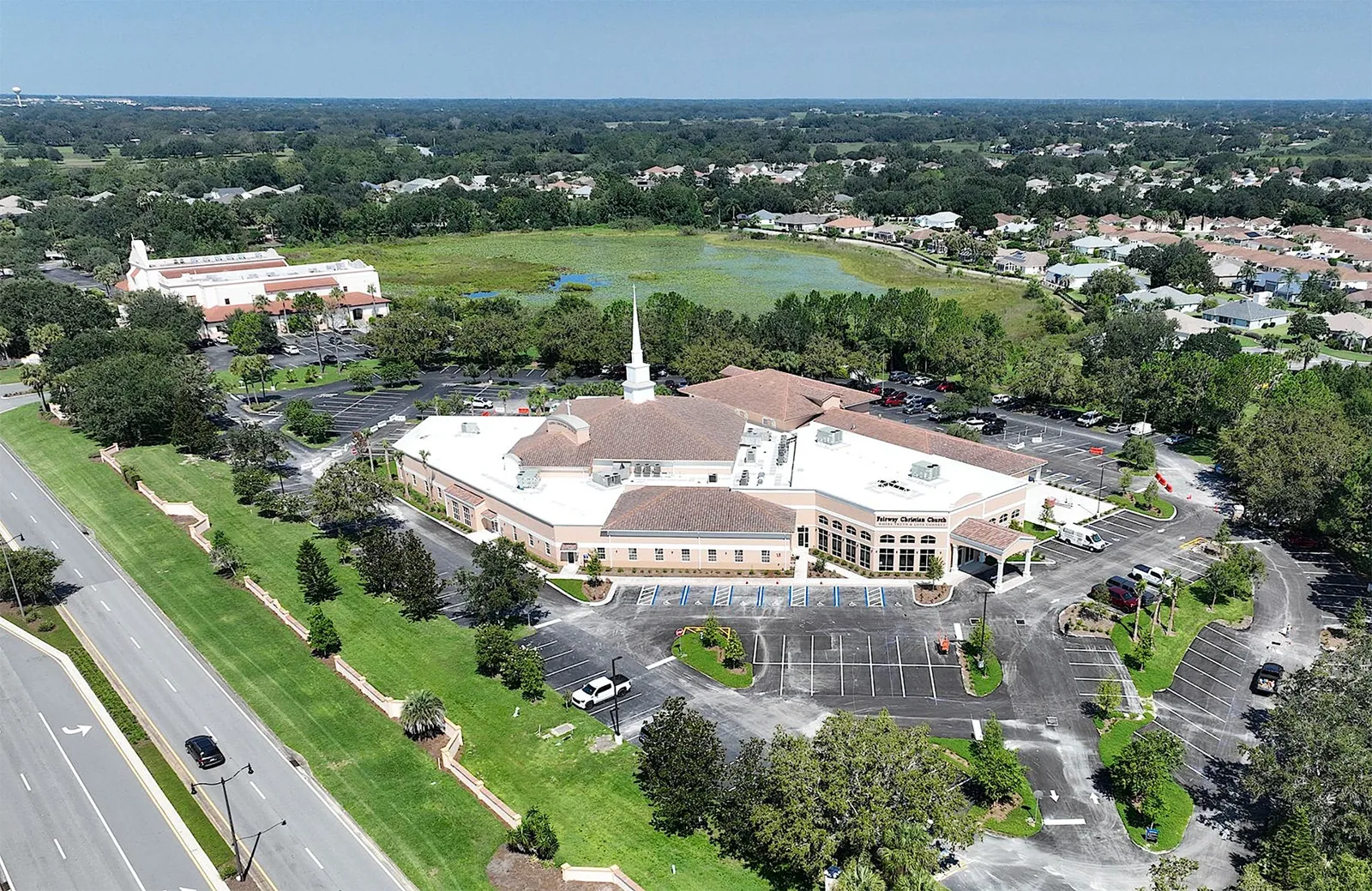
Project documents identify whether Unified Facilities Criteria apply and state the requirements for roof attachment, wind design, testing, submittals, and inspection points. We compare the specified assembly with the existing deck, perimeter, corners, curbs, and drainage. If a concealed condition changes the substrate or support, the discrepancy is recorded and sent through the authorized project channel. Work pauses at the affected detail until the required direction is clear.
A recover is considered only when the existing roof is suitable and project scope permits it. Wet insulation, loose attachment, a damaged deck, or multiple failing transitions can make removal necessary. A roof recover and full replacement are compared against the inspection and any test opening. We identify what remains, what comes out, and how the new system handles door edges, equipment curbs, and drain connections.
Maintenance buildings may have active exhaust, make-up air, antennas, or process equipment. Before tear-off, we identify which components need protection, temporary support, or a shutdown from another trade. Roofing work does not authorize the crew to disconnect a service. A written sequence names the responsible contact and when each affected component must be returned to operation.
Sequence Work Around Maintenance
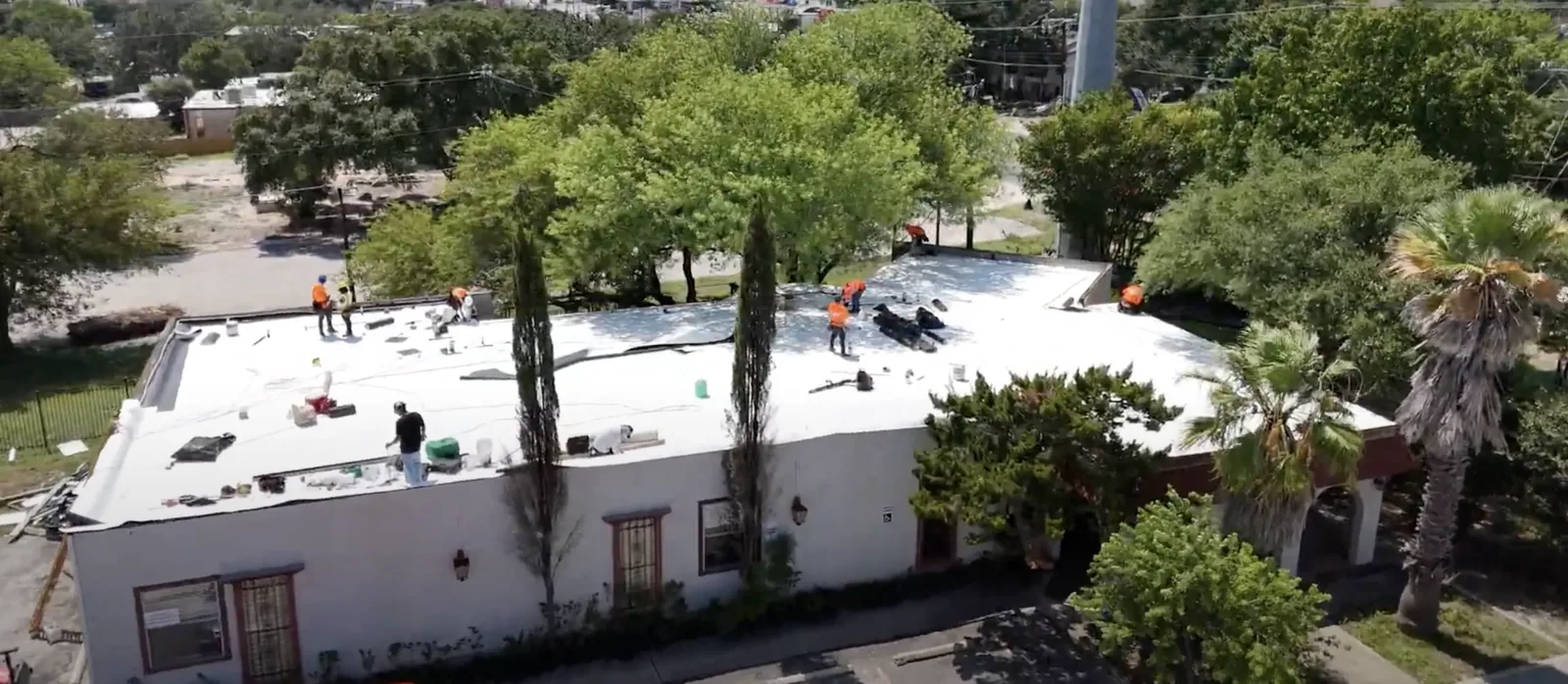
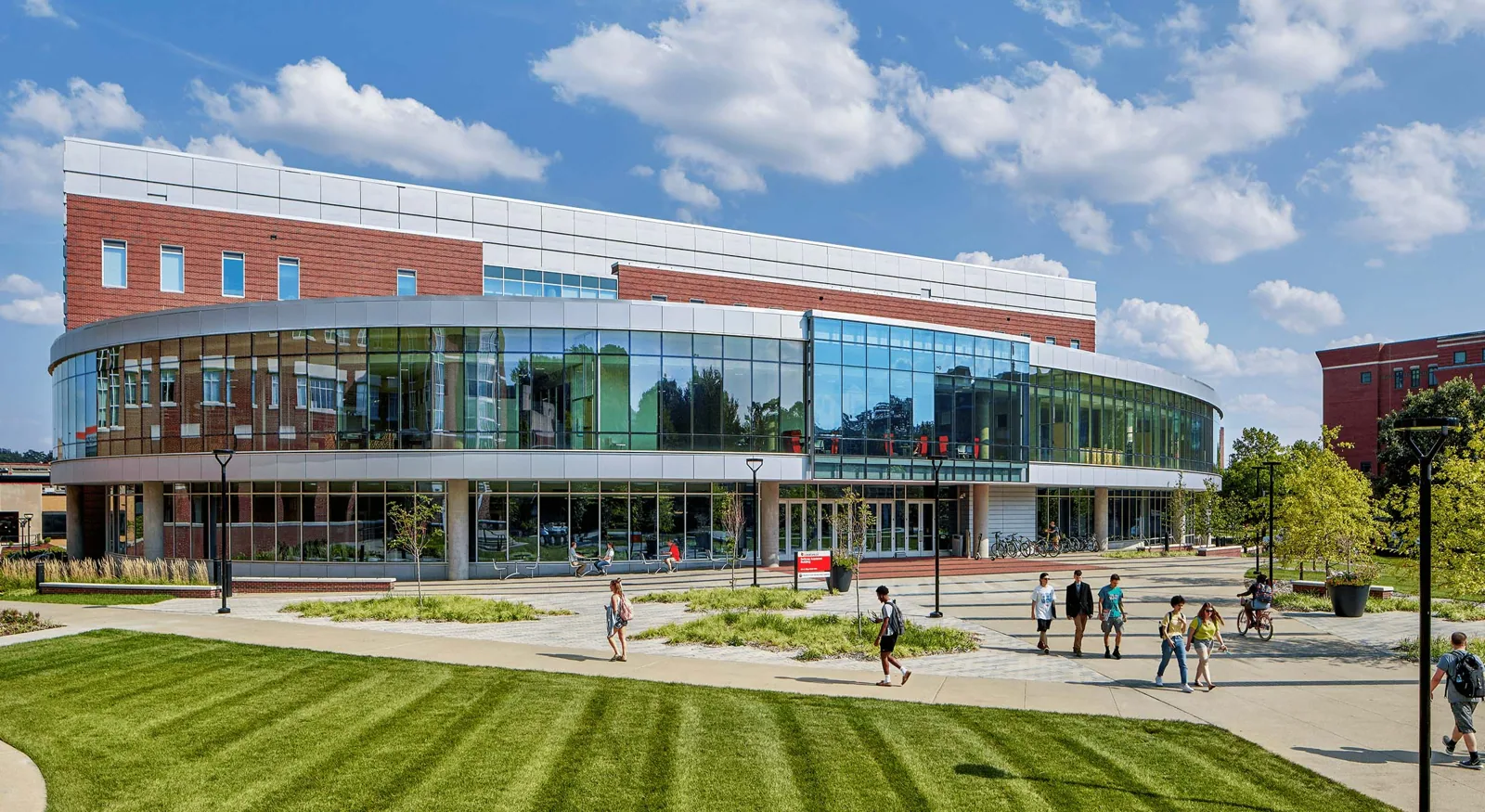
Aircraft or vehicle access can change through the day, so the roofing window must be tied to the facility’s schedule. We coordinate deliveries, lifts, noise, debris removal, and any overhead work with the site contact. Each zone has a start condition and a point when it is dry-in complete. If operations reduce the window, the crew closes the current zone rather than opening another panel or membrane section.
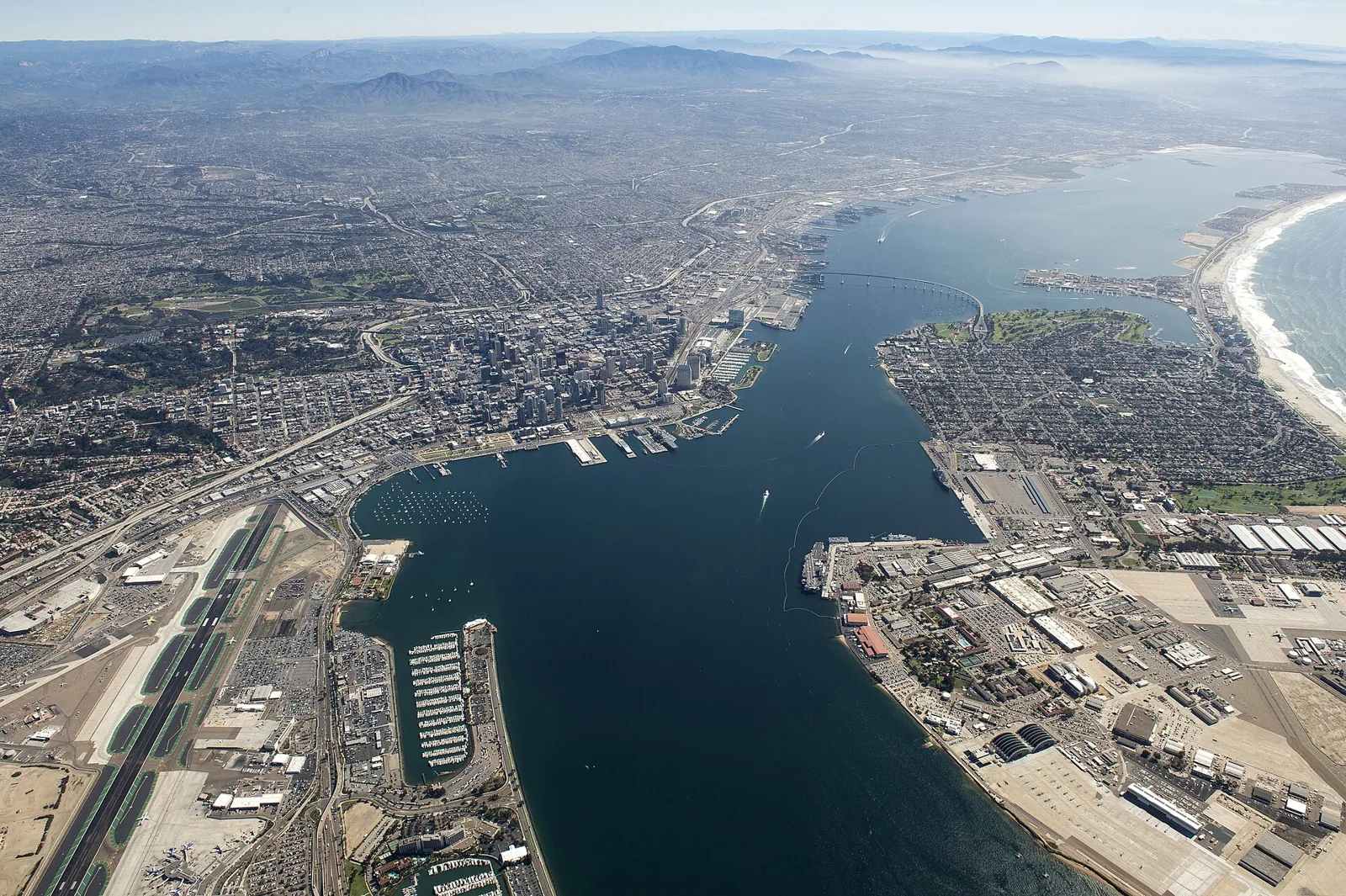
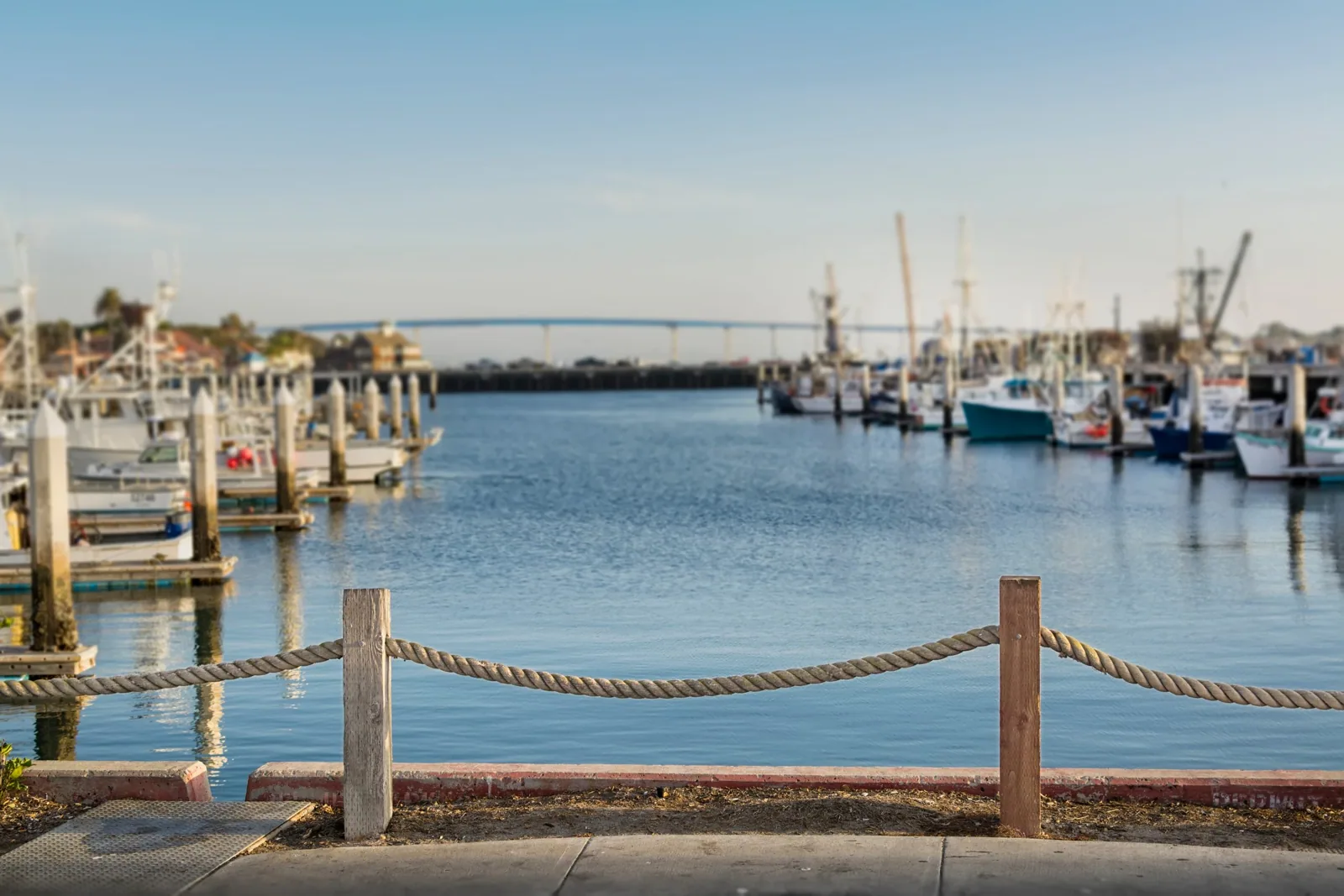
San Diego Bay’s working waterfront includes shipyards and maritime suppliers, while Otay Valley and Otay Mesa connect industrial properties to regional freight routes. These are broader employment areas in the service market; the installation still sets its own gate and vehicle rules. San Diego Bay Working Waterfront and nearby coastal districts may have different delivery constraints, so we confirm the actual route and staging location for each roof visit.
Where staff need to remain below, phased reroofing can separate the active bay from operating rooms and traffic paths. We plan protection for equipment, stored materials, and door movement with the facility. At shift end, we clear the approved route, account for tools, and report any area that remains under temporary protection.
Record the Roof Zone and Release
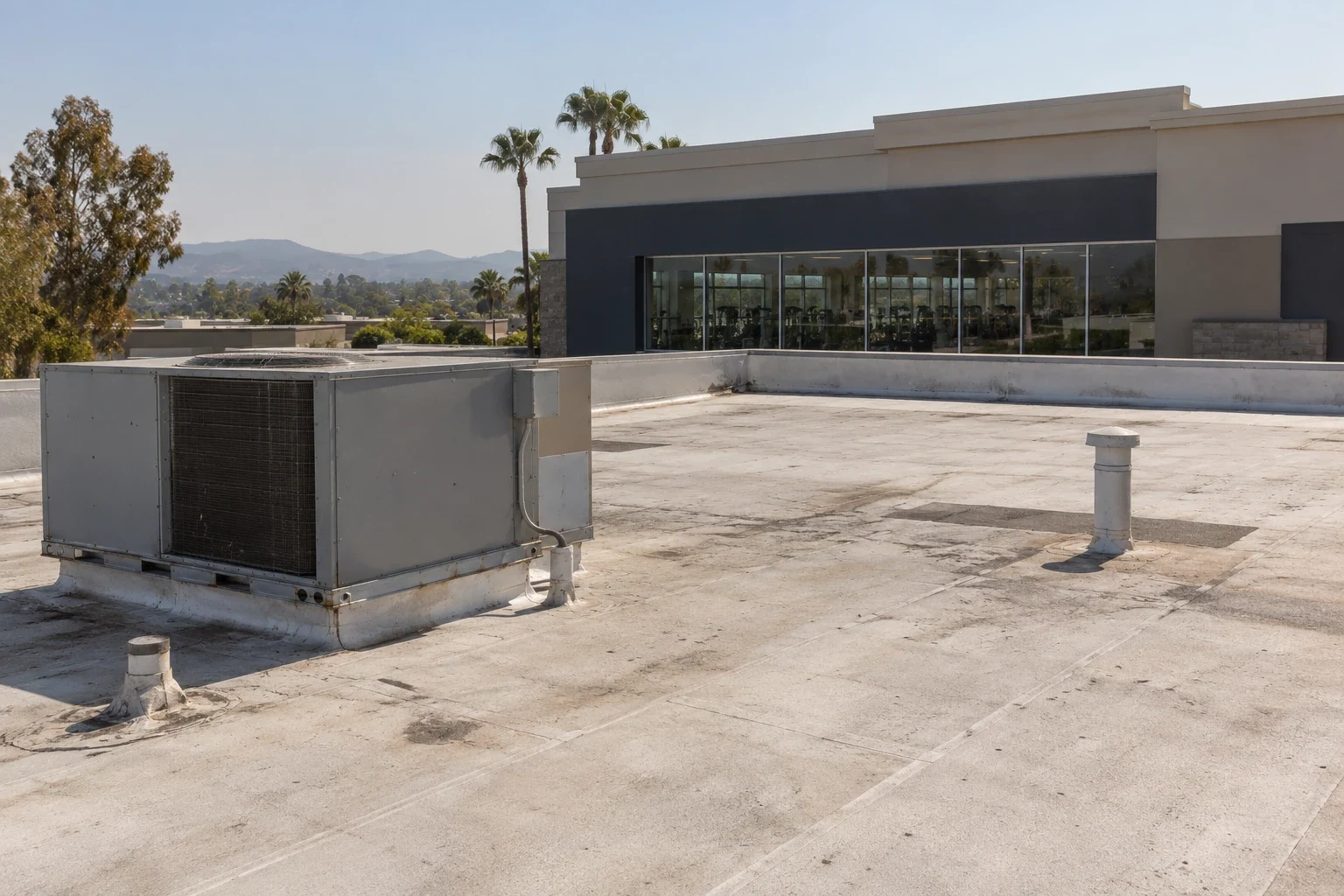
Closeout photographs should show the detail before and after repair, with each image tied to the building and roof zone. We describe the assembly, test performed, repair materials, and any open item that needs a project decision. If moisture or deck damage was not confirmed, the report says so rather than implying the issue is resolved. A roof condition record can guide the next inspection and help facilities staff compare the same detail over time.
Duration and cost depend on roof area, access, lift requirements, door clearance, assembly, testing, removal, and concealed damage. Replacing a small curb flashing differs from removing a large roof section with inspection hold points. We explain what drives the sequence and separate confirmed work from an allowance or pending decision. If the operating window changes, the updated zone and dry-in point are recorded.
For a hangar review, send the installation and building name, operating window, door-clearance limits, roof plan, and project criteria. We will arrange the approved entry and map the affected roof details. A roof walk can establish whether the next step is a focused patch, testing, recover, or replacement planning.