Coordinate the roof with active operations
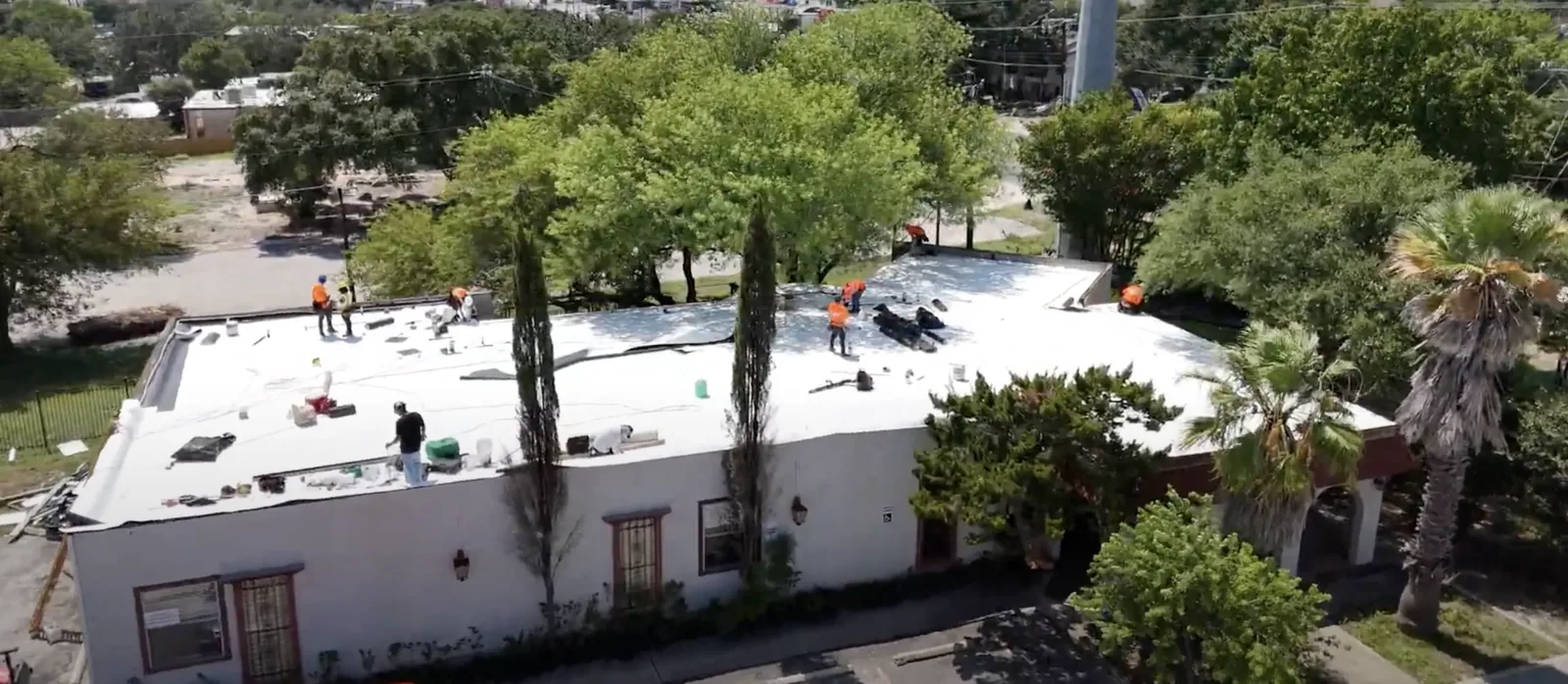
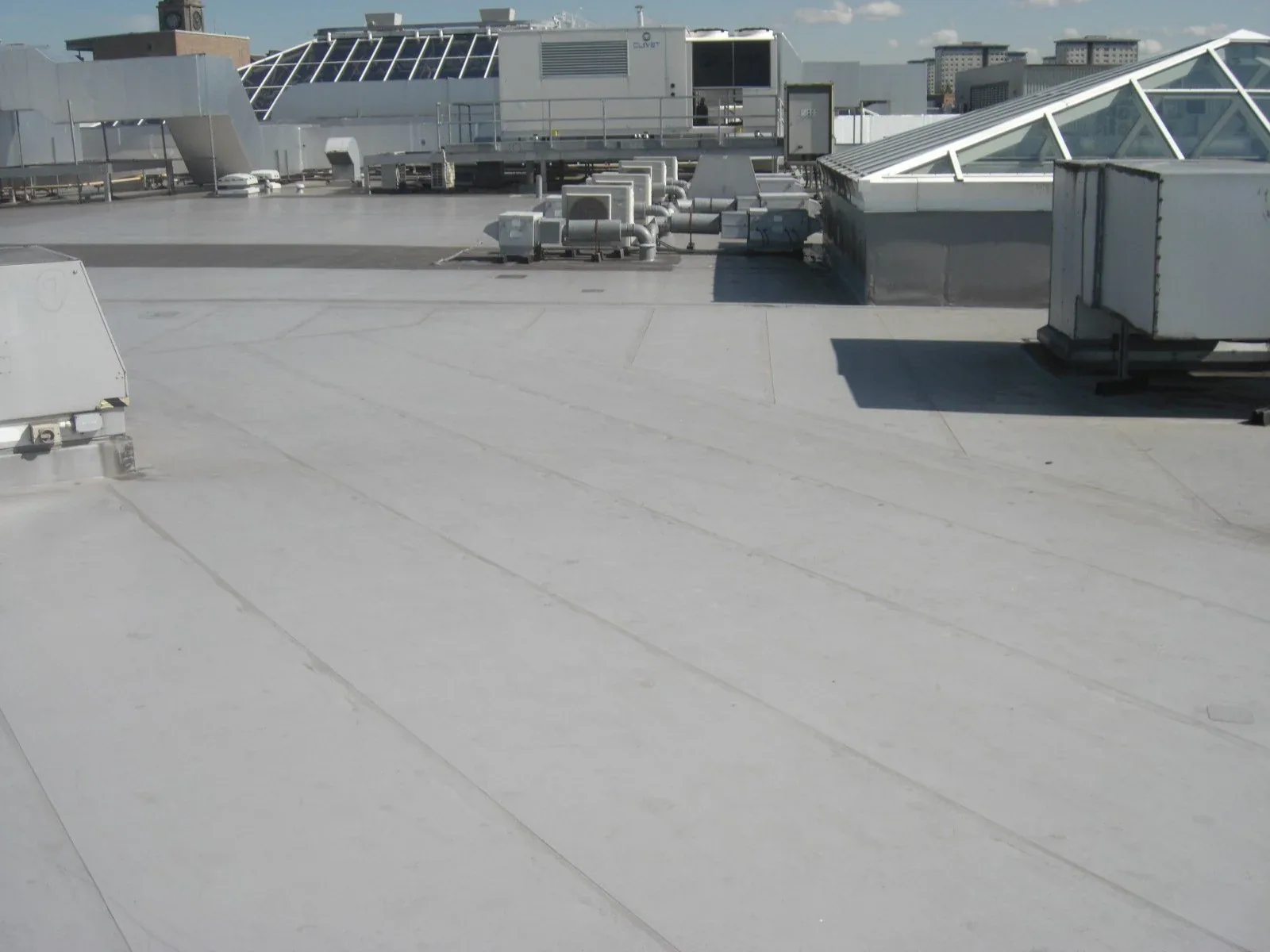
A material delivery should not conflict with a route used for cargo, equipment or regular site service. We ask the property contact which entrances remain active, when deliveries arrive, where roofing supplies can be staged and what restrictions apply to vehicle movement. Cargo terminals use rail connections, covered storage and open laydown areas; the building operator confirms where roofing crews can stage material and move equipment. We confirm whether a lift can reach the roof, how debris will leave the work zone and which area must stay clear. For occupied facilities, the sequence lists the roof sections, dry-in limits and daily handoffs so the site lead can see when a route may change. Our occupied-building reroofing coordination can divide a larger project into manageable work areas. If operations continue beside the roof, we identify any overhead work, temporary protection and noise periods before mobilization. For buildings near cargo terminals, agree on delivery and laydown times with site operations before roofing materials arrive. If supplies cannot be stored beside the building, smaller daily drops can reduce obstruction, while the dry-in plan still needs enough material on hand to close each exposed section. The property contact arranges entry and any required escort before mobilization. Before roof access, we confirm overhead lines, equipment shutdowns and lift clearances.
Trace the entry before setting removal
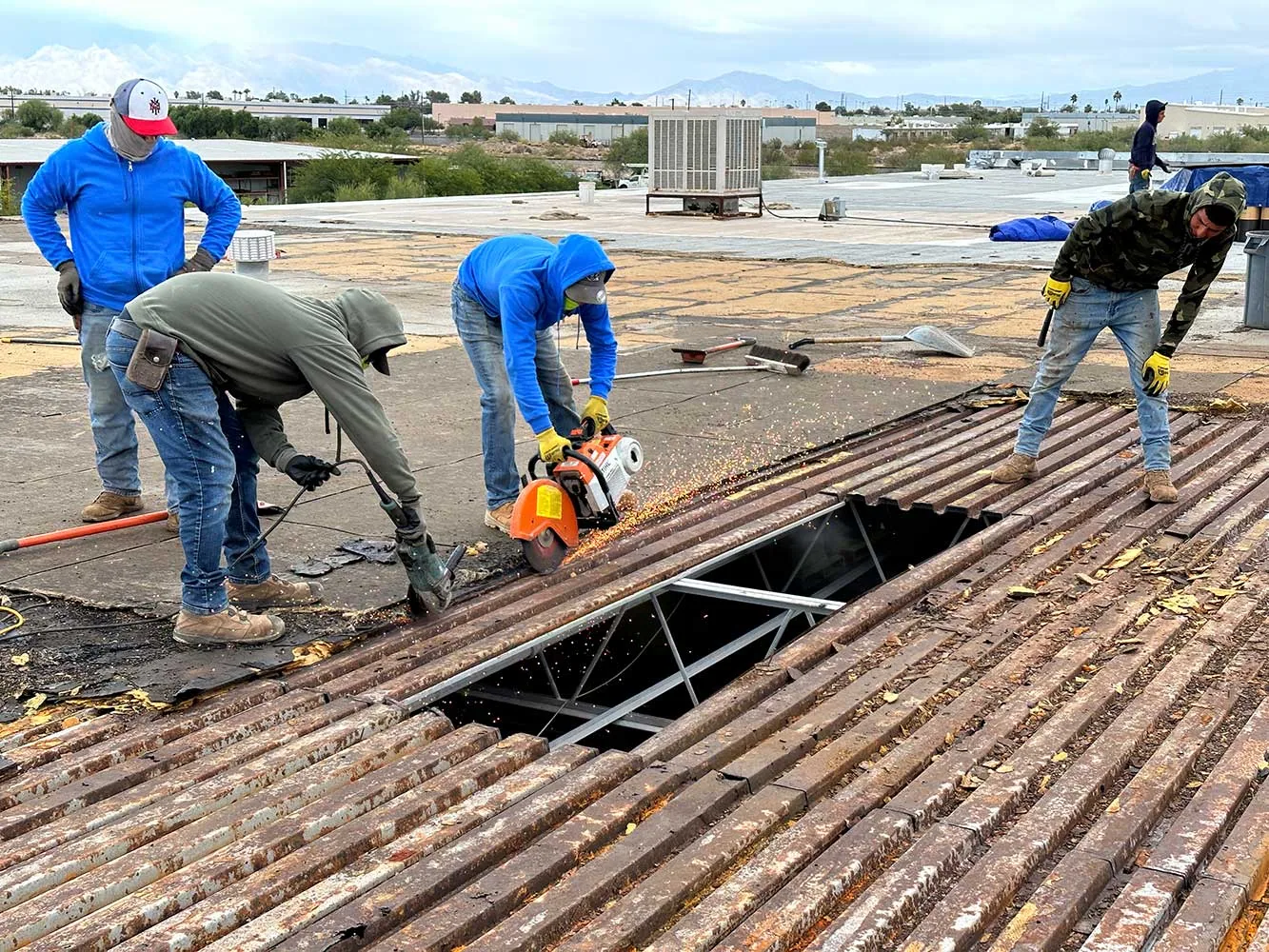
Water can travel below a roof covering and appear well beyond the detail that admitted it. We begin with the reported interior area and inspect the corresponding roof zone, including seams, curbs, pipe penetrations, wall transitions and drainage. A failed lap can pass water beneath the sheet; a curb corner can direct it toward insulation; a blocked drain can hold water against a different weak point. The work record shows which condition matches the leak path. When moisture may extend below the membrane, an infrared moisture survey can help target a small opening for direct confirmation. Its readings need the roof assembly and surface conditions for context. A controlled opening tells the owner whether insulation or deck needs removal before new material closes the area. This is especially useful where stored goods, equipment or adjacent operations make a larger tear-off costly to coordinate. We keep the confirmed repair area distinct from any suspected moisture beyond it, then explain what test or inspection would support an expansion.
Inspect edges exposed to bay conditions
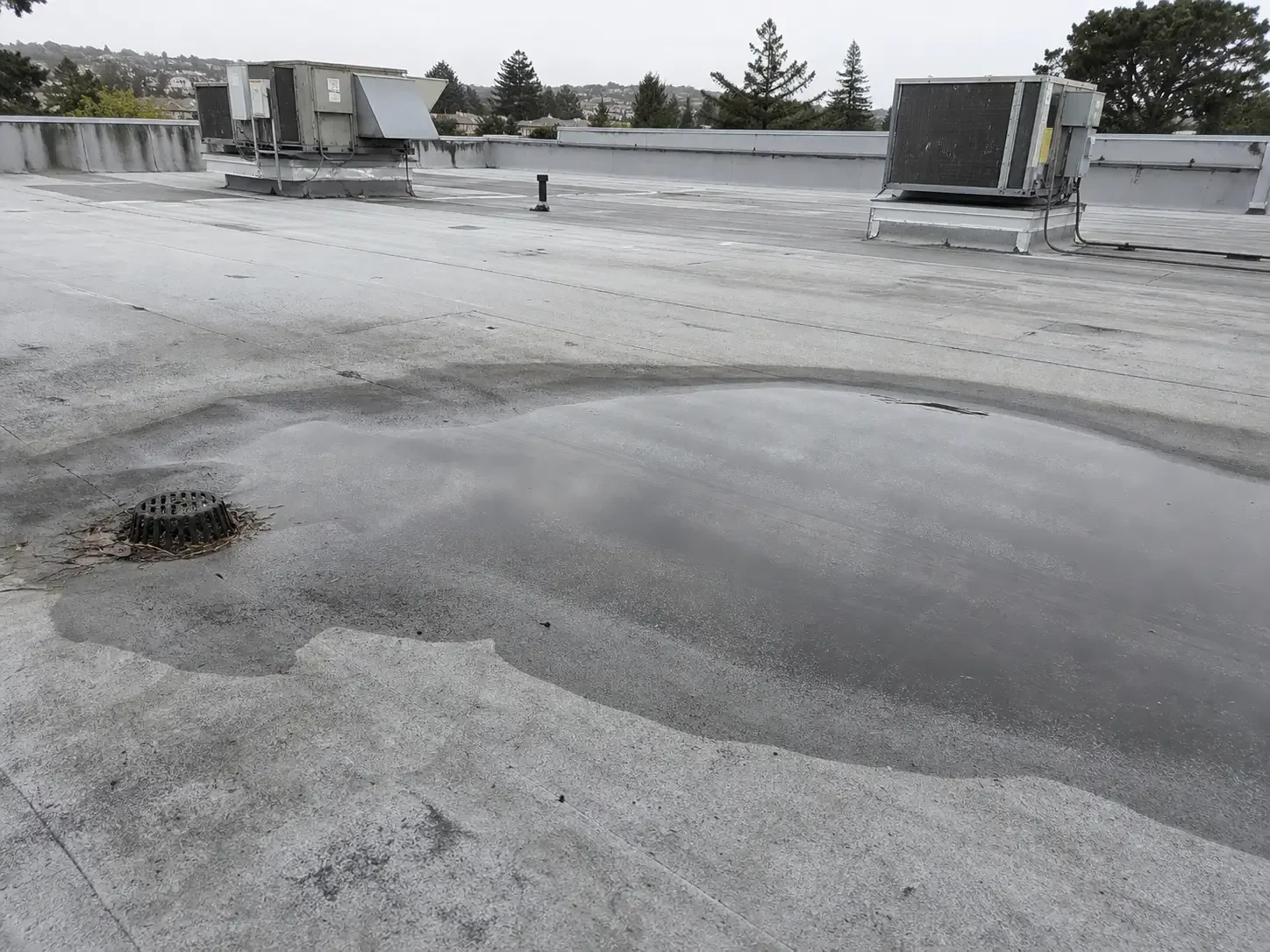
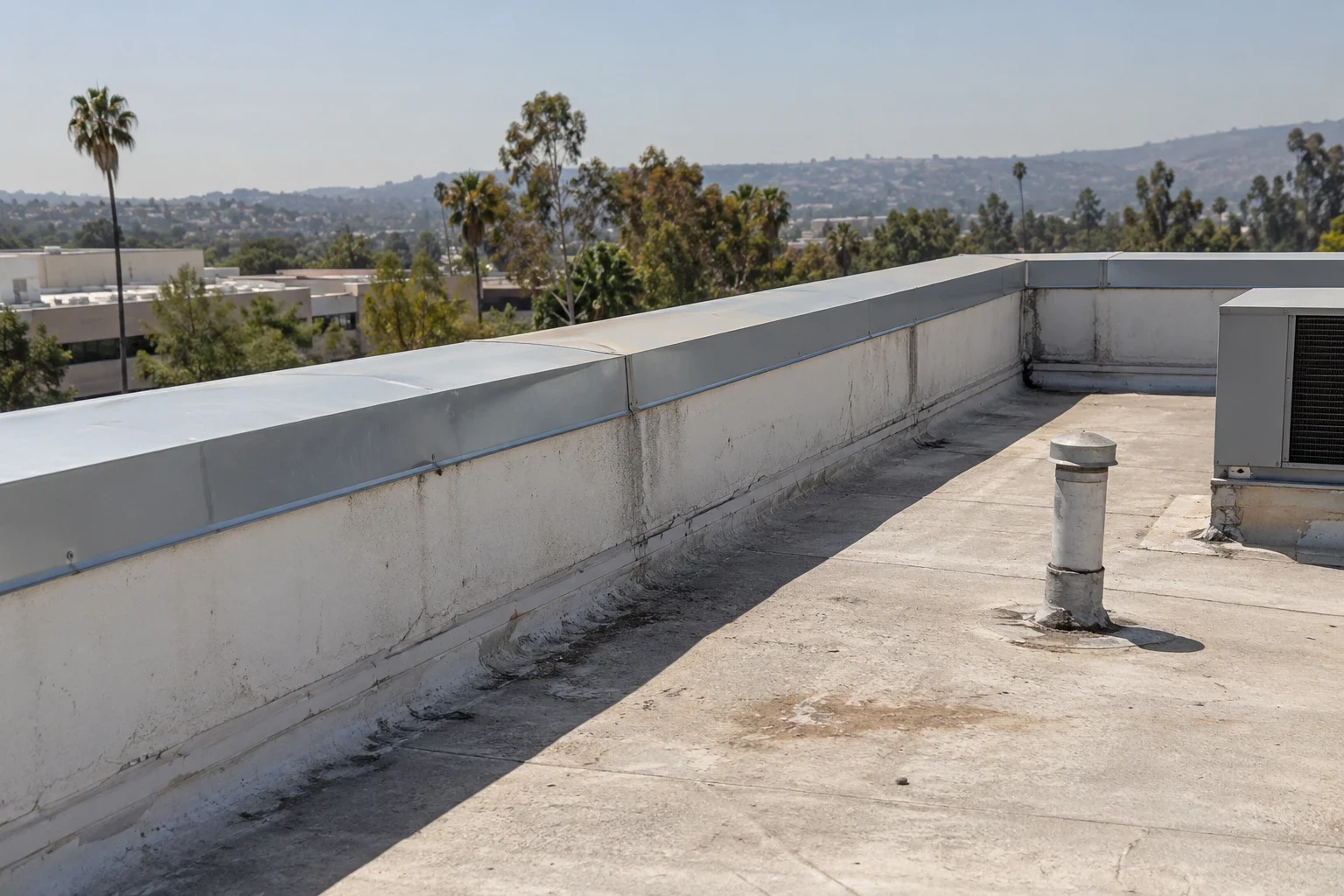
Exposed metal can corrode at fasteners, joints and cut edges, breaking the water-control line even when the membrane field looks intact. We inspect coping, edge flashing, equipment supports and other exposed connections where they are present, then record loose joints or loss of material rather than covering them with sealant. The repair must connect the metal to sound material and discharge water away from the roof assembly. Membrane work has its own compatibility limits: a single-ply patch needs a clean, dry surface and secure weld, while a modified-bitumen or built-up repair needs reinforcement suited to the existing layers. If a coating is considered, we first confirm that the substrate can be prepared and that concealed moisture is not trapped below it. For persistent water at a low area, ponding-water repair checks the outlet and roof slope along with the membrane. A metal-edge repair can be scoped separately when the field sheet remains sound. The chosen method follows the actual assembly, not the nearby vessel or terminal use.
Plan protection around the forecast
Winter carries most San Diego-area precipitation, while seasonal totals vary. Before opening a waterfront roof, we check the current forecast, surface moisture and the time needed to close the selected section. The dry-in plan limits exposure to what can be protected during the shift. At exposed edges, we inspect the metal joints and fasteners for the actual corrosion or movement that needs repair. If weather changes during work, securing the exposed layer and the space below takes priority. For a roof replacement, we plan tear-off sequence, material staging and temporary protection together. Where only one system component has failed, a localized repair may avoid unnecessary removal. If several roof zones or layers have failed, replacement planning compares assembly condition, moisture and drainage before new material is specified.
Keep the findings tied to each property
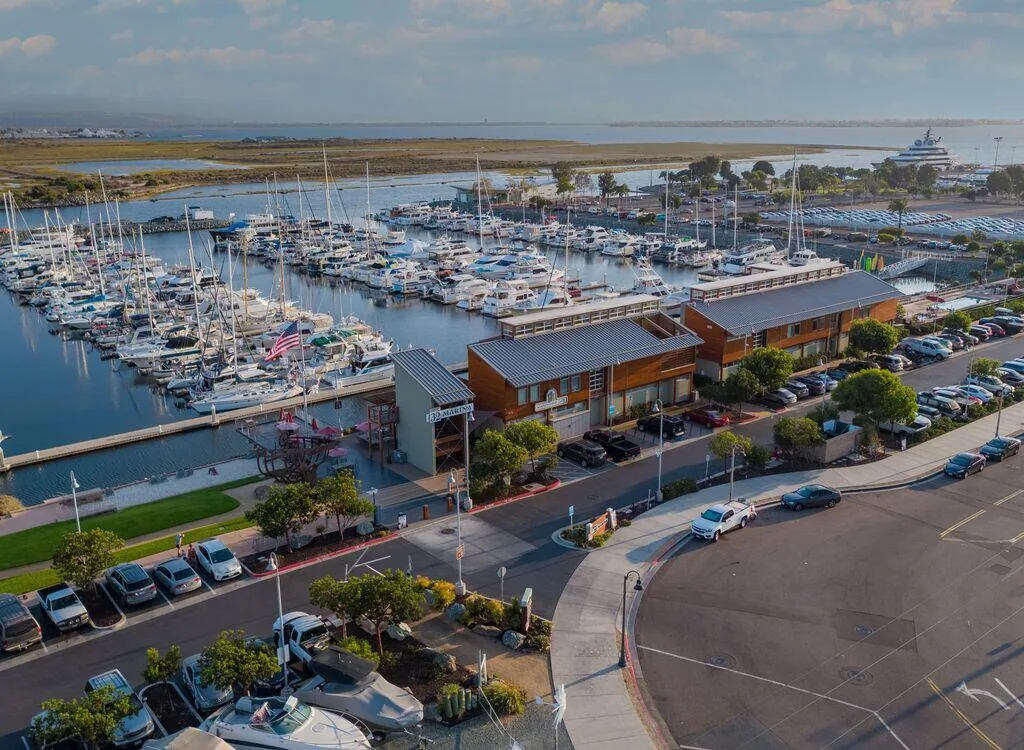
Repair timing and cost change with removal depth, wet insulation or deck, edge and curb details, roof access, staging, material handling and the amount of dry-in needed. We show those factors in the scope and mark any concealed condition that could add work after the membrane is opened. We inspect each building’s roof zones, access points and drainage before setting the repair limit. The closeout record lists photos, completed zones, materials installed and maintenance items that remain. It identifies what was repaired and what still needs review, making the next visit more direct. A later inspection can compare the same roof zones with these photos and determine whether a separate condition has emerged. Waterfront cargo, shipyard and supplier operations each have distinct delivery routes and work windows. We coordinate the roofing sequence with the property contact. For an owner managing multiple properties, multi-site roof records can organize separate findings by building. To arrange a working-waterfront roof walk, share the property, the reported roof zone and an authorized access contact. We will map the reported leak, label visible conditions and explain where additional inspection could change the repair limit.