Protect merchandise and occupied aisles
Pin down the aisle, department, stock area, or back-of-house room where water appeared. A stain can sit below a roof opening that is several bays away because water follows deck joints, framing, or insulation. We trace the likely route and mark any overhead protection before opening the roof. The store contact identifies inventory, electrical equipment, and sprinkler or alarm systems that need protection below.
A repair above a selling area may call for a different time window than work above an exterior dock. Confirm store hours, cleaning periods, deliveries, and overnight access with management. We keep tools and materials off customer routes, use barriers where required, and close each roof opening before the crew leaves. If a concealed condition expands the work, the manager sees the finding before we extend the boundary.
Urgent leaks can be addressed at night, on weekends, and during holidays. Temporary dry-in limits exposure while a permanent repair is planned. The work record should identify the interior department, roof zone, protection installed, and whether a return visit is required. That prevents a temporary measure from being mistaken for a completed repair.

Trace long roof runs and equipment routes
A large retail building may have several roof sections, additions, and equipment zones. Map drains, curbs, penetrations, expansion joints, and previous repairs along the reported path. Identify the installed membrane from records or visible details; separate additions or roof zones when they use different systems. The inspection record should label each slope and identify areas hidden by equipment or not safely accessible.
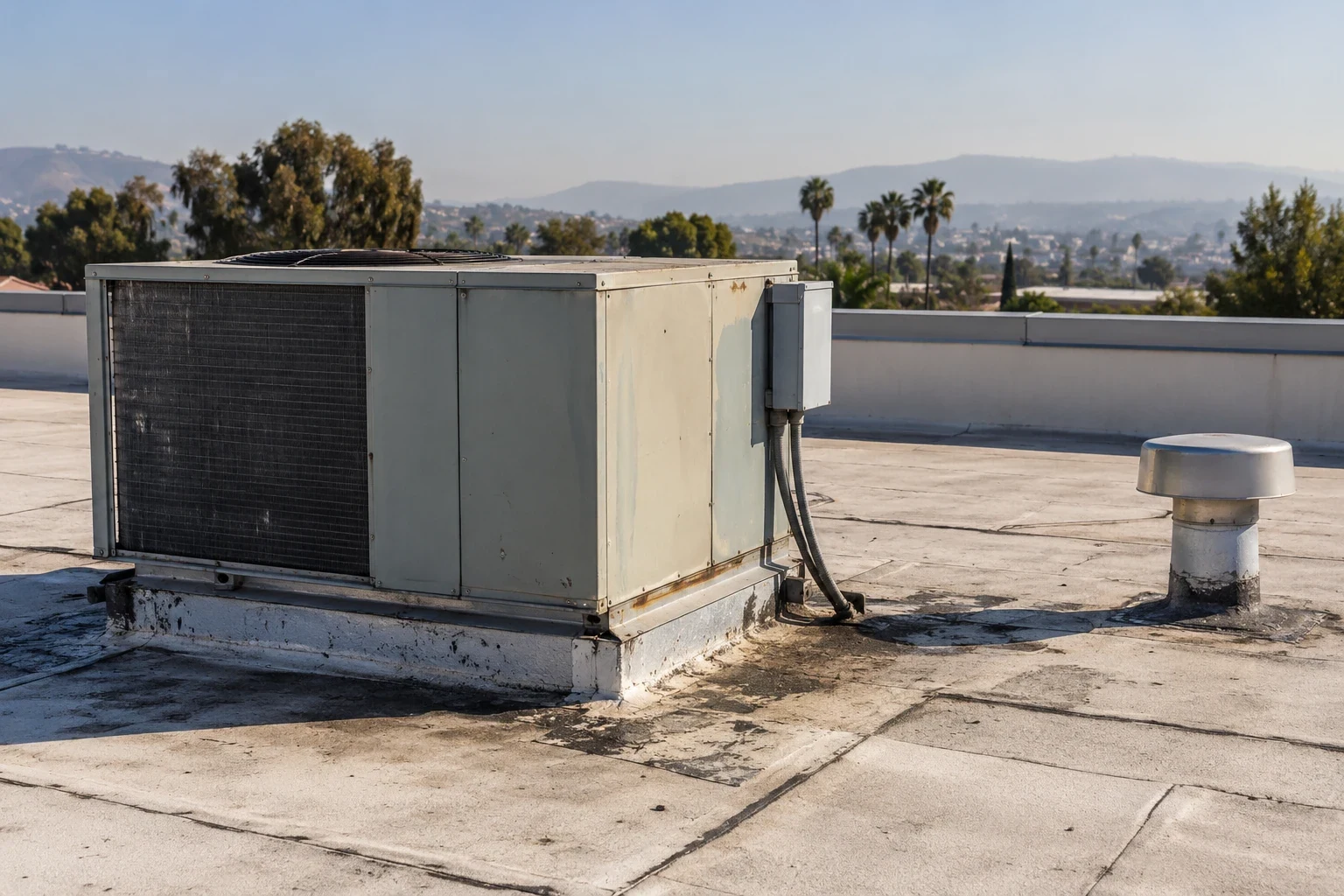
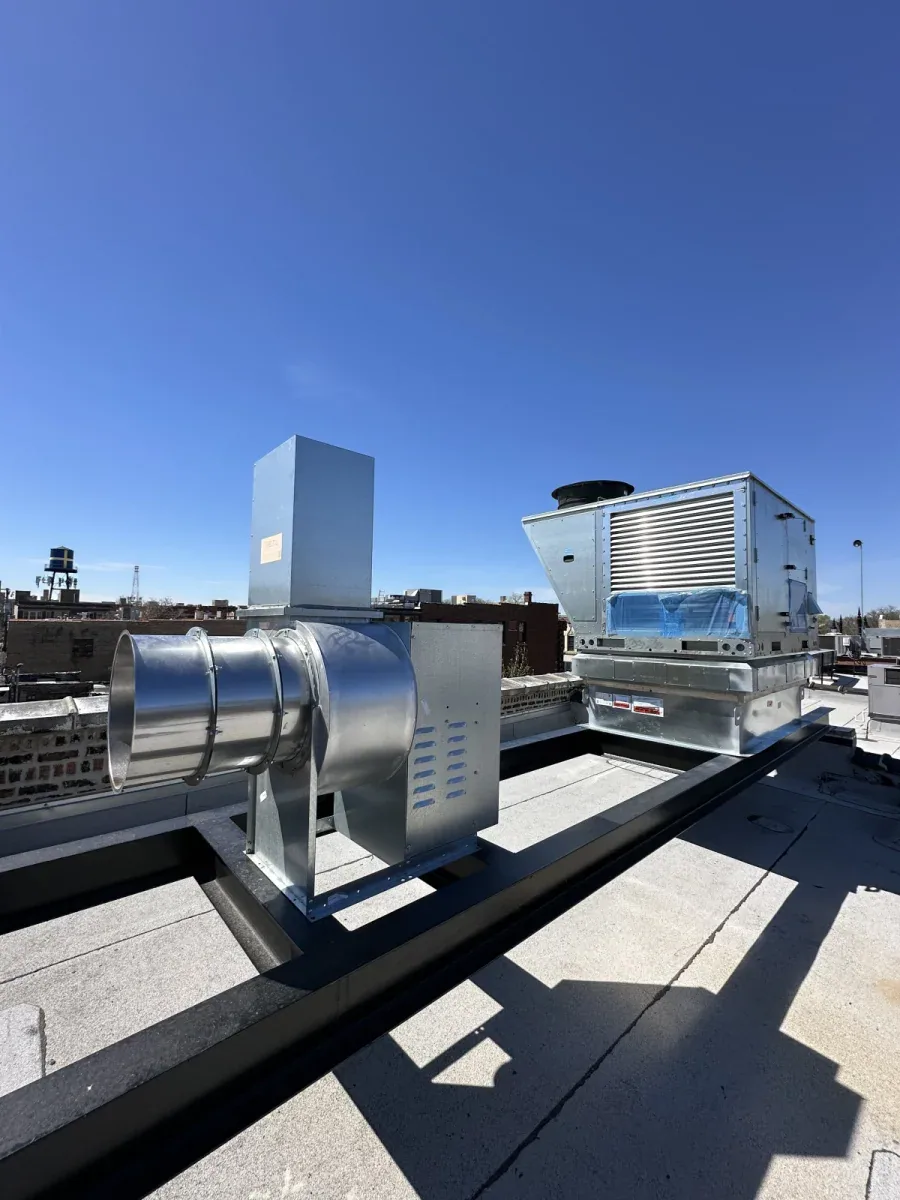
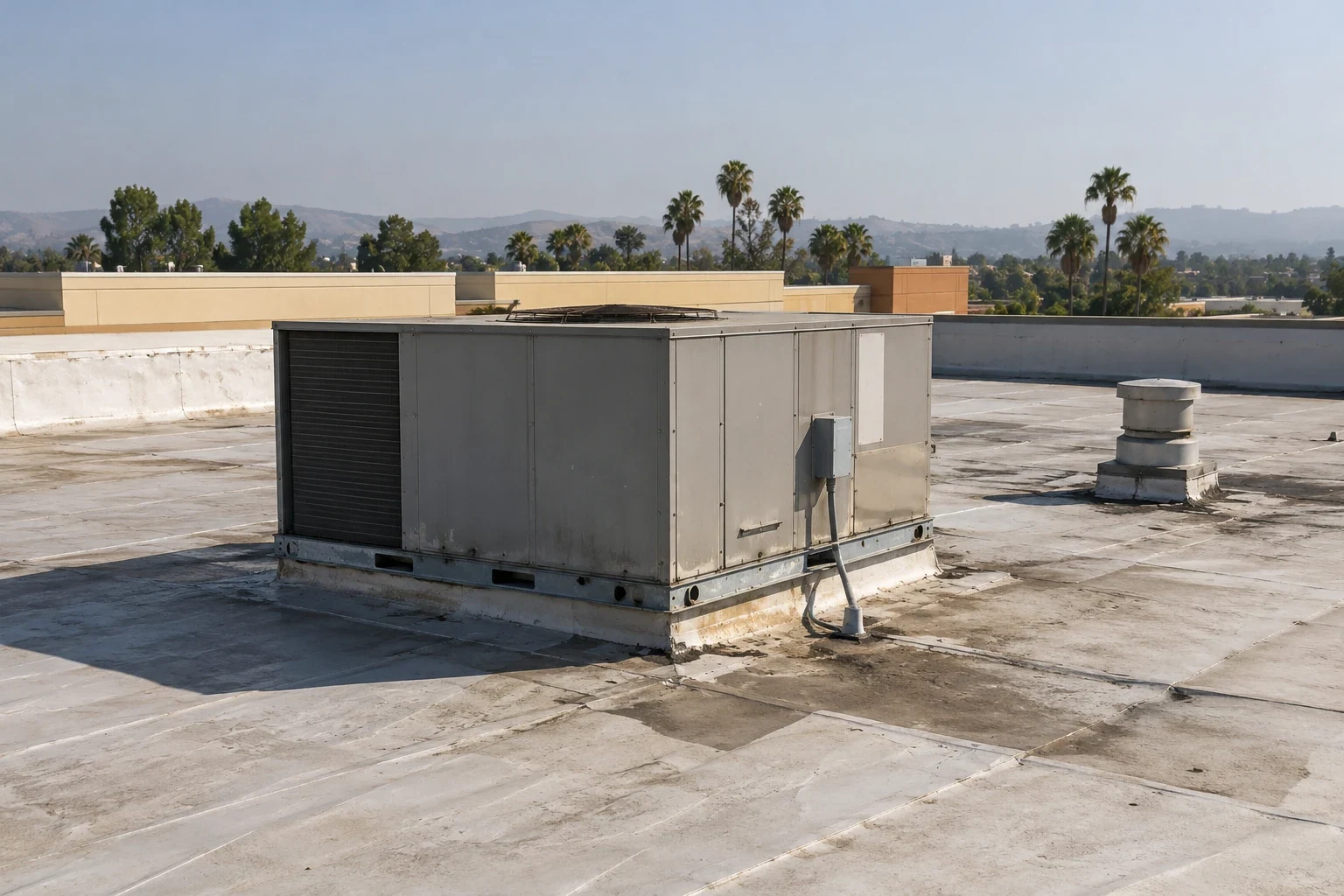
Rooftop HVAC units, exhaust fans, signs, skylights, and conduit can interrupt the membrane. Check curb corners, attachment, abandoned openings, and service paths where technicians may have moved equipment. Coordinate any lift or shutdown with the authorized store or mechanical contact. A curb and support review can identify which flashing detail needs roofing work and which adjustment belongs to another trade.
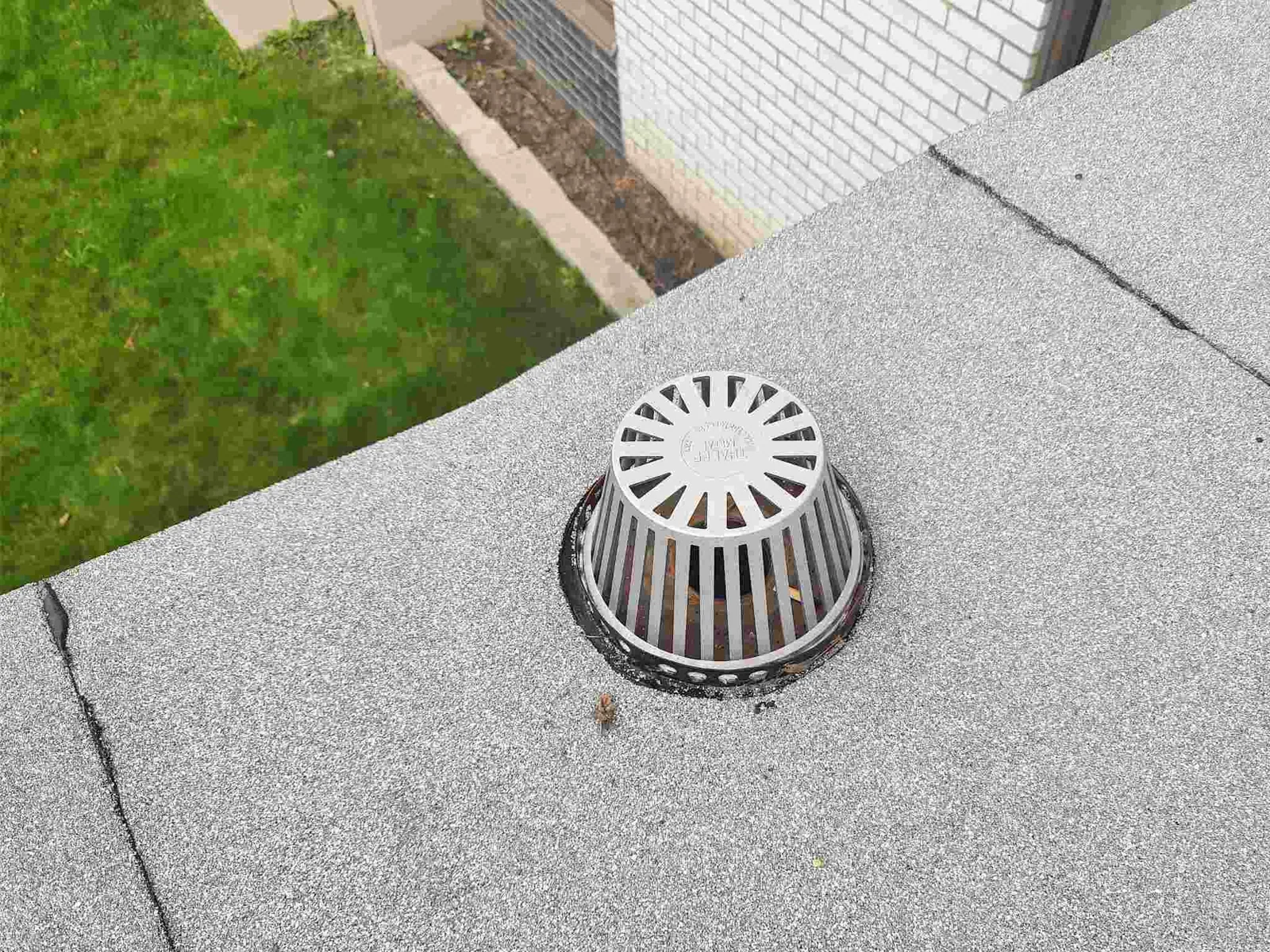
Roof drainage may serve sales, receiving, and office areas through a shared system. Check drain bowls, scuppers, overflow paths, and low spots where a prior recover changed height. A drainage repair should preserve access for routine cleaning and keep discharge away from entrances and dock routes.
Keep the dock and customer routes open
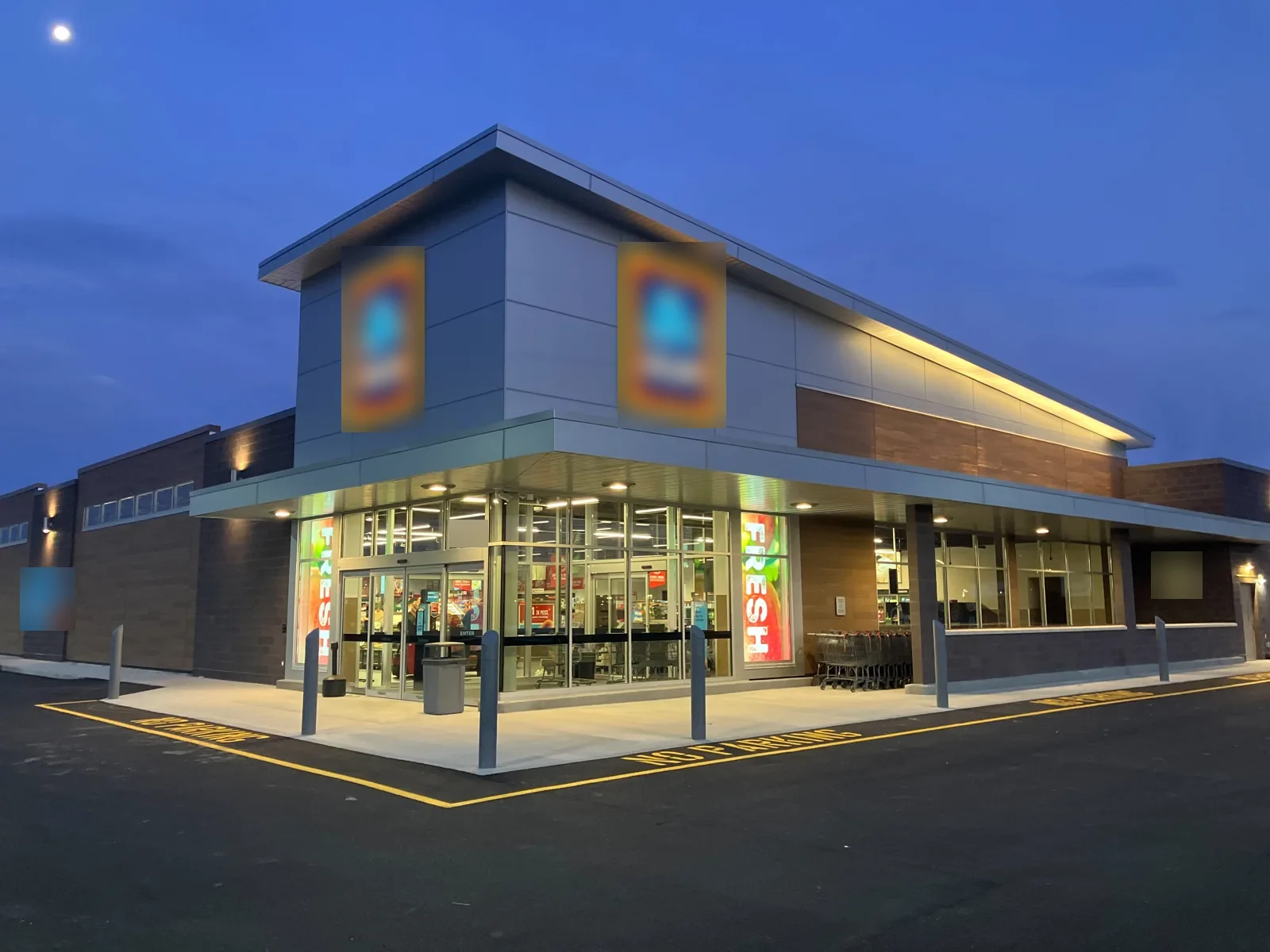
Material delivery, lift placement, and debris removal can compete with truck arrivals and customer parking. Walk the route with the store manager and mark staging areas, fire lanes, accessible paths, and doors that must remain usable. Agree on a delivery window before a truck or crane is dispatched. Keep roof access separate from the dock's active circulation wherever the site allows.
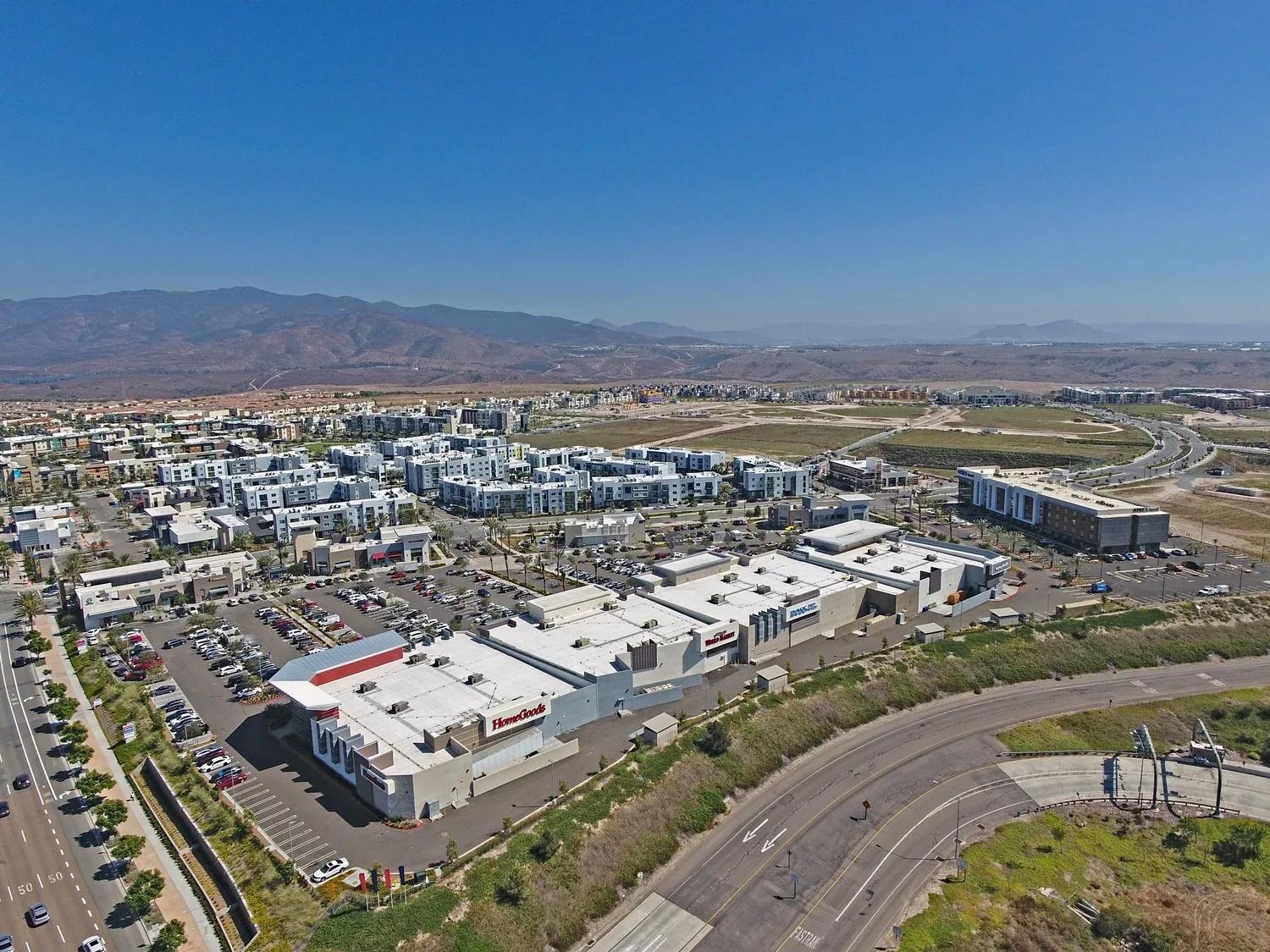
Chula Vista includes western retail and office corridors as well as planned eastern centers. A roof visit near Millenia may involve different construction and access conditions than one along Broadway; confirm the property schedule directly. Avoid treating the planned mix of a district as proof that a particular store is operating, vacant, or under construction.
When repairs move above the sales floor, coordinate noisy work, temporary lighting, and interior coverings with store operations. Keep any overnight equipment or materials secured and remove debris before opening. If a weather change affects the dry-in, update the manager on the protected zone and the next inspection point.
Match the scope to confirmed roof conditions
A local puncture, open seam, or failed curb may be repaired if adjacent membrane and insulation remain sound. Repeated leaks, widespread separation, wet insulation, or damaged deck can call for a broader evaluation. We compare the repair map with prior records and identify what would require a test opening before giving a replacement boundary.
A recover can limit tear-off only when the current roof is dry, secure, compatible, and within height and load limits. Replacement exposes concealed layers but affects stock protection, noise, debris, and store operations. The replacement sequence should set roof zones, inventory protection, dock access, curbs, drains, and a daily closure point.
Big-box and grocery stores share some receiving needs, but refrigeration and food-service equipment can change the roof review. A grocery roof assessment accounts for those equipment routes, while a shopping center scope may need to coordinate several separately managed tenant spaces. Use the building's own operations plan for the work at hand.
Coordinate rooftop upgrades with renewal
Lighting, ventilation, solar equipment, and communications upgrades can overlap with a reroof. Before work, confirm which equipment is staying, which supports need adjustment, and who controls shutdowns. A new roof height can affect curbs, walkways, and conduit transitions. Do not allow another trade to attach equipment through a finished membrane without an approved detail and inspection point.
If solar is planned, review the roof's remaining condition and the expected access needed for installation and maintenance. A solar-ready roof review can coordinate attachment, drainage, and future repair access before panels cover the field. Keep the roofing and equipment scopes connected at each penetration without assigning unapproved structural work to the roofing crew.
Cost and timing reflect roof area, assembly, lift requirements, interior protection, material availability, and whether the store can release a work zone. Compare those assumptions across repair and replacement options. State which areas were tested and which remain hidden, so the owner can prioritize reliable findings rather than treat an unknown section as a confirmed failure.
Leave the store team a usable roof record
At completion, inspect repaired seams, drains, curb flashings, edge details, and temporary closures. Photograph each roof zone and identify the aisle or operating area below. List products, repair methods, test results, and remaining questions. If a section was not accessible, record the limit so a later roof walk can address it.
Routine checks should revisit prior leak zones, rooftop equipment, drains, and areas disturbed by service work. After heavy rain or an equipment change, compare new reports with the roof plan and previous photographs. Keeping findings tied to a department or receiving area helps store staff respond without searching the whole building again.
To arrange an assessment, share the store plan, affected aisle or room, roof access contact, delivery windows, and available repair records. We can inspect the roof path, set interior protections, and define the next step without blocking more of the store than the scope requires.