Protect refrigeration and food operations
Identify whether the report is above a sales aisle, walk-in cooler, prep area, loading room, or electrical space. A roof leak can travel along a deck before reaching the room below, and water near refrigeration lines may come from more than one condition. We inspect the roof path, document conditions, and coordinate any equipment check with the authorized refrigeration or facilities contact.
Before opening the roof, confirm what needs cover, whether product or equipment must be moved, and who can approve a shutdown. Keep dust and debris from reaching food-handling areas and protect interior pathways. We limit the opening to a section that can be secured before the shift ends. If moisture extends into insulation or deck, stop at a safe boundary and present the finding before widening removal.
Leaks that threaten stock or an operating cooler can receive emergency attention at night, on weekends, and during holidays. Temporary protection controls immediate exposure, but the permanent repair needs a separate inspection and record. A leak investigation ties the affected room to roof details and identifies which trade needs to check refrigeration equipment.
Inspect equipment curbs and service routes
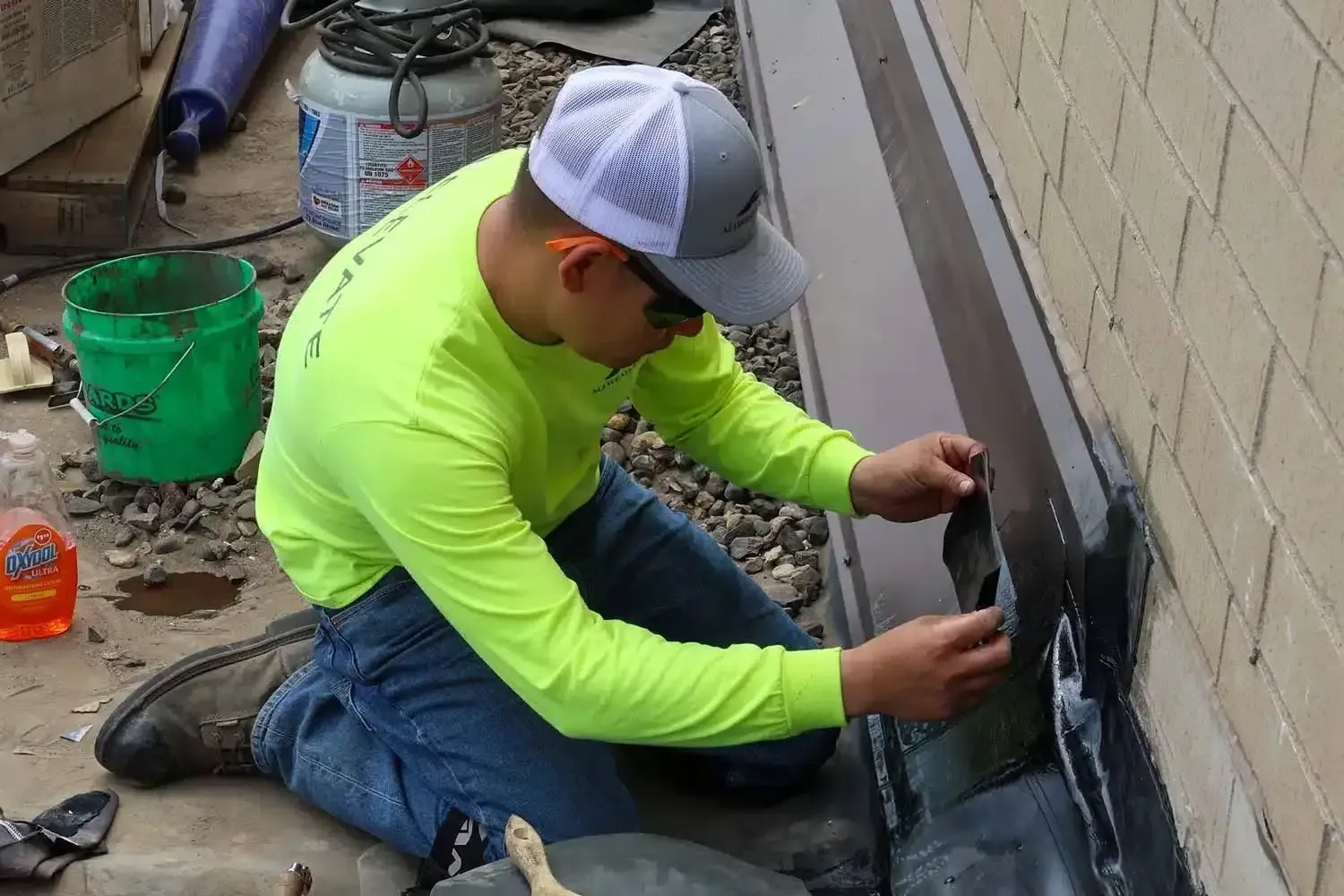
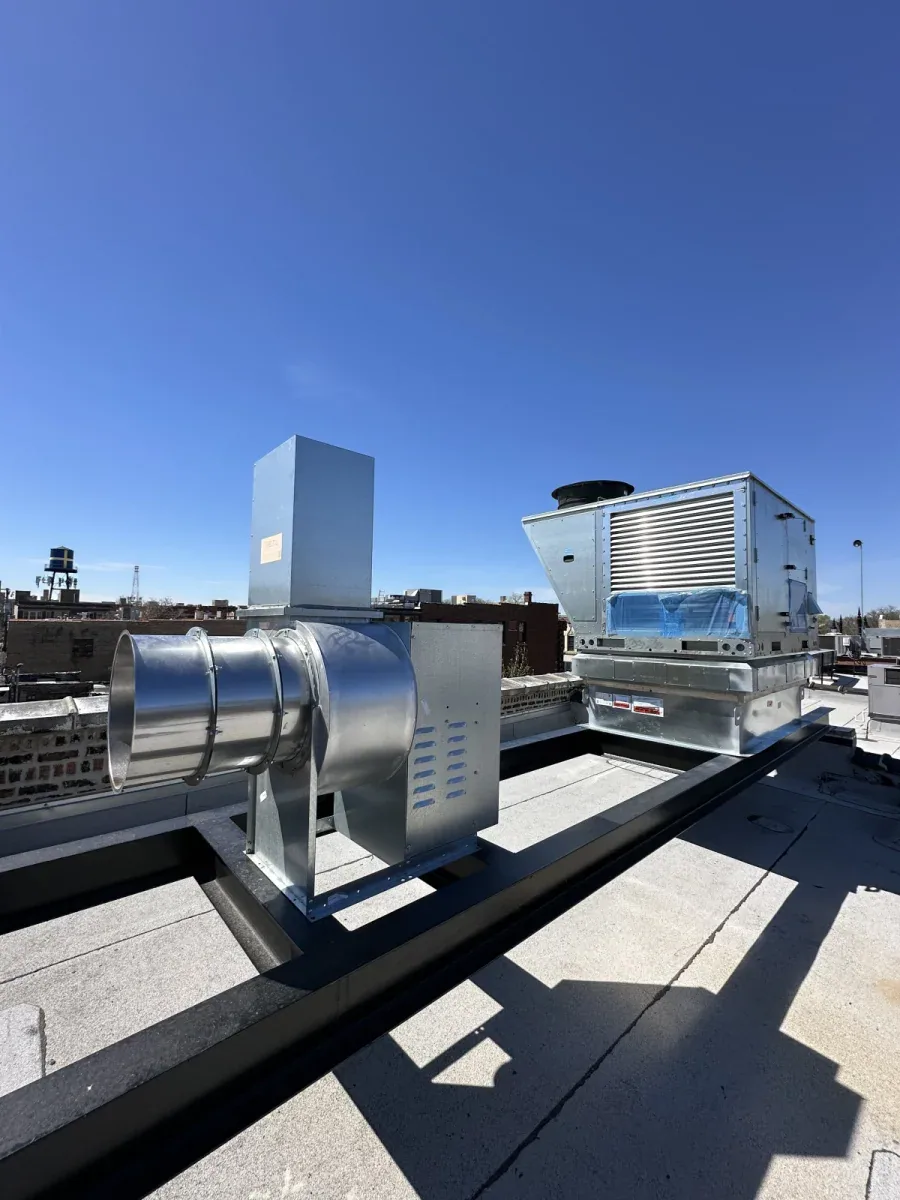
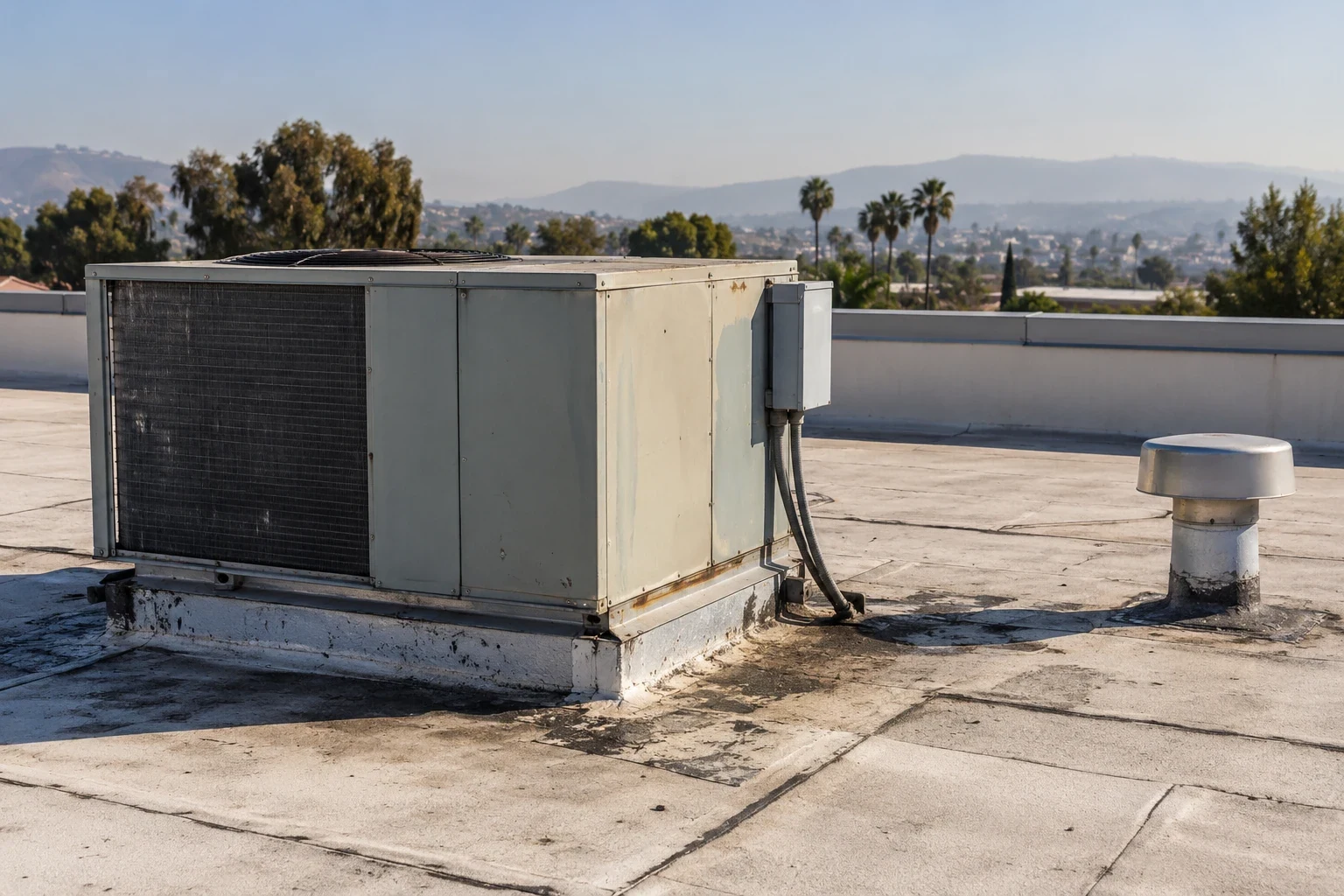
Grocery roofs can have refrigeration condensers, exhaust, HVAC, grease ventilation, plumbing vents, and electrical lines. Inspect each curb, pipe boot, support, and abandoned penetration near the report. A curb flashing can loosen as equipment vibrates or shifts during service. Condensate discharge or a blocked drain may wet the roof without a membrane failure. We record which condition is visible and where another trade needs to verify the equipment.
Technicians need routes to units that do not cross weak membrane or block drains. Confirm staging points, walk pads, ladder access, and service clearances with store staff. The curb and support assessment can specify flashing repairs and list adjustments that require the refrigeration or mechanical contractor.
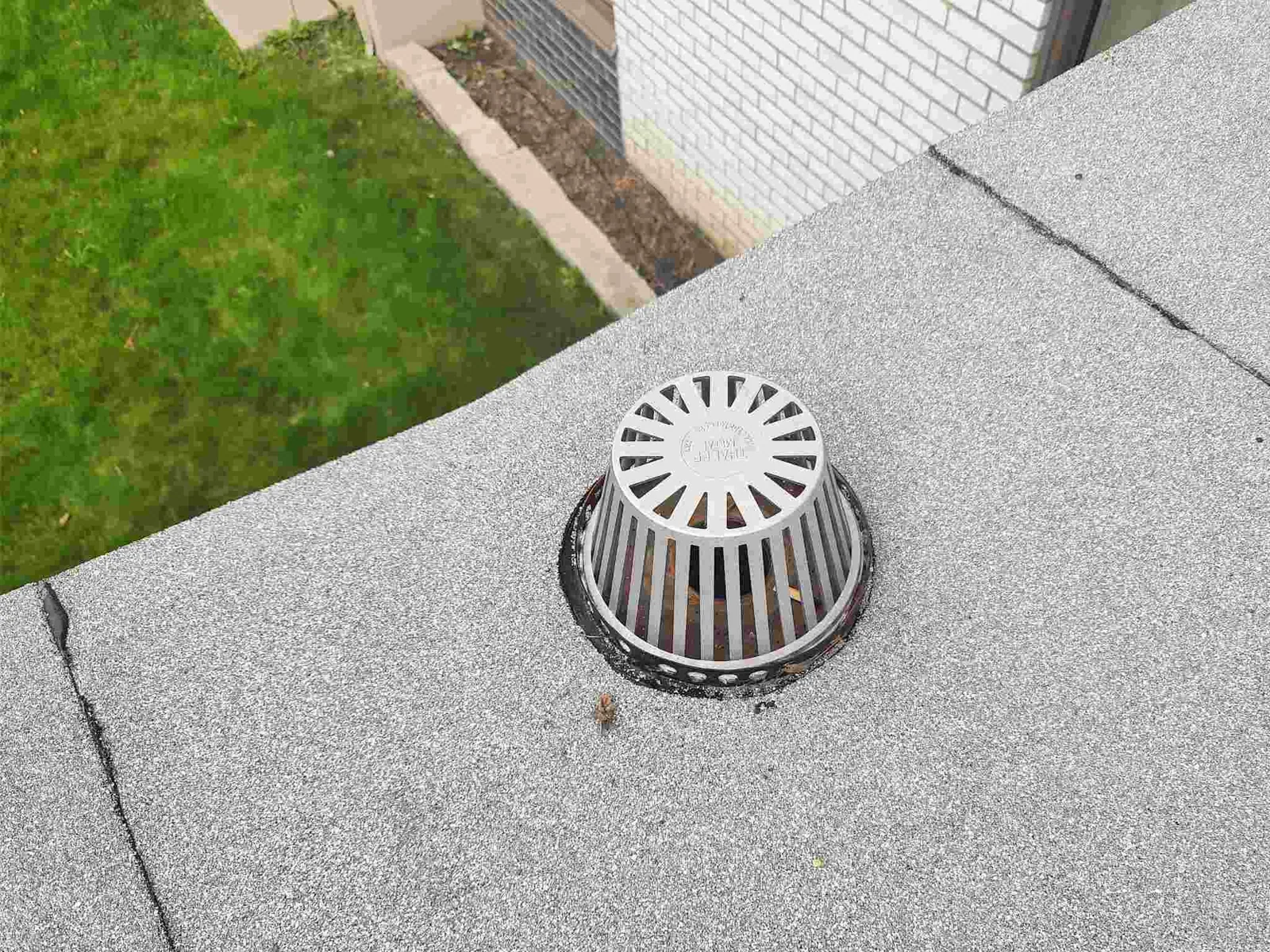
Drainage is especially important around equipment bases, pipe racks, and parapets where debris can collect. Check strainers, bowls, scuppers, overflows, and the surface slope. A drain repair should restore a clear water route and leave the outlet accessible for cleaning after closeout.
When a condenser or exhaust fan is replaced, the old curb may remain while the new unit uses different supports or service lines. Inspect all unused fastener holes and verify that abandoned openings have a permanent closure. Mark new line supports on the roof plan so future technicians know which surfaces may be crossed and where the membrane needs protection. Keep a service path clear of drain bowls and identify who resets walk pads after the unit work.

Schedule around receiving and customer traffic
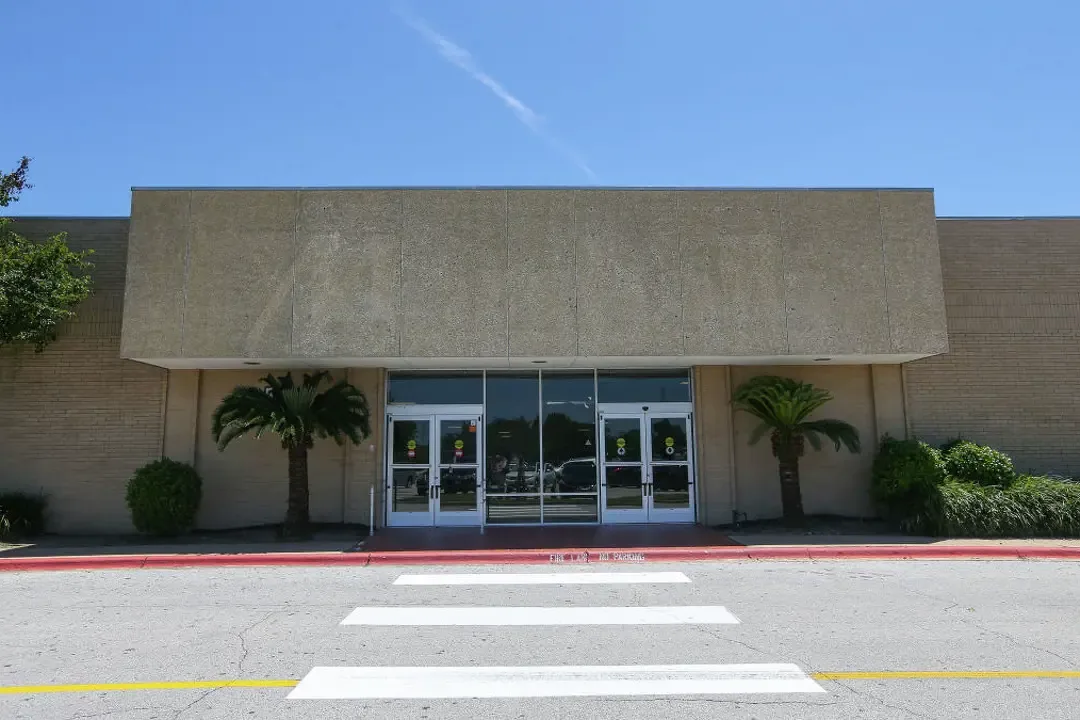
Grocery stores receive frequent deliveries and serve customers throughout the day. Review truck windows, produce or dairy deliveries, cart routes, accessible entrances, and fire lanes before setting a material drop or lift. Keep staging away from loading doors used for refrigeration equipment and waste removal. A work zone may shift during the day, so the manager should know who can authorize a route change.
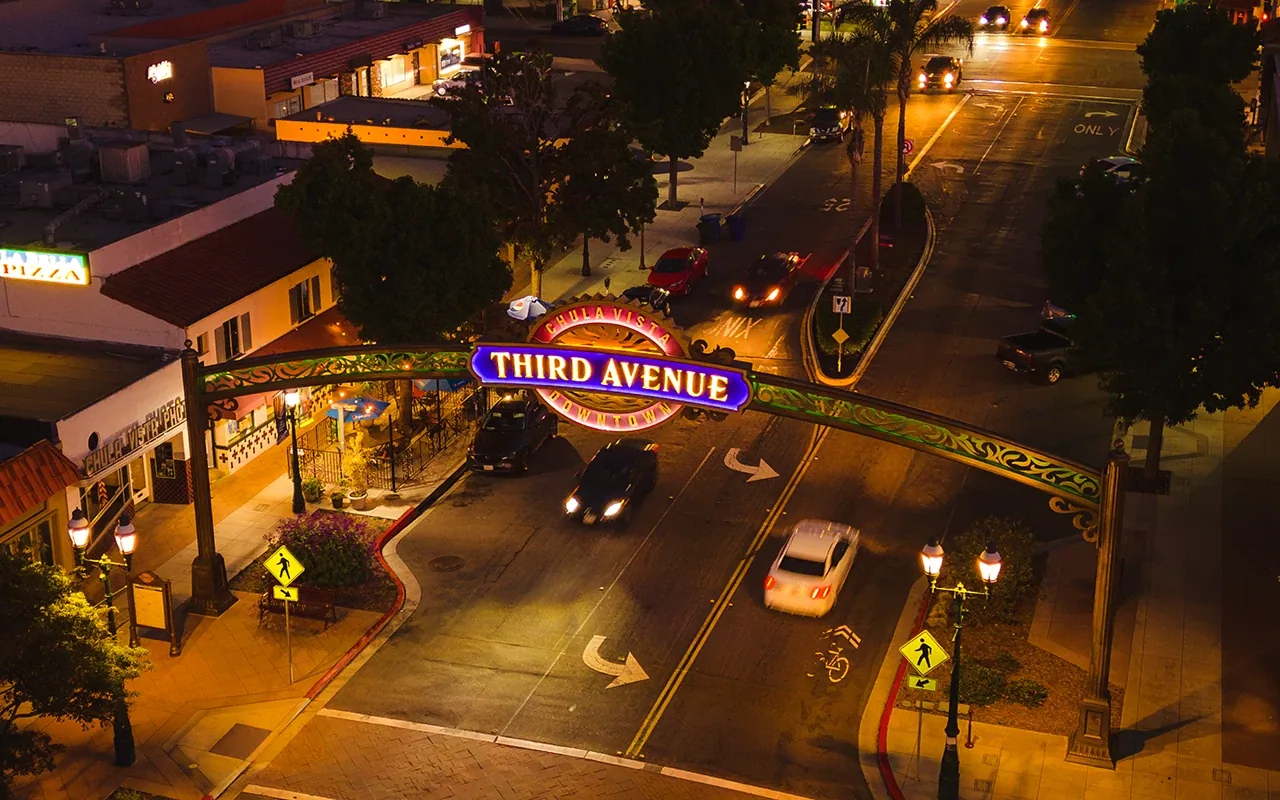
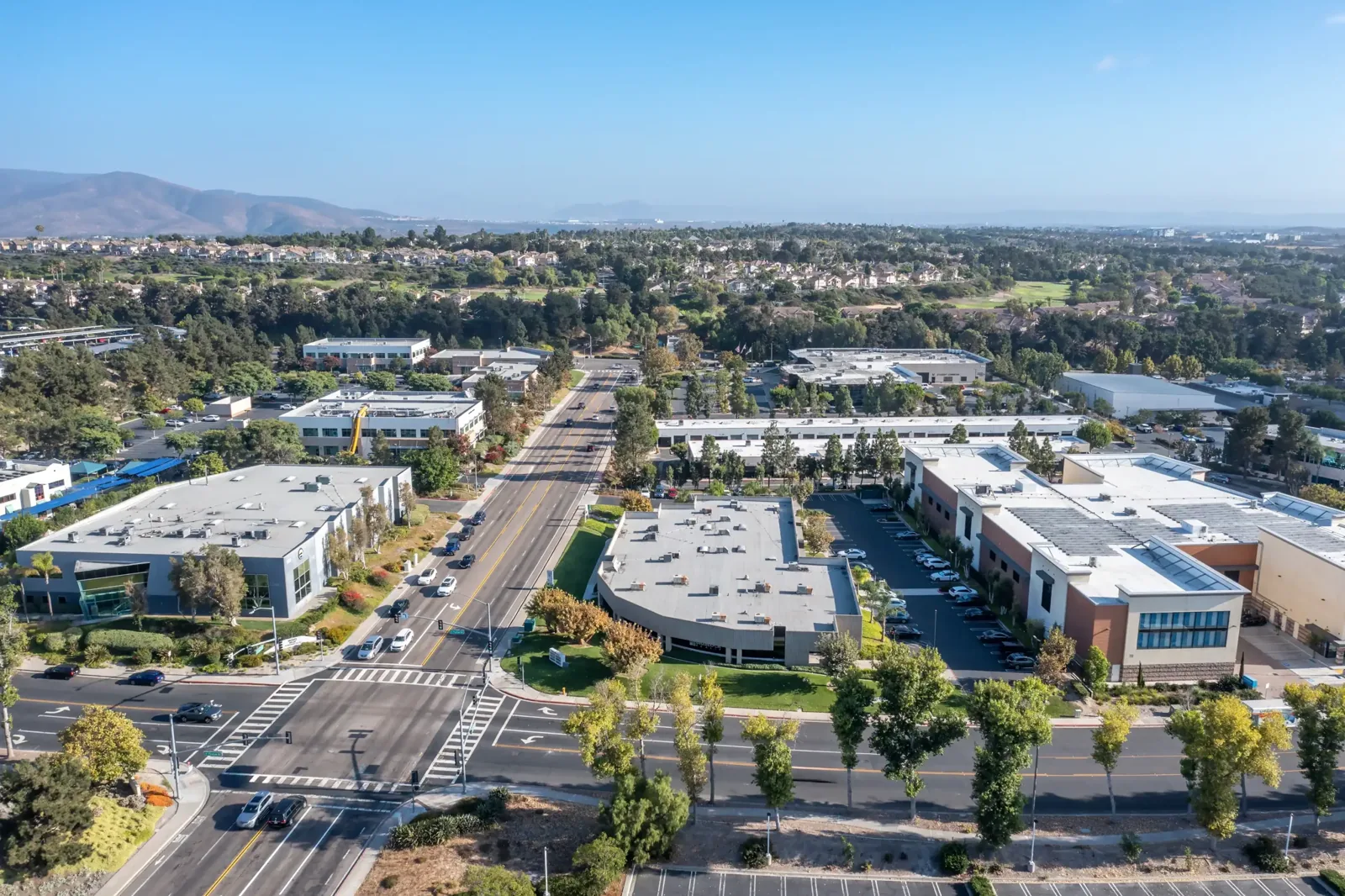
Third Avenue has shops, restaurants, and services, while Eastlake’s retail-commercial areas sit alongside industrial and residential uses. Deliveries, shoppers, and service routes can cross near roof work zones. We confirm the store’s delivery windows, cleaning shifts, overnight restocking, and nearby construction with management before setting lifts or material drops.
Noise and odor can affect shoppers, employees, and food-service areas. Schedule disruptive work with store management, use barriers around customer paths, and keep tools secured. If a repair requires a lift above parked vehicles or a temporary entrance closure, provide a clear start and finish window before mobilizing.
Separate a local repair from a roof renewal
A puncture or isolated flashing failure may be repaired when surrounding membrane, insulation, and attachment remain sound. Repeated leaks, widespread wet areas, open seams, or damaged deck can point to a larger project. We map defects by roof zone and compare the report timing with equipment service. A roof inspection can separate confirmed findings from conditions needing testing.
Recover work should not cover wet materials or obstruct drains, curbs, and equipment clearances. Confirm moisture, attachment, load, and finished height before adding a layer. Replacement provides access to concealed conditions but requires stock protection, temporary dry-in, debris control, and coordination with equipment trades. The replacement sequence should define work zones, interior safeguards, refrigeration coordination, and each shift's closure point.
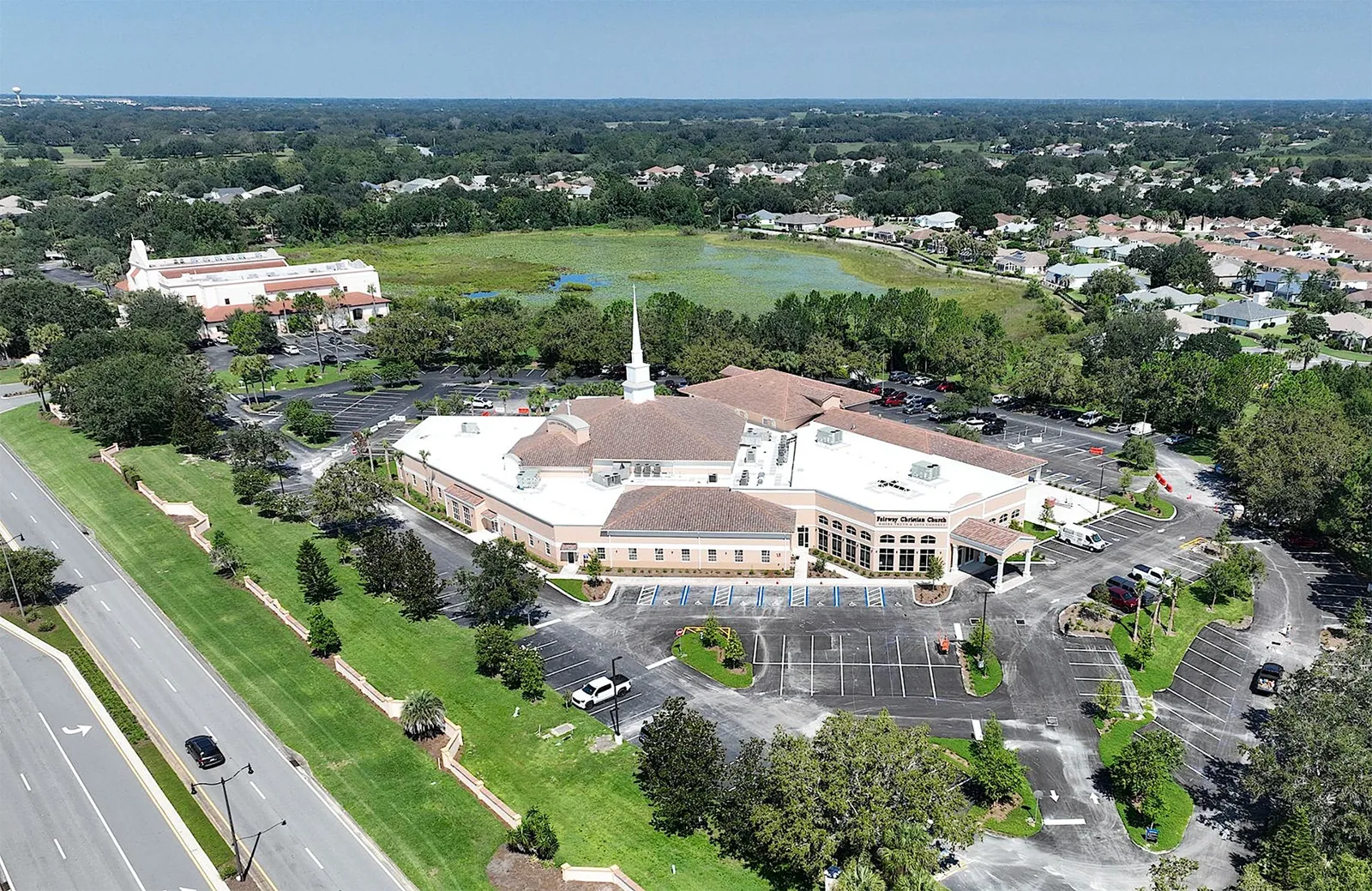
Big-box stores also have large retail operations, but the refrigeration and food-area controls at a big-box property may not match a grocery store. A shopping center roof may extend over separately managed suites. We use the property's actual equipment map, lease arrangements, and access plan to set the scope.
Keep the dry-in and maintenance record clear
Most regional rain falls in winter. Plan roof openings in sections that can be protected and closed during the same shift. Keep drains open, secure temporary tie-ins, and check the ceiling protection below before leaving. If conditions change, document the area that is complete, covered, or waiting for a suitable work window and update the store contact.
At closeout, photograph the repair, label the roof zone and room below, and record materials, preparation, and any test results. Closeout records state whether equipment remained operational and whether another trade needs follow-up. Store the record with the roof plan and refrigeration service history so a future leak report can be compared with the actual work.
Routine inspection should revisit drains, curb flashings, roof traffic paths, and areas affected by refrigeration service. After a unit replacement or line change, check abandoned penetrations and support points. Prompt attention to an open flashing or loose fastener can limit water reaching insulation and interior spaces.
To schedule a roof review, share the store plan, affected department, equipment contact, delivery windows, and available roof or repair records. We can trace the condition, set protection for food and stock areas, and explain a supported repair or replacement path.