Sort Calls by Store and Roof Zone
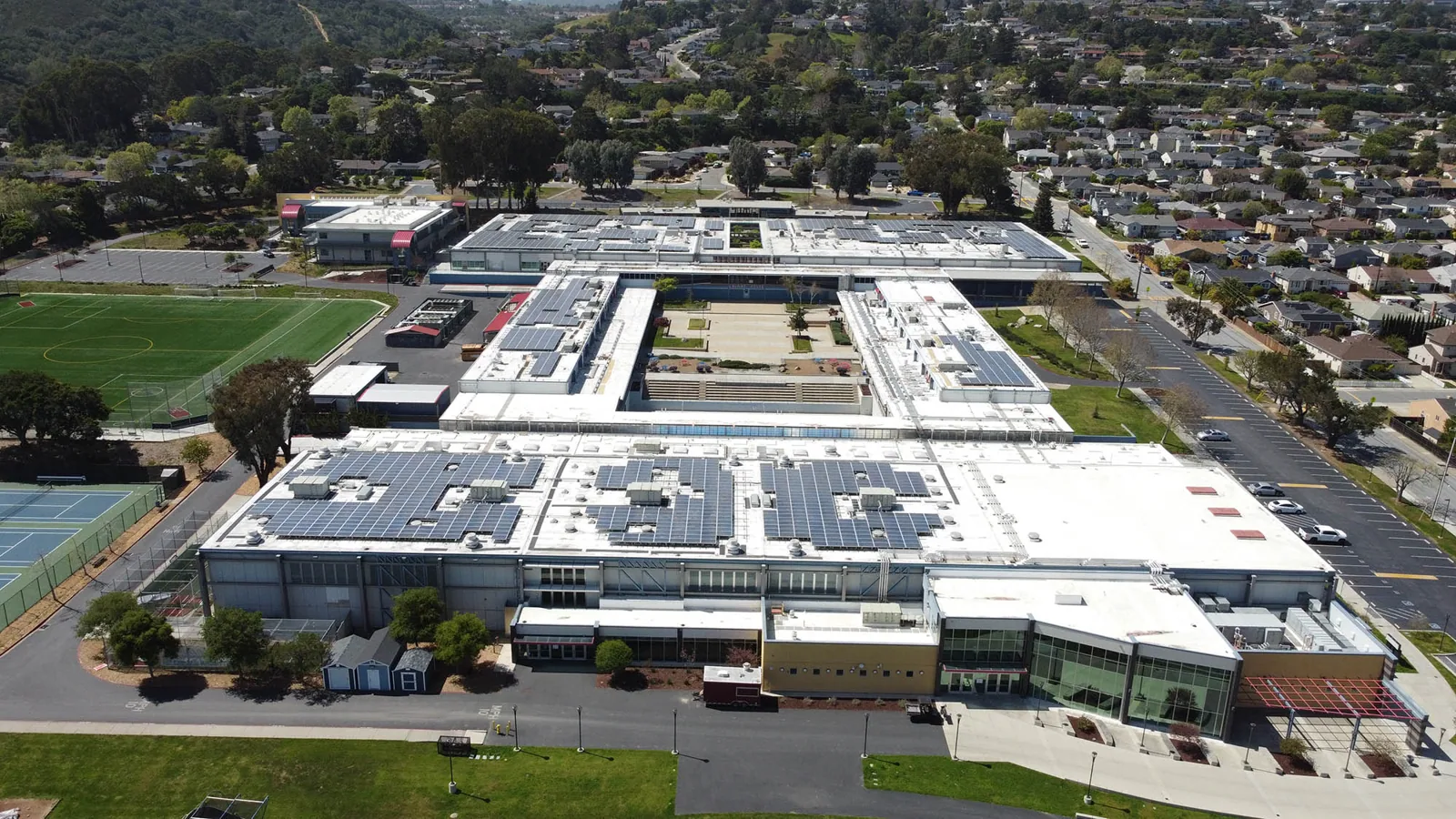
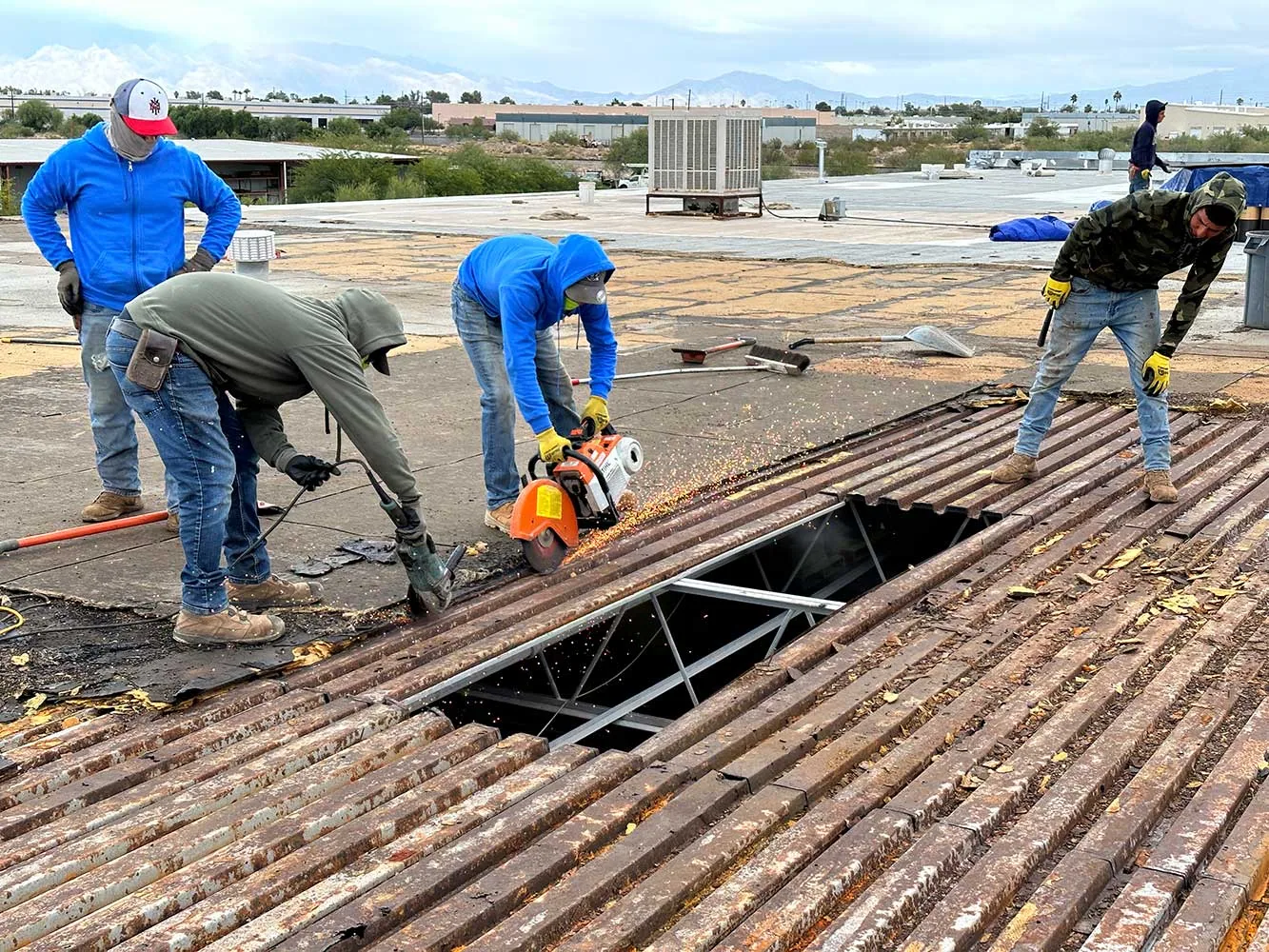
A multi-location operator needs each report tied to the correct store and roof zone. We compare the interior mark with roof seams, curbs, exhausts, drains, and prior repairs. Water may move along framing, deck flutes, or a conduit before reaching the sales or dining area. Photographs mark the visible ceiling condition separately from the likely entry. If insulation or deck cannot be assessed from the surface, we identify the test opening that would clarify the repair.
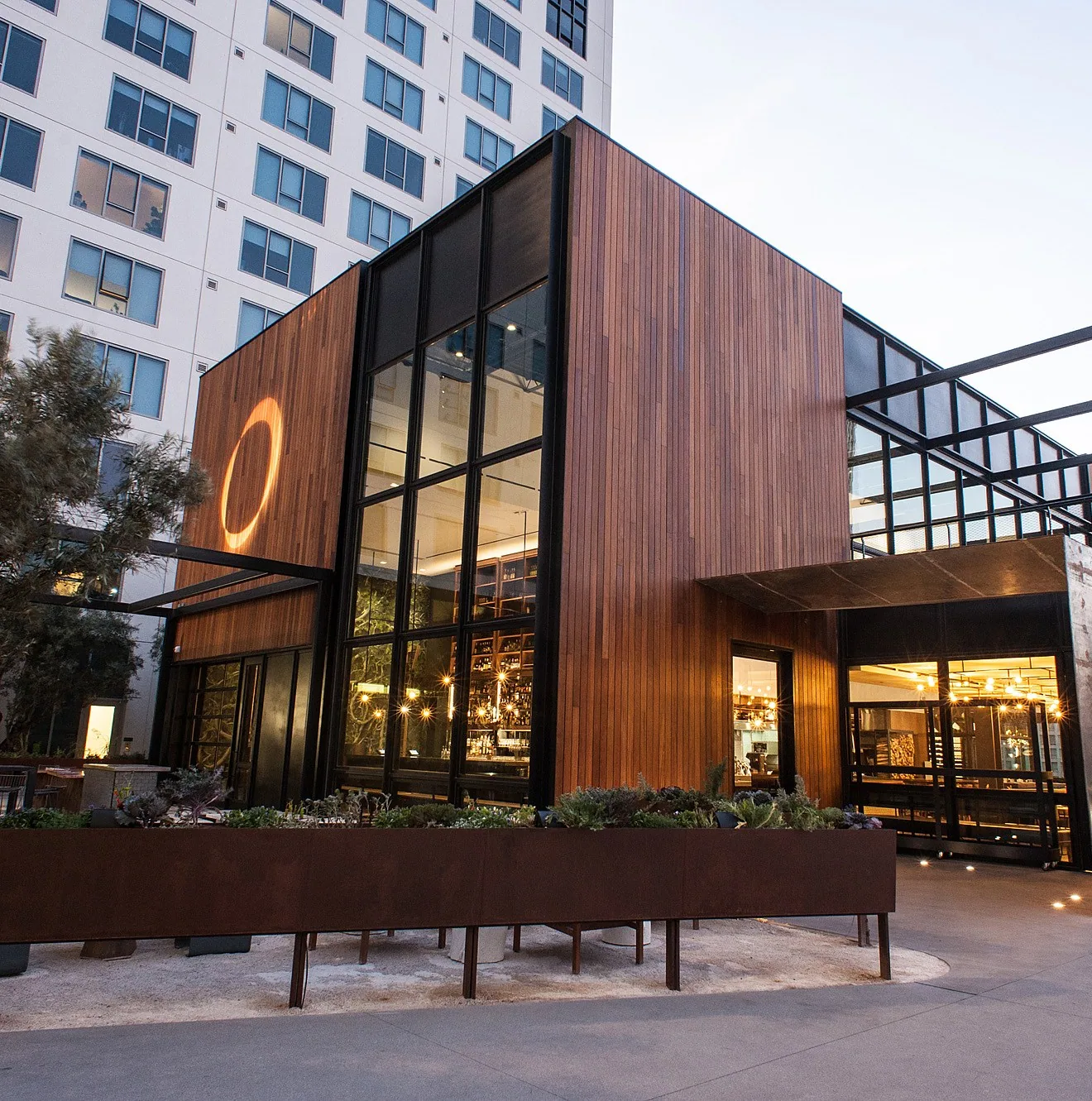
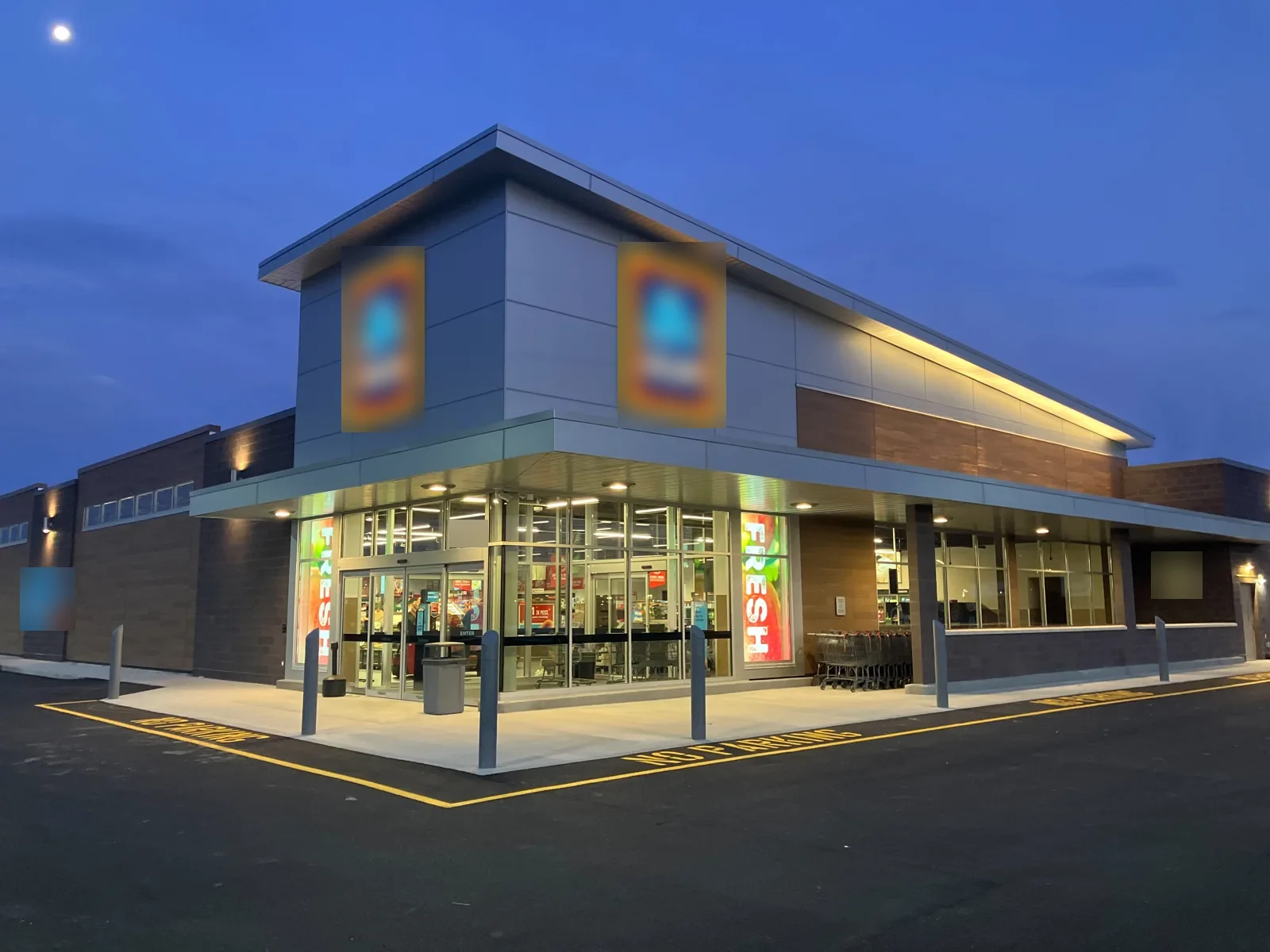
A property near EastLake Business Center may have a different receiving schedule from a store serving customers near Otay Ranch. We confirm whether stock arrives through a shared loading route or a separate service entrance, then record the customer entrance, trash path, and operating hours for that building. A restaurant roof may need coordination around kitchen exhaust and food-service areas, while a grocery roof can involve refrigeration and temperature-sensitive stock.
When a leak is active, emergency response is available overnight, on weekends, and on holidays. We protect the area below, secure the roof opening, and record the temporary work. The permanent repair is scheduled with the store contact after the assembly, operating limits, and any required approval are clear.
Keep Customer and Delivery Paths Clear
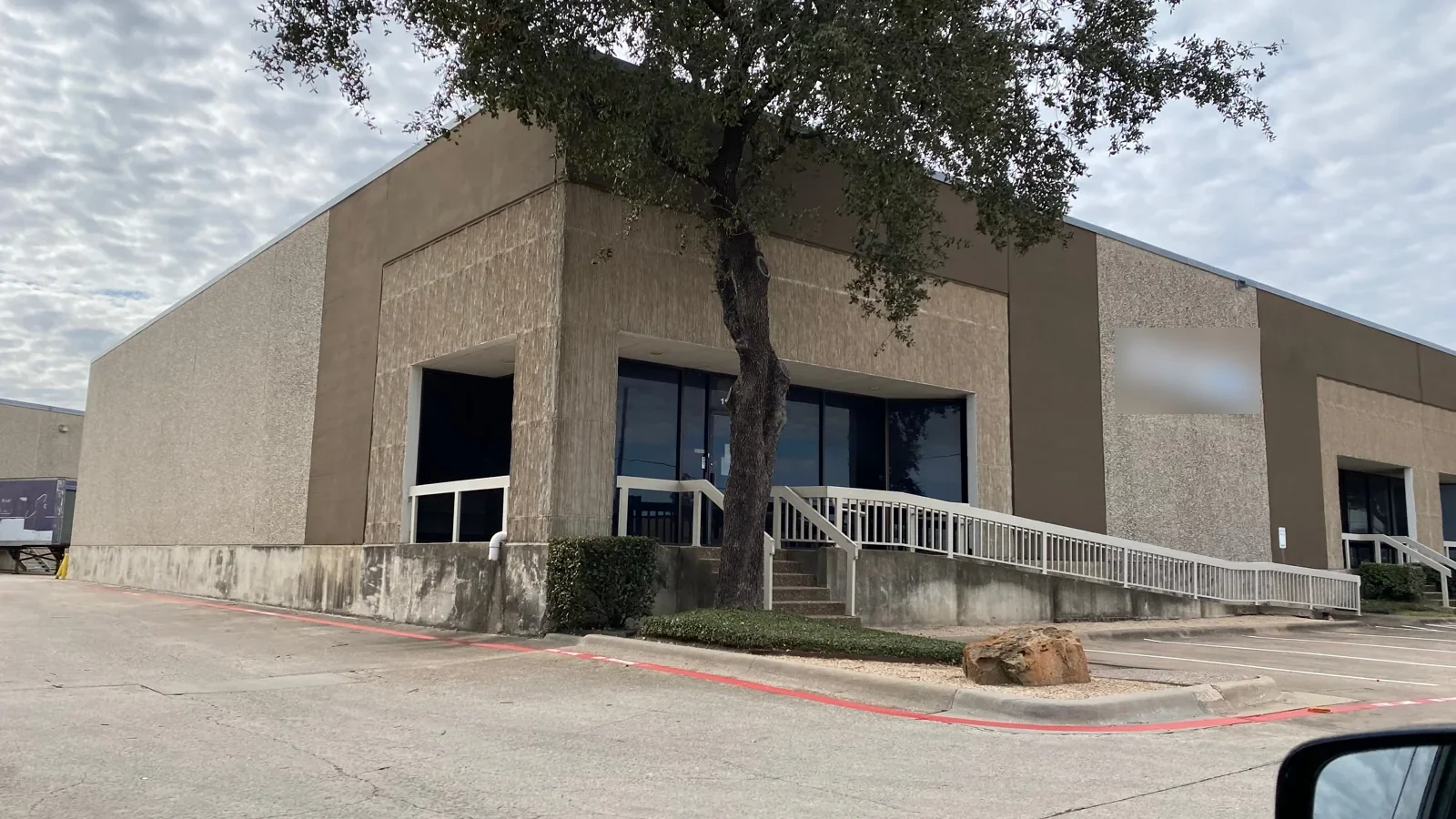
Roof work can cross public entrances, outdoor dining, delivery zones, or shared shopping-center access. The site manager identifies when a lift may arrive, where material can be staged, and which paths must remain open. We set barriers around overhead work and keep debris separate from customer and staff circulation. If deliveries change the window, the crew secures the current zone before moving to another part of the roof.
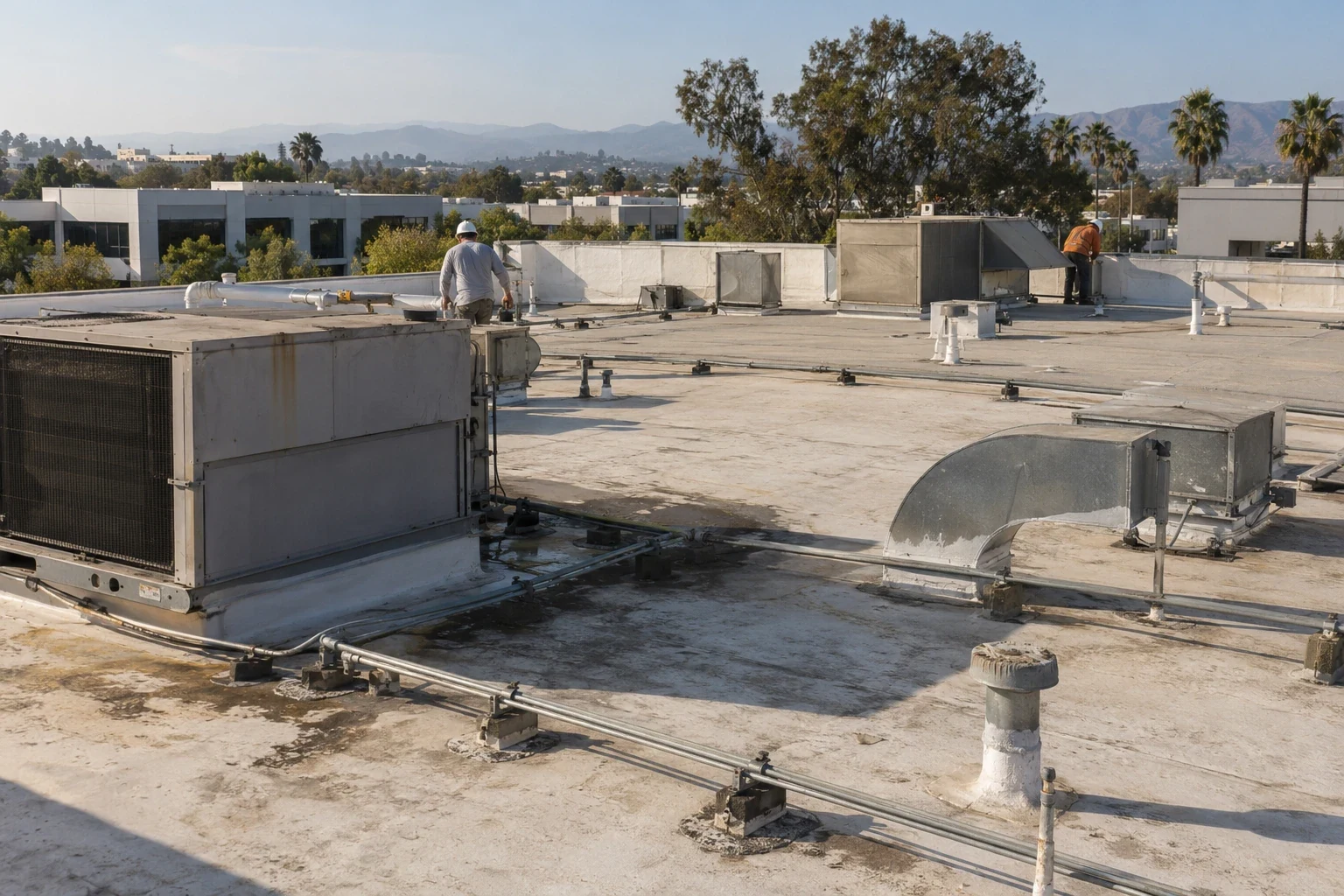
Restaurant equipment needs a careful interface. Exhaust fans, grease duct terminations, refrigeration lines, and rooftop units may remain active. We identify who controls a shutdown, what needs a temporary cover, and when the system can return to operation. The roofing crew does not disconnect a live service without authorization. A curb and equipment review can identify a failed transition without shifting mechanical work into the roofing scope.
Retail chains can coordinate multiple properties through property management teams or local store operations. Each property receives its own updated access plan and detailed roof condition record. That keeps a roof detail from one store from being copied to another building with a different membrane, deck, or equipment layout.
Follow Drainage Across the Store
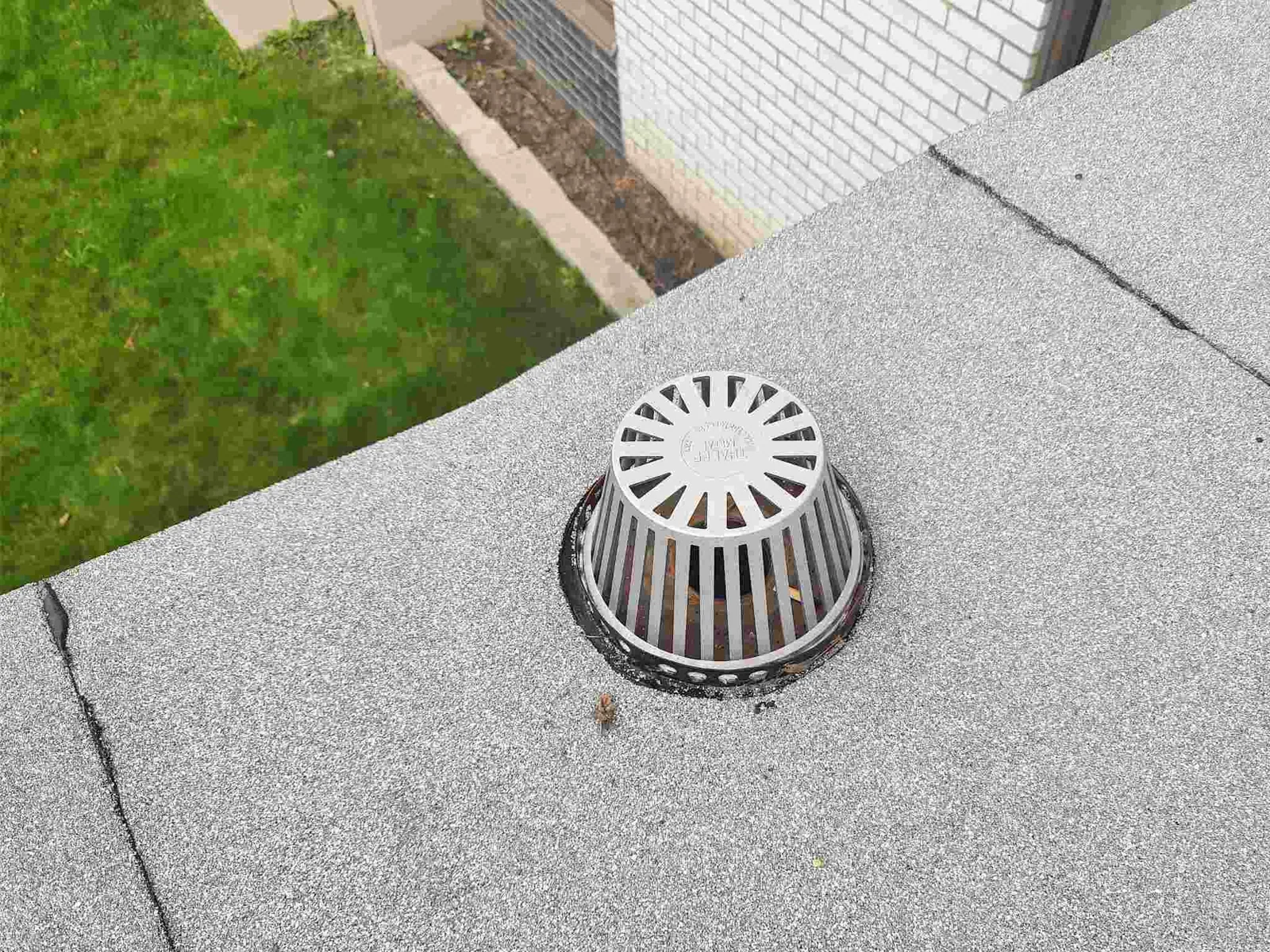
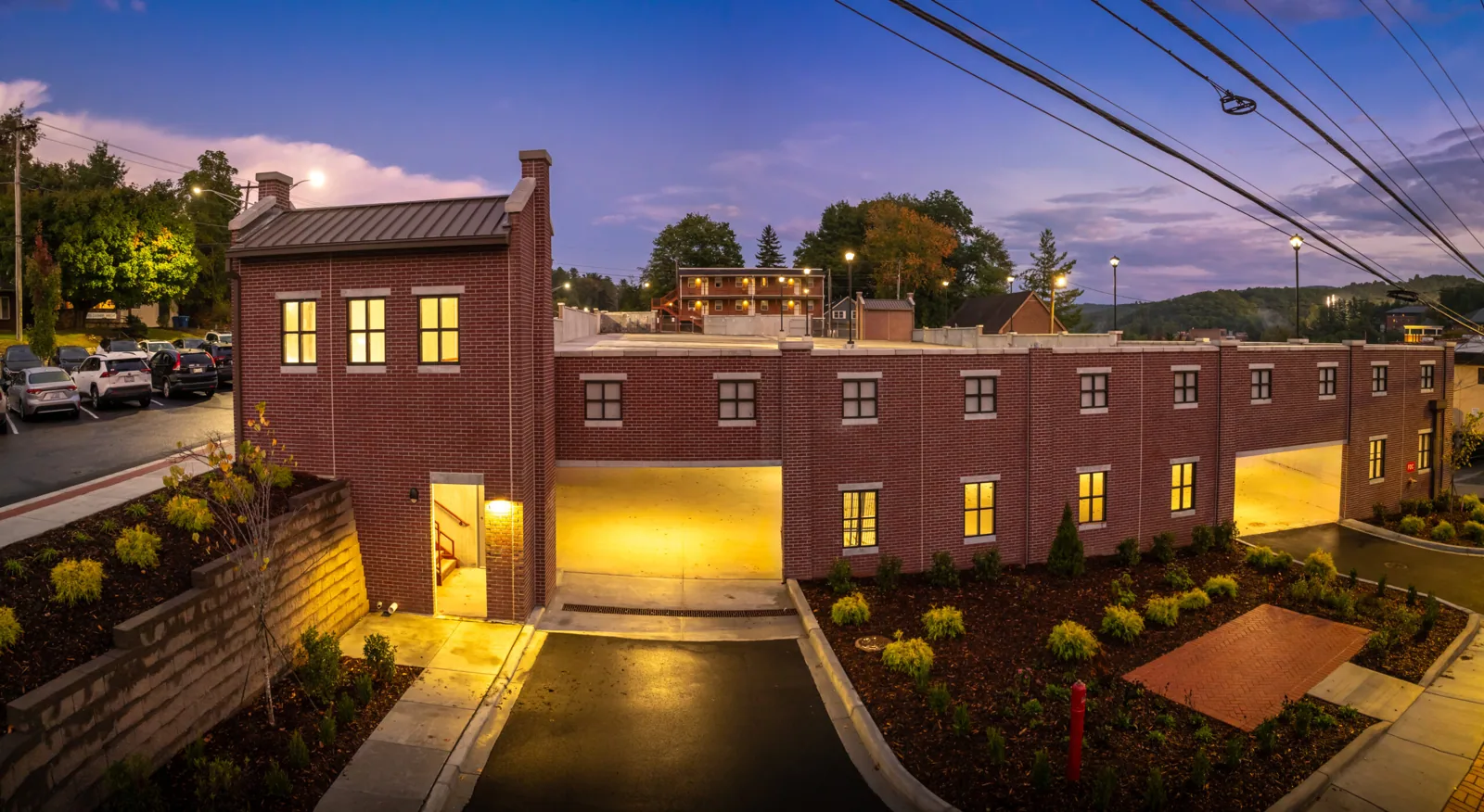
A blocked drain may cause ponding above a stock room even if the sales floor stain appears elsewhere. Inspection follows water from the roof low point through the outlet and overflow, including the membrane edge at each transition. A clogged outlet, settled insulation, and damaged deck require different fixes. Drain and scupper work can restore a restricted outlet; a low area may require testing or a slope correction. We label the location so store staff can report whether water returns after the work.
Chula Vista’s local business areas include western corridors and employment districts extending toward Otay Valley and Eastlake. The city’s commercial mix spans retail and service uses. We identify the installed assembly and coordinate the delivery and customer schedule with the manager before setting a repair limit.
Most San Diego-area rain falls in winter, while seasonal totals change from year to year. The forecast affects how much roof can be opened and when sealants or coatings can be applied. We protect exposed insulation and deck and complete dry-in before leaving. A seasonal pattern informs planning; inspection findings establish whether a seam, curb, or drain has failed. Staff can also record where overflow appears during the next rainfall.
Choose a Store-Specific Repair
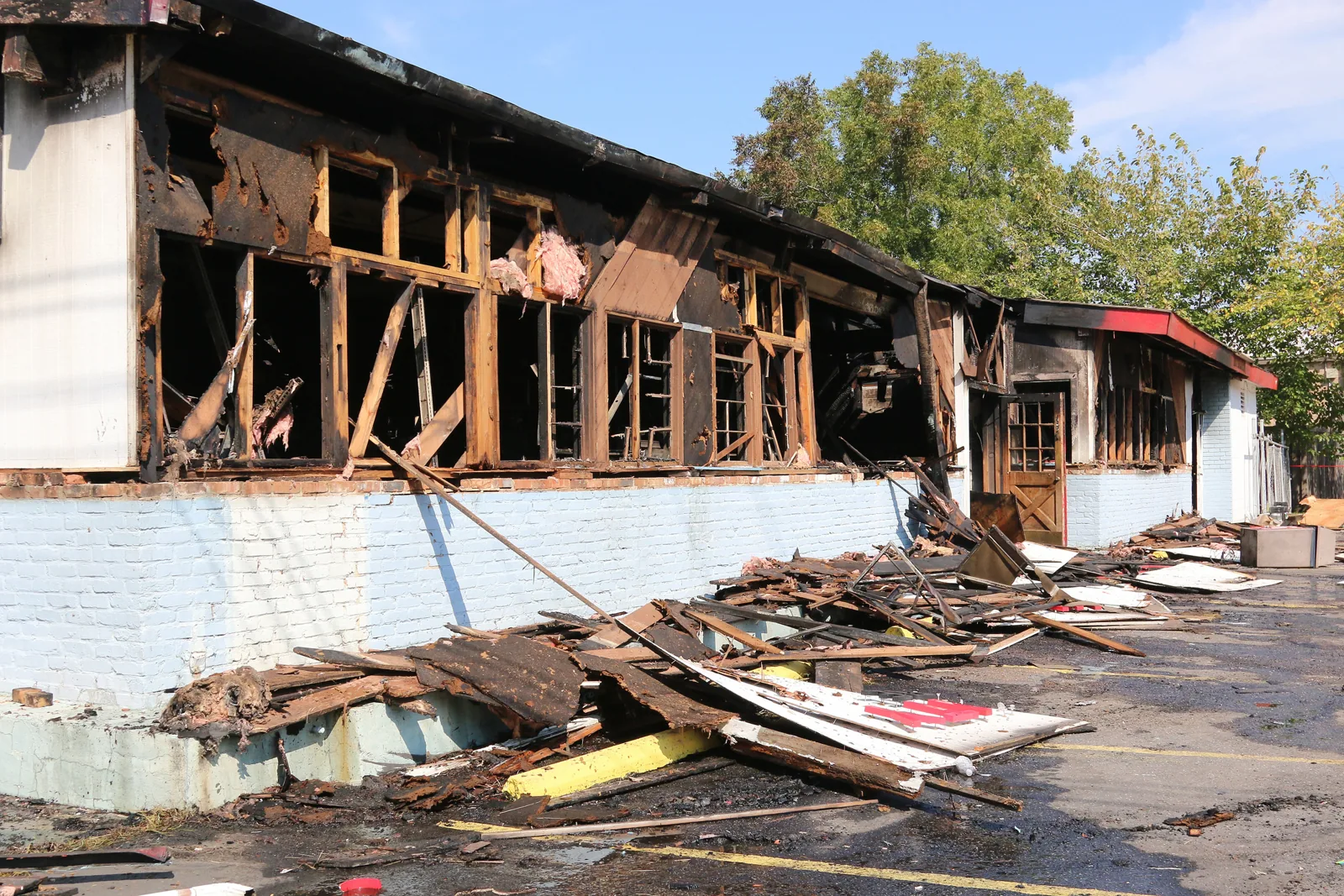
We identify the roof material and previous patches before applying a repair. TPO, PVC, EPDM, built-up, coating, and metal assemblies need different surface preparation and tie-ins. A patch over incompatible material may peel or hold water. Repeated seam failure, wet insulation, loose attachment, or damaged deck can point toward removal rather than another surface repair. We explain what is confirmed and whether a controlled opening is needed.
For a localized issue, targeted repair can keep unaffected roof areas in place. A recover may be considered when the assembly is dry, secure, compatible, and permitted. Replacement planning accounts for removal, insulation, edge details, drainage, testing, and store access. The recommendation states what the evidence supports rather than applying a chain-wide standard without inspection.
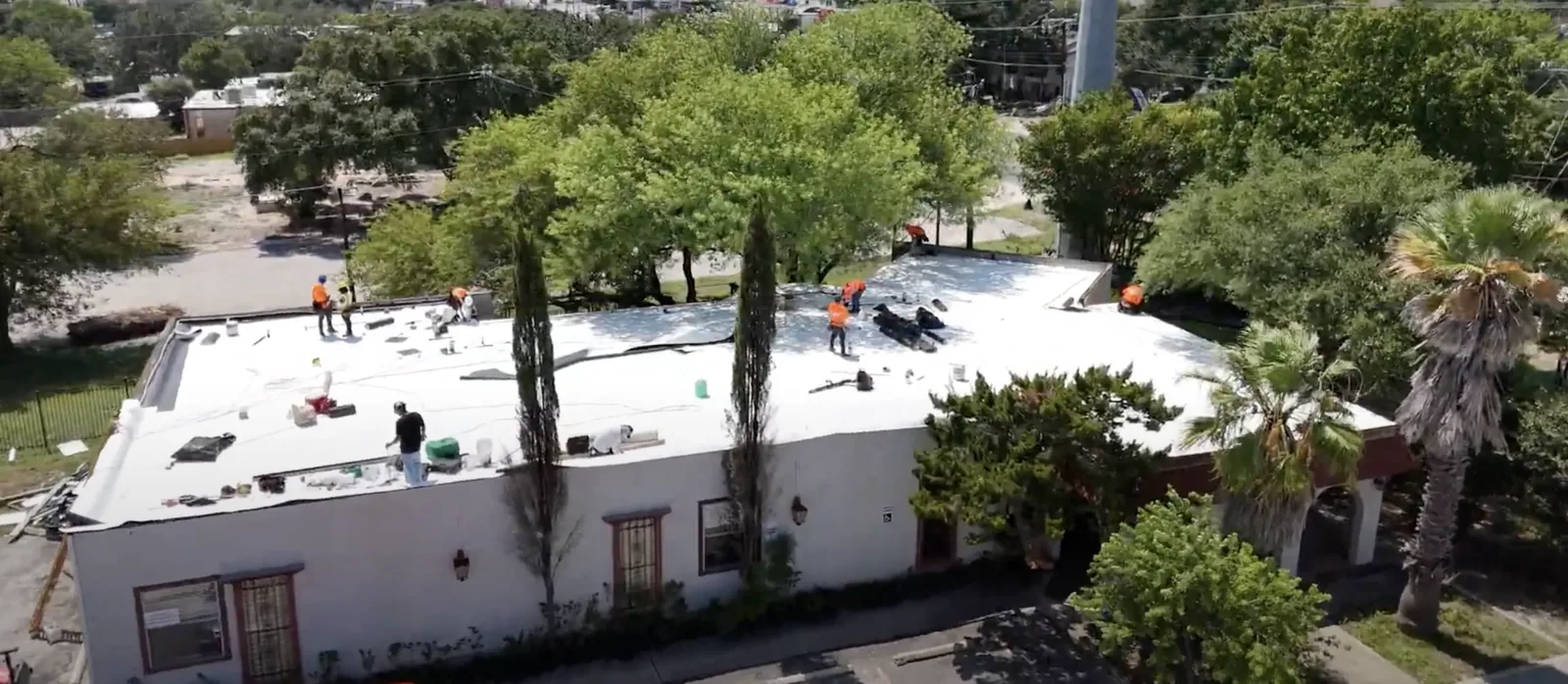
If a store remains open during work, phased roofing can separate the active roof zone from customer areas and kitchen operations. The daily plan identifies the barrier, lift route, and dry-in deadline. If a location cannot release an area, the crew does not shift into a different unapproved zone.
Carry Store Findings into the Chain Plan
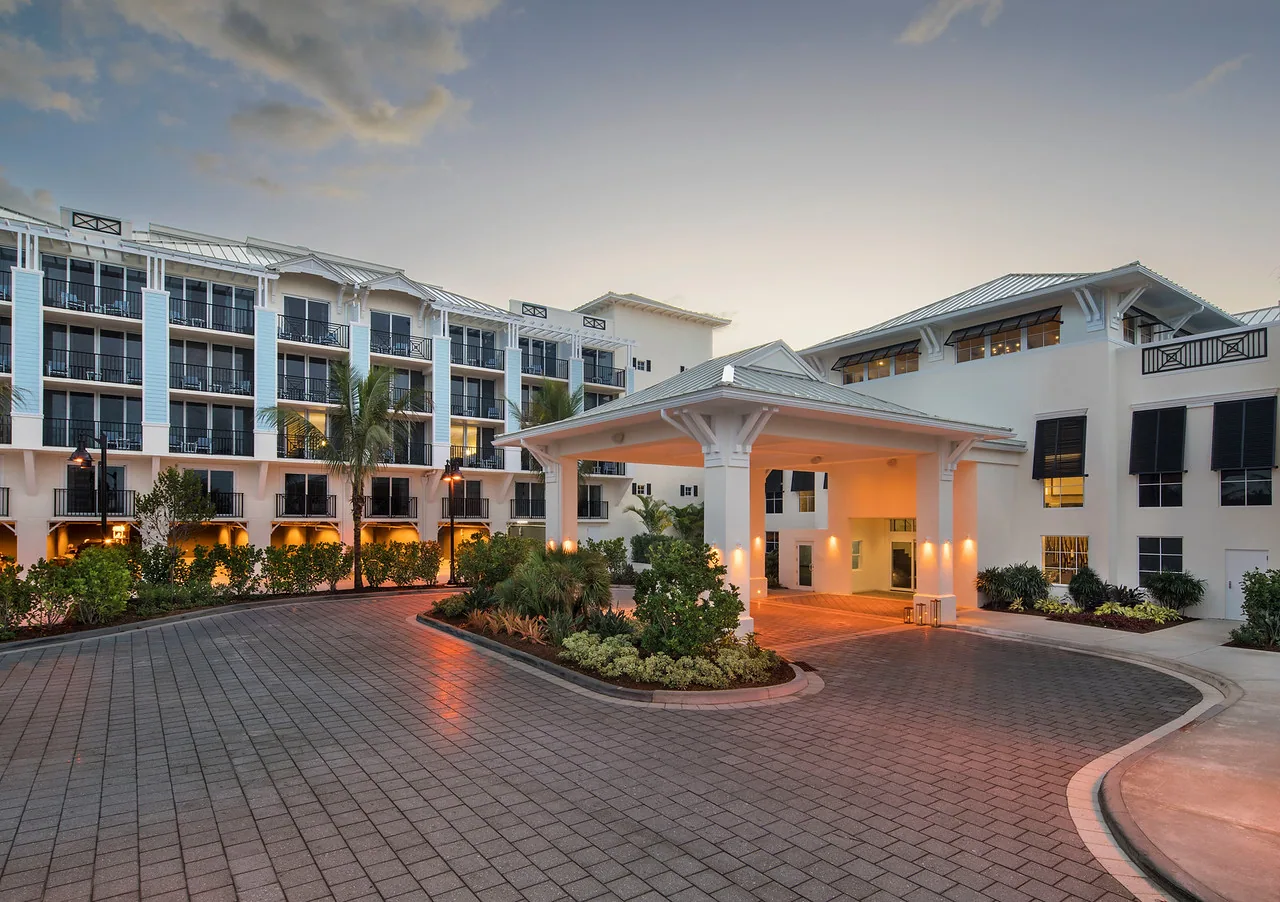
Each closeout record identifies the store, roof zone, assembly, failure point, repair material, and photographs. The report lists open items, such as a test result, mechanical trade action, or area that was not released. A hospitality properties can compare recurring issues while preserving the specific condition at each property.
Cost and timing depend on roof area, access, system, lifts, removal depth, equipment shutdowns, delivery timing, and whether stock or dining areas need protection. A curb patch and a full roof replacement are different scopes. We state confirmed work separately from allowances or conditions that could change after opening. This makes it easier for operations, facilities, and ownership to review the same evidence.
Share the store list, affected areas, operating and delivery hours, roof plans, and local access contacts. We will inspect released roof zones, document the likely water path, and outline a repair sequence that keeps customer routes and store operations in view. For a retail property near the Broadway commercial corridor, the service route and store entrance will be confirmed with the manager.