Protect the kitchen and dining area
Locate the room or station affected by water before planning an opening. A stain over the dining room may trace to a vent or curb beyond the kitchen, while water over a prep area can affect equipment and food handling. We map the reported space to roof details and agree on covers, access limits, and any temporary closure with the restaurant contact.
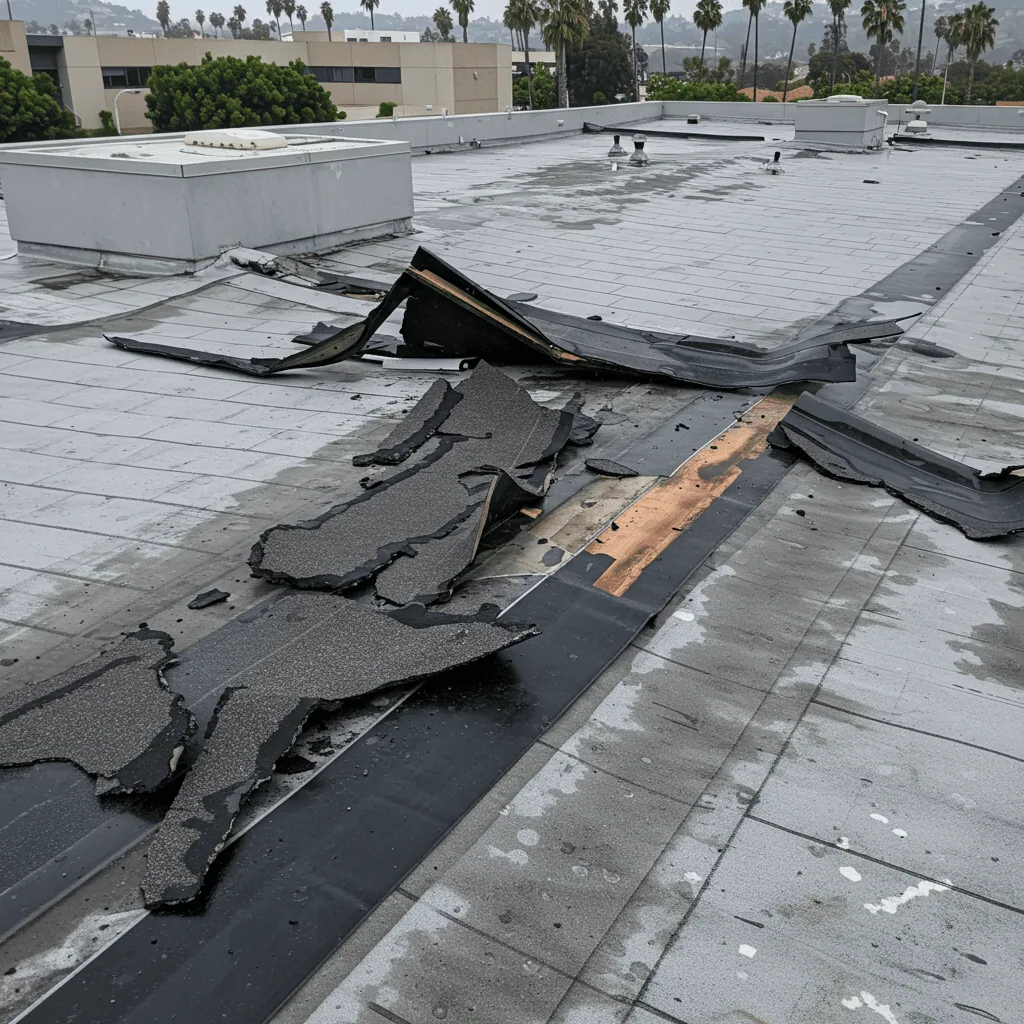
Opening a roof above active cooking can release dust or debris near food, utensils, or ventilation. Set the interior protection before removal and keep the roof opening to a section the crew can close that day. If the inspection reveals wet insulation or a damaged deck, secure the opening and review the additional work boundary before removing more material.
An active leak that threatens kitchen operations can receive emergency attention overnight, on weekends, or during holidays. Temporary protection limits immediate water entry, but it should not be confused with the permanent repair. A commercial emergency repair record should state the affected space, roof zone, temporary materials, and the next inspection or repair step.
Inspect exhaust hoods, vents, and rooftop units
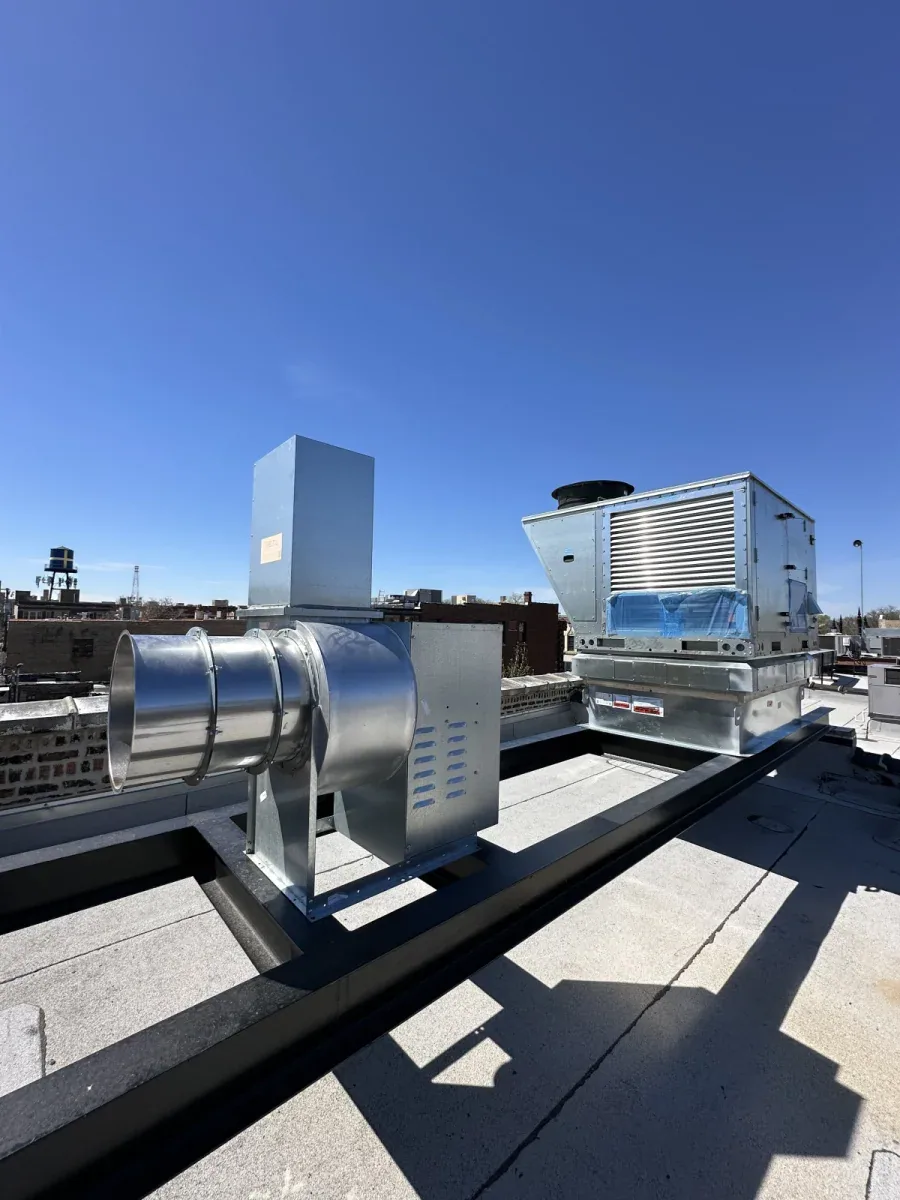
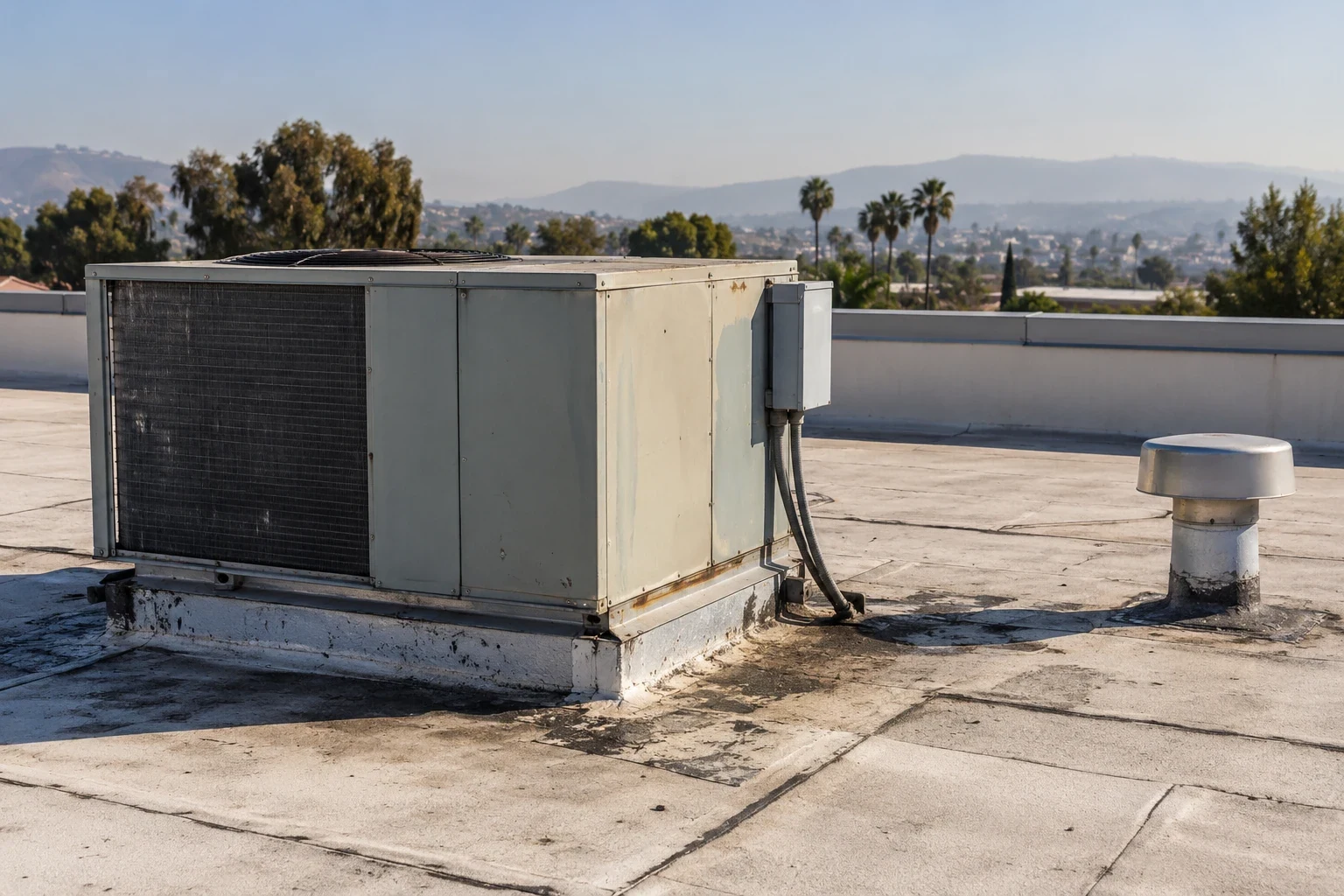
Kitchen exhaust and make-up air equipment create curbs, ducts, fans, and service access points. Inspect curb corners, base flashing, grease-related surface residue, fasteners, and transitions where metal meets the membrane. Grease deposits can complicate surface preparation, so clean and test an area before applying a patch or coating. The roofing detail needs a sound attachment and compatible material, not a sealant bead over a loose edge.
Exhaust work may require another trade to lift or disconnect a fan. Confirm who has shutdown authority and whether the restaurant can operate during that period. Roofing crews do not move active cooking equipment without direction. A curb and support review can separate the flashing repair from mechanical work and show where a unit change affects the roof.
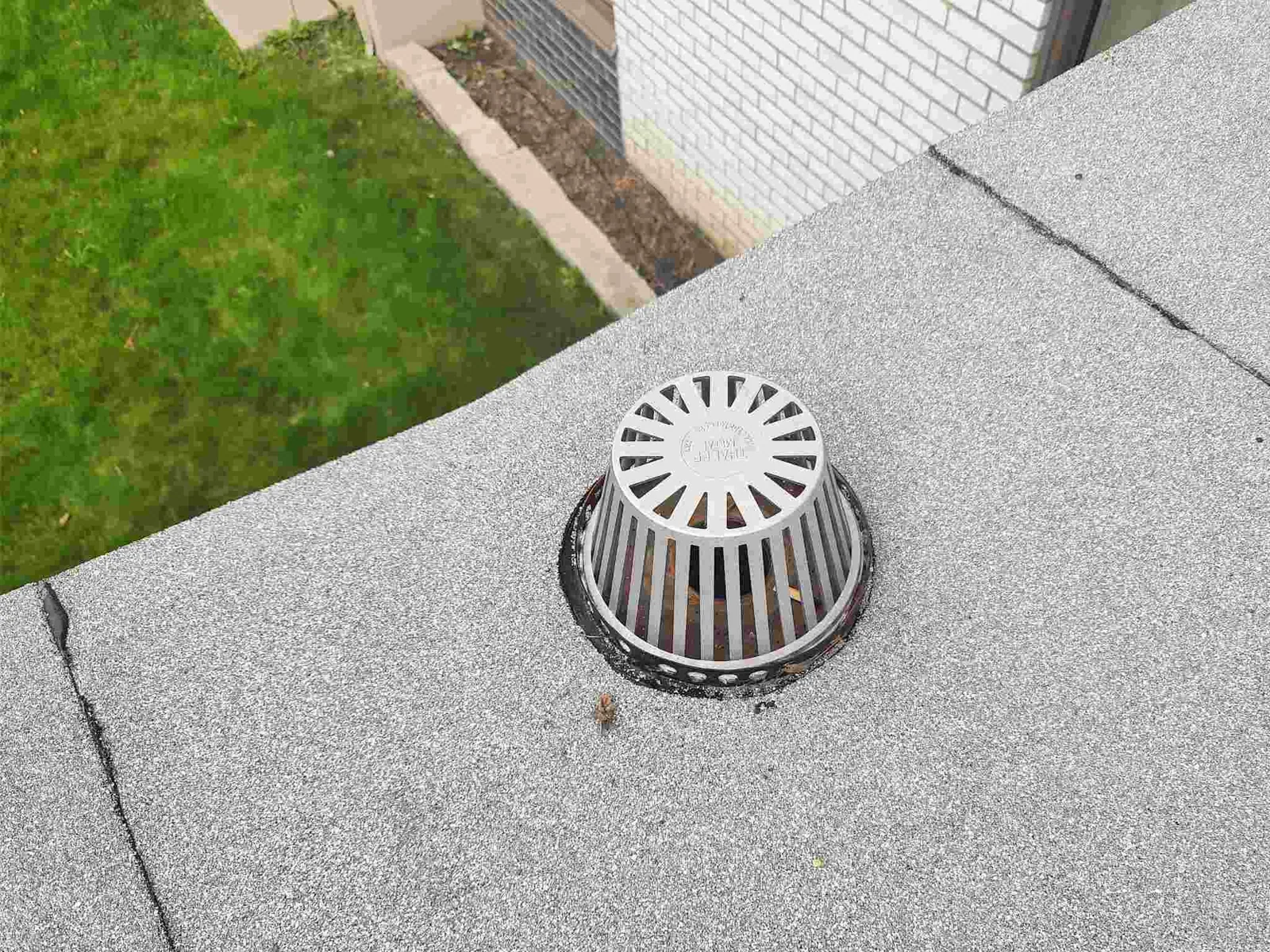
Check nearby drains and the water route around duct supports. A duct can block flow or collect debris at a low area, while grease or cleaning residue can make a walking surface slippery. Keep inspection access clear and document any condition that requires a specialist cleanup before roofing work resumes.

Plan work around deliveries and service
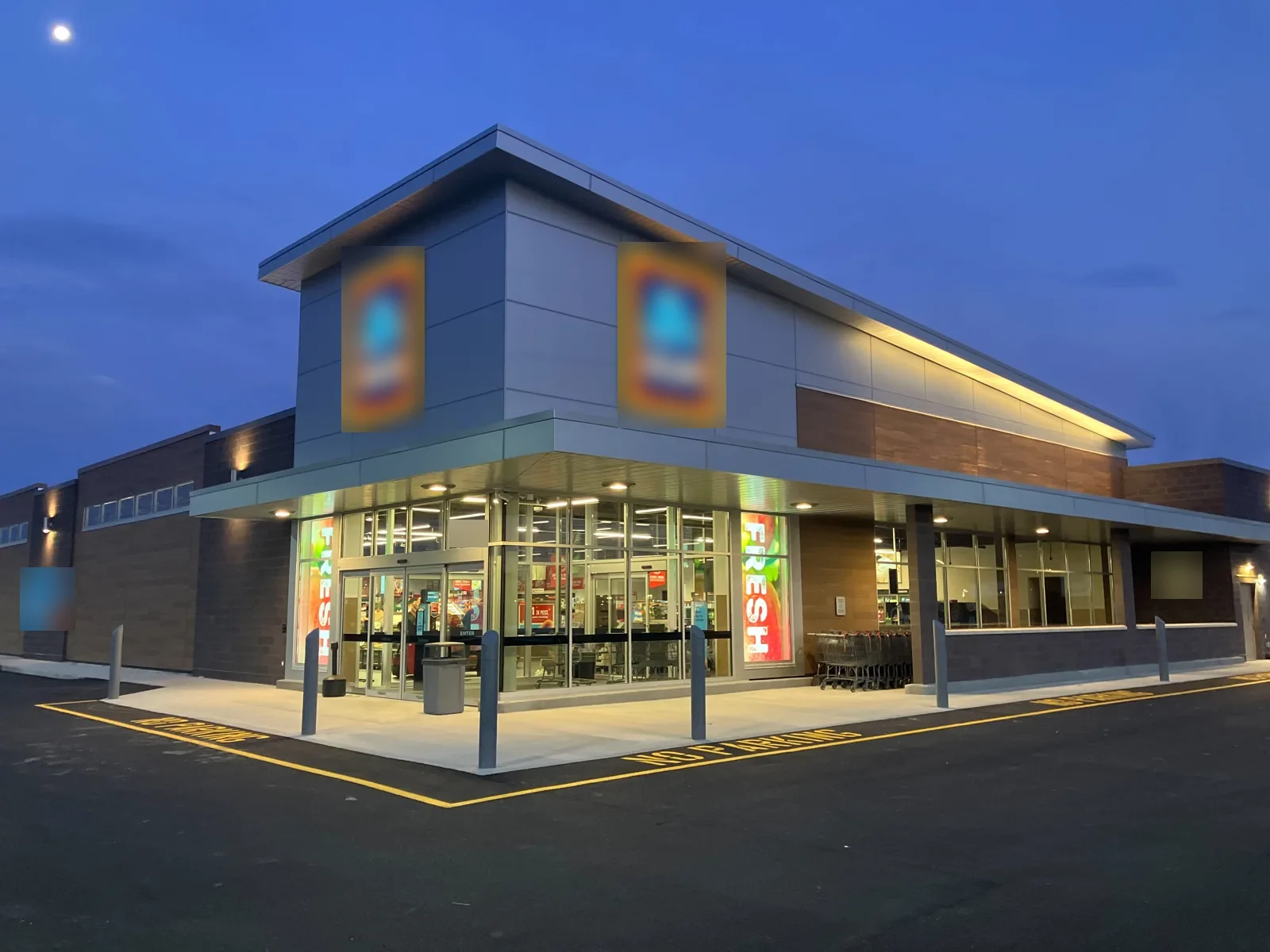
Restaurant operations often have separate delivery, waste pickup, opening, and cleanup windows. Confirm when a truck can enter, where material can be staged, and which doorway or patio must remain open. If a lift occupies parking or a sidewalk, agree on barriers and notice before mobilization. Keep emergency access and customer routes clear or define an approved temporary diversion.
Third Avenue includes shops, restaurants, services, and community activity. The Bayfront plan adds restaurant and marina-support uses to a broader commercial mix. Those settings can make pedestrian and loading coordination relevant, but they do not establish a particular restaurant's hours. The manager confirms current service windows, events, patio use, and neighboring work.
Noise, odor, and rooftop ventilation changes can affect customers and staff. Schedule loud removal or equipment adjustments outside meal periods where possible. If the exhaust system must be off, confirm the permitted duration with restaurant operations and the mechanical contact. The crew should not leave a duct open or a roof penetration exposed between shifts.
Trace drainage and find the actual entry
Check drains, scuppers, overflows, and any low point near the exhaust curb. Debris from nearby service work can clog a bowl, and a raised patch may slow runoff. A drainage check should distinguish a blocked outlet from a failed membrane connection or a change in slope.
Water can move under a roof membrane before it reaches a ceiling or wall. Compare the reported time and room with the roof plan, seam direction, curb flashing, and drain path. If the location remains uncertain, moisture testing or a controlled opening may establish whether the insulation is wet. A roof inspection should record what was visible and what still needs confirmation.
Most regional rain occurs in winter. Set removal limits so exposed layers can be protected before the end of a shift. Check temporary edges, clear outlets, and protect the kitchen below if a weather change delays the permanent detail. Leave the contact a clear account of the roof area that is open, covered, or complete.
Compare repair and replacement on the same scope
A local puncture or failed curb may be repairable when nearby membrane and substrate remain sound. Repeated leaks, several failed penetrations, wet insulation, or damaged deck point to a broader review. Map each condition and compare repair with replacement using the same roof zone, equipment assumptions, and protection requirements.
A recover can reduce tear-off but should not cover wet or unstable material. Confirm attachment, moisture, drainage, finished height, and compatibility before adding a layer. Replacement lets the team inspect concealed areas but adds debris control, temporary protection, and equipment coordination. A replacement plan should name the exhaust and curb details, kitchen protection, delivery route, and daily dry-in point.
Restaurant roofs share equipment concerns with groceries, but the kitchen exhaust and dining schedule differ. A grocery roof assessment may focus on refrigeration and stock, while a shopping center repair can coordinate several tenants. The actual roof system and service plan guide this property's scope.

Leave maintenance staff a practical record
After repair, inspect the membrane, curb corners, penetrations, drains, and any temporary closure removed. Photograph the finished detail and mark its roof zone and room below. Record materials, preparation, equipment coordination, and any return visit. If another trade owns an unresolved exhaust or duct condition, identify that handoff so the roof is not treated as fully cleared.
Maintenance should revisit drains, grease-exposed areas, service routes, and prior leak locations. After exhaust cleaning or fan replacement, check for cuts, dropped tools, loose fasteners, and abandoned openings. A roof plan with photographs helps the next crew find the same curb or drain without opening additional areas.
To schedule a restaurant roof assessment, share the affected room, service and delivery windows, roof access contact, and equipment records. We can trace the condition and plan a protected visit that considers food areas, ventilation, and customer operations.