Keep Guest Routes and Work Zones Separate
Hotel work succeeds when the front desk, engineering staff, housekeeping, food service, and roofing crew share the same daily boundary. Before opening a roof area, we confirm which rooms are occupied, where guests and staff circulate, and how deliveries reach the service side. The plan marks the lift position, protected entrance, debris route, and quiet periods. If a corridor below cannot be closed, we choose another roof zone or a different sequence instead of treating the disruption as unavoidable.
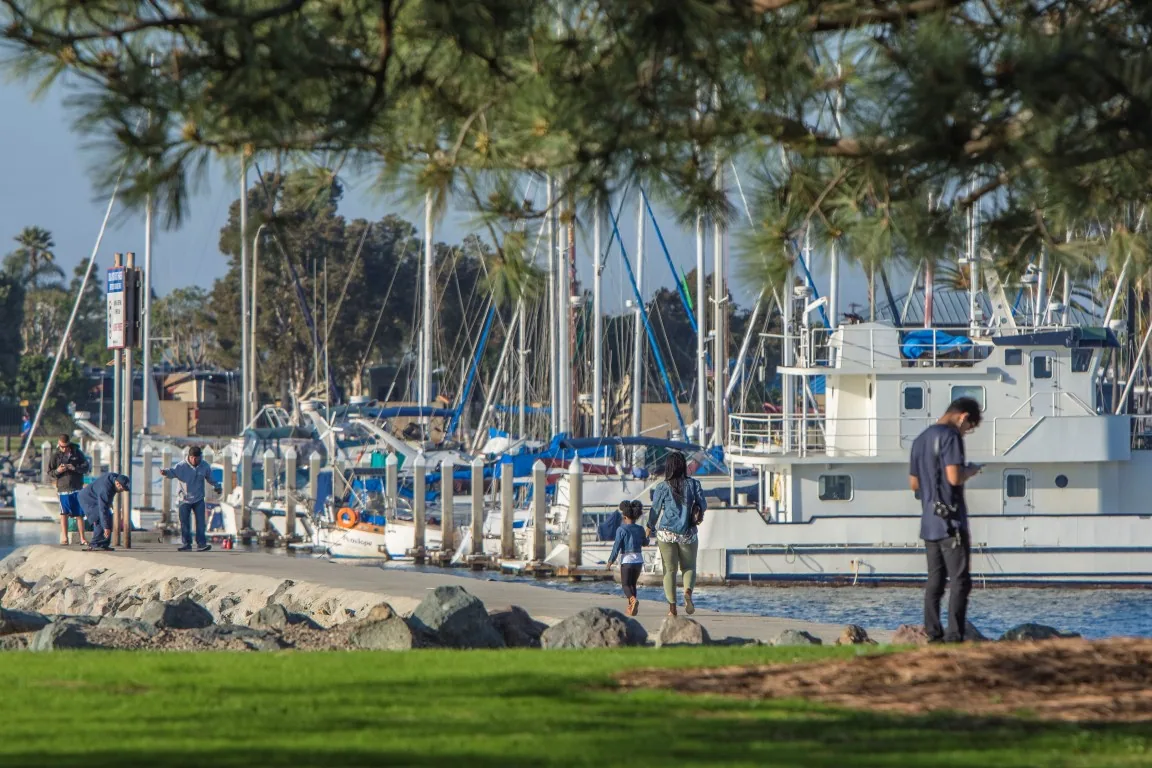
Third Avenue and the Chula Vista Bayfront represent different operating settings within the city. A property on a western business corridor may have constrained curb access, while a waterfront building can face greater exposure to coastal air. We inspect the installed assembly and coordinate the work window with the property team. When the work involves a hotel roof, each work notice names the affected area and the people responsible for access, guest messaging, and return to service.
Trace the Leak Before Closing a Room
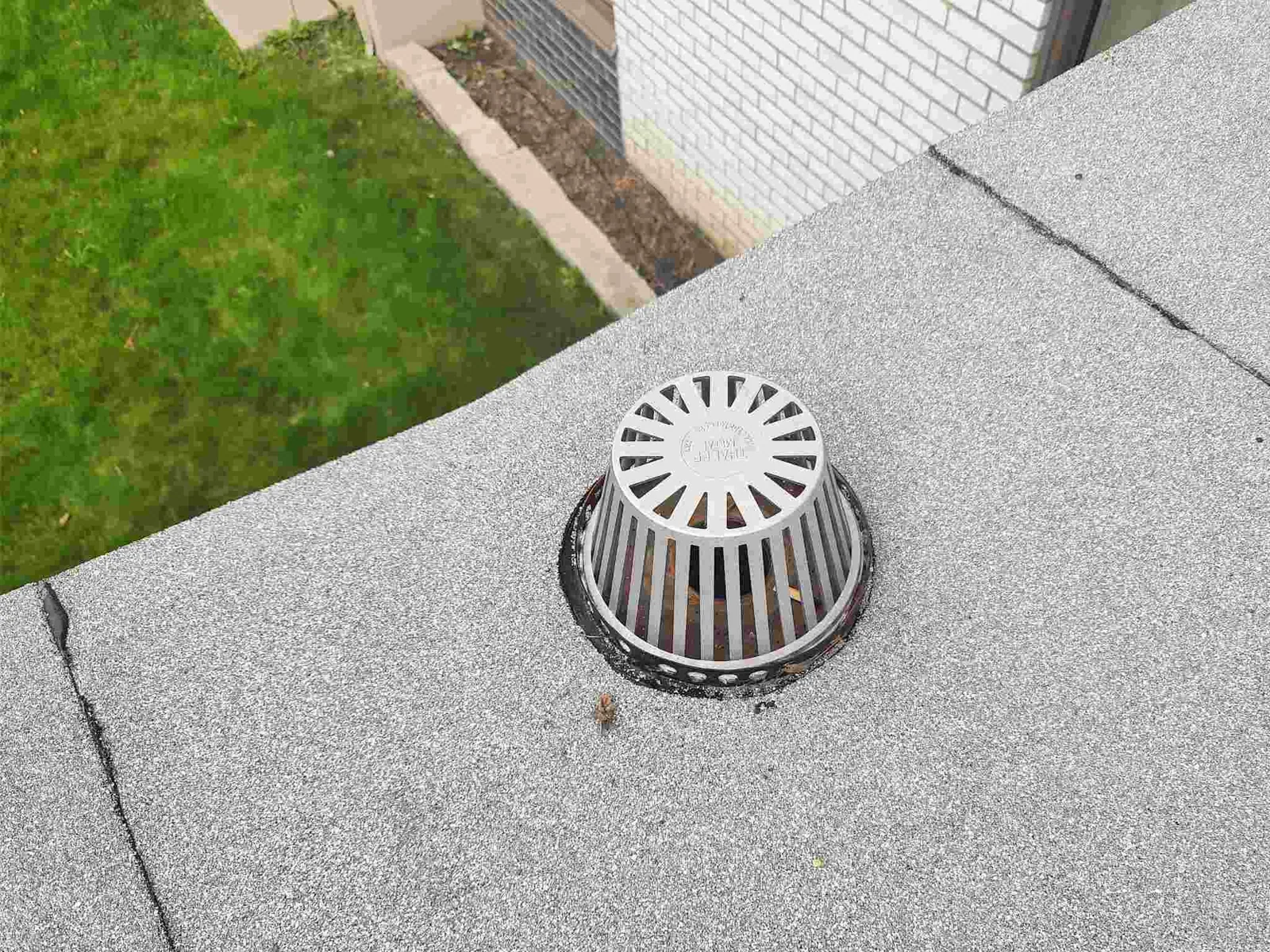
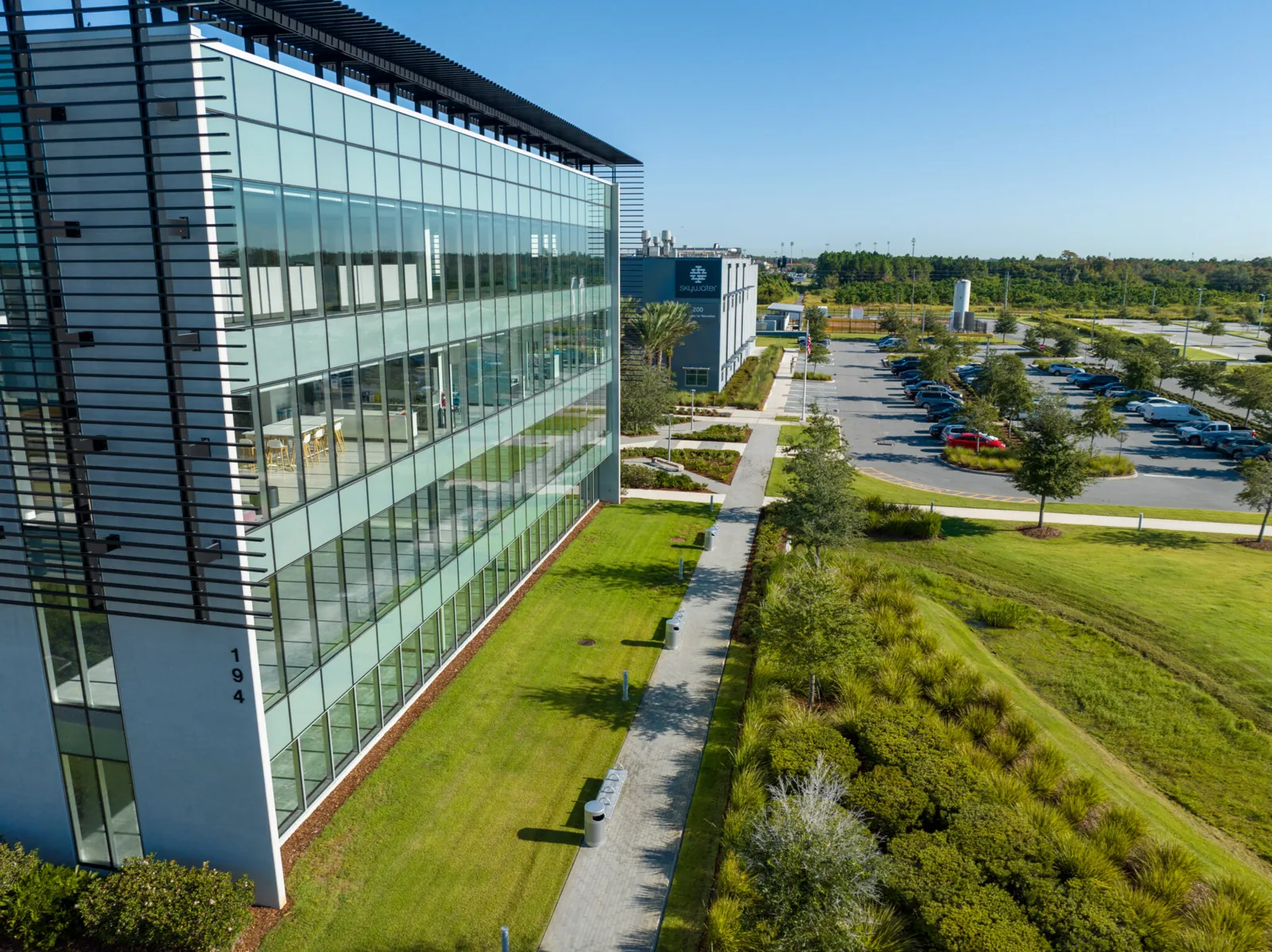
A stain below a roof drain does not prove that the drain is the entry point. Water may pass a seam, travel under the membrane, and collect at a low spot before reaching a guest ceiling. We compare the report with drain bowls, overflows, curbs, pipe supports, and earlier patches. Photos tie the ceiling location to a roof zone. If moisture may extend below the membrane, a controlled opening can show whether insulation or deck also needs attention.
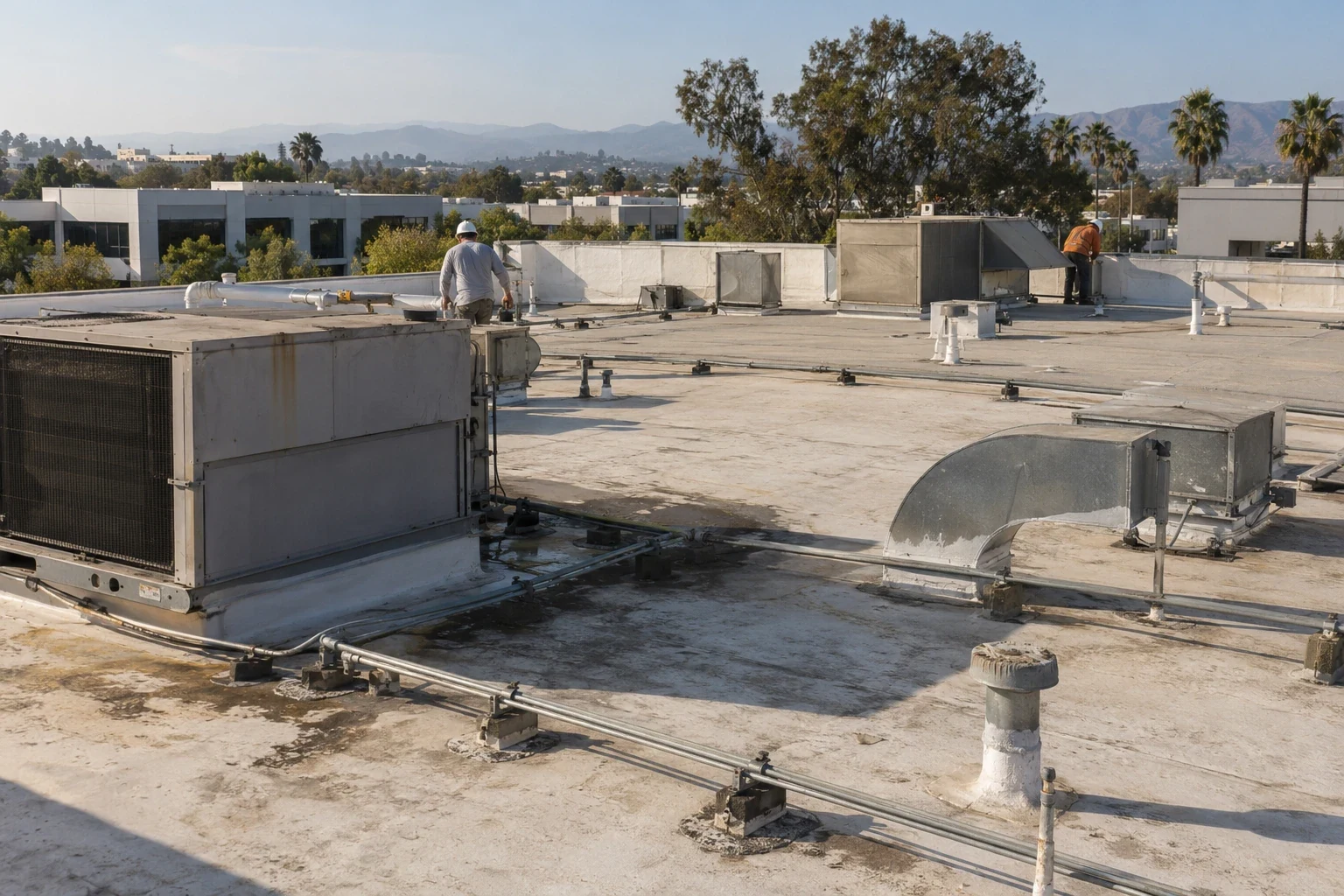
Kitchen exhaust and rooftop units deserve a separate look because curb flashing can separate while the equipment remains in service. We identify the curb type, membrane turn-up, counterflashing, and nearby seams. A repair must tie into sound material, not merely cover the visible edge. For a restricted outlet, drain and scupper repair can address the water-control detail, but a settled roof area may need its own investigation. Each finding stays tied to the specific roof section rather than being generalized to the whole hotel.
Most San Diego-area precipitation arrives during winter months, and totals vary by season. That pattern affects how much roof can be opened at one time and the dry-in target for the shift. We protect exposed layers before leaving the work area. A forecast sets the work limit; the roof inspection connects the leak report with the relevant details.
Match Repairs to the Existing Assembly
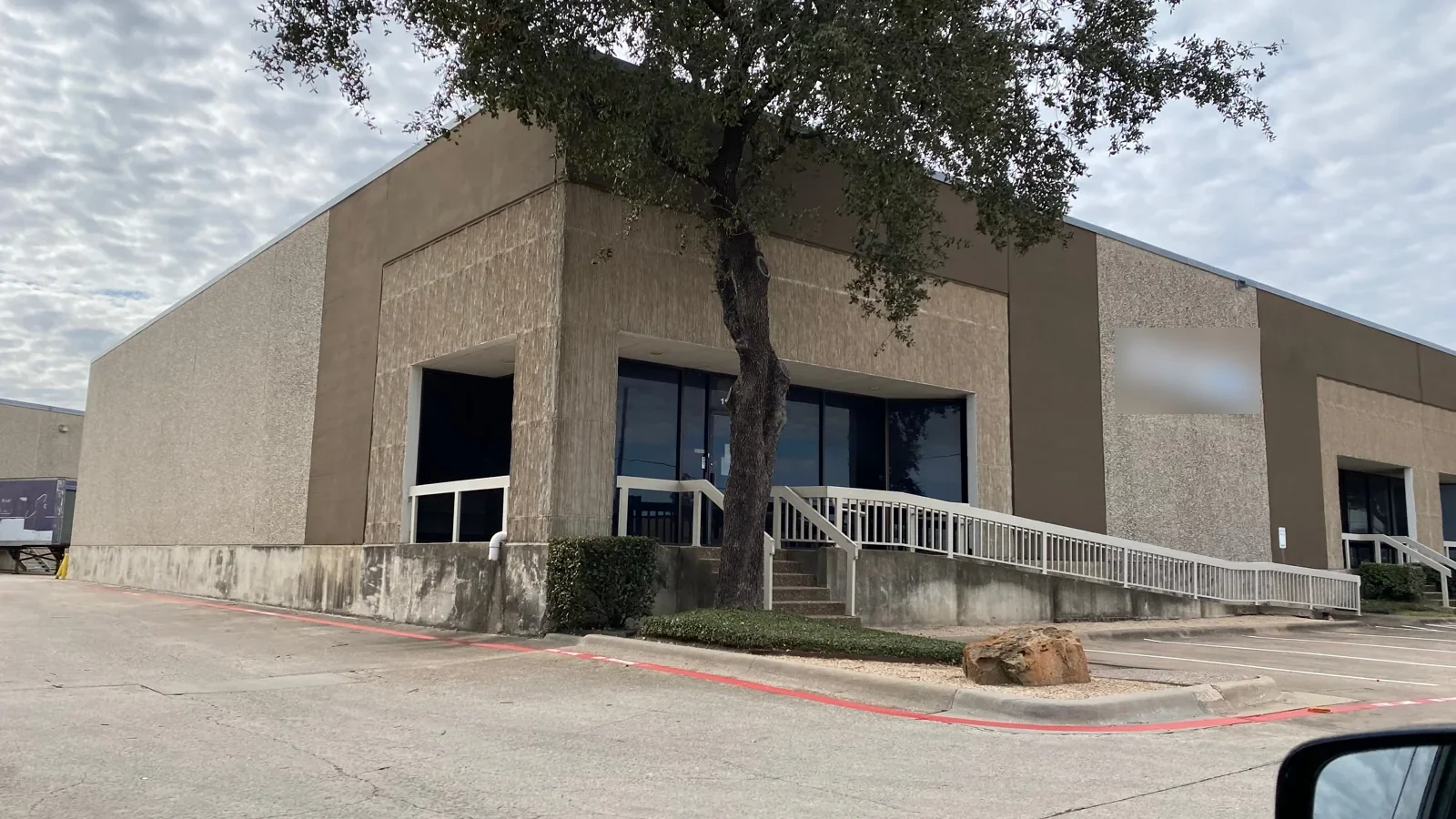
A coating, membrane patch, and replacement are not interchangeable responses. We identify whether the existing roof is TPO, PVC, EPDM, modified bitumen, built-up, metal, or an existing coating, then check how earlier repairs meet the original system. Surface preparation and compatible flashing control whether a repair bonds. If the membrane is split over wet insulation, another surface layer can hide the symptom while leaving the damaged material in place.
For a contained defect, targeted repair may preserve the surrounding roof. A recover is considered only after moisture, attachment, compatibility, edge height, and drainage are checked. Where the assembly has broad failure, replacement planning accounts for removal, insulation, perimeter details, equipment curbs, and the order in which guest-facing areas can be released. We show the evidence behind each option and separate confirmed work from any condition that needs an opening.
Hotels often have several roof elevations and interior uses under one property record. A single repair code can conceal different construction and access constraints. We map findings by building and roof zone, then record material, observed condition, photos, and recommended action for each. A property management team can use the same format across its portfolio without assuming that the same repair fits every hotel.
Sequence Work Around Occupancy
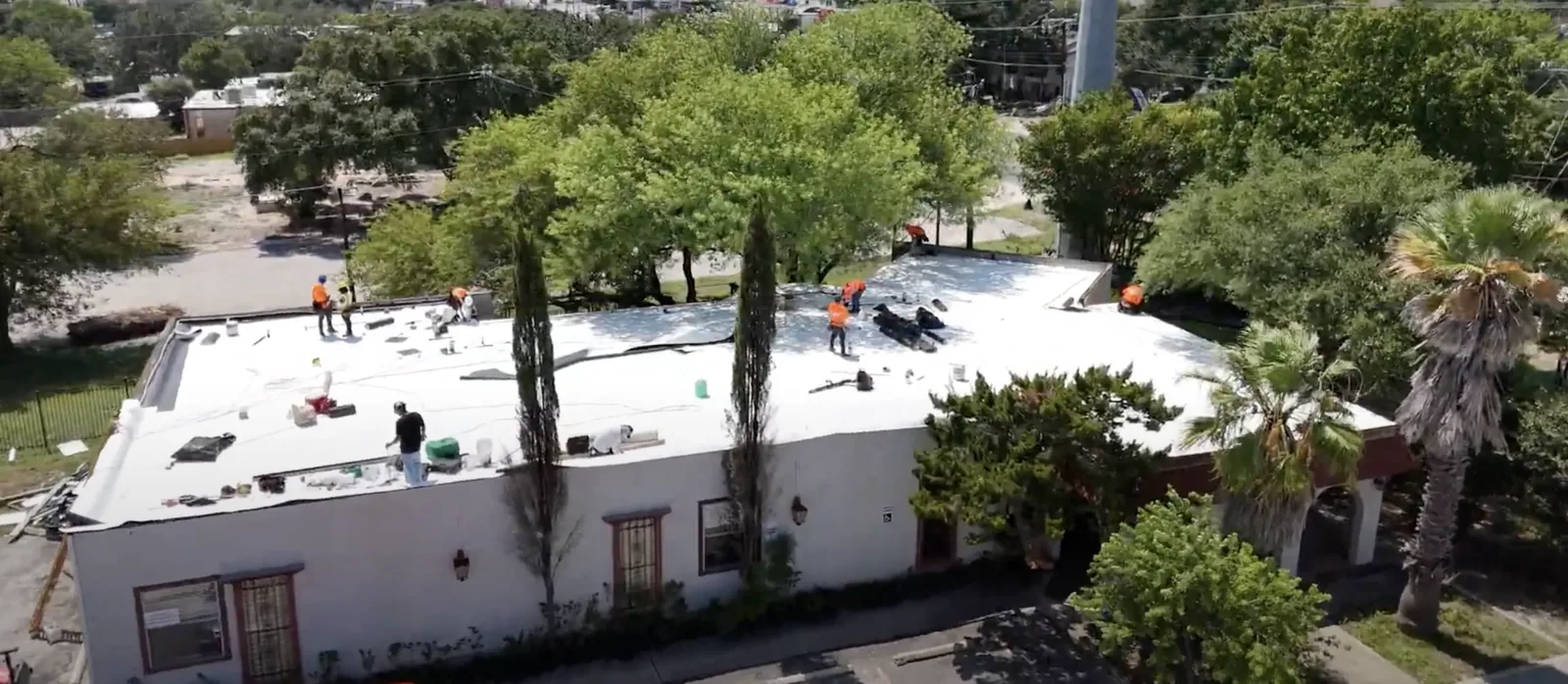
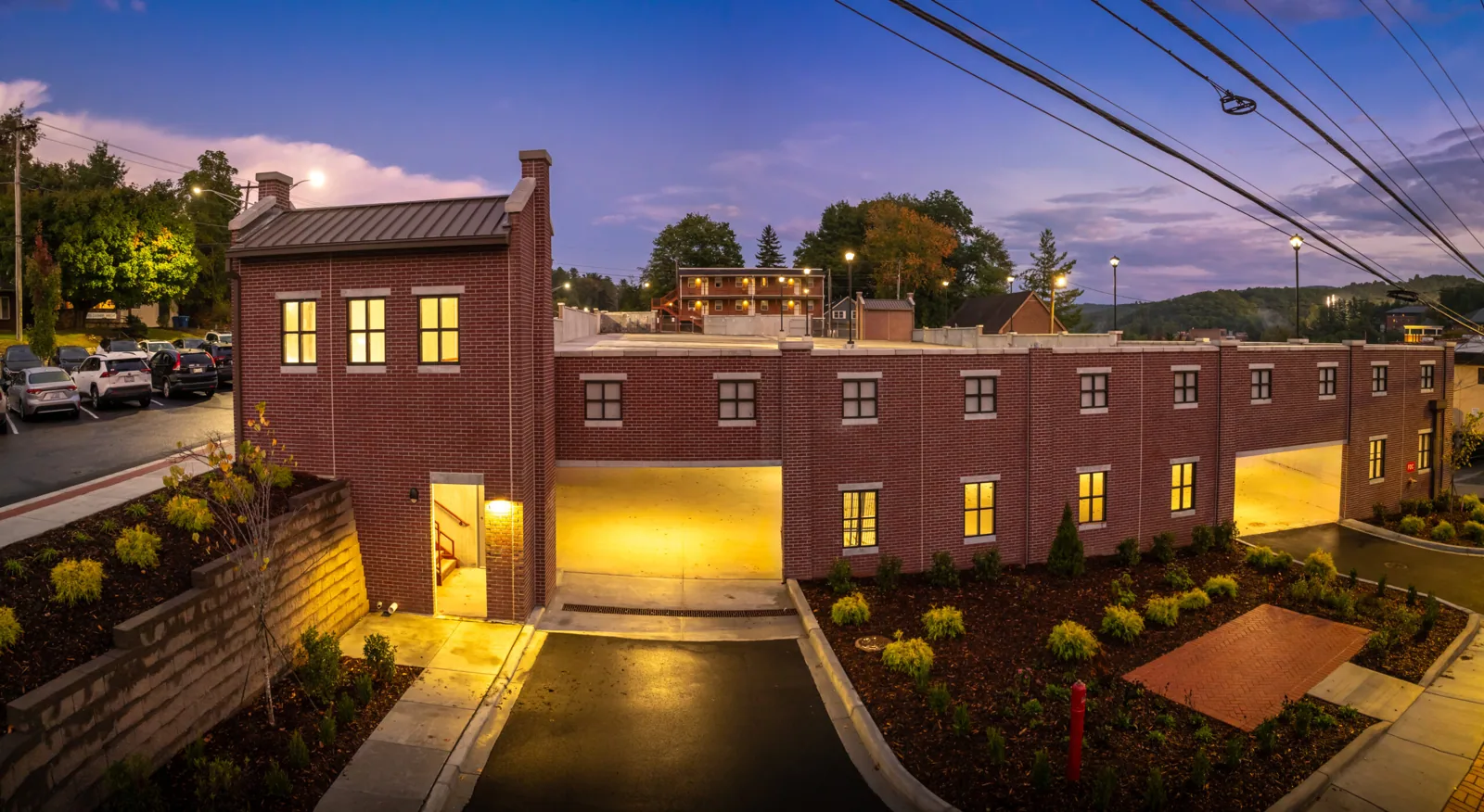
Occupied-building roofing works best as a series of closed zones with a clear transition between them. We set a practical daily limit, finish the exposed area to a secure dry-in, and record what remains before moving the crew. If a room or meeting area cannot be released, the work stays outside its access boundary. Phased reroofing can keep other parts of the property operating while a roof section is removed, but it requires a stable sequence and agreed responsibilities.
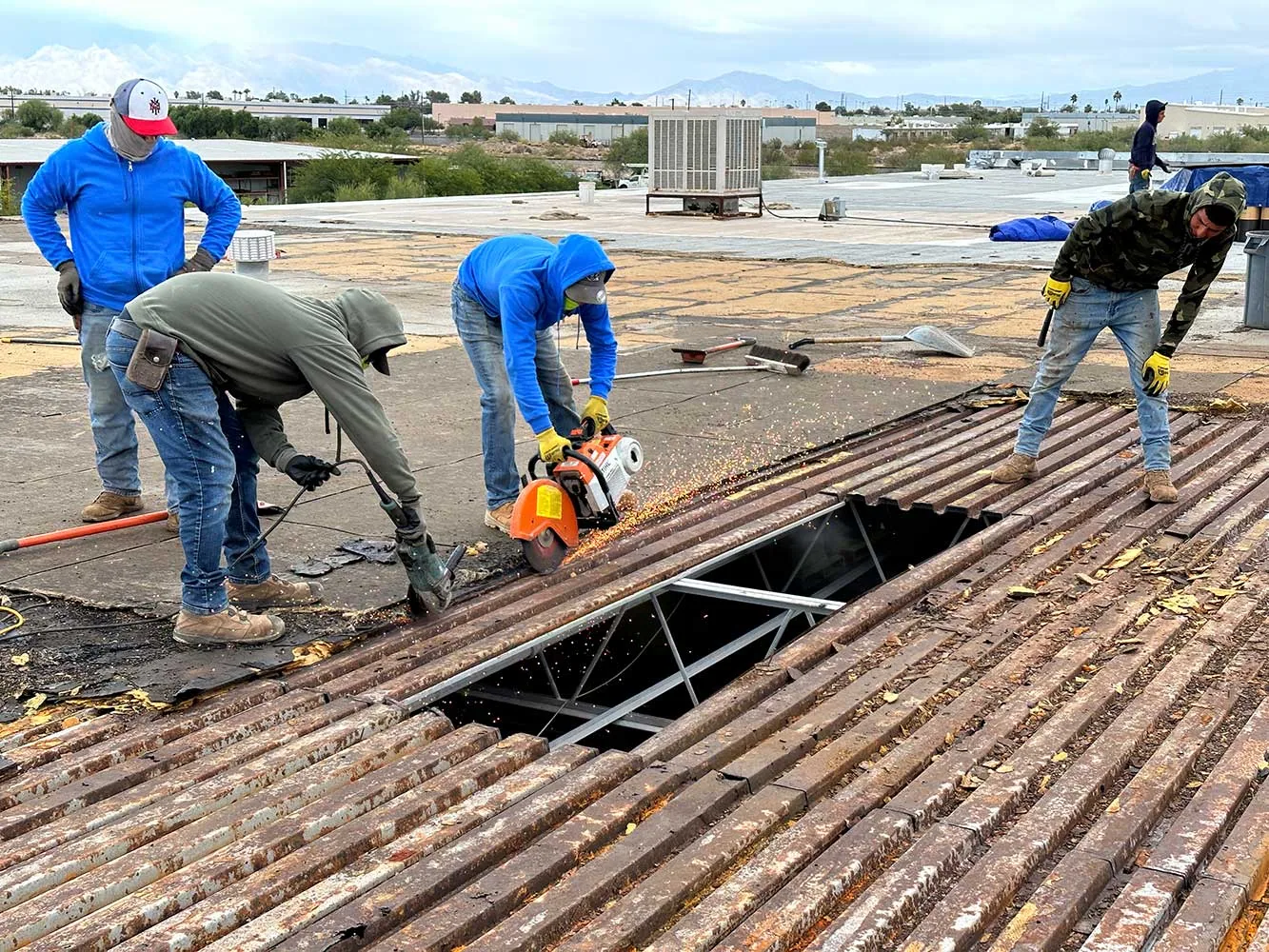
On a low-slope roof, temporary openings need a measured end point. The work plan lists membrane to remove, material to stage, curb or drain details to rebuild, and the condition required before the crew leaves. If rain threatens, we reduce the open area and preserve a secure tie-in. Hotel engineering can then make room decisions from a known work boundary rather than an estimate of what might be exposed.
Access logistics can matter as much as roof area. The property team identifies guest arrival peaks, event setup, kitchen deliveries, laundry movement, and any security-controlled doors. We confirm who can authorize a route change and who receives the updated work notice. The roof schedule should not create a surprise below it. At the close of each shift, the crew removes loose material, restores barriers, and passes the updated zone status to the operations contact.
Give Each Property a Useful Record
Portfolio reviews become useful when the findings retain their building-level detail. Each record should identify the assembly, leak history, observed failure, repair material, photographs, and unresolved questions. We record whether the area was fully inspected, required an opening, or was blocked by active equipment. The regional report can group items by urgency while preserving the roof-zone evidence that justifies each one. A real estate owner can compare capital needs across properties without mistaking a repeated issue for a confirmed common cause.
Cost and timing depend on the system, affected area, material removal, equipment coordination, lift access, and whether rooms or food-service spaces need special protection. A small curb repair and a full replacement have different labor, sequencing, and guest-impact requirements. The scope states what is included, which conditions could change after opening, and what work belongs to another trade. This keeps the operating team and ownership group aligned on the same decision.
Send the property list, roof plans if available, leak locations, guest or event restrictions, and the engineering access contact. We can inspect the released roof zones, document observed conditions, and return a property-specific sequence. If the building is near the Chula Vista Bayfront, tell us about any access or coastal exposure conditions the team has already observed. The walk will establish what is visible, what needs testing, and which repair decision comes next.