Keep guests and service areas in view
Confirm the room, corridor, meeting area, kitchen, laundry, or service space where water appeared. A roof leak can travel along a deck or framing line and show up away from its entry. We compare the report with roof seams, drains, curbs, and penetrations, then identify what needs an interior cover. The hotel contact directs any room restriction, guest relocation, or protection below. Match the room number to the property plan and record whether the affected space is in service, held, or already cleared.
Roof access can intersect with check-in, housekeeping, catering, event turnover, and deliveries. Agree on a service route for the crew and identify which service lifts, doors, and loading areas can be used. Keep guests away from overhead work and use barriers to separate materials from public paths. If an event or occupancy change shifts the plan, update the work boundary before moving equipment.
An urgent leak affecting rooms or operations can receive attention overnight, on weekends, and during holidays. Temporary protection controls immediate exposure while a permanent detail is evaluated. Keep the emergency response record separate from the longer-term repair scope, with a clear record about which rooms or areas may need follow-up.
Inspect the roof above each hotel function
A hotel roof may include additions, mechanical penthouses, kitchen exhausts, skylights, and several membrane systems. Use records and field evidence to map each section rather than assuming a single roof type. Check the reported zone first, then inspect nearby transitions and prior repairs. A roof inspection should state what was visible, which areas were inaccessible, and whether moisture testing or an opening is needed.
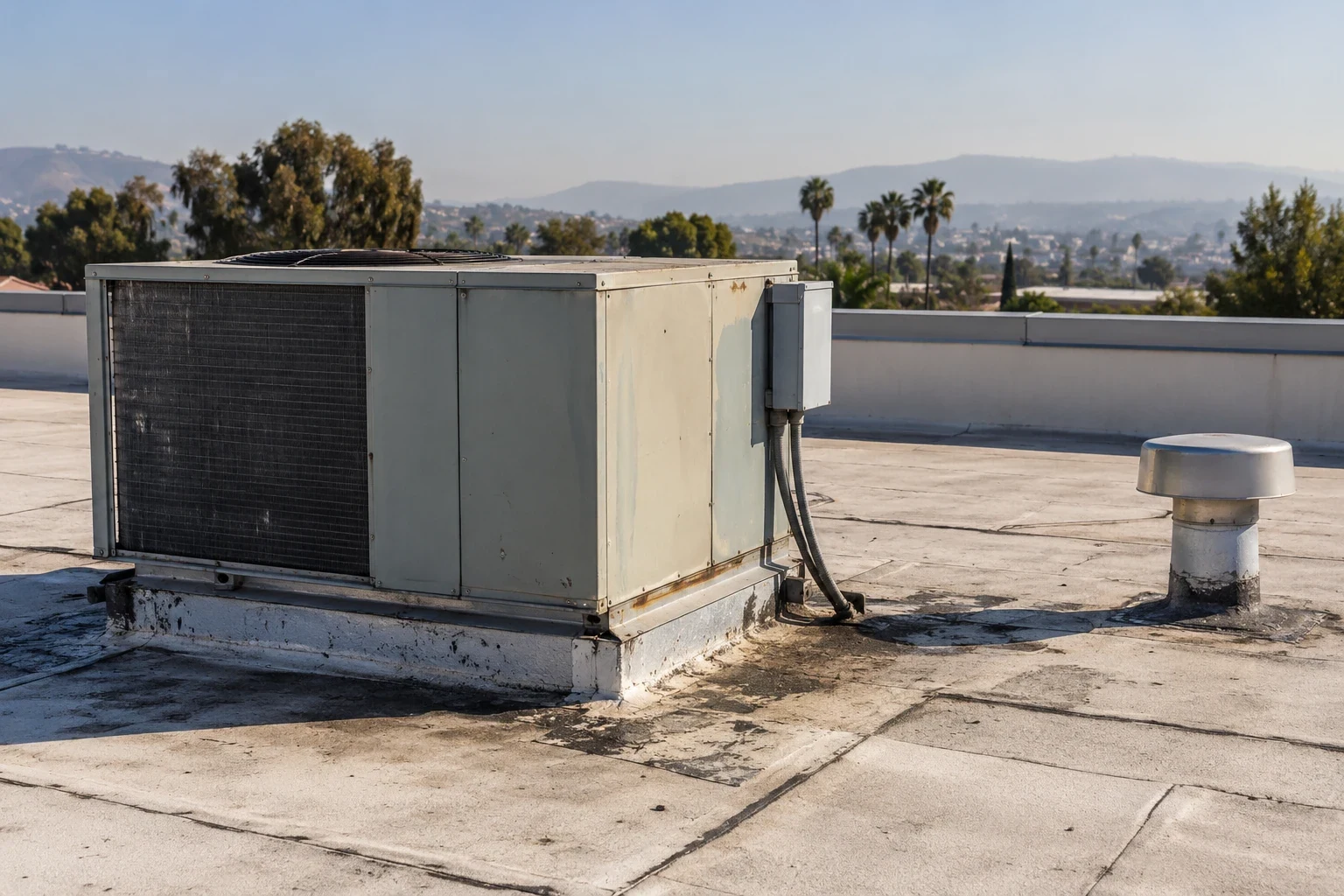
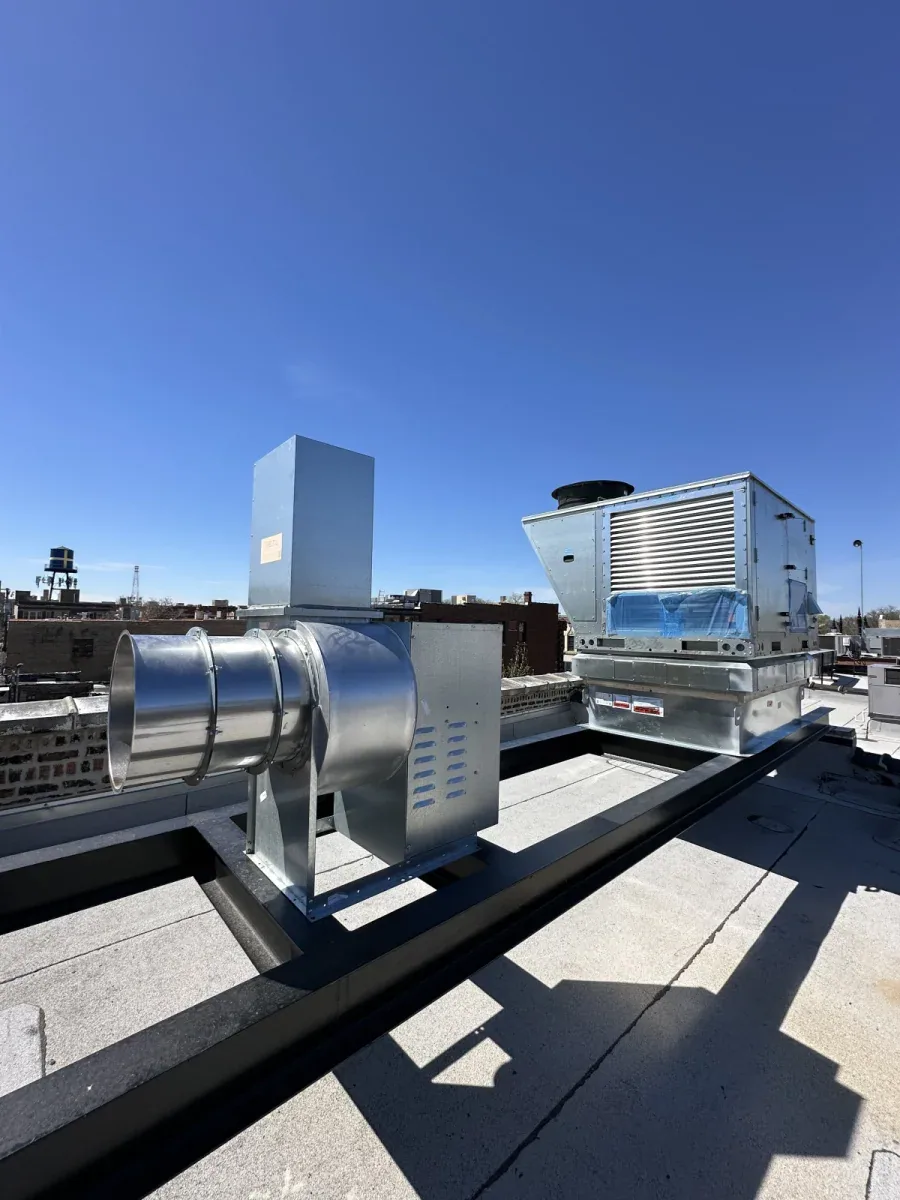
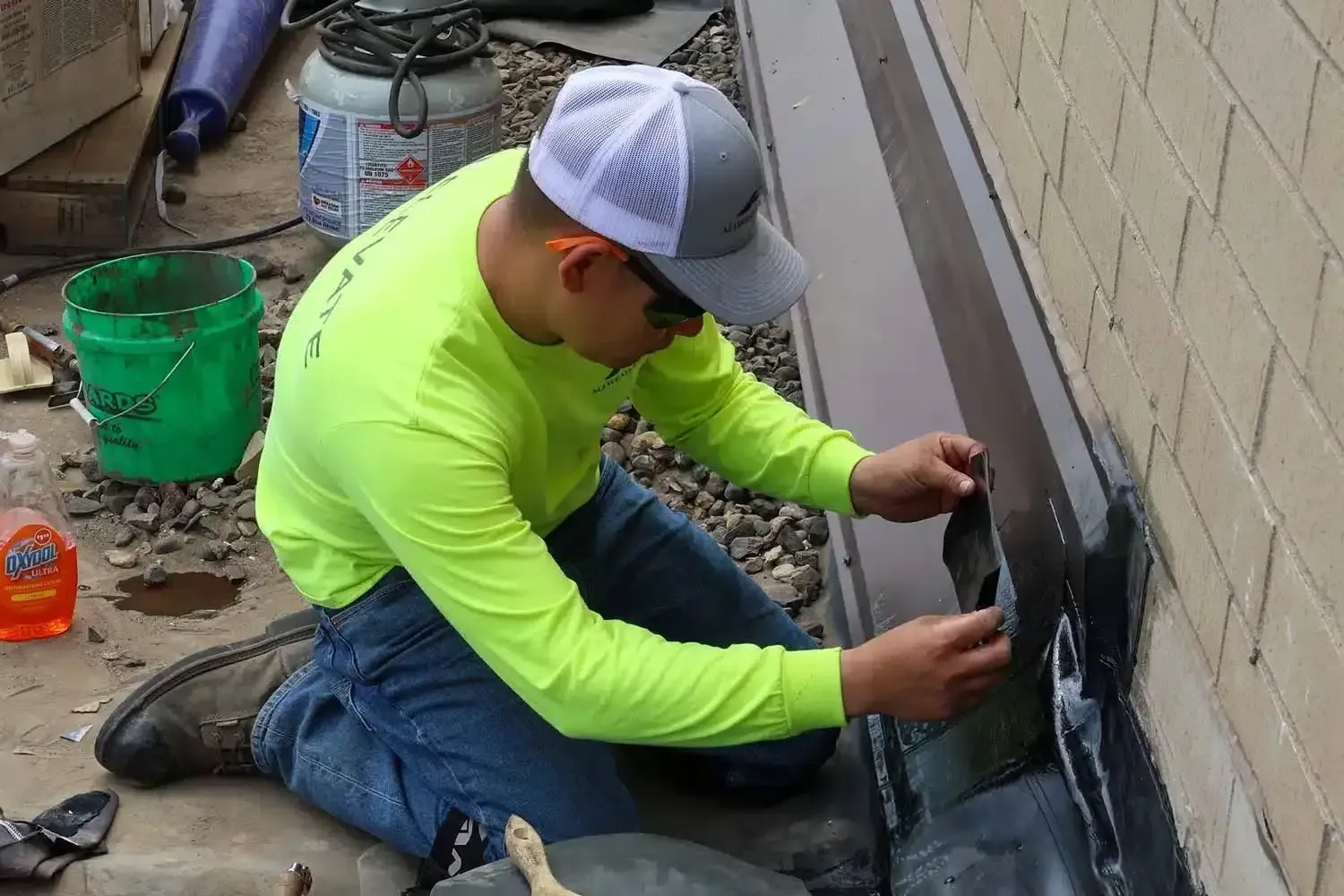
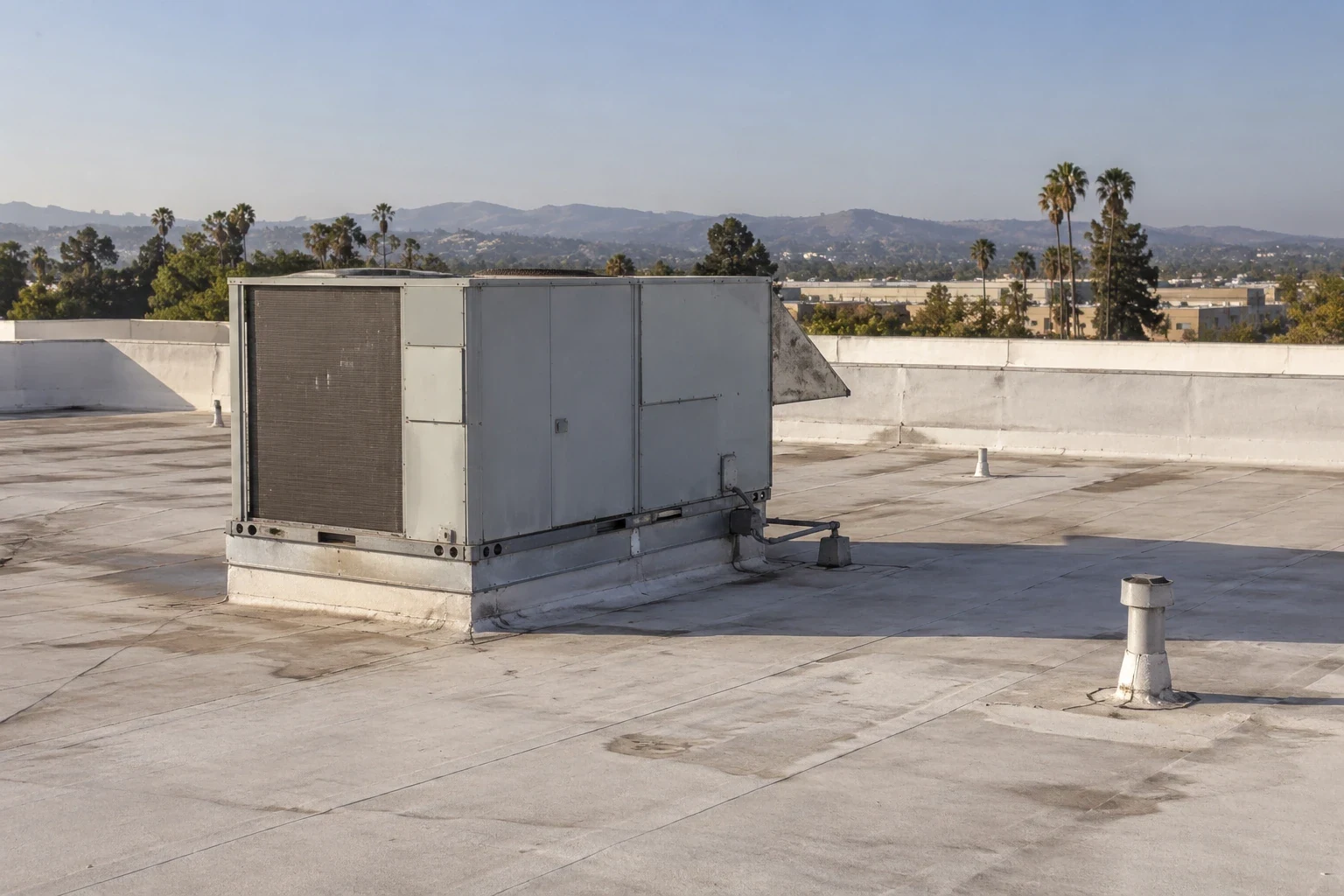
Heating and cooling equipment can serve guest rooms, meeting spaces, kitchens, and back-of-house areas. Inspect curb corners, condensate lines, penetrations, and support attachments. Coordinate shutdowns and lifts with the authorized hotel or mechanical contact. The curb and equipment review can separate flashing work from mechanical repairs and keep the roof closure tied to the equipment plan.
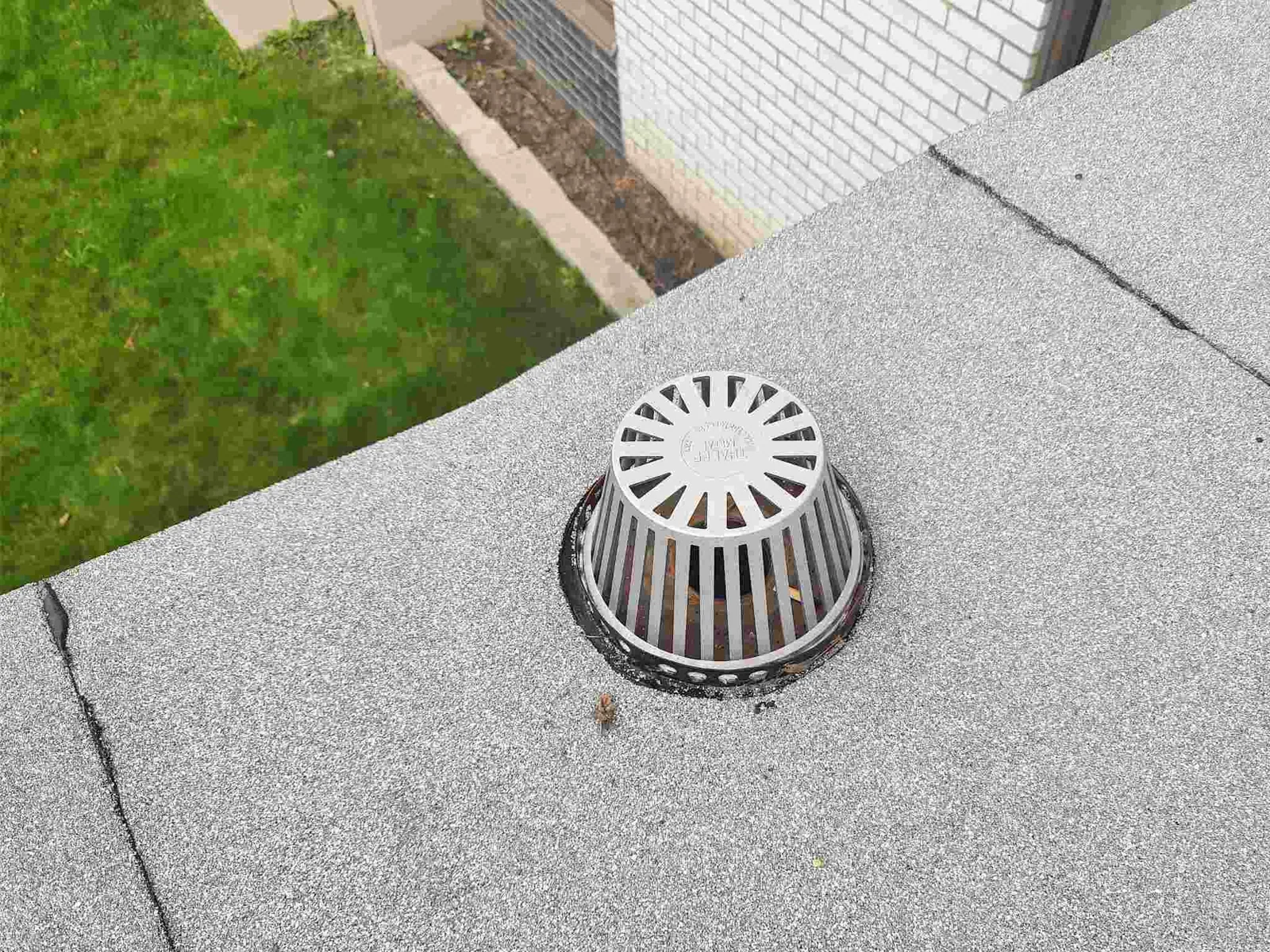
Drainage details deserve attention where walkways, parapets, equipment screens, or later additions change the water path. Check strainers, drain bowls, scuppers, overflows, and depressions around curbs. A drainage service should restore discharge and leave maintenance access open after the work.
Set access and noise windows
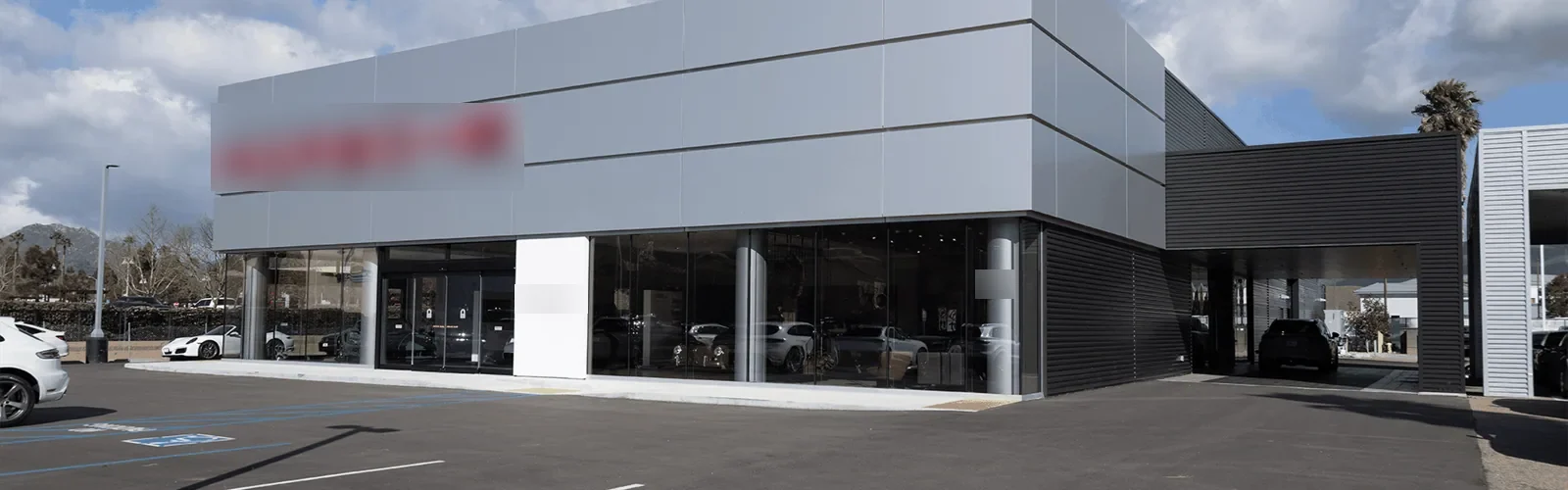
Choose work hours with hotel operations, not by assuming the building is quiet during the day. A conference or wedding may occupy spaces while guest rooms turn over, and housekeeping may need service corridors early. Schedule noisy removal, lifts, and deliveries around the actual event calendar. Protect entrances and maintain emergency access throughout the shift.
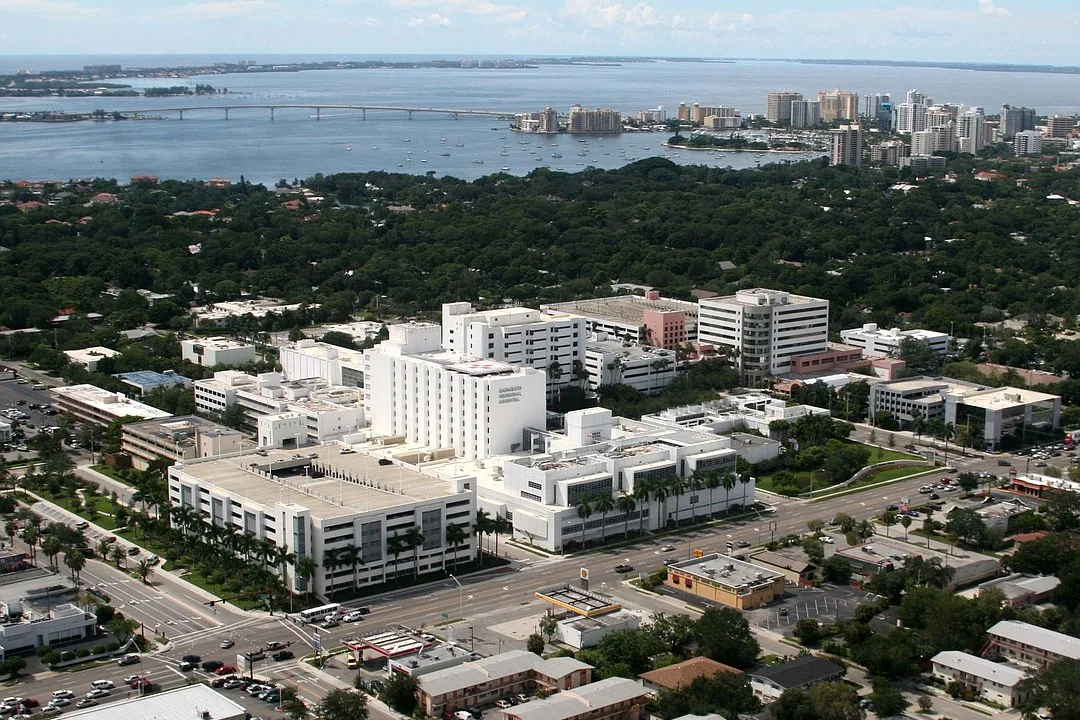
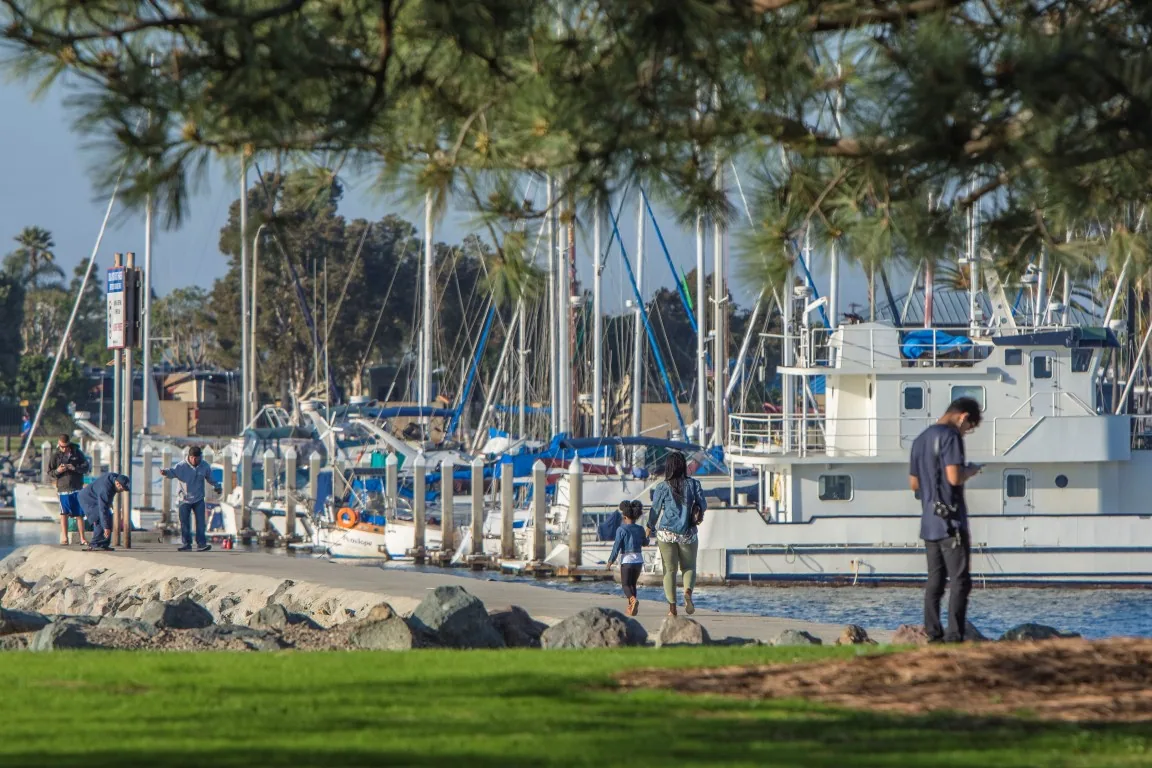
The Bayfront plan includes hotel, restaurant, and recreation uses; a property there may have guest and event activity alongside other commercial operations. At each hotel, we confirm the active driveway, loading bay, guest route and event schedule with the site contact before moving materials.
Material staging should not block fire doors, kitchen deliveries, laundry routes, or parking access. Confirm where debris can be contained and how it leaves the property. Before work begins, tell the manager which areas may be noisy, odorous, or temporarily restricted and name a contact who can adjust the sequence.
Trace the entry and protect the building
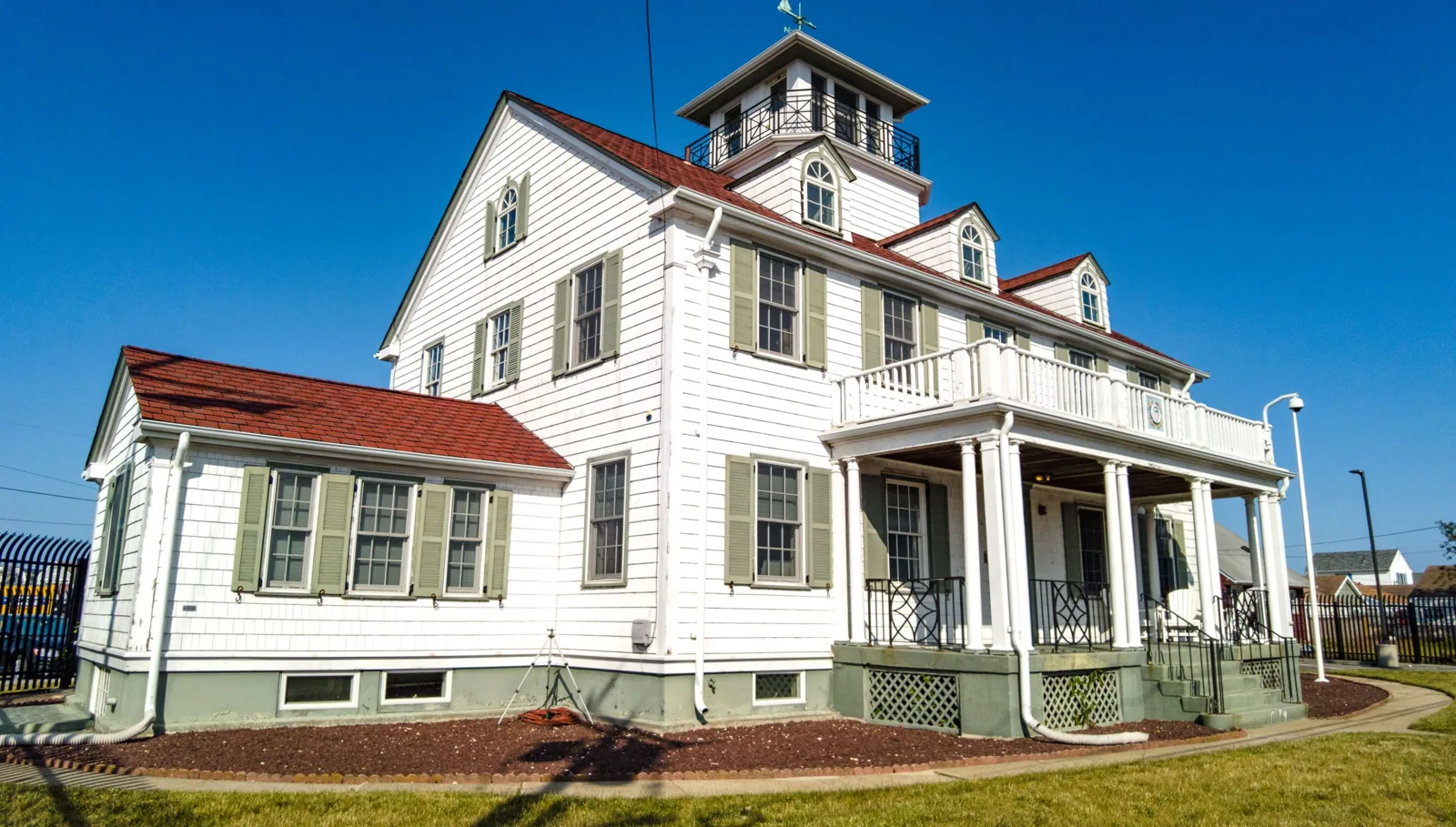
Water may travel from a roof curb or seam before appearing above a guest room. Compare the location and timing of the report with rooftop equipment, drains, parapets, and previous patches. If a surface inspection cannot confirm whether insulation is wet, a moisture survey can help select an approved confirmation area. The report separates survey indications from concealed damage confirmed by an approved opening.
During repair, set a maximum opening size and secure each temporary edge before the crew leaves. Do not allow loose material to enter drains or remain above occupied spaces. If removal exposes damage beyond the planned area, stop, protect the hotel, photograph the condition, and review the added scope with the manager.
Most regional rain occurs in winter. Check the weather and product limits before removing membrane, and maintain a dry-in plan for each shift. After a change in conditions, inspect the temporary boundary and the room below. A leak response should identify the entry path and the permanent detail still required.

Choose a repair, recover, or replacement
An isolated flashing failure or puncture may be repaired if surrounding membrane and insulation are sound. Repeated leaks, widespread seam issues, saturated layers, or damaged deck need a broader evaluation. Map findings by roof zone and the hotel area below. Compare options using the same access, guest protection, and equipment assumptions.
A recover can avoid some removal but should not conceal wet materials or obstruct drains and curbs. Confirm attachment, moisture, load, roof height, and compatibility first. Replacement exposes hidden layers and allows corrections, but adds debris, noise, room protection, and dry-in requirements. A replacement sequence should name guest-area safeguards, event windows, equipment work, and the end-of-shift closure.
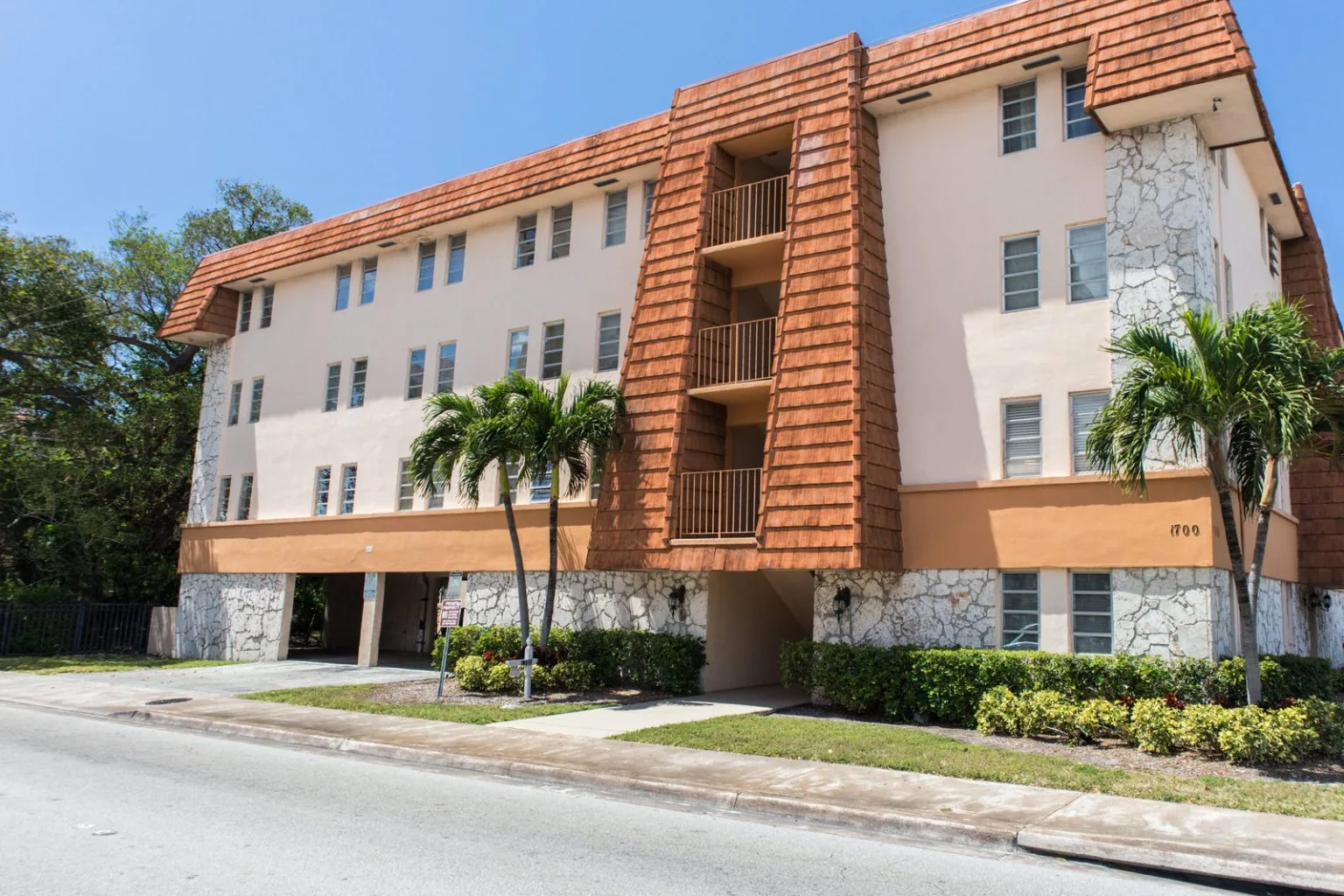
Hotel buildings share some residential functions, but an apartment roof review may have different access and resident communication needs. A shopping center roof scope may span tenant leases and loading areas. The roof and operations plan, not the label on the building, determine the specific work.
Give hotel operations a clear handoff
At closeout, inspect repairs, drains, curbs, and temporary protections. Photograph the finished details, label the roof zone and the room or service area below, and record products, preparation, and remaining questions. Tell the manager which spaces can return to normal use and whether any follow-up inspection is scheduled.
Maintenance should revisit roof penetrations after equipment service, check drains after storms, and compare recurring room reports with prior repairs. Keep photos with the building plan so staff can find each repair without reopening multiple roof sections. Record an inaccessible area as such rather than clearing the entire roof based on a limited visit.
To schedule a hotel roof assessment, share the affected room or area, event calendar, roof access contact, equipment constraints, and available repair records. We can set a protected work window, trace the leak, and explain the next decision with guest operations in view.