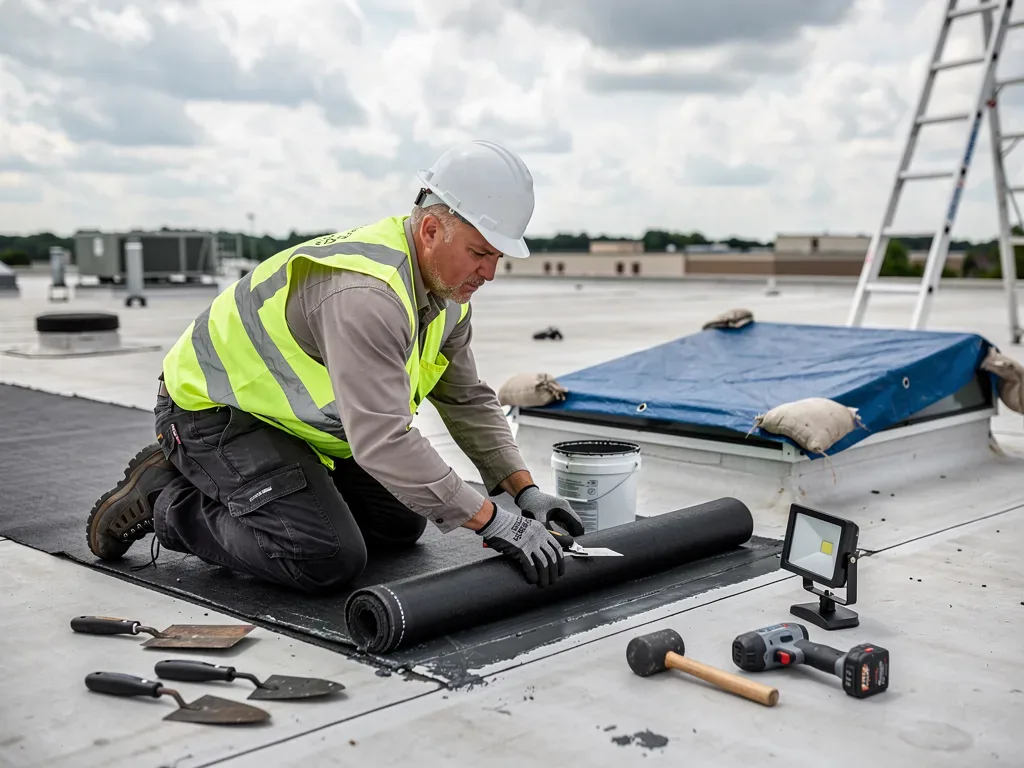
Coordinate the Route From the Street to the Roof
Before dispatch, we confirm roof entry, the service gate, work hours and a staging location with the property contact. If a lift or debris container is needed, its position should leave nearby access routes open. The contact can also identify areas below the work zone that need protection from dust, noise or an open roof section. We plan the first walk so the crew reaches the reported leak and the connected drainage details in one visit.
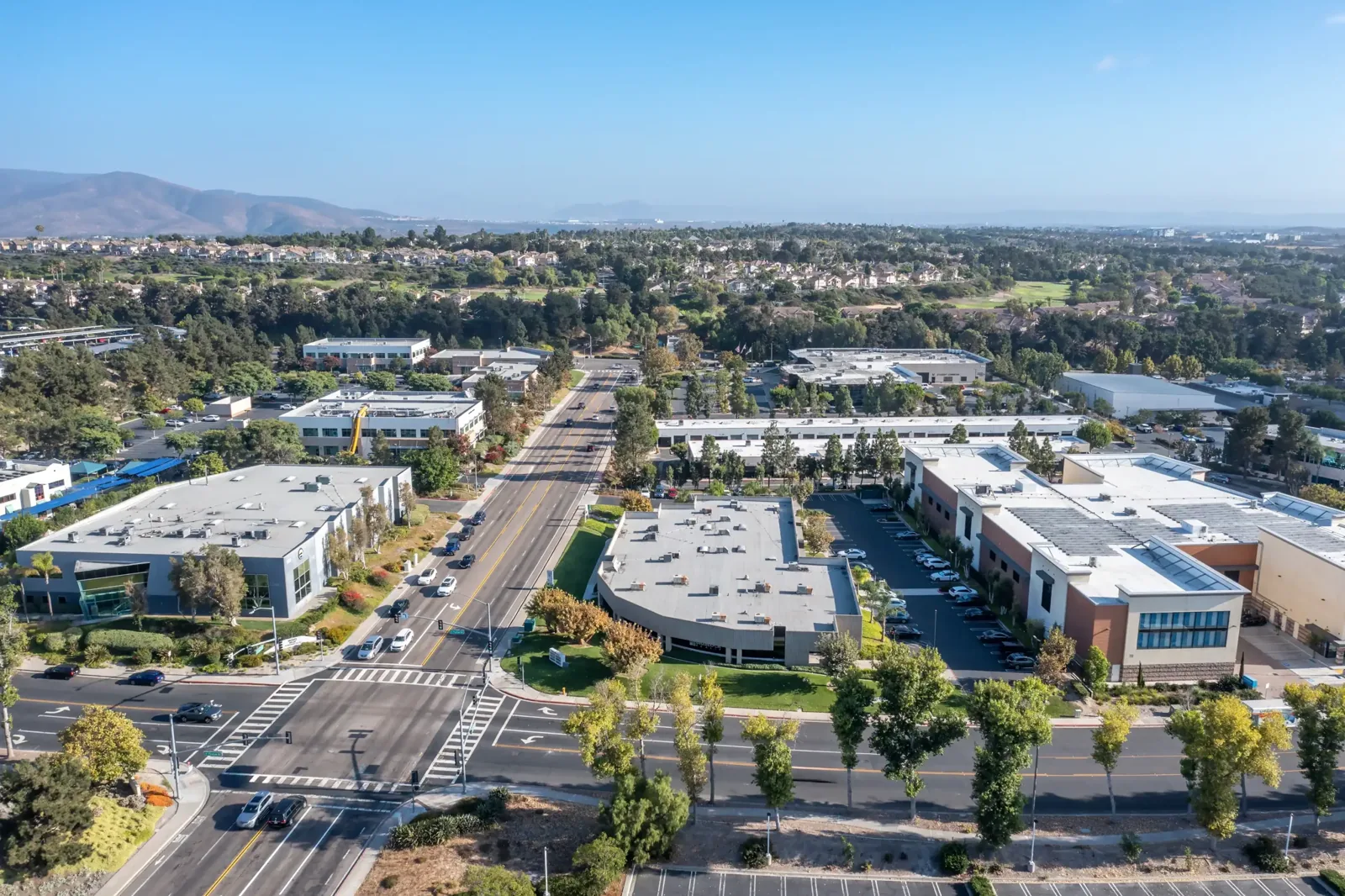
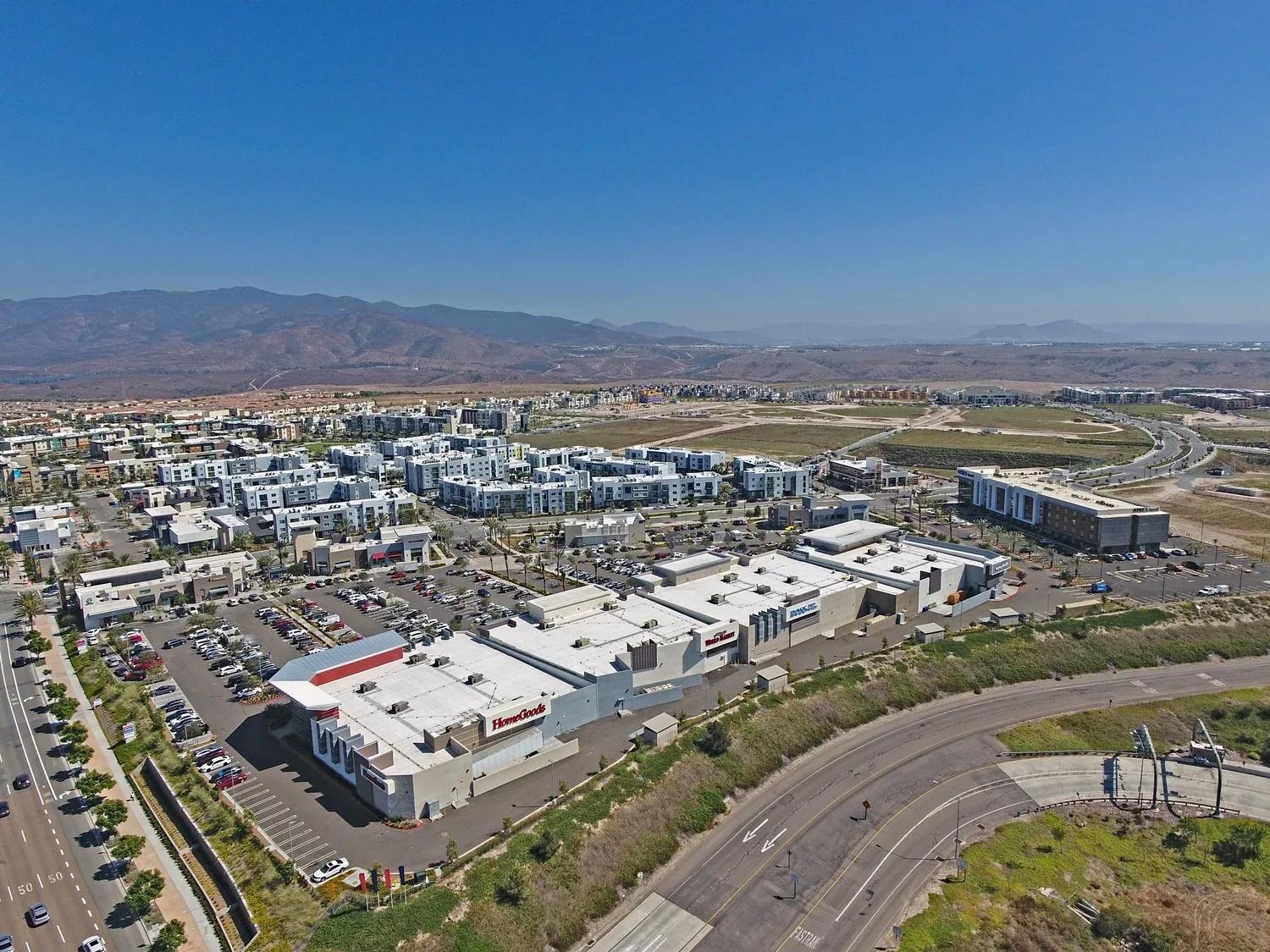
The corridor extends between Willow Street and Otay Lakes Road and connects toward Sweetwater Valley communities. Before dispatch, we confirm the service gate, arrival route and staging point with the property contact. We record which roof levels are released and whether equipment or an escort limits movement.
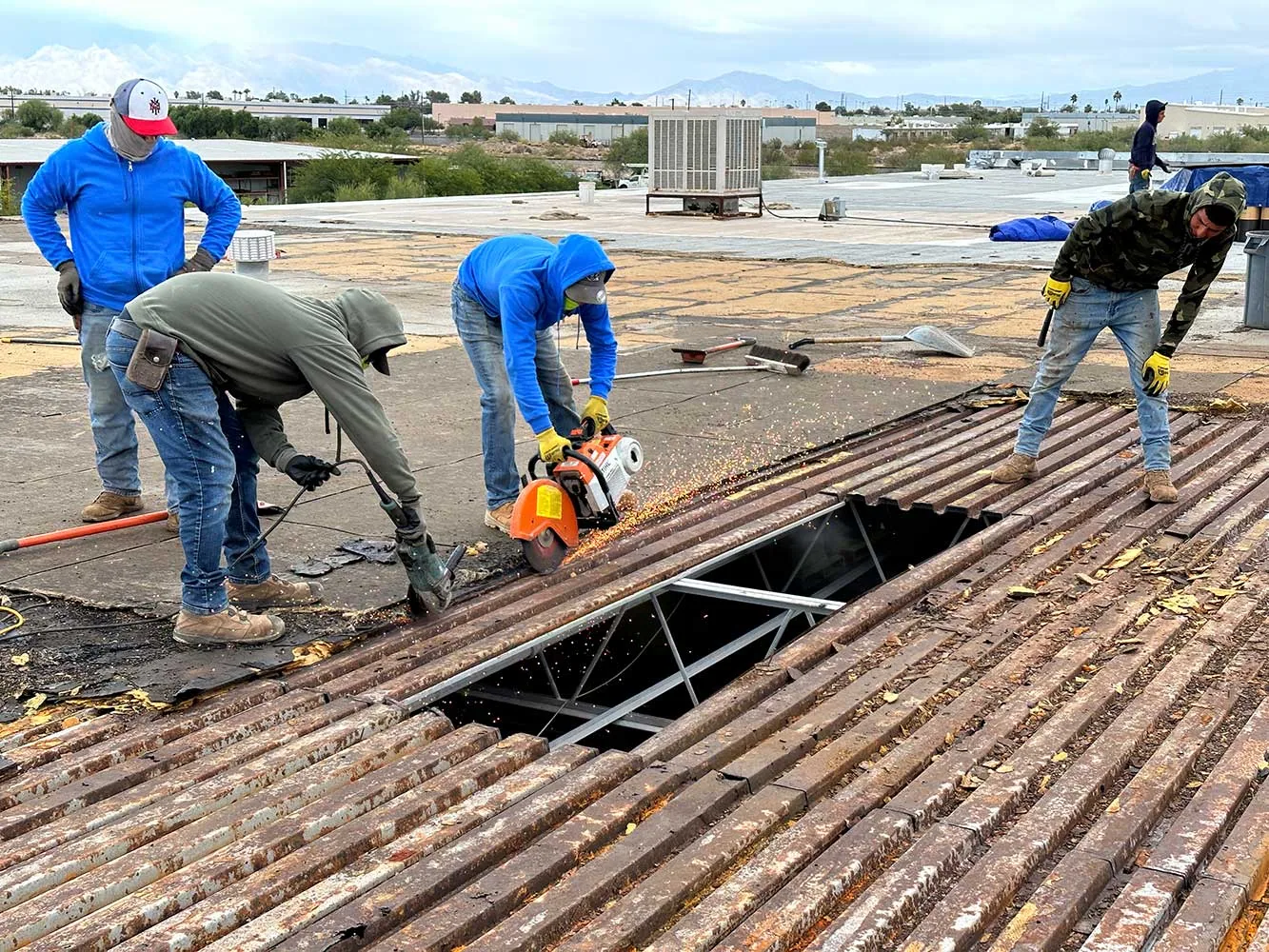
Water may enter above one room and travel along a deck before appearing elsewhere. We compare the interior symptom with seams, wall transitions, curbs and drains, then look for a path that connects the two. If the entry point is not visible, an infrared survey or controlled opening may help locate concealed moisture. Leak investigation begins with that path, not a patch placed directly over the ceiling stain.
Check the Outlets and the Edges Around Them
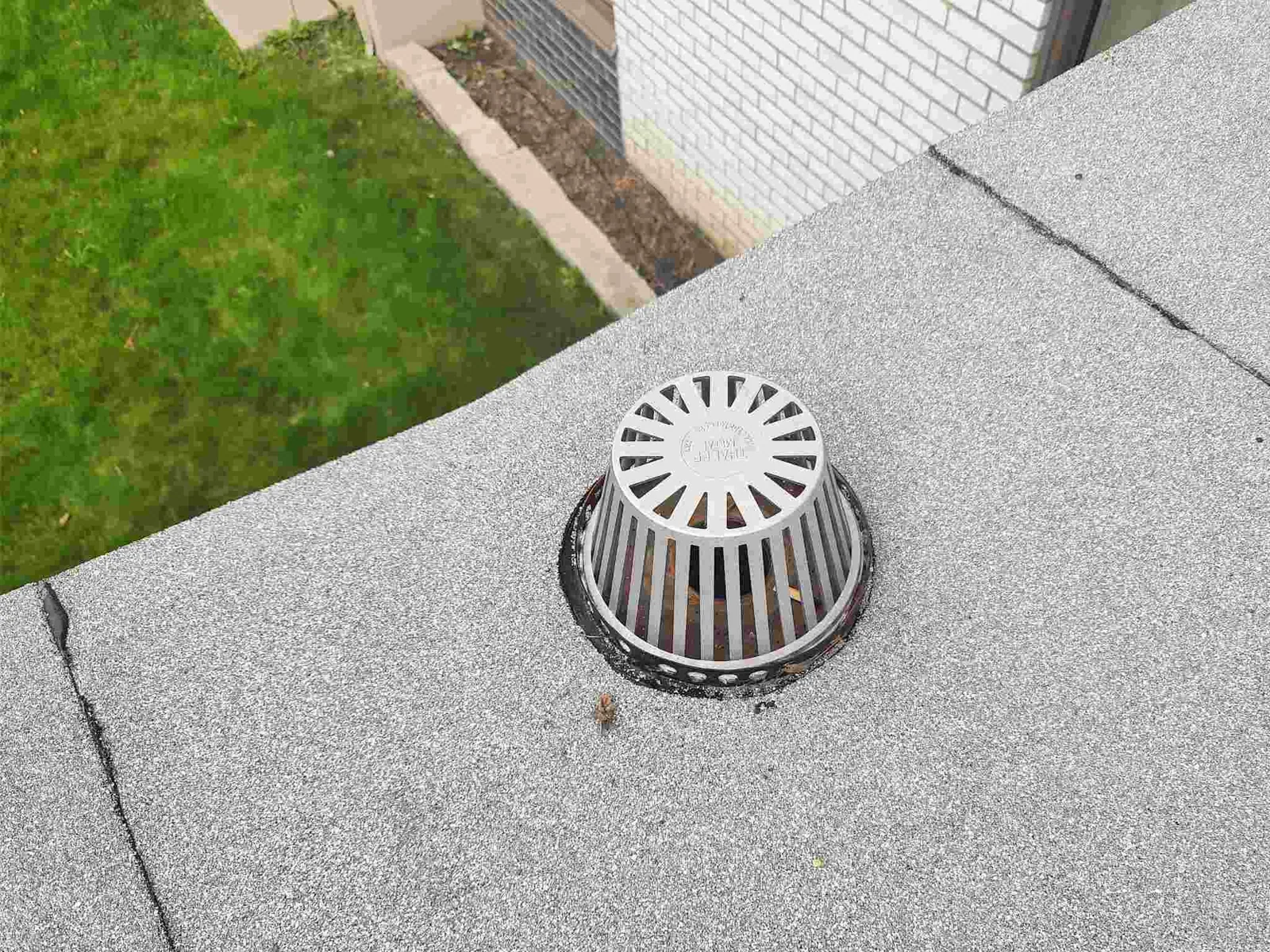
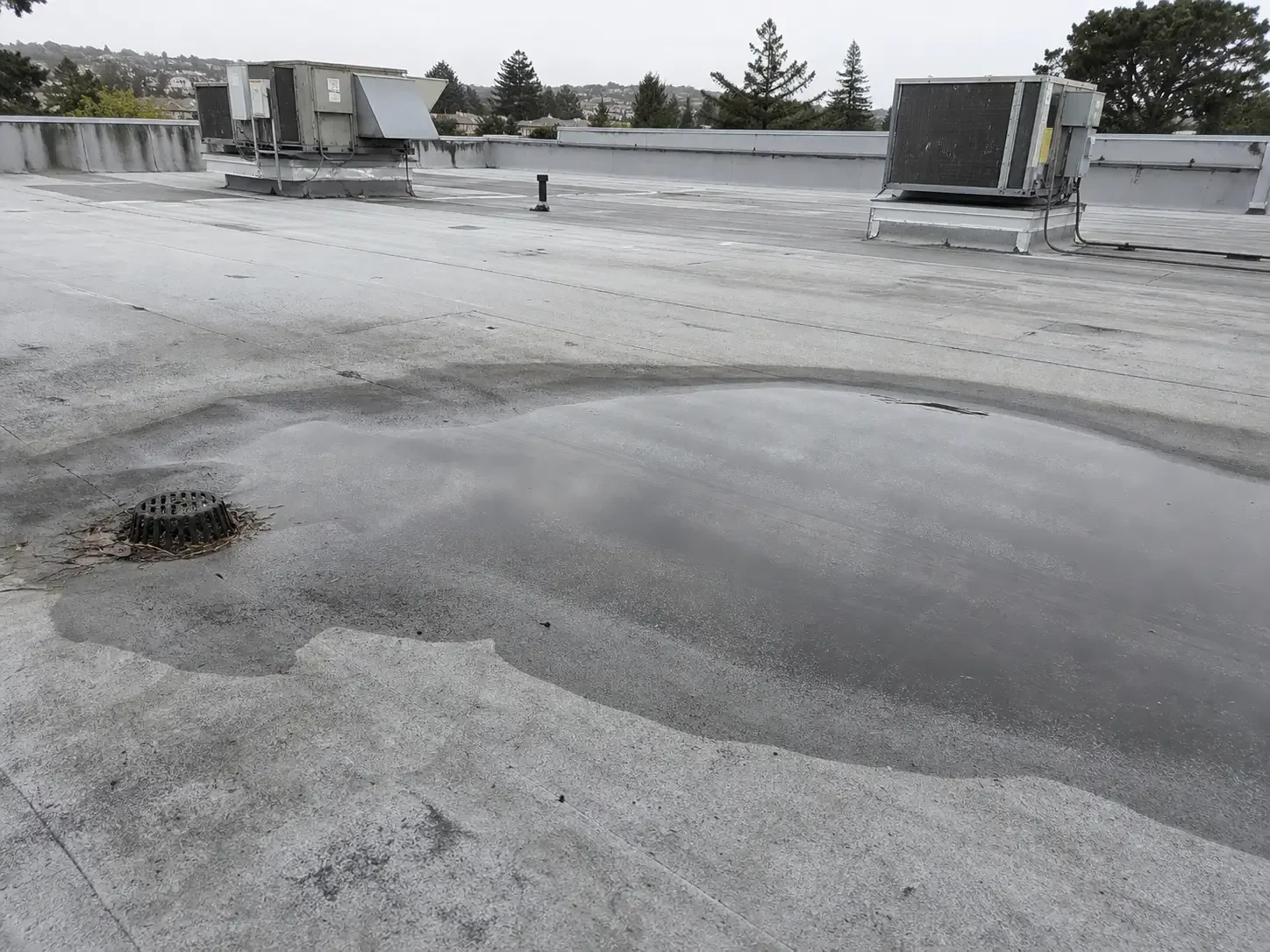
A drain can be clear and still leave a low area wet if slope or insulation has settled. We inspect the bowl, overflow route and surrounding membrane together. We look for trapped debris, open seams, loose flashing or a patch that blocks flow. Drain and scupper service can restore an outlet; persistent ponding may need a separate review of the roof layers.
Chula Vista's rain generally falls during the winter months, with seasonal amounts changing from year to year. Before the wet period, a roof walk can identify open laps, failed sealant and drains that need service. If a storm has recently passed, we record current moisture and distinguish it from older ceiling marks. A ponding-water repair can address areas that remain wet after the drain path is clear.
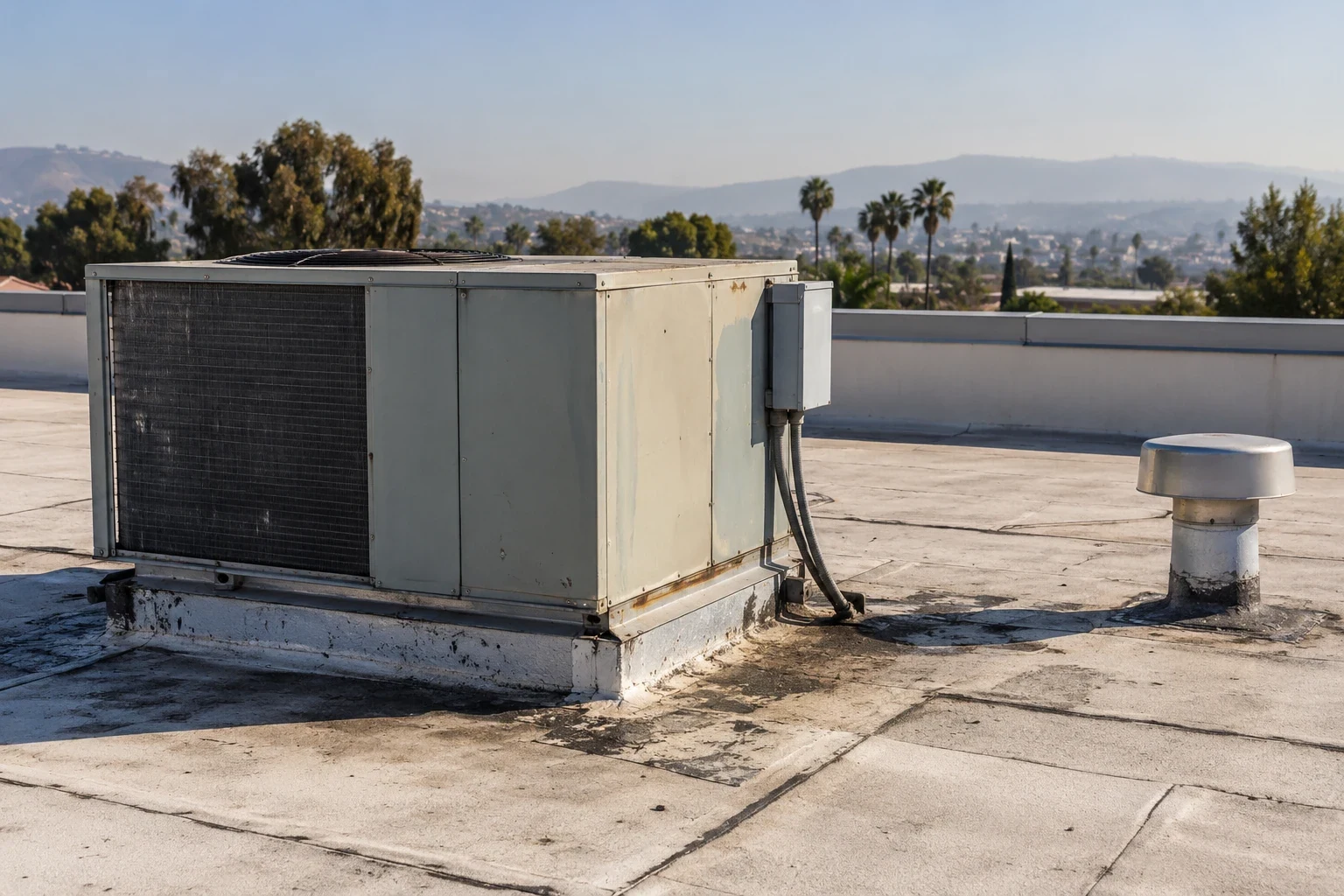
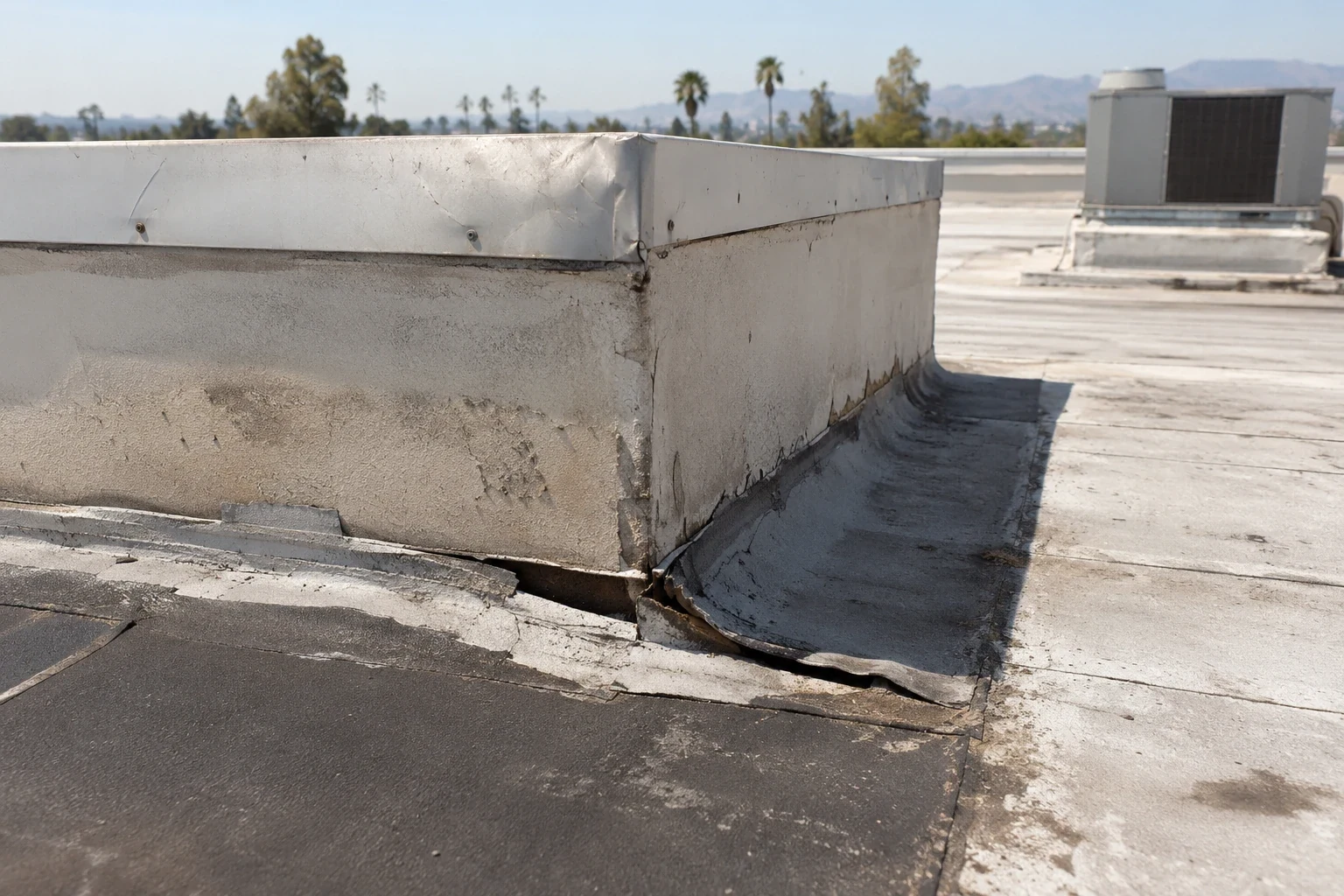
Metal edges, parapets and equipment curbs need their own check. We look for loose attachment, corrosion, movement and gaps where the membrane terminates. A flashing repair can restore a curb or wall transition when surrounding membrane is sound. If wind has shifted edge metal or opened a lap, we inspect the changed attachment and adjoining details.
Use the Existing Assembly to Set the Scope
We identify the roof system before selecting a patch, weld or adhesive. A membrane repair needs clean, dry material and a tie-in that reaches a sound area. If earlier sealant obscures an opening, we remove enough loose material to see where the repair can bond. The patch should restore the connection and shed water, not create a raised edge that holds debris.
A local repair fits when the defect is contained and insulation and deck remain sound. Wet material, repeated seam separation or broad brittleness may call for more removal or a larger restoration. We explain what has been confirmed from the surface and whether a controlled opening would change the work. A commercial roof repair scope identifies the immediate work and any separate follow-up.
Timing and cost depend on roof access, height, material compatibility, staging, surface condition and hidden damage. A building with limited entry hours may need a phased repair, while a clear route can simplify material delivery. We identify those constraints with the site contact before setting the work schedule. If another trade controls rooftop equipment, we coordinate before disturbing its curb or support.
Keep the Building Protected Between Work Visits
If rain is approaching and a seam is open, temporary dry-in can limit water entry when the roof can be reached safely. We attach cover to sound material, keep drains clear and identify the area that still needs permanent work. A dry-in protects the exposed surface; it does not dry concealed insulation or deck. If wet layers are suspected, a suitable survey or controlled opening can locate material that belongs in the repair boundary.
Emergency response is available overnight, on weekends and through holidays when a sudden roof opening threatens the building. We coordinate safe access and interior protection, then schedule permanent repair when the membrane is dry enough for the selected material. If the roof remains wet or conditions prevent a secure attachment, we explain what can be protected and when the crew should return.
Chula Vista has a mild coastal climate, while inland areas can experience larger temperature ranges and hotter dry-wind periods. We schedule material work within the product's temperature and surface requirements. A roof visit in the Bonita Road area can identify actual cracks, open seams and loose edges without attributing every change to weather alone.
Leave the Owner With a Clear Repair Boundary
After installation, we inspect the repair perimeter, adjacent membrane and the drainage route. Photos show the work area before preparation and after completion. The record identifies the roof zone, material used and any area left for moisture testing or a separate trade. If the roof was only temporarily protected, the handoff says what remains before the permanent tie-in is complete.
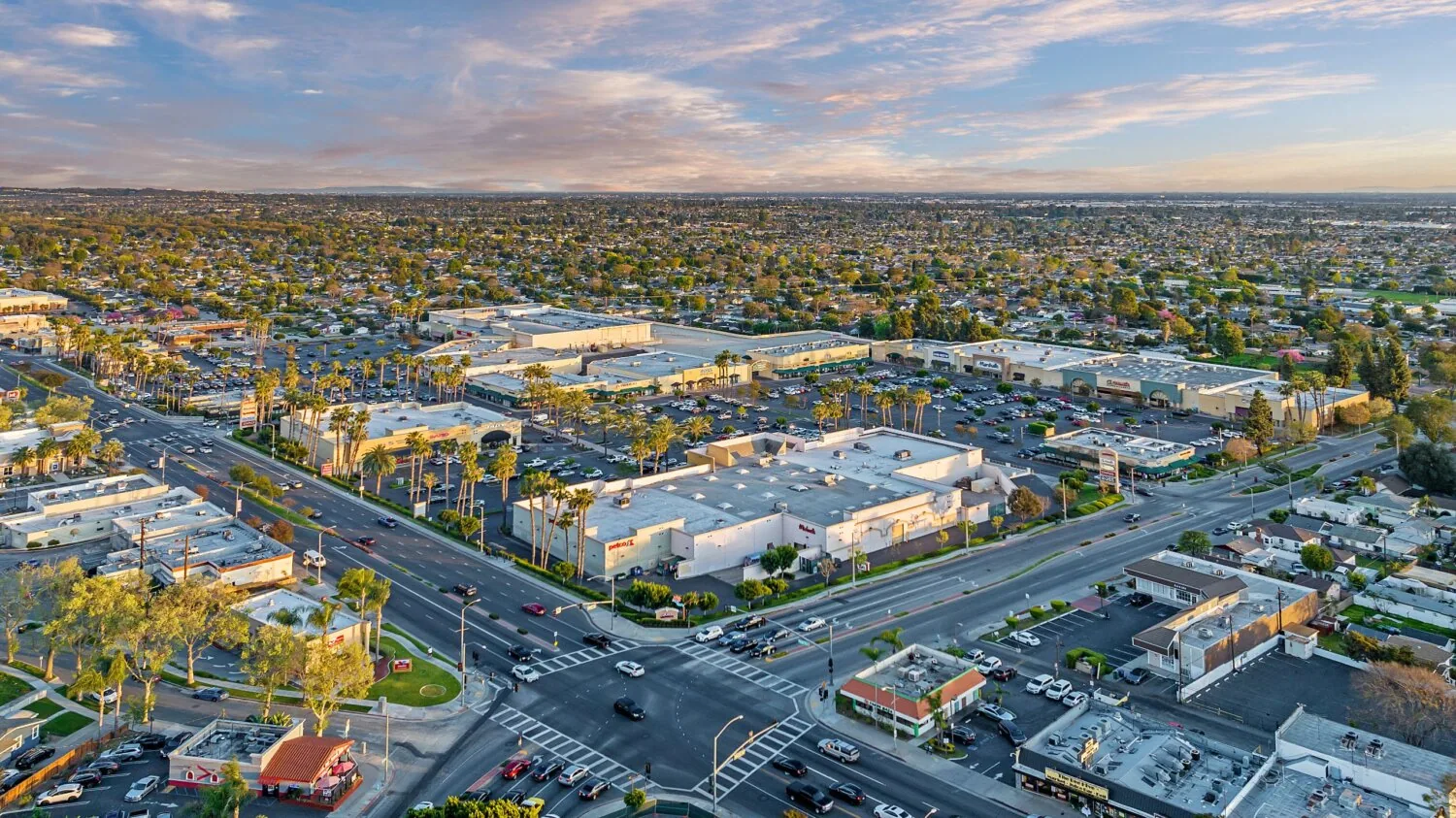
Bonita Road's commercial activity sits within a broader area of neighborhoods, open space and community-serving uses. That mix can change work hours from one property to the next. We confirm each building's access window and keep the closeout specific to that building, rather than assuming a corridor-wide schedule.
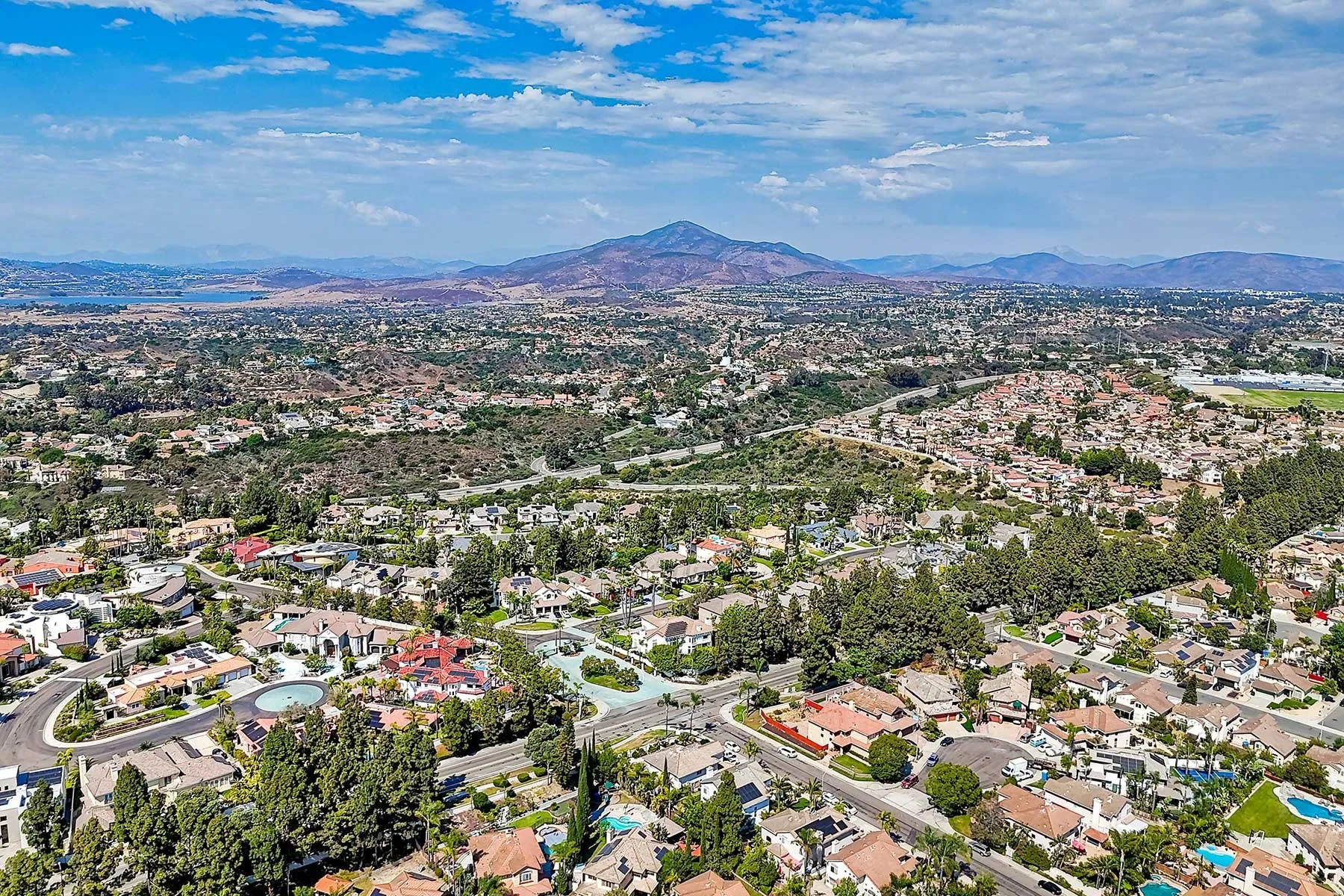
A portfolio with property in Eastlake or the Eastern Urban Center can use a consistent roof-zone record to compare repairs. Roof condition reporting can carry photos into a broader maintenance plan. The next maintenance visit can check the same seams, drains and edge details after the next wet period.