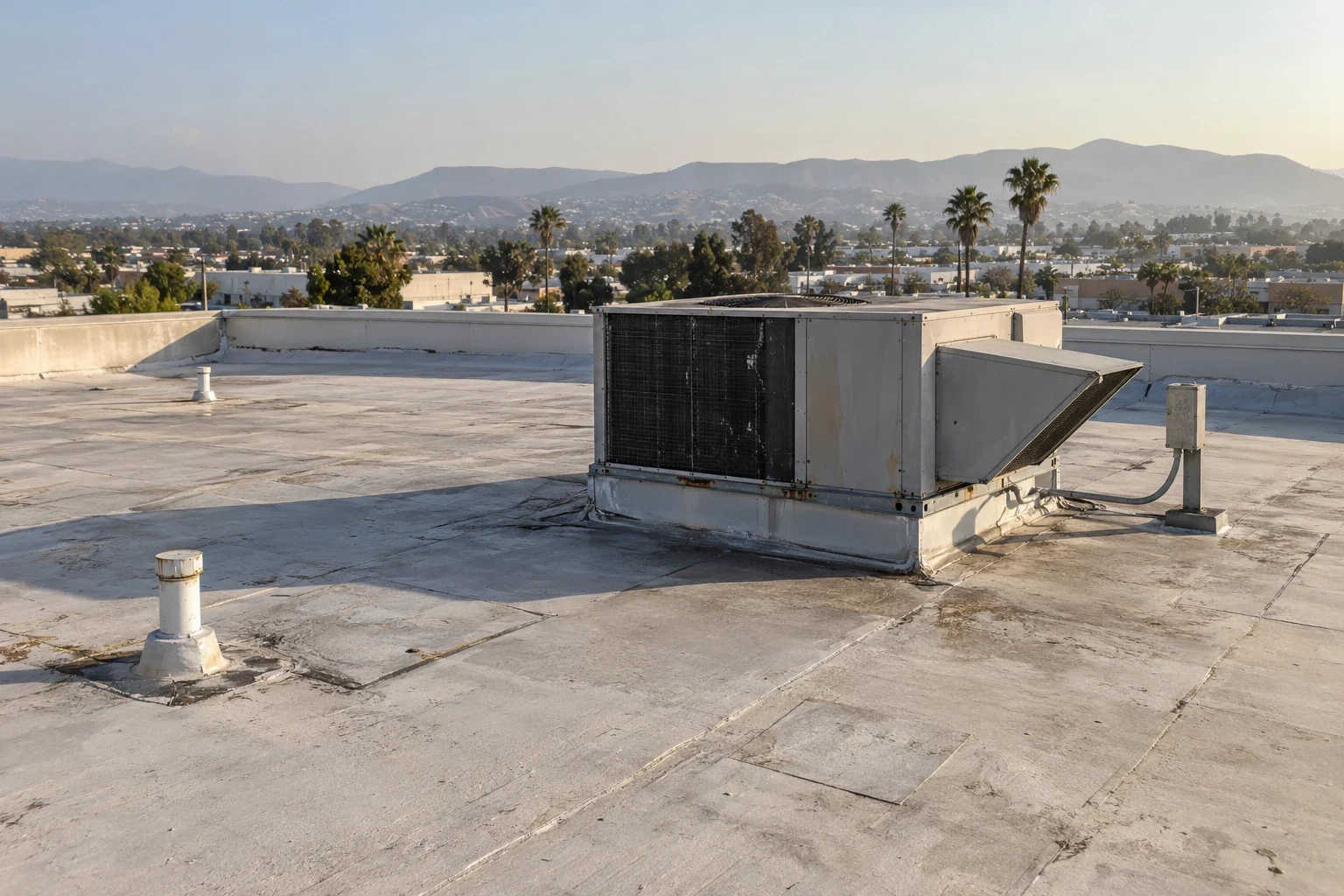
Keep equipment and work routes clear
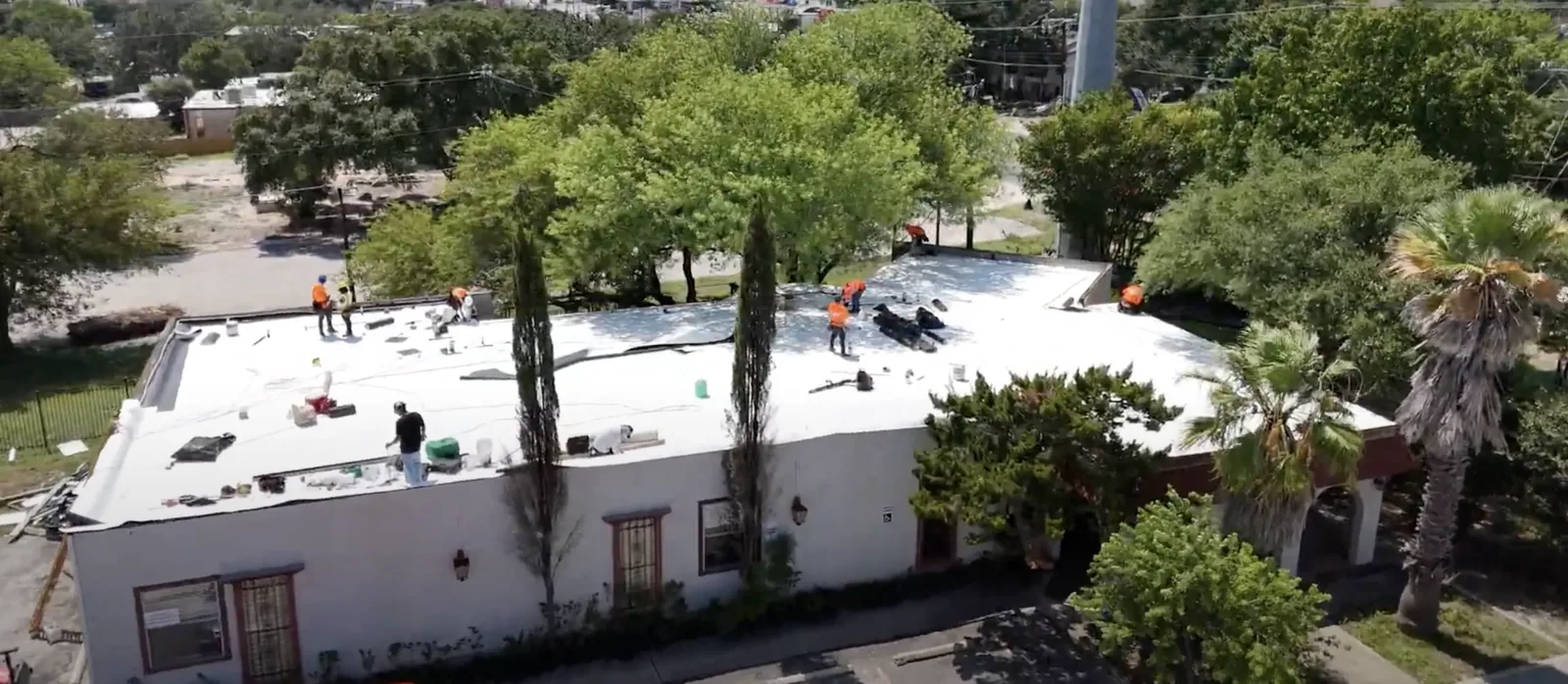
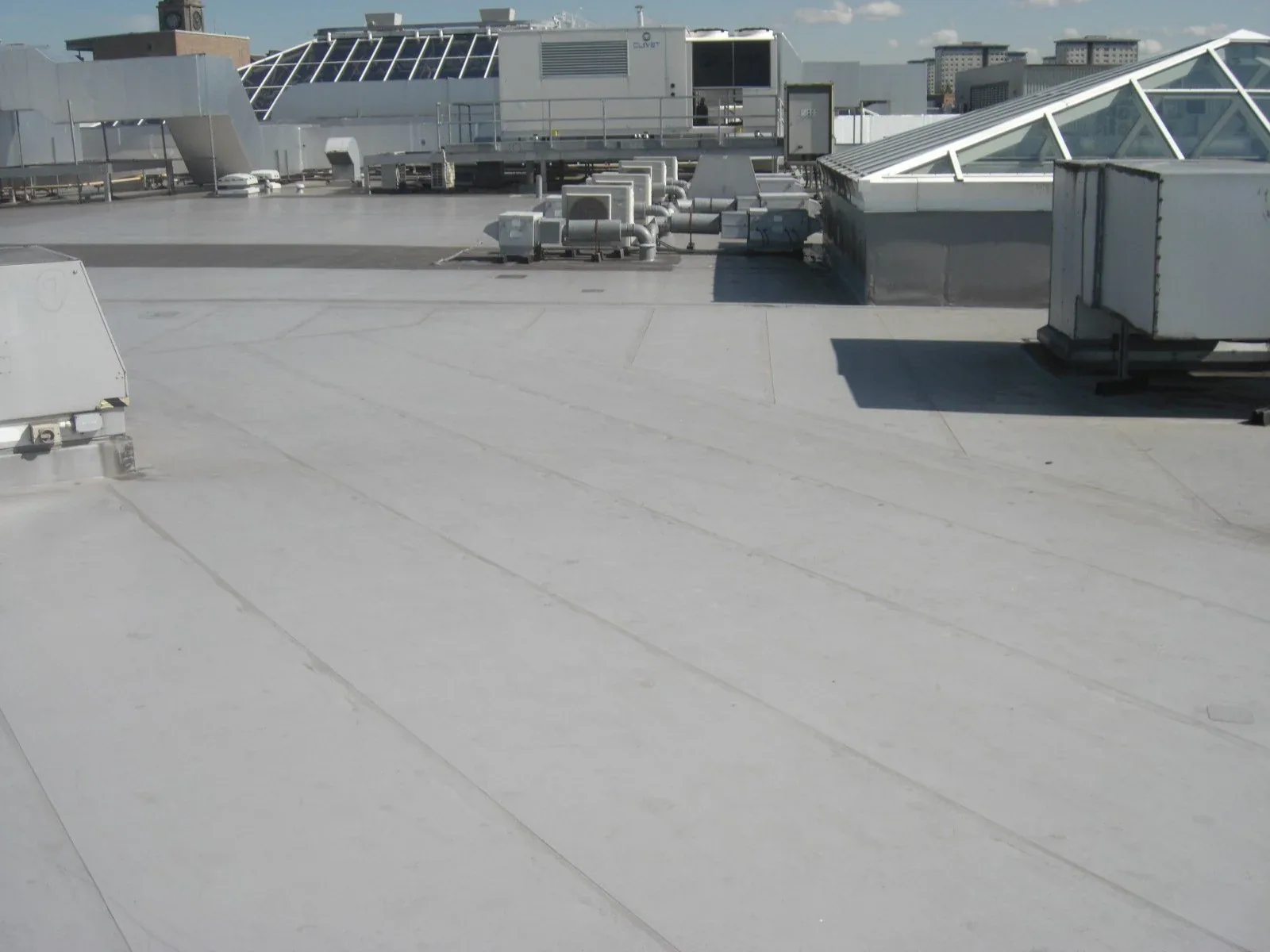
Truck movement is a planning concern in Barrio Logan, but a roofing crew still needs the property's own receiving and service instructions. We confirm where materials can be unloaded, which gates or doors must stay clear, and how roof access relates to active work areas. If the site has restricted vehicle routes, the manager identifies them before the crew schedules a lift or delivery. We confirm the property’s approved entrance and staging area before arranging deliveries or lifts. A roof replacement adds material deliveries, tear-off and debris movement; a repair may need only a compact work zone. The work plan makes those differences explicit. For occupied businesses, we name the roof zone being opened, the daily dry-in limit and the point when the crew returns the access path. Our occupied-building roof sequencing can reduce conflicts by separating work sections and handoffs. If a property has both maritime and neighborhood operations nearby, the site contact helps coordinate delivery timing without interrupting unrelated uses. The work plan names the site contact, delivery window and routes that must remain clear.
Follow the water to the failed detail
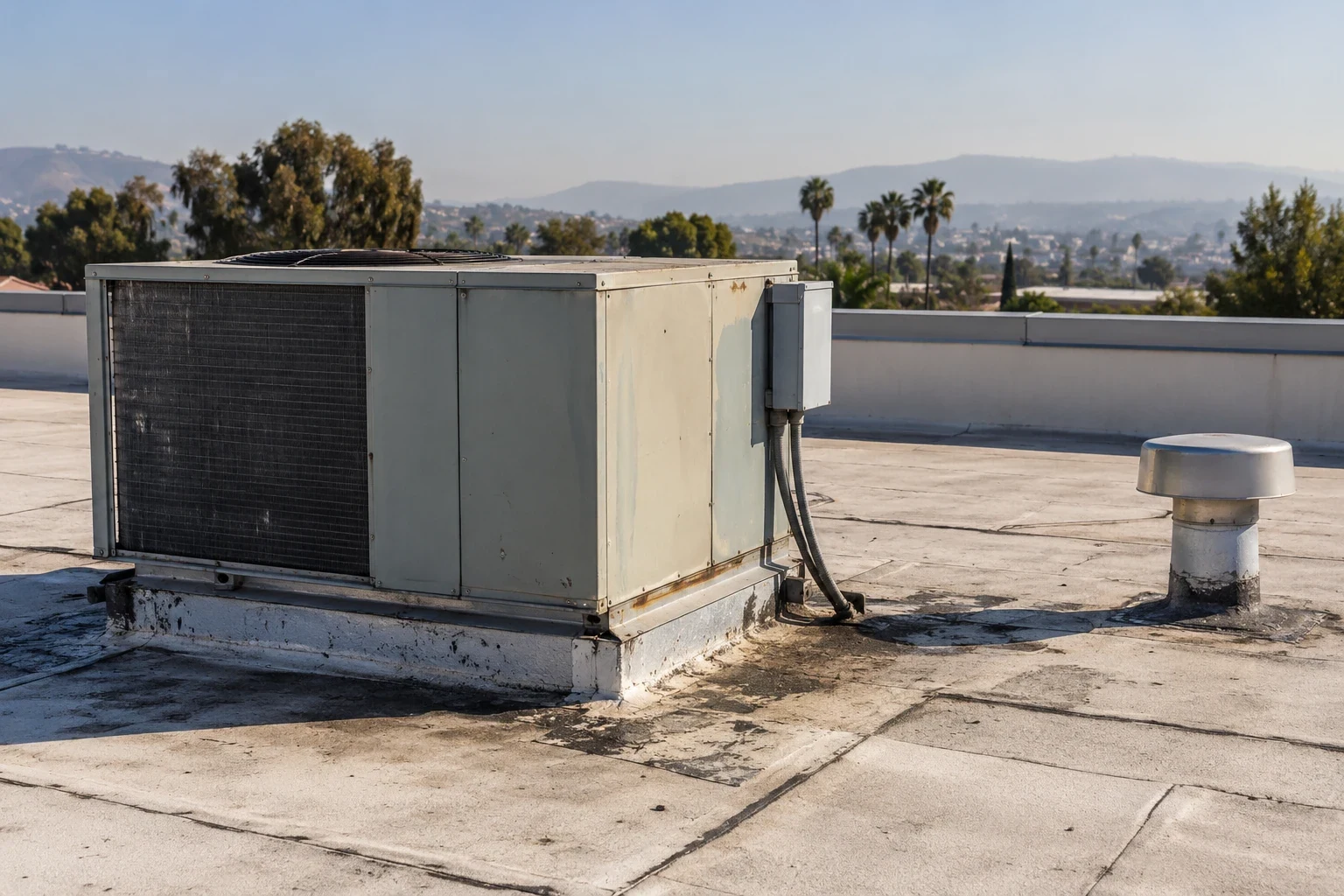
Water can enter at a curb, wall or membrane lap, then travel beneath the surface before appearing indoors. We locate the reported room, check the matching roof zone and inspect uphill transitions. A failed corner at a rooftop unit may direct water under the field sheet; a separated seam can leak along a longer lap; a blocked drain can hold water at a second weak point. Those paths require different corrections. We photograph the details and mark which one explains the leak. If moisture may have spread below the membrane, an infrared moisture survey can help target a controlled opening. We interpret survey patterns alongside the roof assembly and surface conditions, then use a controlled opening when direct confirmation of concealed layers is needed. Confirmed wet material is scoped separately from areas that need follow-up. That helps an owner approve removal where it is supported, instead of extending a repair across a roof zone without evidence. The inspection record also shows the service path and any route that must remain open while work proceeds.
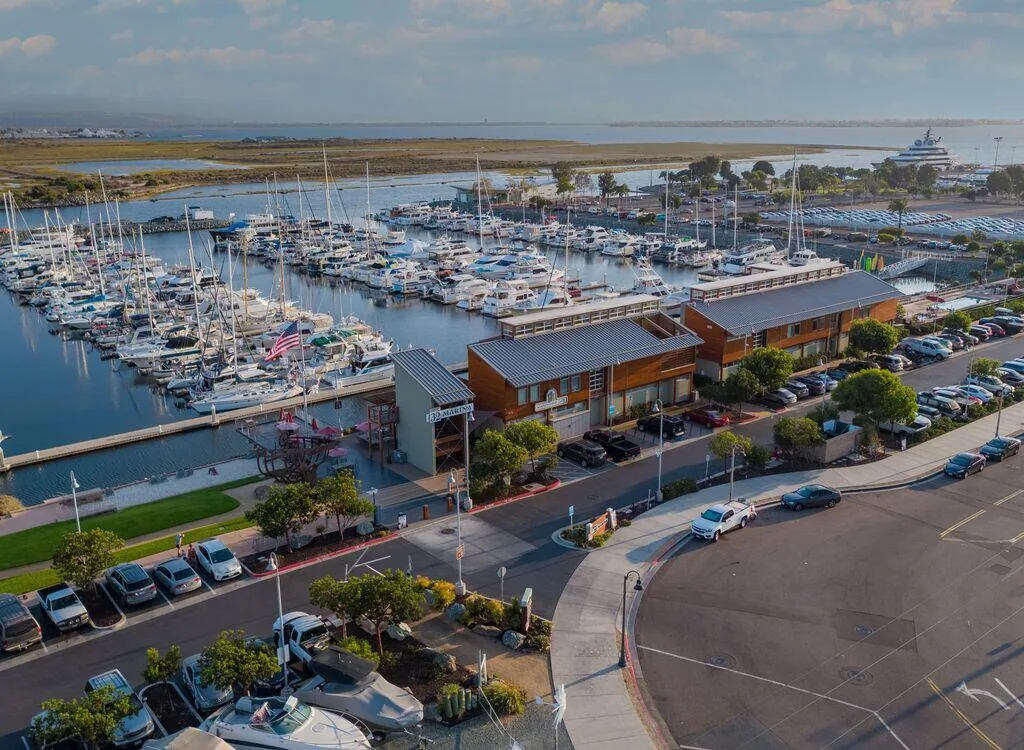
Repair details that meet at the boundary
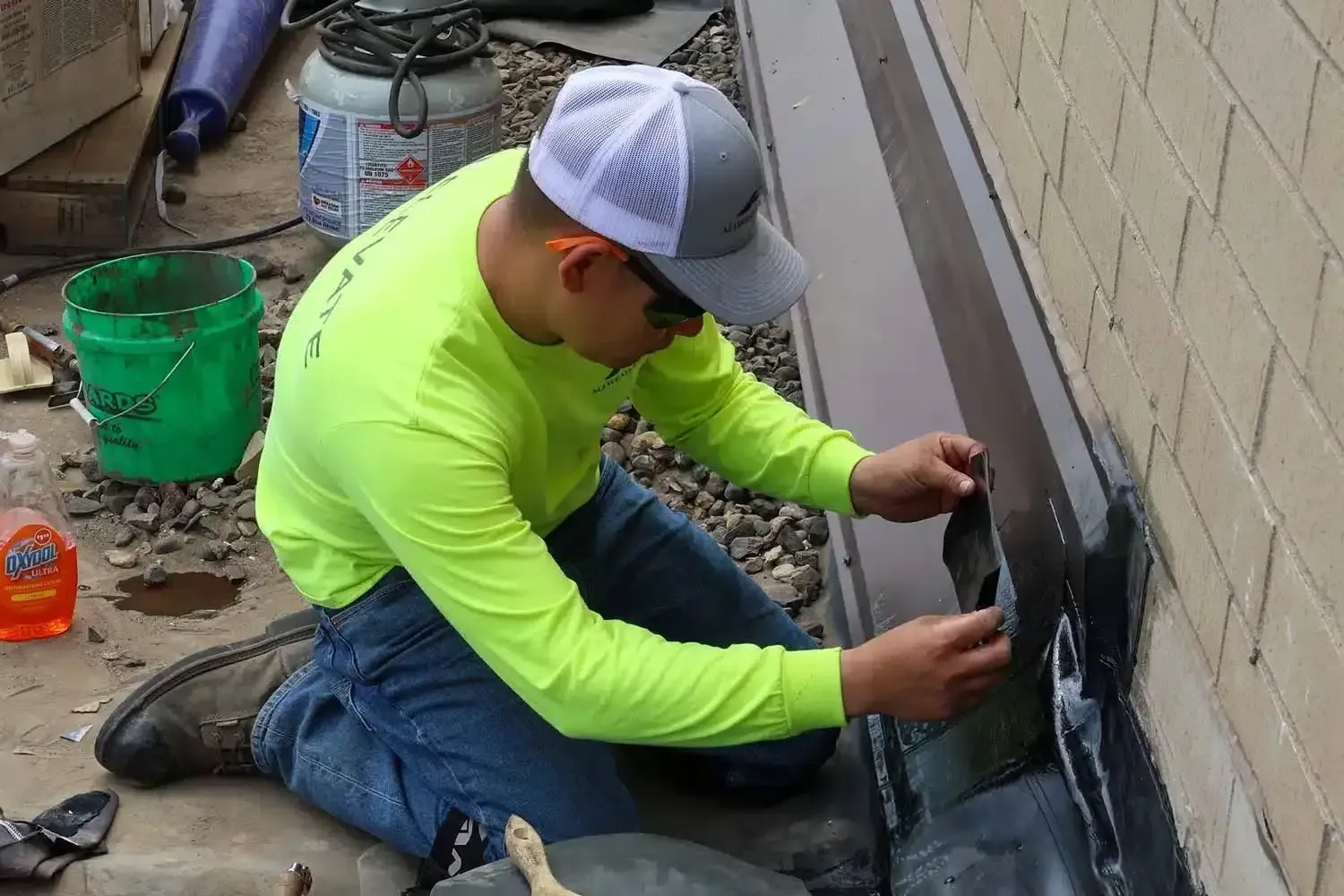
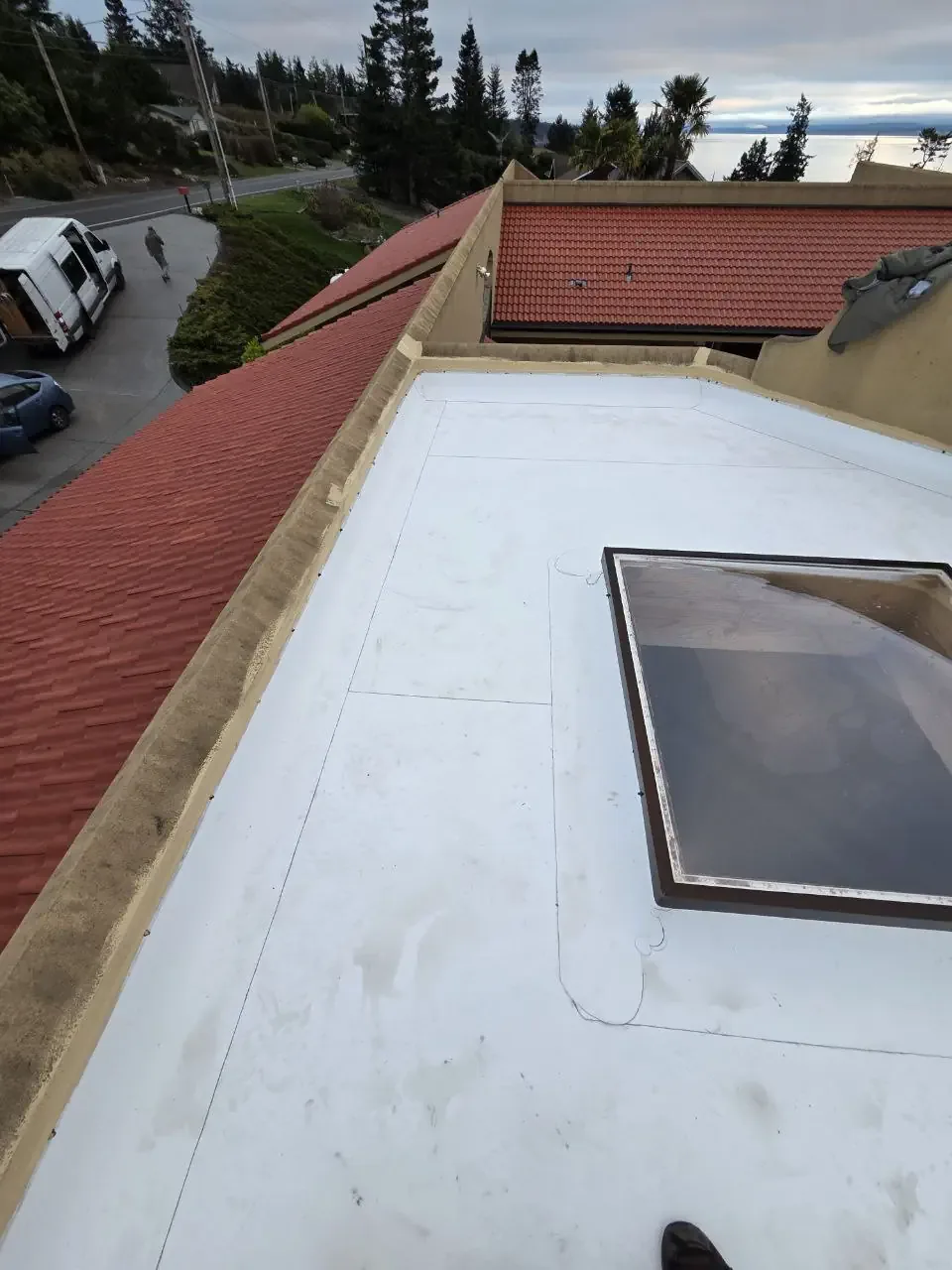
A membrane patch has to meet sound material on all sides. We cut back failed edges, prepare the surface and connect compatible roofing at the repair perimeter. At penetrations, the flashing and counterflashing need to return water to the roof surface rather than channel it into a wall. Metal edges and coping joints need secure attachment and a clean tie-in to the membrane. If the roof has widespread seam separation or wet insulation, a spot repair may not correct the system condition. We compare localized repair with recover or replacement based on the dry area, remaining layers, drainage and attachment. A leak repair scope can stabilize an active entry while we establish the permanent work. For multiple open laps or movement at the membrane, seam-failure repair may extend into adjacent material needed for a sound connection. The proposal states what is removed, what stays and which concealed condition could change the repair boundary after opening. No material is selected from the building's land use alone; the field inspection identifies the assembly and compatible repair.
Regional weather, local inspection
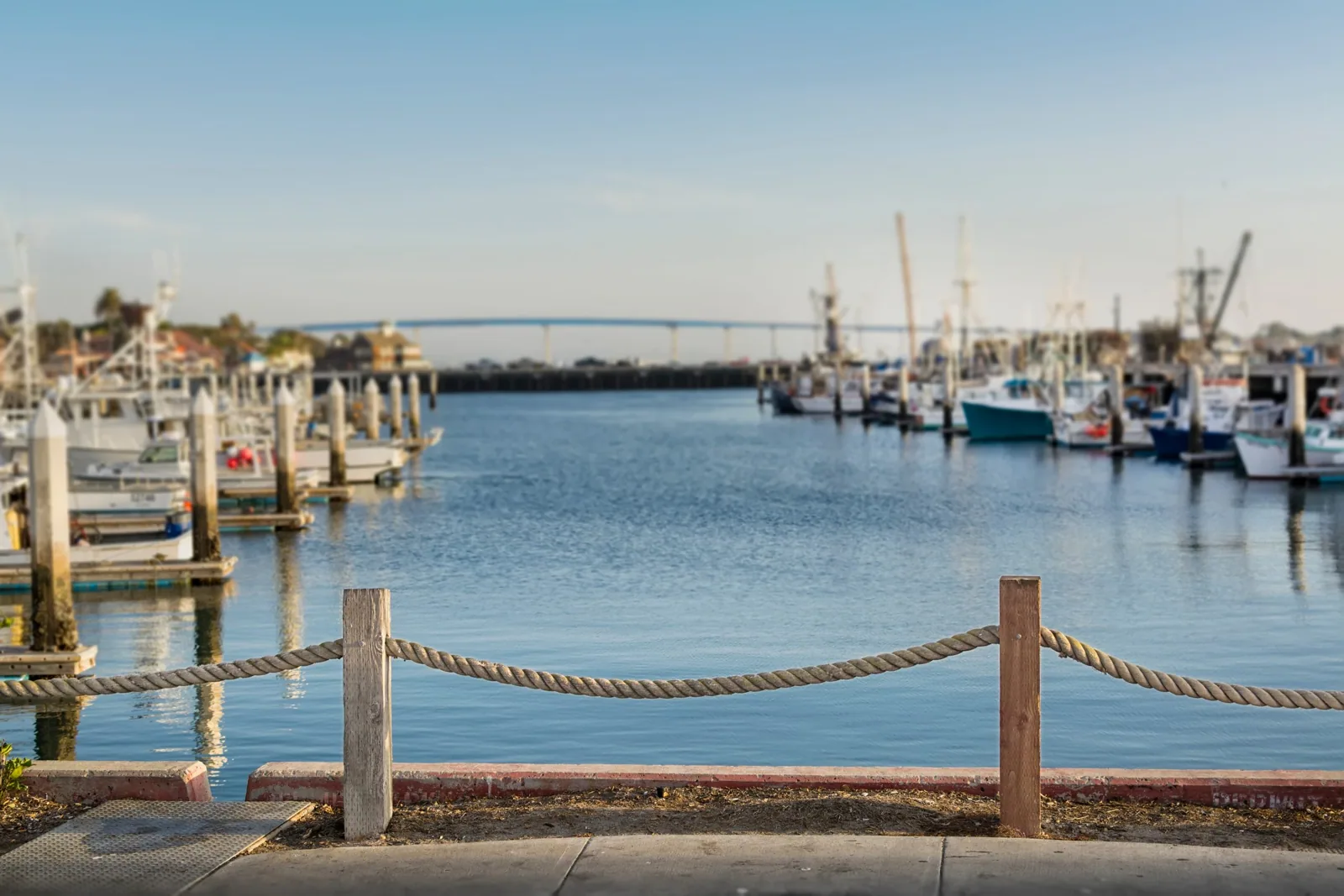
Chula Vista has a mild Mediterranean climate, while inland valleys have wider temperature ranges and more frequent freezes. Most San Diego-area rainfall arrives in winter. We check the Barrio Logan forecast, roof surface and system requirements for each workday before setting dry-in limits. A section is opened only within a dry-in limit the crew can protect if weather changes. Exposed metal is inspected at the roof edge, curb and equipment support where it is part of the assembly, with corrosion or loose joints recorded as field conditions. Barrio Logan's working-waterfront and industrial uses can place roof work near active operations, so we coordinate access and material staging with the property manager. The land-use framework's attention to neighborhood connections also makes it important to identify which public and private routes are in use before setting equipment. If work changes drainage, insulation or the roof assembly, the project needs a review under requirements applicable to that San Diego property. Chula Vista's code adoption is not the governing rule for Barrio Logan. A roof inspection with photos gives the owner local findings to use when making a repair decision.
Scope the work and document the return path
Timing and cost depend on removal depth, moisture below the membrane, the number of roof details, equipment access, loading limits and how much material can be staged without crossing an active route. We identify these drivers before work and separate confirmed repairs from possible concealed conditions. If an opening exposes wet insulation or damaged deck, the owner receives a photo and a clear description of the added scope before the crew moves past its authorization. At closeout, we record the roof zones repaired, material installed, photos and maintenance issues that remain. A return visit can then use the same locations rather than start again from a vague description of a leak. For an owner managing industrial or maritime properties alongside neighborhood commercial space, multi-property roof records can organize separate condition histories without blending their findings. A later capital decision should compare the actual assembly and repair history at each building. To schedule a Barrio Logan roof walk, share the property, reported roof zone and site access contact. We will trace the visible water path, identify what can be confirmed and show which choice follows from the field evidence.