Access among neighborhood uses
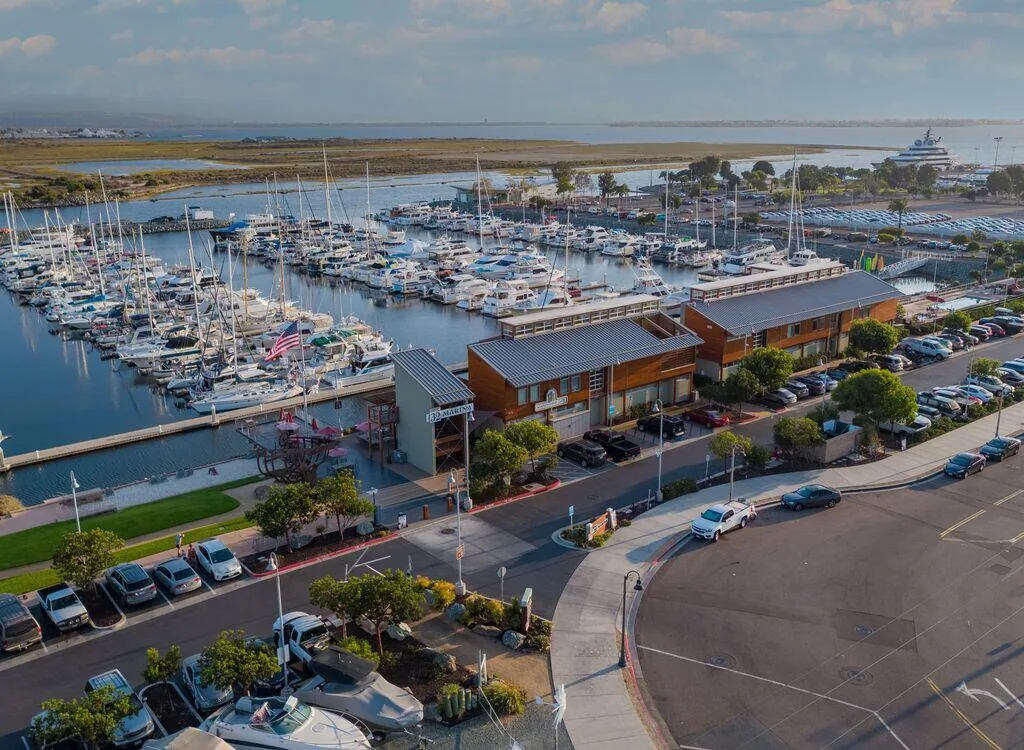
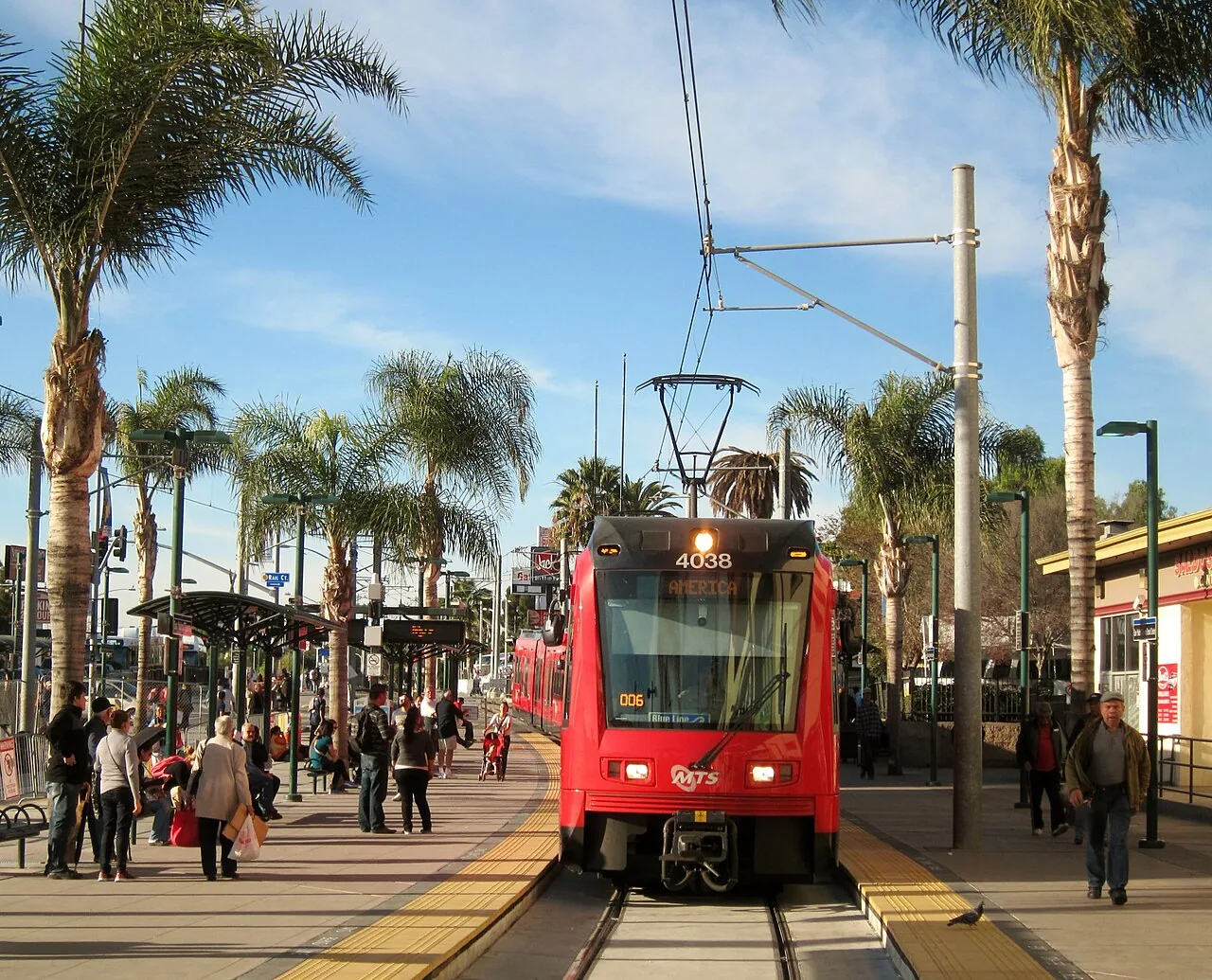
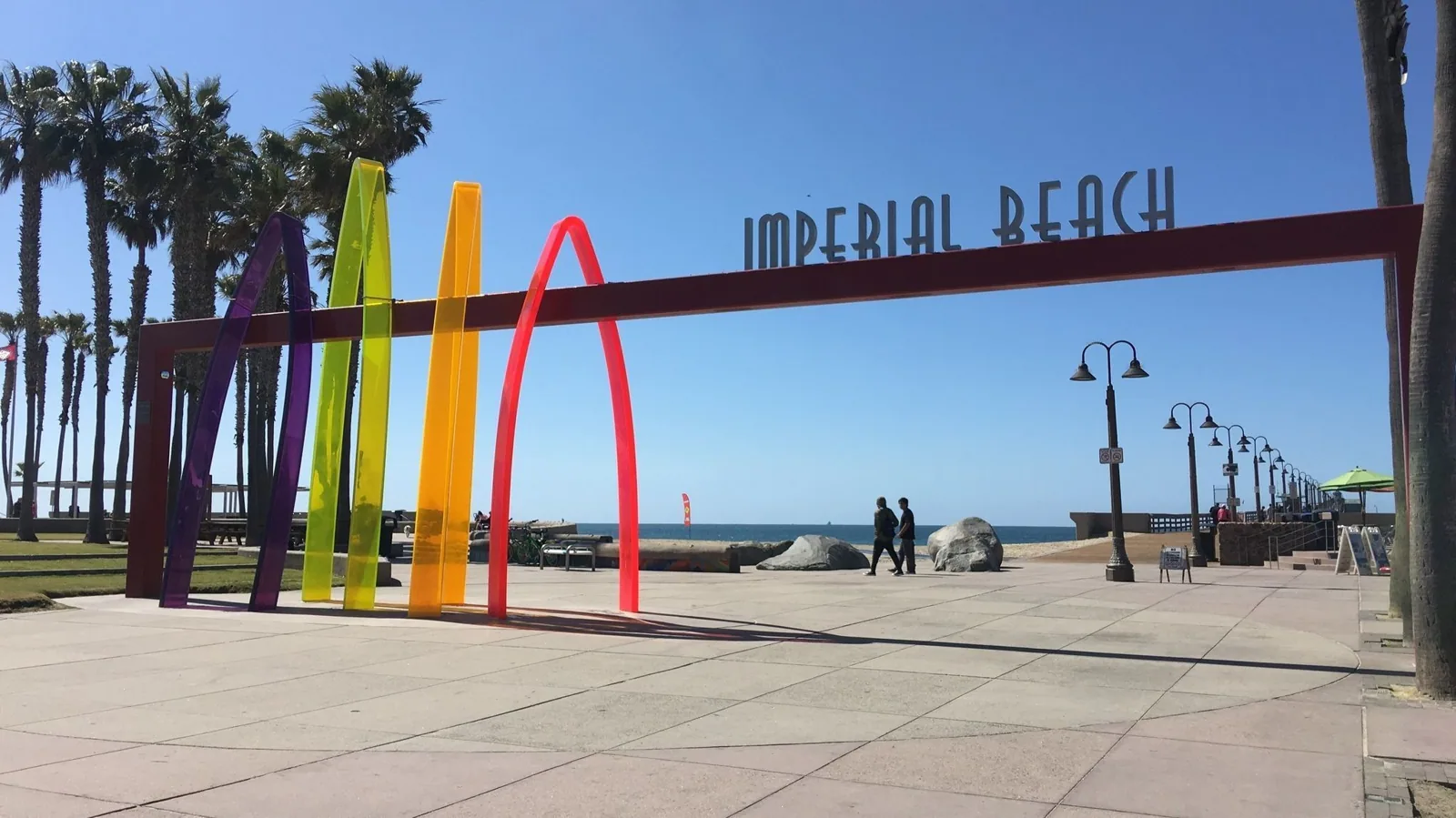
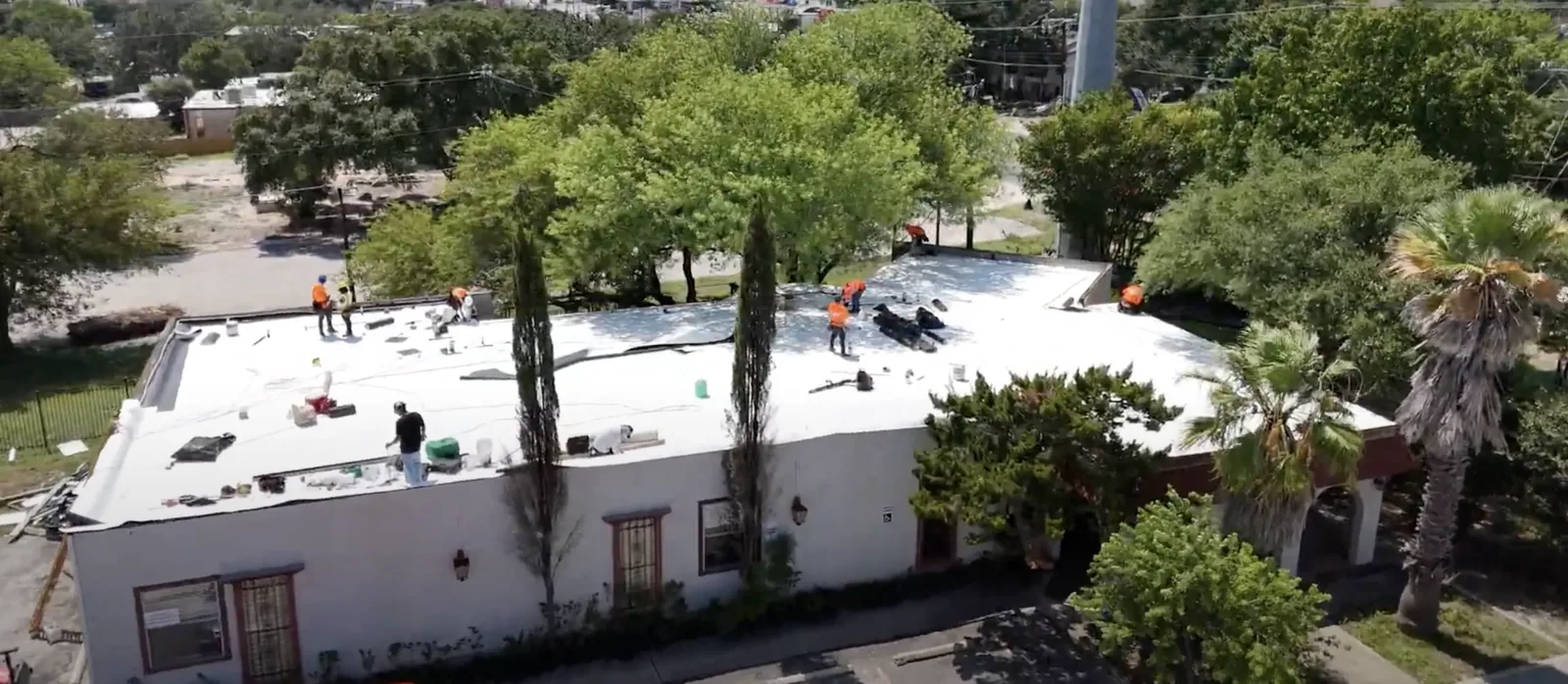
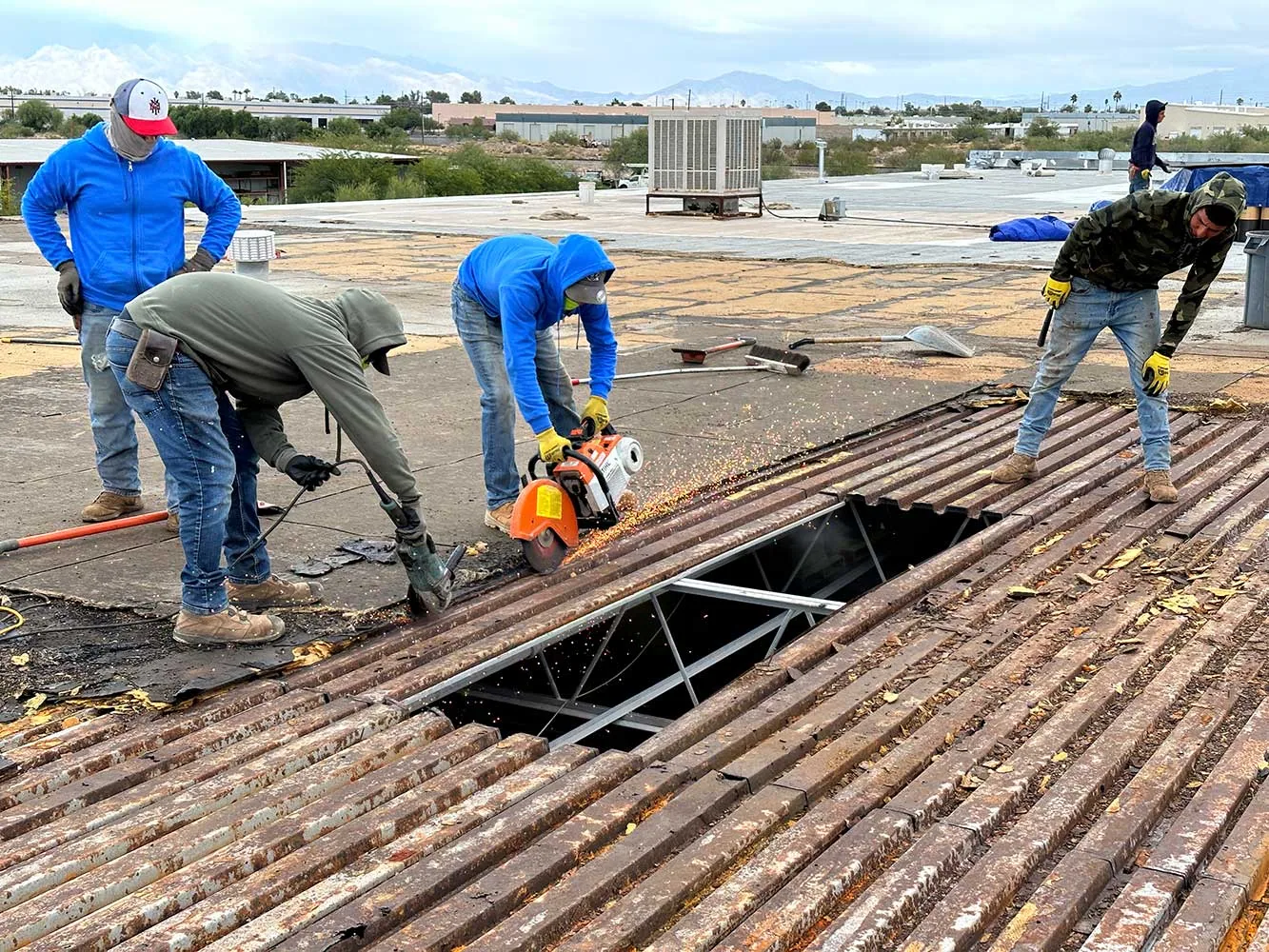
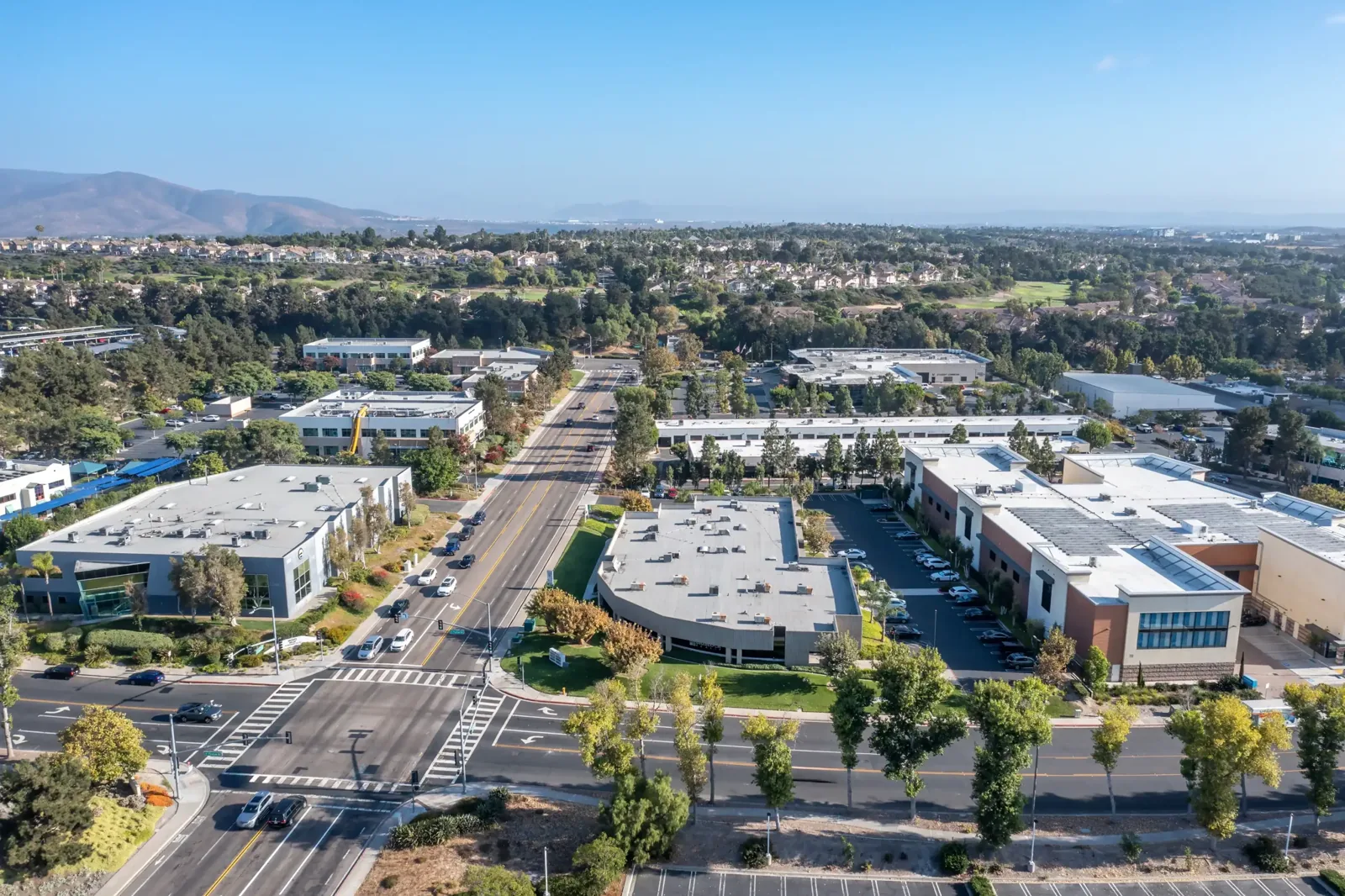
Work near a neighborhood-serving business can affect its daily service route even when the roof repair is small. We ask which entrance stays open, when deliveries arrive, where customers move and what staging space is available. Those facts shape lift placement, debris handling and the hours for noisy work. Travel among Chula Vista, Otay Mesa, San Ysidro, the Tijuana River Valley and Imperial Beach varies with time of day. We confirm the active gate, crew route and site contact before the visit. If the building stays occupied, a repair can be limited to a defined roof zone, while a larger replacement can be divided into areas that reach dry-in before the next is opened. Our occupied-building work sequence identifies staging, active doors, work boundaries and daily handoffs so site staff know what changes. If the plan for Palm Avenue improves pedestrian and bicycle movement, that remains a public planning effort; a private roof job still needs its own coordination. We do not assume the project has authorization to use public space or change a corridor route.

Find the entry, not the ceiling mark
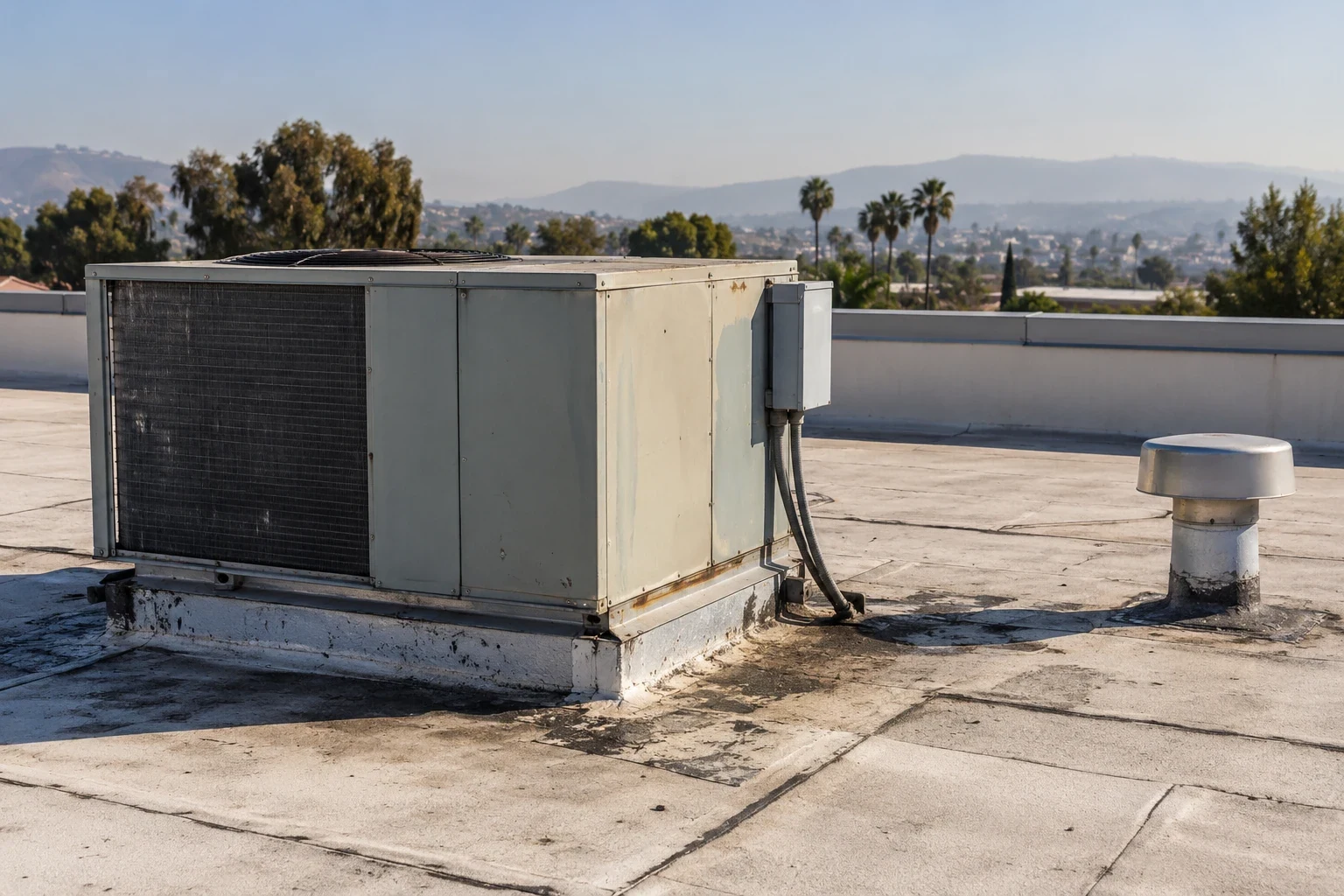
A ceiling mark may sit below a roof area that looks intact because water can travel under the membrane before it drops. We locate the affected room and corresponding roof zone, then inspect uphill seams, penetrations, wall transitions, equipment curbs and drains. A separated lap can pass water with only a narrow surface opening; a failed curb corner can direct it under the field sheet. A slow drain can leave water at a low point and expose weak details nearby. The inspection notes the observed condition and photographs it before any proposed repair is assigned. When thermal patterns indicate possible wet insulation, an infrared moisture survey can help select a small area for direct confirmation. Compare readings with roof construction and surface conditions. Use a controlled opening when direct confirmation of a concealed layer would change the scope. This distinction matters for small neighborhood commercial properties where an owner needs to know whether the immediate leak is isolated or part of a larger system problem. The record keeps that answer tied to a location and the evidence available.
Work from the actual roof system
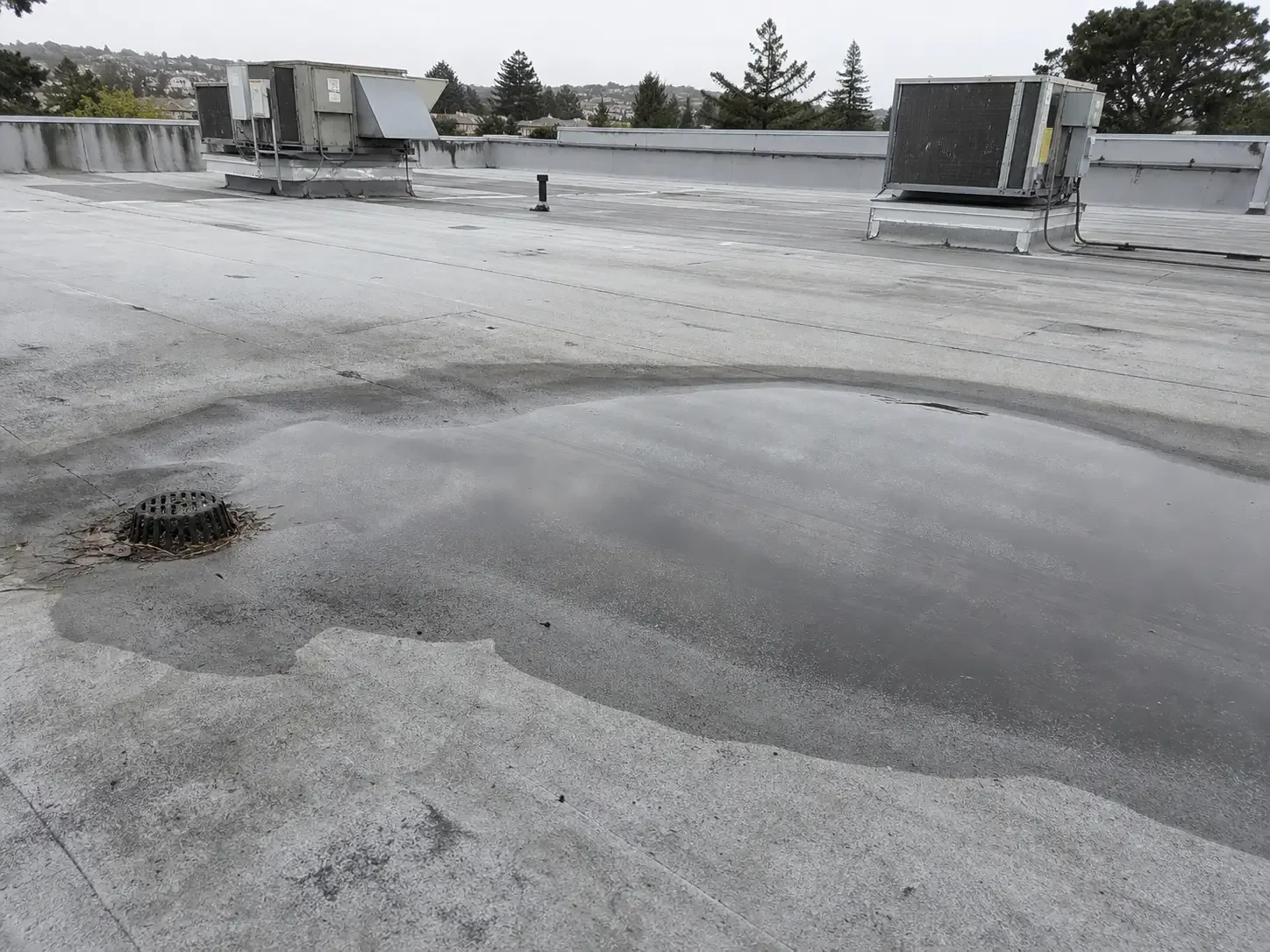
Repair material must bond or fasten to the assembly that is already there. We identify the roof covering, check the condition around the failed point and find a stable perimeter for the tie-in. On a single-ply membrane, a patch needs a clean, dry, compatible surface with a secure edge. Built-up and modified-bitumen assemblies need an appropriate reinforcement and surface preparation. Metal panels require attention to their seam profile, fasteners and movement. If the damage reaches wet insulation or deck, a surface repair alone will not address that material. We separate immediate water control from permanent correction and identify what the owner can approve now. Repeated failures, broad brittleness or multiple wet areas may bring a wider recover or replacement into the comparison. A localized roof repair can be appropriate when sound material remains around the defect. For ongoing water collection, our ponding-water review checks the drain path and low point instead of coating over the symptom. The scope explains which roof zones are included and what concealed condition could require a change after opening.
Regional weather, property-level checks
Chula Vista, CA has a mild Mediterranean climate shaped by coastal conditions, while the larger San Diego region can see hotter dry-wind periods inland and most rain in winter. Most San Diego-area rain arrives in winter, and hotter dry-wind periods can occur farther inland. Before opening a roof in Otay Mesa-Nestor, we check the day’s forecast, surface and material requirements. A membrane or coating needs the preparation and installation conditions its system requires; a dry-in limit prevents more area from being exposed than the crew can close. In the roof walk, we also check exposed metal at edges and curbs for corrosion or loose joints if the assembly has those details. The field condition determines whether that needs repair. Season and access can affect how work is staged, especially when the site is open to tenants or customers. If rain threatens, the crew protects exposed layers and interior space before returning to permanent work when the surface is ready. The day-of forecast sets the final work window. A hands-on inspection gives the owner the property-specific facts to plan around.
Document the boundary and follow-up
Repair cost changes with removal depth, damaged insulation or deck, the number of details to rebuild, material compatibility and the time needed to maintain access. We state those drivers in the scope and distinguish them from concealed conditions that are not yet visible. Where a larger capital decision is under review, photos and roof-zone labels help compare repair with replacement without treating a small leak as proof that the whole roof has failed. The closeout record identifies material installed, completed boundary, remaining maintenance and the condition that would call for another visit. This is especially useful when a manager follows roofs from Otay Mesa-Nestor into San Ysidro or other parts of the South Bay; each property's history stays associated with the correct roof. Code and permit questions depend on the jurisdiction and scope. Chula Vista's local code adoption does not automatically determine requirements for a San Diego property. We flag the appropriate review where the planned work changes drainage, insulation or assembly. To arrange a roof walk in Otay Mesa-Nestor, share the building, reported roof zone and access contact. We will show what the inspection confirms and what decision the evidence supports.