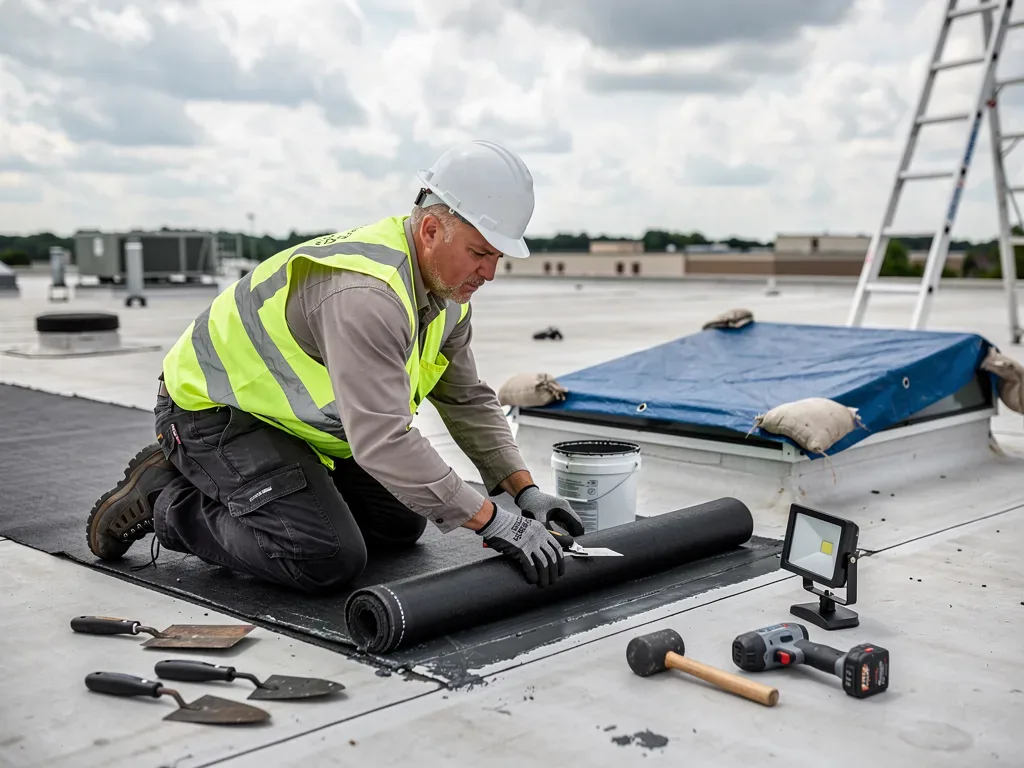
Trace the leak across the roof zone
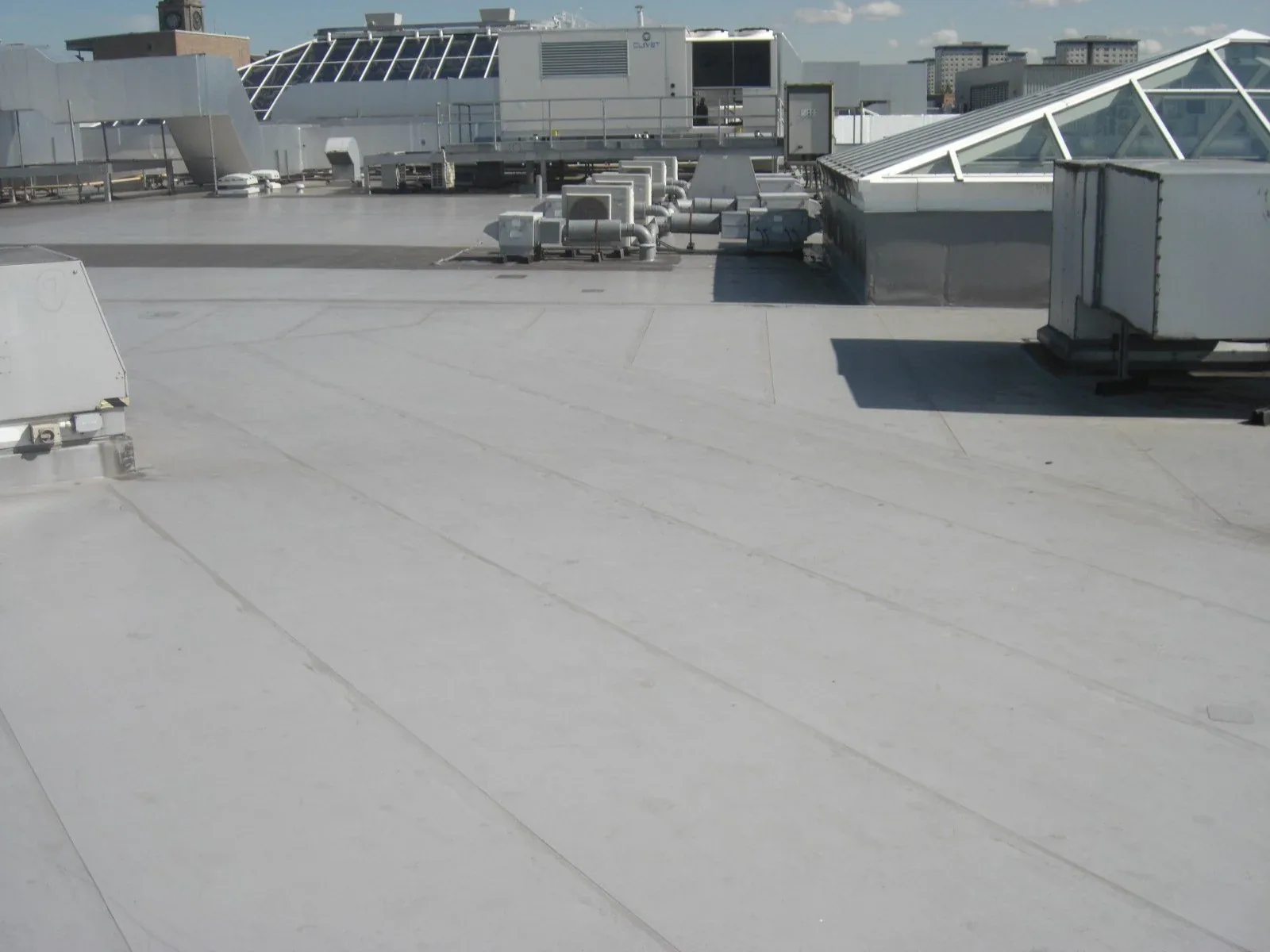
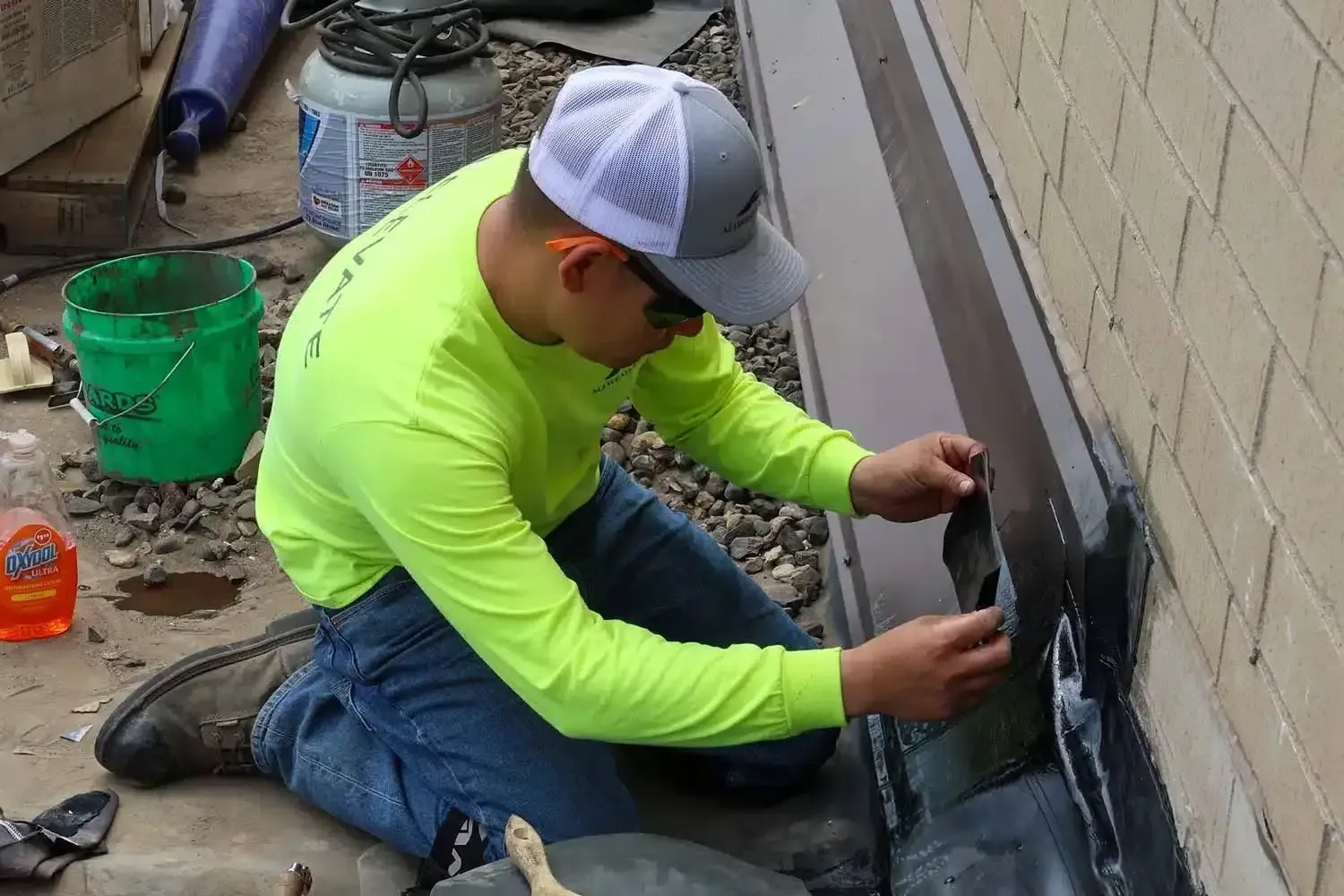
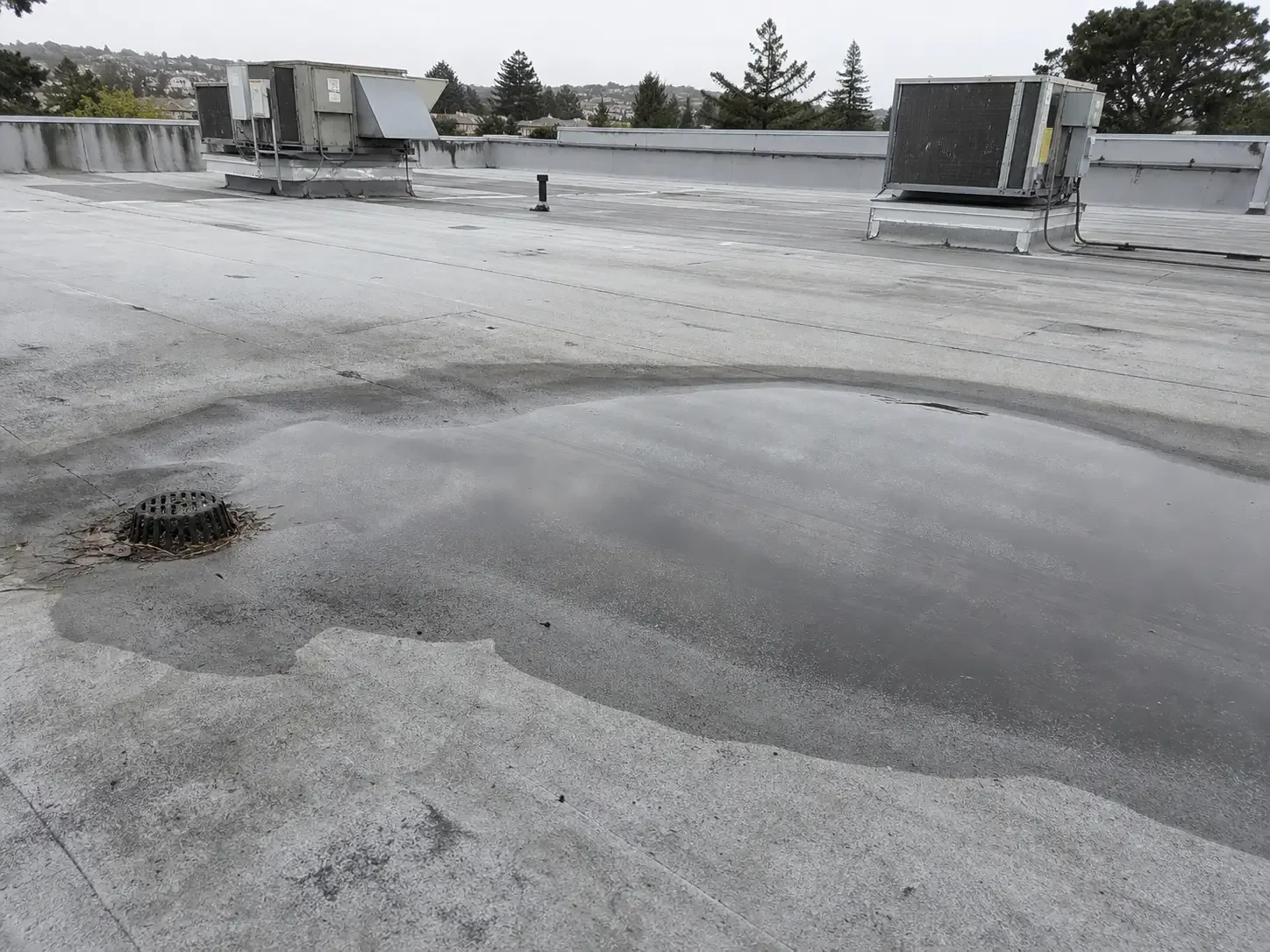
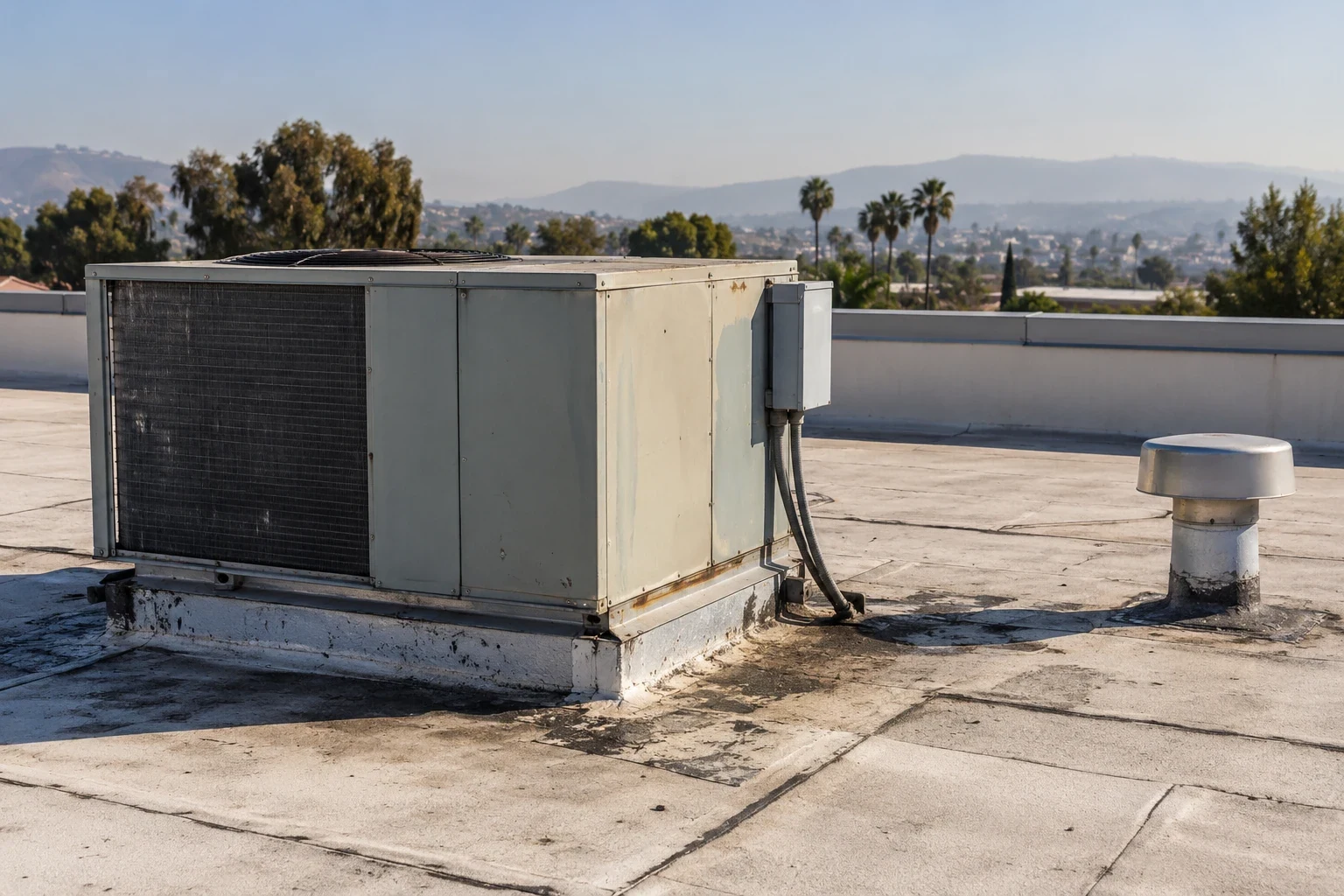
A stain above a counter may sit beneath a roof detail several bays away. Water can run below a membrane, follow a deck flute or move beside insulation before it reaches an interior opening. We locate the affected room and inspect uphill transitions in sequence. At a pipe, curb or wall, we check the flashing's corners, height and termination; at the seam, we look for a gap, lifted edge or weakened weld. The drain bowl and overflow route are part of that path because slow discharge keeps water in contact with a vulnerable detail. We record each observation with a photo and label so the owner can distinguish the apparent entry from the indoor symptom. If moisture may extend beneath the surface, a moisture survey can identify areas for targeted confirmation. We explain what the reading can support and where a controlled opening would answer a different question. A repair follows the observed boundary, not the visible ceiling stain alone. This sequence is useful near San Ysidro Boulevard and Las Americas, where commercial uses draw both local and regional customers and the owner may need to keep operations moving while the leak is resolved.
Keep the access plan specific
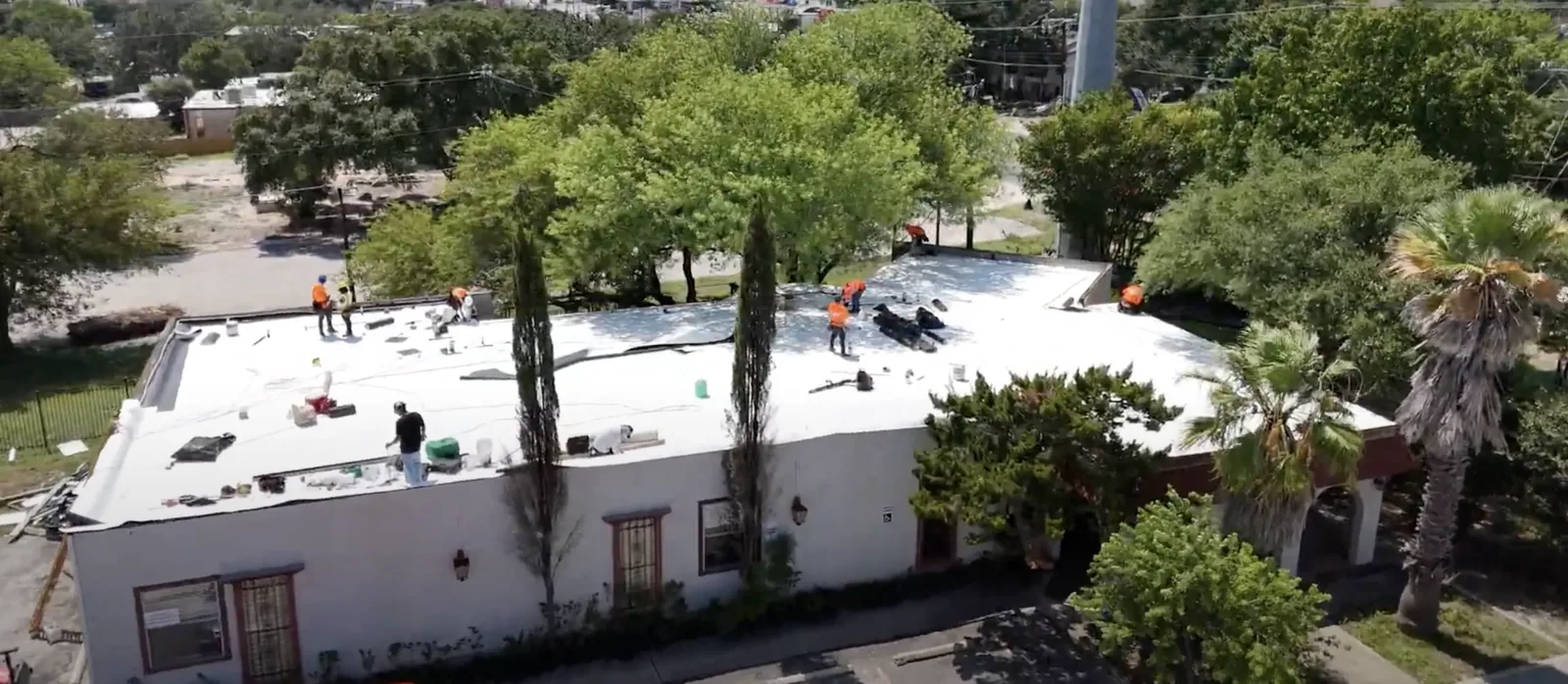
Rail, trolley and freeway infrastructure shape movement through San Ysidro, and some neighborhood connections are divided by those routes. For roof work, we use that context as a prompt to check the actual property entrance rather than assume a simple approach. The site contact confirms which gate or door is in use, where deliveries arrive, whether a receiving area must stay clear and what equipment can reach the roof. When a building is occupied, we set a staging zone away from customer movement and mark any temporary restriction. If a replacement needs recurring deliveries or debris removal, the owner receives a sequence with each work area, dry-in limit and handoff. Our occupied-building project planning can account for the business's hours and the roof zones that can be worked separately. Before crews arrive, we also clarify who can authorize a change if concealed damage appears. A clear access plan identifies customer routes, protected areas and the roof section active during each shift.
Use the failure pattern to size work
One failed flashing does not call for a full reroof if the surrounding assembly is sound. We remove material far enough to reach a stable tie-in, prepare the surface and reconnect compatible components. If several roof zones have open seams, widespread brittle membrane or wet insulation, a patch may leave the broader failure untouched. We use inspection findings to compare immediate stabilization, localized repair, recover and replacement. The assembly, moisture boundary, drainage, rooftop equipment and edge details all influence that choice. Cost follows removal depth, material quantities, access, curb work, disposal and the area that needs dry-in. A written scope separates confirmed items from anything that could change after an opening. For a recurring leak, leak tracing and repair can begin with temporary protection, then proceed to a permanent detail once the entry is confirmed. Where water remains at a low point, a drainage and ponding review checks the outlet and surrounding membrane together. The owner can compare these options with photos and repair boundaries rather than choose by the number of ceiling stains.
Seasonal conditions do not replace inspection
Chula Vista, CA has a mild coastal Mediterranean climate, while the broader San Diego area receives most of its rain in winter and eastern areas can experience hotter dry winds. Most San Diego-area rain falls in winter, and eastern parts of the region can see hot, dry easterly periods. We inspect the property’s roof and check the forecast before setting the work window. We look at the surface, moisture and materials at the property, then use the forecast to set the day's opening limit. Coastal air can make exposed metal details worth checking for corrosion, loose joints or degraded finishes where those components exist. A coating needs a compatible and prepared surface; a membrane patch needs dry material and a sound edge. If the weather window closes, exposed layers are protected and permanent work resumes under suitable conditions. For a San Ysidro property, we coordinate the proposed roof work with the requirements and permit path that apply to its jurisdiction. Drainage changes and a new roof assembly can affect permitting, so we include those details in the proposed scope. A documented roof inspection provides property-specific findings before a seasonal work plan is finalized.
Make the follow-up measurable
A useful roof record lets a future facilities lead return to the same detail and understand what changed. We identify each roof zone, photograph the condition, record materials repaired and list any open question or maintenance item. If moisture was suspected but not confirmed, the record says which area needs testing instead of turning suspicion into a finding. That helps an owner separate an urgent leak response from a capital project that can be planned. San Ysidro Boulevard and Las Americas serve local and regional commercial activity; we coordinate customer access and roof staging with each building’s manager. Commercial concentrations along San Ysidro Boulevard and Las Americas are broad enough to inform scheduling, while roof access and occupant needs remain property-specific. For a wider facility plan, a condition report can organize repair photos and follow-up priorities. To arrange a roof walk in San Ysidro, share the building, reported roof zone and site access contact. We will document the observable defect, explain any test needed for concealed layers and give the owner a clear next action.