Coordinate with the Readiness Calendar
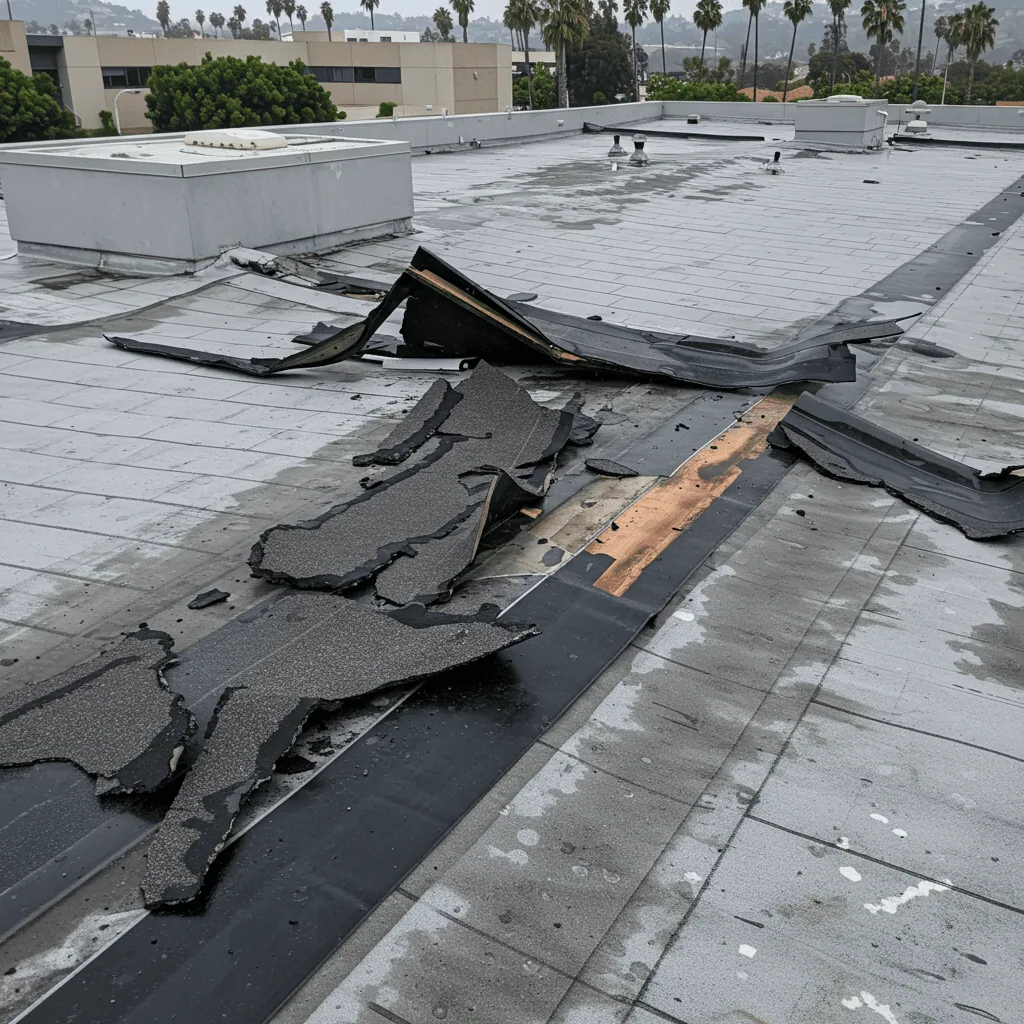
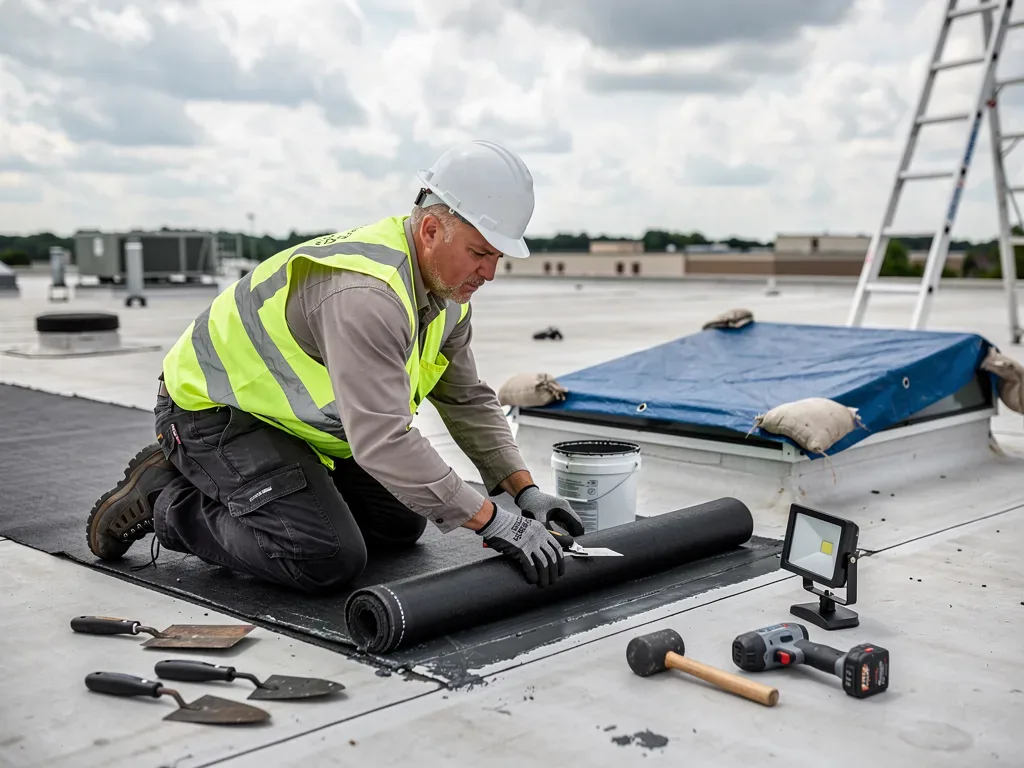
Armory schedules can change around training, equipment movement, classroom use, and unit assembly. Before a roof visit, we confirm the access contact, escort or badging requirements, vehicle route, tool restrictions, and the window when the roof zone is available. We identify rooms, drive lanes, and storage areas below the repair, then plan lift placement and material staging with the site contact.
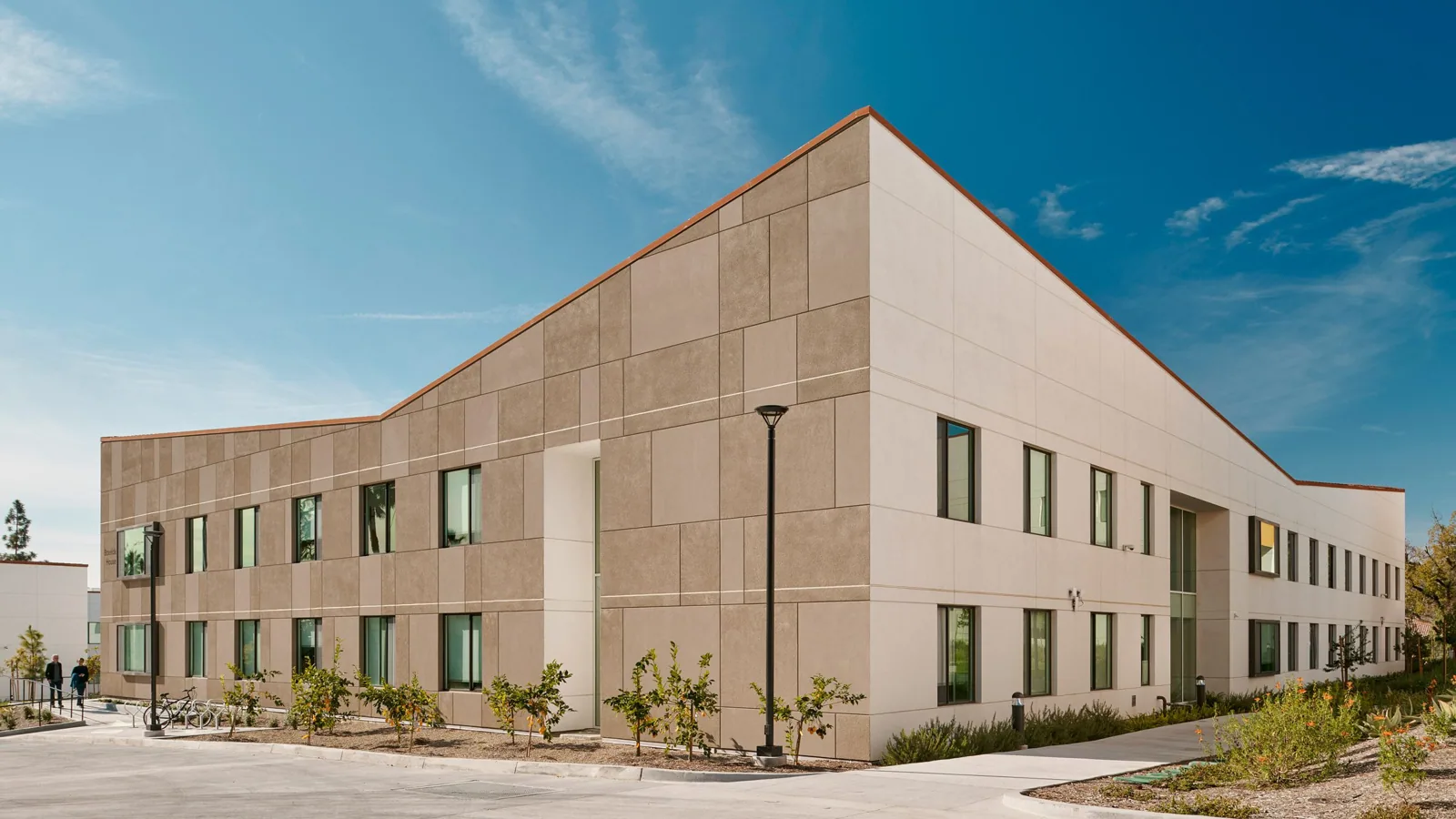
Kearny Mesa Armory includes a California Military Department distributed-learning classroom with workstations and video conferencing. The Kearny Mesa Armory hosts a distributed-learning classroom with workstations and video conferencing. Roofing work above a classroom needs a site-specific access window and overhead-protection plan. Army Reserve centers also support administrative, assembly, educational, maintenance and storage functions. We confirm the activity at each building before setting a schedule or protection plan.
An inspection of the released roof zone records the membrane, metal details, drains, curbs, and prior repairs. We record roof access limitations and distinguish visible conditions from anything that would need a test opening. The building representative can use that record to choose a repair window.
Follow the Leak Through the Deck
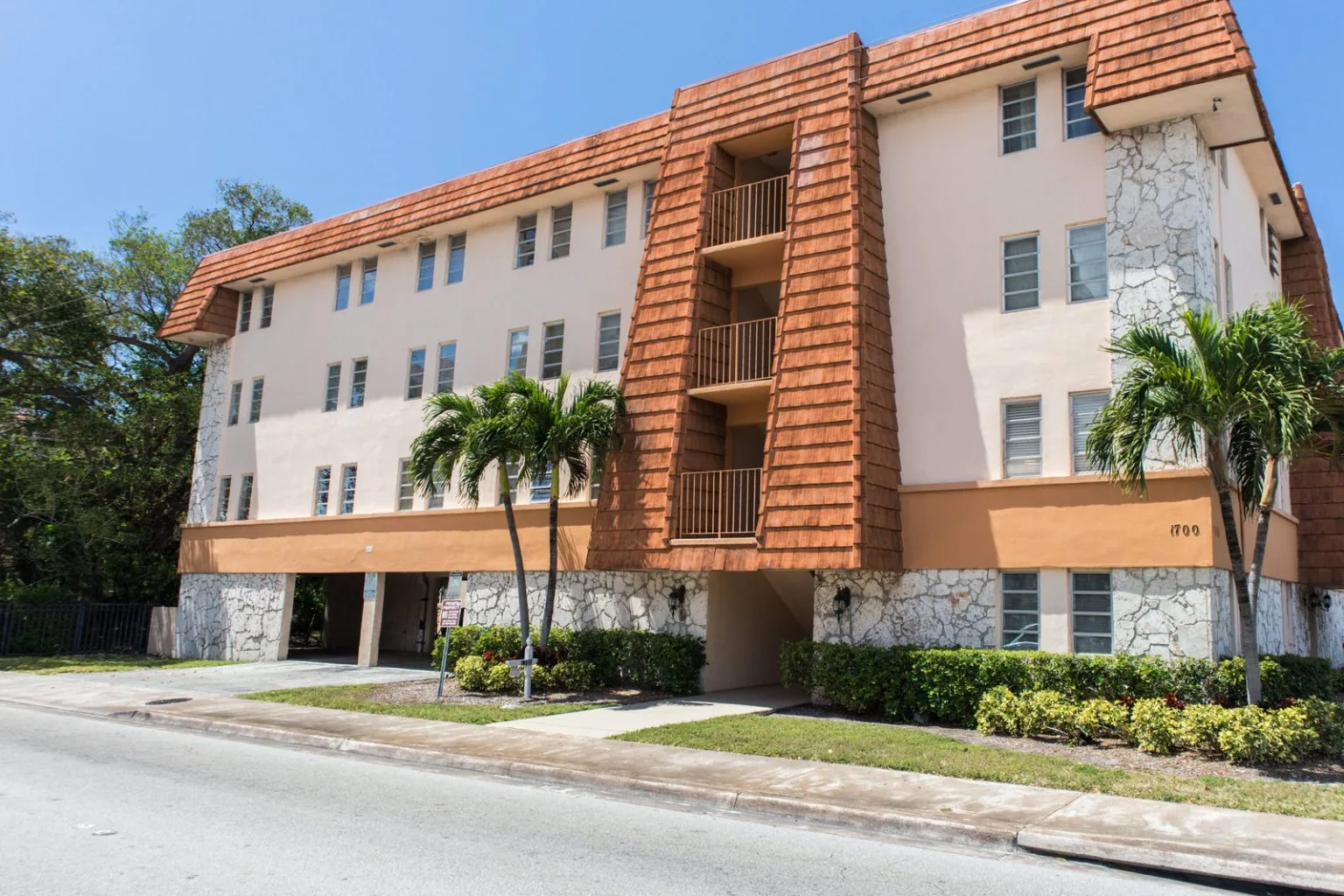
Water above an armory office may enter at a curb, seam, or roof edge several bays away. It can track along framing or a deck flute before appearing under a ceiling tile. We compare the interior report with rooftop seams, penetrations, drains, and earlier patches, then identify the likely path. A controlled opening may be needed to confirm wet insulation or deck condition. The report states what is confirmed and what needs testing.
Equipment storage and classrooms call for different protection below. If a workstation or stored item cannot move, we plan overhead protection with the facility. School roof work also depends on room schedules and access, while a government facility may have additional entry controls.
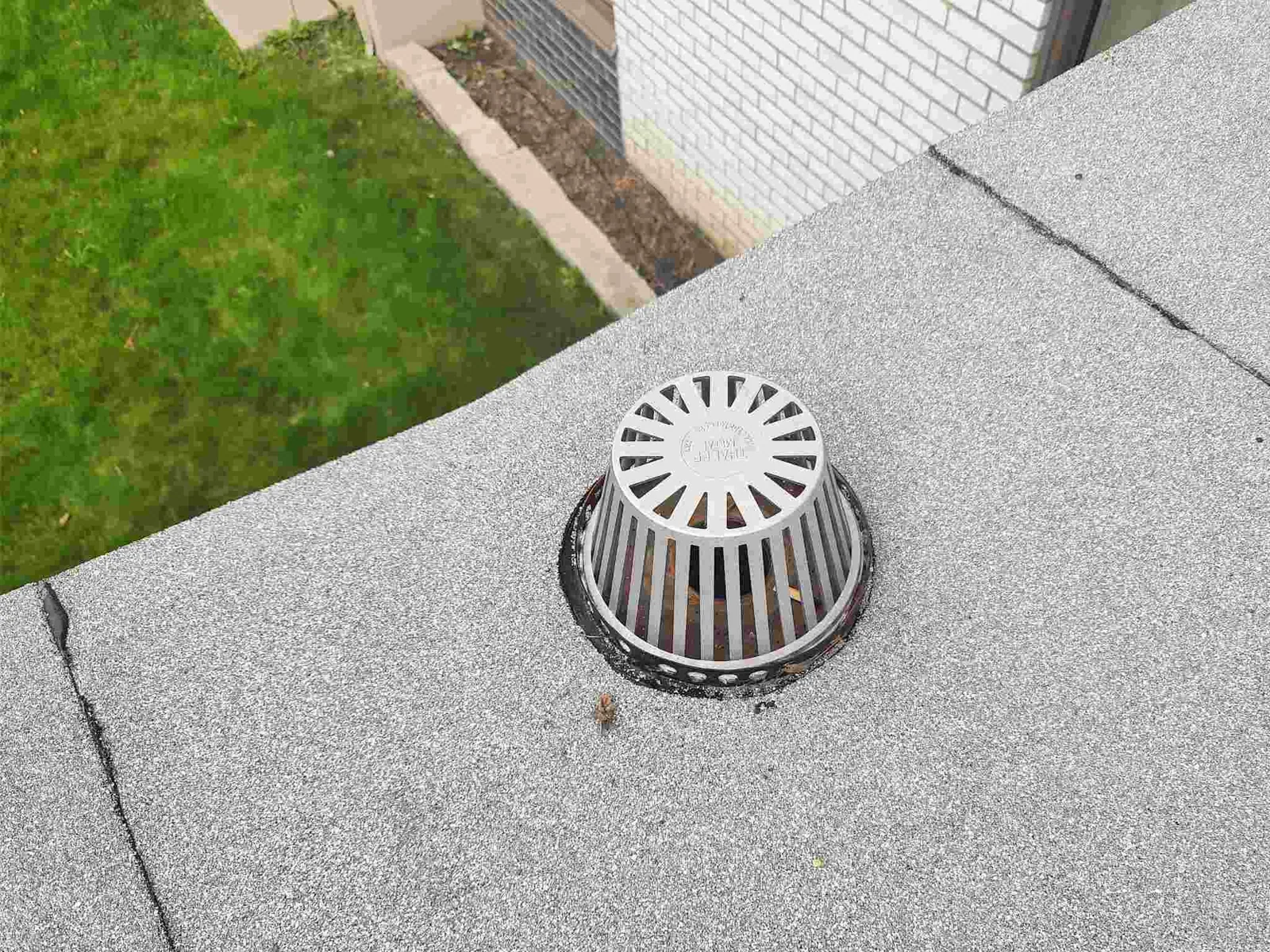
Drainage checks include the drain bowl, overflow, slope, and membrane termination. Debris can restrict an outlet; settlement can hold water even after cleaning. We record the low point and compare it with the deck and insulation before recommending a correction. Drain and scupper service can restore flow when the outlet is the problem, while a slope or substrate issue may need a wider scope.
Confirm the Roof Assembly
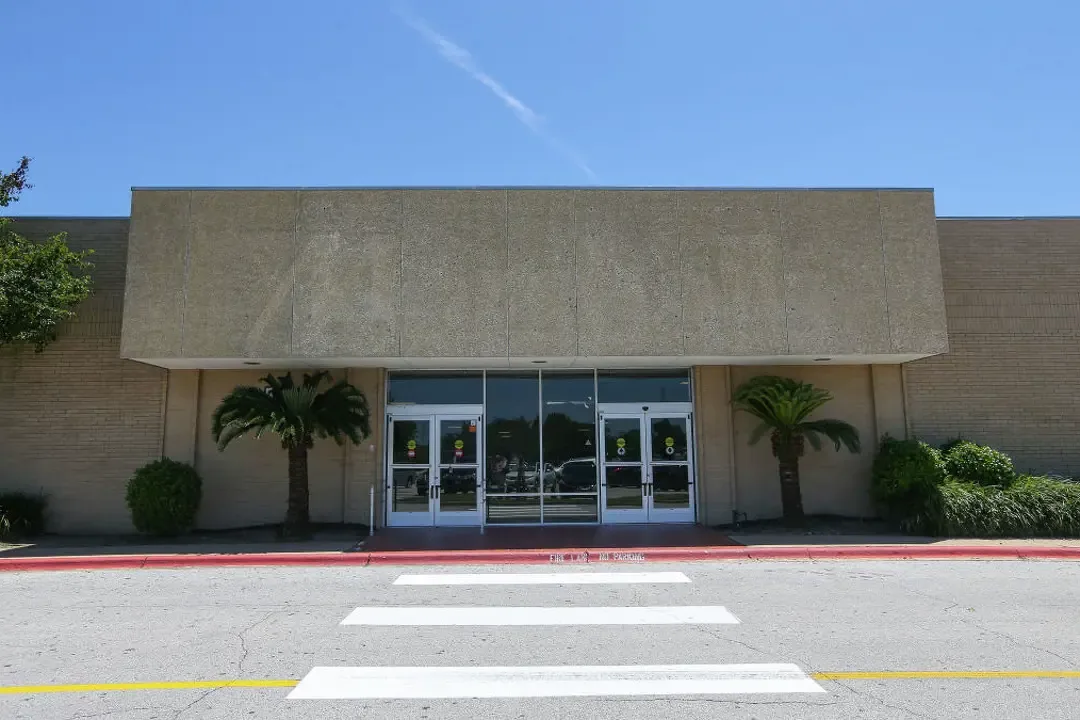
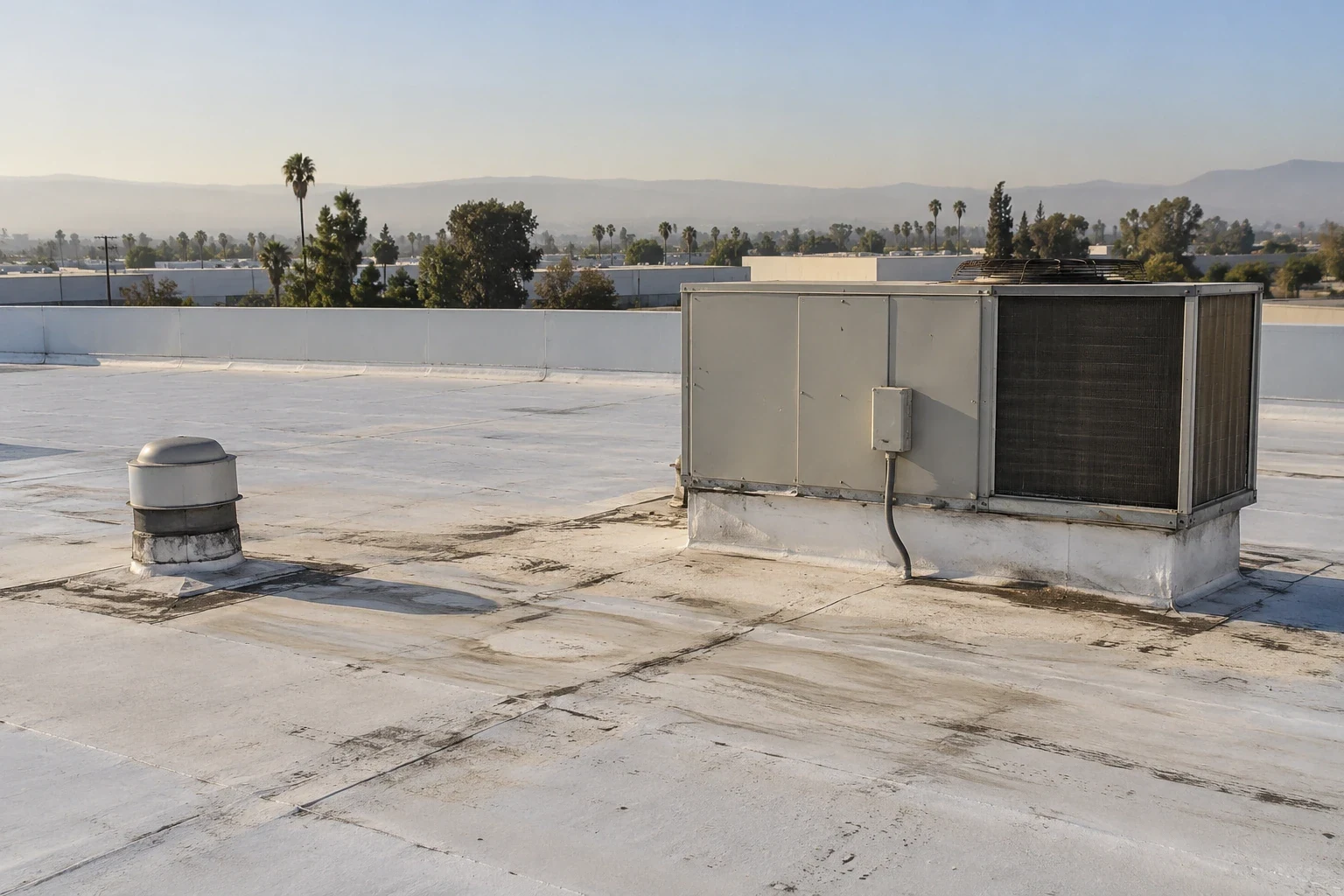
An armory may have a low-slope membrane, built-up roof, coating, or metal assembly. We identify the visible system and its past repairs before selecting materials. A patch must bond or weld to compatible surfaces; a metal repair must allow panel movement and address the fastener or lap that failed. If the visible layer does not reveal what lies below, we explain the purpose and restoration of a test opening before requesting approval.
Project documents may incorporate Unified Facilities Criteria. They set the applicable assembly, attachment, edge details, testing, and inspection points. We compare those requirements with the deck, perimeter, roof penetrations, and equipment supports. If the field condition conflicts with the specified detail, we document it and request direction through the authorized contact. A repair should not cover a discrepancy that the project team must resolve.
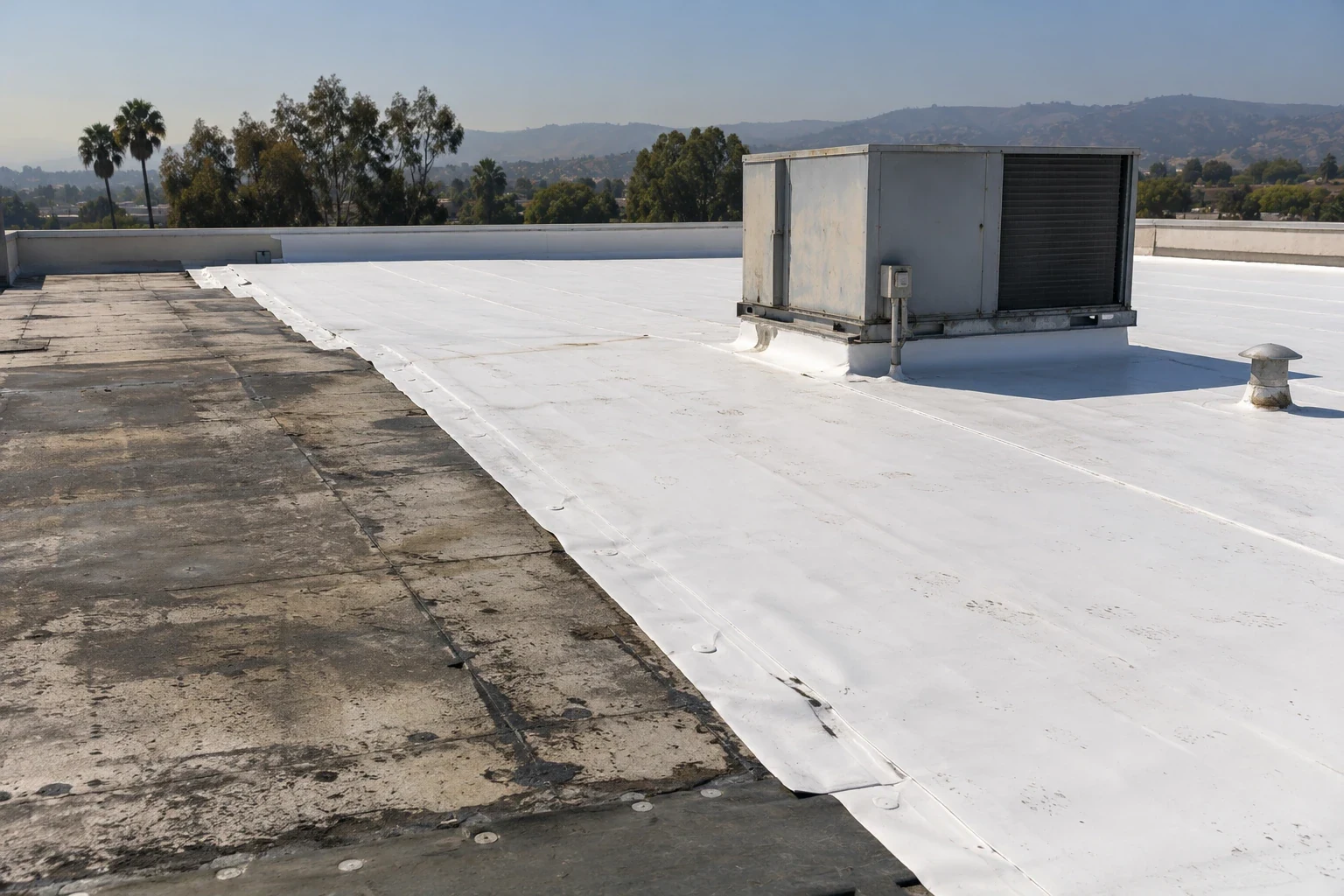
Where the assembly is sound and project criteria permit another layer, a roof recover may be considered. Wet insulation, loose attachment, damaged deck, or incompatible layers can make removal more appropriate. An office roof and storage roof may use similar membranes but need different access plans. The decision stays tied to findings at the building, not the facility label.
Plan Around the Service Route
Kearny Mesa includes industrial, office, commercial, and residential areas. For roof work in Chula Vista, deliveries may approach through Interstate 5 or Interstate 805 before continuing to the facility’s approved entrance. We confirm the route and unloading point with the site instead of treating regional geography as permission to enter.
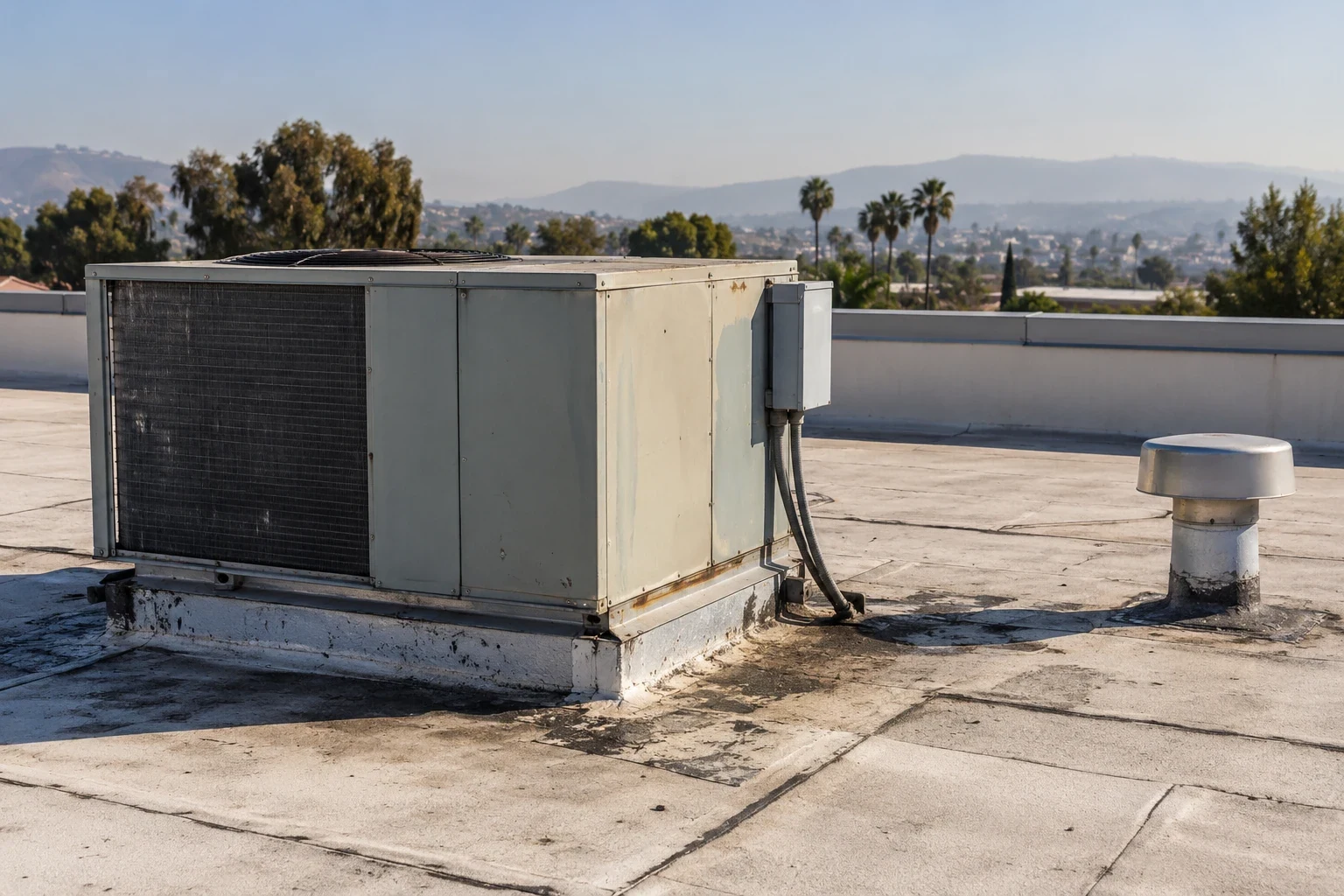
At the roof, access includes more than the gate. We identify ladder or hatch controls, fall protection, staging space, and any zone that must remain clear for readiness activity. Kearny Mesa service coverage reflects the broader district; it does not replace a facility-specific access plan. If equipment, antennas, or mechanical units need a shutdown, the responsible trade approves it and confirms the return-to-service step.
When staff or trainees remain inside, overhead work and debris handling must be separated from occupied paths. We post the zone boundaries agreed with the building contact and close each area before moving to another. If the window shrinks, the crew secures the current opening before stopping.
Protect the Building at Shift End
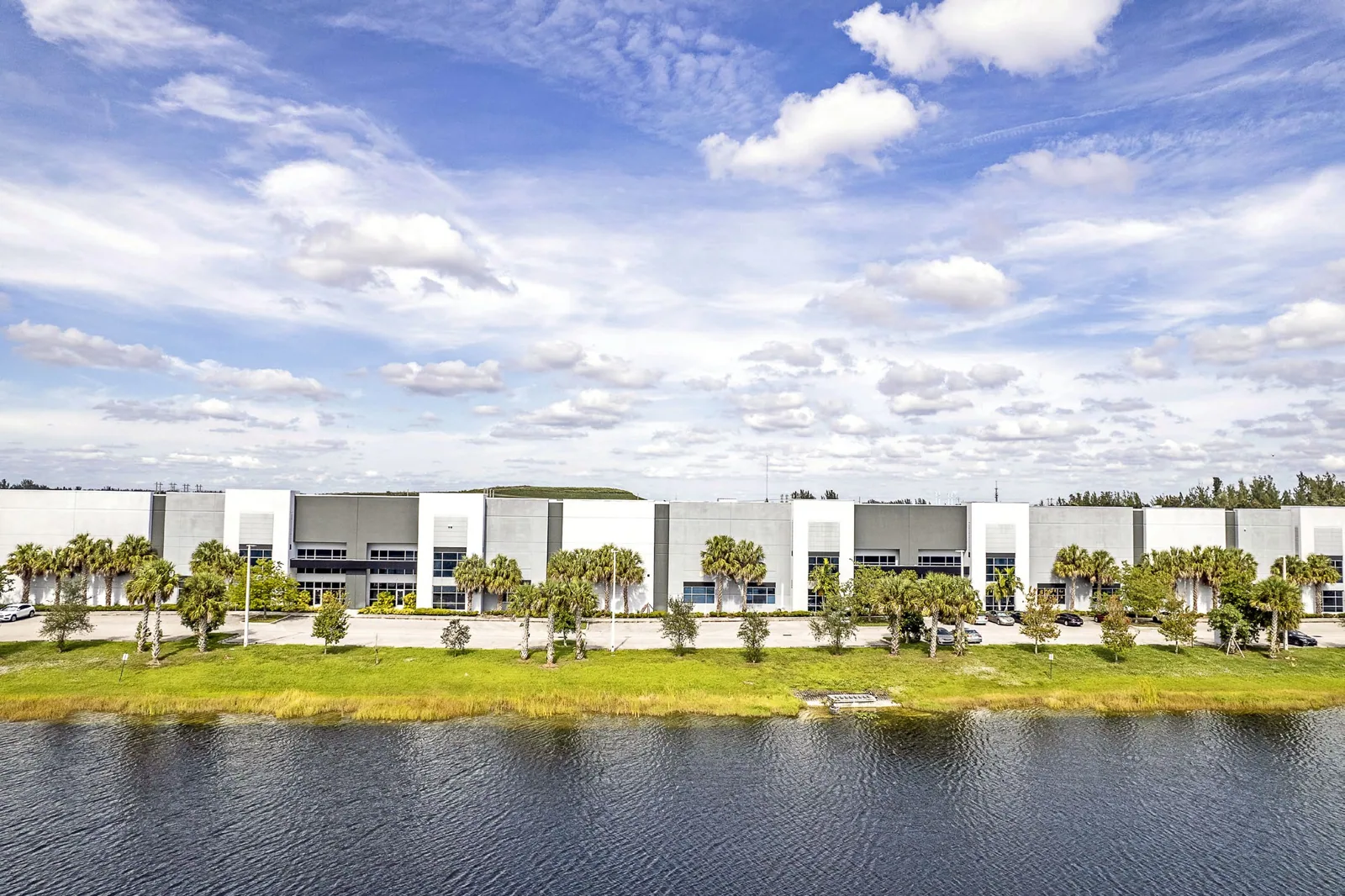
Daily dry-in begins with a removal limit the crew can finish. We protect exposed insulation and deck, maintain drainage, and close the perimeter with the permanent assembly or secure temporary protection. The foreman checks tie-ins, drains, tools, and loose material before leaving, then reports which zones are complete. Any area that remains under temporary cover is identified for the next shift.
Most San Diego-area rainfall occurs in winter, with seasonal totals that vary. We review the forecast each day and shorten the removal area when the closure window tightens. Emergency response is available overnight, weekends, and holidays when active water threatens a facility before the next scheduled visit.
Security and cleanup matter after the roof is closed. We account for tools and materials, clear approved routes, and leave gates or hatches as directed. If rain interrupts the work, the crew secures the opening first. Emergency roof repair can stabilize the immediate condition while permanent work follows the facility’s review and access process.
Leave Findings Ready for Follow-Up
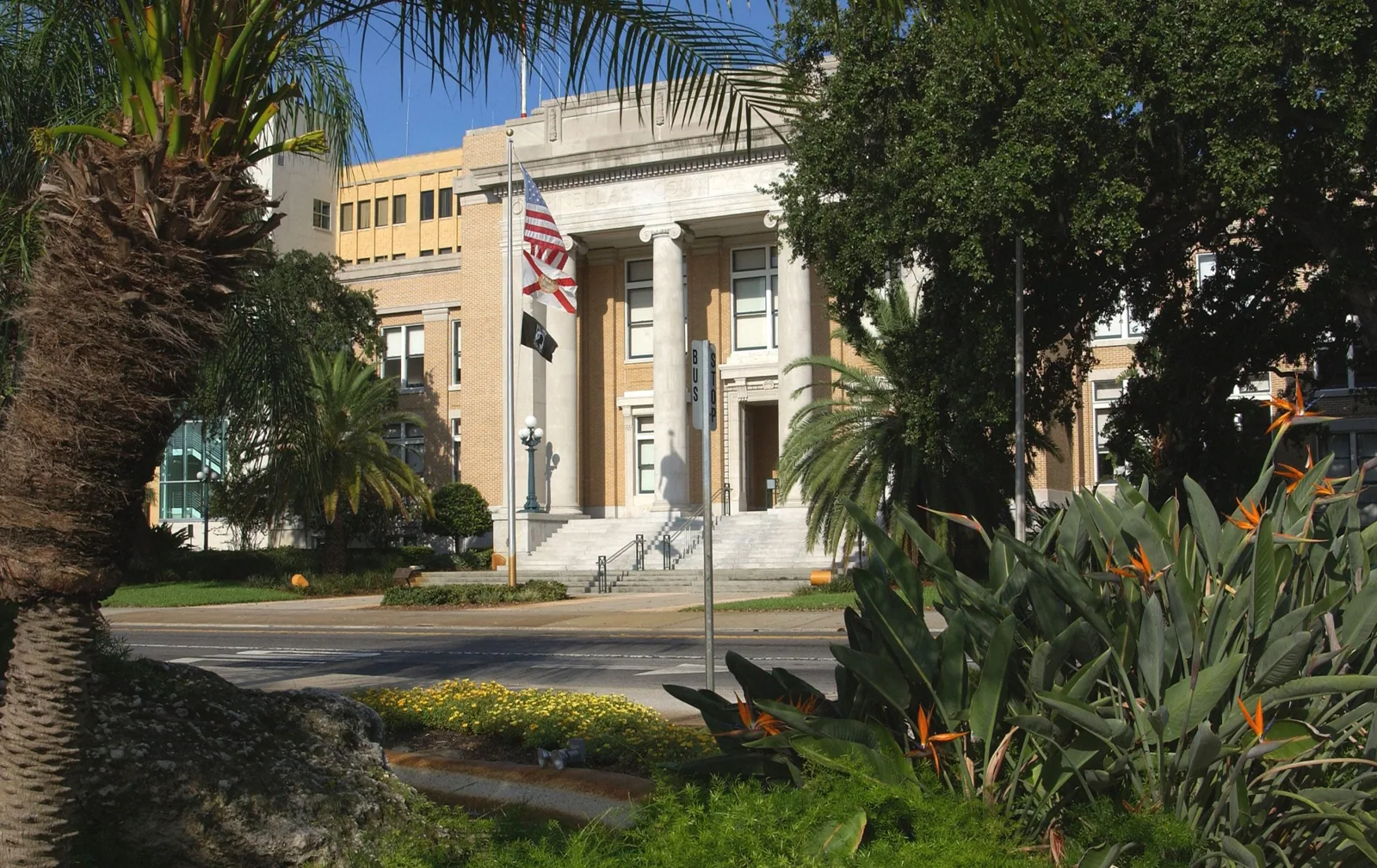
The closeout record names the building and roof zone, observed condition, repair material, and photographs of the detail before and after work. It distinguishes a completed repair from an item that needs testing, a design response, or another trade. A roof condition report makes future inspections easier to compare, especially when staff need to track a drain, curb, or seam across scheduled visits.
Timing and cost depend on roof area, access restrictions, system type, lift needs, material removal, testing, and concealed moisture or deck damage. A drain correction and a full replacement are separate decisions. We show confirmed work separately from items awaiting release or direction.
Share the armory or readiness building, room or roof zone affected, roof plan, access contact, and available project documents. We will coordinate an authorized visit and document what is visible. The next decision may be repair, testing, or replacement planning, with the work area and dry-in point clear to the facilities team.