Inspect the route from entry to interior
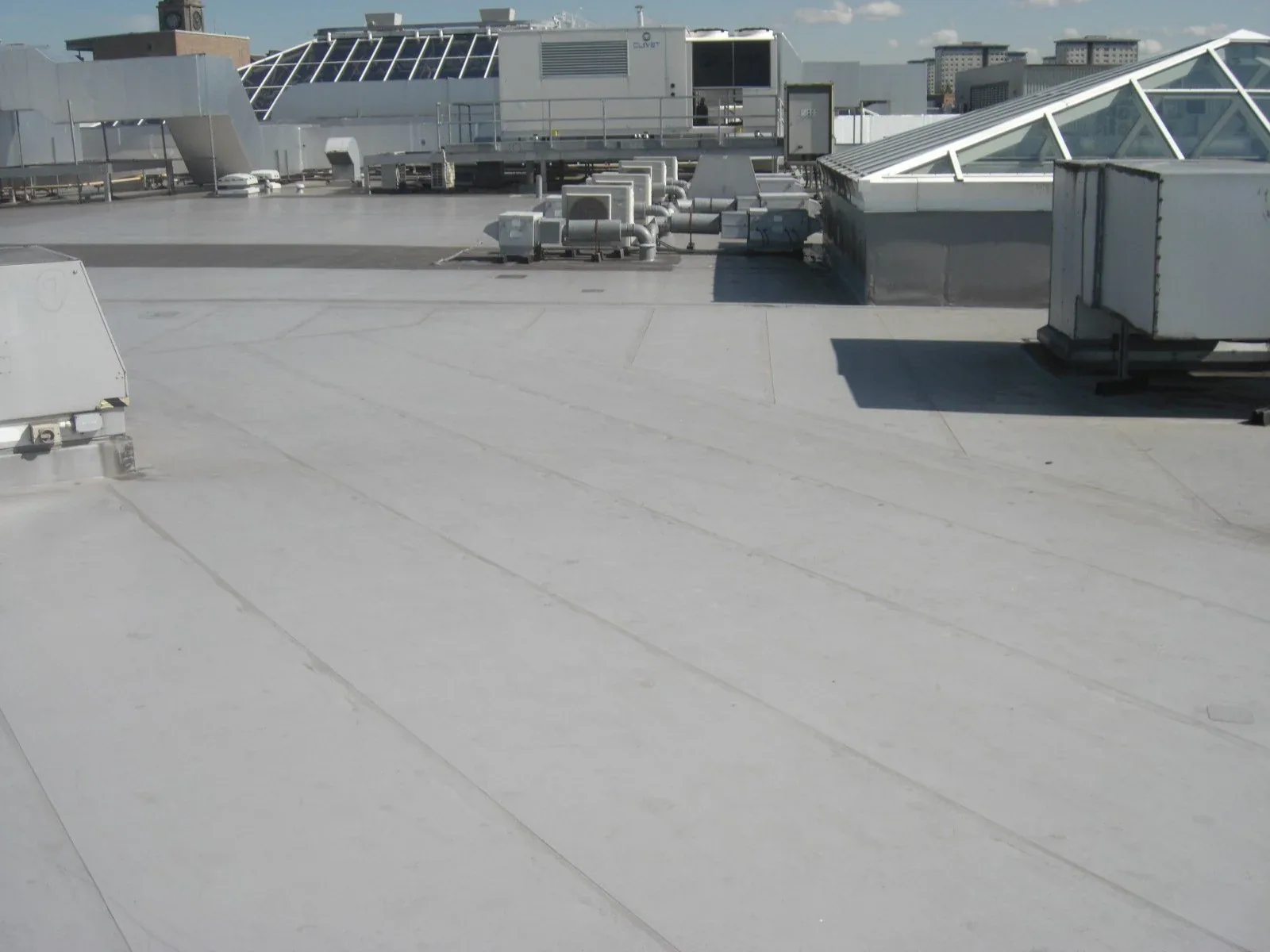
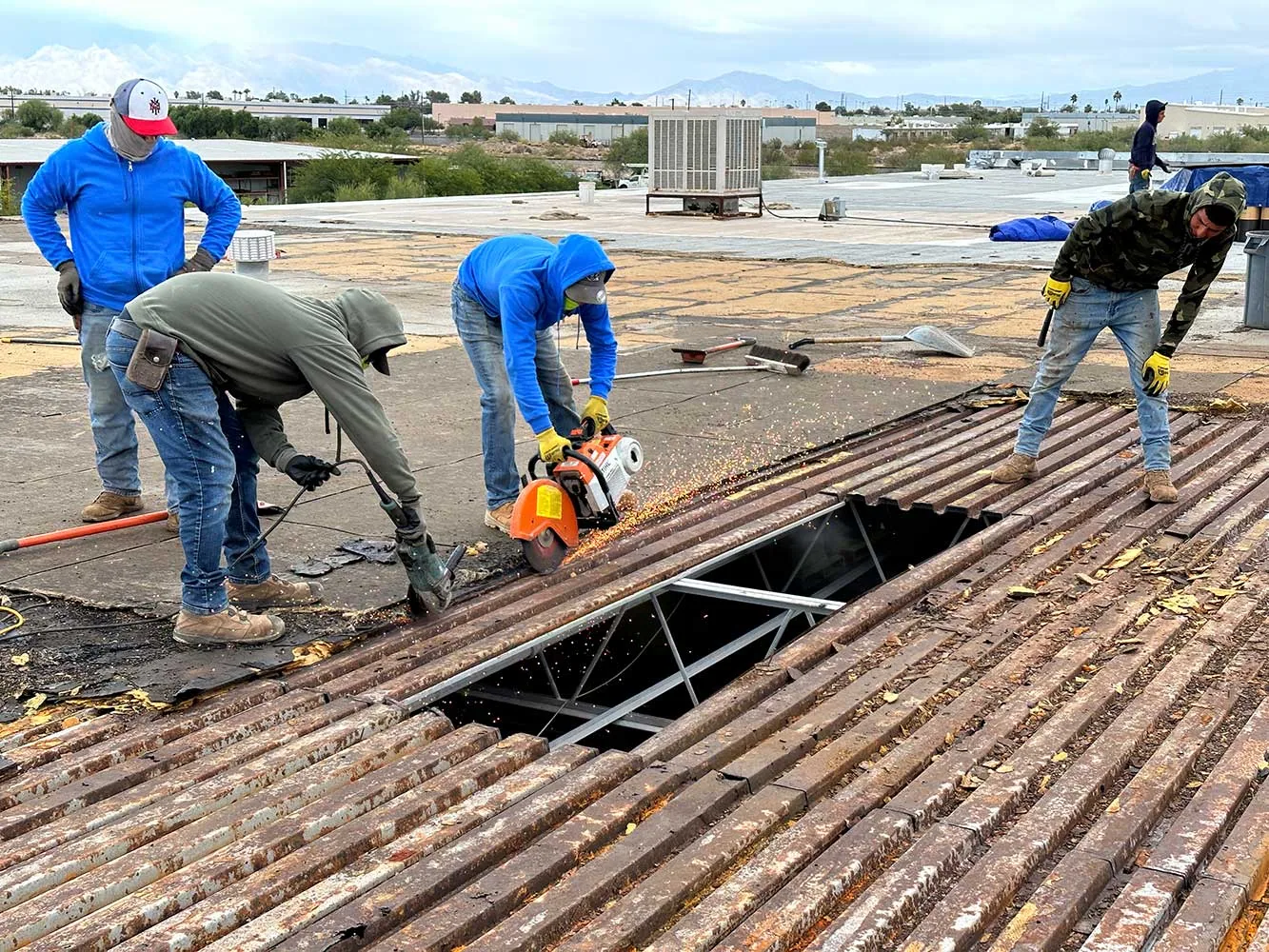
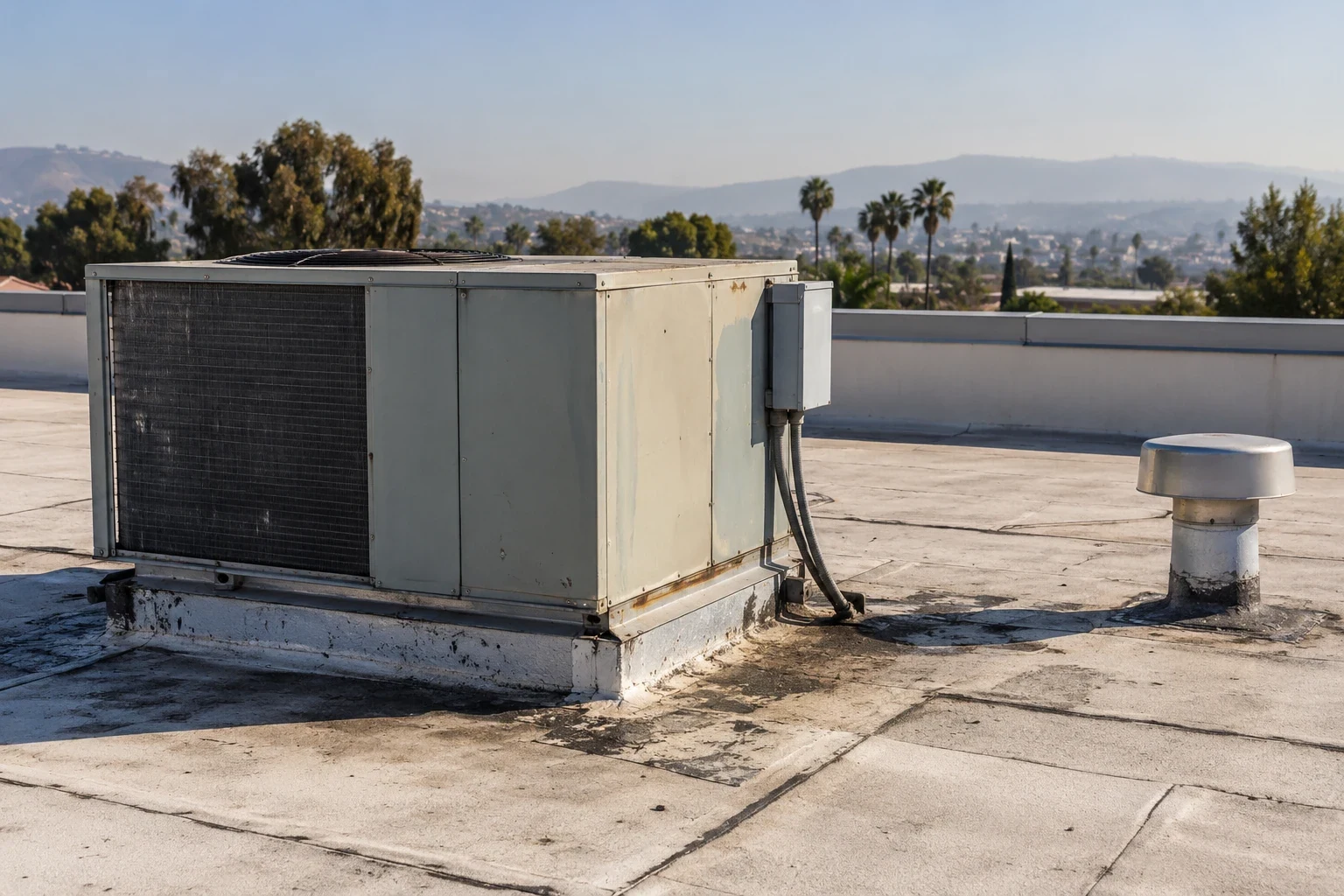
A leak at a production area, office or storage room may begin at a roof detail beyond the ceiling above it. Water can move beneath the membrane, follow a deck flute or collect beside insulation before reaching an interior opening. We use the reported location to select a roof zone, then check uphill curbs, pipe penetrations, wall edges and field seams. At each transition we look for a broken termination, split lap, puncture or loose fastener that matches the path. Drain bowls and overflow routes are inspected because poor discharge can keep water at a weak seam. A survey can help identify areas for closer confirmation when wet insulation is suspected. Our infrared moisture survey is interpreted with the roof layers, weather and surface condition; if a reading could change the removal scope, a small opening can confirm what is beneath the membrane. Each observed condition is linked to a photograph and location. That prevents an interior stain from becoming a guess about how much roofing must be replaced.
Set the work boundary around operations
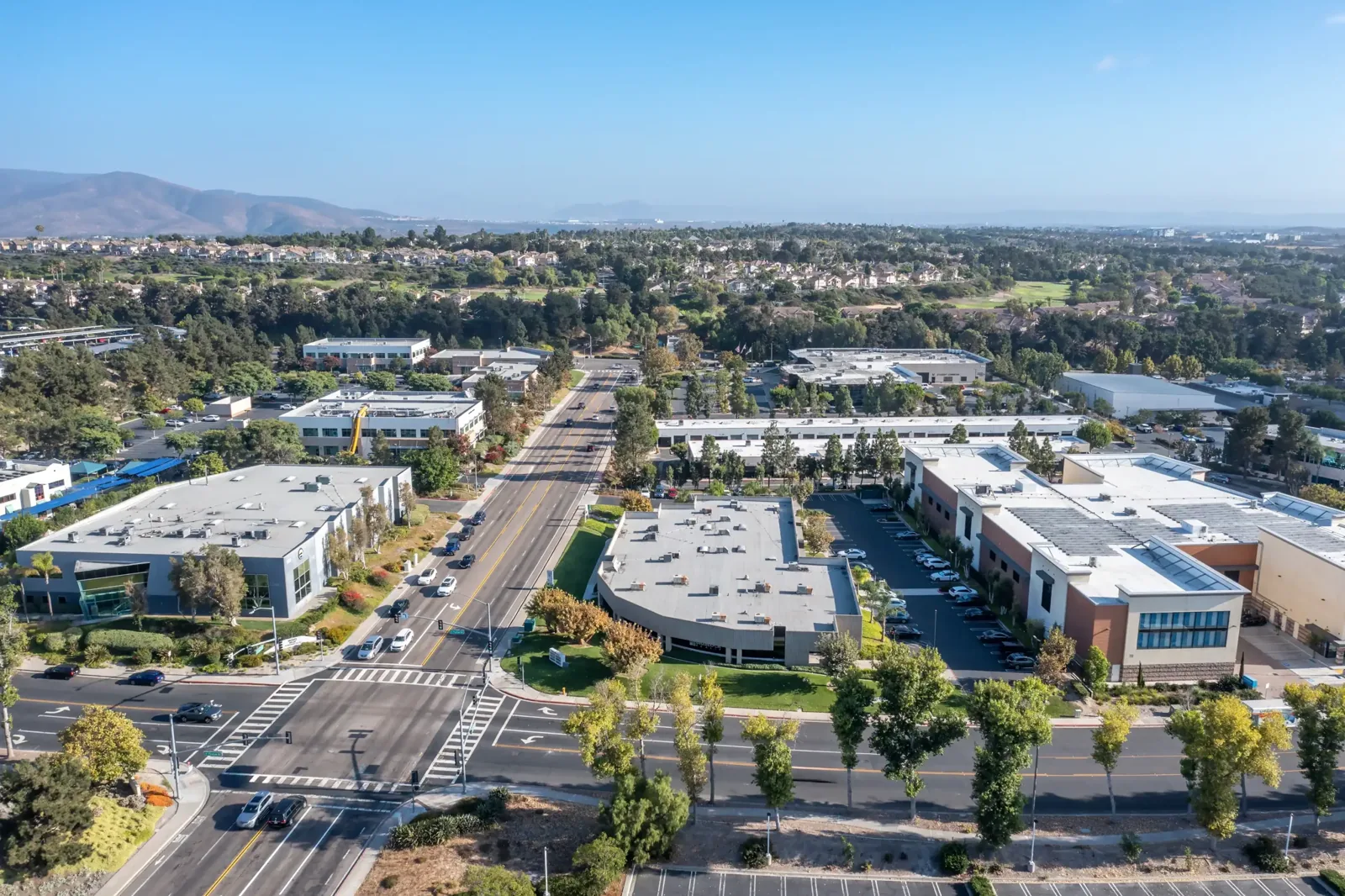
Kearny Mesa combines employment and commercial properties. Before mobilization, we confirm each site’s roof access, service route, operating hours, loading needs and restricted areas with its facilities contact. We confirm roof access, the service route, operating hours, loading needs and any area that cannot be blocked. A repair may use a small staging footprint; a replacement may require deliveries and debris removal across several shifts. The facilities contact identifies where these movements can occur, and we document the route before mobilization. For occupied spaces, the crew can work in sections, close each exposed roof area and give the manager a handoff showing what remains active. If an interruption could affect equipment or stored material below, the plan states which roof zone is being opened and what interior protection is needed. Our occupied-building reroofing sequence accounts for staging, noise periods, dry-in and access with the site contact. The industrial park developed around an airfield and drew aerospace, electronics, manufacturing and office firms. For current projects, the facility contact sets delivery routes and operating windows.
Select materials after identifying the assembly
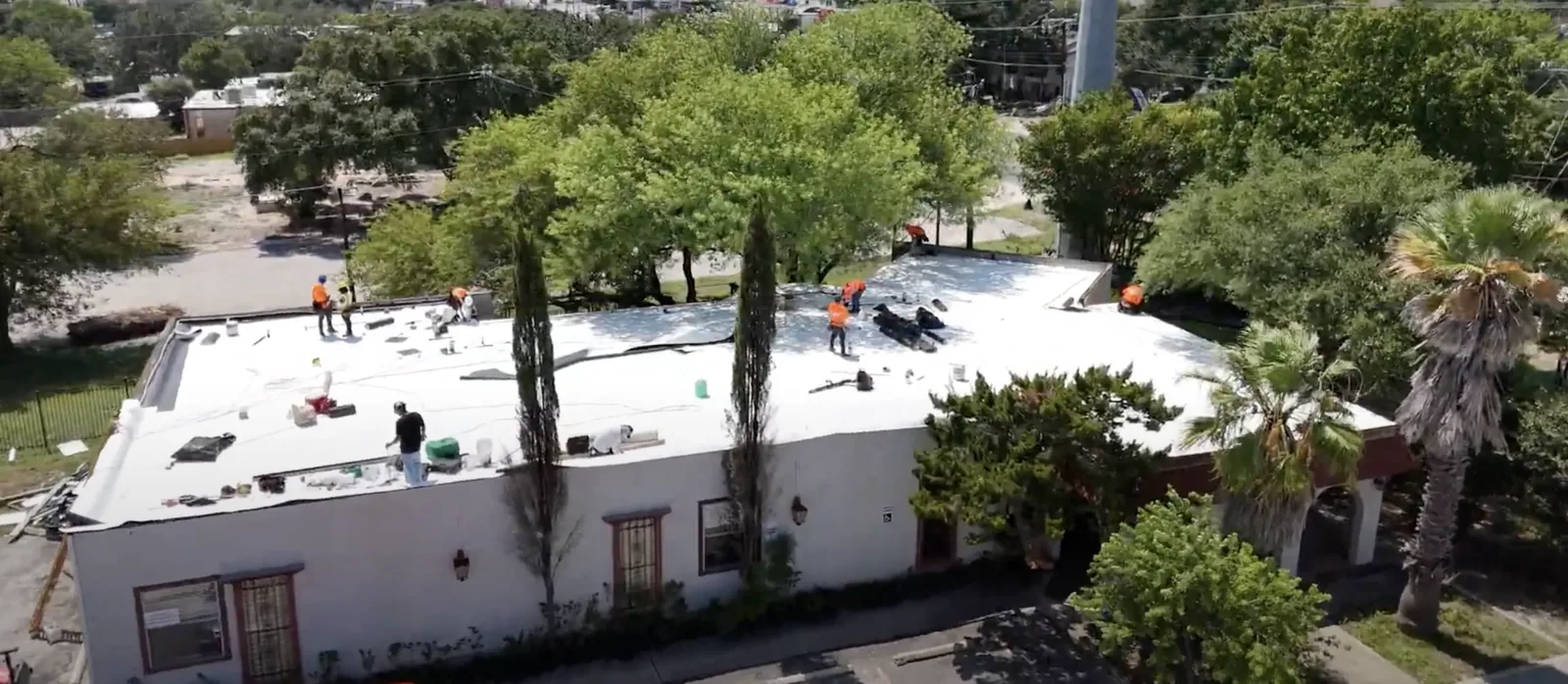
A membrane repair needs compatible material and a sound perimeter. We first identify the installed covering, then check whether surrounding seams, insulation and deck can support a lasting tie-in. A single-ply patch requires a clean surface and a secure weld or bond; built-up and modified-bitumen roofs need preparation suited to their layers; metal panels call for attention to seams, fasteners and movement. Coating is considered only if the surface is compatible and concealed moisture has been addressed. If several areas show recurring separation or deterioration, spot repairs may no longer address the overall failure pattern. We compare repair, recover and replacement based on moisture extent, attachment, drainage, roof height and penetrations. The owner can review a defined repair or a replacement scope against the inspection photos. A recover is an option only when the existing layers and drainage allow it. Each proposal identifies the material, preparation and roof zones included so a facilities lead can separate a confirmed fix from a future capital decision.
Plan for the regional work window
Most San Diego-area rain arrives in winter, though seasonal totals vary. We check the Kearny Mesa forecast and roof condition before setting each day’s removal limit. We check the local forecast, roof moisture and product requirements before removing material. The daily dry-in limit is set to what the crew can protect if conditions change. Exposed metal around an edge or equipment support is checked for corrosion and attachment where those components are present. Code and permit questions depend on the property jurisdiction and the proposed work. Permit requirements follow the property jurisdiction and proposed work. We check applicable code and review needs when drainage, insulation, structure or the roof assembly changes. If weather interrupts the sequence, protecting exposed layers and the interior comes before continuing permanent installation. A roof inspection with photos gives the manager current field findings to use when selecting a practical work window.
Give facilities a usable repair record
Cost and timing follow the scope: removal depth, wet insulation, deck condition, curb and edge details, staging, material handling and how much surface requires dry-in. We identify those drivers in the proposal and state which conditions remain concealed until the roof is opened. If the work reveals additional damage, the crew documents it and seeks direction before expanding past the agreed boundary. At closeout, we list completed roof zones, material installed, photos and follow-up maintenance. We pair each photo with the roof plan and identify the bay, suite or loading area below. Facilities and production staff can then direct a later service call to the same section without repeating a full survey. That record lets a facilities lead compare office, industrial and mixed-use properties while keeping each roof history tied to its own building. To arrange a roof walk, share the property, affected area and access contact. We will follow the water path, identify any test needed to confirm hidden layers and lay out the repair choices in an order the manager can use.