Coordinate Access with Operations
Roof access, escorts, deliveries, photography, and tool checks should be arranged before mobilization. We confirm the released zone, authorized contact, and any route or timing rules for vehicles and lifts. If an operational call changes the window, the crew secures current work and waits for direction.
Sector San Diego oversees Coast Guard operations along the local coastline and maritime border, including search and rescue, marine safety, and waterway security. Station roofs protect communications, equipment, vehicles, and work spaces. We confirm the building use, equipment restrictions, and access limits with the facility representative before setting a repair boundary.
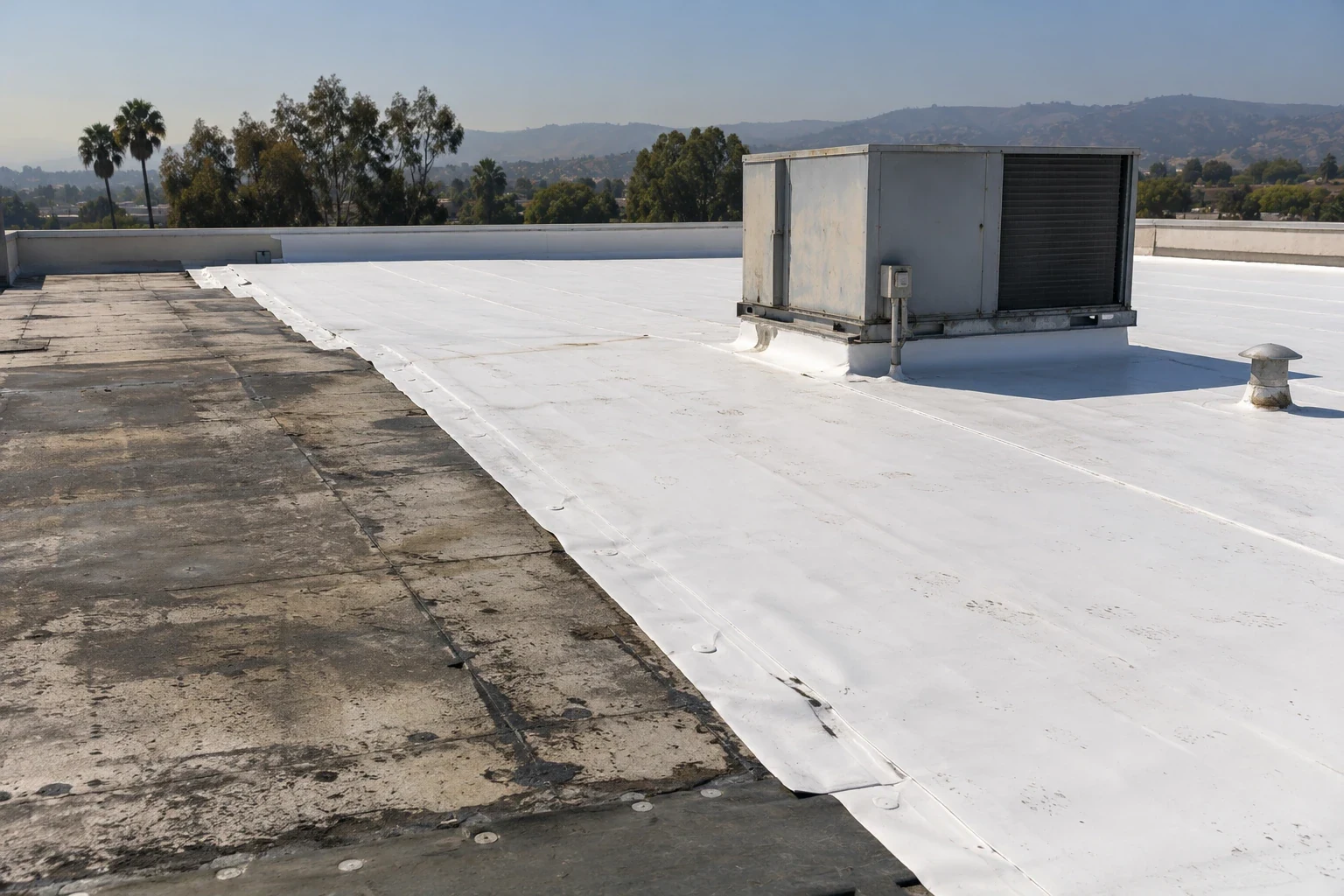
A commercial roof inspection maps seams, drains, curbs, penetrations, edge metal, and previous patches. We record visible conditions and identify any area that needs a separate access window. If a controlled opening is needed, we explain its location and restoration before requesting approval. The sequence follows the facility’s approved access and safety requirements.
Trace Water Before Patching
A stain in a radio or dispatch room may sit below a different roof bay from the entry. Water can move along framing, a deck flute, insulation joint, or conduit before reaching the ceiling. We compare the interior report with the roof’s seams, penetrations, curbs, drain bowls, and perimeter. We mark the suspected path separately from confirmed damage, keeping the repair boundary tied to evidence.
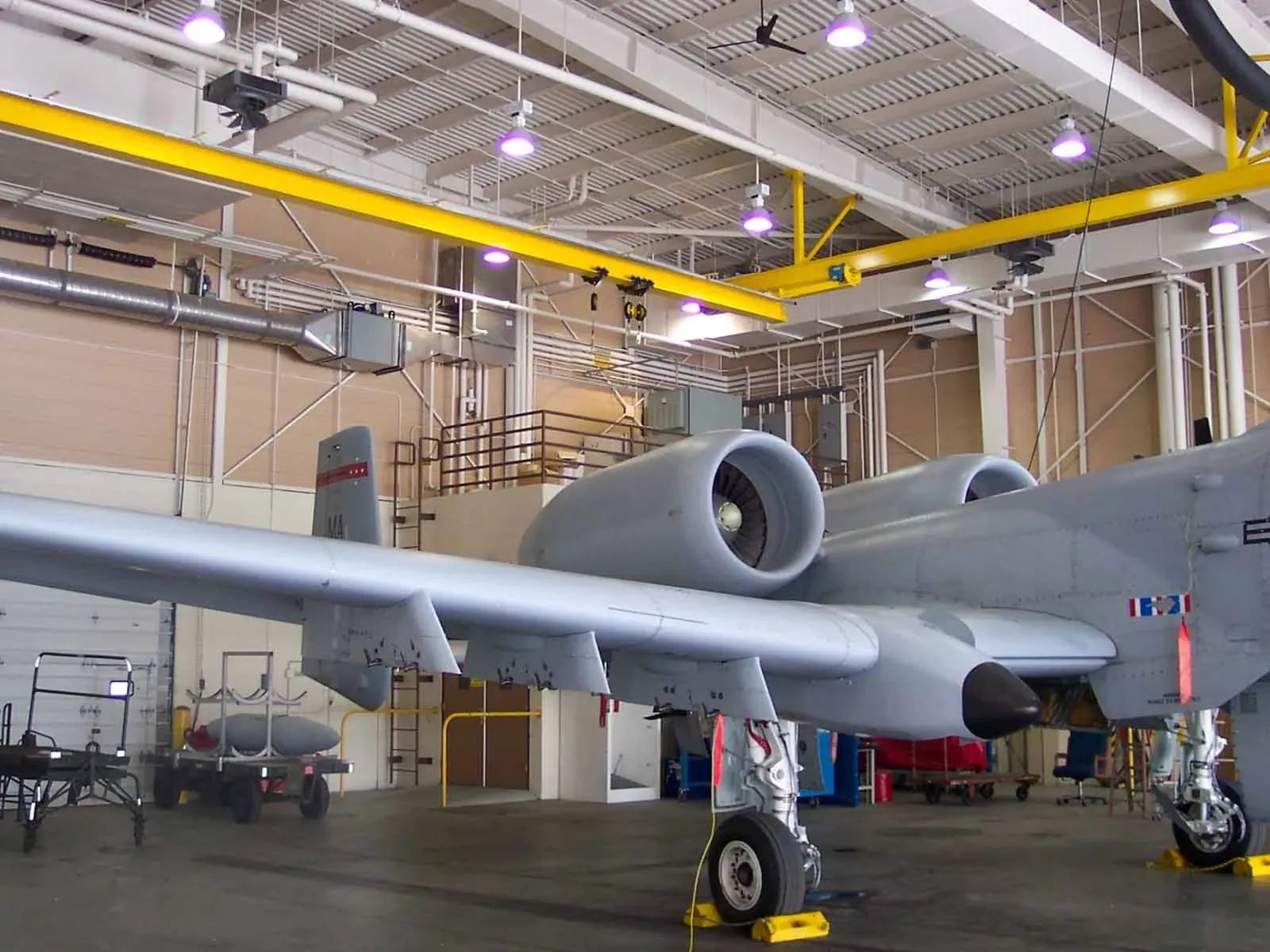
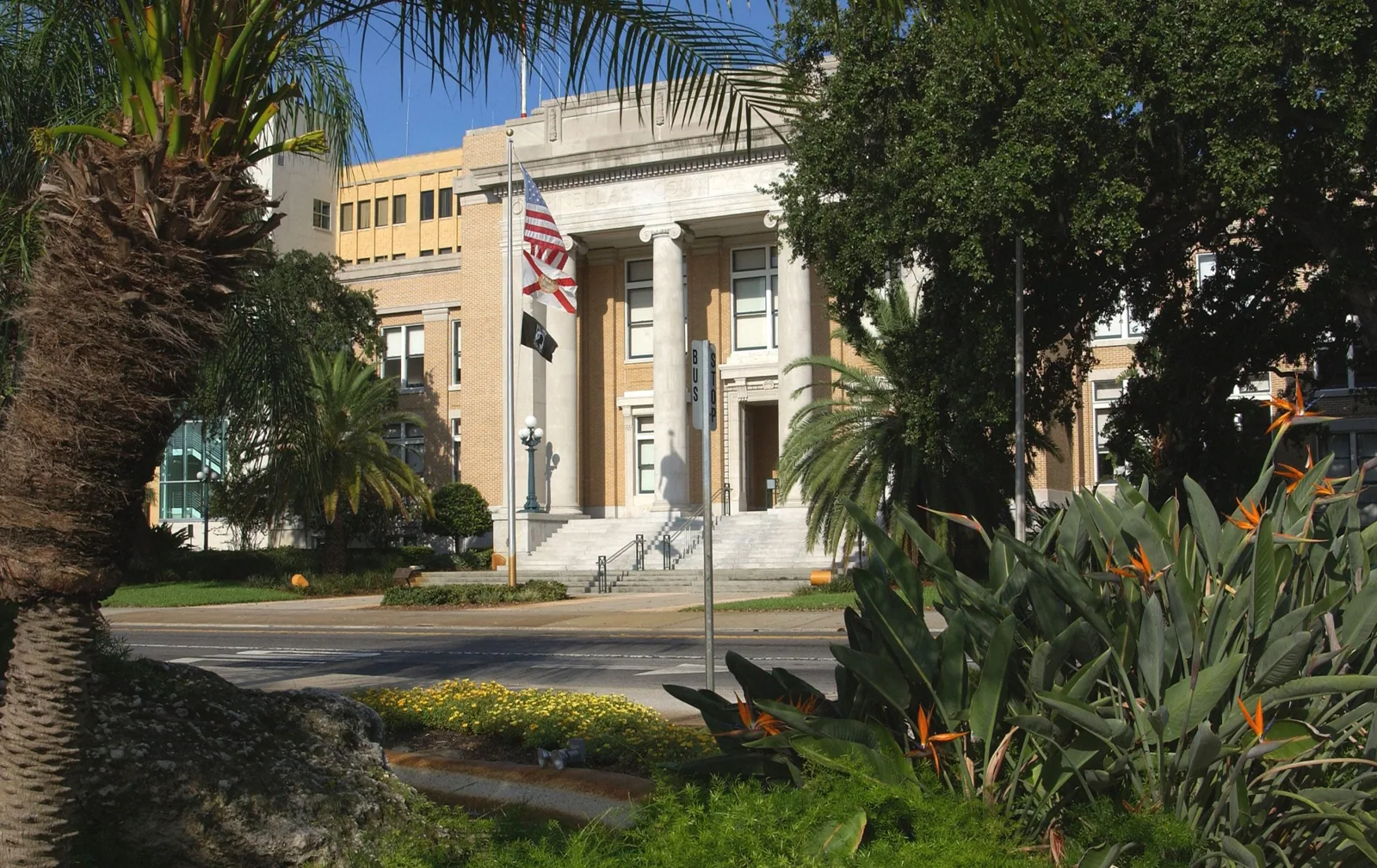
Station buildings may combine offices, equipment rooms, storage, vehicle areas, and spaces with different schedules. We confirm what is below the active zone and whether equipment needs protection. Where a cable tray or ventilation opening crosses the work area, the responsible trade confirms any shutdown or temporary support. For a government building roof, continuity of office use can shape the work window; for a hangar or maintenance roof, door and equipment access may also govern staging.
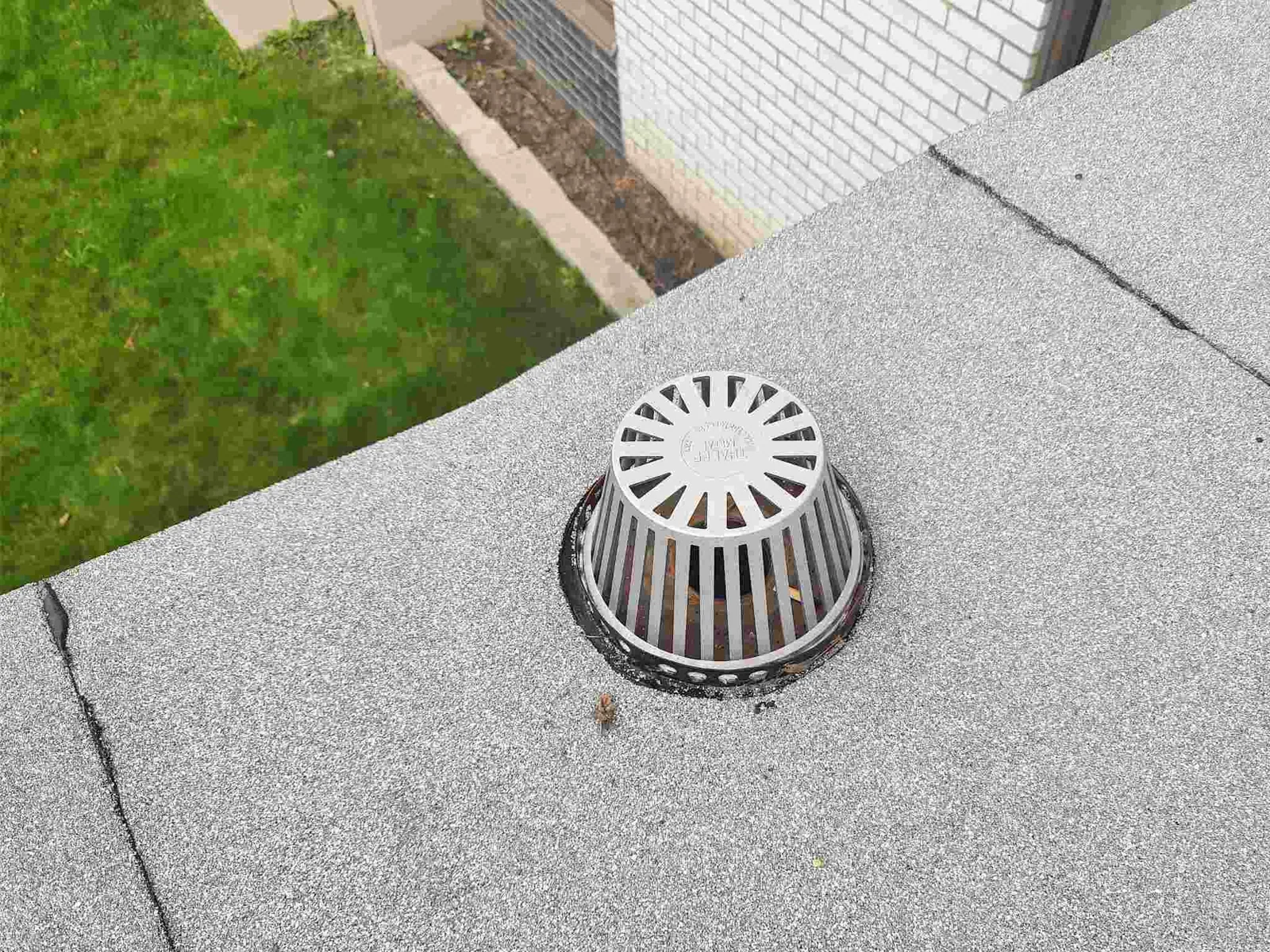
We inspect the drain bowl, overflow, slope, and membrane termination as one water-control path. A clear outlet can still leave ponding over a settled deck. Drain and scupper work may restore flow, but the report distinguishes cleaning from a correction to slope or assembly. That lets the facilities contact decide whether the next step is maintenance, a localized repair, or testing below the surface.

Inspect Coastal Metal and Edges
Around San Diego Bay, we inspect exposed edge metal, fasteners and transitions for actual movement, corrosion or finish loss. We check coping, open seams, metal connections, termination bars, and sealant joints for movement, corrosion, or finish loss. A loose fastener or open connection can admit water; the repair must preserve metal movement and direct runoff away from the membrane transition.
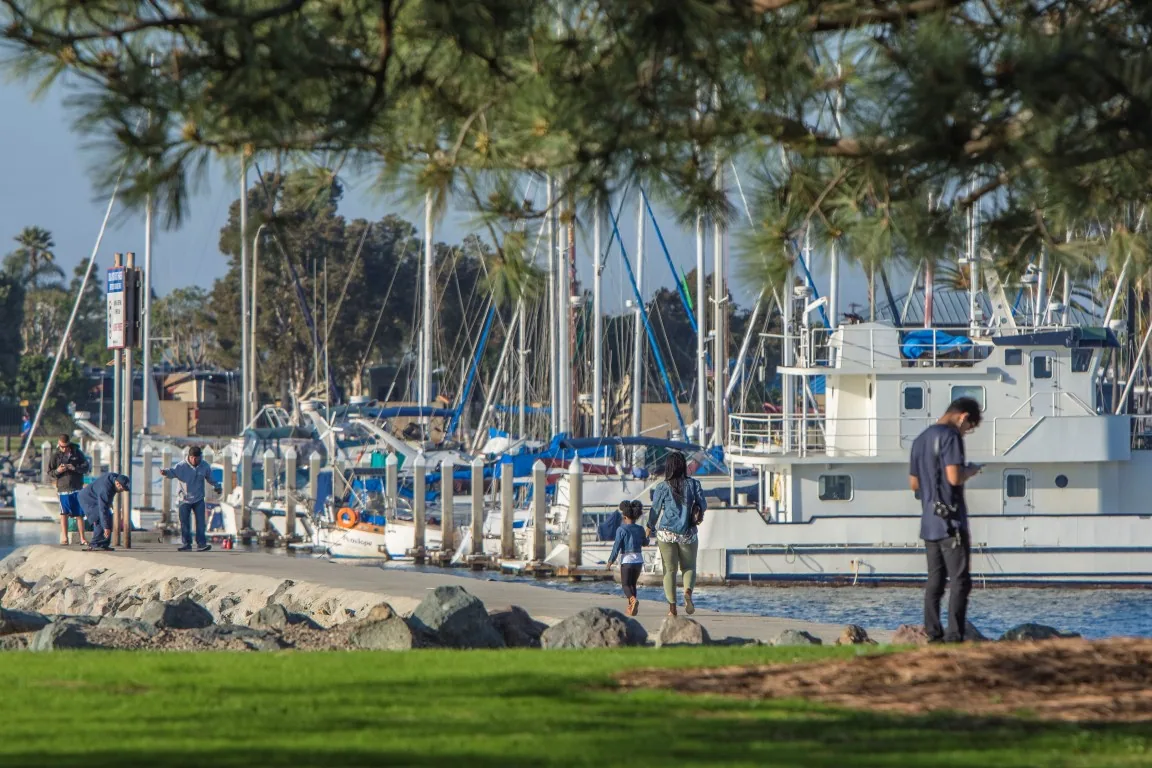
The San Diego Bay Working Waterfront includes maritime businesses, cargo terminals, shipyards, and suppliers. Around the Chula Vista Bayfront, delivery timing can matter as much as the roof detail. The facility contact sets the approved gate, staging area, and route for the visit.
Metal details need movement allowance. A rigid patch can crack as panels shift, while a loose fastener may leave a leak path. We identify the profile and attachment before repair. On a membrane roof, we check whether the existing surface is compatible with the proposed flashing. Perimeter repair should connect the metal detail to the drainage route.
Set the Repair Boundary
Some leaks are confined to a curb or seam; others expose wet insulation, damaged deck, or a failed perimeter. We define the work boundary from observed conditions and state what testing could clarify before extending the scope. A small opening can show whether the substrate remains sound, but the opening location, access, and temporary closure must be approved. If the system is unclear, we identify the visible layer and avoid prescribing a material from appearance alone.
Project documents may apply Unified Facilities Criteria or other facility-specific requirements. The project requirements set the applicable details, attachment, testing and inspection points. We compare those requirements with the existing deck, corners, drains, and rooftop equipment. If an unanticipated condition conflicts with the approved scope, we secure the area and request direction through the authorized contact. A new detail is not installed until the required decision is made.
If the assembly is sound and recover is allowed, an overlay option may reduce removal. Widespread moisture, loose attachment, or failing deck can make tear-off more appropriate. Replacement planning accounts for insulation, edge metal, drainage, and inspection points. The recommendation explains which condition led to the option and what remains uncertain.
Keep the Building Available
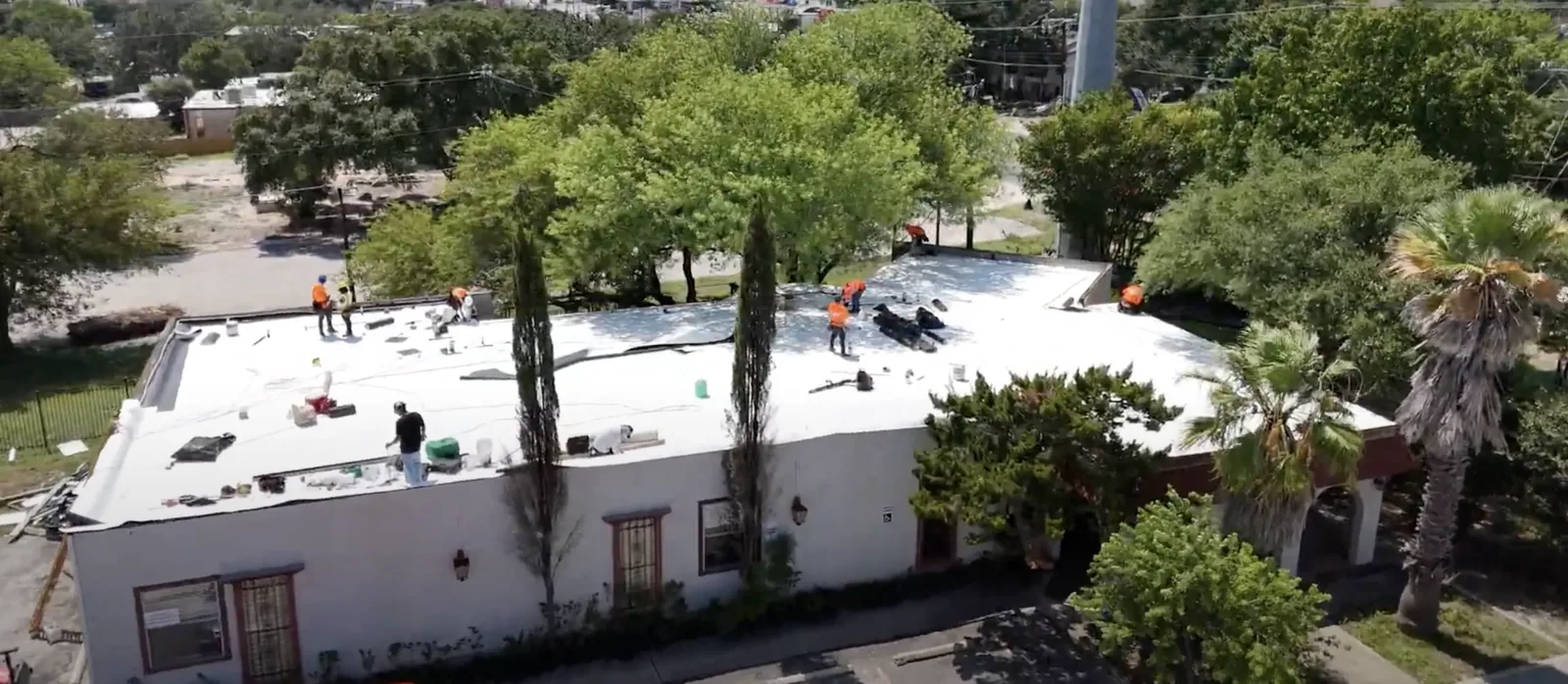
Staff, vehicles, and secure rooms still need clear routes while roofing is underway. We set lift, debris, material-drop, and overhead-protection zones with the facility contact, then sequence roof sections so completed areas can remain in service where practical.
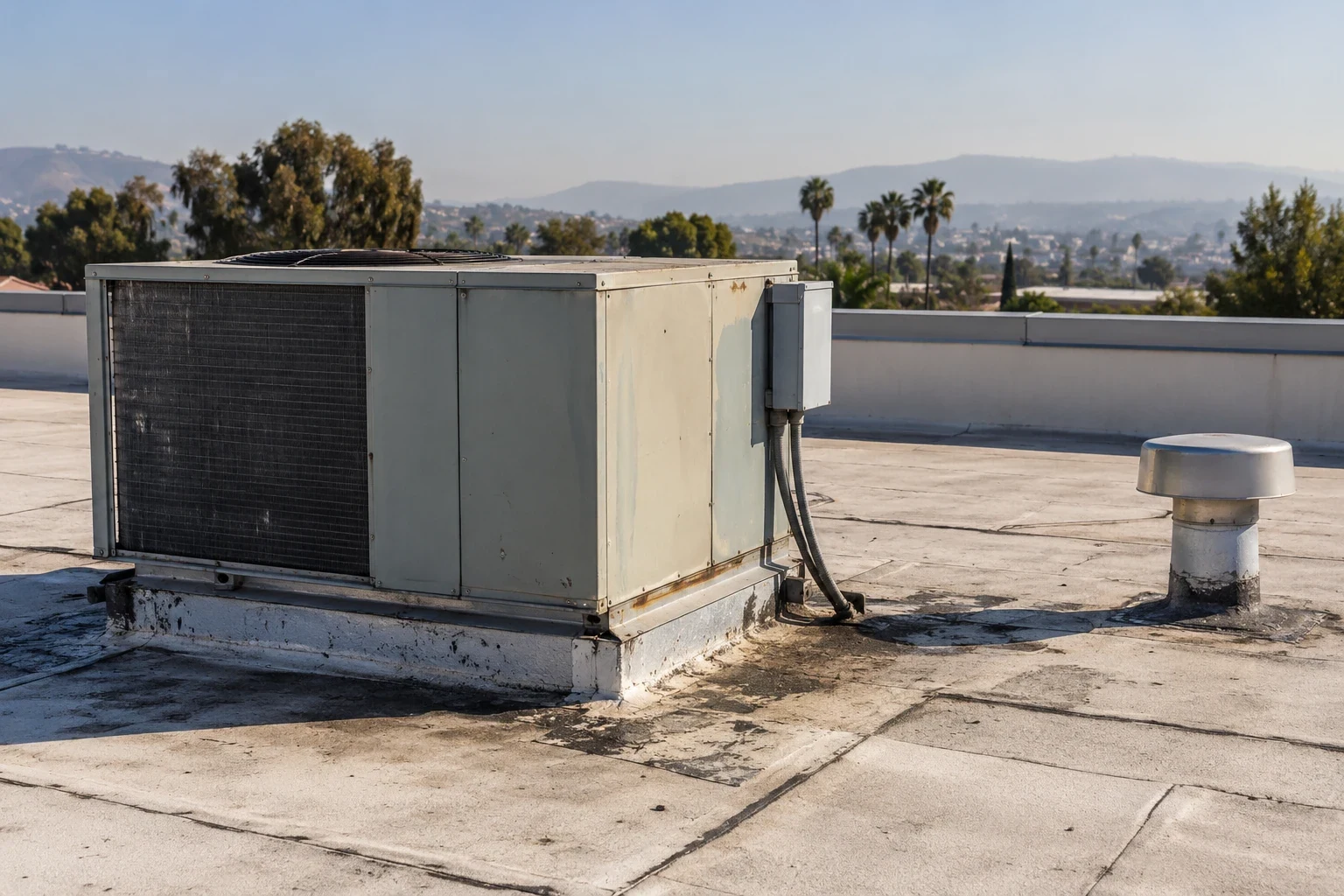
A phased sequence can reduce disruption for active offices and support spaces. Occupied-building reroofing sets the work limits, protection below, and daily dry-in point. Before tear-off, we identify antennas, exhausts, HVAC units, and communication equipment that cannot move without another trade’s authorization. The roofing crew protects openings and does not interrupt a live system as part of an unapproved repair.
Most San Diego-area rain falls in winter, although totals change by season. We check the forecast and limit removal to what can be closed before access ends. Emergency response is available at night, on weekends, and on holidays when an active leak cannot wait. Temporary protection stabilizes the opening; permanent work follows the facility’s review and entry process.
Leave a Clear Condition Record
The closeout record connects the building, roof zone, observed defect, repair and any test or inspection. We label photographs by location, record materials and tie-in details, and list conditions left open for a project decision. A roof condition report can help compare later observations with the completed repair without relying on memory or an unlabeled photo set.
Cost and timing depend on the assembly, access controls, roof area, test requirements, lift availability, removal, and concealed moisture or deck damage. One curb repair may fit a short window; replacement can require staged releases. We explain confirmed scope separately from work that depends on testing or written direction. If a shift changes, the record reflects which area was completed and how the remaining section is protected.
Share the station or sector building, roof plan, reported leak location, access contact, and any project criteria. We will coordinate an authorized roof walk, mark visible conditions, and identify the next decision. We leave operations with a usable record of what was found and changed.