Clear Access Before Materials Arrive
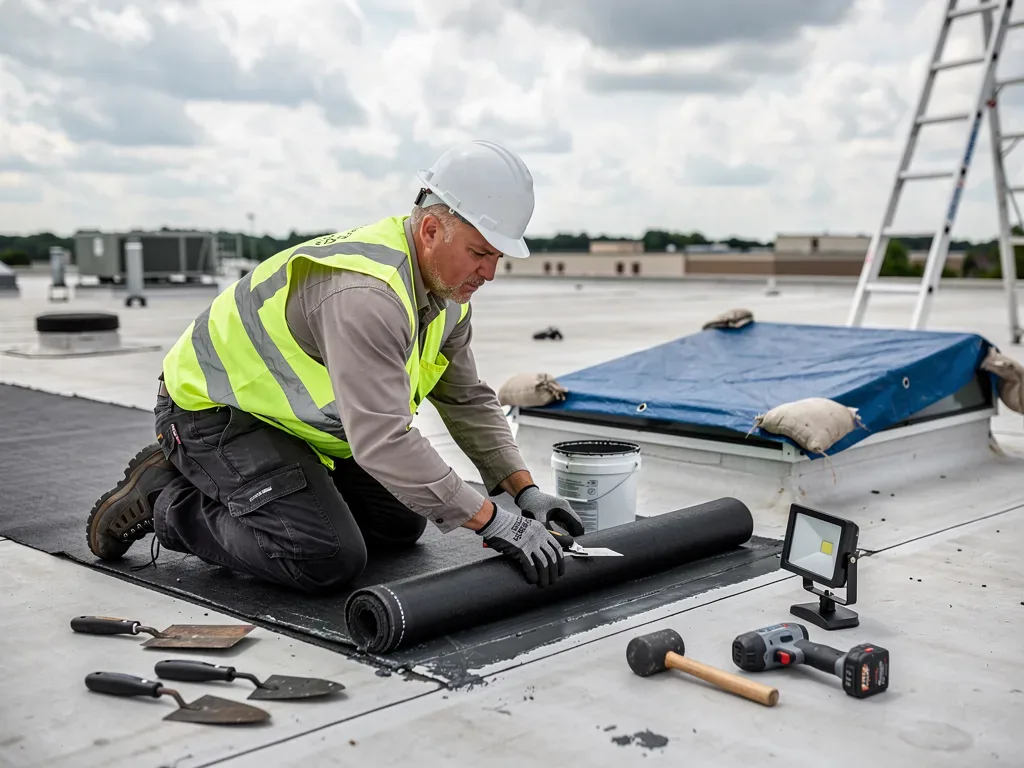
Installation work requires people, vehicles, tools and materials to be cleared through the required process. The project team confirms badging, escort rules, approved entry points, delivery windows, photography limits and tool accountability before mobilization. A roofing truck that misses an authorized window can delay both the roof crew and the facility, so delivery timing belongs in the sequence, not in a last-minute call. We work from the site’s access instructions and identify a contact for each entry and release.
Naval Base San Diego supports the Pacific Fleet surface force and hosts more than 50 ships and over 150 tenant commands. That operating environment puts shore facilities, berthing support and administrative spaces alongside active naval activity. Naval Air Station North Island is part of the Naval Base Coronado group, supporting aircraft squadrons and other shore and afloat commands. Each installation has its own project requirements, access rules, and command schedule.
Before a roof walk, we confirm which buildings and roof zones are included, who may escort the crew and whether ladders, hatches or lifts have separate controls. A commercial roof inspection can document visible conditions once access is authorized. Before materials arrive, the site representative confirms available roof hatches, access routes, escort requirements and building releases.
Translate UFC Criteria Into Roof Details
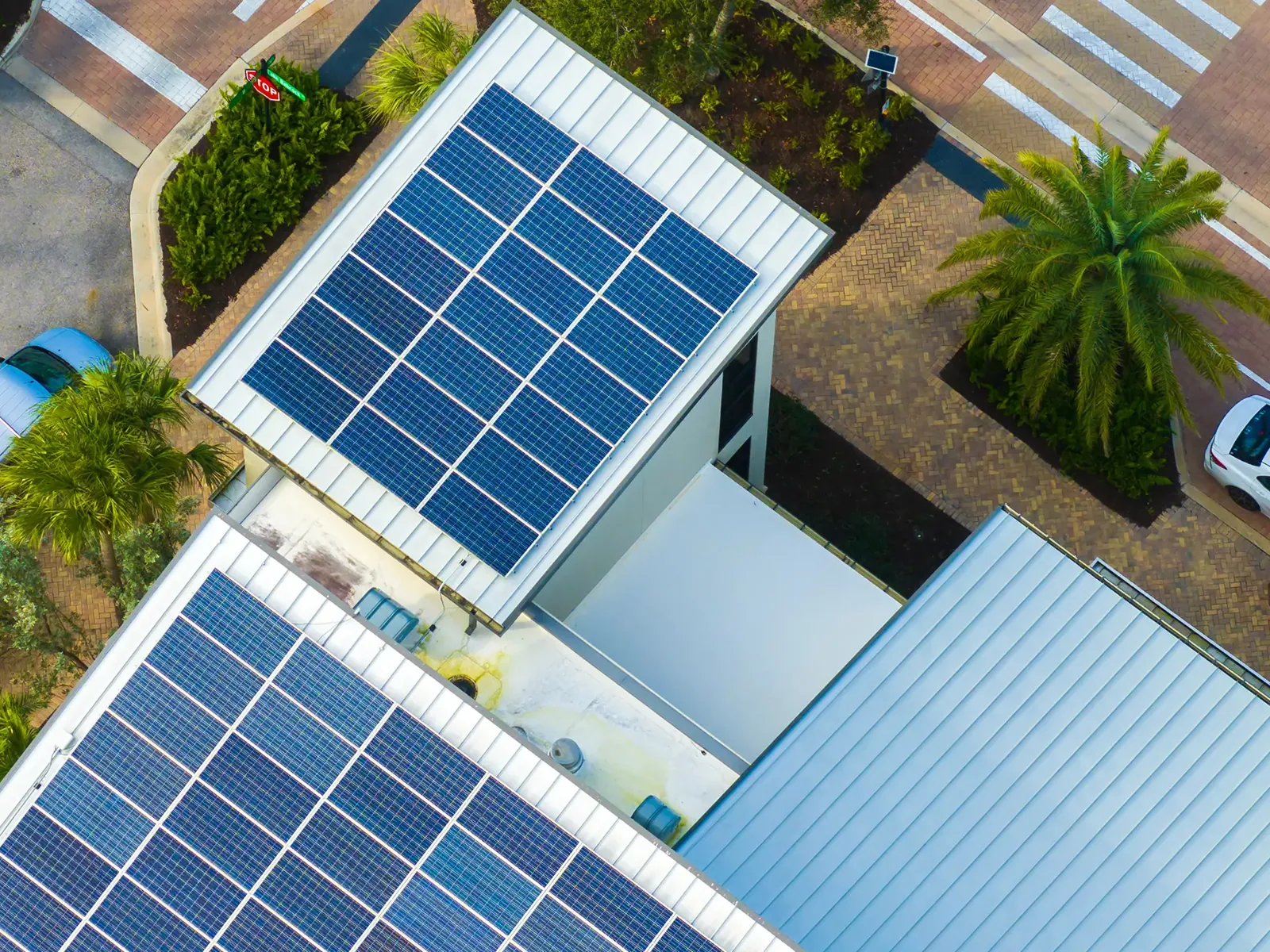
UFC roofing criteria affect product selection, attachment, insulation, edge conditions, testing and closeout. The applicable project documents set the edition and requirements; the roof assembly and existing conditions determine how those details meet the building. We compare the specified system with the deck, drains, curbs and perimeter before removal. If a detail conflicts with the field condition, we record the location and request direction through the project’s authorized channel before proceeding.
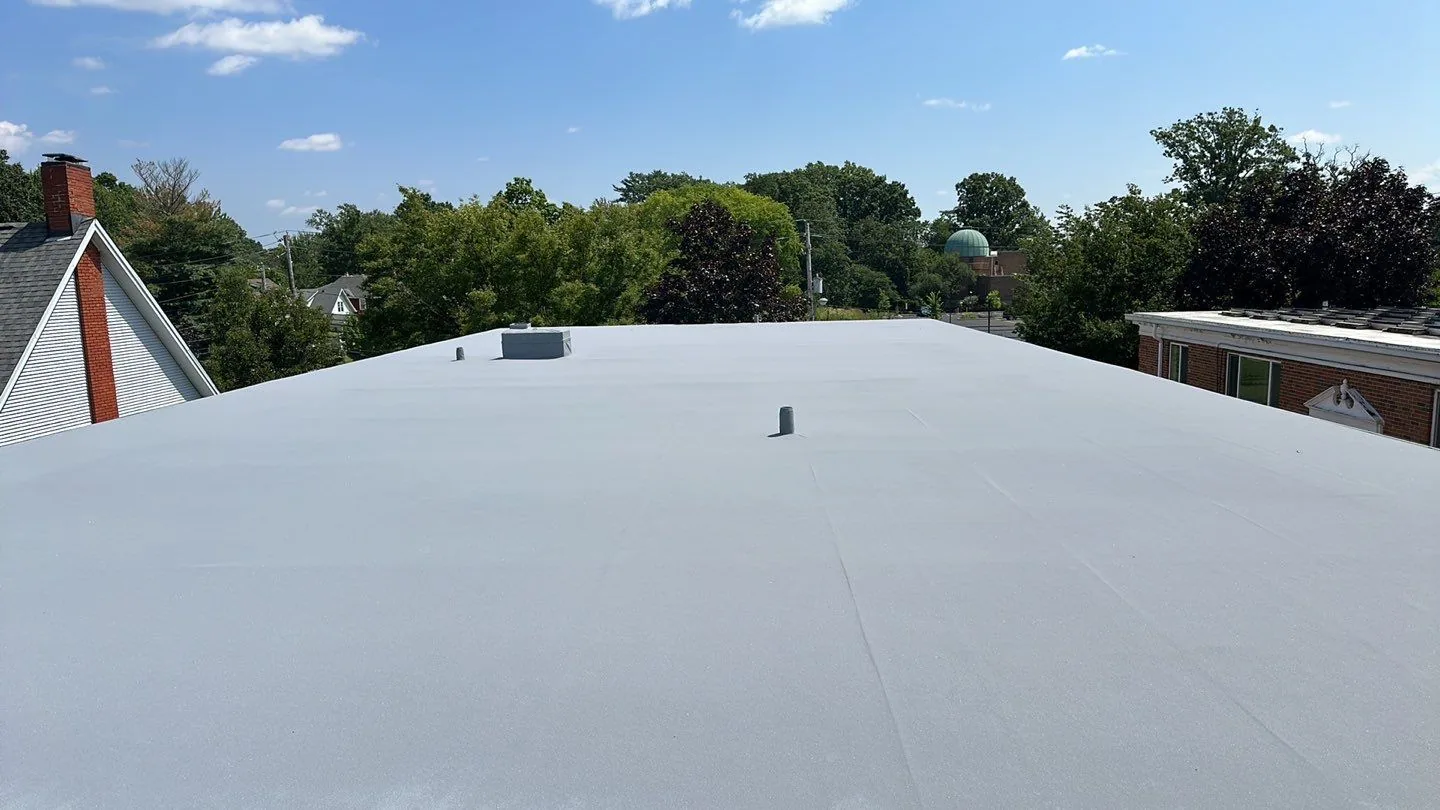
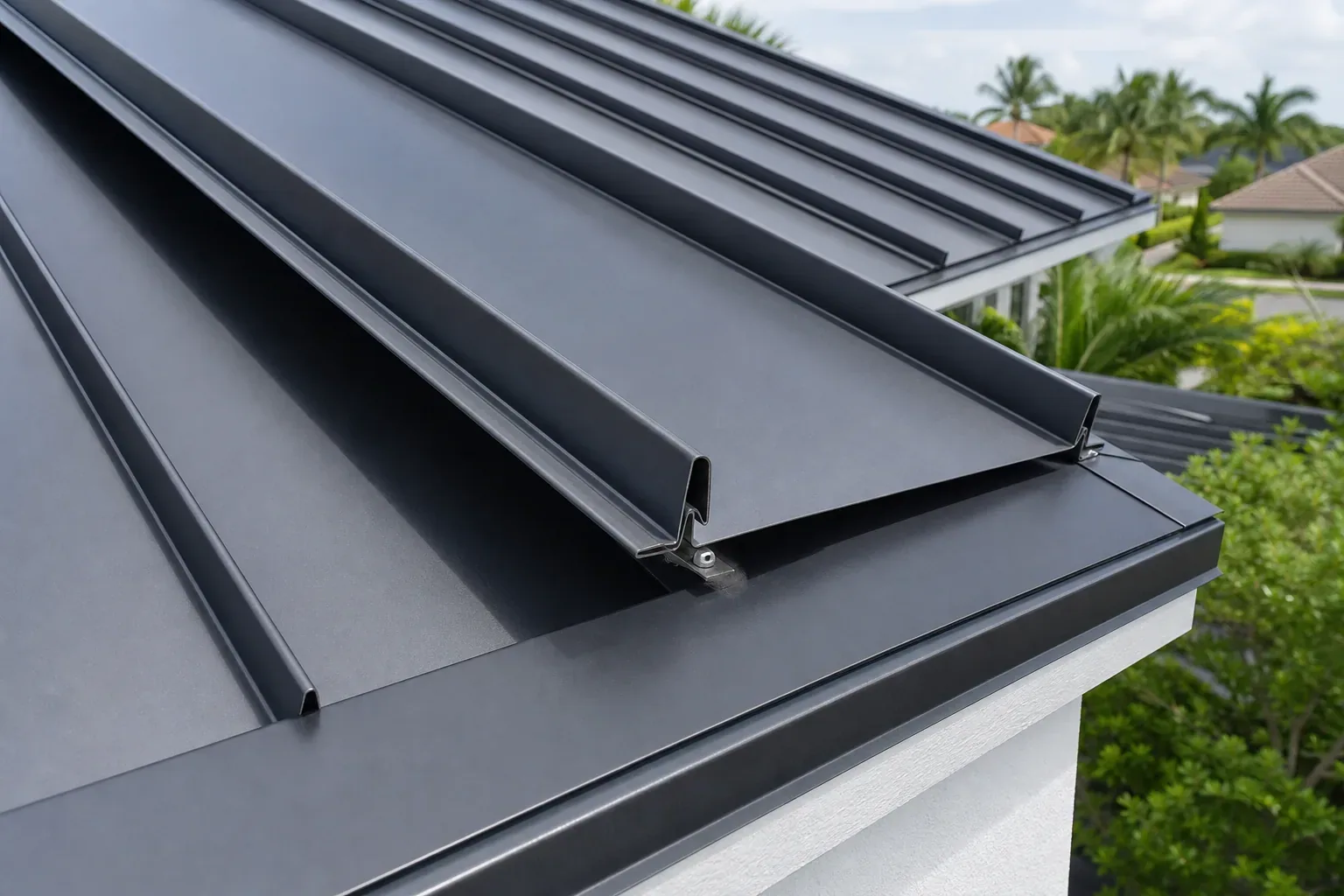
Wind resistance is not limited to the center of a roof. Perimeters, corners, parapets and equipment zones can require different attachment and flashing decisions. A TPO assembly or standing-seam metal system needs details that suit the substrate and the design criteria. We confirm fastening patterns, membrane seams, edge metal and curb transitions against the approved documents instead of substituting a familiar detail without review.
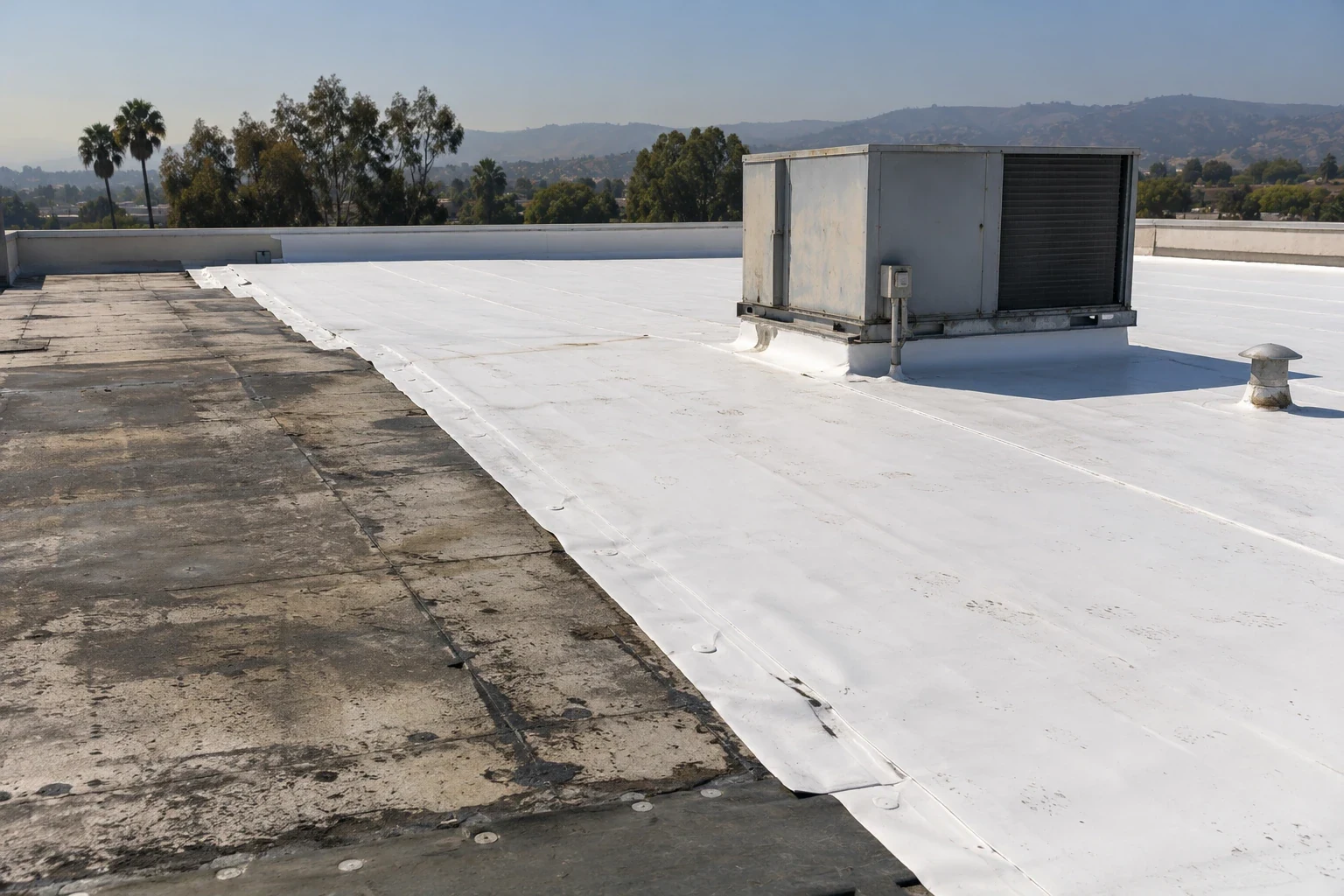
Moisture testing and selective openings can help distinguish a surface repair from wet insulation or damaged deck. That evidence matters before a new assembly covers the old one. If an overlay is permitted and the substrate is sound, a roof recover may be considered; where the existing assembly cannot support it, removal and replacement may be necessary. The scope should state which tests, repairs and inspections are required at each hold point.
Fit Work to the Operating Window
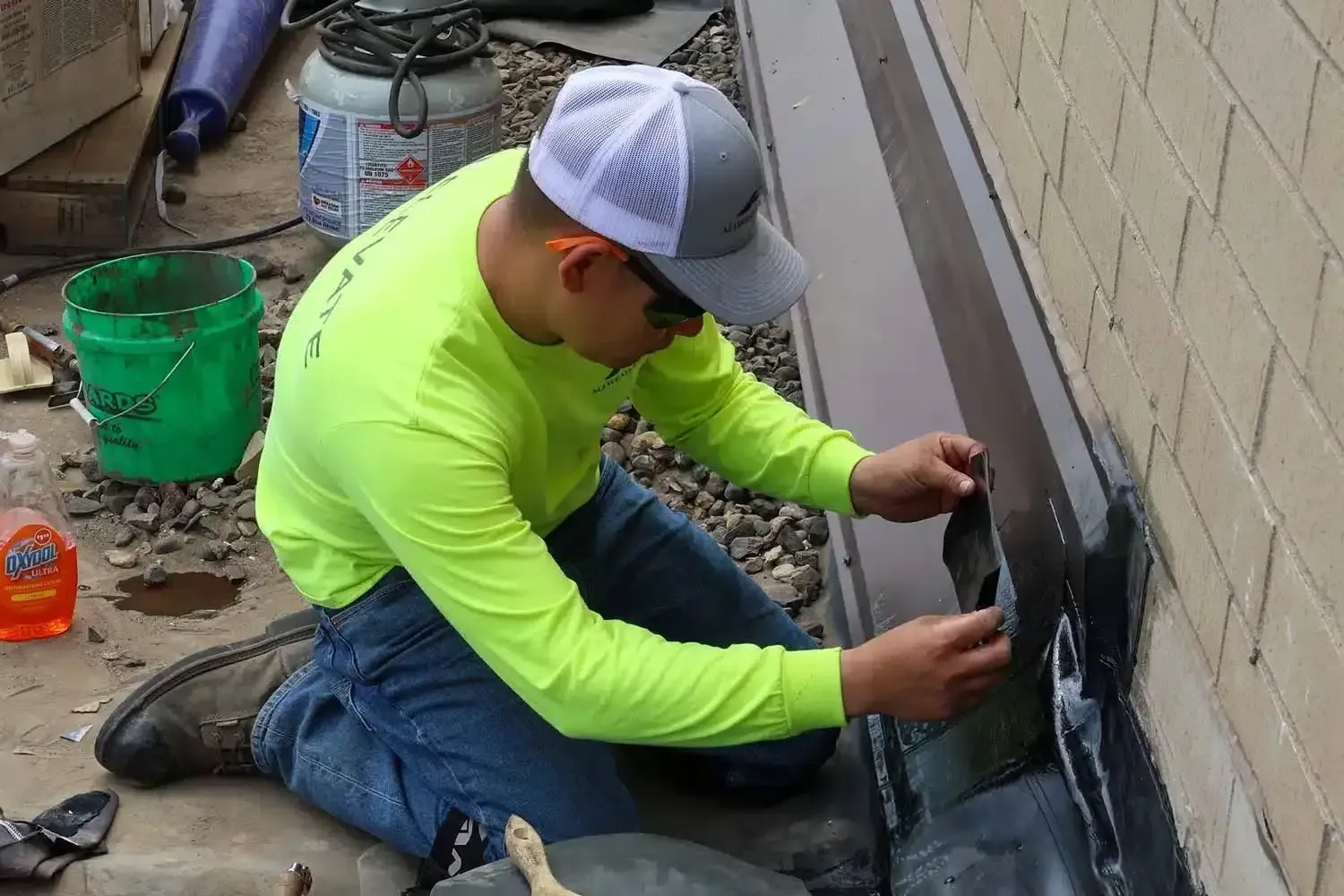
Mission schedules can change the hours when a roof zone is available. We divide the work so access restrictions, noise and lifts are confined to the agreed window, then secure the area before the facility resumes normal activity. A maintenance shop may need a clear overhead path, while housing and administrative buildings can have different occupant schedules. The site representative identifies sensitive hours and restricted routes; the roof sequence assigns the crew’s tasks to each approved interval.
At Naval Base San Diego, ship berthing and shore support coexist along the bay. In Chula Vista, industrial work around Otay Valley and freight routes near Otay Mesa can create separate delivery and staging constraints outside an installation. The same discipline applies inside a controlled site: confirm the receiving route, staging point and lift area, then keep them separate from operational movement. A phased occupied-building sequence helps structure work when people or equipment remain below the active roof zone.
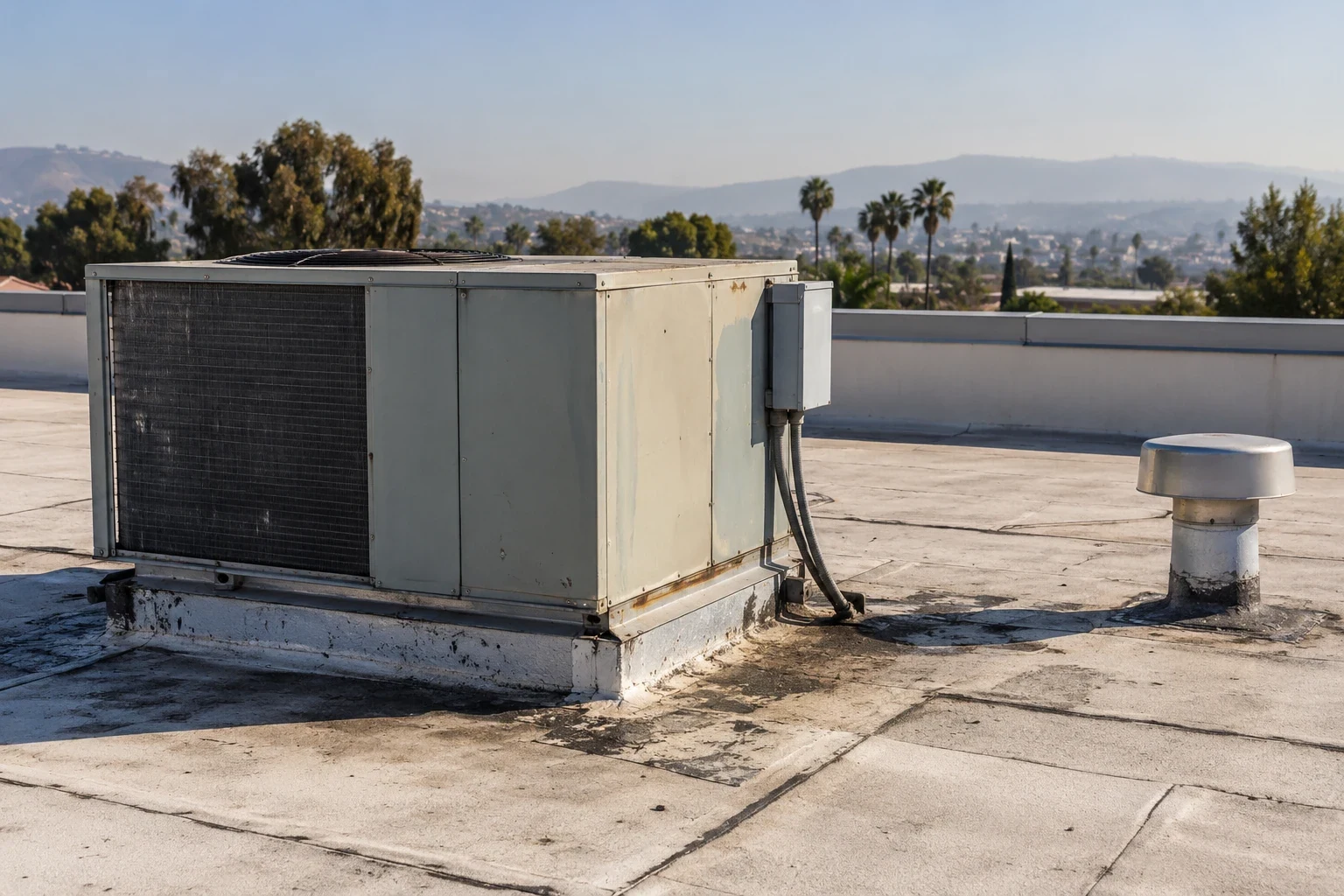
Some roofs contain antennas, exhaust, rooftop units, fall-protection connection points or communications equipment that cannot be moved casually. We identify these items before tear-off and coordinate protection, shutdowns and temporary supports with the responsible trade. The crew does not disconnect an active service or shift equipment without authorization. If the sequence changes, the facility contact receives the changed zone and the new closure time.
Protect Openings and Secure the Site
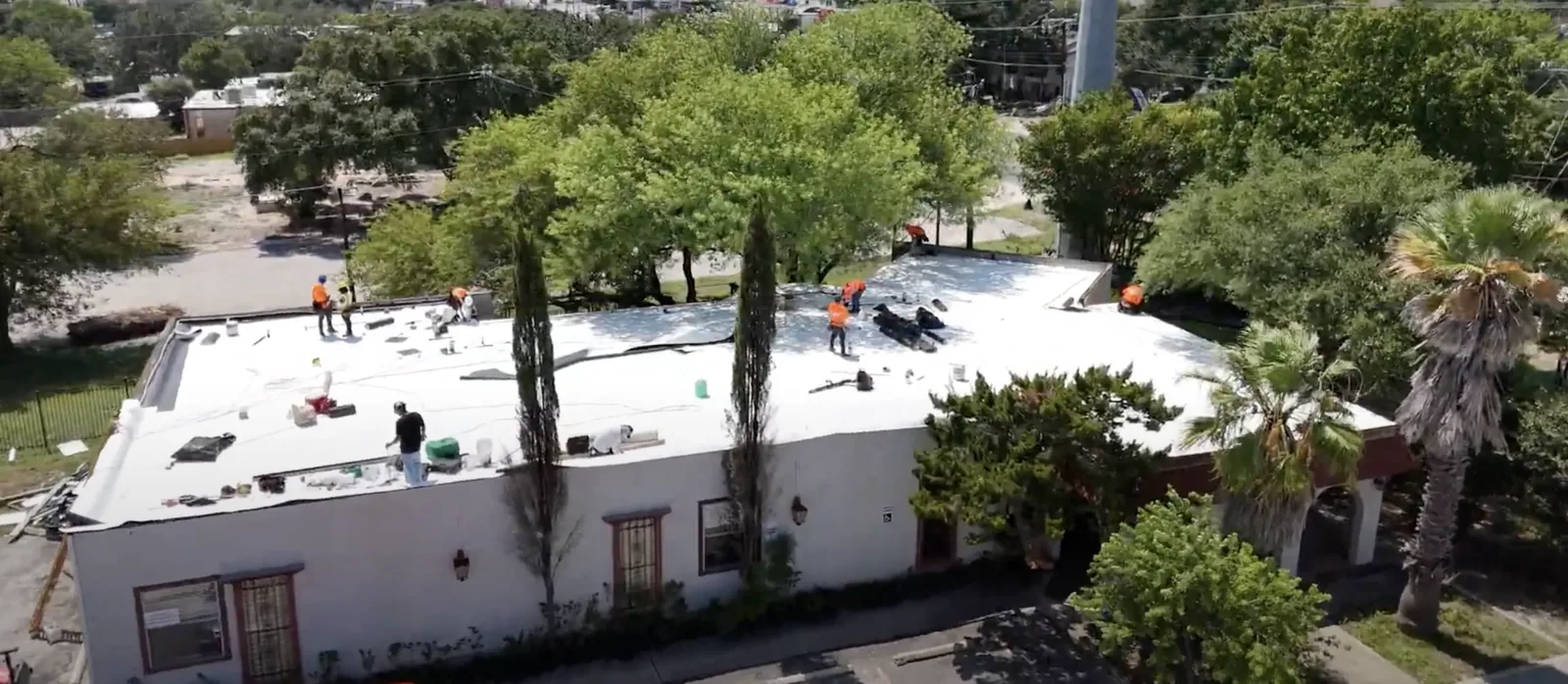
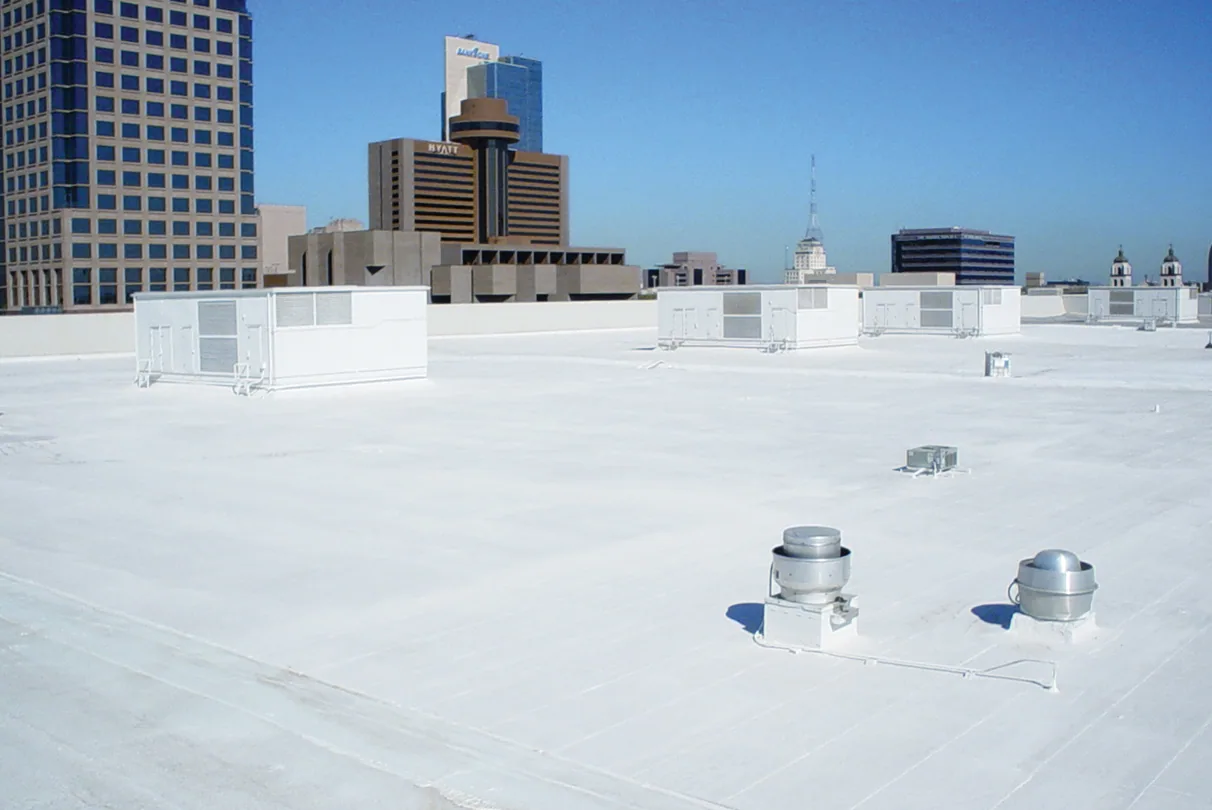
Daily dry-in is critical when a roof opening sits above mission equipment, occupied rooms or stored materials. We limit tear-off to the area the crew can close, protect exposed insulation and deck, and maintain a clear drainage route while the permanent assembly is installed. At each shift end, the foreman checks temporary edges, drains, tie-ins and material storage, then reports the condition to the designated site contact.
Most San Diego-area precipitation falls during winter, though totals vary from year to year. That seasonal pattern affects how much roof can safely be open and how quickly temporary protection must be ready. Coastal conditions also make corrosion control relevant at exposed metal edges and fasteners. We stage a closure kit at the work area and adjust the day’s removal limit when weather or access narrows the available shift. Emergency response is available around the clock, weekends and holidays included, when a roof failure cannot wait for the next scheduled entry.
Security and housekeeping continue after the roof is dry. We account for tools and unused materials, remove debris from authorized routes and leave hatches, doors and perimeter controls as instructed. A commercial emergency response can protect a compromised area while the permanent repair is coordinated through the site’s process.
Record Tests, Repairs and Release
Closeout should connect each roof zone to its material, detail, inspection and release. We provide location-based photographs, record repairs, and identify any remaining access restriction or open item. Where project specifications require testing, inspection, or manufacturer documentation, we coordinate the hold point before the next layer conceals the work. A roof condition report can preserve the observed assembly and repair locations, while warranty records keep approved documents with the facility file.
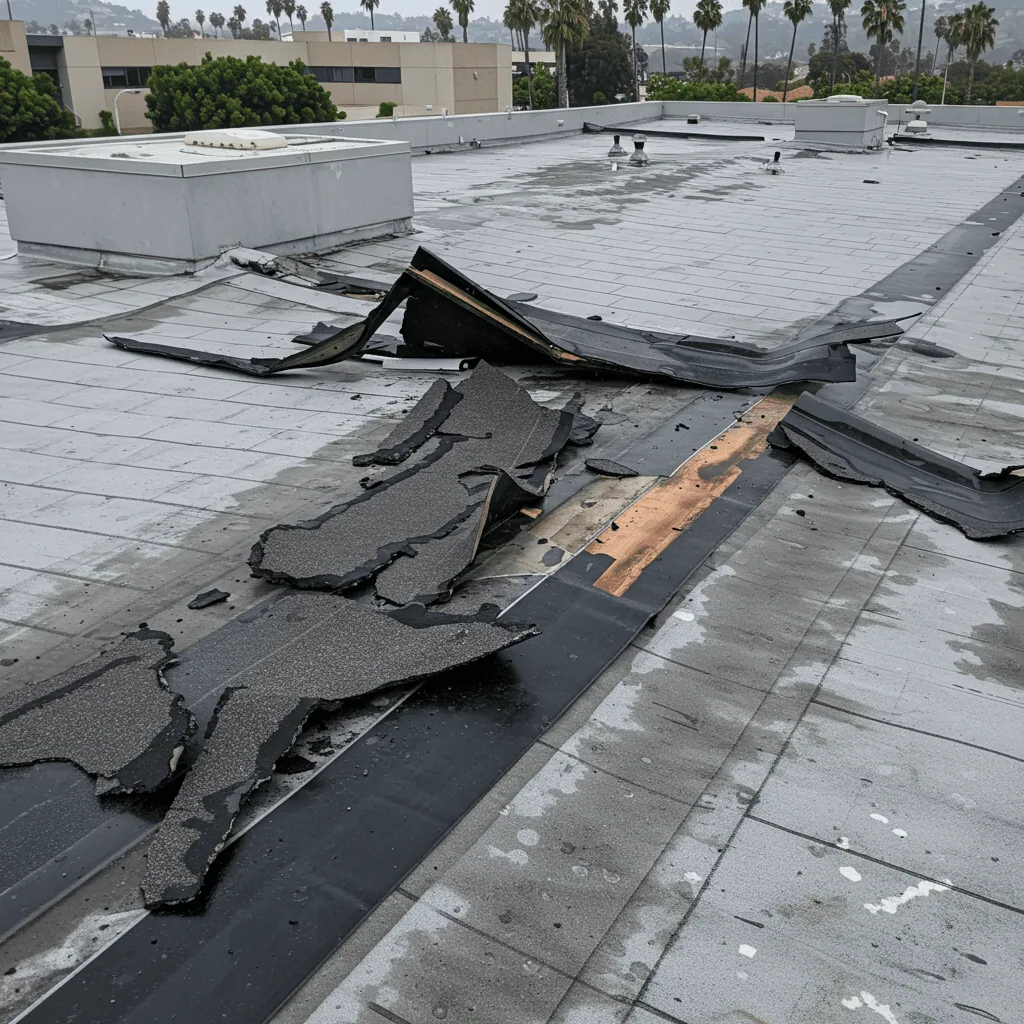
Existing conditions can alter a plan after removal. Wet insulation, loose fasteners, corroded deck or concealed curb damage may require a design decision, added repair or revised work zone. We stop at the affected boundary, protect the opening and provide the location and photographs needed for direction. The project team can then decide whether to repair, replace or change the detail without blending unapproved work into the base scope.
Share the installation, building type, project specifications, access contact, and operating window. We will review the roof scope and coordinate a site walk through the required entry process. The resulting sequence identifies the first work zone, the access dependencies and the dry-in point for each shift.