Choose Reflectance With the Whole Assembly
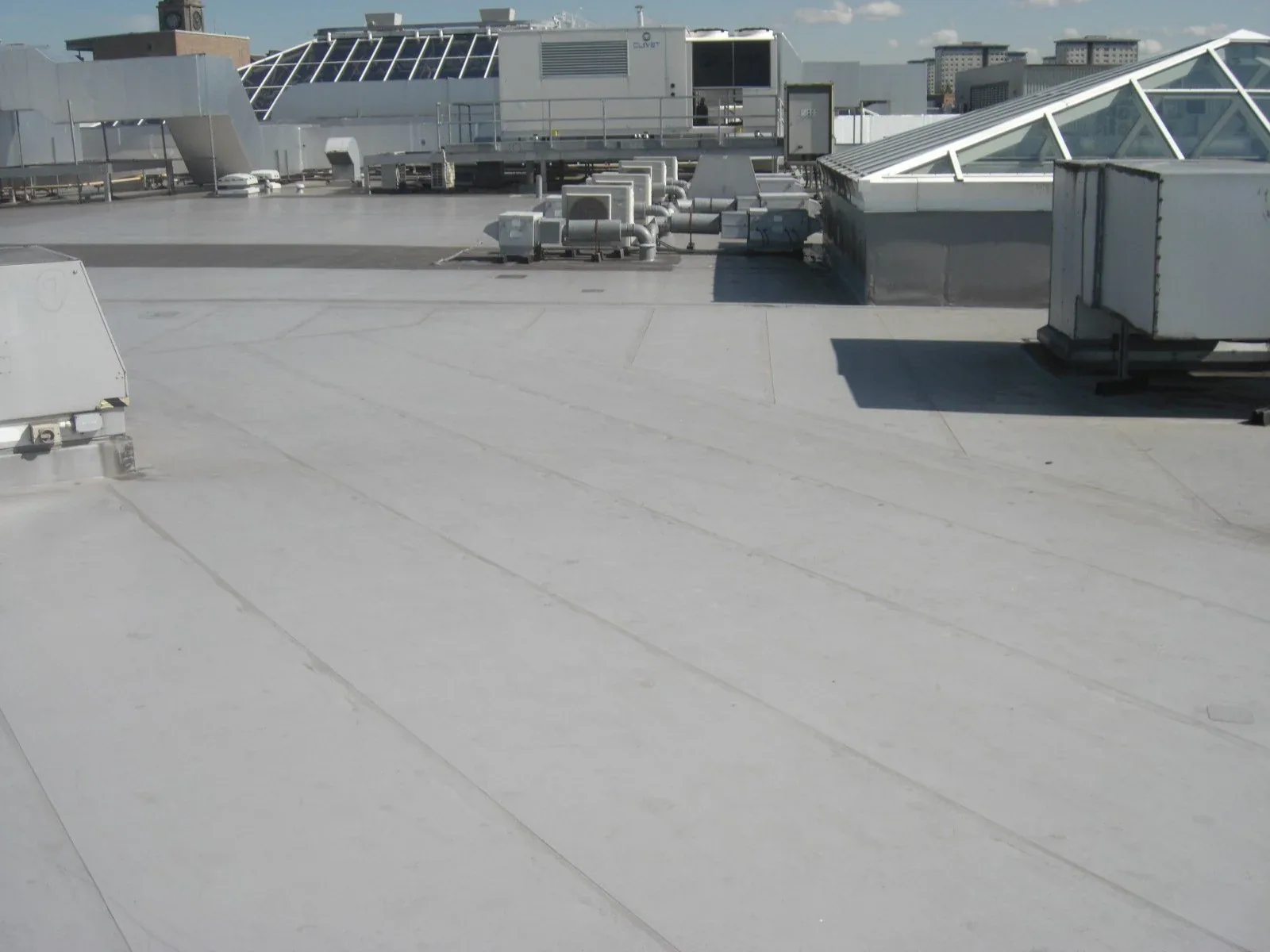
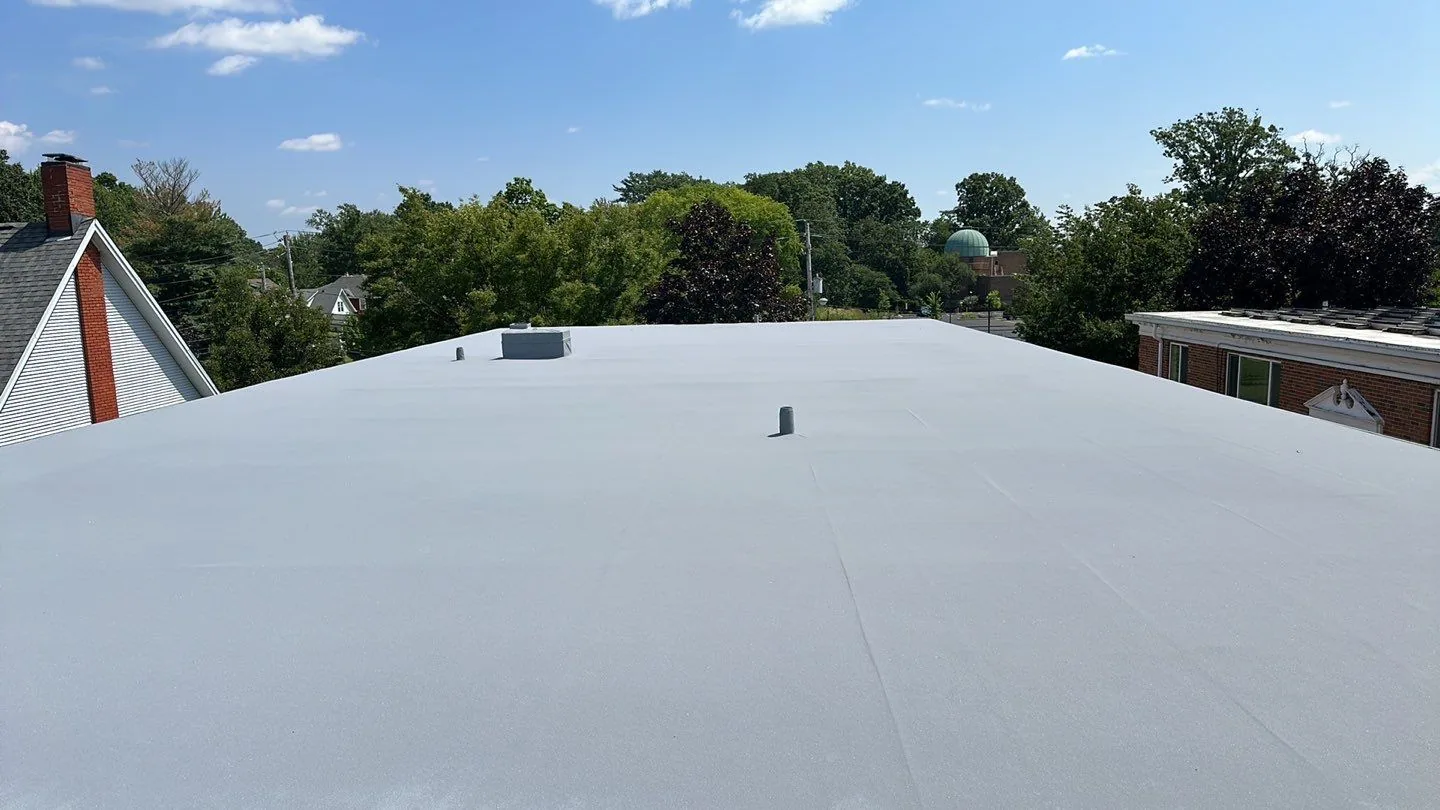
Reflective membranes and coatings reduce solar absorption compared with darker surfaces, but the result depends on the product, condition and roof below it. White TPO and PVC membranes, reflective metal and compatible coating systems each have their own seams, attachment details and maintenance needs. We identify the proposed system, its surface properties and how it will connect at edges, curbs, drains and existing materials. The decision should account for more than the finish color.
Insulation remains central to the roof’s thermal performance. A reflective surface cannot compensate for compressed insulation, gaps around penetrations or a wet assembly. We inspect the existing layers and determine whether the work is a replacement, recover or restoration. If moisture is suspected, a moisture survey or controlled opening may help define the repair boundary before a new system covers the roof.
Building owners may be weighing roof temperature, interior comfort, equipment loads and utility use. Those outcomes depend on the building envelope, ventilation, occupancy, equipment and operating schedule. We can describe the roof-side choices and coordinate with the facilities or energy team, but do not present a surface selection as a specific energy result by itself. The TPO system or PVC system should be compared against the building’s use and maintenance plan.
Plan for Coastal and Inland Conditions
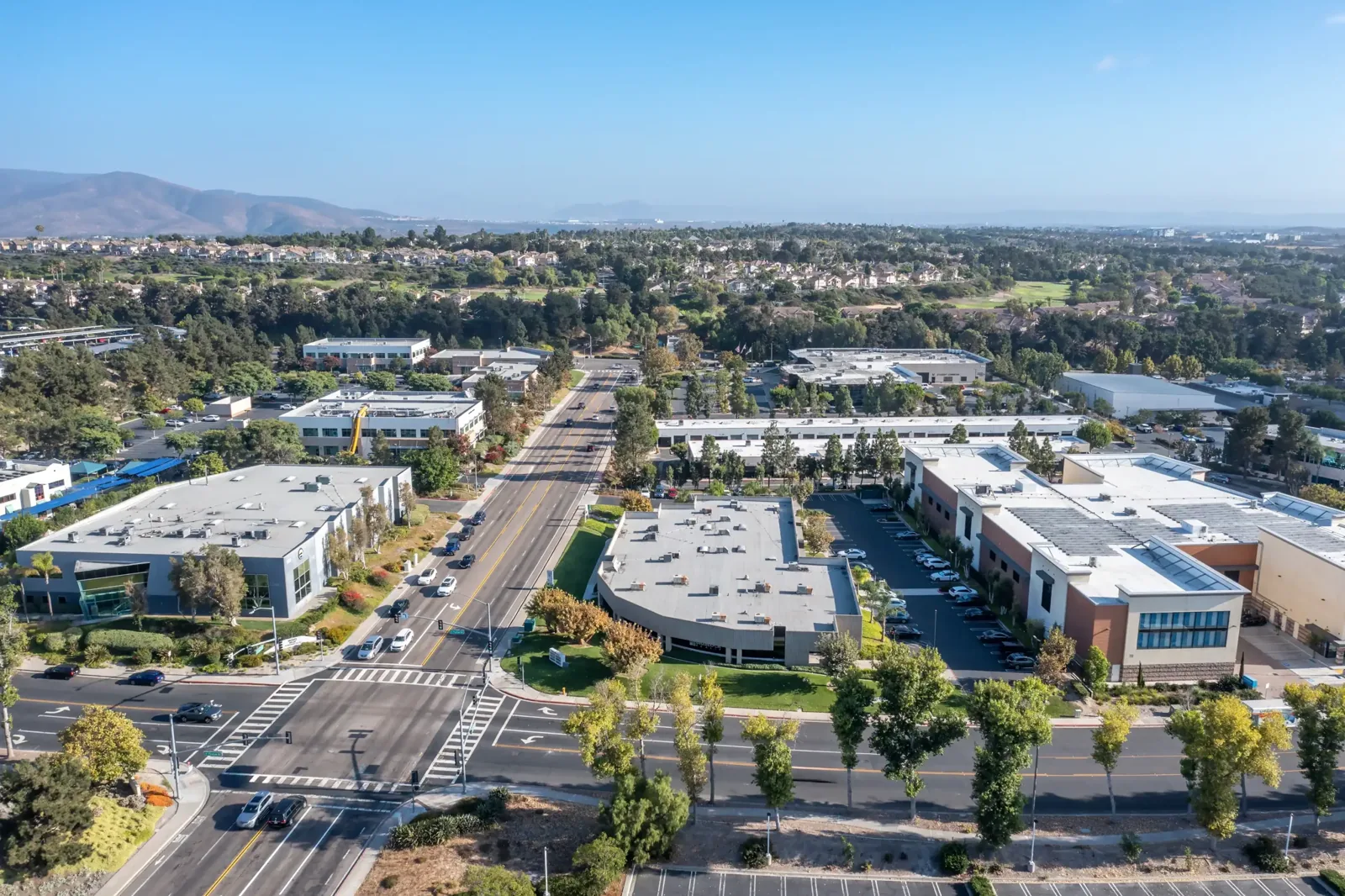
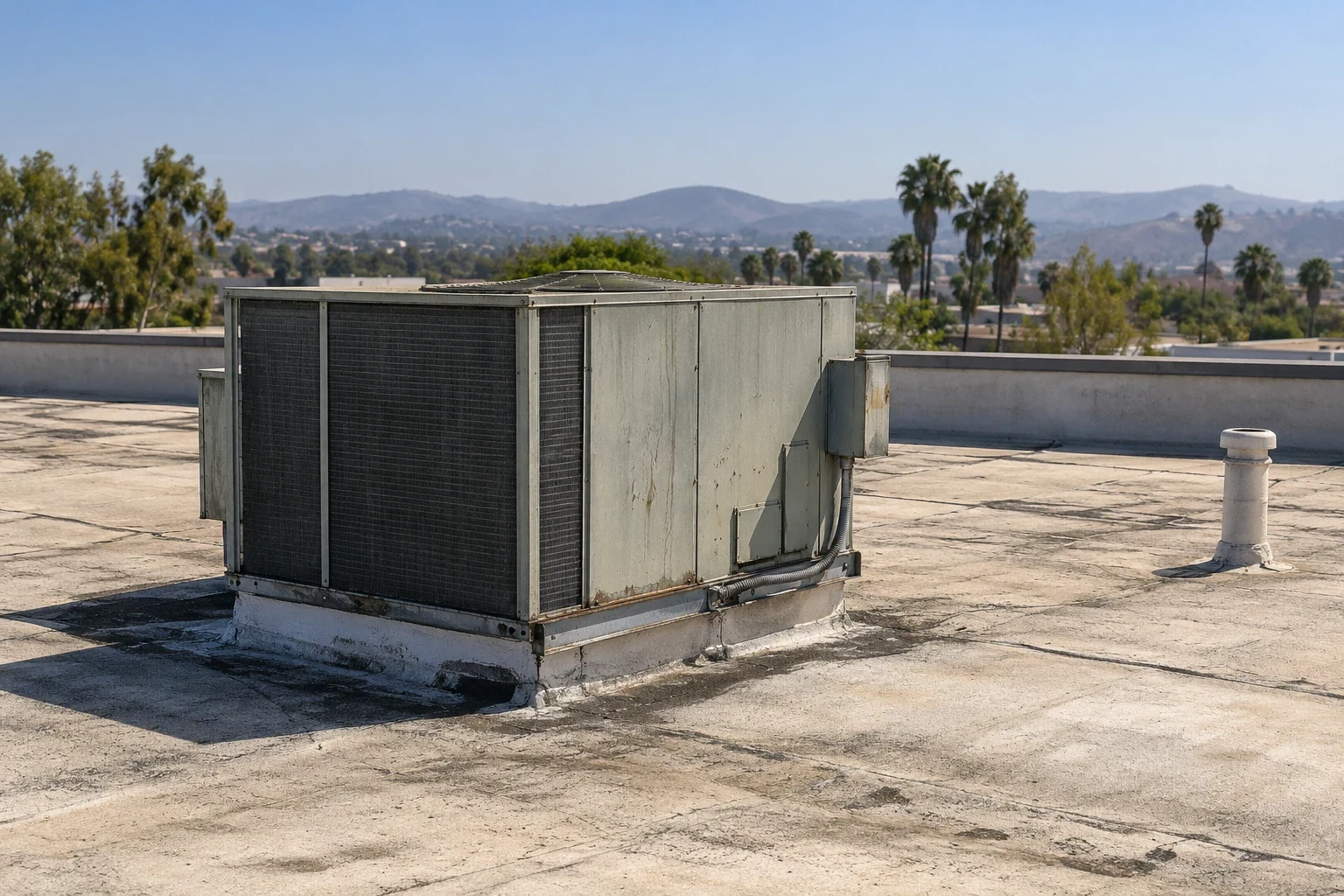
Chula Vista’s climate is moderated by its coastal setting, while the terrain extends into warmer inland elevations. Dry easterly winds can bring 90-degree and occasionally 100-degree temperatures to eastern communities, with many hot days in September and October. A cool roof can reduce solar heat at the surface, but the design still has to tolerate local wind, rain and daily temperature changes. We check edge attachment, membrane movement and exposed sealants alongside the reflective field.
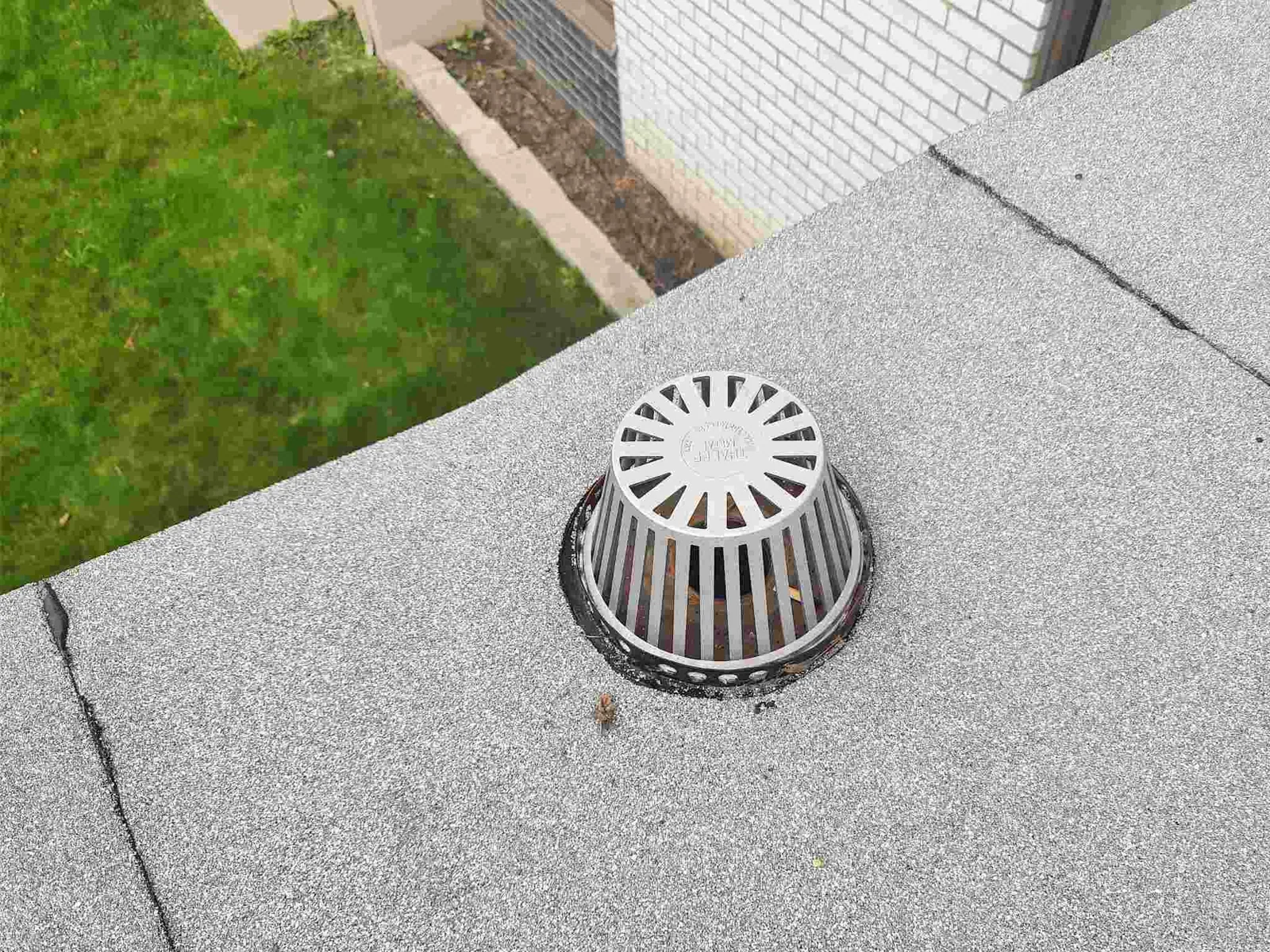
Most San Diego-area precipitation falls from November through March, with seasonal totals that vary. Reflectivity does not change the need for open drains, sound seams and proper slope. We inspect roof low points and scuppers before installation, then coordinate drainage corrections with the membrane height. If a roof has ponding, a drainage correction or tapered insulation may be needed before the reflective layer is installed.
Near the Chula Vista Bayfront, exposed metal at edges and equipment supports deserves a close condition check. In Eastlake and Otay Ranch, eastern employment districts, hot periods and larger temperature swings can affect work scheduling and application conditions. We select materials for the actual substrate and follow temperature and cure limits. The location informs the inspection plan, while the measured roof determines the assembly.
Check Code, Attachment and Edges
Reflective roofing still has to meet applicable building and fire requirements. Chula Vista adopted the 2025 California Building Code with local amendments in Ordinance 3604, and the statewide 2025 code cycle took effect January 1, 2026. Permit timing and project scope determine which code provisions apply. We coordinate the proposed assembly and supporting documents with the permit path, rather than assuming a reflective product is exempt from ordinary roof requirements.
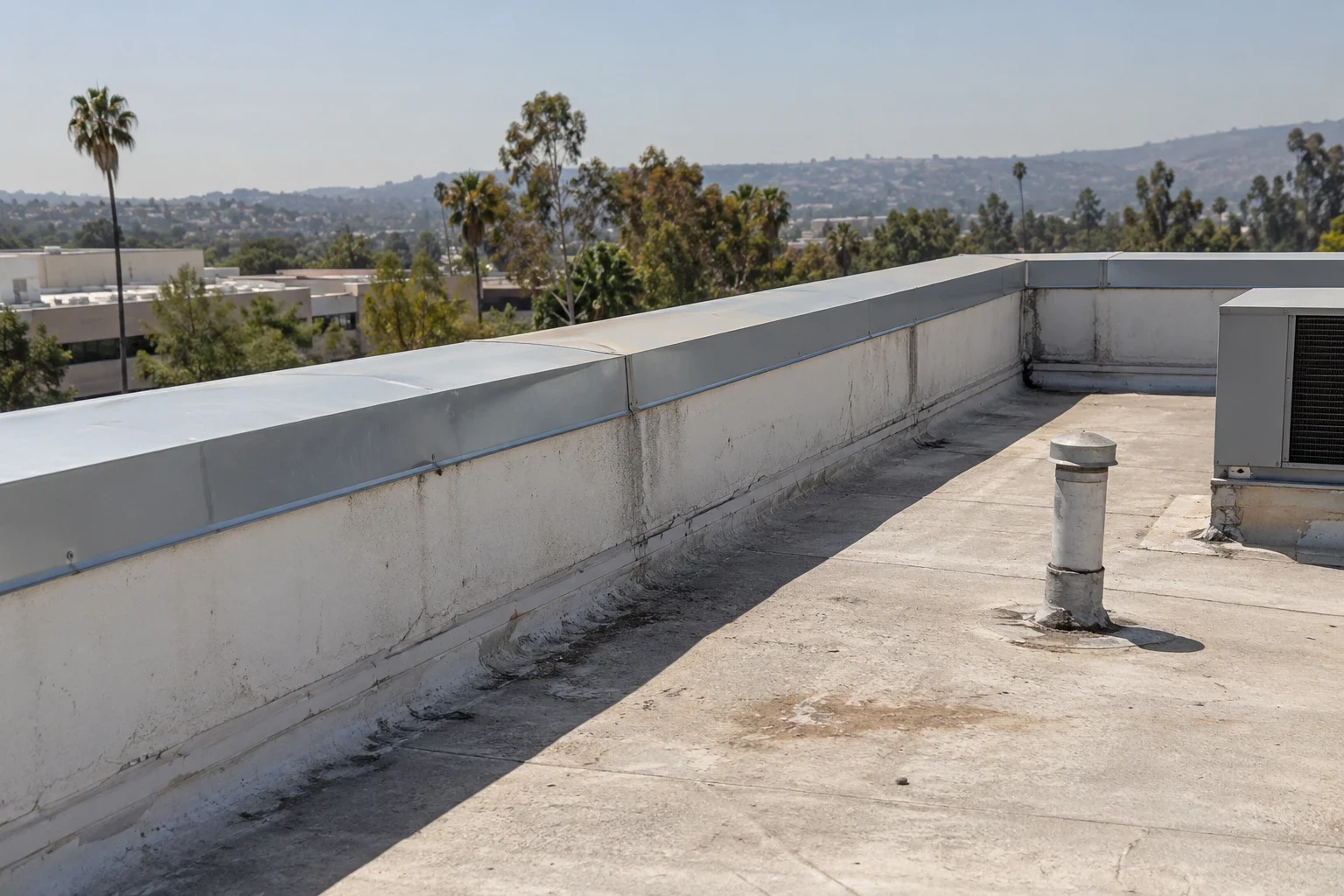
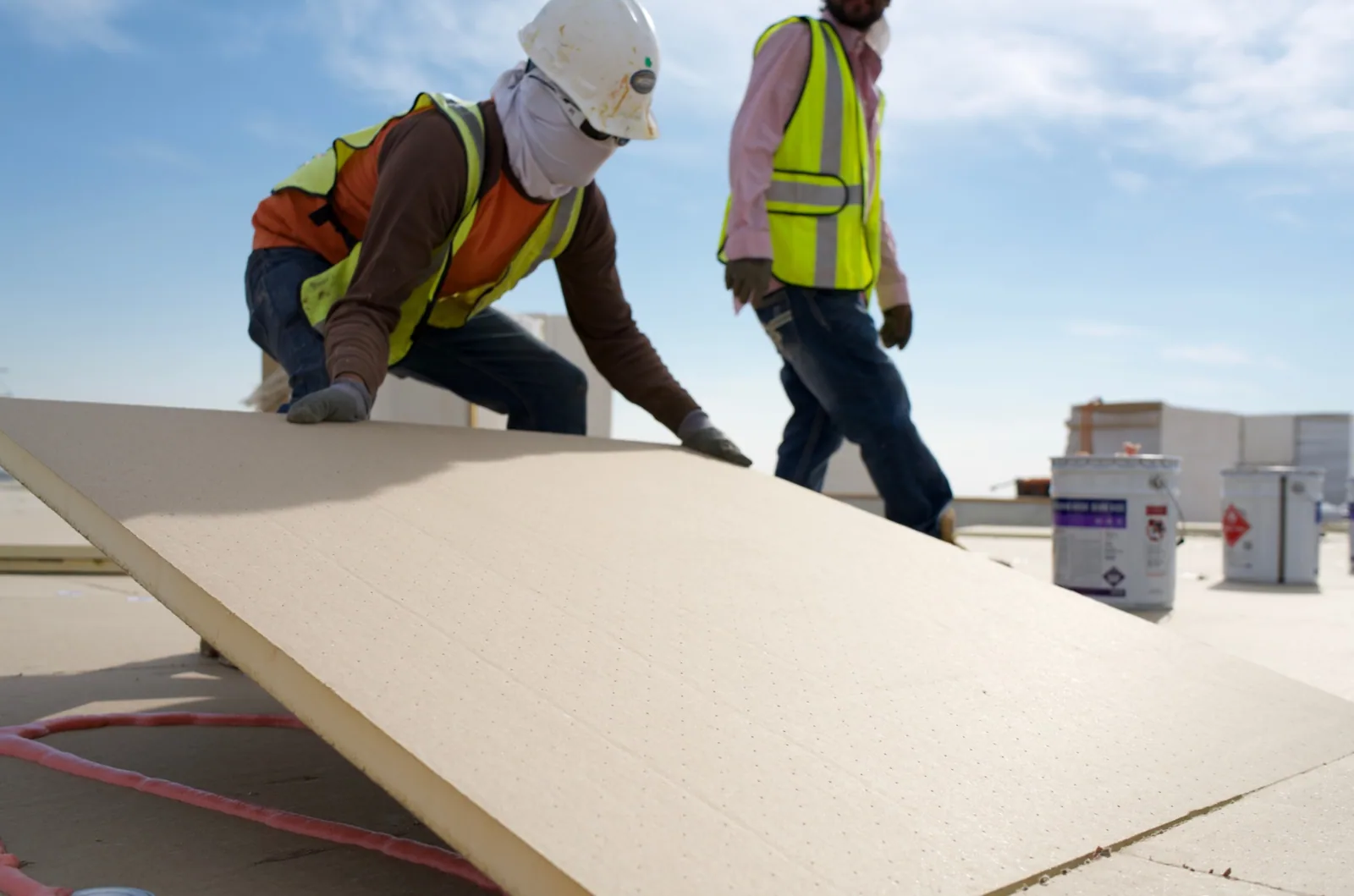
Attachment depends on deck type, wind design, insulation and roof system. We inspect substrate condition and perimeter details, then follow the specified fastening or bonding pattern. At parapets, coping, gutters and roof edges, new membrane height can affect termination. Curb flashing, roof hatches, skylights and penetrations need enough rise above the finished surface. The edge metal and coping should be coordinated with the selected build-up before installation starts.
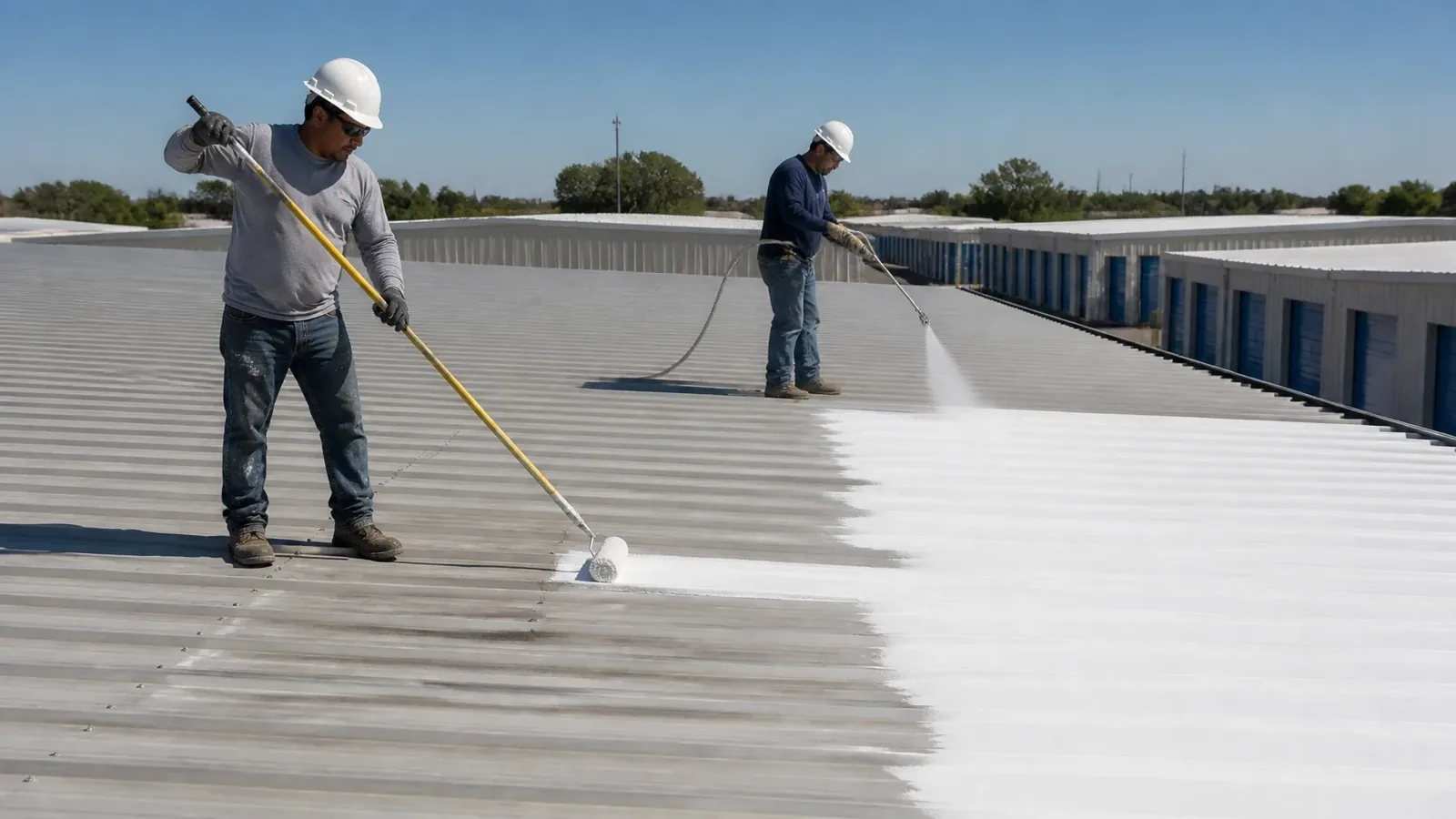
For a coating application, the existing surface must be suitable, dry and able to accept the material. Seams and flashing need repair first, and drainage must remain functional. A coating restoration can work on a sound roof when moisture and adhesion checks support it. If not, we compare the assembly with replacement or another repair scope rather than coating over an unresolved condition.
Install by Roof Zone
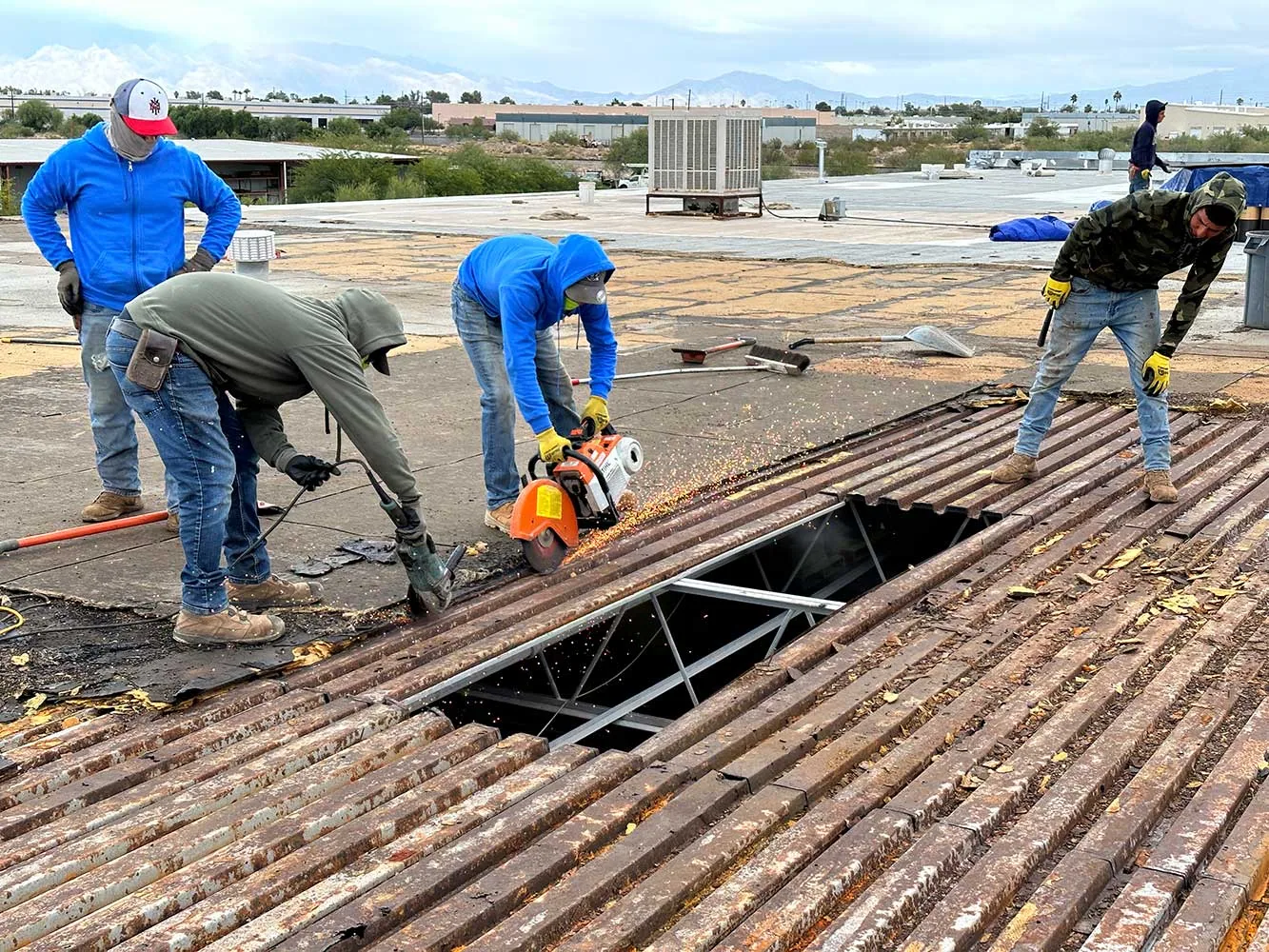
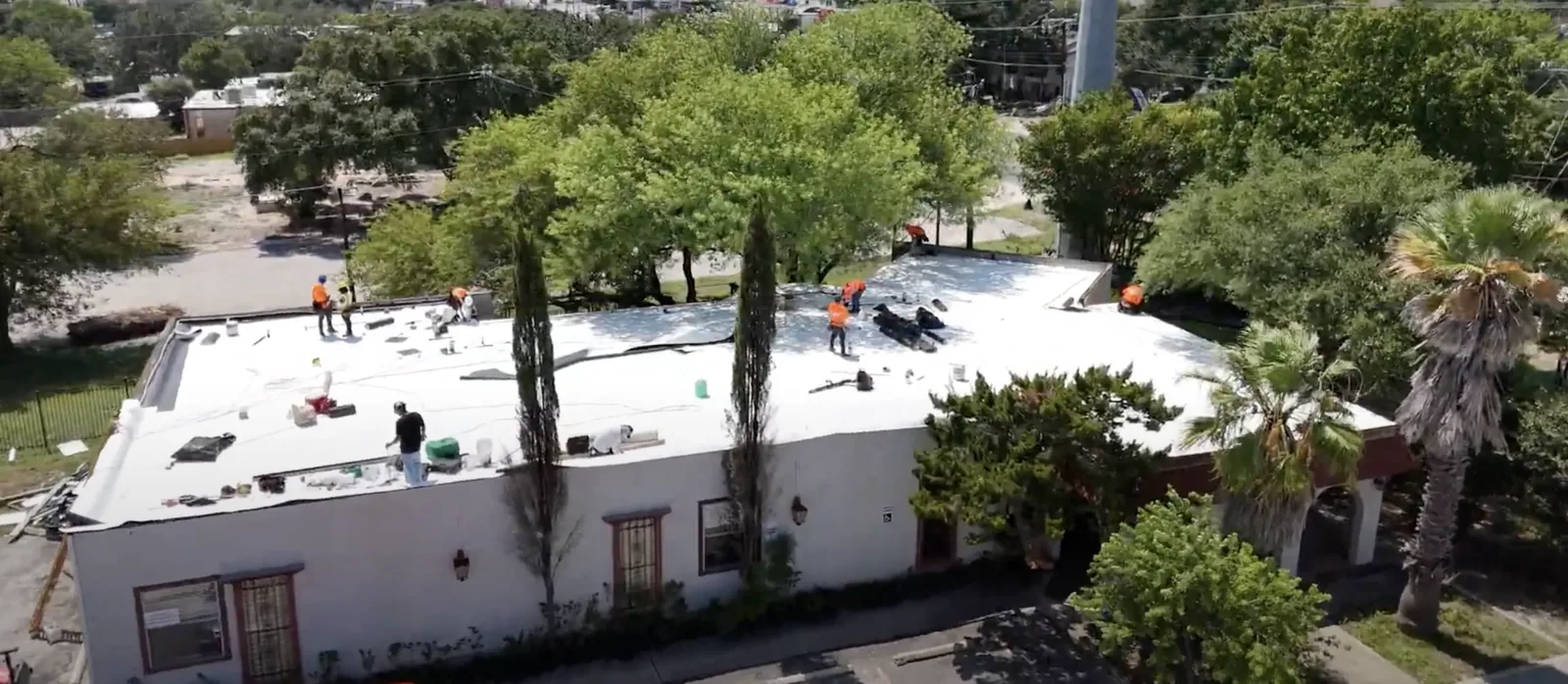
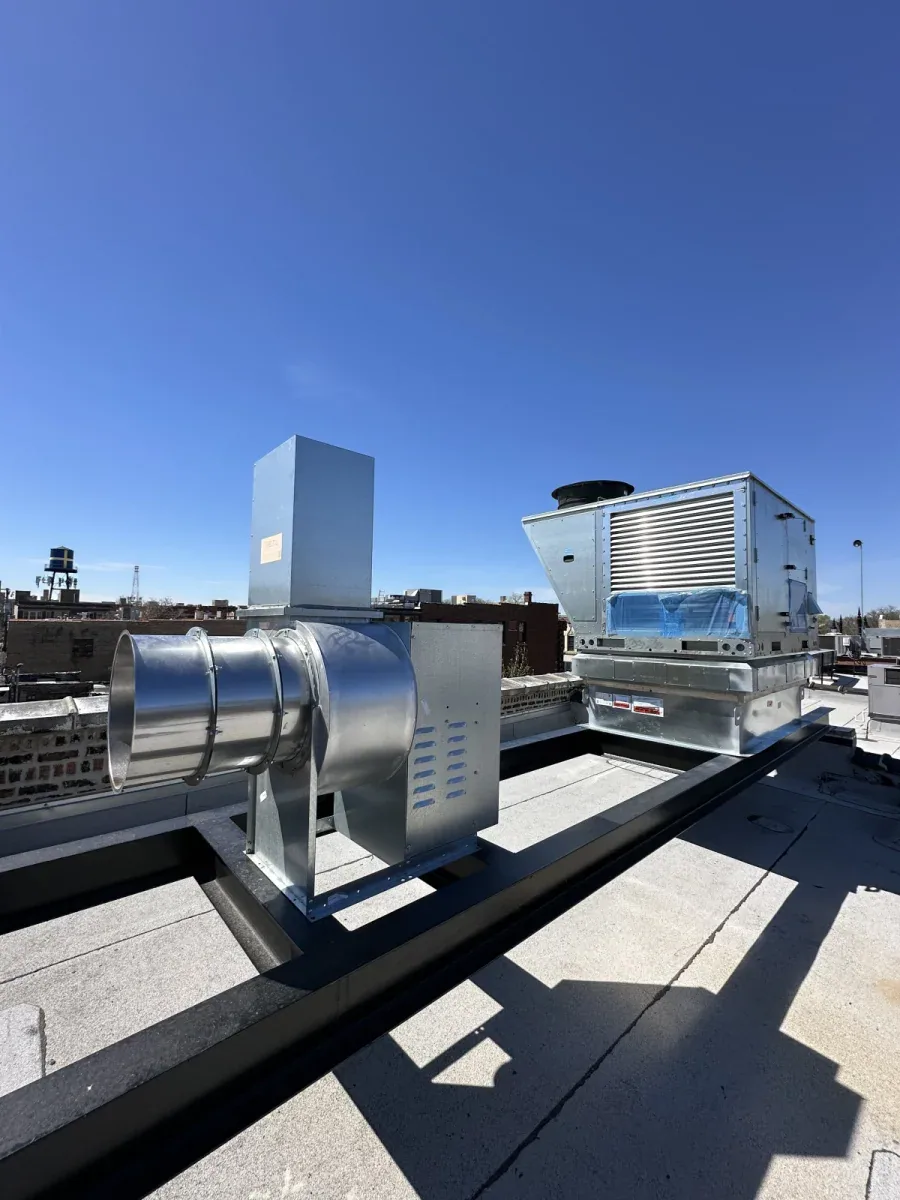
We divide the roof into work areas that can be prepared, covered and protected during each shift. The crew removes old material where required, corrects deck and insulation conditions within scope, installs cover board and membrane, then closes edges and details. A reflective surface does not make the roof walkable or maintenance-free; equipment service, drain clearing and inspection access still need planning.
Occupied buildings require coordination below and above the roof. In Chula Vista’s Third Avenue business district, a shop may have shared loading access; at Otay Mesa, industrial receiving routes connect to SR 905 and regional freight. We coordinate staging and delivery with the building contact, protect sensitive interior areas and keep emergency routes clear. A phased occupied-building sequence can plan work around tenants and operating rooms.
Weather changes the installation window. Rain can interrupt removal and cure, while hot surfaces affect adhesives and coatings. We check conditions and limit opened areas to what can be made watertight during the shift. If forecast weather requires a pause, the crew secures transitions and records which roof zones are complete and which remain open for return.
Compare Options and Maintain the Surface
Cost depends on tear-off, insulation, cover board, edge metal, attachment, access and the state of existing details. A reflective recover over a sound roof may have a different scope from replacement over wet insulation or a damaged deck. We list system layers and boundary conditions so owners can compare alternatives on more than initial material price. If an energy team models building performance, we can provide roof assembly information for that analysis.
Closeout identifies the installed material, work zones, repairs, transitions and maintenance points. Drains, seams and exposed metal still need inspection. Dirt, foot traffic and ponding can change surface performance over time, so the maintenance plan should include cleaning and condition checks appropriate to the selected product. A maintenance route can revisit drains and details, while a condition report tracks repairs for future budgeting.
Share the building, existing roof system, heat concern and access contact. We will inspect the assembly, identify drainage and code constraints, and compare reflective roofing with the options supported by the roof condition.