Protect the Spaces Below
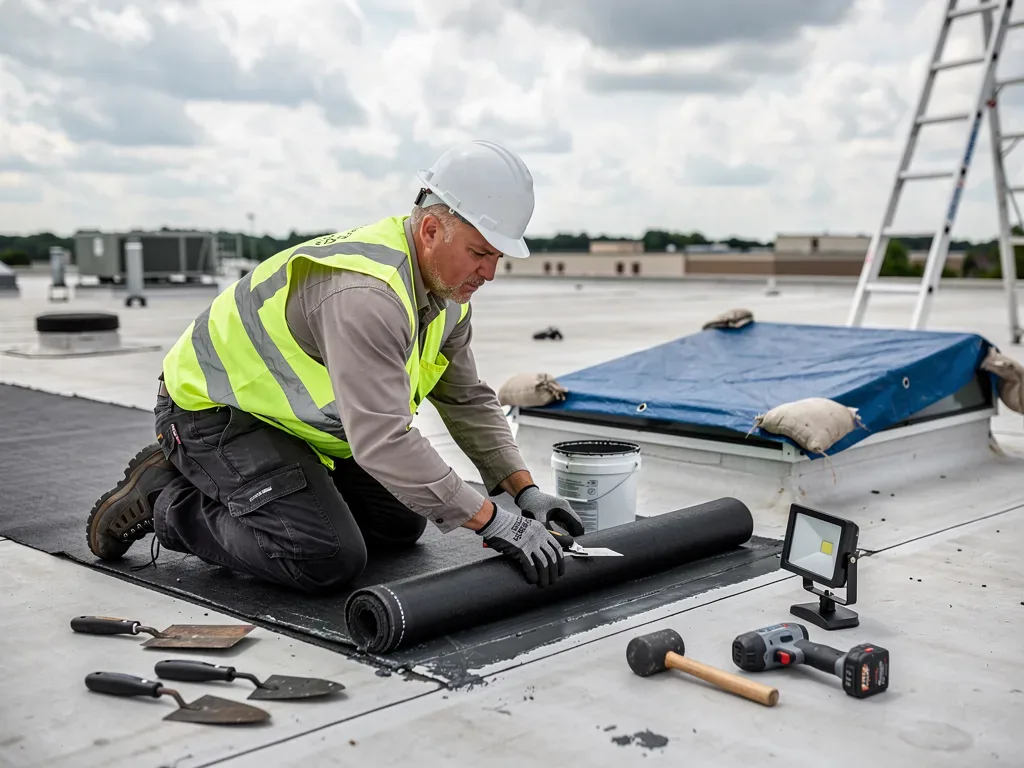
A church roof may cover worship rooms, offices, classrooms, kitchens and fellowship halls. We ask which spaces are occupied, when access is limited and what needs protection below. A flashing repair above an office has a different boundary than membrane work above the sanctuary. Ladders and materials stay clear of entrances, with noisy work set for an agreed window.
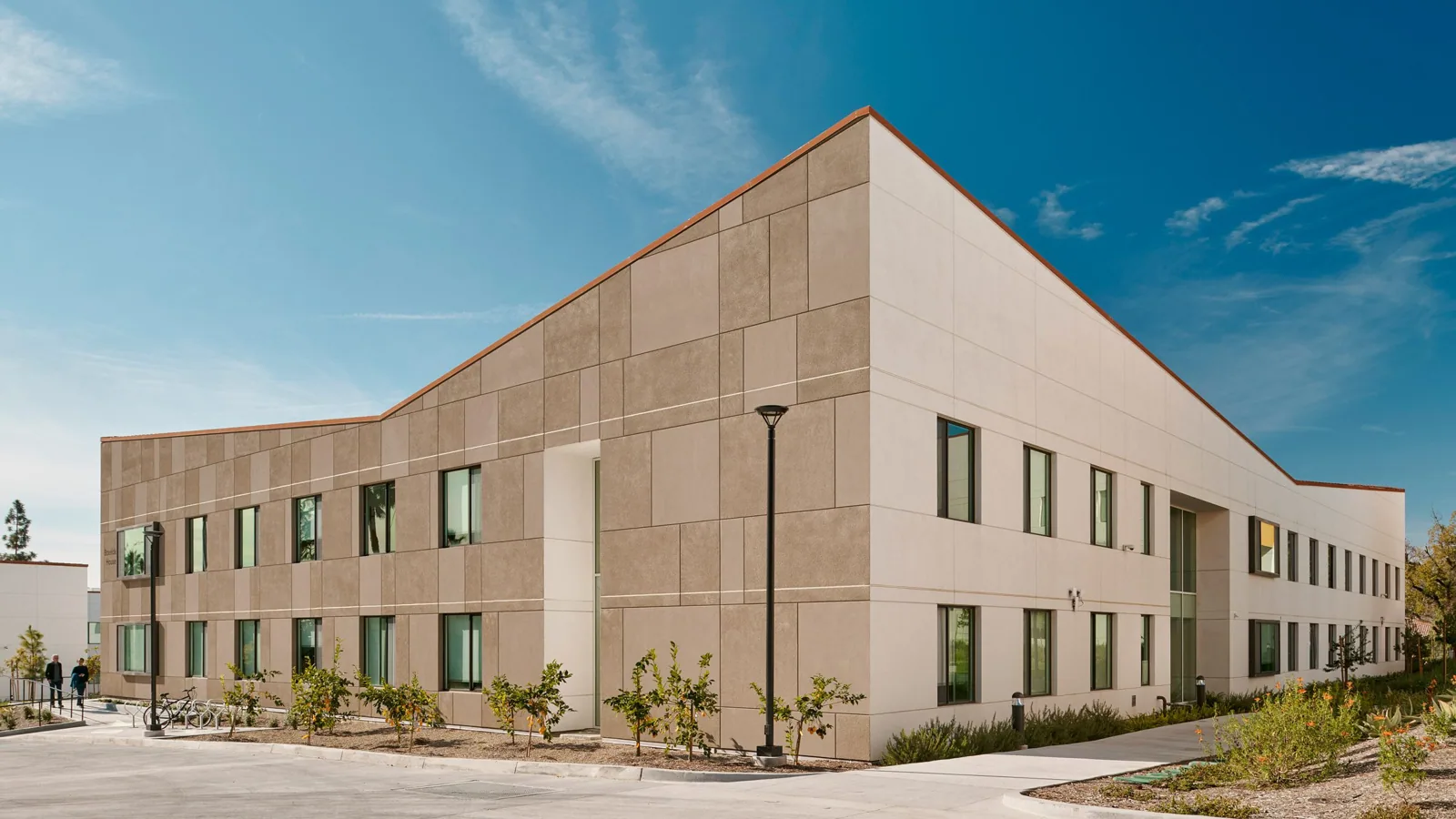
A shared property may include childcare, classes or community services. We identify fire routes, accessible entries and delivery paths, then keep debris out of them. If a ceiling must be opened to trace water, we coordinate timing and protection with the room contact. Work can shift between roof zones so a gathering space remains available for a scheduled service.
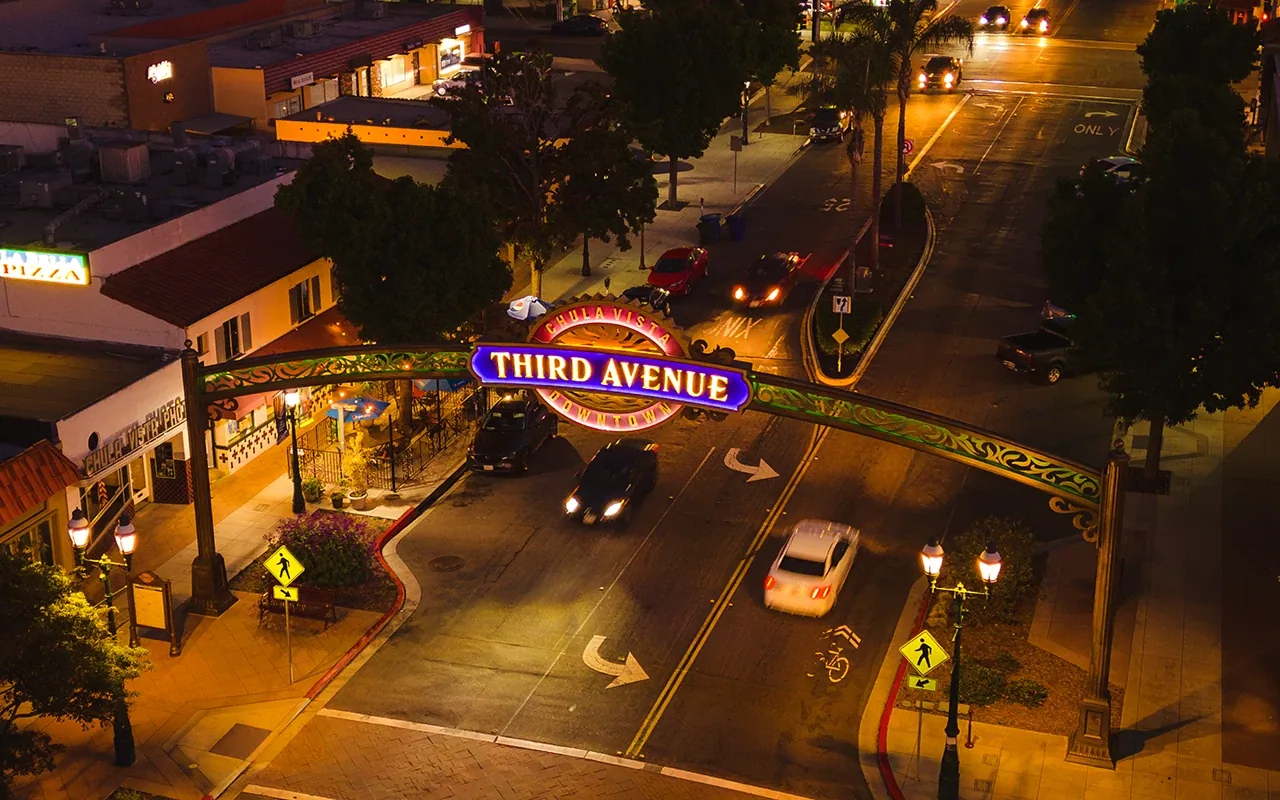
Third Avenue and Broadway are established western business corridors; the H Street corridor links office and retail uses across the city. These settings can bring tight staging or busy arrival periods, while eastern properties may have another driveway pattern. We confirm the route at the building and sequence occupied work around the people using it.
Follow the Leak to Its Entry
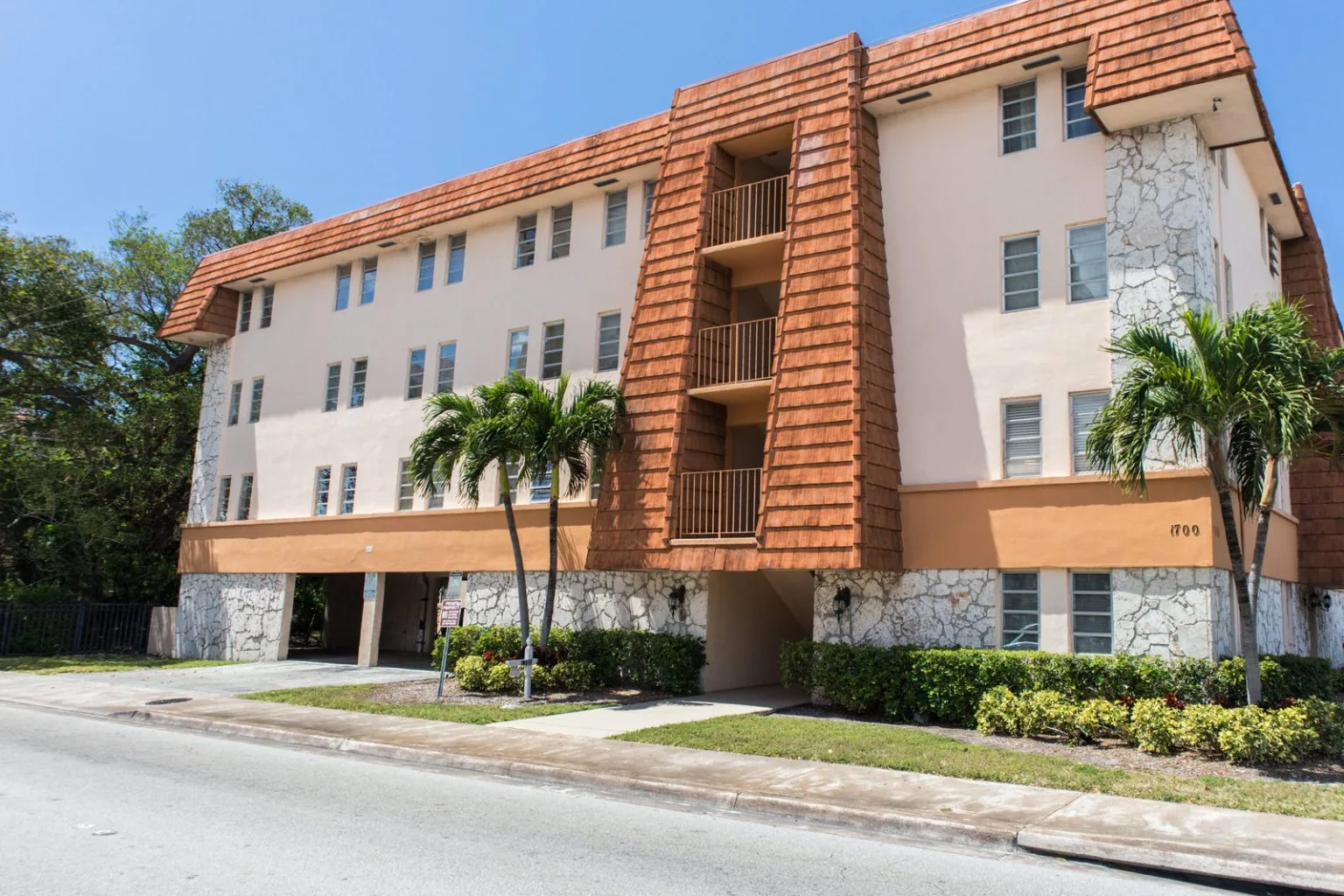
Interior staining may reflect a roof opening, condensation, plumbing or water that migrated from another zone. We compare its timing with rainfall and equipment cycles, then inspect seams, penetrations, parapets, skylights and drainage. Water can cross insulation or framing before reaching a sanctuary ceiling. Photographs tie the report to a roof location and show which details we examined.
Most San Diego-area rain falls in winter, though seasonal totals vary. A slow drain can leave water at a low area and expose a weak transition. We check the bowl, overflow, slope and membrane to distinguish ponding from a failed detail. An infrared survey can guide closer review when conditions suit it; a controlled opening may still be needed to see below the surface.
A leak reaching an occupied room can be handled outside standard hours, including weekends and holidays. We protect the vulnerable interior first, then return for a permanent membrane or flashing tie-in when conditions allow. The property contact receives the roof-zone location and timing for the next step. That keeps the roof response connected to the people handling the interior.
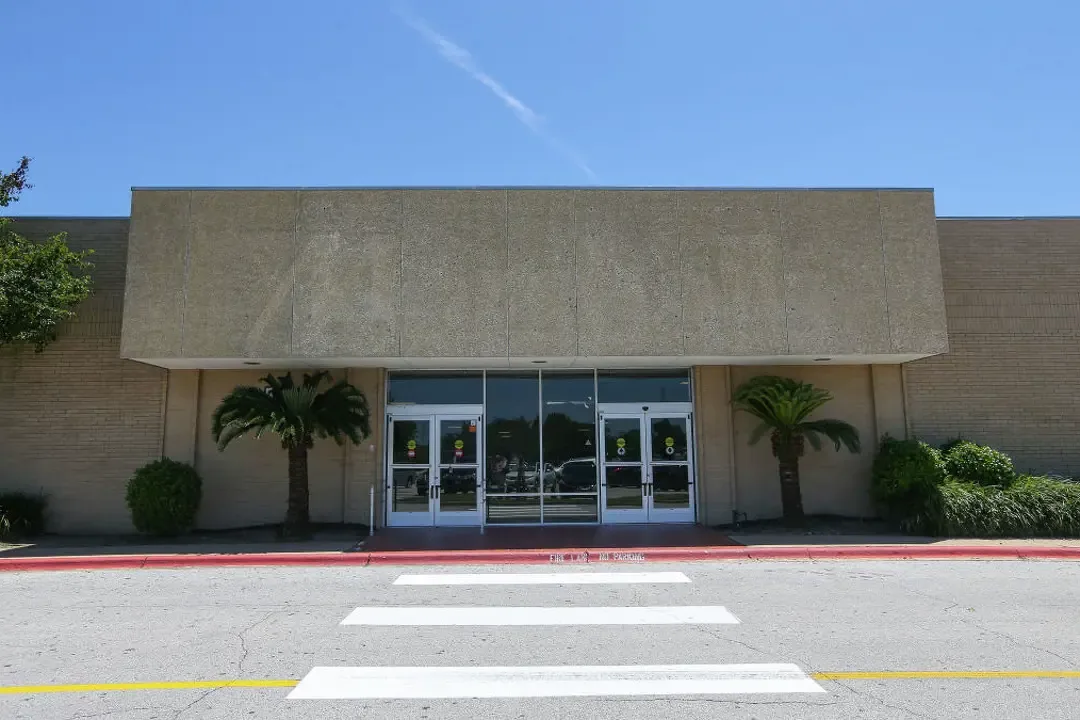
Choose Materials That Meet the Existing Roof
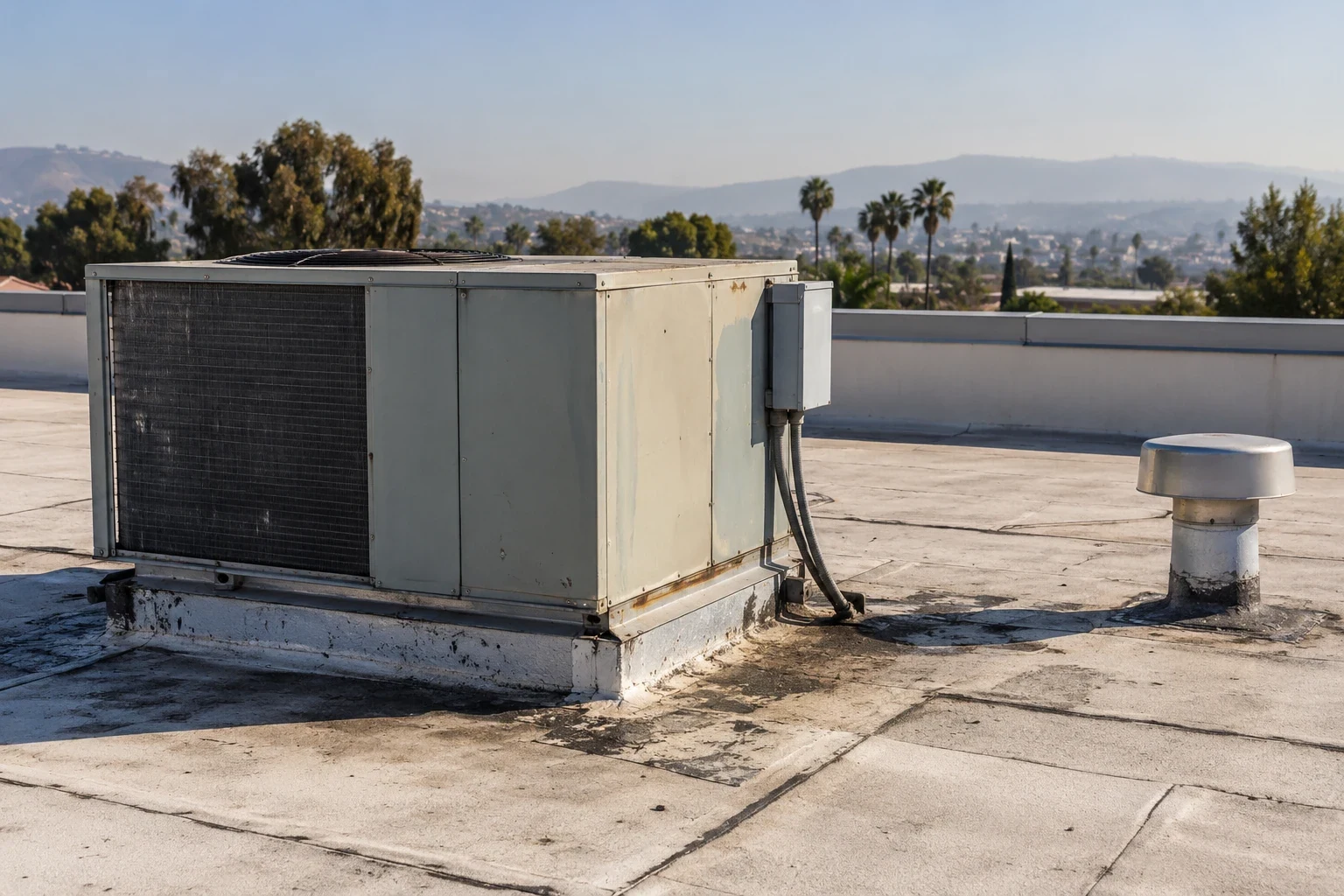
Roof repairs work only when the patch, flashing and substrate suit the assembly. A welded single-ply patch differs from surfaced modified bitumen or a repair to built-up roofing. We identify the system where possible, inspect existing work and prepare a repair boundary that reaches sound material. New material laid over a loose edge or wet insulation may hide the visible opening while leaving water below. If the assembly cannot be identified confidently, we explain the test or small opening that would clarify the next step.
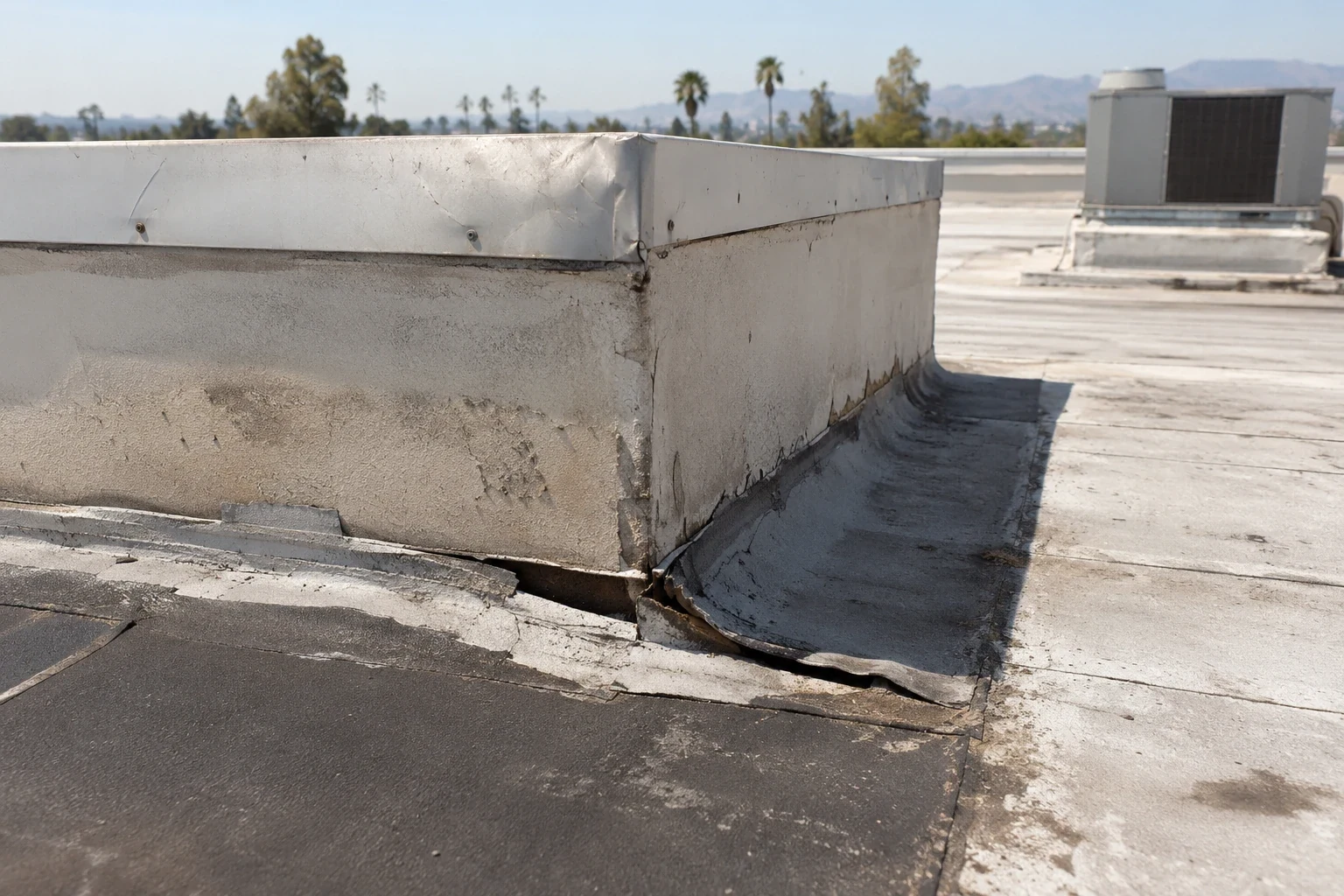
Skylights, curbs, parapets and additions create transitions that need compatible flashing and a water-shedding termination. We check fasteners, sealant, membrane height and changes in deck or wall. Flashing repair rebuilds a confirmed wall or curb failure; drain work can address restricted outlets and overflows.
A coating suits only a sound, dry roof with workable drainage. It will not correct a soft deck, ponding or a failed curb. For broader deterioration, we compare repair with recover or replacement and state which layers remain. The scope distinguishes temporary protection from finished work.
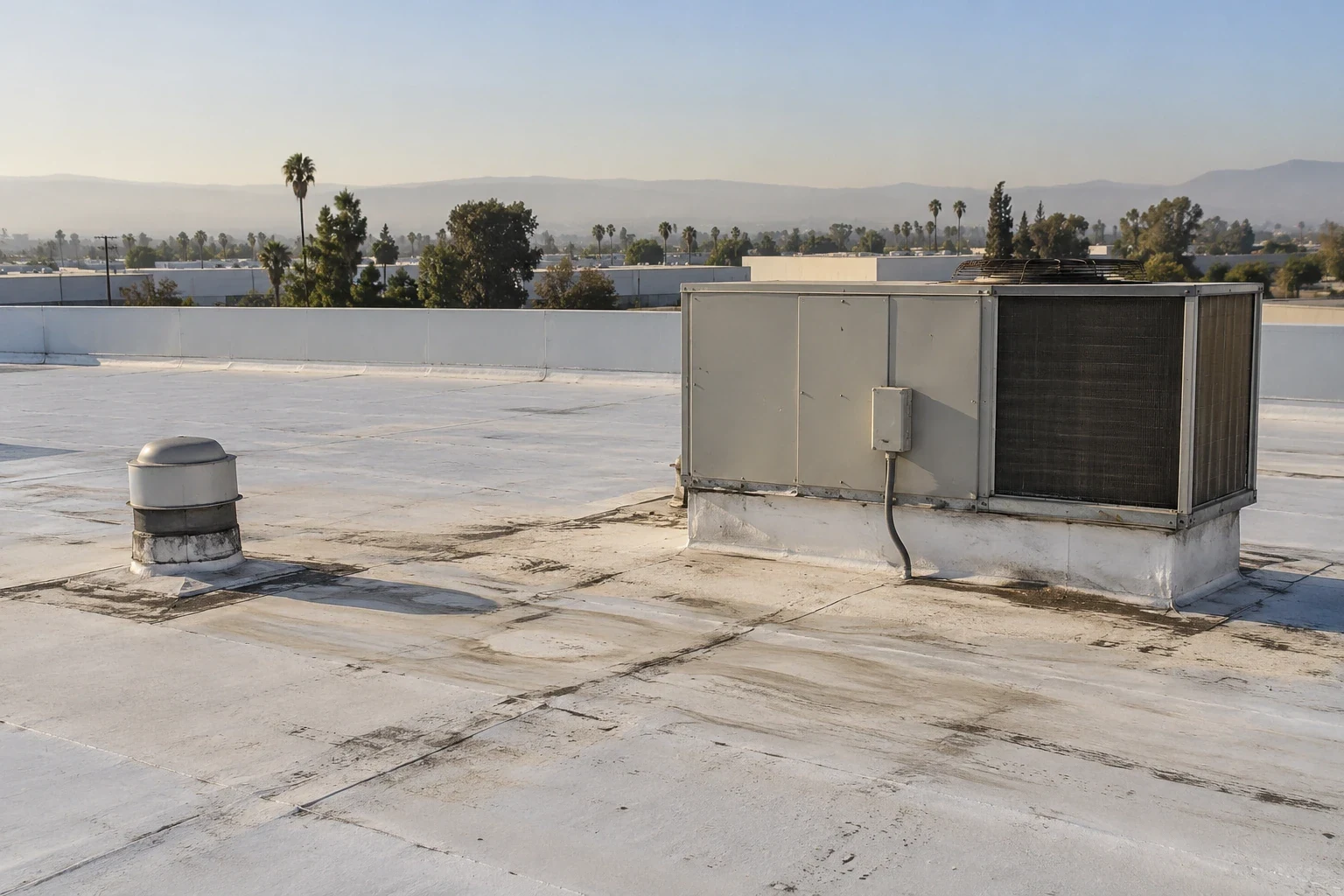
Schedule Around the Calendar
Work planning begins with the congregation’s calendar. We confirm service times, classes, event setup, kitchen deliveries and any restricted areas before selecting the roof zone for the day. A job may be divided into short runs, with each area made watertight before the crew moves on. If the project spans several buildings, we identify how the work order affects doors, walkways and shared parking. Material delivery and debris removal should not compete with a meal program or a busy arrival window.
Winter storms bring much of the region’s rainfall, so exposed work needs a dry-in plan and a clear cutoff. If deck damage appears, we secure the opening and review added removal with the property representative. Equipment shutdowns are set by the operating contact. At shift end, the crew records the work boundary and clears drains and routes.
Third Avenue and Broadway form western business corridors, while Eastlake has emerging industrial development. We match the delivery route and roof-access window to each property before staging materials. Replacement sets protection and tie-in points before removal, while maintenance revisits drains, loose flashing and previous patches.
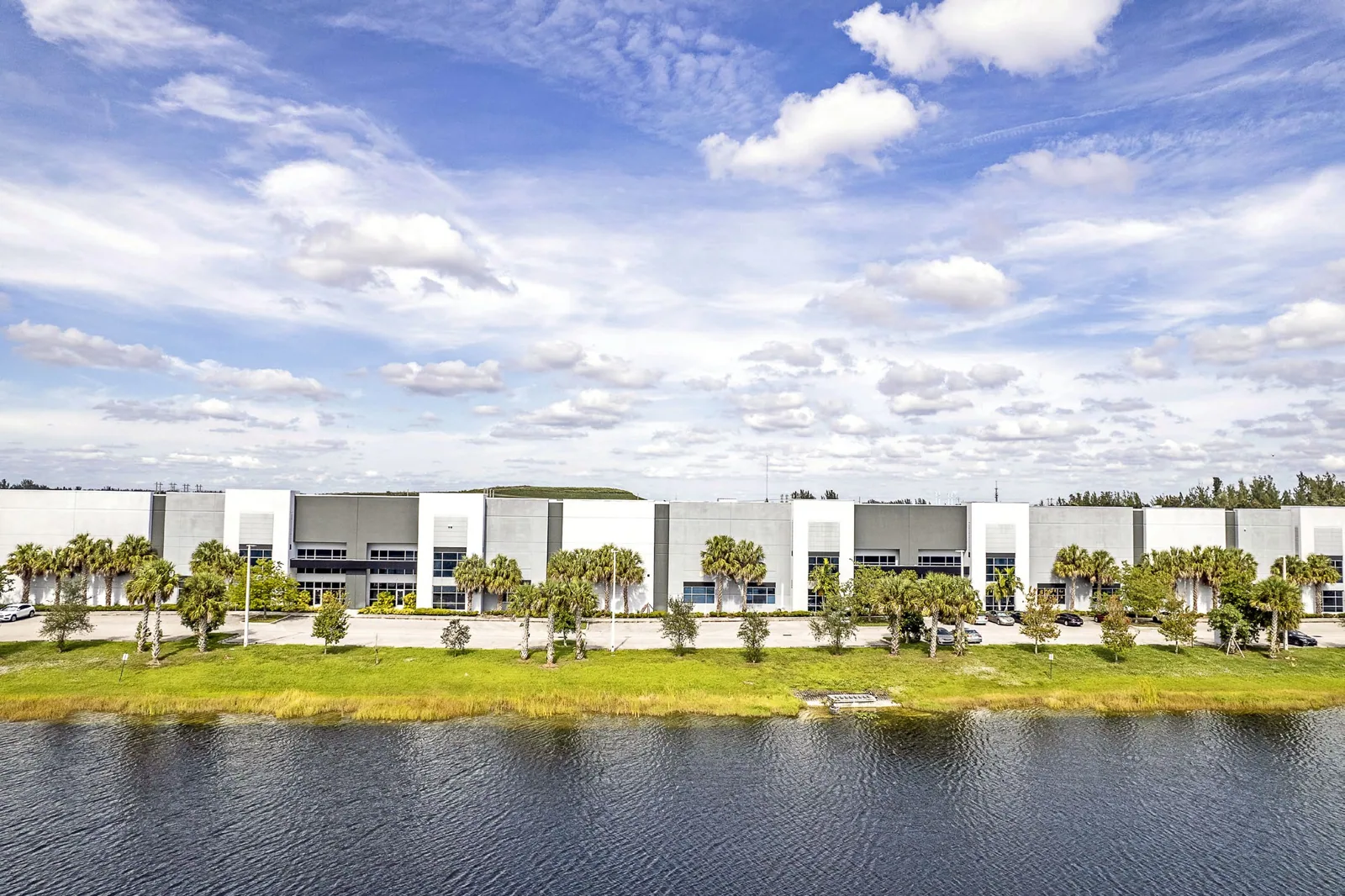
Make the Repair Easy to Track
A clear facilities record labels photos by building and roof zone, names the materials and shows the work boundary. It separates completed repairs from items that need monitoring or testing, and connects a sanctuary, kitchen or classroom report with its roof location.
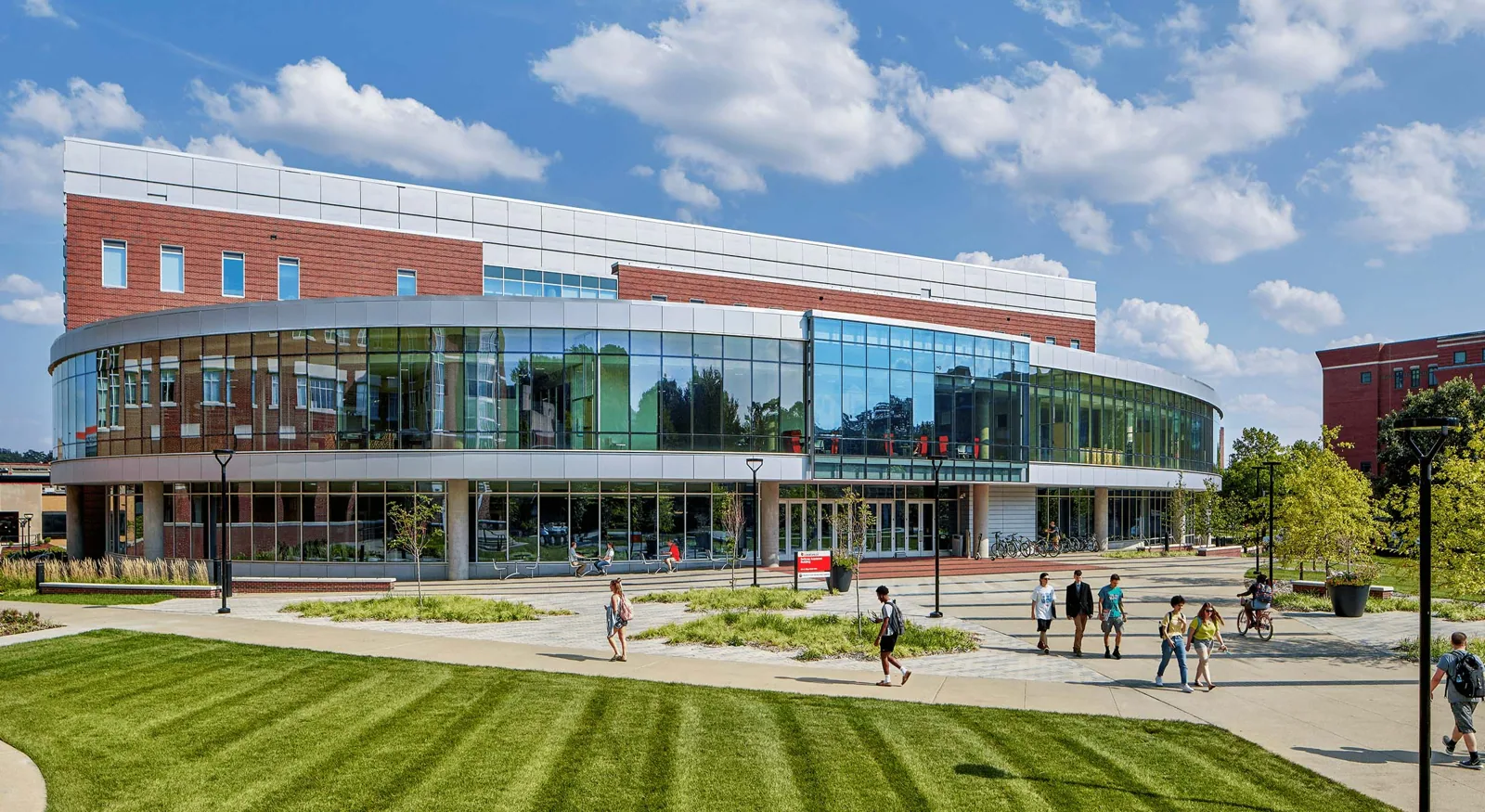
Cost and schedule depend on roof type, access, repair size, hidden moisture, equipment and available work hours. A curb repair differs from opening wet areas or replacing damaged deck. We explain what inspection confirmed and keep optional testing separate. A roof condition report carries findings into capital planning; school buildings and college properties also require clear access coordination.
Share the building, affected room, roof-access contact and any dates when the space must remain clear. We will trace the water path, define a safe work area and review what should happen next.