Keep Customer and Vehicle Routes Open
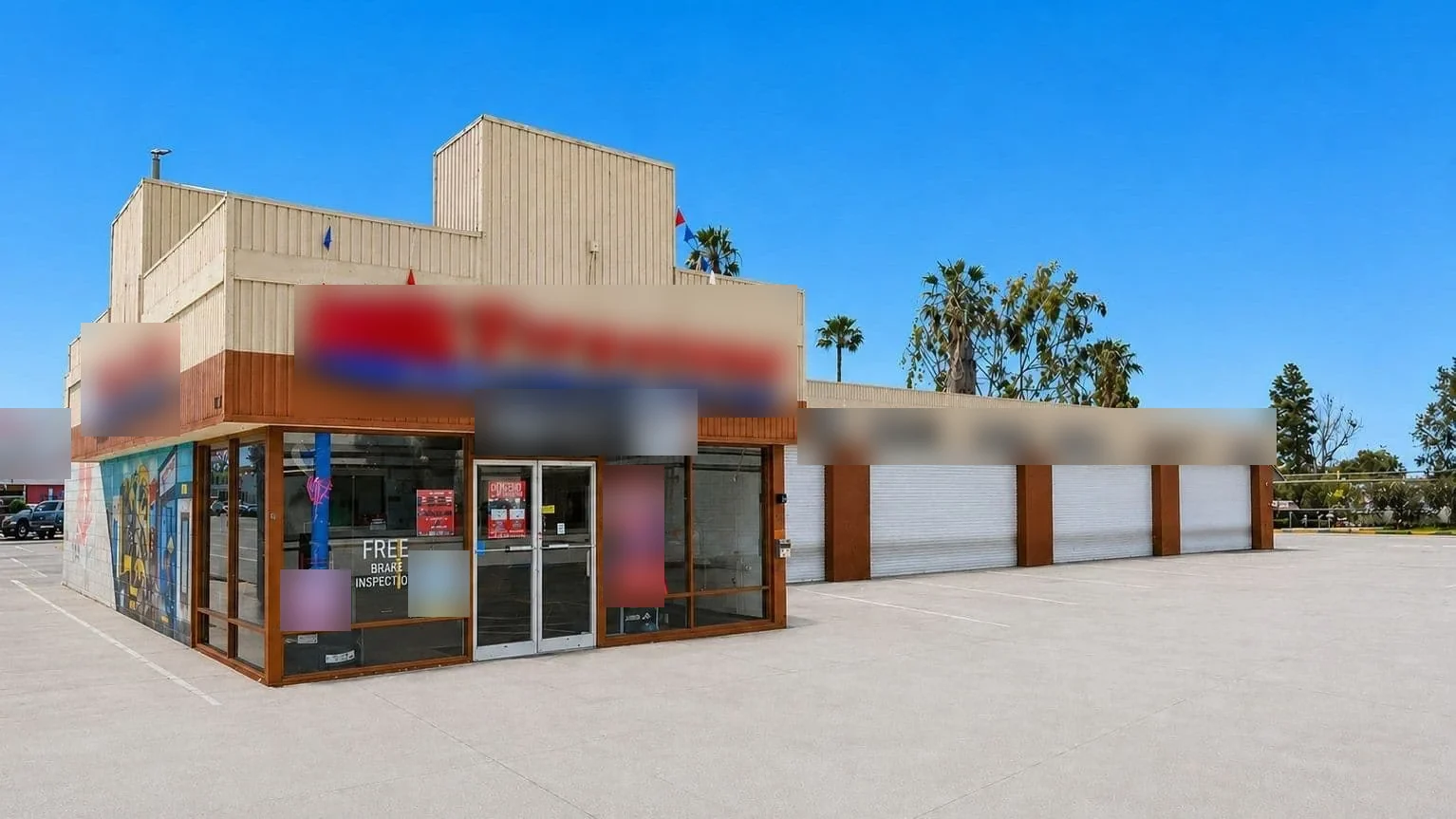
Dealerships have active routes for customers, vehicle display, parts receiving and service intake. We ask which drive lanes must remain clear, where inventory is parked and how visitors enter. A lift cannot block a fire route or repair-bay door. The property contact identifies staging space and delivery windows.
Work over a showroom differs from a parts room or service bay. We coordinate interior protection, noise timing and ceiling access with that department’s manager. The service lead sets any equipment shutdown. Crew tools and debris use an exterior path when available.
The H Street corridor ties office and retail activity with transit-oriented development; Third Avenue, Broadway and Main Street are additional western commercial areas. Eastlake and Otay Ranch have larger planned commercial and employment districts. A dealership near any of these corridors may need traffic-aware delivery timing, but the lot layout and service schedule decide the sequence. We review actual gate, parking and turning space rather than assuming the same staging solution works at every auto property.
Match the Interior Report to a Roof Detail
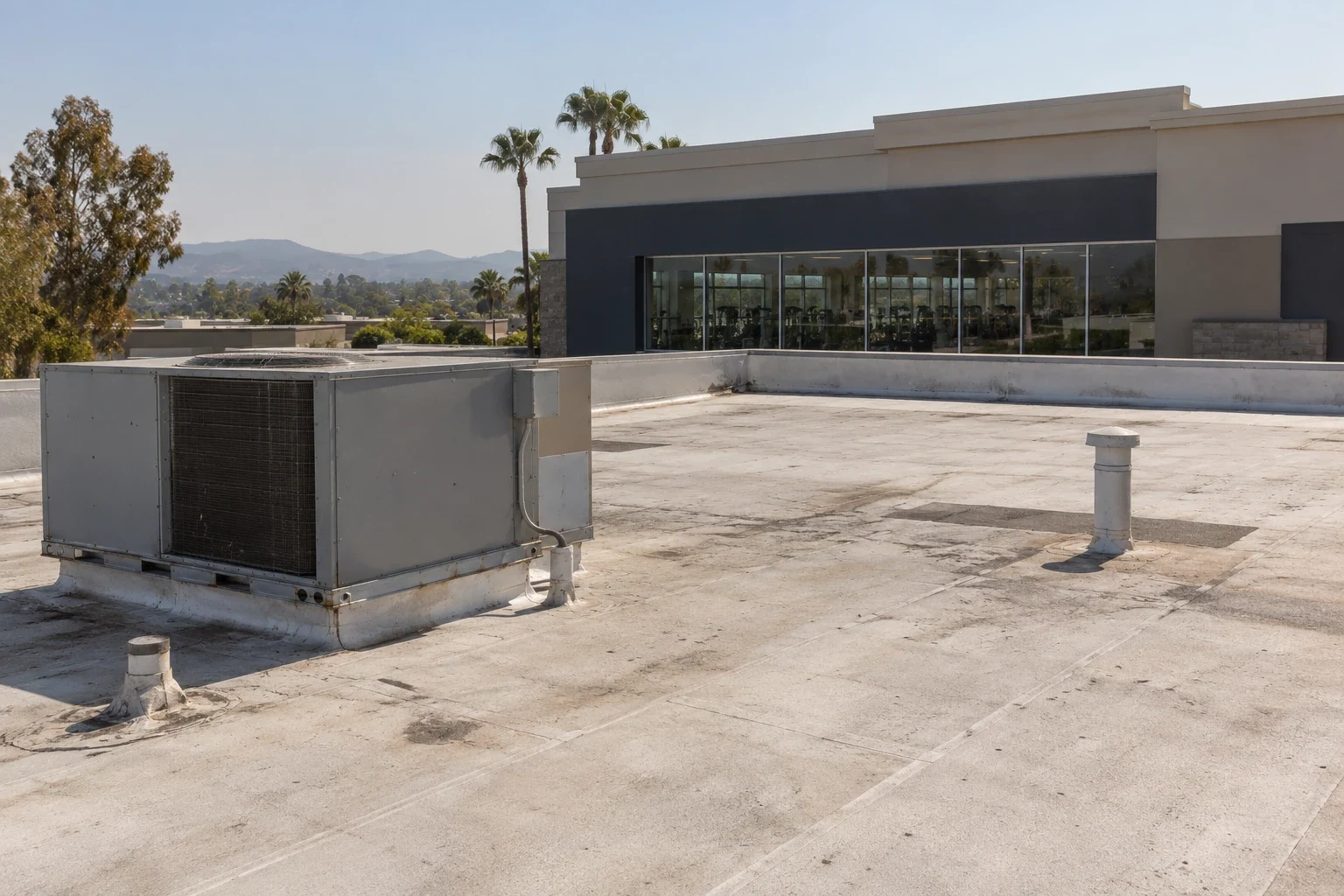
Water over a service bay can originate at a penetration, edge or distant seam. We record when it appears and whether rain or equipment use is involved. Then we inspect nearby curbs, skylights, drains and previous repairs. A roof plan can connect the bay with its zone when several units interrupt the field.
Most San Diego-area rain comes in winter, with totals varying by season. A longer storm may reveal a slow drain or low point. We check the bowl, overflow, insulation and membrane around the outlet. Water may travel below the surface, so a ceiling mark alone does not identify its route. An infrared survey can guide inspection when conditions are suitable.
Active water entry over vehicles, electrical service or occupied work areas may need immediate protection. Our crew can respond at night, on weekends and through holidays. We first limit water entry, keep dealership routes safe and record the temporary cover so a permanent tie-in can be scheduled. The service manager should know which bays or equipment need protection before the next shift begins.
Inspect Curbs, Skylights and Long Roof Runs
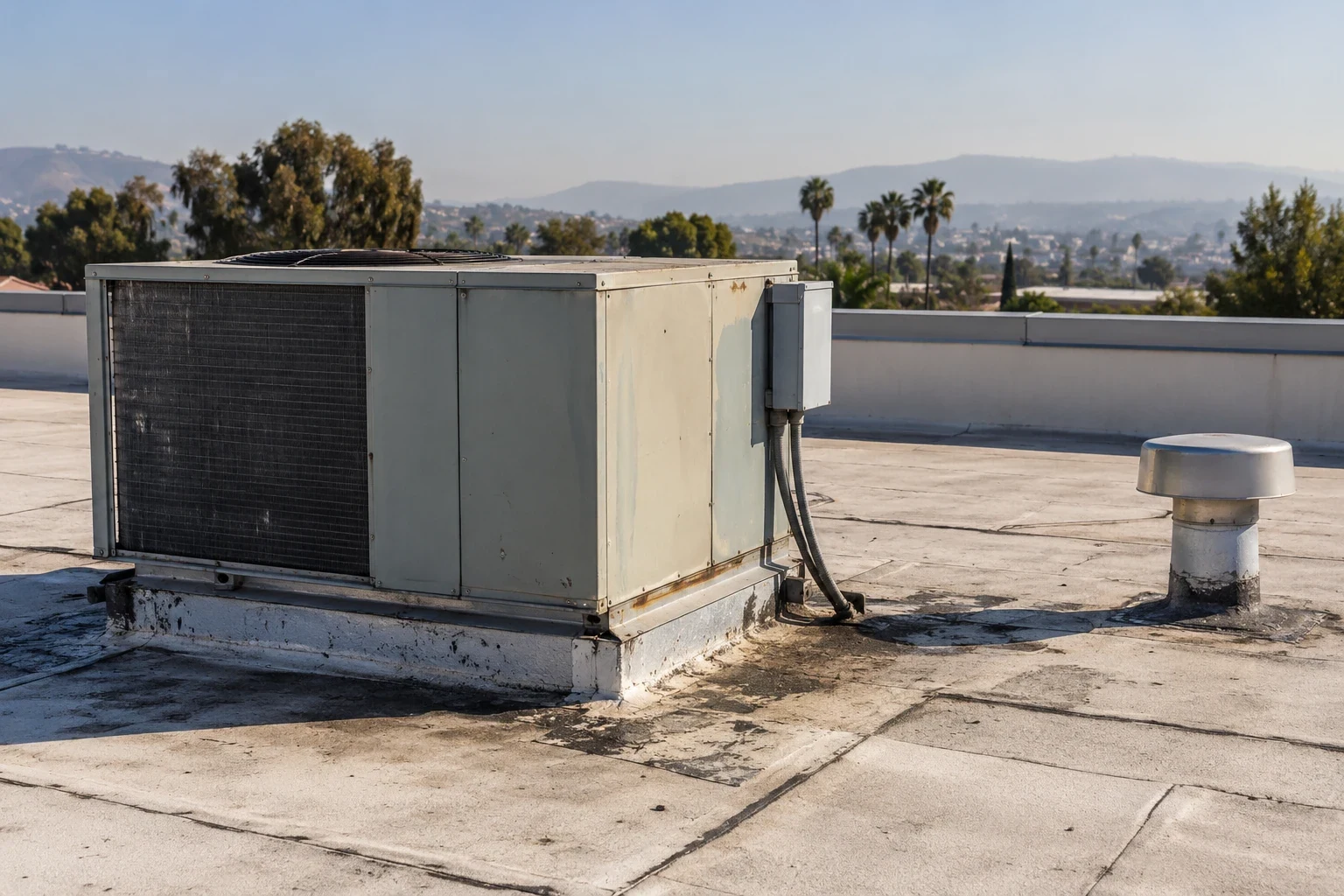
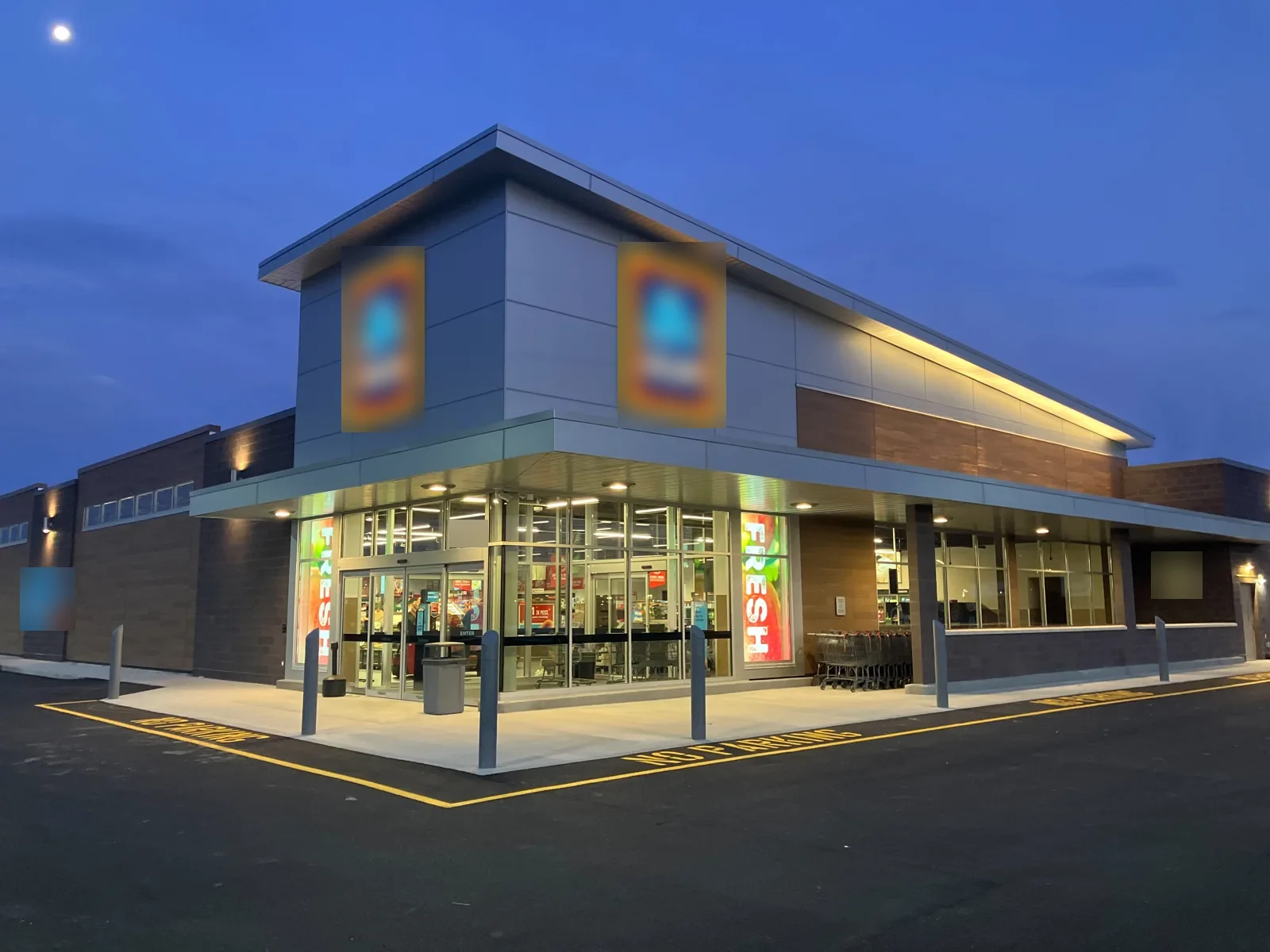
Exhaust fans, vents and rooftop units create transitions where vibration and service traffic stress flashing. We check curb security, membrane height and whether the termination sheds water. A loose boot may explain the leak, while wet insulation can widen the repair boundary.
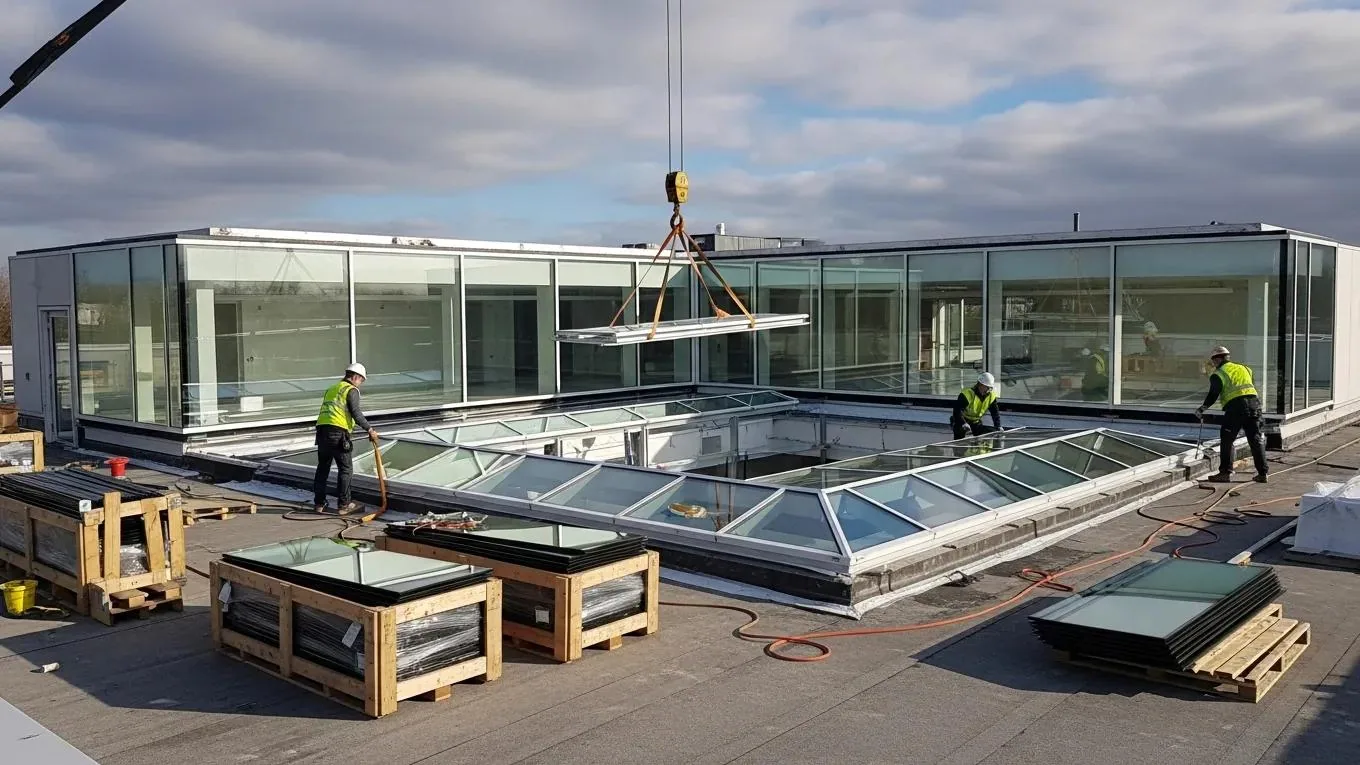
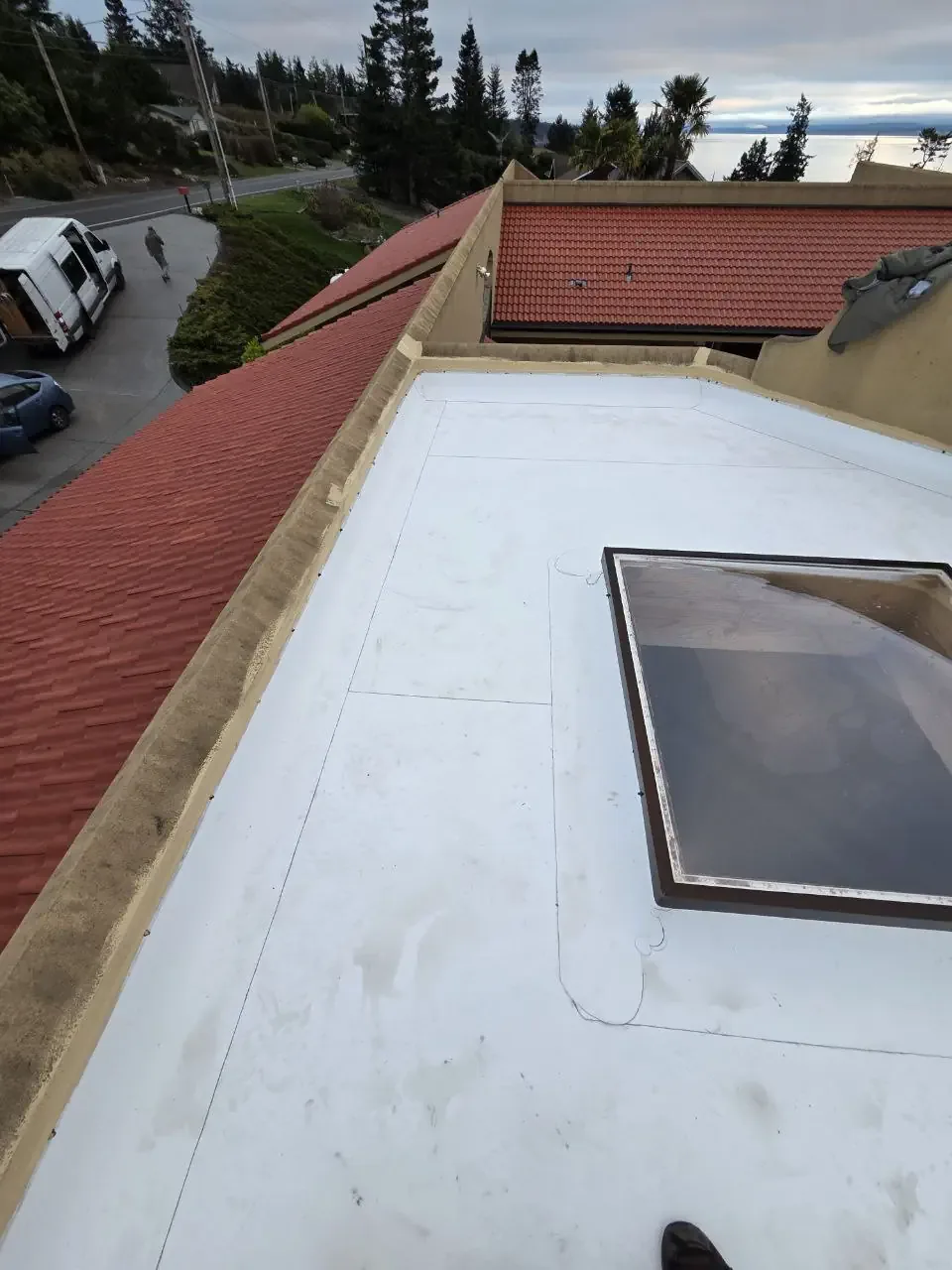
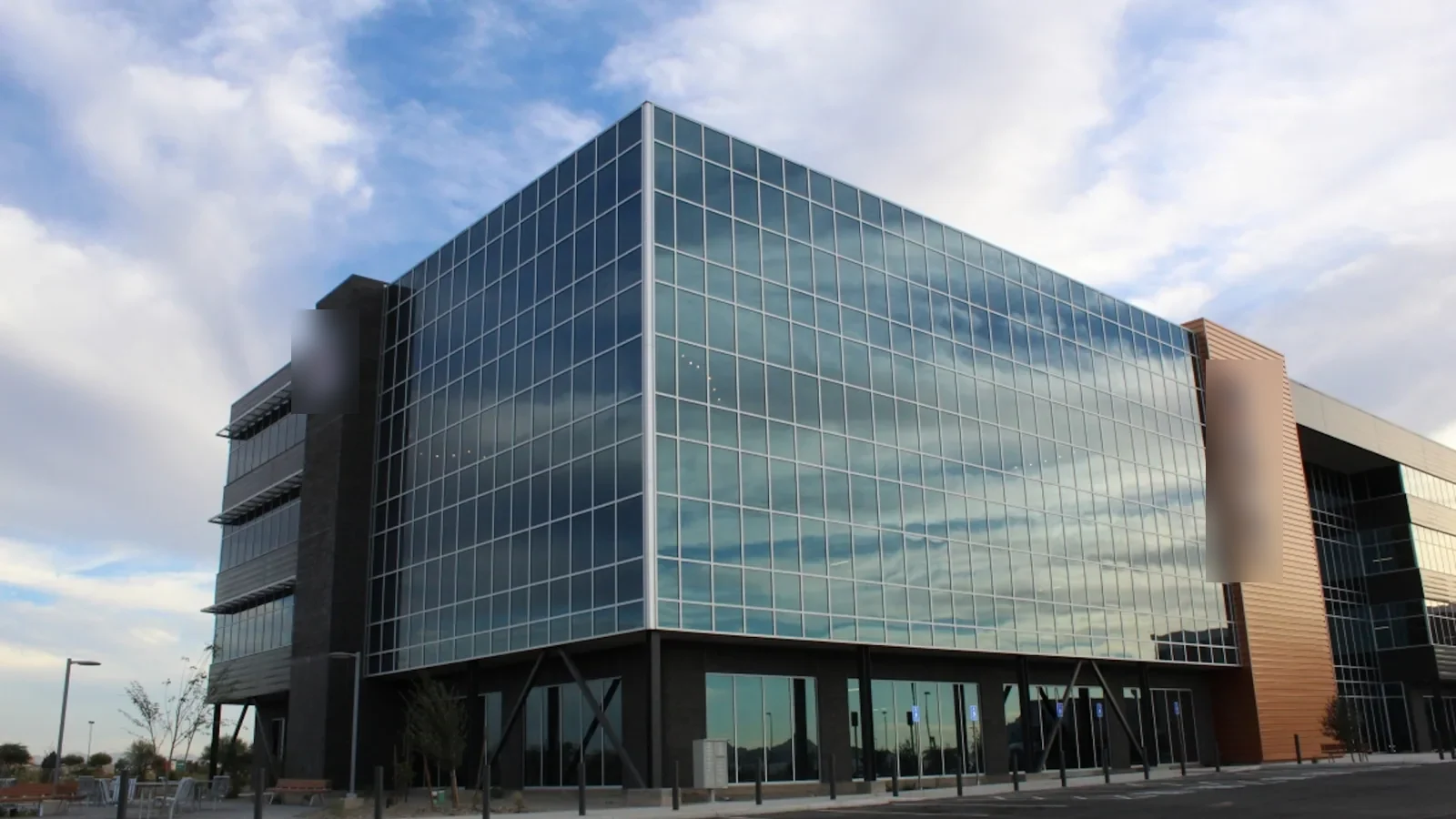
Showroom sections may use long roof runs with skylights or changes in roof height. We inspect skylight framing, perimeter flashing and the membrane around every curb. If a display-area leak follows a line of glazing, the water may enter at a nearby joint and travel before appearing inside. We compare the interior pattern with roof geometry rather than replacing skylight material without a confirmed defect. Skylight and penetration flashing addresses a failed perimeter or opening detail.
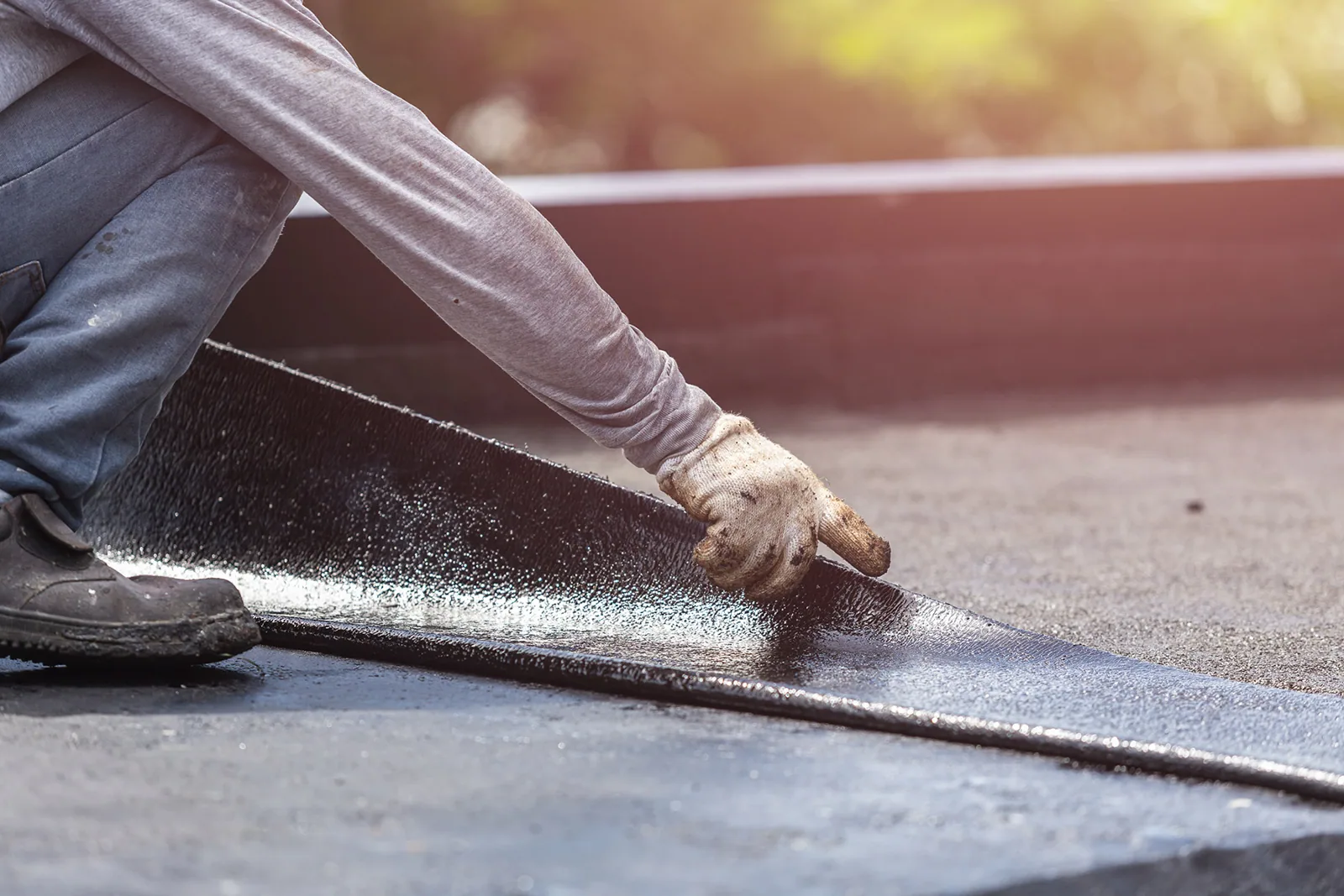
System compatibility matters at every repair. A single-ply weld, metal panel lap and built-up surface require different preparation and materials. We inspect the existing assembly and prior repairs, then identify where sound material supports a tie-in. A coating cannot correct poor drainage, a damaged deck or a loose curb by itself. Broad wet areas or repeated failures may justify comparing repair with recover or replacement. Seam repair restores a confirmed opening, while replacement exposes underlying layers when that is the stronger scope.
Separate Immediate Work from Capital Planning
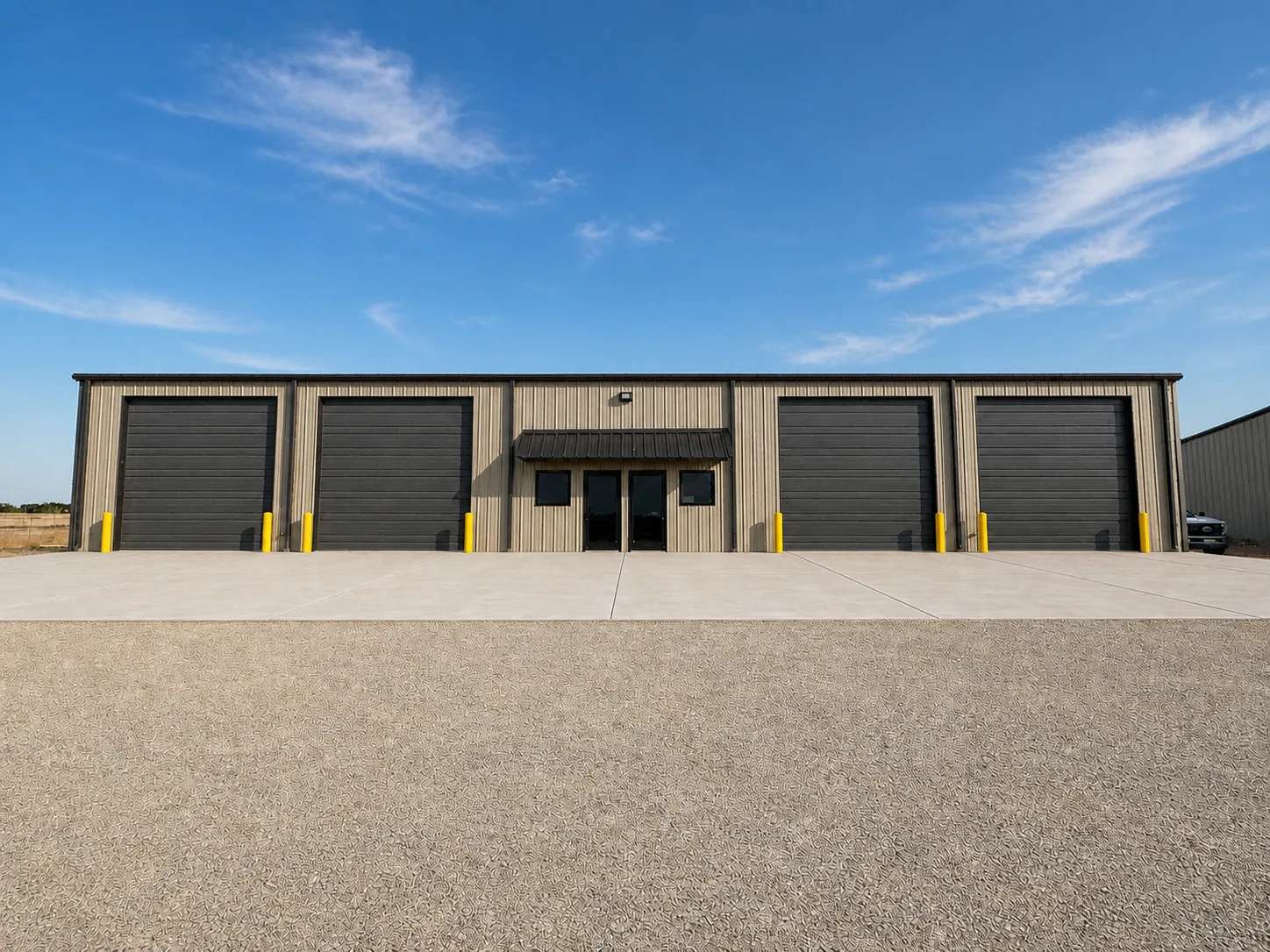
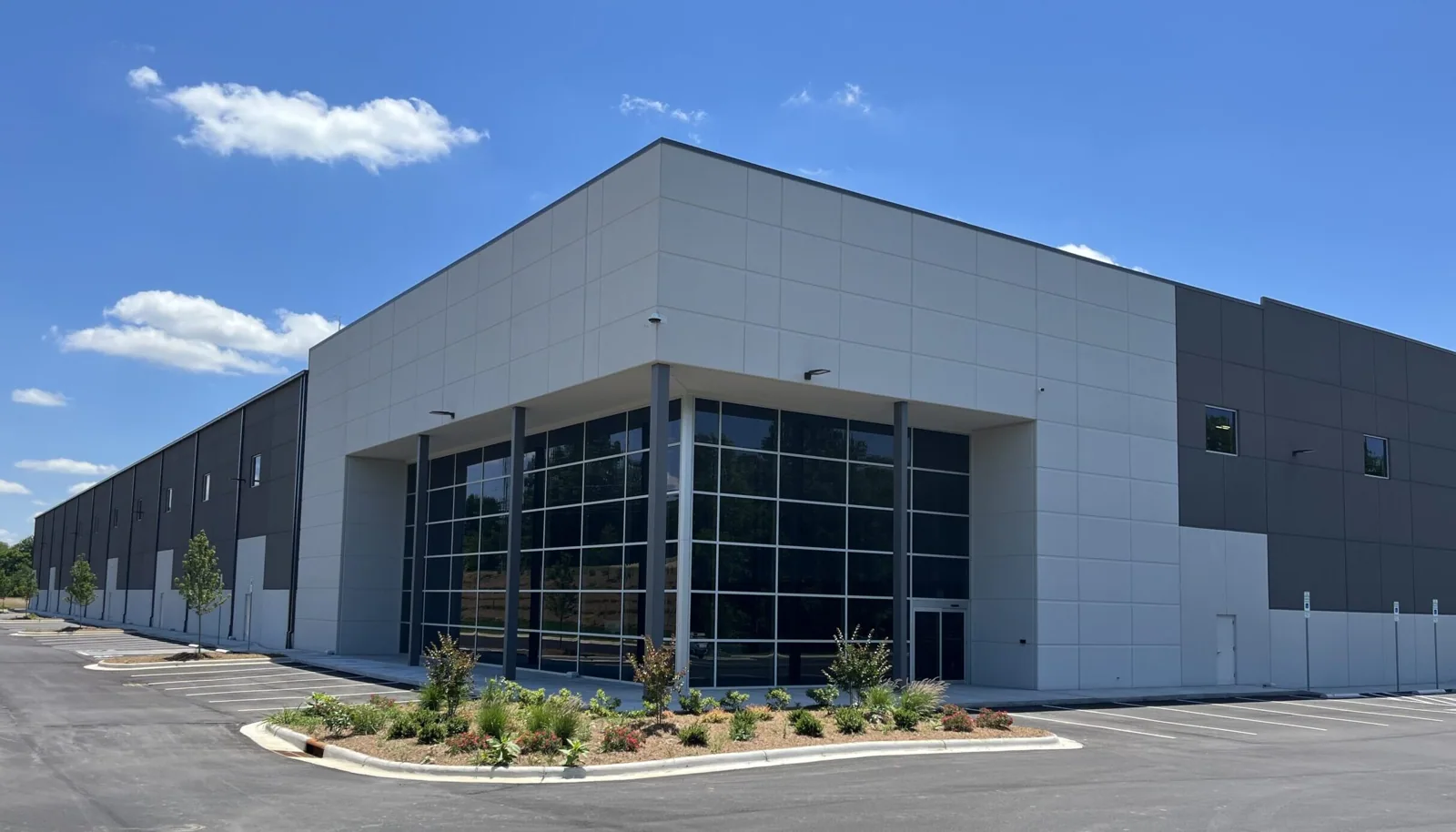
A dealership may combine a showroom, parts storage and active service bays. We define work by building zone, identify equipment that remains active and identify protection below. If moisture or deck damage appears, we secure the opening and review the scope with the property representative.
Cost and timing depend on roof type, lift access, curb count, skylights, hidden moisture and bay availability. A flashing repair may fit a short window; showroom replacement may need phases and vehicle relocation. A replacement scope identifies transitions, zones and protection; drain work can be scoped separately.
Eastern Chula Vista includes planned office, industrial and retail uses near Otay Ranch. Western districts include firms along Third Avenue, Broadway and Main Street. Dealership operations and property layout determine the roofing sequence.
Parts and service departments can share a wall but rely on separate ventilation and electrical systems. Before cutting or fastening near a curb, we confirm what equipment serves the space and who controls it. The roof scope records the location of any protected unit and the trade responsible for reconnecting it. This avoids an unclear handoff after the membrane is closed.
Record the Repair by Department and Roof Zone
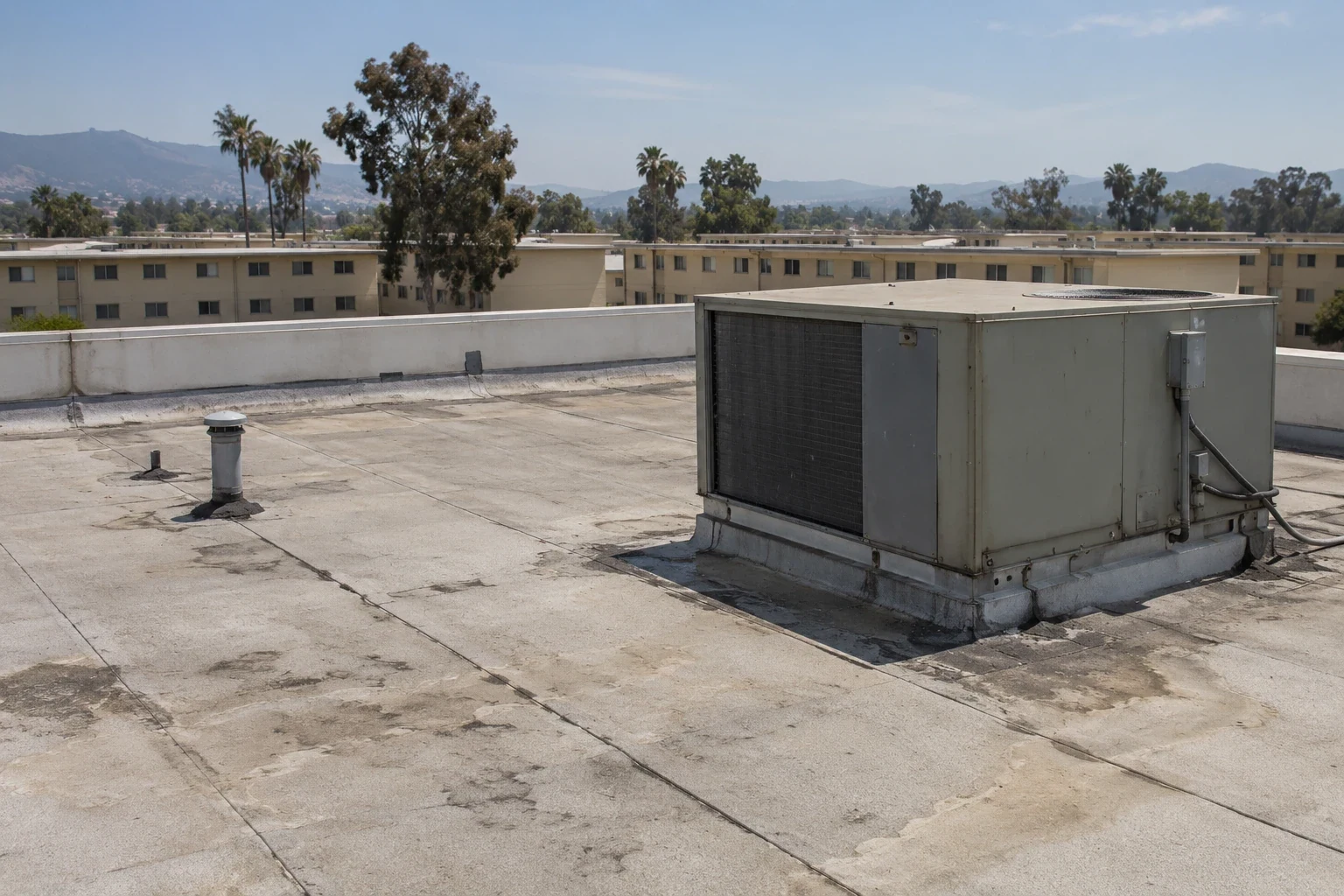
Closeout photos show the repaired detail by roof zone. We record the material, work boundary and items left for monitoring, then connect the roof repair with the showroom, bay or office report. If temporary cover remains, the dealership contact receives its location and follow-up plan.
Share the department, bay or room where water appeared, the roof plan if available, vehicle-movement restrictions and the access contact. We will inspect the relevant zone and define a repair sequence around dealership operations. Related considerations apply to warehouse roofs and office buildings, but a showroom or service lane needs its own protection map. For a visit in the Broadway commercial corridor, provide the property contact and the delivery window that works for the site.