Access Before Mobilization
Vehicles, tools, ladders, lifts, and materials may each need approval, and a building contact may escort the crew from the entrance to roof access. We confirm badging, approved routes, delivery windows, photography limits, and tool accountability before scheduling. The plan names the access contact and released area. If a route or window changes, the crew adjusts the sequence rather than using an unapproved path.
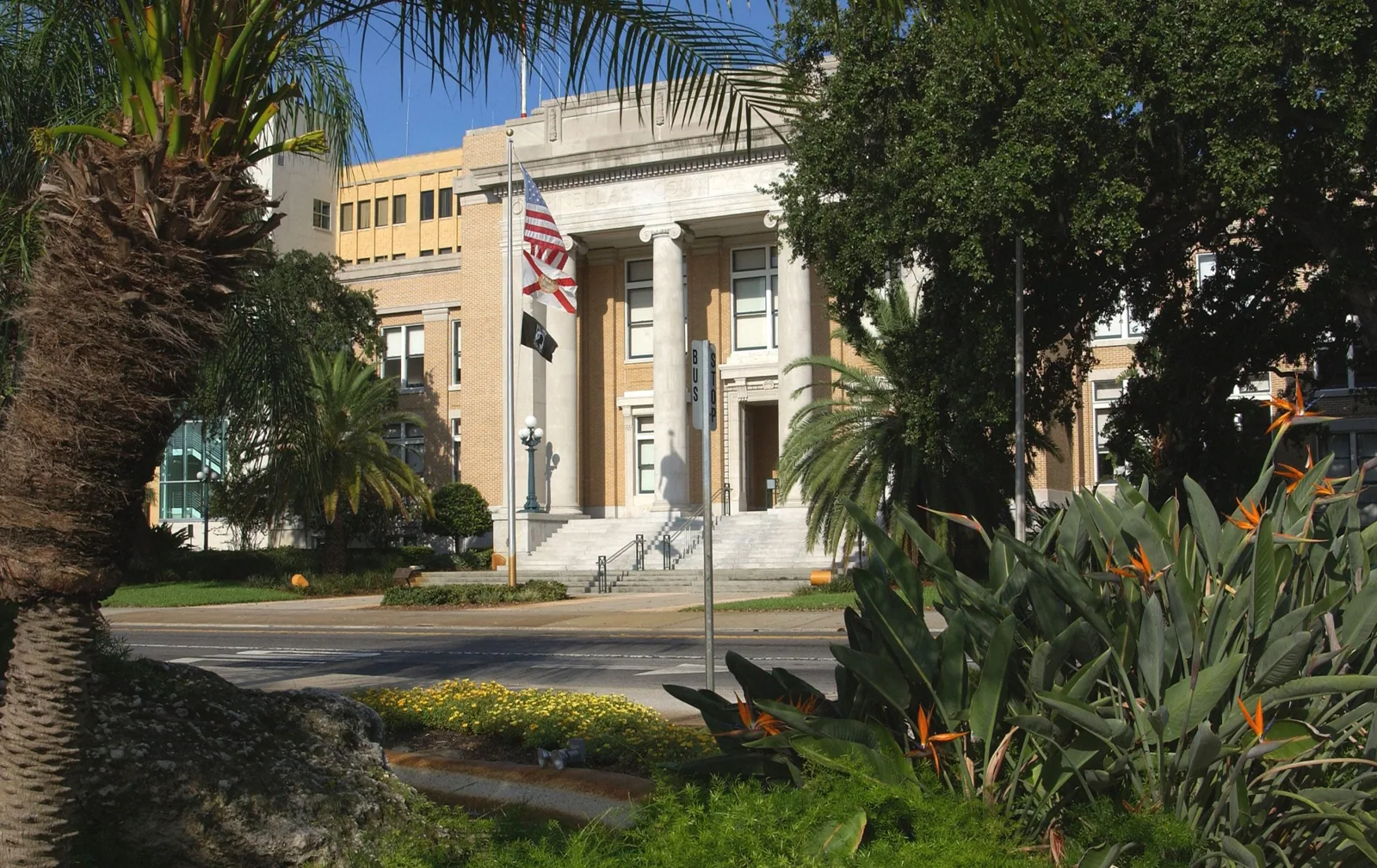
The regional roster includes San Diego U.S. Army Reserve Centers #2 and #3, with #3 in Sorrento Valley. Army Reserve centers support administrative, assembly, education, vehicle-maintenance and storage functions. We confirm each facility’s approved use and access route before staging a lift or protecting an entry.
An initial commercial roof inspection records visible conditions once access is authorized. We mark roof zones, drains, curbs, and photography limits. Where a drawing conflicts with the surface, we record the field condition for direction. A government building roof also needs a scope that follows the facility’s approval process.
Trace the Leak to Its Entry
A ceiling stain in an office or equipment room can sit well away from the failed roof detail. Water may follow a deck flute, insulation joint, conduit, or steel member before reaching the interior. We compare the report with seams, drain bowls, curb flashing, parapets, and prior patches. The record separates visible evidence from what a controlled opening would establish when wet insulation or corroded deck may extend beyond the leak.
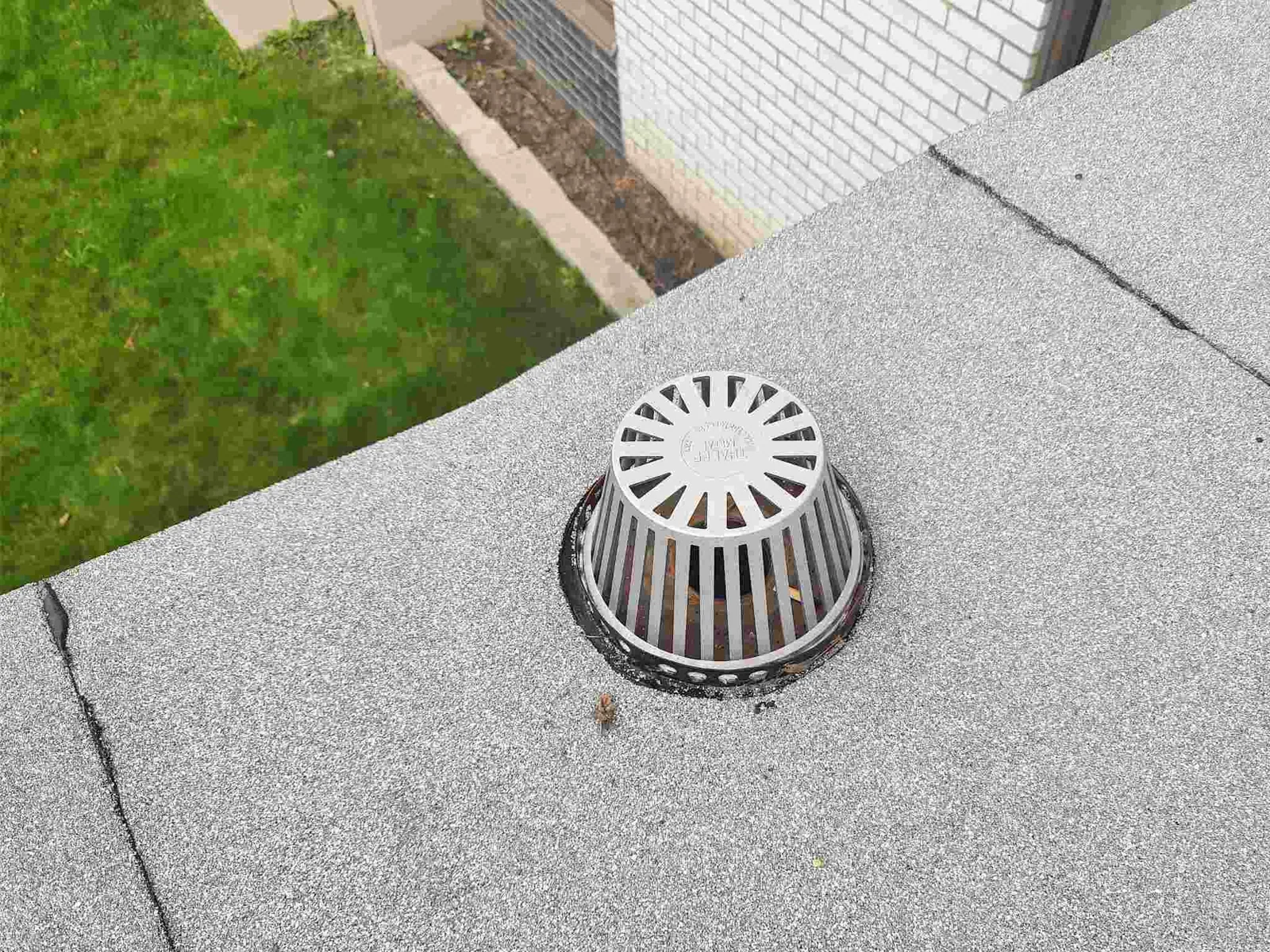
A plugged drain basket slows runoff, while a low area may hold water even with the outlet clear. We check the bowl, overflow, slope, and membrane termination. If cleaning does not restore flow, localized correction or a broader drainage review may be needed. Drain and scupper work should preserve the discharge path and leave maintenance staff a clear inspection route. A warehouse roof may also have vehicle or storage areas below the active zone.
Near Chula Vista, Otay Mesa and Otay Valley connect industrial land with State Route 905 and freight routes. We confirm each gate, truck path, and staging area before mobilization.
Choose a Compatible Repair
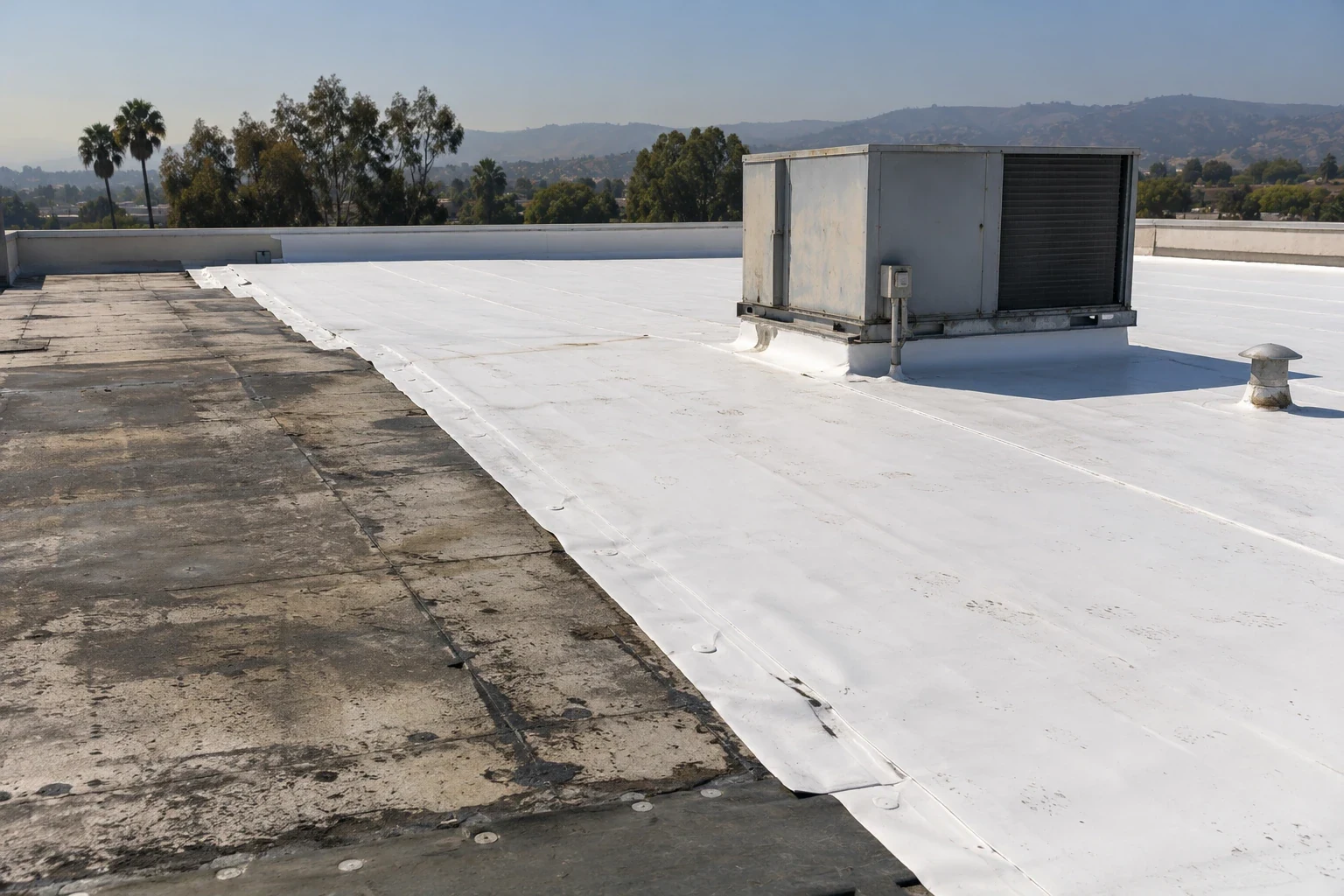
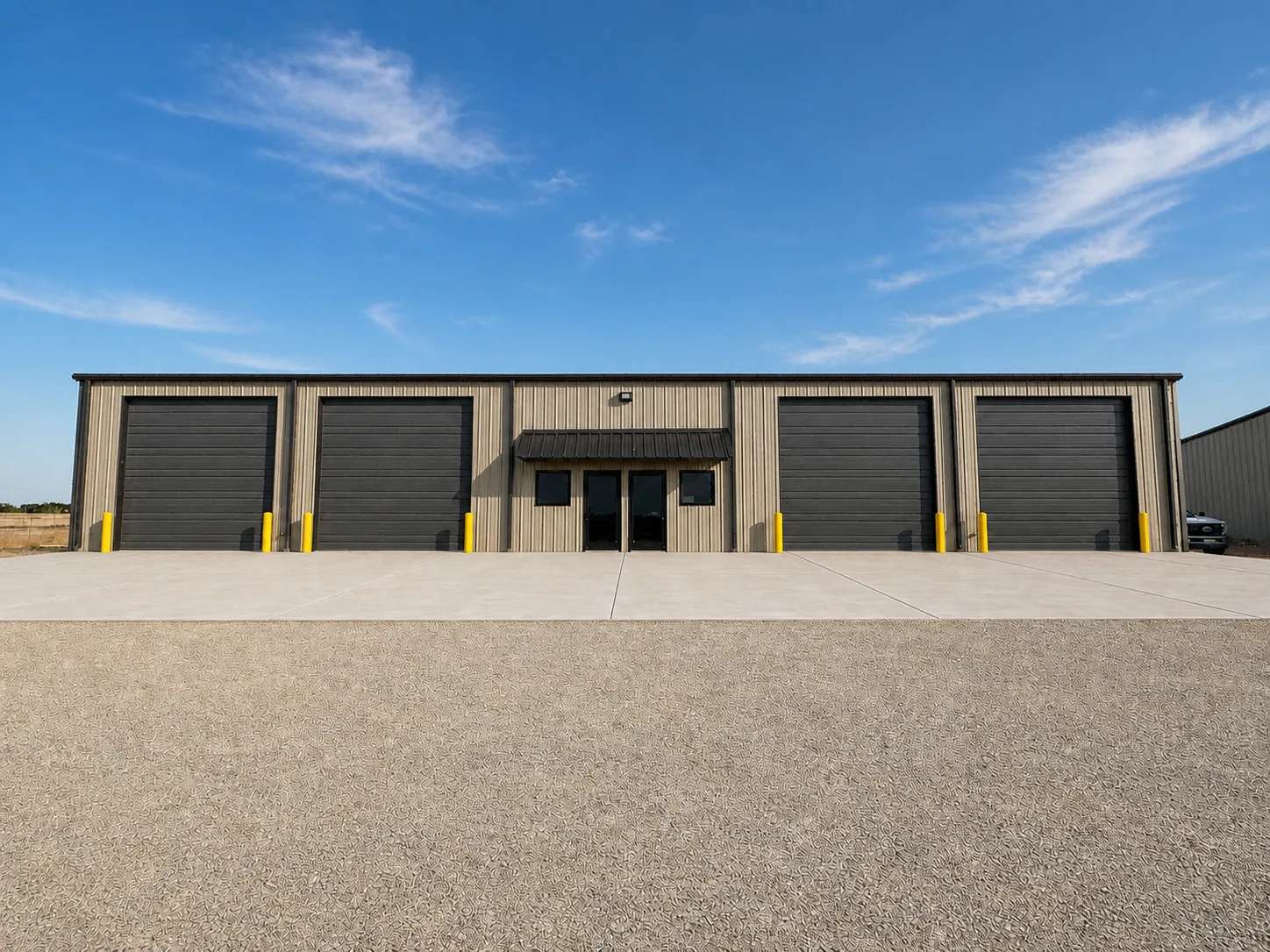
Army facilities may have different assemblies across offices, vehicle areas, storage, and support buildings. We identify the membrane or metal system, substrate, insulation, edges, and prior repairs before selecting a patch. A TPO seam needs a compatible weld; EPDM and metal need details suited to their materials. If the assembly is uncertain, a test opening can establish what lies below.
Unified Facilities Criteria may govern the project, while project documents set attachment, testing and closeout requirements. We compare them with the deck, perimeter, curbs, penetrations, and drainage. If a field condition conflicts with an approved detail, we record its zone and request direction. A plant roof may have different equipment and access demands, even with a similar membrane.
Where the assembly is sound and a recover is permitted, a roof recover can avoid unnecessary removal. Wet insulation, loose attachment, damaged deck, or incompatible layers may instead call for tear-off or replacement. We identify what stays and how the new detail ties into sound material before opening the roof.
Fit Work to the Facility Window
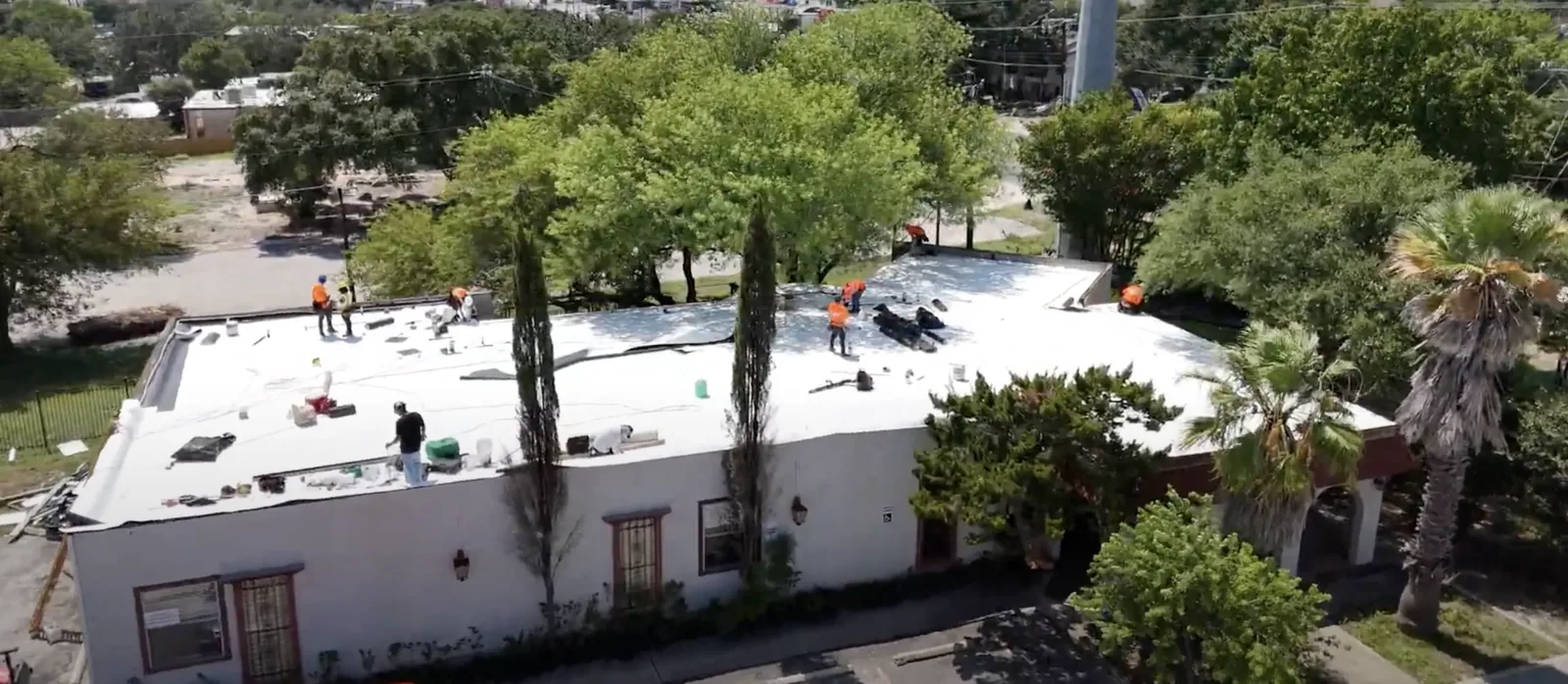
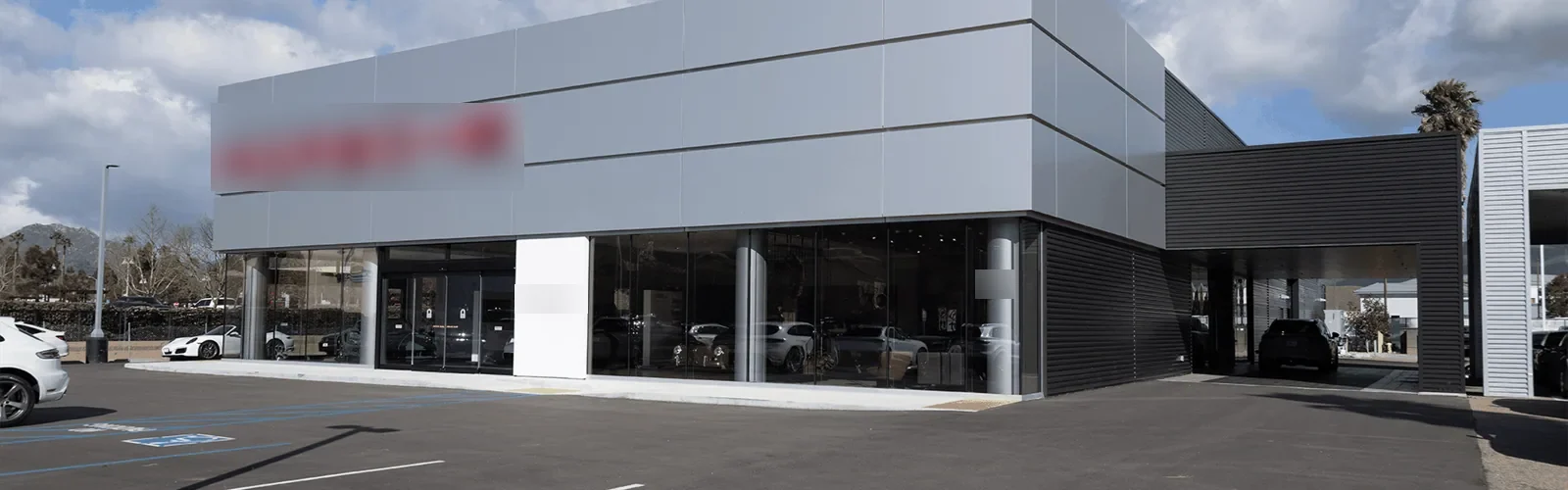
A motor-pool door, assembly room, or storage bay may have a different access rhythm from an office. The facility contact identifies occupied hours, vehicle movement, restricted areas, and times when noise or overhead work must stop. We divide the roof into zones, set the material drop, and specify when each section will be dry-in complete. If a window shortens, the crew closes the current zone before starting another.
Chula Vista’s employment pattern includes western business corridors and industrial land in Otay Valley, with newer development near Eastlake and Otay Ranch. At the building, we use the actual gate and operating plan. Phased occupied-building reroofing can organize work when staff or equipment remain below. We plan pedestrian separation and alternate entry routes with the facility.
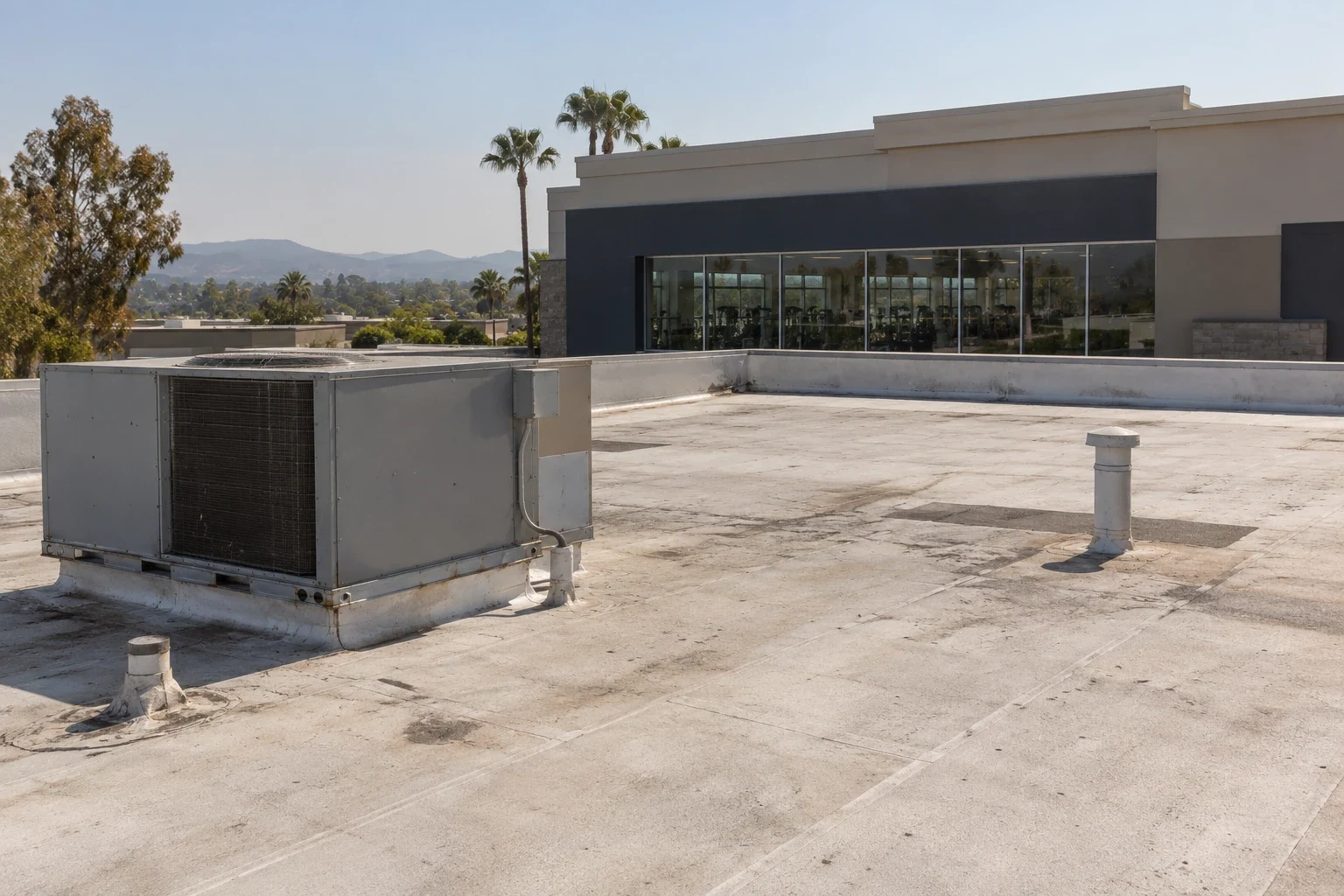
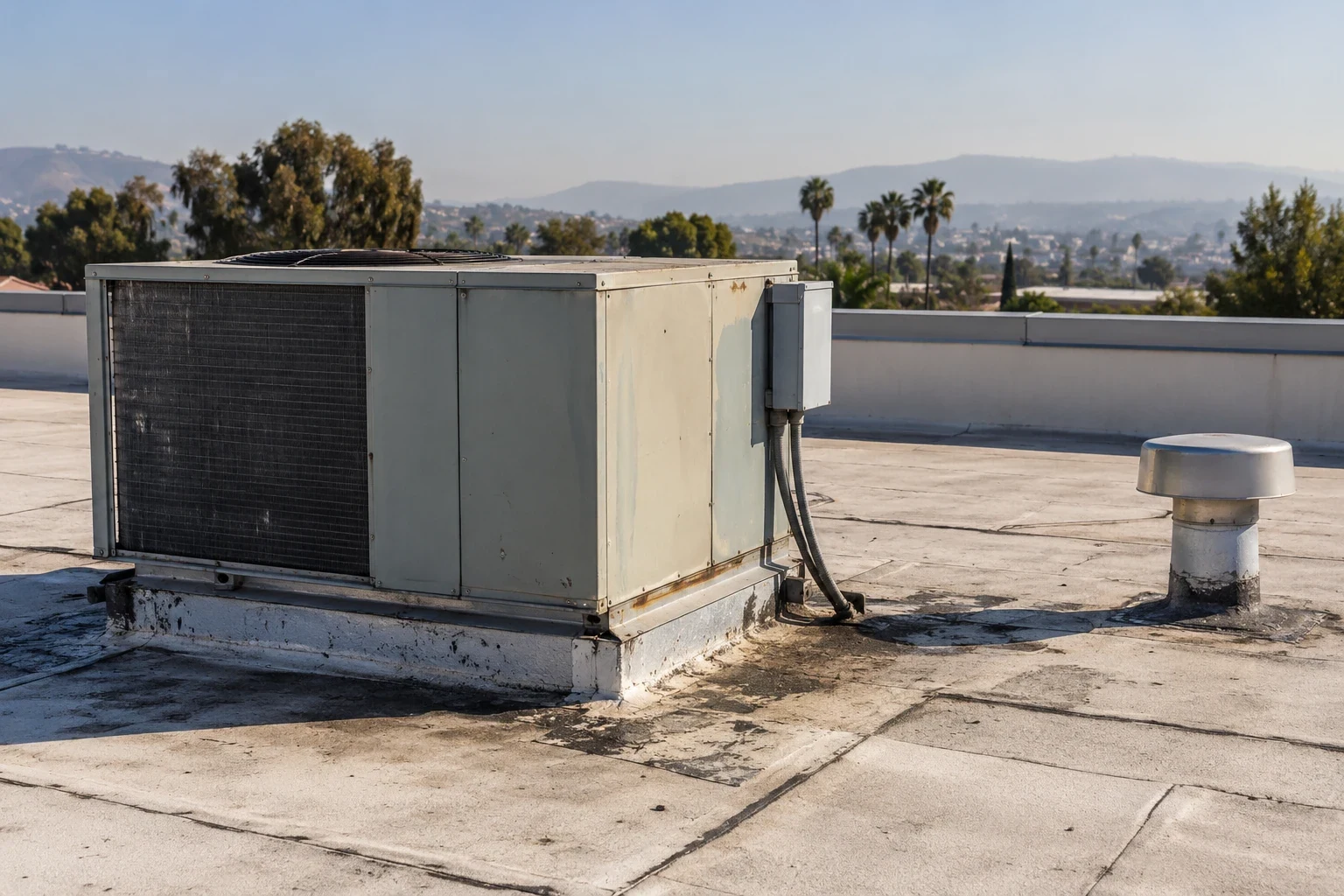
Mechanical units, antennas, exhaust stacks, and communications equipment may remain active. Before tear-off, we identify what cannot be moved or shut down without authorization. The crew protects openings and coordinates support from the responsible trade. The daily plan records shutdown control and what must be restored before release.
Keep the Roof Secure at Shift End
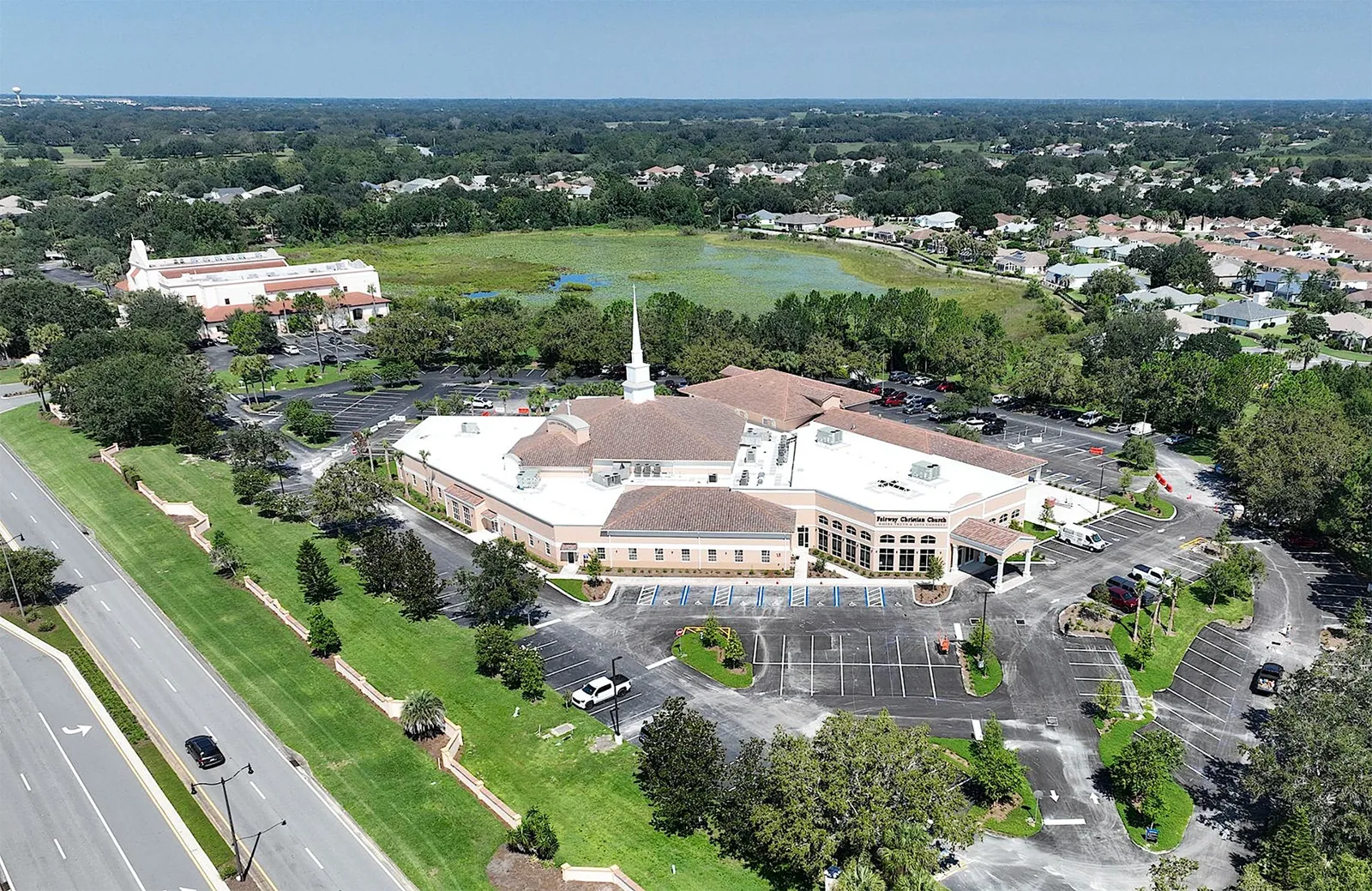
Each opening should be small enough to protect before the crew leaves. We limit removal to what can be closed with the permanent assembly or a secure temporary dry-in, maintain a path to drains, and keep loose material away from edges. At shift end, the foreman checks tie-ins, laps, drain bowls, stored materials, and the ground below. The contact receives the completed zone and any temporary protection still in place.
Most San Diego-area rain falls in winter, though totals vary. We check the forecast and set a closure plan that does not depend on a long weather window. Coastal air also makes exposed metal edges and fasteners worth examining for corrosion. Emergency response is available overnight, on weekends, and during holidays when active water threatens a building.
We account for tools and unused materials, clear the authorized route, and leave hatches and barriers as instructed. If weather interrupts work, the crew secures the exposed area and confirms its condition with the site representative. Emergency roof repair can protect a damaged zone while a permanent scope is coordinated.
Keep a Useful Roof Record
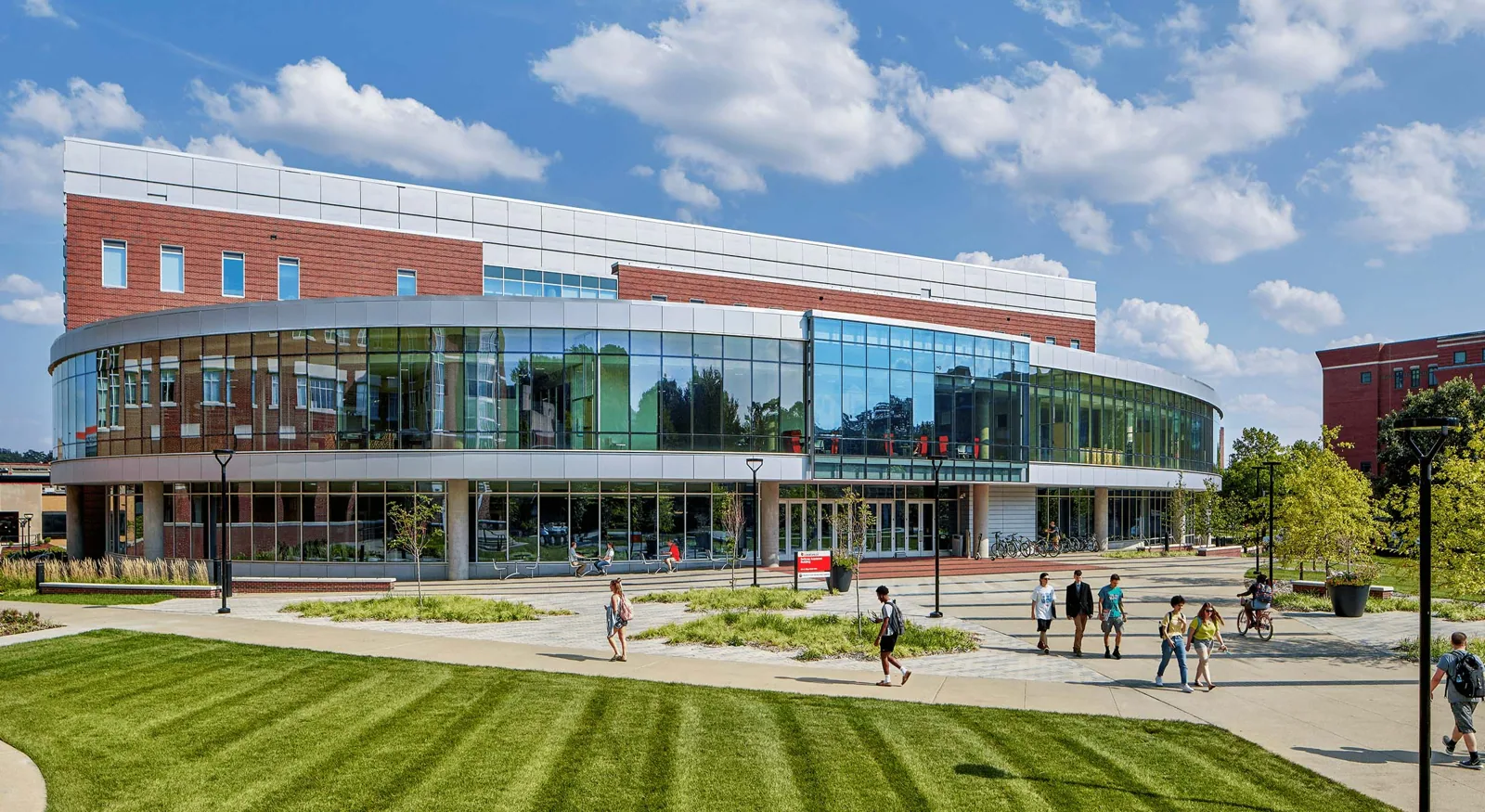
A closeout record should let the next facilities manager find the repair without relying on memory. We label photographs by building and roof zone, record the assembly, and describe the repair boundary, materials, and tests. A concealed condition that remains unresolved stays visible with its location and the decision needed. The record supports later inspections and comparison of the same seam or drain.
Cost and duration depend on roof area, access, assembly, removal limits, lift needs, testing, and concealed damage. A flashing repair differs from replacement with edge metal, insulation, and inspection hold points. We separate confirmed work from allowances so a field discovery does not silently expand the scope.
Share the installation, building use, roof plan, access contact, affected zones, and project criteria. We will arrange a roof walk through the required entry process, document visible conditions, and identify what is needed to define repair, recover, or replacement.