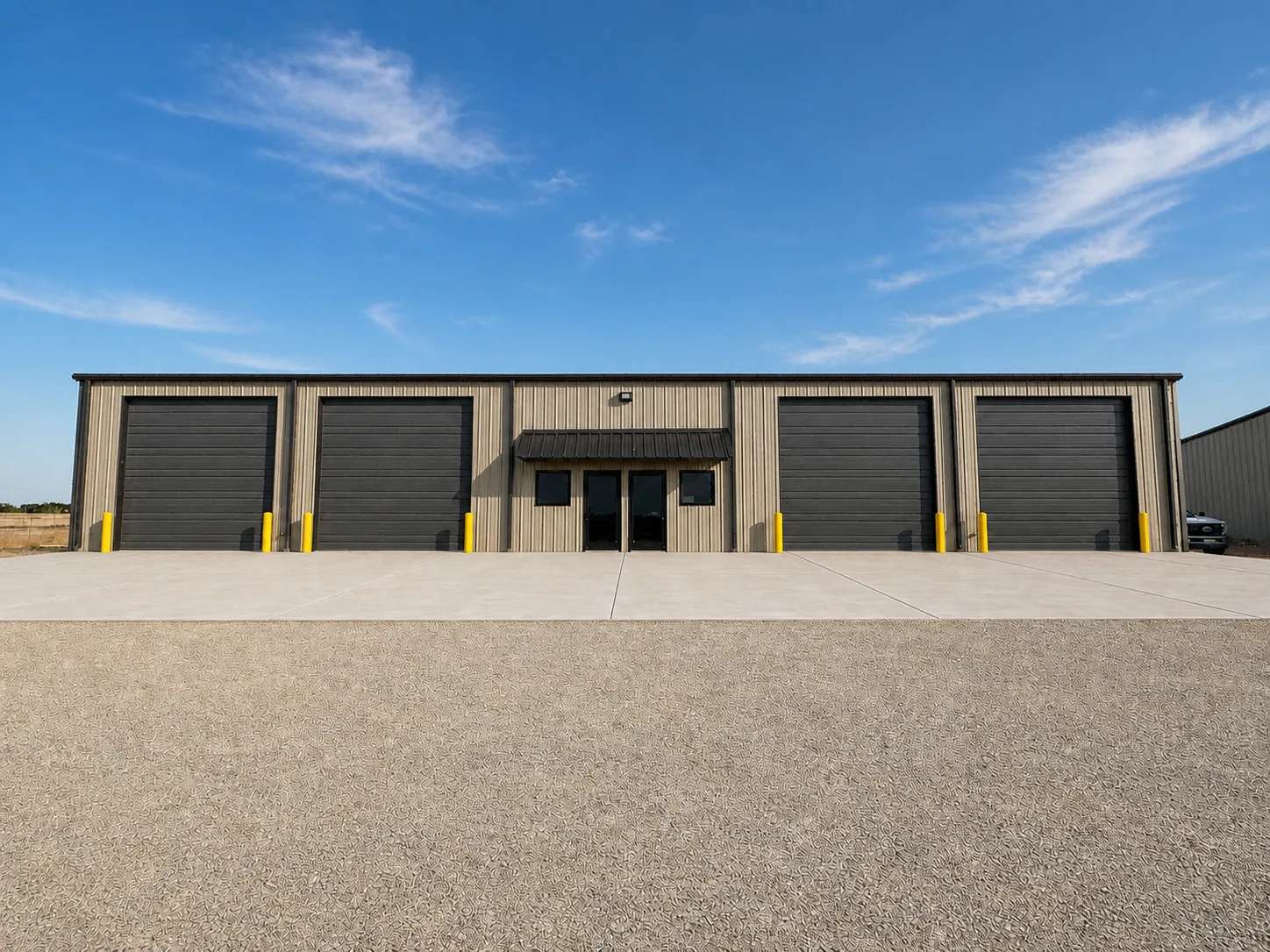
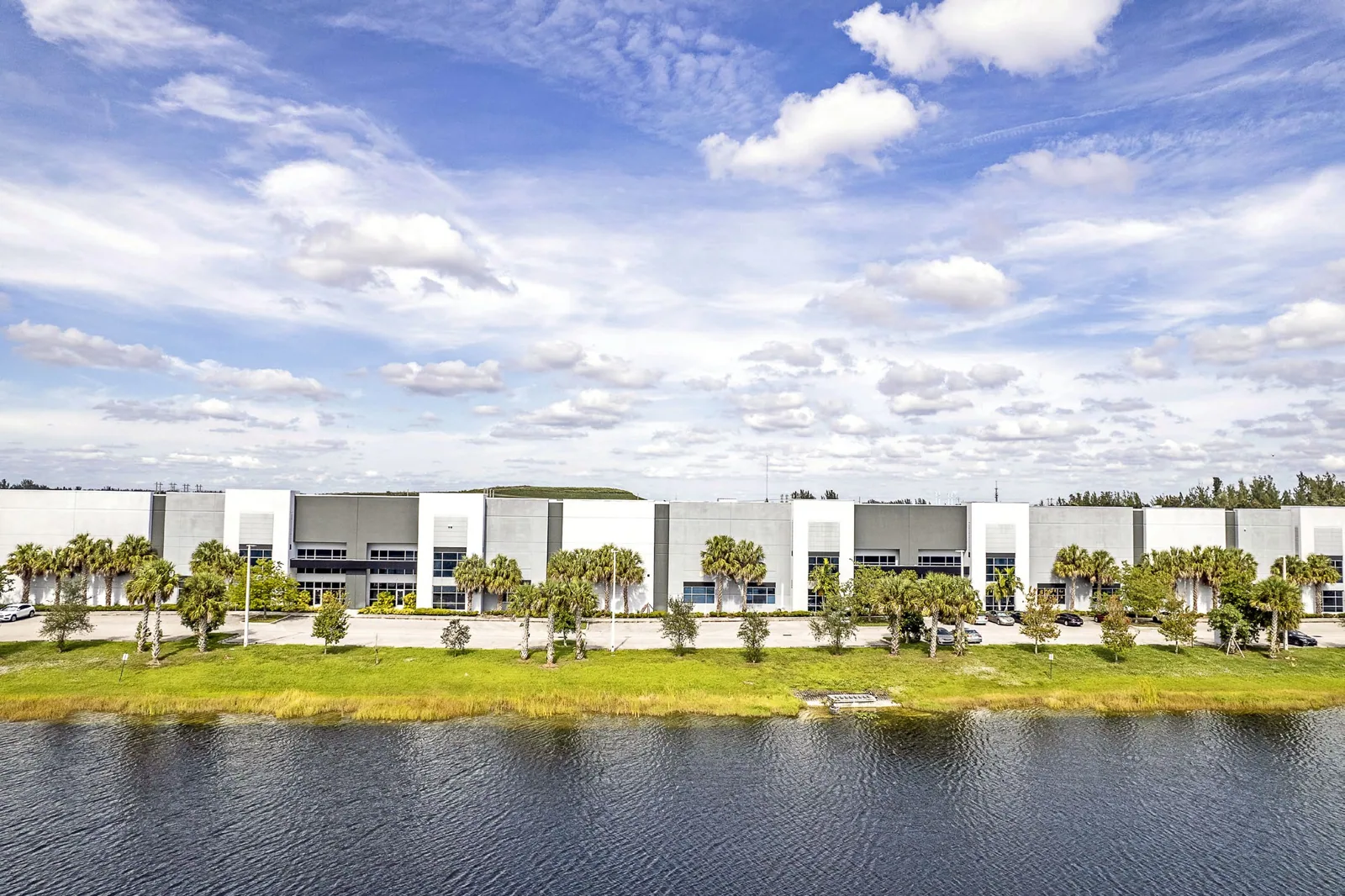
Protect Units and Aisle Access
Storage facilities have frequent movement through long aisles. A roof opening above a row can limit customer access or expose contents below. We identify which doors must remain reachable and how the manager will route customers. A marked boundary keeps tools, debris and ladders clear of storage doors; the property contact coordinates any unit entry.
Before materials arrive, we confirm gate hours, truck space and the office location. Deliveries and lifts must leave fire access, customer check-in and occupied unit rows clear. Shorter work zones can keep other aisles open. We use the facility’s building labels in the repair record and keep customer and crew routes distinct.
National City Marina District combines maritime operations and commercial recreation along the waterfront. Freight terminals nearby handle vehicle and project cargo with rail and freeway connections. For a storage property serving trades or distributors, delivery timing can matter, but the gate, turning area and customer aisle determine staging.
Roof access may be through a fixed hatch, exterior ladder or lift, and each option changes the setup. We confirm the landing area, guardrails, overhead wires and room for material handling before the crew begins. If the property has several gated rows, the manager can identify which gate stays open and how visitors are routed. We keep staged rolls and tools secured so they do not narrow a drive lane or drift toward open unit doors.
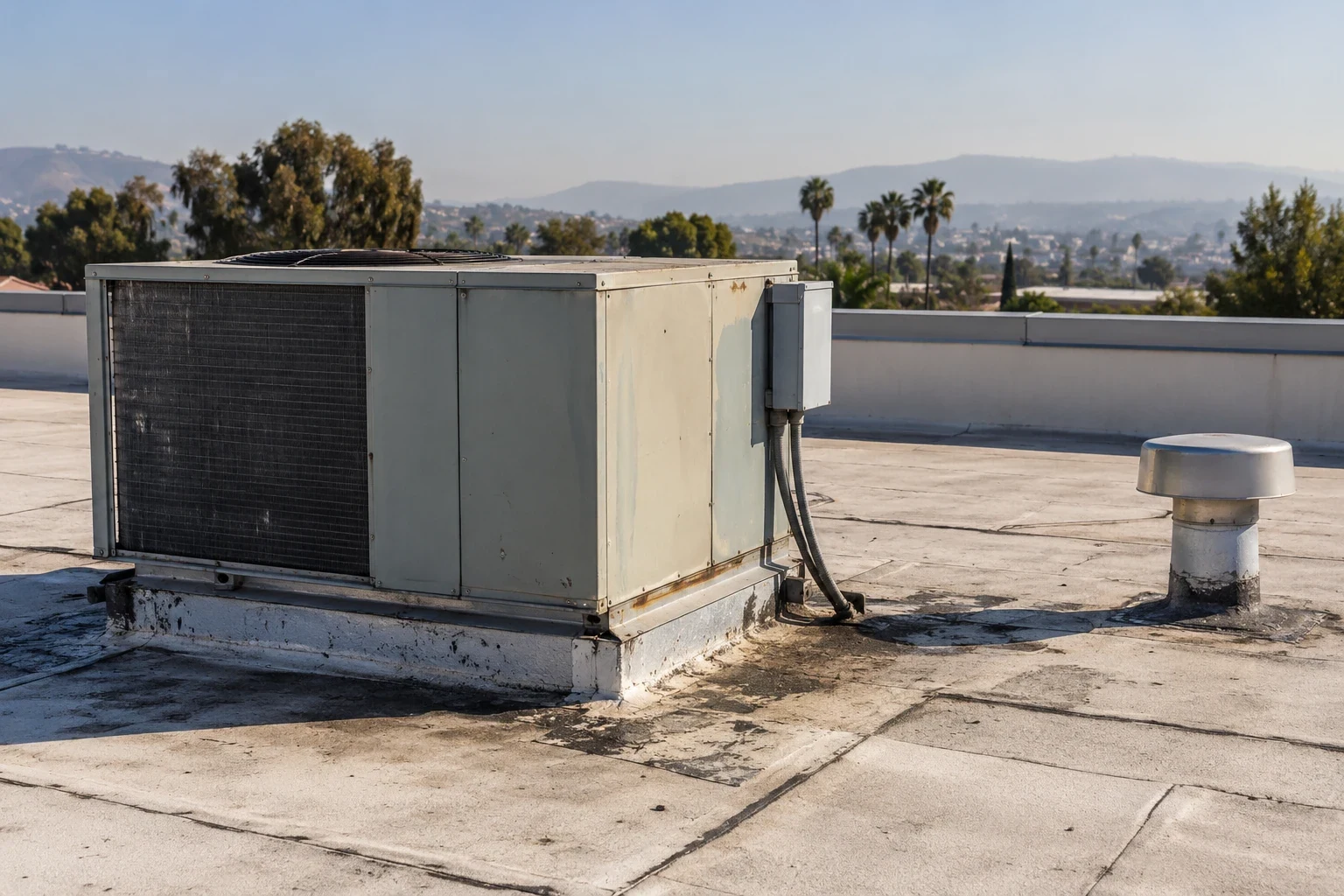
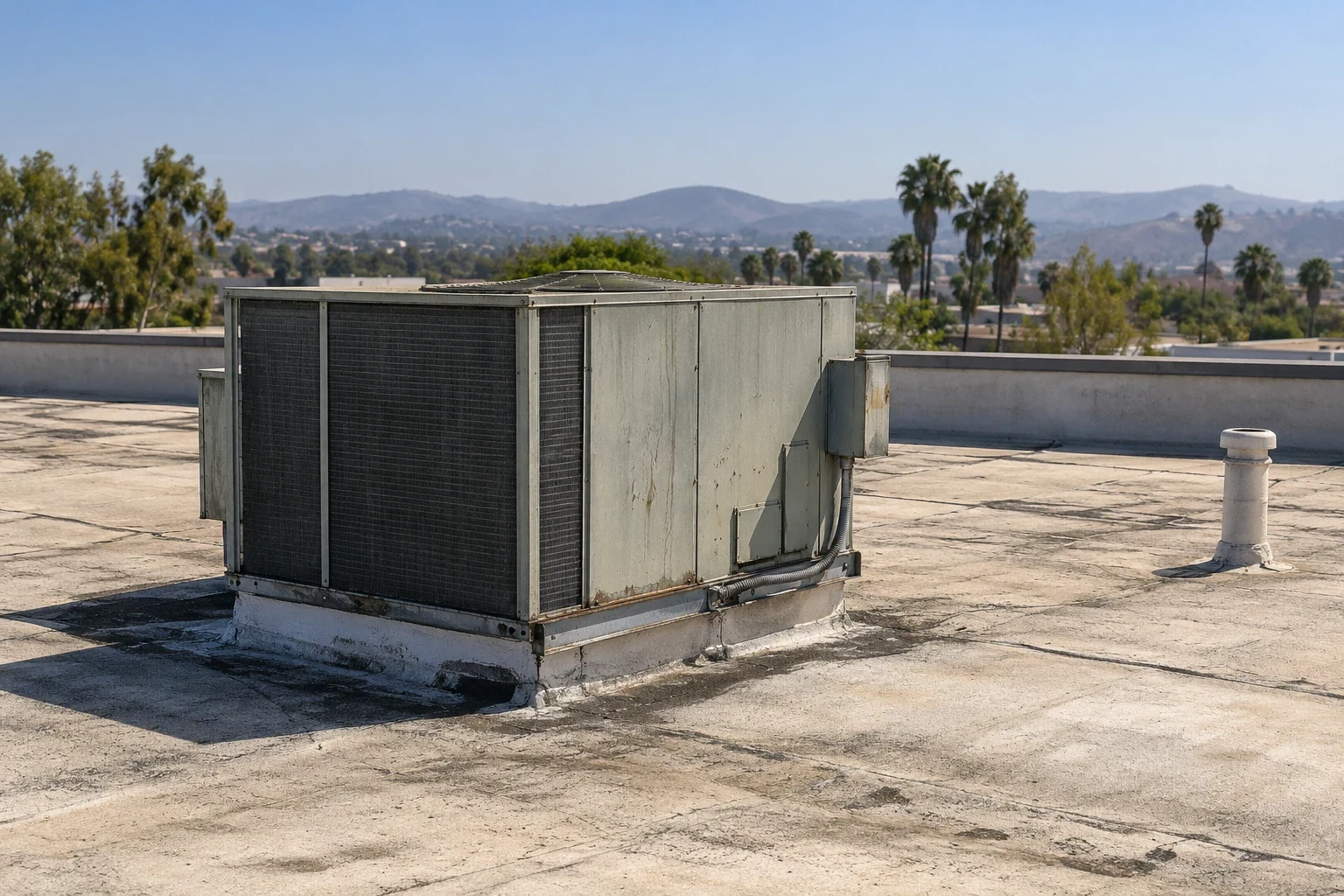
Some storage properties have rooftop fans or package units serving the office. We check whether those systems need to stay running and who can authorize a shutdown. A work area around a unit must leave safe service access for the mechanical trade. If equipment maintenance and roofing overlap, we agree on which contractor opens or reseals each transition, preventing an unclear boundary at the end of the shift.

Trace Water Across Repeated Roof Bays
A damp wall or stained ceiling can point to a roof problem, though water may move sideways first. We compare the report with rainfall and equipment activity, then inspect nearby seams, penetrations, parapet transitions and patches. The drain bowl and overflow matter when water has collected. Photos connect the reported unit with its roof zone instead of treating similar bays as one condition.
Most San Diego-area rain arrives in winter, while totals vary. A long storm can test an outlet that looks clear after a short shower. We check the strainer, overflow and nearby slope. If moisture may extend below the surface, an infrared moisture survey can help select a test location when conditions are suitable.
Emergency roof service remains available 24 hours a day, including weekends and holidays, when water threatens stored property. We can cover the opening first and schedule a lasting repair after checking material compatibility and weather. The manager receives the affected building and unit-row details for customer communication.
Repair the Assembly Without Hiding Moisture
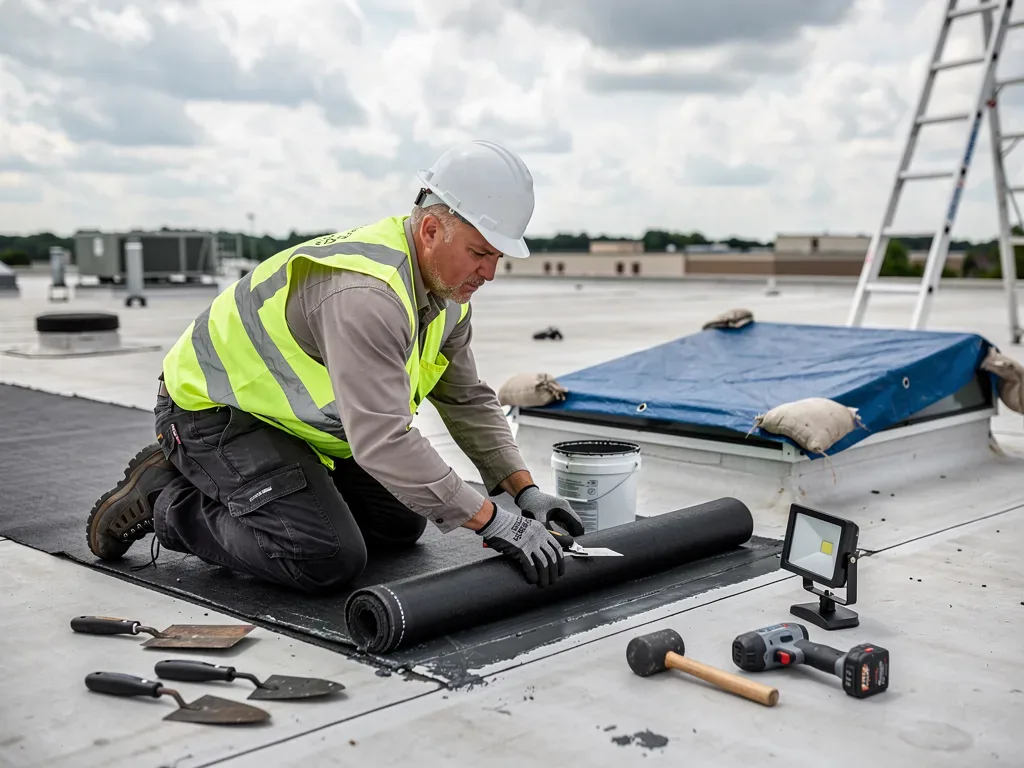
Self-storage buildings may use single-ply, modified bitumen, built-up or metal assemblies. We identify the system and match the repair to it. A welded patch needs sound membrane and prepared edges; surfaced systems need compatible reinforcement. We check older repairs for bond and adjacent seam openings. A coating over failed flashing hides a defect without restoring the detail.
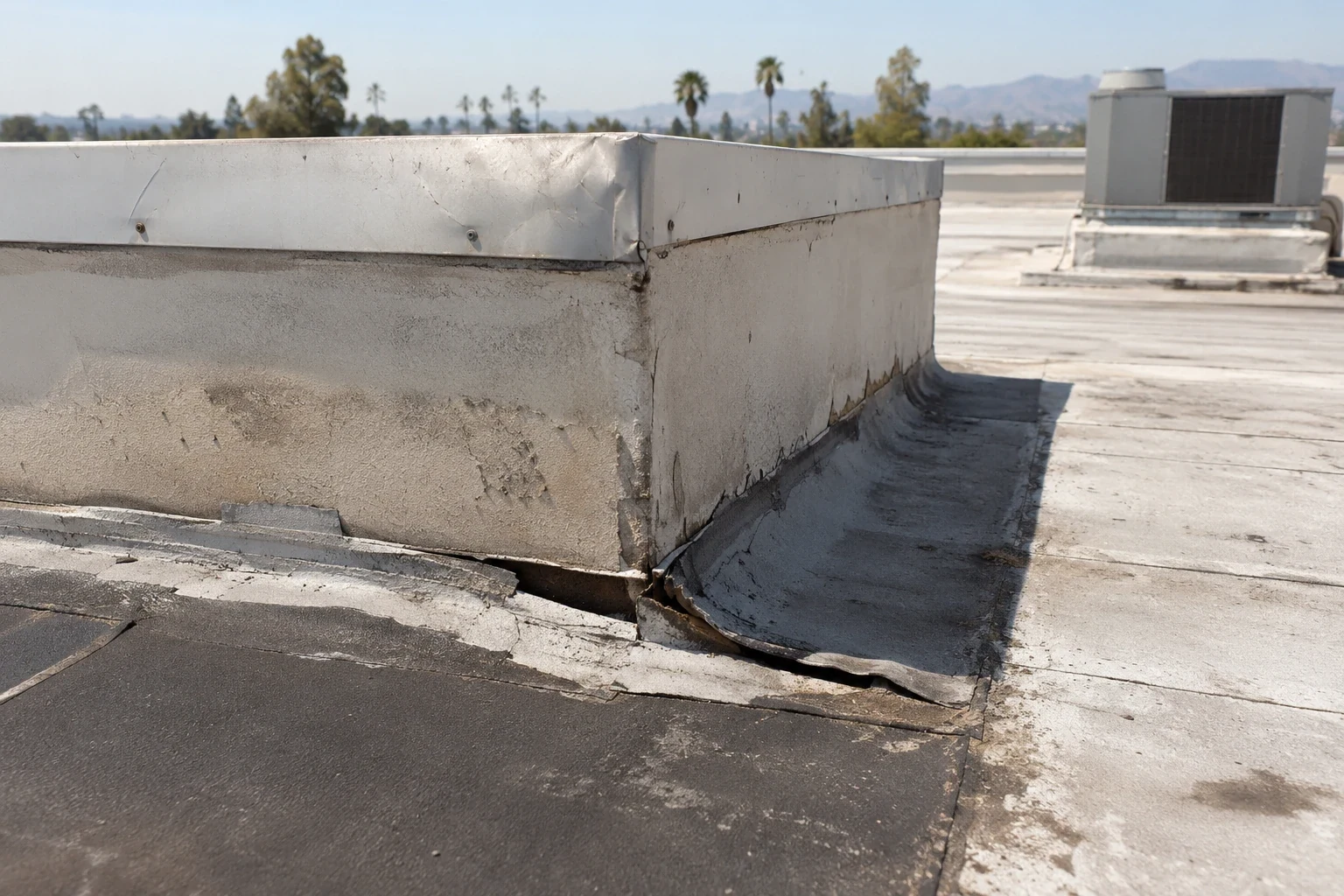
At the perimeter, edge metal protects the roof termination. Vents and equipment need secure curb flashing; fasteners and wall transitions can loosen with movement or service traffic. We check the full detail and its drainage direction. Flashing repair corrects an open termination; drain service addresses restricted outlets.
Repeated leaks across roof zones call for a comparison of repair, recover and replacement. We review wet insulation, deck condition and drainage. A recover requires a suitable existing roof; replacement exposes failed layers. The scope identifies what stays and where the tie-in reaches sound material.
Use Maintenance to Catch Small Changes
A maintenance visit records drains, open seams, loose edge metal and service-related damage by building and roof zone. Remove debris before it slows drainage; repair a split seam or loose flashing before the next wet period. A soft area or recurring stain may call for closer assessment because hidden layers are not visible from the surface.
Cost depends on roof area, height, material, number of affected bays, lift placement, access restrictions and whether moisture or deck damage is concealed. A single seam repair has a different work boundary than repeated leaks across a large building. We describe which defects were seen, what is included, and what further testing would establish. Preventive roof maintenance can keep that record current, while a condition report preserves photos and repair boundaries for budgeting.
The Otay Valley and Otay Mesa connect industrial and commercial land with SR 905 and freight routes. The facility gate and customer schedule remain the key inputs to work timing.

Make the Work Easy to Locate Later
At closeout, we label photos by roof zone and record which unit rows or offices were below the repair. The record states assembly, materials, boundary and concealed conditions. If temporary cover remains, the manager receives its location and next step.
Share the unit row or office, gate hours and roof-access contact. We will trace the water path and review a repair sequence that preserves circulation. Warehouse roof work and distribution center roofing also need building-specific access plans. A roof visit in Otay Mesa can fit the facility’s gate and traffic rules.