Separate Tenant Routes from Roof Work
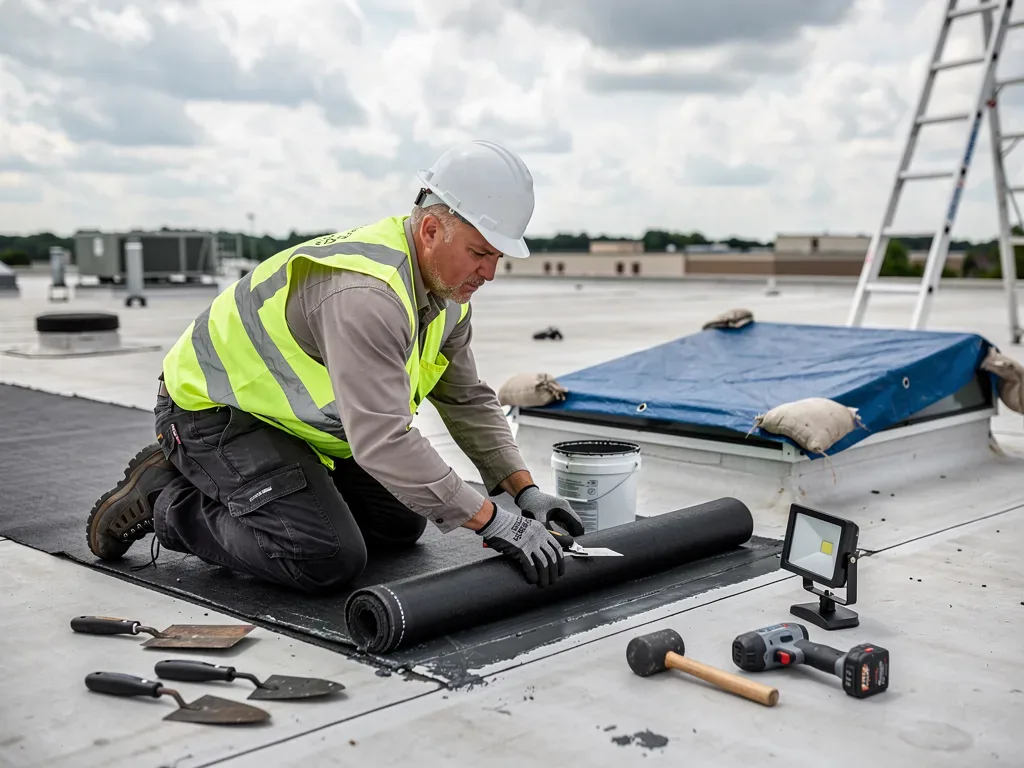
A flex building can shift between office, showroom, storage and light production uses. We identify occupied suites, delivery doors and equipment below the leak. A lift cannot block tenant loading. The property manager coordinates notices while tenants share restricted hours or protection needs.
Roof access may pass through a common corridor, service yard or fixed ladder. We confirm gate, truck route and staging before materials arrive. On a multi-tenant property, a shared work-zone description helps the manager route reports. If ceiling tile must be removed, we set timing with the tenant and protect nearby equipment.
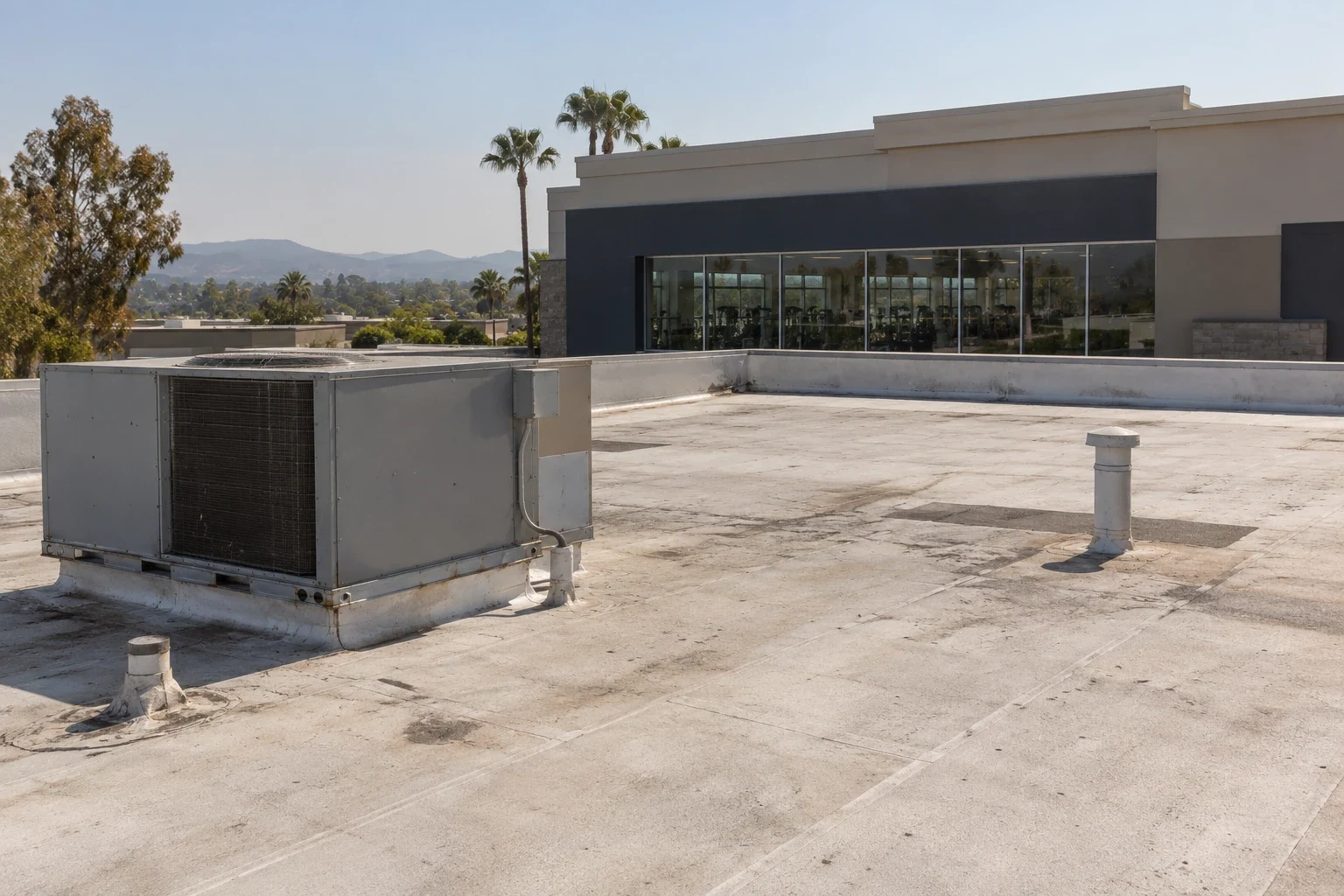
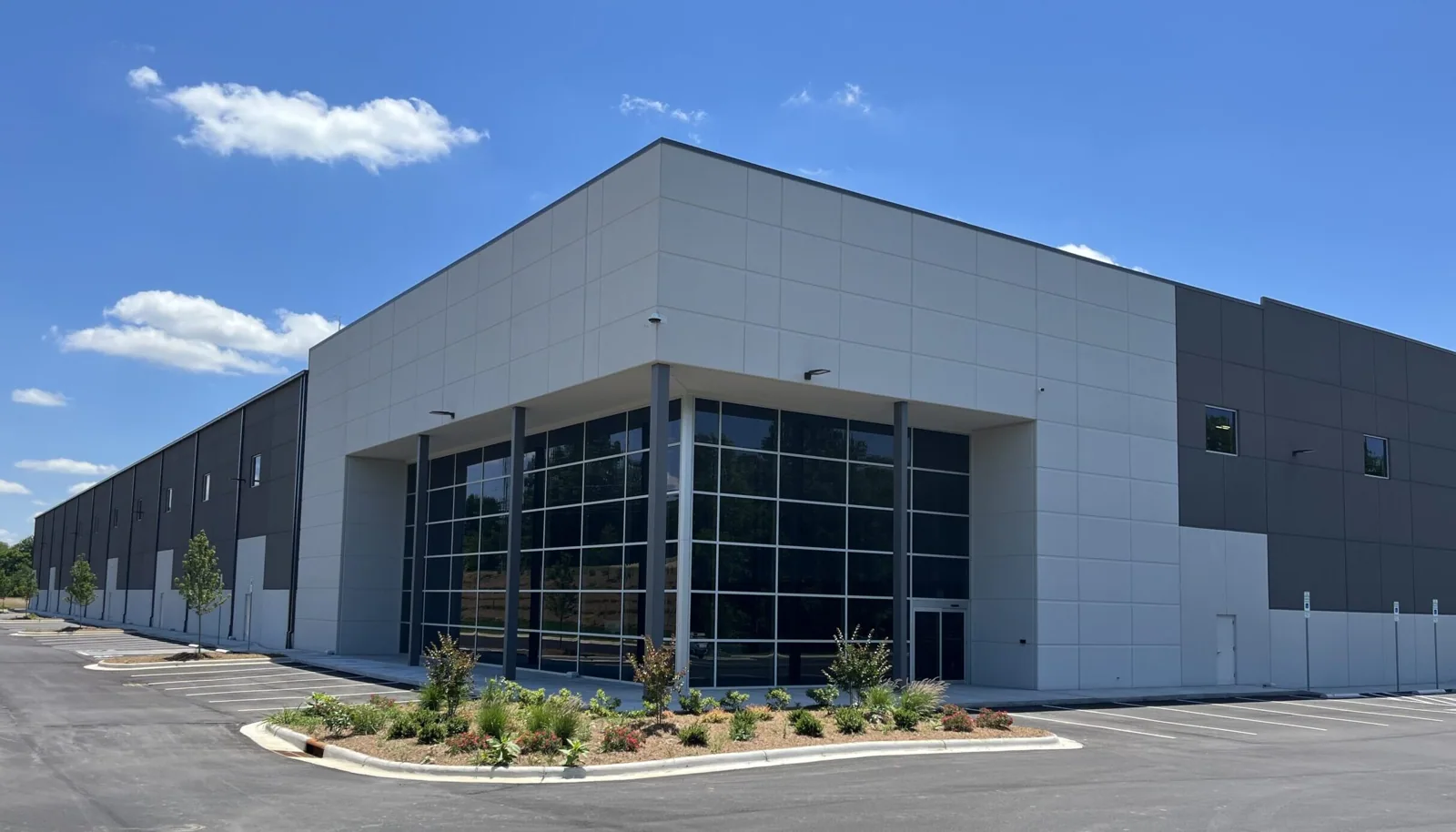
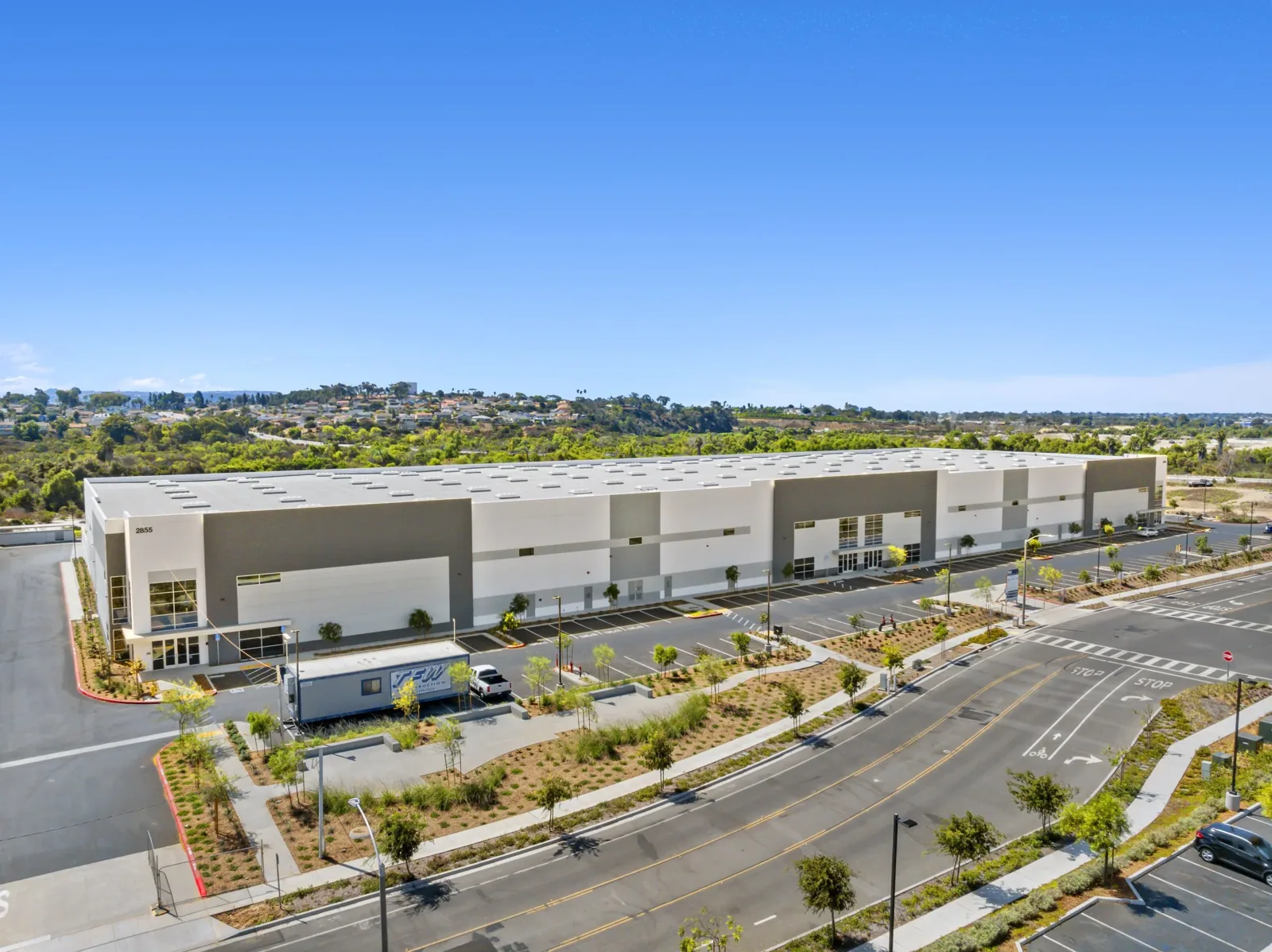
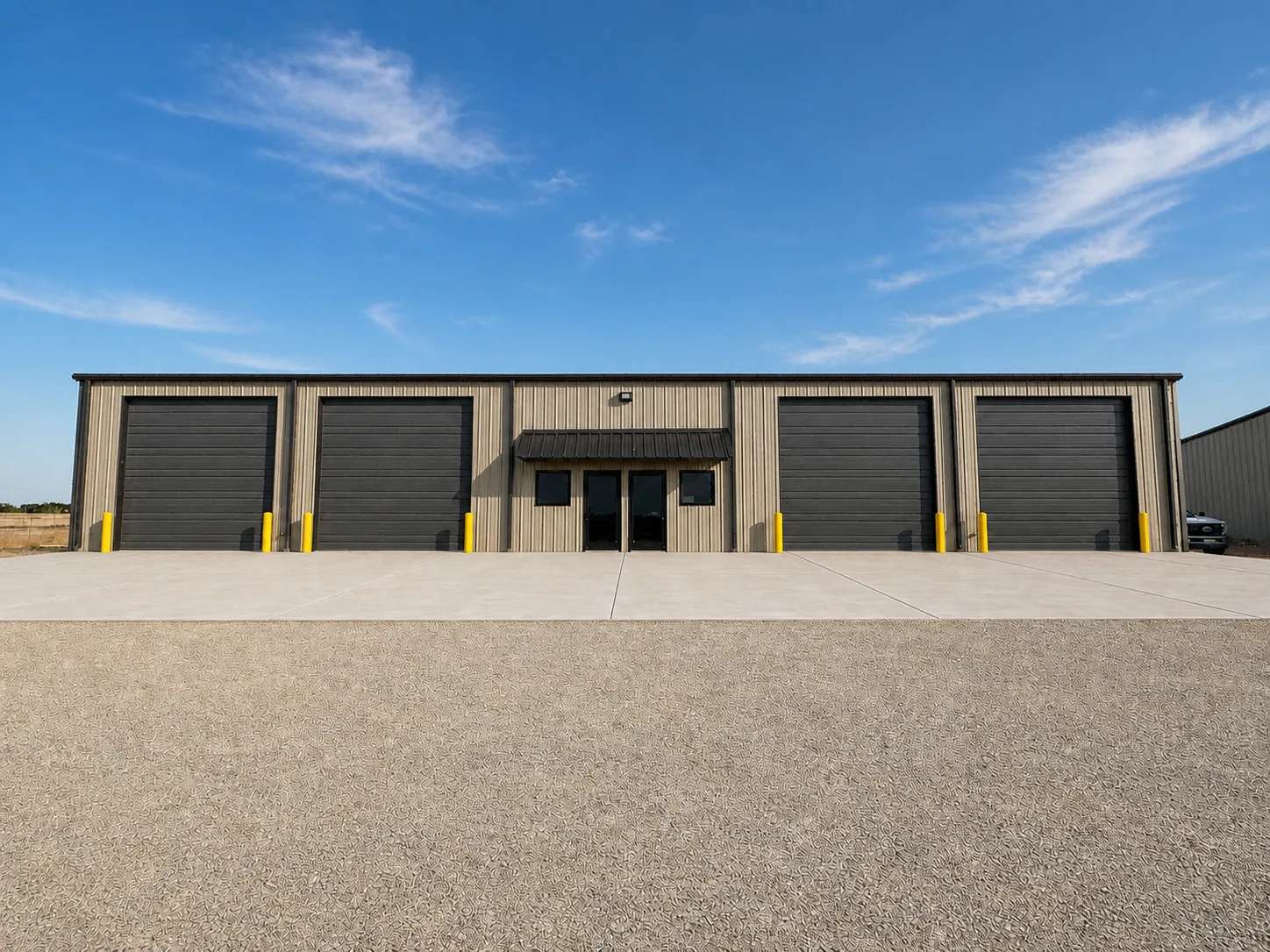
Chula Vista’s employment land spans the tidelands, Montgomery and Otay Valley, with newer industrial uses in Eastlake and Otay Ranch. A flex property may place production, offices and service uses beside one another. Its truck court, dock and tenant-door layout determine how work moves through the building.
Map the Leak Across Suite Boundaries
Water can travel beneath membrane, along deck flutes or through a wall before reaching a suite. We record the room, timing and conditions, then compare the report with roof geometry. A stain by a demising wall may sit below another roof bay. Photos connect the interior report with nearby seams, curbs, parapets and drains.
Most San Diego-area rain falls in winter, though totals vary. A long event can test a low point that stays dry in a short shower. We inspect the bowl, overflow, insulation and membrane. An infrared survey can guide follow-up under suitable conditions; a controlled opening shows what lies below at one point.
For active entry over equipment or inventory, our crew can respond at night, on weekends and during holidays. We limit exposure and tell the manager the affected zone, suite and next repair step. If several tenants report water, we compare each room with its own path.
Fit the Repair to Mixed Roof Details
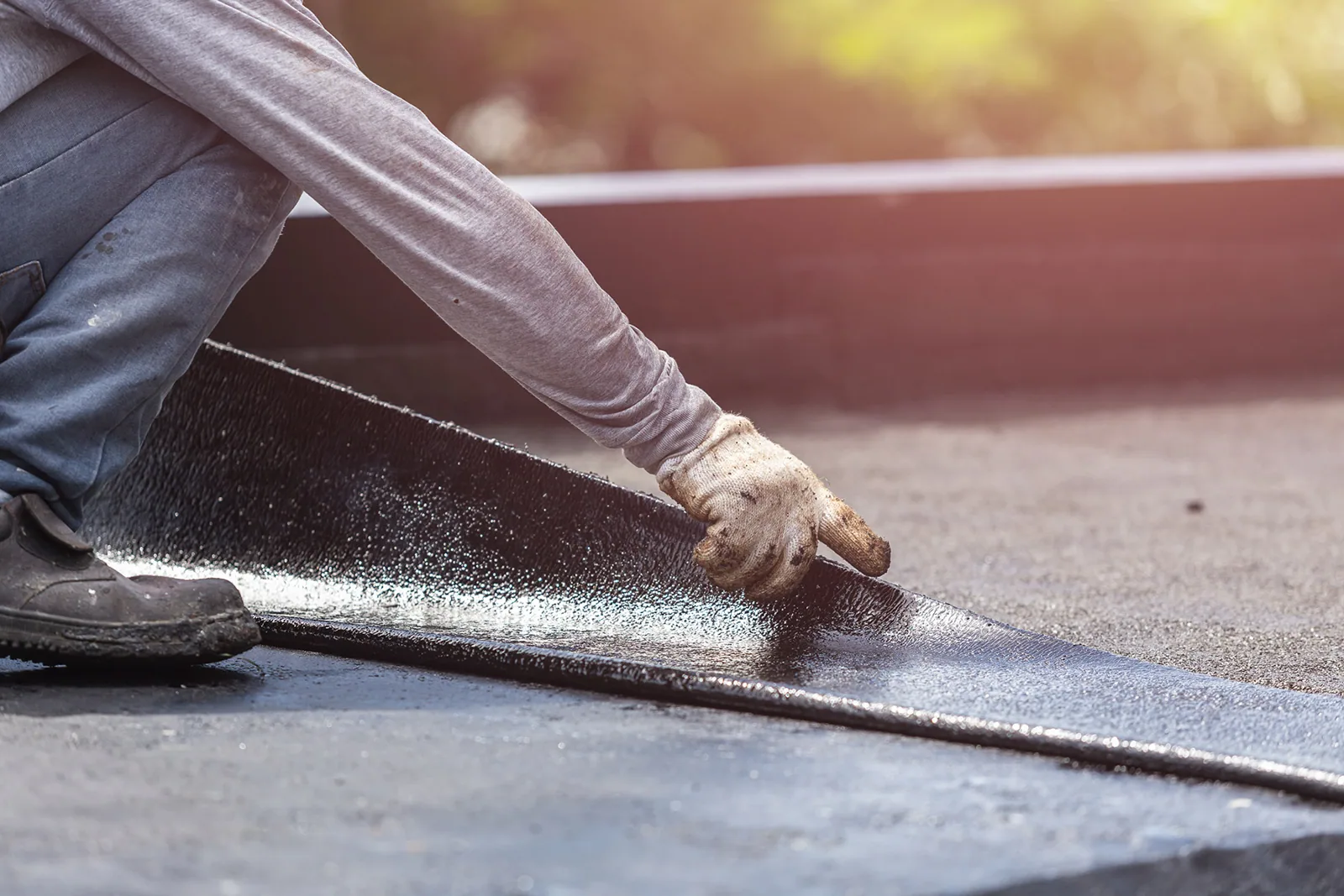
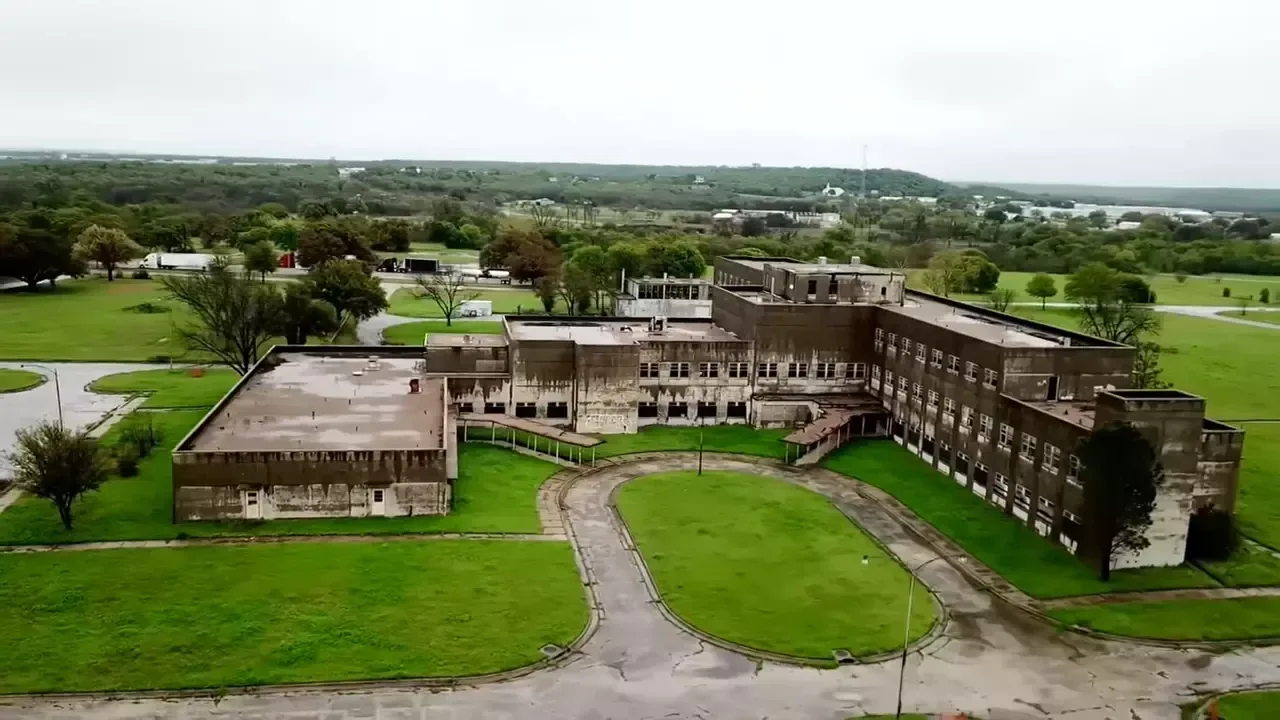
Flex industrial roofs may use single-ply membrane, modified bitumen, built-up roofing or metal. We identify the assembly before choosing material. A membrane patch needs sound material and a compatible tie-in; a metal detail must respect movement and drainage. We inspect old repairs for adhesion and open edges.
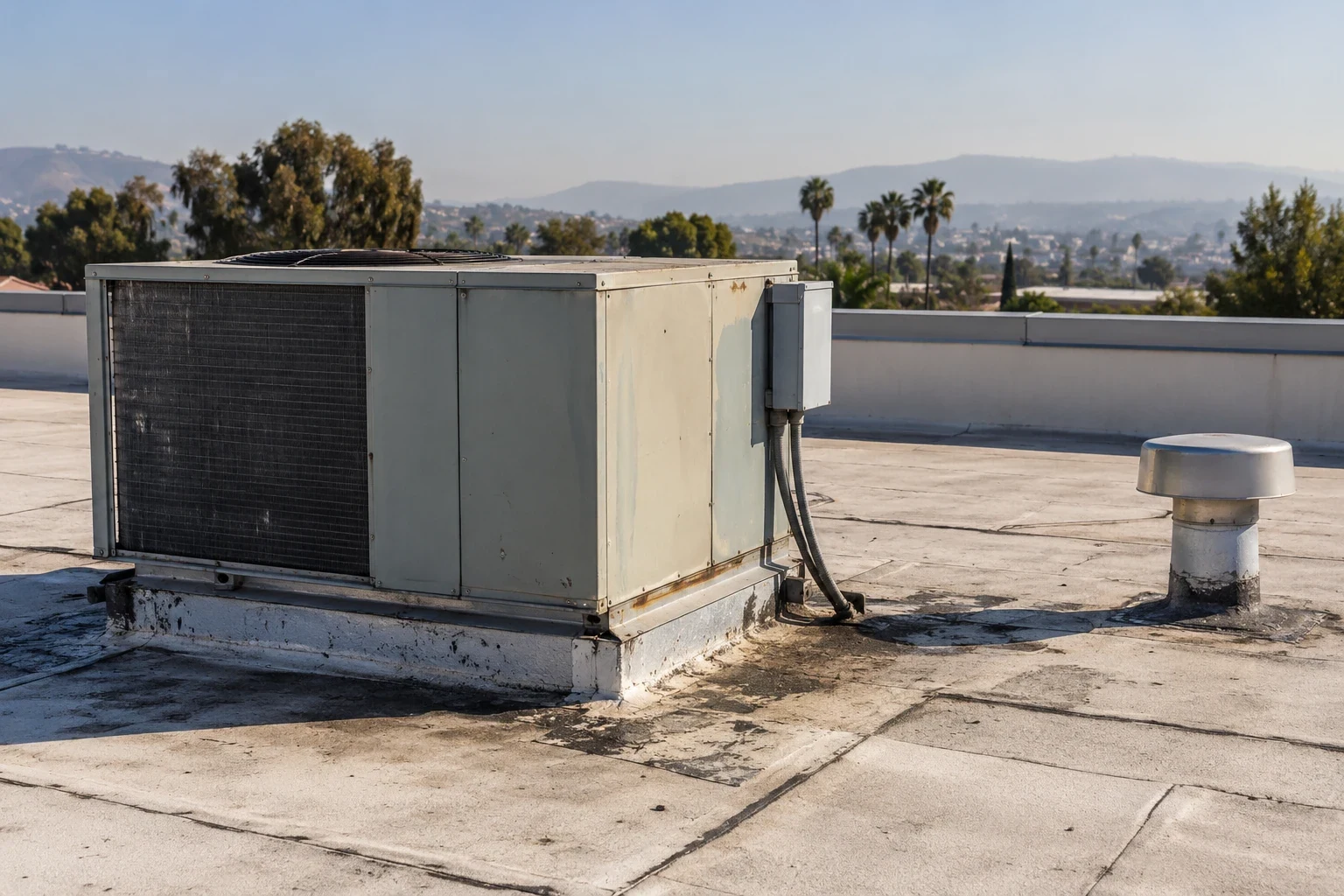
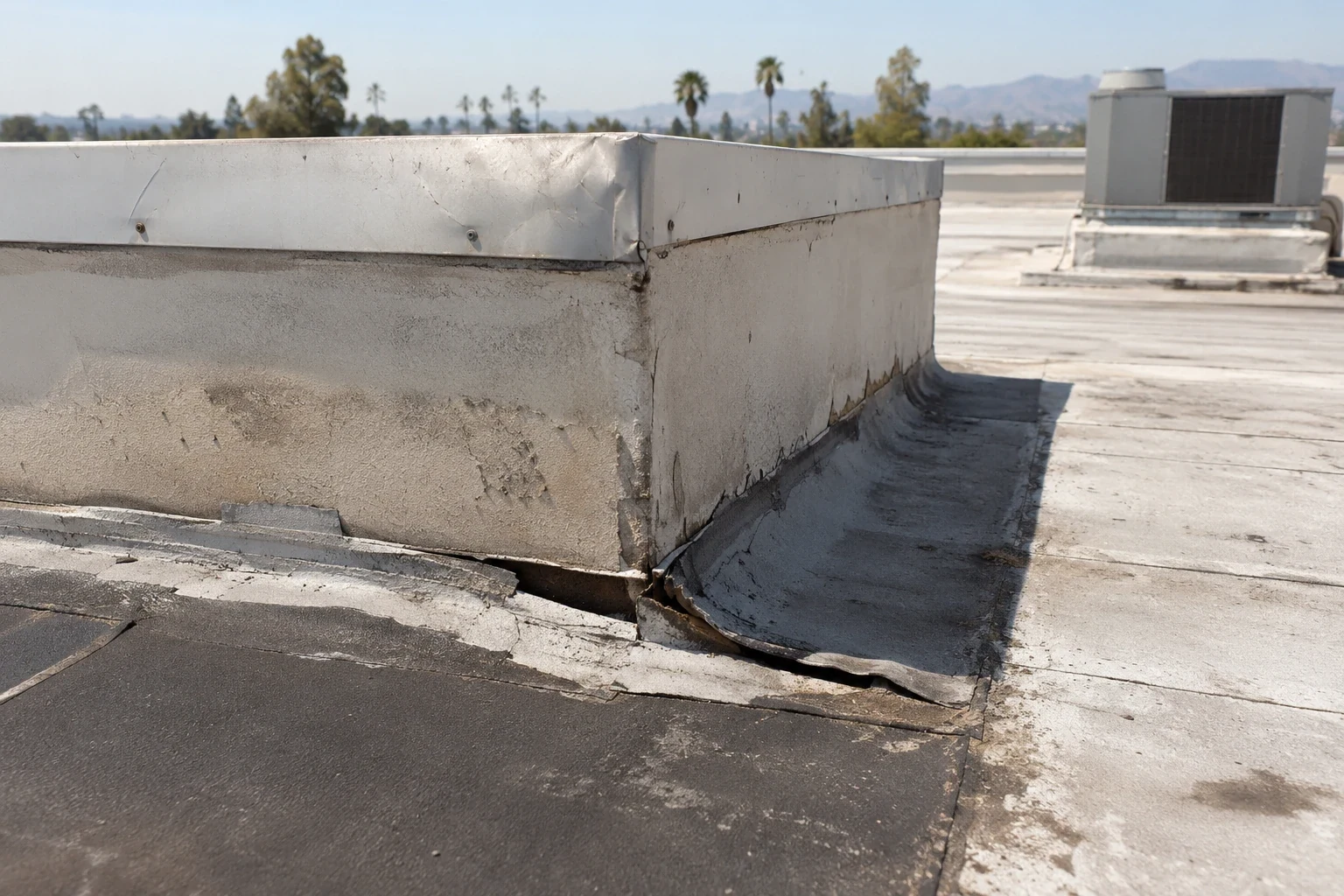
Curbs, fans, skylights and loading canopies create water-entry points. We inspect the full curb perimeter and nearby fasteners. At parapets, coping and counterflashing must shed water. Flashing repair rebuilds a confirmed transition; edge metal service addresses loose perimeter details.
Some industrial properties have several roof areas at different heights or from separate construction phases. A tie-in between them can retain water or move as materials expand. We inspect the transition and surrounding drainage before adding a patch. Broad wet insulation, deteriorated deck or repeated failures may lead to a comparison of repair, recover and replacement. A recover is only suitable when the existing layers, attachment and substrate support another assembly.
Several units may have separate thermostats, exhaust controls or production schedules even when one roof covers them. We connect a proposed curb repair with the equipment it serves and identify whether access requires a mechanical technician. That coordination prevents the roofing boundary from ending at an unsupported assumption about an operating unit.
Keep Production and Receiving Moving
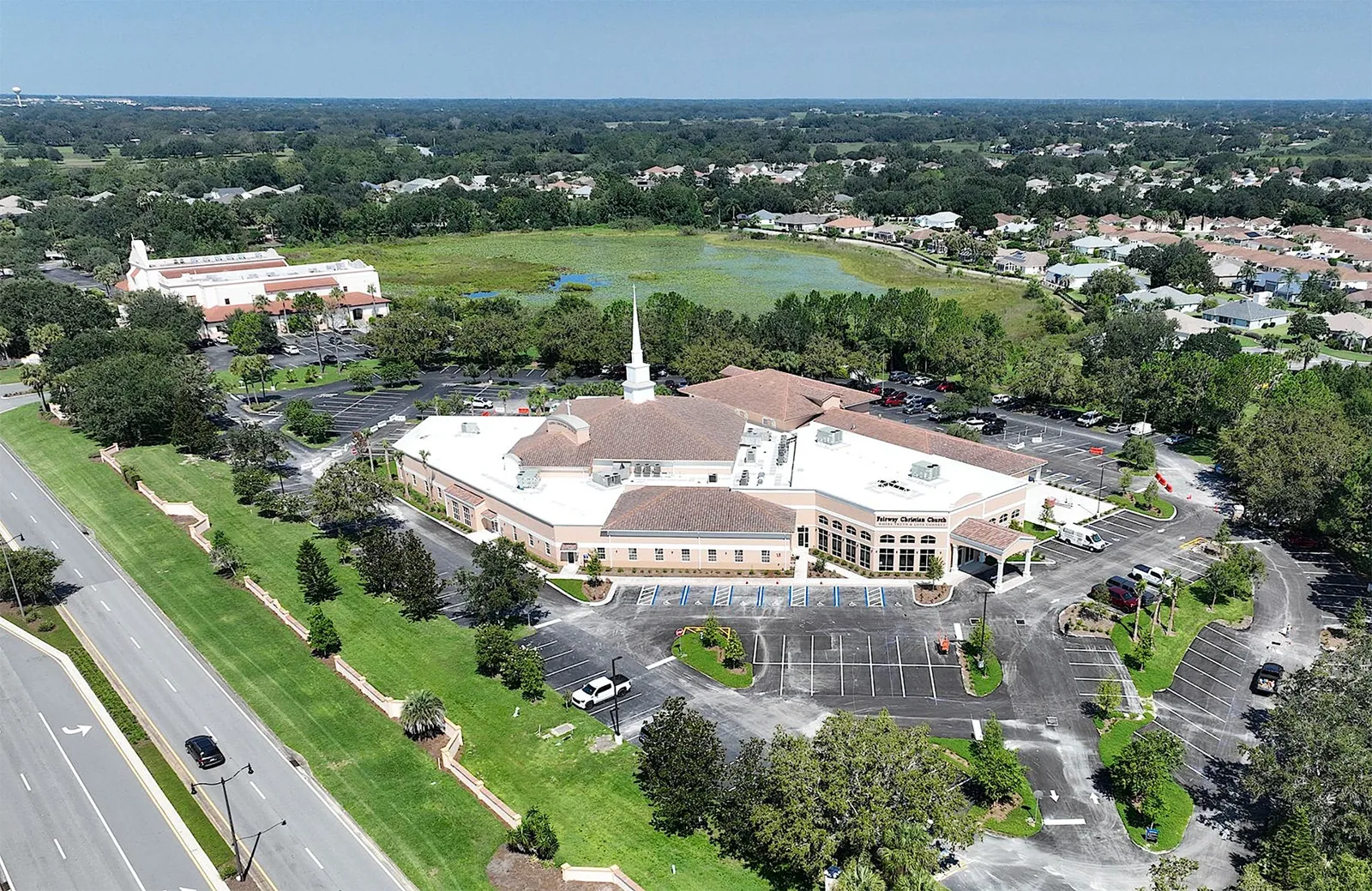
Before mobilization, we ask about receiving windows, shifts, equipment and shutdown authority. A repair near exhaust may need mechanical coordination; work above an active bay needs a separate route for tools and debris. Materials stay clear of loading, and tenants receive a contact for schedule changes.
Replacement is divided into sections with defined dry-in points. We open only what can be closed during the shift. If rain threatens or deck damage appears, we secure the section and review added removal. At day’s end, we clear drains and restore the loading route.
Chula Vista’s planned employment areas stretch from the tidelands and Montgomery to Otay Valley and eastern districts. Otay Valley and Otay Mesa connect commercial land with SR 905 and regional freight routes, while H Street links office and retail activity. We coordinate delivery routes and roof access with each property manager. We confirm the property’s actual route. A replacement scope sets the dry-in sequence, access and roof tie-ins before removal begins.
Give the Property Manager a Useful Record
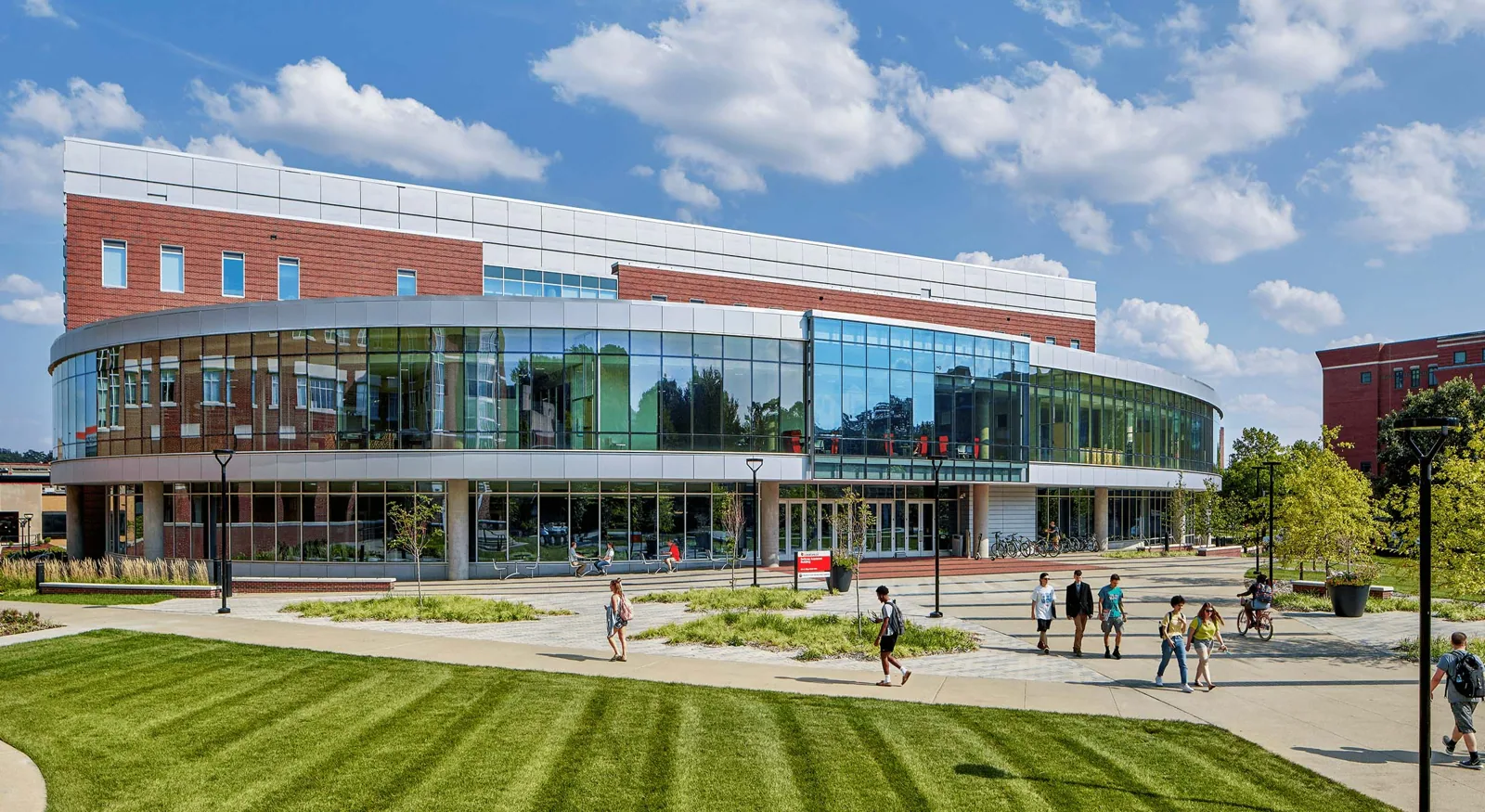
For a multi-tenant building, photos should connect each suite with its roof area. We record system, work boundary and concealed conditions. If a test opening finds wet insulation, its location and repair decision belong in the zone record. Closeout can also record shutdowns or access limits for future maintenance.
Cost and timing depend on roof system, access, tenant schedule, number of roof areas, equipment count, hidden moisture and how much work can occur per shift. Repairing one penetration differs from correcting repeated seam failure or widespread deck damage. We explain which condition drives the scope and keep optional testing separate from confirmed work. Roof condition reports preserve photographs and boundaries; related properties such as warehouses and manufacturing plants also need loading and equipment coordination. A visit in Otay River Business Park can be timed around site traffic and the property contact.
Share the suite, loading area, roof access route and contact for affected tenants. We will inspect the roof area, trace the water path and define a work sequence around the building’s active uses.