Record the Condition Before Repair
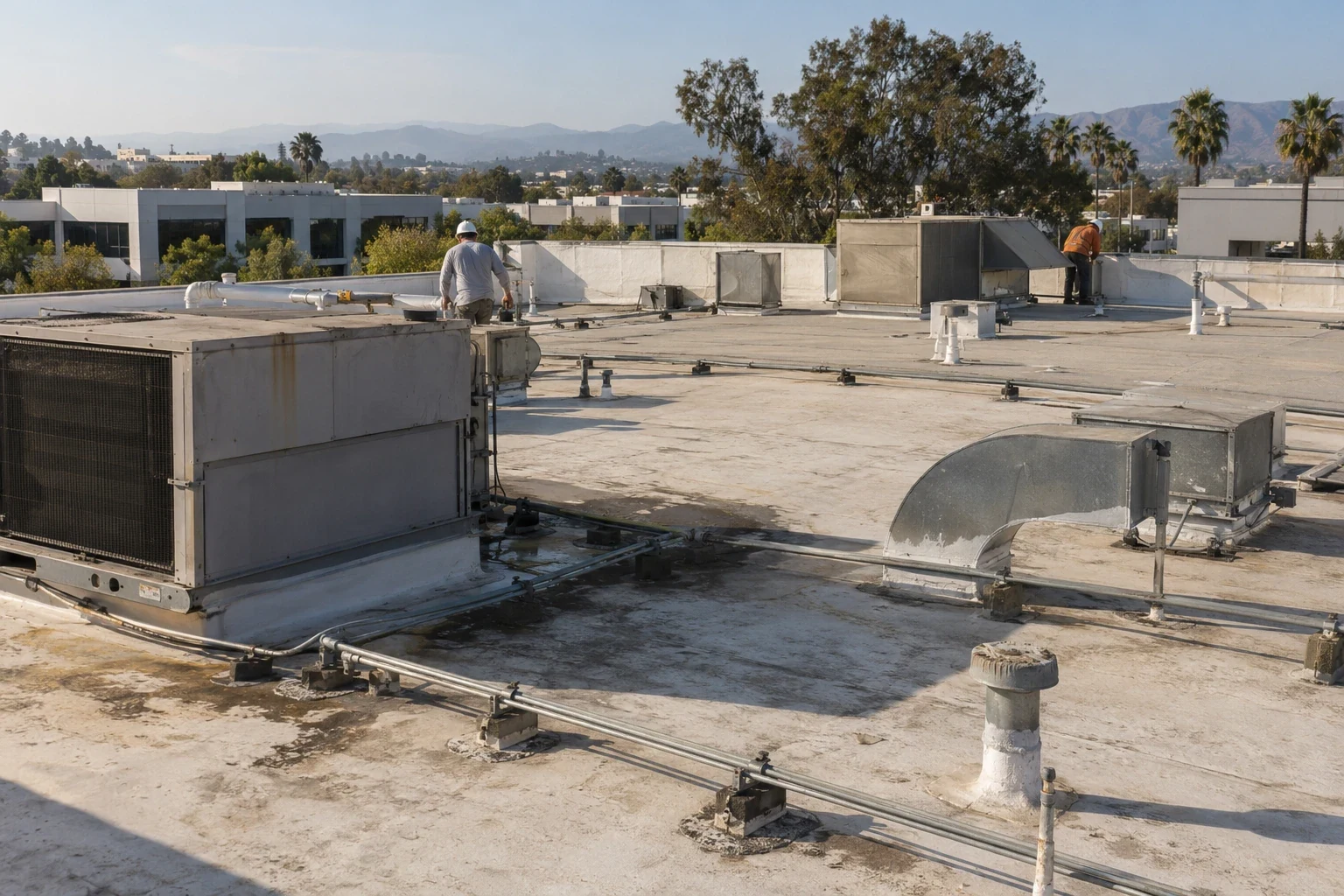
Useful documentation identifies where the water appeared, when it was reported, and which roof details sit above or uphill from that area. We photograph the membrane, seams, penetrations, drains, edge conditions, and prior patches in context. Interior images are labeled separately from roof findings. If water could have traveled through the deck or along framing, the report states that path as a possibility until an opening or other test establishes the concealed condition.
On a low-slope roof, a seam split and a drain restriction can produce similar ceiling symptoms but require different work. We check whether the membrane is displaced, whether insulation is wet, and whether the drain bowl and overflow remain clear. Moisture readings and test openings can narrow the repair boundary. A roof claim record should distinguish what is visible, what is inferred, and what remains unknown; it should not describe an unseen layer as damaged before confirmation.
Chula Vista’s winter rain pattern affects inspection timing and temporary protection. Most San Diego-area precipitation falls in winter, while totals vary between seasons. If a roof is actively taking water, emergency response is available at all hours, including weekends and holidays. We protect the interior and secure accessible roof openings first, then document the temporary measures so the permanent scope can be considered on the actual assembly.

Separate Storm Damage From Existing Wear
Storm-related damage needs a defined location and a physical explanation. We look for displaced edge metal, lifted flashing, punctures, torn membrane, or a seam that has separated, then compare it with surrounding material. Aged sealant, open laps, ponding, and earlier repairs can be relevant to the condition, but they do not prove when a failure began. The report records the observed signs and avoids assigning a cause the roof cannot support.
Weather conditions can differ across the market. The city’s coastal setting is generally mild, while dry easterly winds can bring hotter periods to eastern San Diego and nearby suburbs. We plan access and material handling for those conditions, then assess reported damage from the building and roof observations. For a site near the Chula Vista Bayfront, we inspect exposed metal for corrosion and record any condition that affects the repair.
When a restoration team has secured the interior, we coordinate roof access and the order of temporary repairs. A tarp or temporary seal should not hide the failed detail before it is photographed unless immediate protection requires it. We record what was covered, who authorized the action, and where the permanent repair must tie into sound material. That preserves a practical sequence without delaying measures needed to protect people and contents.
Build a Repair Scope From Confirmed Findings
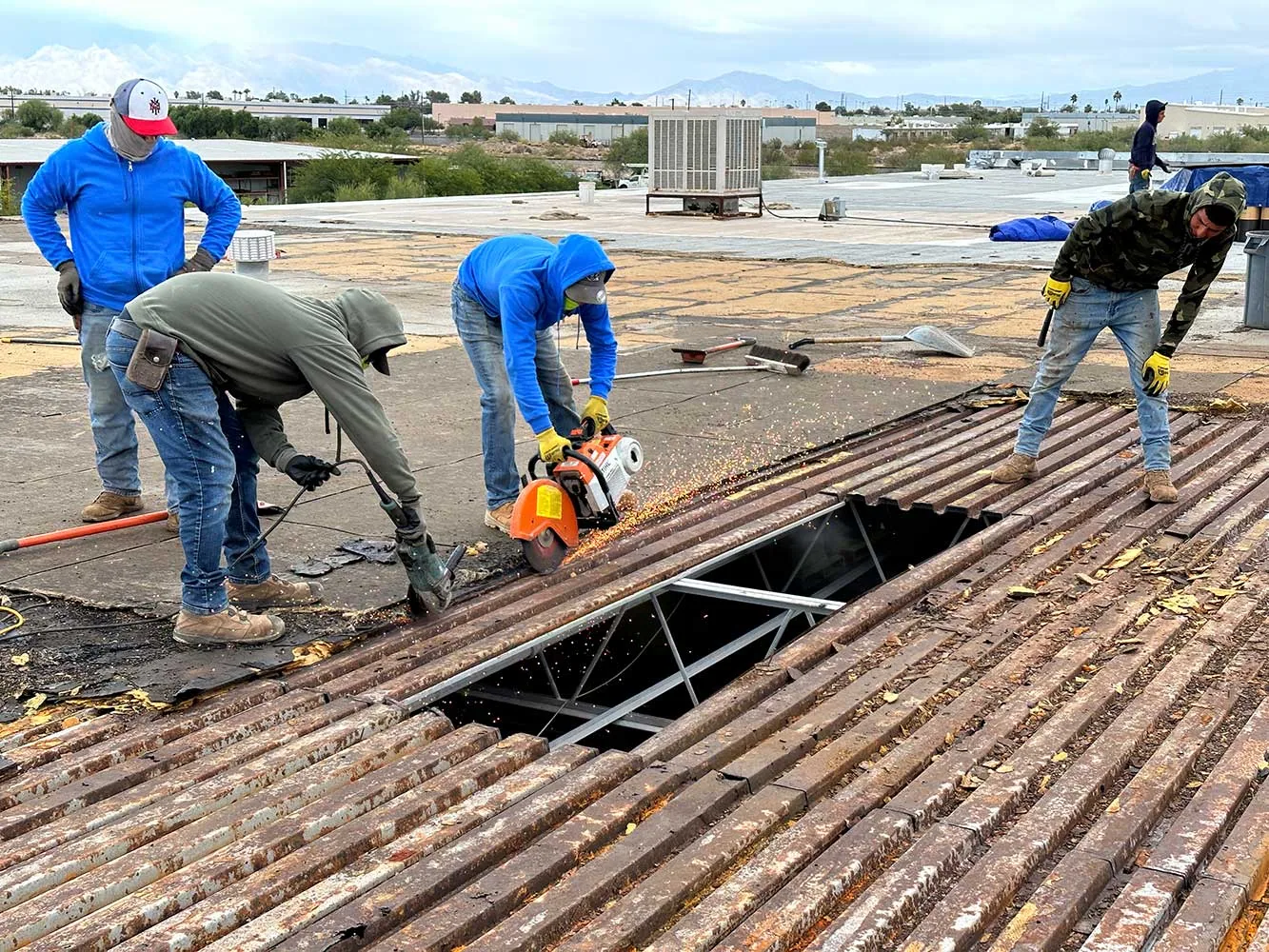
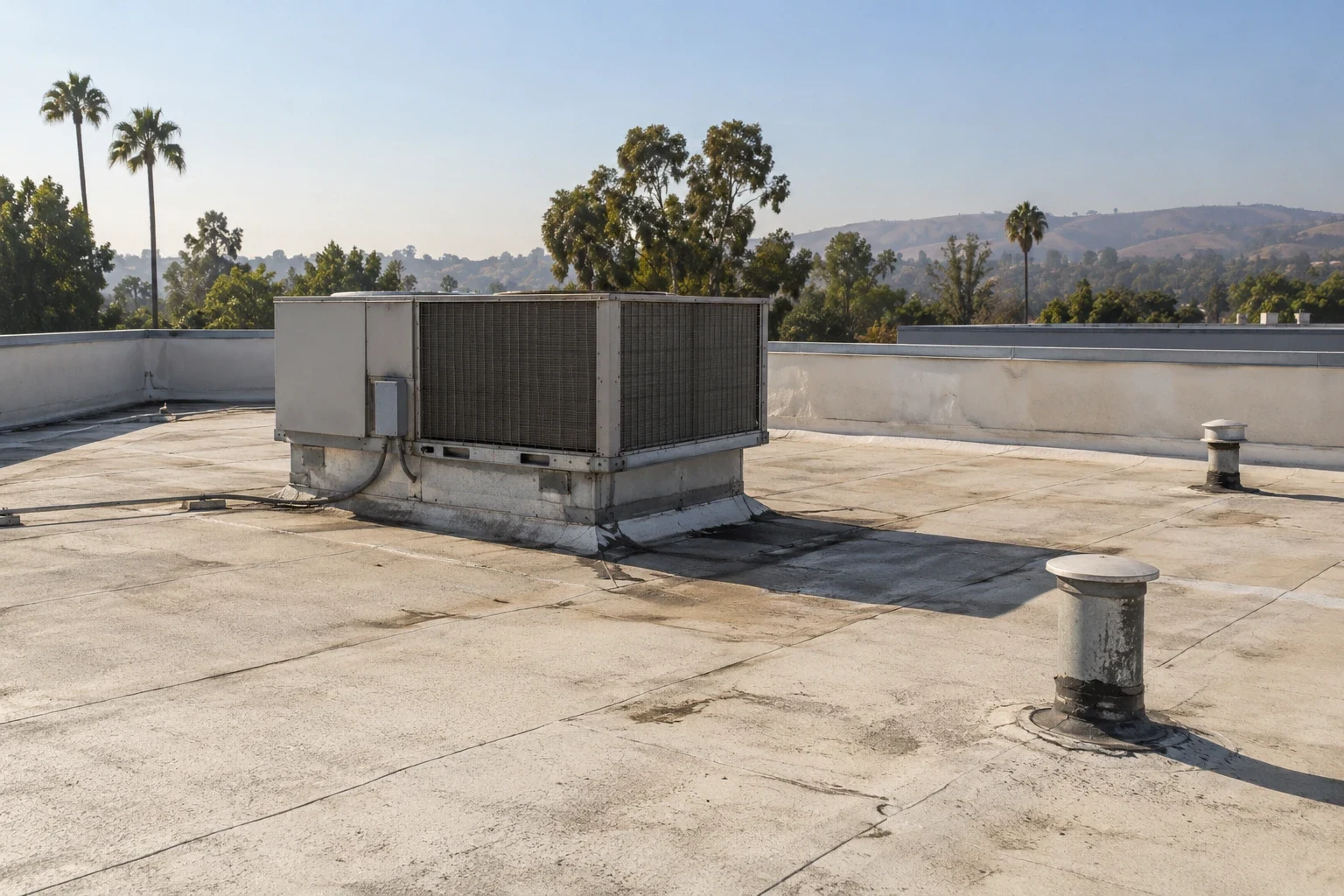
A repair scope states the roof zone, assembly, material to remove, tie-in point, and finish condition. We identify whether a local patch is suitable or if damage reaches the insulation, cover board, or deck. A test opening can establish concealed extent where surface inspection cannot. The scope notes the observations supporting each quantity and lists a condition that could alter the work if uncovered. This lets the owner compare the proposed repair with the inspection evidence.
For an isolated opening or flashing defect, targeted roof repair may restore the local assembly. If damage spans a larger area or the roof has widespread failure, the alternatives may include a defined repair, recover, or replacement. Replacement scope should identify removal depth, insulation, perimeter and drainage details, equipment interfaces, and occupied-building protections. Those choices depend on the roof findings; claim status does not determine which construction assembly is suitable.
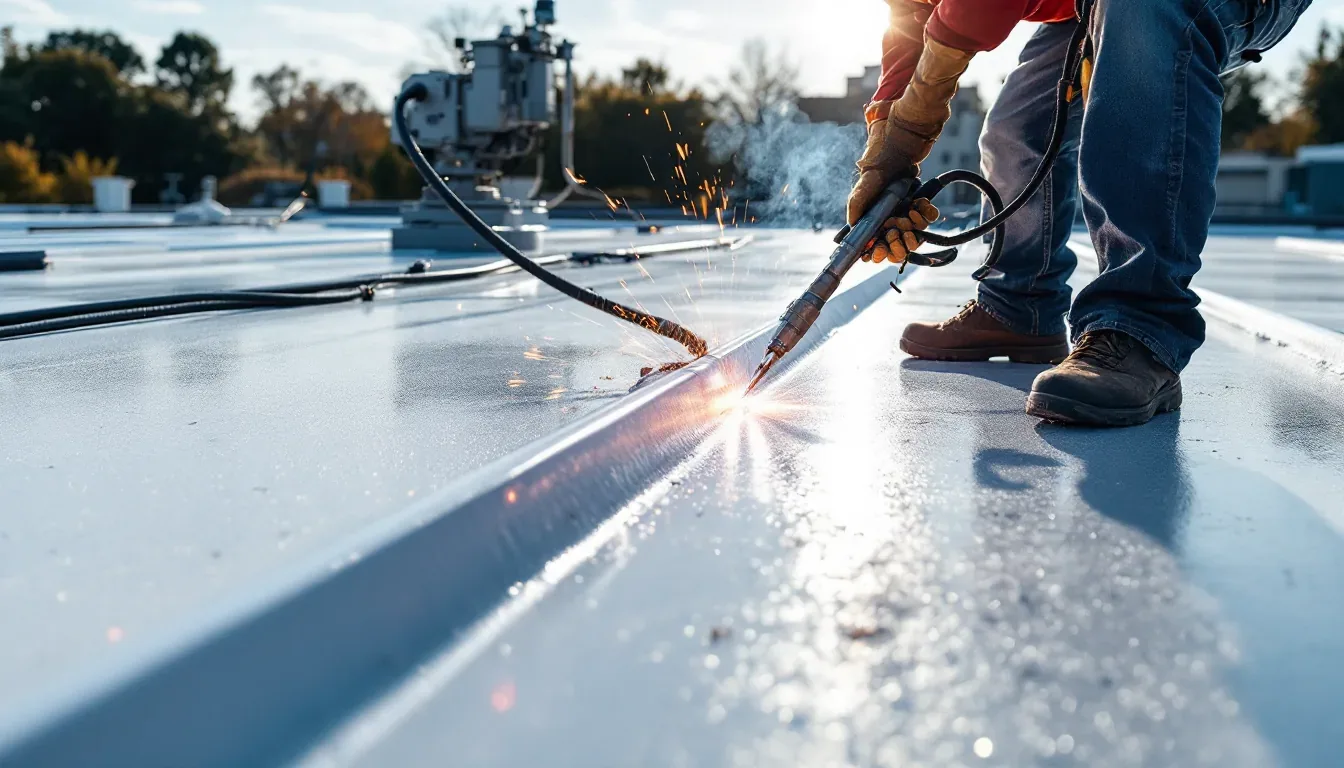
Material compatibility matters at every tie-in. TPO, PVC, EPDM, modified bitumen, built-up, metal, and coated roofs each need preparation and flashing methods suited to the existing system. A generic sealant over a moving seam can fail again. We identify the installed system where visible and document uncertainty where it is not. Repair areas are photographed before, during, and after work so the closeout reflects the actual boundary completed.
Coordinate Roofing With the Restoration Team
Interior drying, ceiling removal, electrical checks, and roof repair can proceed on different schedules. The roof must reach a secure dry-in before affected rooms are closed, but opening the ceiling first can help locate the water path. The project lead sets the interior and exterior sequence; we report the condition of the roof zone and the point at which it is ready for permanent work. If water remains active, the temporary protection and next inspection are recorded.
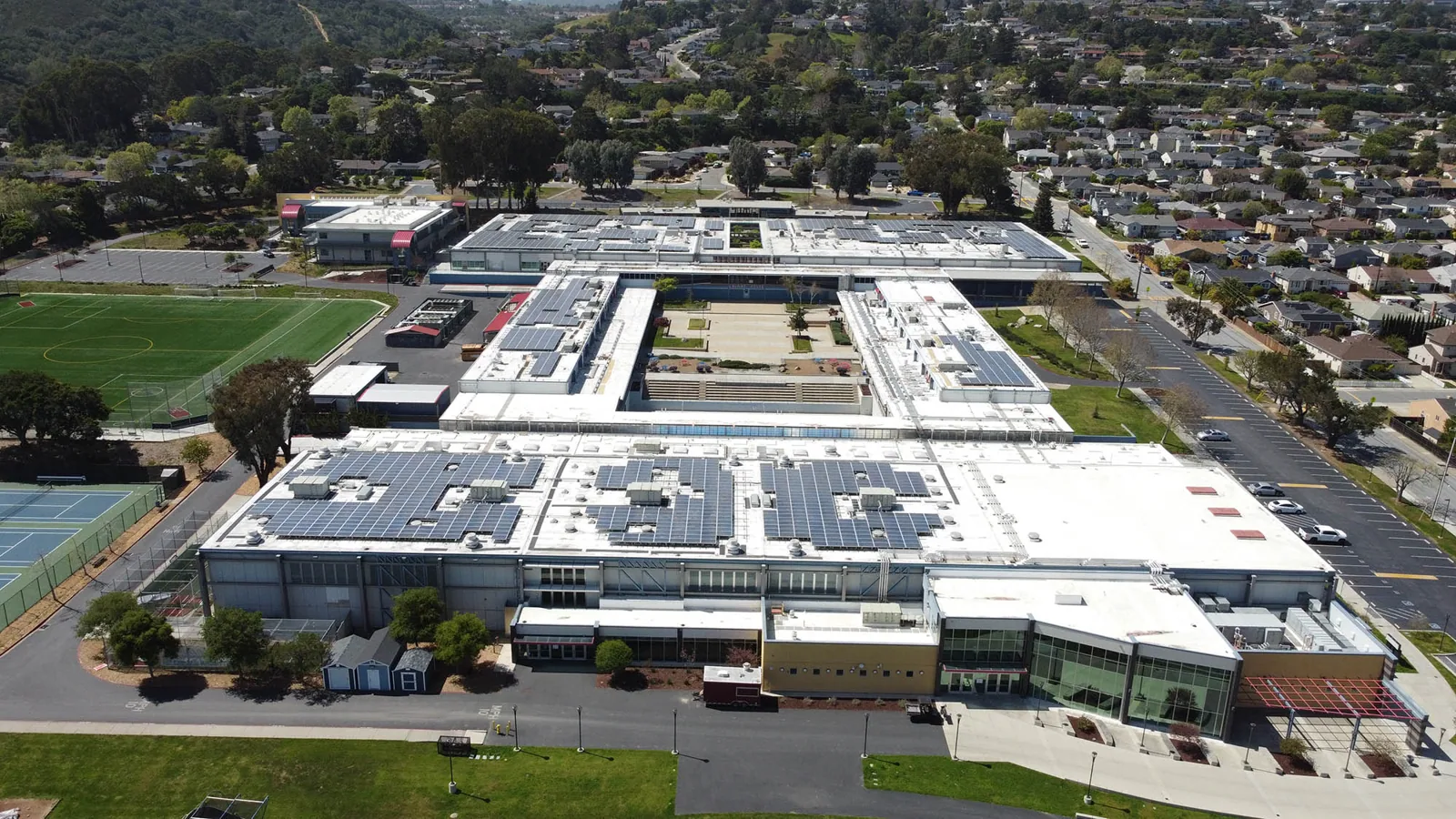
A general contractor or restoration company may control access, containment, equipment, and tenant notices. We confirm who provides lifts, who moves rooftop equipment, and which trade seals interior penetrations. General contractors can use the roof-zone photos to coordinate follow-on work without treating roofing documentation as approval for another trade’s scope. Each party receives the information needed for its assigned work.
When the property remains in use, barriers and material paths keep work separate from occupants. A leak over an office, shop, or receiving area can interrupt different operations even within one building. Property management staff help identify access contacts and tenant restrictions. We plan a safe work zone, limit roof openings to the area that can be secured, and pass a clear status at the end of the shift.
Keep the File Clear Through Closeout
Keep the initial inspection, temporary response, approved scope, change conditions, and completed work as distinct records. The final packet identifies the repair materials, roof zone, photos, and any area not opened or tested. If a concealed condition changes the work, we document the newly exposed material and request direction before expanding the scope. The closeout tells the property team what was repaired and what should remain on its maintenance list.
Repair timing and cost depend on roof access, material type, removal depth, moisture extent, perimeter details, and the need to protect occupied space. A small flashing repair can be completed differently from an area requiring wet-insulation removal and tie-in reconstruction. We describe the confirmed work separately from a conditional allowance. The carrier or property representative determines claim handling; our role is to explain roof observations and the construction work needed to address them.
Share the incident date if known, interior photos, roof plans, prior repair information, and contact for site access. We will inspect the reported roof area, document visible conditions, and identify any test needed to confirm concealed damage. In the Otay Mesa area, include any gate, freight, or work-hour restrictions that affect roof access. The inspection establishes the condition we observed and the repair boundary supported by that evidence.