Follow the route above the room
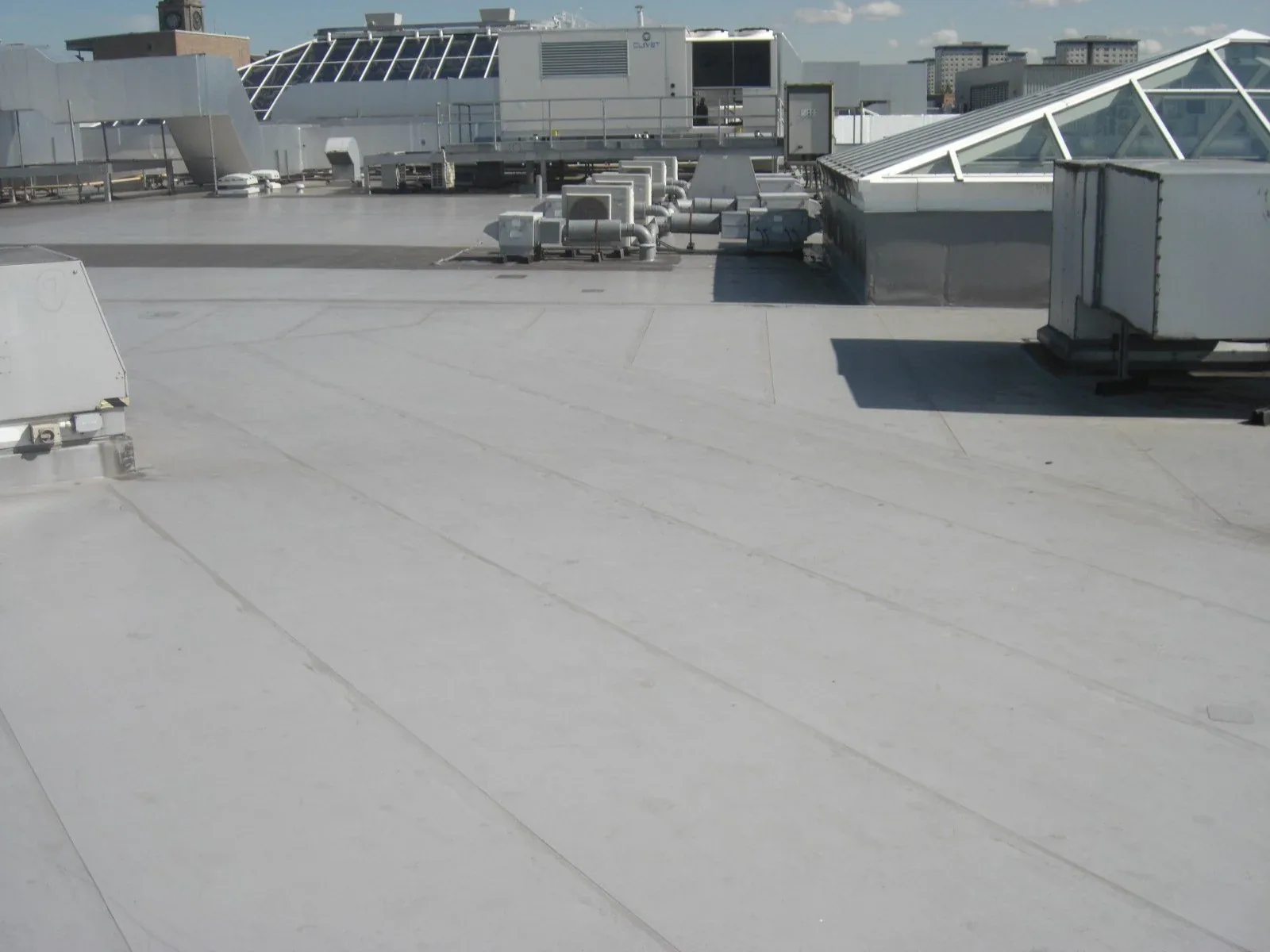
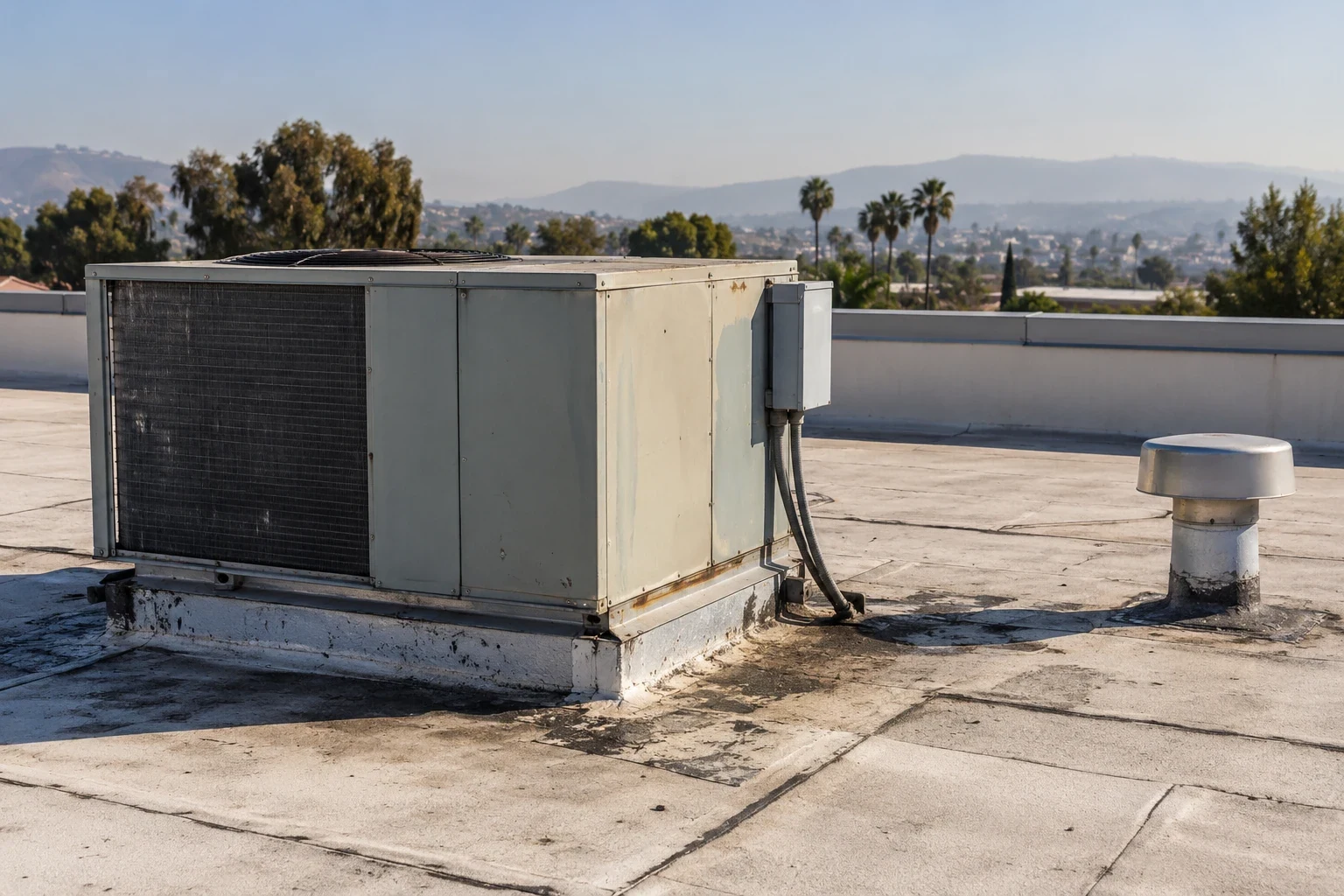
A drip beside an interior wall can begin at a pipe boot, equipment curb or membrane seam farther upslope. We take the room report to the corresponding roof zone and inspect transitions that can carry water beneath the surface. The path may run along a deck flute or under insulation before it reaches a ceiling opening. At each curb, we check the flashing height, corners and termination. At a seam, we look for an open lap, a weakened weld, puncture or edge lifting from the substrate. We also check the drain bowl and overflow because slow discharge leaves water at details longer than intended. When moisture may extend below the membrane, a thermal moisture survey can help focus a controlled opening. We compare the pattern with the roof construction and surface conditions, then use an approved opening when direct confirmation of concealed layers would change the scope. We mark wet, dry and inaccessible areas separately so a repair does not expand by assumption. The record then connects the visible failure to the proposed boundary and describes what evidence would change it.

Plan around a mixed activity center
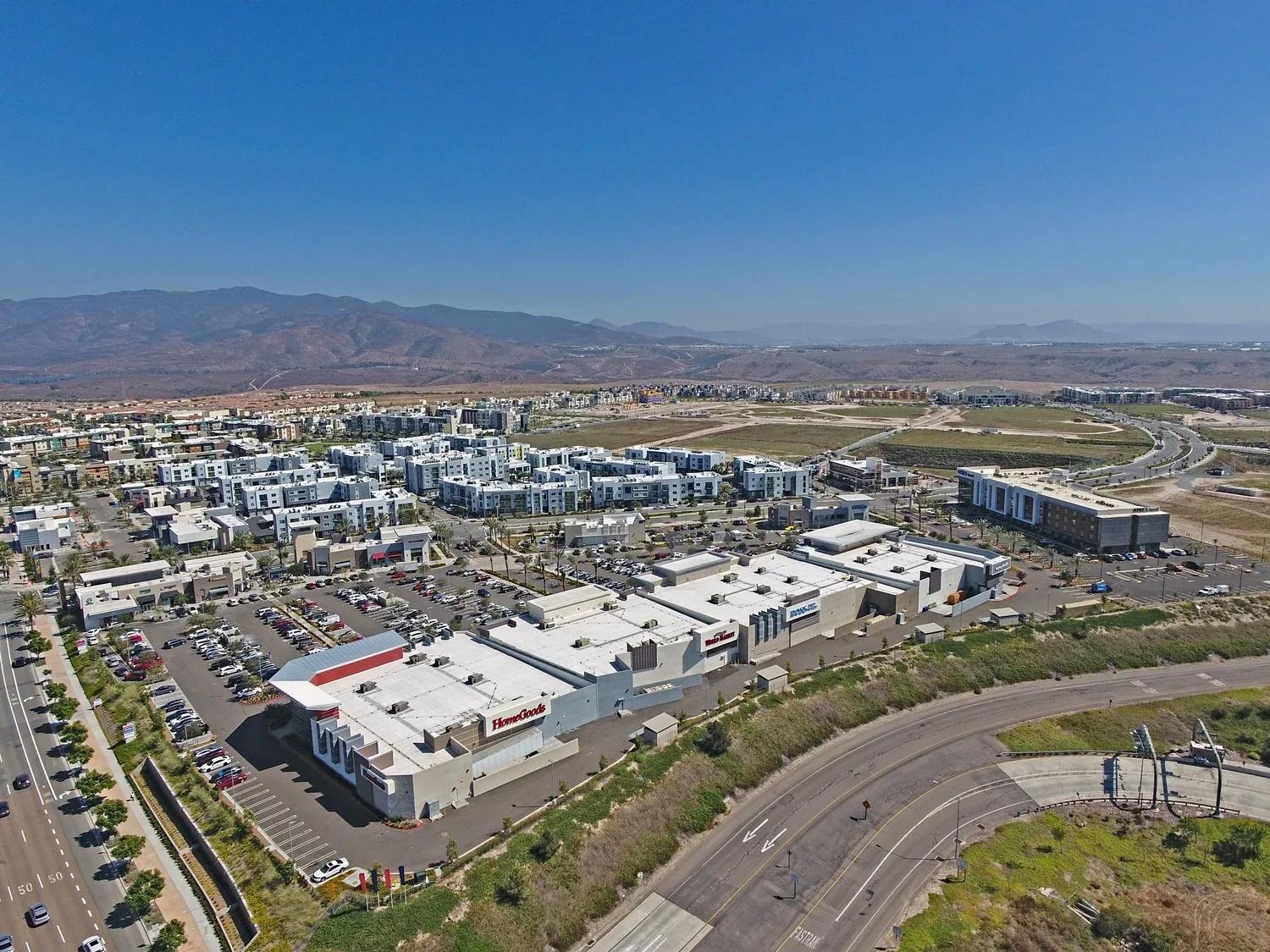
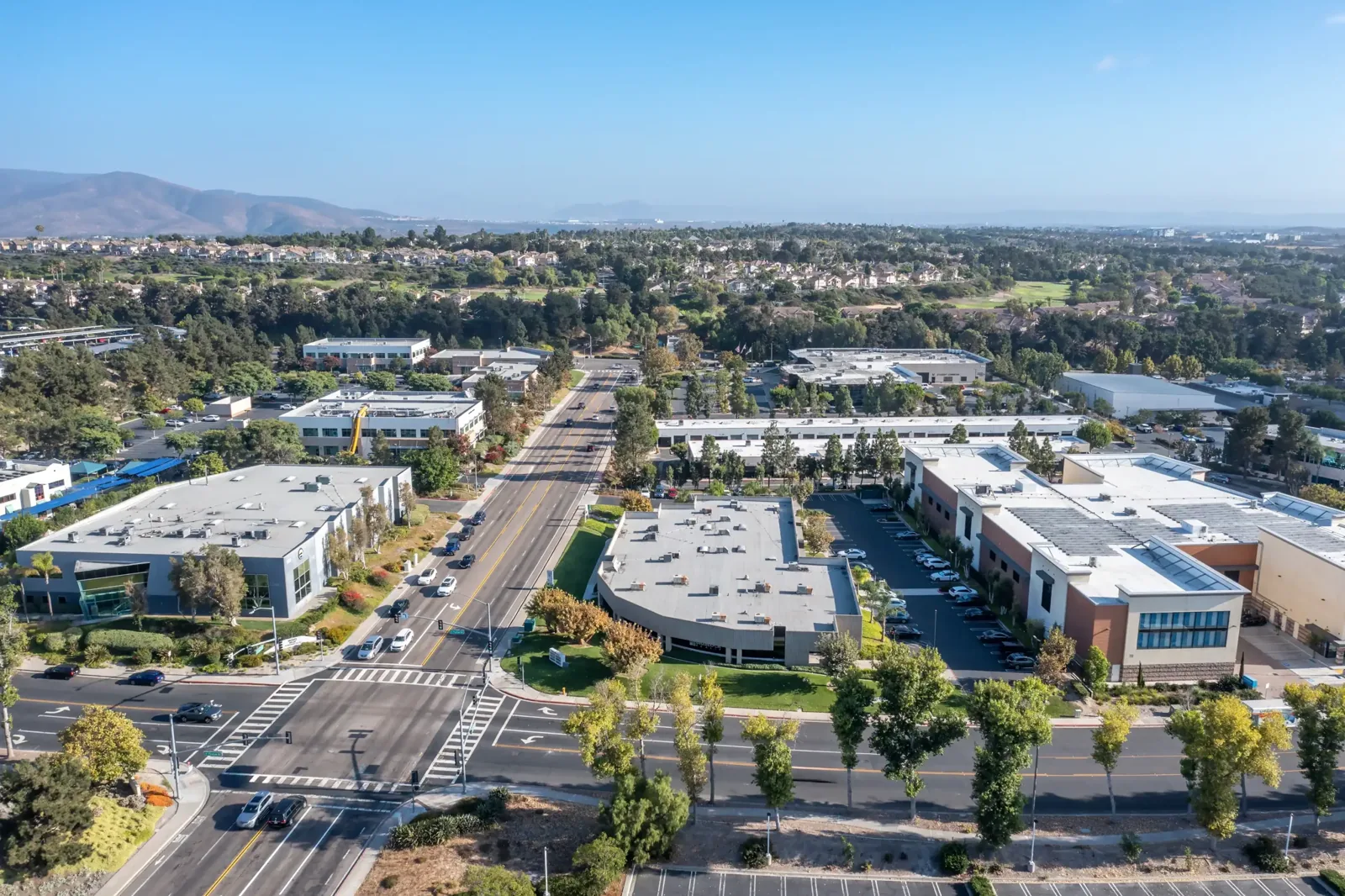
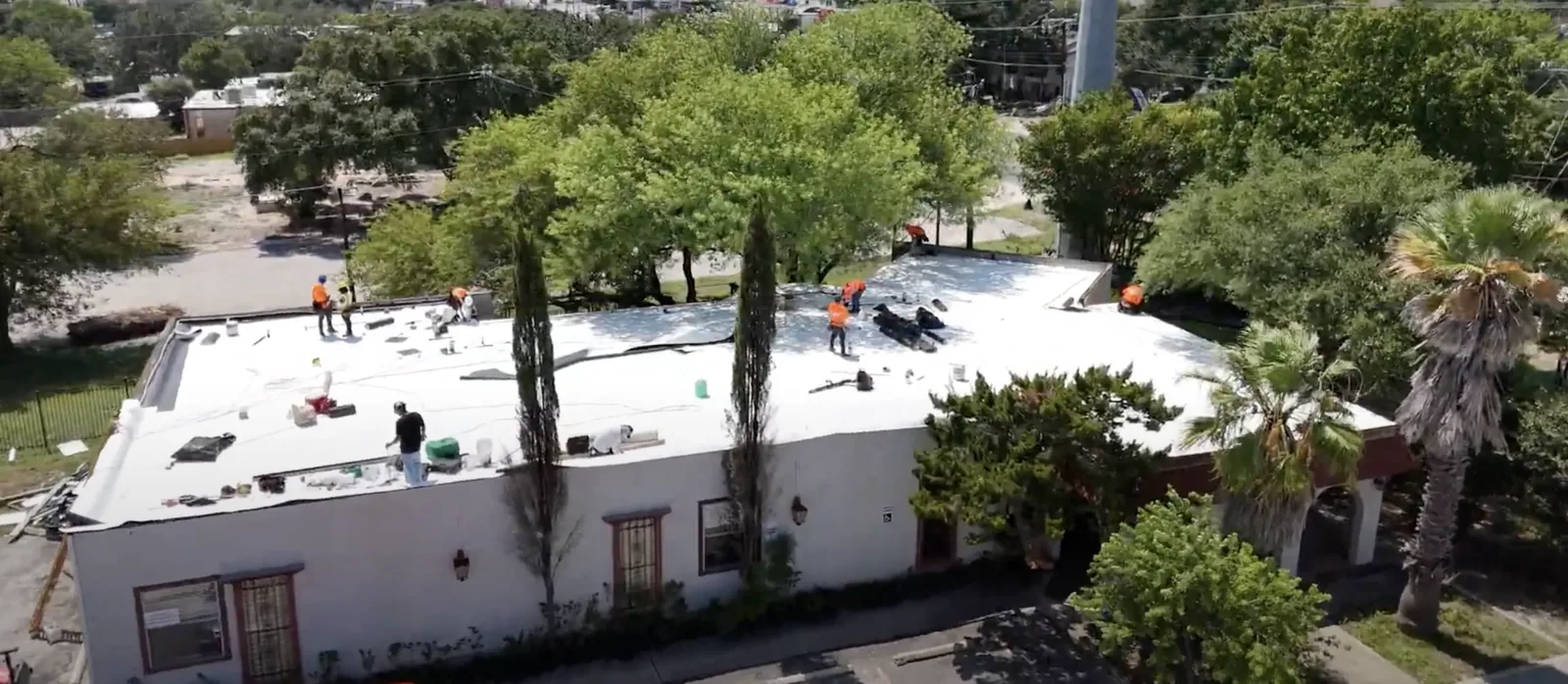
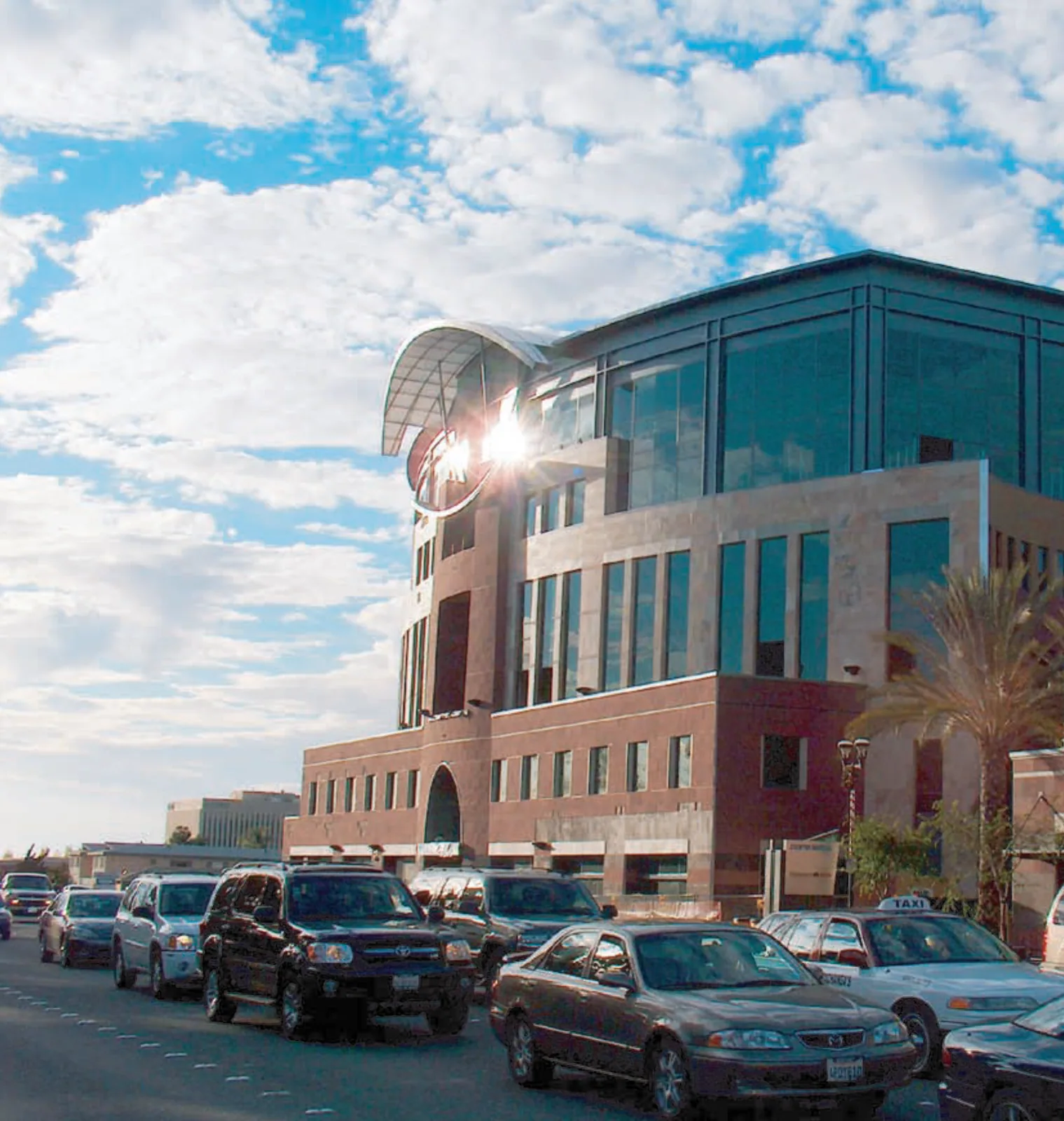
The East Planning Area combines neighborhood-serving commercial uses with residential and community facilities. A business, an office or a shared-use property can have different roof access and occupant schedules, so we ask the site contact how the building operates before arranging material movement. We confirm the roof hatch or ladder, the receiving area, any doors that remain active and where a lift or debris container may stand. If staff or customers use the space below the work, the manager gets the daily work-zone and dry-in plan. For a reroof, sections can be sequenced so an open area is closed before another begins. For leak work, we can isolate the repair and avoid disturbing unrelated roof zones. The corridor network includes H Street and Eastlake Parkway, but those routes do not define a particular property's loading access; the field contact does. Our occupied-building roof sequence is set around those operating constraints, with each day's handoff identifying finished work and anything still requiring protection.
Eastern exposure and the work window
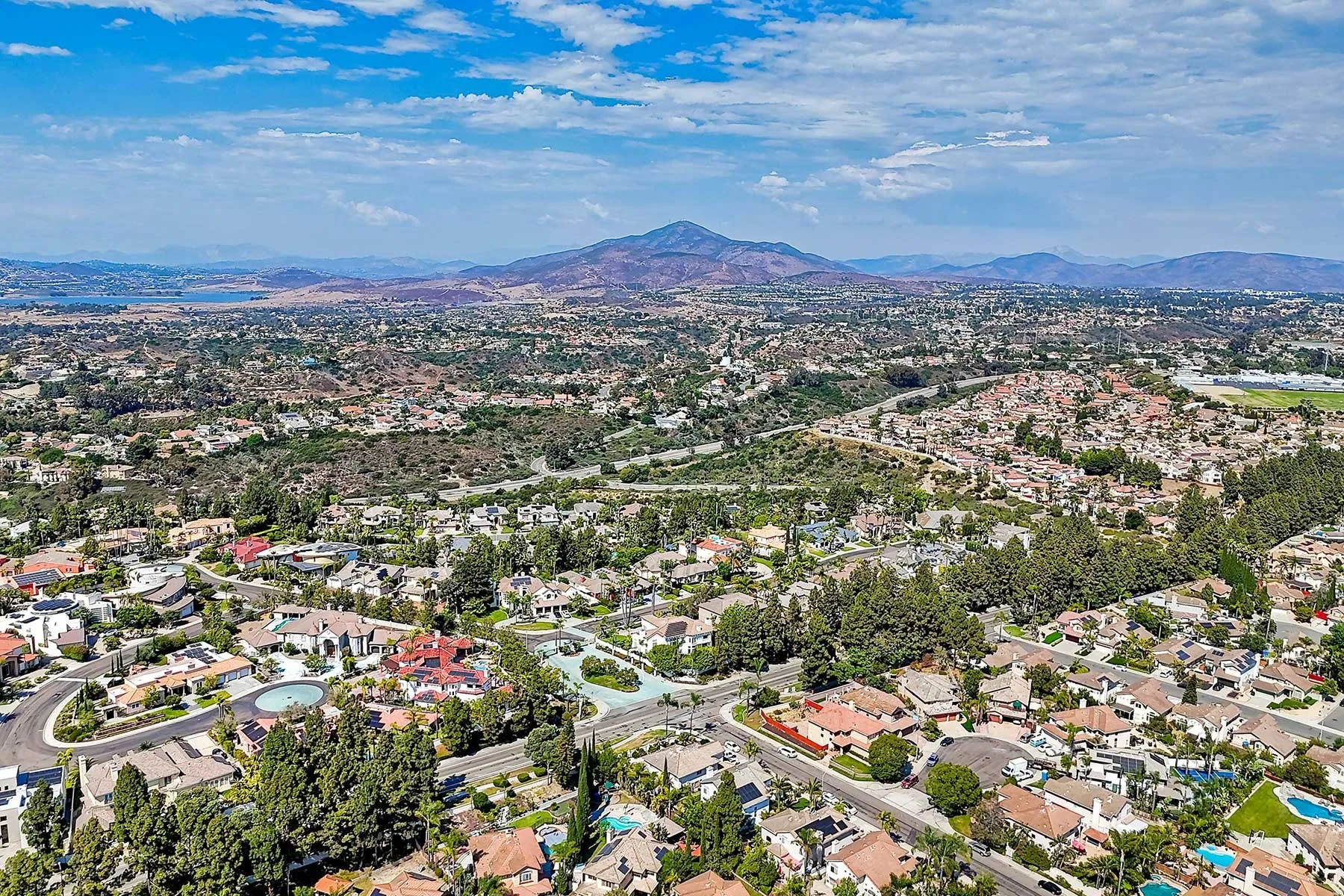
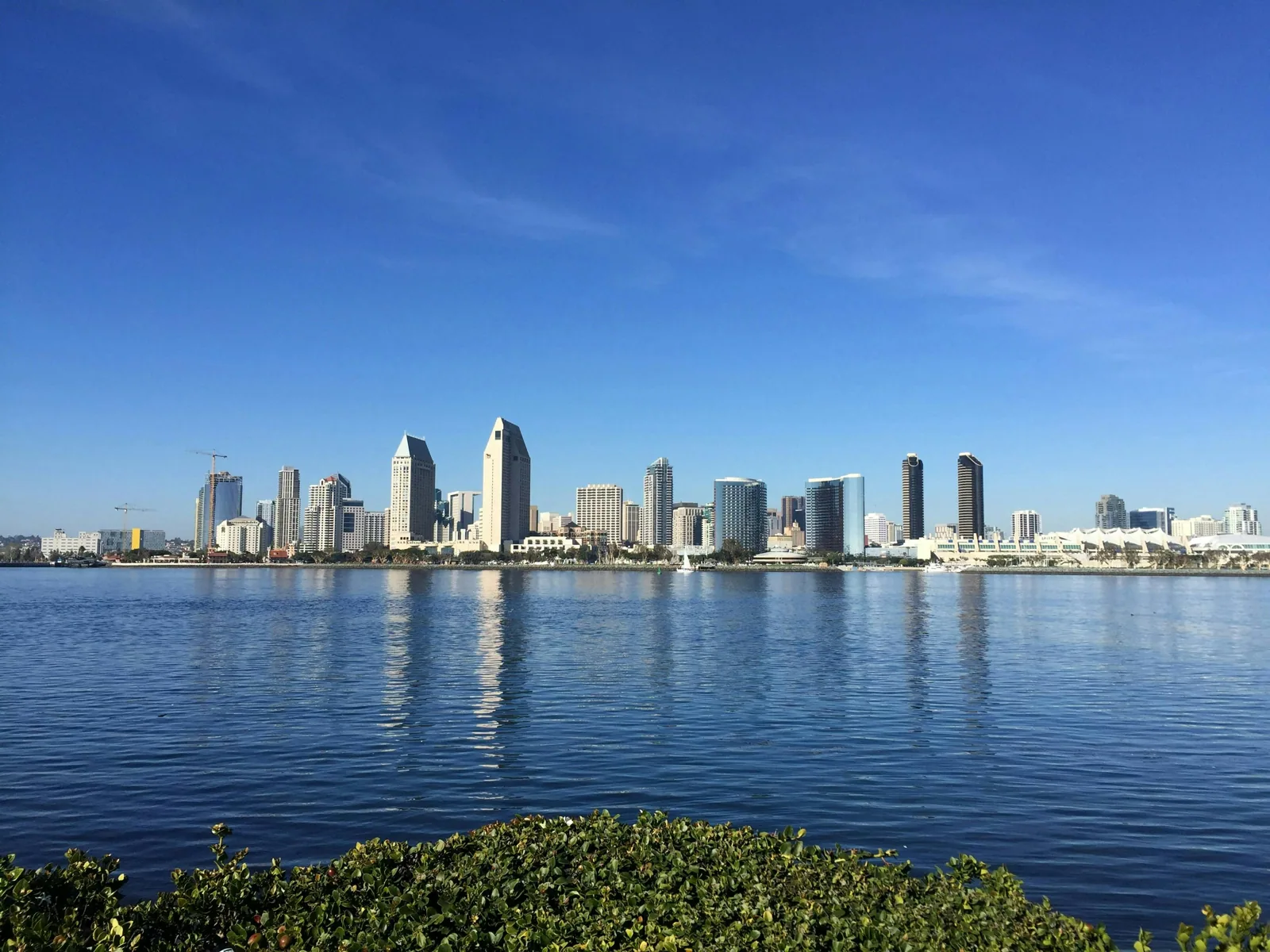
Chula Vista, CA has a mild Mediterranean climate, but the city's eastern elevations can see hotter periods during dry easterly winds and wider temperature swings than the coast. That market condition informs the inspection, while the roof's actual surface and forecast decide whether a crew can install a material that day. Heat can soften some surfaces and affect safe handling; rapid temperature change can stress details differently from a steady coastal day. Before opening a roof, we set a practical limit for tear-off and confirm the section can be dried in. Coating work requires a compatible surface and product-specific conditions, and a membrane patch needs a dry, prepared tie-in. We do not use regional weather to claim a roof has failed. The inspection checks exposed metal, curb flashing and edge terminations directly, then records any loose joint or weathered area that explains a leak. For a wider look at surface condition and drainage, a hands-on roof inspection can establish the next maintenance or repair action.
Repair the assembly that is there
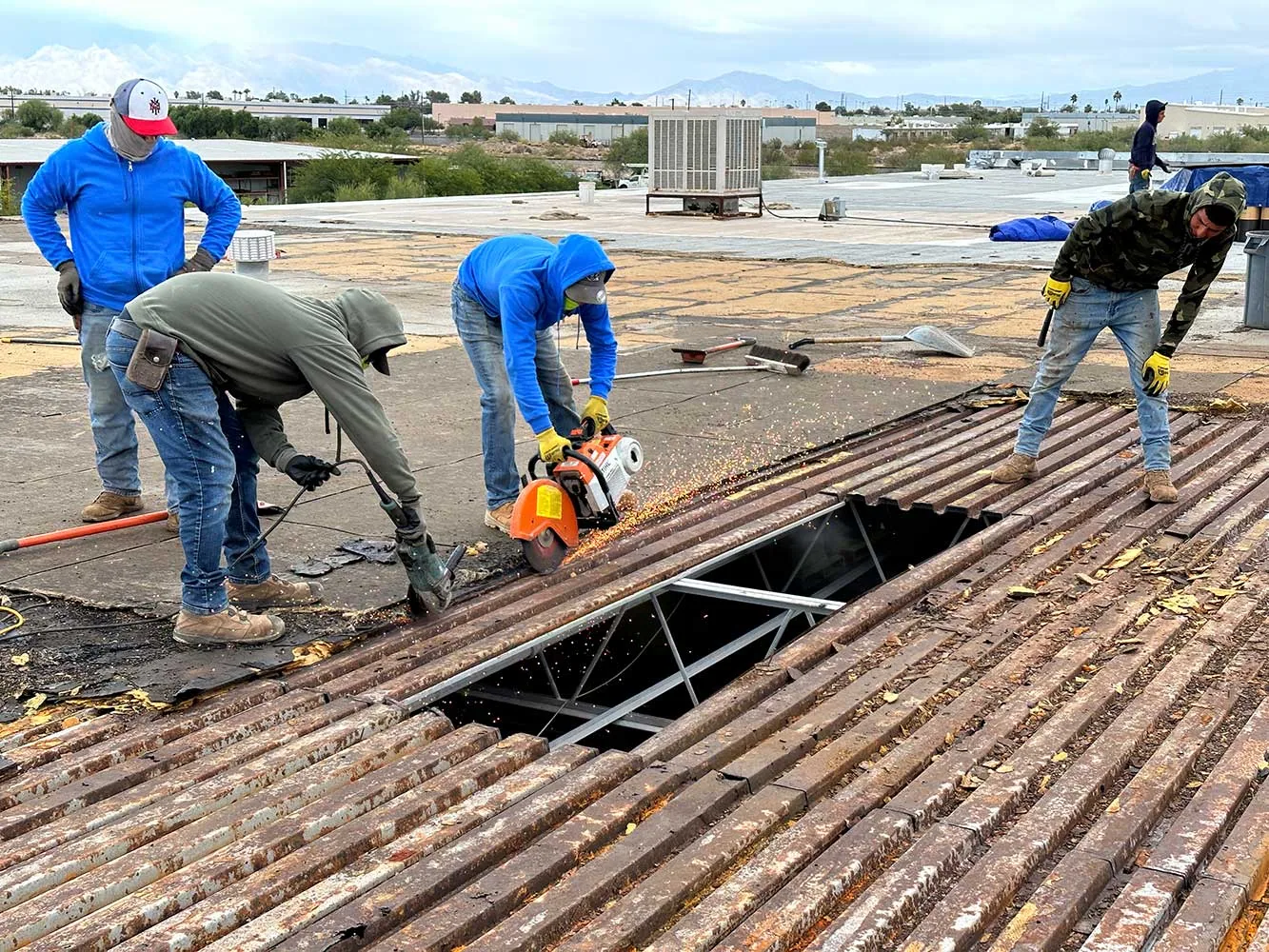
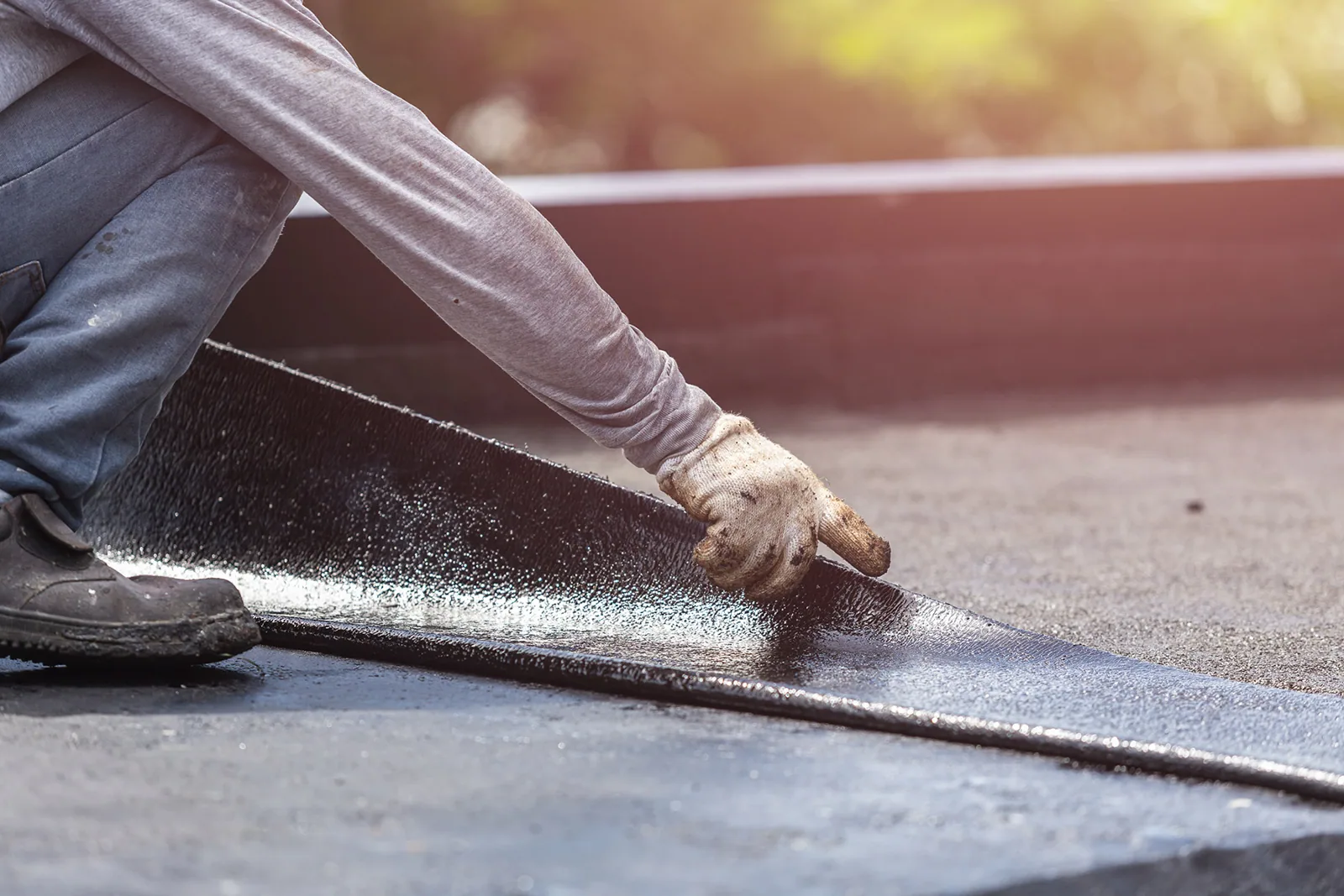
Material compatibility sets the first limit on a repair. Before selecting a repair, we record the installed covering and test the failed area for a stable connection. Single-ply sheets, surfaced bitumen and formed metal each call for different preparation. A welded patch needs a clean edge and a substrate that holds; a metal seam needs a repair that allows panel movement and reconnects at the right profile. A coating is only an option when the surface can be prepared and moisture beneath it is addressed. If several roof zones show deterioration, localized patches may no longer control the system's failure. We compare those conditions with a recover or replacement only after checking moisture, drainage, existing layers and penetrations. A defined repair scope can stabilize one confirmed failure. Broader deterioration may call for replacement planning, while a recover remains contingent on the condition and height of the existing assembly. Each choice should name what gets removed, what remains and what condition could change the work after an opening.
A scope with a clear boundary
Timing and cost follow the work actually needed: removal depth, wet insulation, deck condition, the number of curbs and drains, edge-metal work, roof access and the amount of staging available. We separate confirmed repair from concealed conditions that might add work once the membrane is opened. For a Chula Vista property, the city adopted the 2025 California Building Code with local amendments; permit and code review depends on the proposed scope. A change to drainage, insulation or the roof assembly deserves a jurisdiction-specific check before installation. The closeout record lists locations, photos, material installed and maintenance items still open. That gives a facilities manager a comparison point if a later leak appears in the same zone or if capital work is budgeted across properties. To schedule a roof walk in Terra Nova, share the building, the reported room or roof zone and an access contact. We will trace the visible path, identify any test that could resolve hidden moisture and explain which repair decision the evidence supports.